
Creating a Safe Haven: Gifts Enhancing Comfort at Home for PTSD


Welcome to Mind Care Guide, a sanctuary dedicated to nurturing your mental well-being. Are you seeking ways to cultivate a sense of peace and security at home, especially when navigating the complexities of PTSD? This is a safe space to explore practical solutions, including thoughtful PTSD home comfort gifts that can transform your environment into a haven. Let's embark on a journey to discover how carefully chosen items can contribute to healing and a more grounded sense of self.
Creating a Safe Haven: Gifts Enhancing Comfort at Home for PTSD
- Understanding the Need for PTSD Home Comfort Gifts
-
Top PTSD Home Comfort Gifts: A Buyer's Guide
- Sensory Soothing: Weighted Blankets and Calming Aromatherapy
- Creating a Relaxing Space: Comfortable Seating and Ambient Lighting
- Sound and Silence: Noise-Canceling Headphones and White Noise Machines
- Tactile Comfort: Soft Textures and Fidget Toys for Anxiety Relief
- Mindful Activities: Journals, Adult Coloring Books, and Meditation Apps
- Personalized PTSD Comfort Gifts: Tailoring to Individual Needs
- The Benefits of Thoughtful Gifting for PTSD Recovery
- Choosing the Right PTSD Home Comfort Gifts: Factors to Consider
- Beyond Gifts: Creating a Holistic Comforting Home Environment for PTSD
- Conclusion: Enhancing Comfort and Supporting Recovery with PTSD Home Comfort Gifts.
- Frequently Asked Questions
- Final Reflection: Cultivating Sanctuary: The Power of Gifts in PTSD Recovery
- Rediscover Your Sanctuary: Create a More Peaceful Home
Understanding the Need for PTSD Home Comfort Gifts
Post-Traumatic Stress Disorder (PTSD) can significantly impact a person's sense of safety and well-being, particularly within their own home. The home, which should ideally be a sanctuary, can sometimes feel less secure for individuals grappling with the effects of trauma. This is where the concept of PTSD home comfort gifts becomes incredibly valuable.
These aren't just ordinary presents; they are carefully selected items designed to create a tangible sense of calm, security, and control in the personal space of someone managing PTSD. Understanding the specific challenges faced by individuals with this condition is the first step in appreciating the profound impact such thoughtful gifts can have on their daily lives and long-term recovery journey.
The symptoms of PTSD, such as hypervigilance, anxiety, difficulty sleeping, and avoidance behaviors, can make navigating everyday life challenging. Simple tasks or environments can trigger overwhelming reactions. Therefore, transforming the home into a truly safe haven is paramount. PTSD home comfort gifts serve as tools and aids in this transformation process. They can help mitigate triggers, promote relaxation, and provide a sense of grounding when distress arises. By focusing on enhancing comfort at home, these gifts contribute directly to improving the quality of life and fostering a more stable emotional state for the recipient.
Creating a Supportive Environment for PTSD Recovery at Home
Creating a supportive home environment is a cornerstone of managing PTSD symptoms and fostering recovery. This involves more than just physical safety; it encompasses emotional and sensory security as well. For someone with PTSD, a predictable, calming, and non-threatening space can significantly reduce anxiety and the frequency of traumatic flashbacks or intrusive thoughts. Thoughtful additions like PTSD home comfort gifts play a crucial role in building this environment, offering immediate relief and contributing to a sustained sense of peace.
Research indicates that a sense of control over one's environment can empower individuals with PTSD, helping to counteract feelings of helplessness often associated with trauma. For example, being able to easily adjust lighting, sound, or tactile sensations using specific comfort items provides this crucial sense of agency. A recent survey involving individuals in recovery noted that over 60% felt that having personalized comfort items readily available in their home significantly improved their ability to manage acute stress responses. These items become anchors in moments of distress, helping the individual stay present and grounded.
How Comfort Gifts Can Alleviate PTSD Symptoms
Comfort gifts are designed with specific therapeutic benefits in mind, directly targeting common PTSD symptoms. For instance, many individuals with PTSD struggle with sleep disturbances, including insomnia and nightmares. Gifts like weighted blankets or white noise machines can help regulate the nervous system, promoting deeper, more restful sleep. A study published in the Journal of Clinical Sleep Medicine found that participants using weighted blankets reported reduced stress and improved sleep quality, which are critical factors for PTSD recovery.
Beyond sleep, comfort items can address hypervigilance and anxiety. Aromatherapy diffusers with calming essential oils can alter the atmospheric environment, signaling safety to the brain. Fidget toys or tactile objects provide a non-destructive outlet for nervous energy and can help ground someone experiencing intense anxiety or dissociation. Anecdotal evidence from support groups often highlights how simple items, like a soft throw or a specific scent, can interrupt escalating panic and provide a moment of respite, making PTSD home comfort gifts practical tools for symptom management.
The Importance of Sensory Comfort for PTSD Sufferers
Sensory experiences are deeply intertwined with memory and emotion, particularly for individuals with PTSD. Certain sounds, smells, sights, or textures can inadvertently act as powerful triggers, instantly transporting someone back to a traumatic moment. Conversely, carefully curated sensory input can be incredibly grounding and calming, helping to regulate an overactive nervous system and promote a sense of safety. This highlights the profound importance of sensory comfort in creating a healing home environment.
PTSD home comfort gifts that focus on sensory input are therefore highly effective. Items providing deep pressure stimulation, like weighted blankets, can activate the parasympathetic nervous system, promoting relaxation. Calming sounds from a white noise machine can mask sudden, jarring noises that might trigger hypervigilance. Soft, pleasant textures can provide a soothing tactile experience, while gentle, warm lighting can create a visually peaceful atmosphere. By intentionally introducing positive and predictable sensory experiences, these gifts help individuals with PTSD build new, safe associations with their home environment, gradually reducing the power of potential triggers.
Top PTSD Home Comfort Gifts: A Buyer's Guide
Choosing the right PTSD home comfort gifts requires understanding the individual's specific needs and preferences, but certain categories of items are widely recognized for their therapeutic benefits. This guide explores some of the most impactful options available, focusing on how they can enhance comfort and support recovery within the home. From items that soothe the senses to those that encourage mindful engagement, these gifts are more than just objects; they are tools for building a personal sanctuary.
When considering PTSD home comfort gifts, think about the different sensory modalities: touch, sight, sound, and smell. Also consider activities that promote relaxation and self-care. The best gifts are often those that the recipient can easily integrate into their daily routine and access during moments of distress. Prioritizing quality, ease of use, and the recipient's likely comfort levels with different sensations is key to selecting truly impactful PTSD home comfort gifts.
Sensory Soothing: Weighted Blankets and Calming Aromatherapy
Sensory soothing items are among the most popular and effective PTSD home comfort gifts because they directly address the heightened sensory sensitivity often experienced by individuals with trauma. These items provide gentle, predictable input that can help regulate the nervous system and promote a sense of calm. Weighted blankets offer deep pressure stimulation, while aromatherapy uses scent to influence mood and create a relaxing atmosphere. Both types of gifts provide non-invasive ways to manage anxiety and promote relaxation within the safety of one's home.
Integrating sensory soothing into a daily routine can be a powerful self-care strategy. Using a weighted blanket during moments of stress or before sleep, or diffusing calming essential oils throughout the day, can create consistent cues for relaxation. These simple practices, facilitated by appropriate PTSD home comfort gifts, can help individuals build resilience and develop coping mechanisms for managing their symptoms in a gentle and effective manner.
Weighted Blankets: The Science Behind Deep Pressure Therapy
Weighted blankets work on the principle of Deep Pressure Therapy (DPT), which involves applying firm, gentle pressure to the body. This type of pressure is thought to stimulate the parasympathetic nervous system, often referred to as the "rest and digest" system. By activating this system, DPT can help reduce the activity of the sympathetic nervous system, which is responsible for the "fight or flight" response often hyperactive in individuals with PTSD. The consistent, firm pressure can feel like a comforting hug, promoting feelings of safety and security.
Studies have shown that DPT can lead to a reduction in cortisol levels, the body's primary stress hormone, and an increase in serotonin and dopamine, neurotransmitters associated with mood and well-being. This biochemical effect translates to reduced anxiety, improved mood, and better sleep quality. For someone with PTSD, the ability to self-soothe using a weighted blanket can be incredibly empowering, offering a tangible way to manage overwhelming feelings and promote a sense of calm without external intervention.
Recommended Weighted Blanket: Gravity Blanket - The Original Weighted Blanket
The Gravity Blanket is often cited as a pioneer in the consumer weighted blanket market, known for its quality construction and even weight distribution. Typically filled with fine glass beads or plastic pellets, it's designed to provide consistent deep pressure across the body. Available in various weights, it's recommended to choose a blanket that is approximately 10% of the user's body weight for optimal effect.
Users frequently report feeling a sense of being grounded or held when using the Gravity Blanket, which can be particularly beneficial for individuals experiencing hypervigilance or restlessness associated with PTSD. While individual results vary, many find it aids in falling asleep faster and experiencing fewer awakenings during the night. Its durable design means it can be a long-lasting source of comfort, making it a valuable PTSD home comfort gift.
Aromatherapy Diffusers and Essential Oils for PTSD Relief
Aromatherapy uses aromatic essential oils to promote physical and psychological well-being. For individuals with PTSD, certain scents can be incredibly calming and grounding, helping to create a more peaceful internal and external environment. Diffusers disperse essential oils into the air, filling a room with subtle, therapeutic aromas. This passive form of aromatherapy allows the individual to benefit from the oils simply by being in the space.
Unlike strong perfumes or scents that might trigger negative associations, essential oils used for therapeutic purposes are typically natural plant extracts. When used with a diffuser, the aroma is gentle and consistent, helping to establish a calming atmosphere. Having an aromatherapy diffuser as one of the PTSD home comfort gifts allows the recipient to easily control the scent environment in their home, introducing relaxing aromas whenever needed to counteract stress or anxiety.
Top Essential Oils for Relaxation: Lavender, Chamomile, and Frankincense
Certain essential oils are particularly renowned for their calming and anxiety-reducing properties, making them excellent choices to accompany an aromatherapy diffuser given as a PTSD home comfort gift. Lavender is perhaps the most well-known, widely studied for its ability to promote relaxation and improve sleep. Its sweet, floral scent is generally well-tolerated and has been shown in some studies to reduce anxiety levels.
Chamomile (Roman) essential oil has a gentle, apple-like scent and is also highly regarded for its calming effects, often used to soothe nerves and promote rest. Frankincense, with its warm, woody, and slightly spicy aroma, is often used in meditative practices and is believed to help ground the mind and reduce feelings of stress and tension. Offering a selection of these top essential oils alongside a diffuser provides variety and allows the recipient to discover which scents resonate most with them for relaxation and relief.
Recommended Aromatherapy Diffuser: ASAKUKI - 500ml Premium Essential Oil Diffuser
The ASAKUKI 500ml Premium Essential Oil Diffuser is a popular choice due to its large capacity, allowing for longer diffusion times without frequent refilling, which is convenient for daily use. It often includes features like multiple mist modes (continuous or intermittent), a timer, and optional ambient lighting (which can be turned off if light is a trigger or preference). Its quiet operation is also a significant benefit, ensuring it doesn't add unwanted noise to the environment.
Choosing a reliable and easy-to-use diffuser like the ASAKUKI model ensures that the aromatherapy component of the PTSD home comfort gifts is accessible and effective. The ability to set timers means the scent can be diffused for a specific duration, providing control over the sensory environment. Its simple operation makes it easy for someone feeling overwhelmed to initiate a calming scent experience with minimal effort.
Creating a Relaxing Space: Comfortable Seating and Ambient Lighting
The physical environment of a home significantly impacts a person's mental state. For someone with PTSD, having designated areas that feel safe, comfortable, and visually soothing can be incredibly beneficial. Comfortable seating provides a welcoming spot for rest or quiet reflection, while ambient lighting can transform the mood of a room, making it feel softer and less harsh. These elements contribute to the overall sense of sanctuary that PTSD home comfort gifts aim to cultivate.
Investing in items that enhance the comfort and aesthetic appeal of a personal space is a direct way to support relaxation and reduce hypervigilance. A comfortable chair invites moments of stillness, perhaps for reading or simply being present, while carefully chosen lighting can eliminate harsh shadows or overly bright spots that might feel jarring or triggering. Together, comfortable seating and ambient lighting are essential components of creating a truly relaxing and supportive home environment.
Comfortable Seating Options for PTSD: Recliners, Bean Bags, and Meditation Cushions
Comfortable seating is more than just a place to sit; it's a physical anchor that can provide a sense of security and encourage relaxation. Options range from supportive recliners that allow for full body relaxation to adaptable bean bags that mold to the body, offering flexible comfort. Meditation cushions provide a dedicated, comfortable spot for mindfulness practices or simply sitting quietly. The key is finding seating that feels physically comforting and safe to the individual.
For someone managing PTSD, having a specific chair or spot that feels uniquely theirs and is associated with comfort and safety can be very important. It can be a place to retreat to when feeling overwhelmed, a space for grounding exercises, or simply where they feel most at ease. When considering PTSD home comfort gifts related to seating, think about the recipient's preferred posture for relaxation and the available space in their home.
Recommended Recliner: Lane Home Furnishings - Rocker Recliner
A rocker recliner offers the dual benefits of comfortable reclining and gentle rocking motion, which some individuals find very soothing. Lane Home Furnishings is known for manufacturing durable and comfortable recliners. A model with plush padding and easy-to-operate reclining mechanism can provide a dedicated spot for deep relaxation, reading, or watching television in comfort.
The ability to fully recline can help reduce physical tension, which is often held in the body as a result of chronic stress and hypervigilance. The rocking motion can also be calming for some, reminiscent of soothing movements. While a recliner represents a more significant investment as a PTSD home comfort gift, its potential to provide a consistent, comfortable sanctuary within the home can be invaluable for long-term well-being.
Ambient Lighting Solutions: Himalayan Salt Lamps and Sunset Lamps
Lighting plays a crucial role in setting the mood of a space. Harsh, bright lights can feel jarring and contribute to anxiety, while soft, warm, or adjustable lighting can create a calming and secure atmosphere. Ambient lighting solutions like Himalayan salt lamps and sunset lamps offer gentle, diffused light that is visually soothing and can help create a sense of warmth and tranquility in a room.
Himalayan salt lamps emit a warm, pinkish glow that is soft on the eyes. Sunset lamps project a warm, colored light onto walls or ceilings, mimicking the calming hues of a sunset. Both types of lamps provide indirect, non-intrusive light that can help reduce visual stress and make a room feel cozier and more inviting. Including one of these as a PTSD home comfort gift can help transform a potentially stressful environment into a more peaceful retreat.
Recommended Himalayan Salt Lamp: Himalayan Glow - Natural Pink Salt Lamp
Himalayan Glow is a well-regarded brand for authentic Himalayan salt lamps. These lamps are carved from natural salt crystals mined from the Himalayan foothills. When lit from within by a low-wattage bulb, they emit a soft, warm, pinkish-orange light. The natural variations in the salt crystal mean each lamp is unique.
The soft, diffused light from a Himalayan salt lamp can be very calming, especially in the evening as part of a winding-down routine. It provides just enough light to navigate a room without being overly stimulating. Many people find the warm glow inherently peaceful, making it a simple yet effective addition to the collection of PTSD home comfort gifts aimed at enhancing visual comfort and relaxation in the home.
Sound and Silence: Noise-Canceling Headphones and White Noise Machines
The auditory environment can be particularly challenging for individuals with PTSD, as sudden loud noises or specific sounds can be powerful triggers. Managing the soundscape of the home is therefore essential for creating a sense of safety and control. Gifts that help filter out unwanted noise or introduce calming sounds can significantly reduce stress and hypervigilance. Noise-canceling headphones and white noise machines are excellent PTSD home comfort gifts for addressing auditory sensitivities.
These tools provide agency over the sound environment. Noise-canceling headphones offer an immediate escape from potentially triggering external sounds, allowing for focus or quietude. White noise machines provide a predictable, soothing background sound that can mask jarring noises and create a consistent auditory buffer. Both contribute to a more predictable and less threatening home soundscape, supporting relaxation and reducing anxiety.
Noise-Canceling Headphones: Blocking Triggers and Promoting Focus
High-quality noise-canceling headphones use active noise control technology to significantly reduce ambient sounds. For someone with PTSD, this means being able to block out sudden loud noises (like doors slamming, traffic, or construction) that might cause a startle response or trigger anxiety. They can be used to create a personal zone of quiet, whether for relaxation, concentration, or simply feeling more secure in a noisy environment.
Beyond blocking triggers, noise-canceling headphones can promote focus during activities that require concentration, such as reading or working, which can be difficult when hypervigilance is high. They also allow for listening to calming music, guided meditations, or podcasts without external distractions. As PTSD home comfort gifts, they offer a portable way to manage the auditory environment, providing a sense of control both inside and outside the home.
Recommended Noise-Canceling Headphones: Sony WH-1000XM5 - Wireless Noise Canceling Headphones
The Sony WH-1000XM5 headphones are widely regarded as among the best in active noise cancellation technology. They excel at blocking out a broad range of frequencies, from low-rumbling traffic to higher-pitched voices. Known for their comfortable design and excellent sound quality for listening to calming audio, they also feature adaptive sound control that can adjust noise cancellation based on the user's activity.
While a premium option, the effectiveness of the Sony WH-1000XM5 in creating near-silence can be profoundly beneficial for someone easily overwhelmed by noise. Their wireless capability adds convenience, allowing the user to move freely within their home while maintaining their auditory sanctuary. For individuals with significant noise sensitivity, these headphones represent a high-impact PTSD home comfort gift.
White Noise Machines: Creating a Calming Soundscape
White noise machines generate consistent, ambient sounds (like white noise, pink noise, brown noise, or natural sounds like rain or ocean waves) that help to mask sudden or inconsistent noises. This creates a predictable auditory environment that can be very calming and conducive to relaxation and sleep. Instead of being startled by a sudden noise, the brain registers the consistent background sound.
Using a white noise machine can help individuals with PTSD fall asleep more easily and experience less fragmented sleep, as it minimizes disruptions from environmental sounds. It can also be used during the day in living spaces to create a peaceful atmosphere, making the home feel more tranquil and less prone to triggering auditory surprises. Including a reliable white noise machine among PTSD home comfort gifts offers a simple yet effective way to manage the home's sound environment.
Recommended White Noise Machine: LectroFan - White Noise Sound Machine
The LectroFan is a popular digital white noise machine known for offering a wide variety of fan sounds and white noises, rather than relying on looping recordings. This provides a seamless, non-repetitive sound experience, which some users find less distracting. It offers 10 different fan sounds and 10 variations of pure white noise, pink noise, and brown noise.
The LectroFan's digital synthesis means the sound is consistent and high-quality. Its compact size makes it easy to place in a bedroom or living area. The variety of sound options allows the user to choose the specific frequency profile that they find most soothing. Its effectiveness in masking disruptive noises makes it a highly recommended PTSD home comfort gift for improving sleep and creating a calmer home environment.
Tactile Comfort: Soft Textures and Fidget Toys for Anxiety Relief
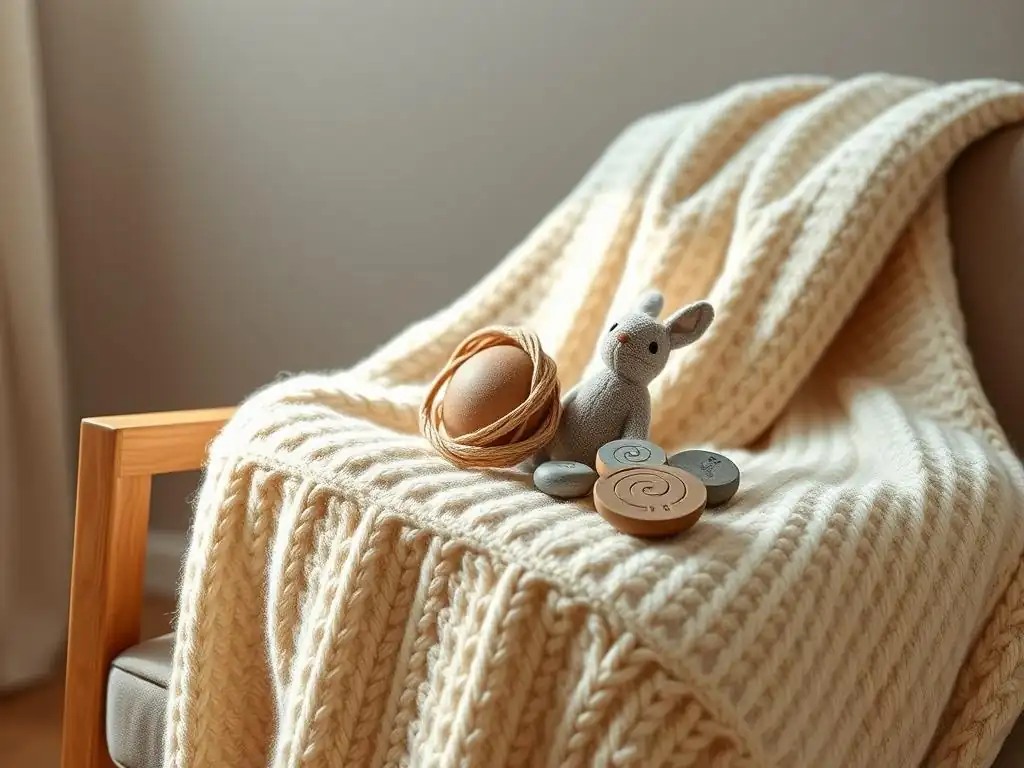
Tactile sensations can be incredibly grounding and soothing. Engaging with soft, pleasant textures or manipulating small objects (fidget toys) can provide comfort and help regulate the nervous system, particularly during moments of anxiety or dissociation. Including items focused on touch among PTSD home comfort gifts offers tangible ways to find physical comfort and reduce distress.
Soft textures like plush blankets or cozy clothing provide a comforting physical sensation that can promote relaxation and a sense of safety. Fidget toys offer a discreet way to channel nervous energy and focus attention, providing a physical outlet for anxiety. Both types of items offer immediate, accessible comfort through the sense of touch, making them valuable tools for self-soothing in the home environment.
Soft Textures: Plush Blankets, Cozy Robes, and Soft Toys
Surrounding oneself with soft, comforting textures can have a significant psychological impact. A plush blanket draped over a chair or bed invites warmth and comfort. A cozy robe can make moments of relaxation feel more indulgent and secure. Even soft, huggable toys can provide a simple, non-judgmental source of tactile comfort for some individuals, offering a physical presence to hold onto during times of distress.
These items turn a living space into a more physically inviting and comforting environment. The act of wrapping up in a soft blanket or putting on a cozy robe can be a deliberate step towards self-care and relaxation. As PTSD home comfort gifts, they offer simple, everyday ways to enhance physical comfort and create a more nurturing atmosphere within the home.
Recommended Plush Blanket: Bedsure - Sherpa Fleece Blanket
The Bedsure Sherpa Fleece Blanket is a popular and affordable option known for its dual-sided comfort – one side soft fleece, the other fluffy Sherpa. It's available in various sizes and colors, allowing for personalization. The combination of textures offers different tactile experiences, both designed for maximum coziness and warmth.
Its widespread availability and positive reviews attest to its effectiveness as a simple comfort item. A soft, warm blanket like this can be a go-to item for feeling grounded and secure when relaxing on a couch or in bed. It's a straightforward yet impactful addition to the collection of PTSD home comfort gifts, providing immediate physical comfort.
Fidget Toys for Anxiety and Stress Reduction
Fidget toys are small objects designed to be manipulated with the hands. They can include items like spinner rings, stress balls, tangle toys, or textured stones. The act of fidgeting can help channel nervous energy, improve focus by providing a low-level distraction, and offer a physical outlet for anxiety or restlessness. For individuals with PTSD, fidget toys can be particularly useful during moments of heightened anxiety, intrusive thoughts, or dissociation.
Having a fidget toy readily available allows for discreet self-soothing. Instead of engaging in potentially harmful coping mechanisms, the individual can redirect their energy into manipulating the toy. This can help anchor them in the present moment and provide a sense of control over their physical responses to stress. Fidget toys are often relatively inexpensive but can be powerful tools for managing daily anxiety.
Recommended Fidget Toy Set: PILPOC - Fidget Pack
A fidget pack, like those offered by PILPOC, typically includes a variety of different types of fidget toys (e.g., fidget spinners, stress balls, pop tubes, sensory rings). This variety is beneficial because different textures, movements, and resistance levels appeal to different people and can be useful in different situations.
Offering a set allows the recipient to explore various options and discover which types of fidgeting are most soothing or helpful for them. Having multiple items also means they can keep them in different locations around the house or carry one with them, ensuring a coping tool is always within reach. A fidget pack is a practical and versatile addition to the range of PTSD home comfort gifts.
Mindful Activities: Journals, Adult Coloring Books, and Meditation Apps
Engaging in mindful activities can help individuals with PTSD manage intrusive thoughts, reduce rumination, and increase self-awareness. Activities like journaling, coloring, and meditation provide structured ways to focus the mind, process emotions, and practice being present. Gifts that support these activities encourage positive coping mechanisms and self-care routines within the home.
These types of PTSD home comfort gifts provide tools for internal processing and relaxation. A journal offers a private space to express thoughts and feelings. Coloring books provide a creative, low-pressure way to engage the mind and reduce stress. Meditation apps offer guided practices that can help cultivate calm and resilience. Integrating these activities into a routine can significantly contribute to mental well-being and recovery.
Journals for PTSD: Processing Emotions and Tracking Progress
Journaling is a widely recommended therapeutic technique for individuals with PTSD. Writing down thoughts, feelings, and experiences can help externalize them, making them feel less overwhelming. It provides a safe, private space to process traumatic memories or difficult emotions at one's own pace. Journals can also be used to track symptoms, identify triggers, and record moments of progress or calm, fostering a sense of agency and self-understanding.
Specific guided journals or workbooks designed for PTSD can offer prompts and exercises that are particularly helpful for trauma recovery, focusing on themes like grounding, self-compassion, and challenging negative thought patterns. Providing a quality journal or workbook as a PTSD home comfort gift is an investment in the recipient's emotional processing and self-discovery journey.
Recommended Journal for PTSD: The PTSD Recovery Workbook: For Healing and Recovery
The PTSD Recovery Workbook by Mary L. Furey and Soili Poijula is a well-regarded resource that offers practical exercises based on evidence-based therapeutic approaches like Cognitive Behavioral Therapy (CBT) and Eye Movement Desensitization and Reprocessing (EMDR). It provides structured prompts and information to help individuals understand their symptoms and develop coping strategies.
Choosing a resource like this workbook as a PTSD home comfort gift provides more than just blank pages; it offers guidance and a framework for processing trauma in a structured way. The exercises are designed to be completed at home, making it a convenient tool for self-paced recovery work. It empowers the individual to actively participate in their healing process.
Adult Coloring Books: Creative Outlets for Stress Relief
Adult coloring books have become popular tools for stress relief and mindfulness. The act of focusing on coloring within lines can be meditative, drawing attention away from anxious thoughts and promoting a state of relaxed focus. It requires just enough concentration to be absorbing without being overly demanding, making it accessible even when feeling stressed or fatigued.
Coloring provides a low-pressure creative outlet. There's no right or wrong way to color, allowing for simple enjoyment and expression. The repetitive motion and focus required can be grounding, similar to other mindfulness practices. Including an adult coloring book and a set of colored pencils or markers among PTSD home comfort gifts offers a simple, enjoyable way to practice mindfulness and reduce stress at home.
Recommended Adult Coloring Book: Secret Garden: An Inky Treasure Hunt and Coloring Book
Secret Garden by Johanna Basford is one of the original and most popular adult coloring books, known for its intricate and beautiful illustrations of flora and fauna. Its detailed nature provides ample opportunity for focused coloring, and the theme of a hidden garden can evoke feelings of escape and tranquility.
The visual appeal and complexity of books like Secret Garden make the coloring process engaging and rewarding. Completing sections can provide a sense of accomplishment. As a PTSD home comfort gift, it offers hours of potential stress-reducing activity and a beautiful end product, encouraging moments of calm creativity.
Meditation Apps: Guided Meditations for PTSD Management
Meditation and mindfulness practices are highly effective for managing PTSD symptoms like anxiety, hypervigilance, and intrusive thoughts. Meditation apps provide accessible, guided sessions that can help individuals learn techniques for relaxation, grounding, and increasing self-awareness. Many apps offer specific programs or meditations tailored to anxiety, sleep, or stress reduction.
While not a physical object, a subscription or gift card for a premium meditation app can be an excellent PTSD home comfort gift. It provides access to a wealth of resources that can be used anytime, anywhere within the home. Guided meditations can help individuals regulate their nervous system, practice present-moment awareness, and develop a greater sense of calm and control over their internal state.
Personalized PTSD Comfort Gifts: Tailoring to Individual Needs
While the categories above offer general ideas, the most impactful PTSD home comfort gifts are often those that are personalized to the individual's specific needs, triggers, and preferences. Trauma is a deeply personal experience, and what provides comfort for one person may not work for another. Taking the time to understand what makes the recipient feel safe and calm is crucial for selecting truly supportive gifts.
Personalization shows that you see and understand their unique struggles and needs. It moves beyond generic tokens of sympathy to practical tools for well-being tailored specifically for them. This thoughtful approach can strengthen the recipient's sense of being seen, supported, and cared for, which is incredibly important in the context of trauma recovery.
Understanding Individual Triggers and Preferences
Understanding an individual's specific PTSD triggers and comfort preferences requires open communication (if possible and appropriate) or careful observation. Triggers can be sensory (sounds, smells, sights, textures), situational (crowds, specific locations), or emotional (feeling trapped, helpless). Knowing what tends to trigger distress helps in selecting gifts that either help avoid triggers or provide immediate comfort when a trigger occurs.
Similarly, understanding what brings them comfort is key. Do they find deep pressure soothing? Are they sensitive to certain smells? Do they prefer soft, quiet environments or gentle background noise? Are they tactile learners who benefit from manipulating objects? Do they enjoy creative activities or find solace in structured routines? Gathering this information, perhaps by talking to a trusted friend or family member, allows for the selection of PTSD home comfort gifts that are genuinely likely to be used and appreciated.
Creating a Personalized Comfort Box for PTSD Relief
A highly effective way to offer personalized PTSD home comfort gifts is by assembling a "comfort box" or "sensory kit." This is a collection of small items specifically chosen to soothe the individual's senses and provide grounding during moments of distress. The contents are entirely customizable based on their known preferences and triggers.
A comfort box might include a variety of items: a small, soft object to hold, a calming essential oil roller or sachet, a stress ball or fidget toy, a list of grounding exercises, a calming playlist link (though the link itself wouldn't be included in the article text, the concept can be described), a comforting scent, a small piece of dark chocolate, or a positive affirmation card. The act of opening the box and engaging with its contents can become a ritual for managing anxiety and returning to a state of calm.
For someone with combat-related PTSD, triggers might include loud noises, sudden movements, or specific smells associated with military environments. A personalized comfort box could be curated to counteract these sensitivities and provide grounding. For example, it might include high-fidelity earplugs or noise-canceling ear defenders for managing noise sensitivity, a small, smooth stone or tactile object for grounding exercises during moments of hypervigilance, and a calming, non-triggering scent (like lavender or cedarwood, avoiding smells like diesel or smoke).
The box could also contain items that promote relaxation and connection to a safe present, such as a small guided meditation script, a list of local veteran support resources, or a photo of loved ones in a safe, peaceful setting. This specific example illustrates how PTSD home comfort gifts, particularly when curated into a personalized comfort box, can be directly tailored to address the unique experiences and triggers of the recipient, providing targeted support for their recovery journey.
The Benefits of Thoughtful Gifting for PTSD Recovery
Giving thoughtful PTSD home comfort gifts extends far beyond the material items themselves. It is an act of support, understanding, and validation that can profoundly impact someone's healing process. These gifts serve as tangible reminders that they are not alone and that their struggles are acknowledged and cared for. This emotional support is a critical component of recovery.
By providing tools that enhance comfort and safety at home, these gifts empower the individual to manage their symptoms and build resilience. They facilitate self-care practices and help transform the home into a true sanctuary. The benefits are multifaceted, touching upon emotional well-being, physical comfort, and the overall trajectory of recovery.
Promoting Self-Care and Relaxation
Many individuals with PTSD find it challenging to prioritize self-care, either due to persistent anxiety, depression, or feelings of unworthiness. PTSD home comfort gifts can serve as gentle invitations to engage in activities that promote relaxation and well-being. A comfortable blanket encourages rest, an aromatherapy diffuser prompts moments of calm breathing, and a journal or coloring book provides a structured way to de-stress.
These gifts make self-care more accessible and appealing within the home. They provide the necessary tools to incorporate relaxation techniques into daily life, helping to counteract the chronic stress response associated with PTSD. By making self-care easier, these gifts support the development of healthy coping habits crucial for long-term recovery.
Showing Support and Understanding
Receiving a gift specifically chosen to enhance their comfort at home demonstrates a deep level of support and understanding. It shows that the giver has taken the time to learn about PTSD and consider how best to help the recipient feel safer and more at ease in their personal space. This validation of their experience can be incredibly powerful for someone who may feel isolated or misunderstood.
Such thoughtful gestures reinforce the bond between the giver and the recipient, creating a stronger support network. Knowing that someone cares enough to provide practical tools for managing symptoms can reduce feelings of shame or burden and encourage the individual to continue seeking help and prioritizing their well-being. PTSD home comfort gifts are not just items; they are messages of empathy and solidarity.
Fostering a Sense of Safety and Security
Ultimately, the primary goal of providing PTSD home comfort gifts is to contribute to a stronger sense of safety and security within the individual's most personal environment – their home. Many PTSD symptoms stem from a shattered sense of safety resulting from trauma. By introducing elements that promote calm, predictability, and control, these gifts help rebuild that foundation of security.
Whether it's the grounding weight of a blanket, the predictable hum of a white noise machine, or the comforting feel of a soft texture, these items create micro-moments of safety. Over time, these moments accumulate, helping to transform the home from a potentially triggering environment into a reliable sanctuary. This fostered sense of security is fundamental to healing and moving forward in recovery.
Choosing the Right PTSD Home Comfort Gifts: Factors to Consider

Selecting the perfect PTSD home comfort gifts involves more than just picking items from a list. Several practical factors should be considered to ensure the gifts are appropriate, useful, and truly beneficial for the recipient. Thinking through these points before purchasing can help avoid potential issues and ensure the gifts contribute positively to the recipient's home environment and well-being.
Consider the individual's living situation, their specific sensitivities, and their personal style. A gift that doesn't fit their space, triggers allergies, or requires complex setup might cause more stress than comfort. Taking these factors into account demonstrates further thoughtfulness and increases the likelihood that the PTSD home comfort gifts will be well-received and effectively used.
Budget Considerations
PTSD home comfort gifts are available across a wide range of price points, from relatively inexpensive fidget toys or essential oils to more significant investments like weighted blankets or recliners. It's important to consider your budget when selecting gifts, but remember that the most impactful gifts are often those chosen with careful consideration of the recipient's needs, regardless of cost.
A thoughtful, personalized comfort box filled with small, inexpensive items can be just as meaningful and effective as a single, high-cost item. The goal is to provide comfort and support, which can be achieved in many ways. Focus on quality and relevance to the recipient's needs within your comfortable spending limit. Practical and useful items are always appreciated.
Material Sensitivity and Allergies
Individuals with PTSD may have heightened sensory sensitivities, which can include adverse reactions to certain materials, fabrics, or scents. When choosing PTSD home comfort gifts, be mindful of potential allergies or sensitivities. For example, some people are sensitive to strong fragrances, making artificial air fresheners or heavily scented candles unsuitable. Opting for natural essential oils or unscented items is often a safer choice.
Similarly, consider fabric textures – some may find certain materials scratchy or irritating. If gifting a blanket or robe, look for hypoallergenic materials known for their softness. If unsure, try to subtly ascertain their preferences or check labels for material content. Avoiding potential irritants is crucial for ensuring the gift enhances comfort rather than causing discomfort.
Ease of Use and Maintenance
The easier a comfort item is to use and maintain, the more likely it is to be incorporated into a daily routine and accessed during moments of distress. Complex gadgets with multiple settings or items that require special cleaning might be overwhelming for someone managing PTSD symptoms like fatigue or difficulty concentrating.
Look for PTSD home comfort gifts that are intuitive to use, require minimal setup, and are easy to clean. For example, a simple plug-in diffuser is easier than one requiring complex programming. A machine-washable blanket is more practical than one needing dry cleaning. Prioritizing ease of use ensures that the gifts are truly accessible tools for comfort and self-care, even on challenging days.
Beyond Gifts: Creating a Holistic Comforting Home Environment for PTSD
While PTSD home comfort gifts are valuable tools, they are most effective when part of a broader strategy to create a holistic comforting home environment. This involves establishing routines, practicing mindfulness, and ensuring access to professional support. The physical items of comfort work best when integrated into a lifestyle that prioritizes well-being and stability.
Creating a safe haven is an ongoing process that involves both external elements (like comfortable items) and internal practices (like coping skills and self-compassion). Encouraging and supporting these broader efforts alongside providing thoughtful gifts can significantly amplify the positive impact on the individual's PTSD recovery journey.
Establishing a Routine and Structure
Predictability and structure can be incredibly grounding for individuals with PTSD, counteracting the feelings of chaos and lack of control often associated with trauma. Establishing consistent daily routines for waking, sleeping, meals, and activities helps create a sense of stability. Incorporating comfort items into these routines can reinforce their benefit – for example, using a weighted blanket at a specific bedtime or diffusing calming oils during a morning routine.
A structured environment reduces uncertainty and can help manage anxiety. Knowing what to expect each day provides a sense of security. While flexibility is also important, a foundational routine offers a reliable framework that supports emotional regulation and reduces the likelihood of being caught off guard by unexpected changes.
Practicing Mindfulness and Self-Care
Mindfulness and self-care are active practices that complement the use of comfort items. Mindfulness involves paying attention to the present moment without judgment, which can help interrupt cycles of rumination or hypervigilance. Self-care encompasses any activities that promote physical, emotional, and mental well-being.
Encouraging or facilitating access to mindfulness resources (like apps or guided meditations) and supporting self-care activities (like quiet reading, gentle exercise, or creative pursuits) reinforces the purpose of PTSD home comfort gifts. The gifts provide the tools, but the consistent practice of mindfulness and self-care unlocks their full potential for promoting calm and resilience.
Seeking Professional Support: Therapy and Counseling
It is crucial to remember that while PTSD home comfort gifts and a supportive home environment can significantly aid in managing symptoms and improving quality of life, they are not a substitute for professional help. Therapy and counseling, such as Trauma-Focused Cognitive Behavioral Therapy (TF-CBT) or Eye Movement Desensitization and Reprocessing (EMDR), are essential components of PTSD recovery.
Encouraging the individual to seek or continue professional support, and respecting their therapeutic journey, is paramount. Gifts that enhance comfort at home can complement therapy by providing tools for managing distress between sessions and creating a stable base from which to engage in therapeutic work. Supporting both the home environment and professional treatment offers the most comprehensive approach to recovery.
Conclusion: Enhancing Comfort and Supporting Recovery with PTSD Home Comfort Gifts.
Creating a safe and comfortable home environment is a vital aspect of recovery for individuals living with PTSD. Thoughtfully chosen PTSD home comfort gifts are more than just material items; they are tools for promoting relaxation, providing sensory comfort, managing anxiety, and fostering a sense of security. From the grounding pressure of a weighted blanket to the calming aroma of essential oils, these gifts offer tangible ways to mitigate symptoms and build resilience within the personal sanctuary of the home.
By considering individual needs and preferences, selecting items based on factors like material sensitivity and ease of use, and integrating these gifts into a broader approach that includes routine, mindfulness, and professional support, we can offer meaningful assistance. Providing PTSD home comfort gifts is an empathetic act that shows understanding and support, empowering individuals to transform their living space into a true haven for healing and well-being.
Frequently Asked Questions
What are PTSD home comfort gifts?
PTSD home comfort gifts are items designed to provide emotional support and create a calming environment for individuals coping with Post-Traumatic Stress Disorder. These gifts often include sensory items, cozy blankets, and stress-relief tools.
How can these gifts help someone with PTSD?
These gifts can help by providing a sense of security and comfort, which are essential for those dealing with PTSD. They can also aid in reducing anxiety and promoting relaxation in a familiar setting.
What types of gifts are recommended for PTSD?
Recommended gifts include weighted blankets, aromatherapy diffusers, journals, and soothing music playlists. Each of these items contributes to creating a safe and supportive home environment.
Where can I find PTSD home comfort gifts?
You can find these gifts at specialty stores, online retailers, and local boutiques that focus on mental health and wellness products. Websites like Mind Care Guide often provide curated lists of suitable items.
Can I create a DIY gift for someone with PTSD?
Absolutely! DIY gifts can be incredibly thoughtful and personalized. Consider making a care package with items like homemade calming sprays, comforting snacks, and handwritten notes of support to show you care.
Final Reflection: Cultivating Sanctuary: The Power of Gifts in PTSD Recovery
The pursuit of comfort and safety is paramount for individuals navigating the complexities of PTSD, and the thoughtful selection of gifts can significantly contribute to their healing journey. Creating a haven within the home, a space free from triggers and brimming with peace, is not merely a luxury; it's a vital component of recovery. The tangible impact of these gifts extends far beyond mere material comfort; they represent a profound act of care and understanding.
The journey of healing from PTSD is deeply personal, and the influence of a supportive environment cannot be overstated. The gifts discussed in this article – from weighted blankets offering a sense of security to aromatherapy diffusers promoting relaxation – are not simply items; they are tools in the ongoing battle for mental well-being. The most basic of human needs is the need to understand and be understood.
- Carl Rogers. This quote perfectly encapsulates the importance of providing not just comfort, but also a sense of being seen and understood in the face of such a challenging condition.
Consider the power of these gifts, not just as items to purchase, but as symbols of hope and resilience. You have the power to contribute to someone's healing, to help them build a sanctuary within their own four walls. Take a moment to reflect on how you can extend this compassion to those in your life who are struggling. Perhaps a small gesture, a thoughtful gift, can make a world of difference. Let us collectively work towards fostering environments of understanding and support, where healing and recovery are not just possible, but actively nurtured.
Rediscover Your Sanctuary: Create a More Peaceful Home
Thank you for taking the time to explore ways to enhance your comfort and safety at home. We hope this article provided valuable insights into creating a haven where you can truly feel secure and at peace. Now, let's take the next step towards building your ideal sanctuary.
- Prioritize one small change: Identify one item or adjustment mentioned in the article that resonates most strongly with you, and implement it this week. This could be reorganizing a space, adding a calming scent, or investing in a comfortable blanket.
- Share your experience: What small changes have you already made that brought you comfort and peace? Let’s build a supportive community by sharing your tips in the comments below!
- Explore sensory resources further: Consider researching additional resources specific to sensory regulation techniques, such as aromatherapy, weighted blankets, or sound machines.
What simple adjustment will you prioritize this week to nurture your inner peace?