
The Concept of Resilience: A Western Psychological View


Welcome to Mind Care Guide, where we believe in nurturing your mental well-being. Feeling overwhelmed by stress? You're not alone. This week we're diving into Resilience building strategies for stress, specifically exploring a Western psychological view of resilience. But what does it truly mean to be resilient, and how can you cultivate it in your own life? Join us as we unpack this vital concept, and discover practical ways to navigate life's challenges with greater strength and inner peace.
The Concept of Resilience: A Western Psychological View - Mind Care Guide
- Understanding Resilience in Western Psychology
- Core Components of Western Psychological Resilience
-
Resilience Building Strategies for Stress: A Western Approach
- Cognitive Restructuring: Challenging Negative Thoughts
- Mindfulness and Meditation: Cultivating Present Moment Awareness
- Problem-Solving Skills: Developing Effective Coping Mechanisms
- Setting Realistic Goals: Achieving Success and Building Confidence
- Seeking Professional Help: Therapy and Counseling for Resilience
- Factors Influencing Resilience in Western Cultures
- Measuring Resilience: Psychological Assessments and Tools
- Enhancing Resilience: Practical Tips and Techniques
- Resilience and Mental Health Conditions: Overcoming Challenges
- The Future of Resilience Research: Emerging Trends and Directions
-
Frequently Asked Questions
- What is resilience in the context of Western Psychology, and how does it relate to stress management?
- How can resilience building strategies help me manage stress more effectively?
- What are some practical resilience building strategies that I can implement in my daily life?
- How does the Mind Care Guide website support individuals looking to develop resilience building strategies for stress?
- Is resilience a fixed trait, or can it be developed over time?
- Final Reflection: Forging Resilience in a Fragile World
- Unlock Your Inner Strength: Cultivate Resilience Today!
Understanding Resilience in Western Psychology
Defining Resilience: A Psychological Perspective
In Western psychology, resilience is often defined as the process of adapting well in the face of adversity, trauma, tragedy, threats, or significant sources of stress. It's not about avoiding difficulty or pain; rather, it's the capacity to bounce back from challenging experiences and emerge stronger.
This perspective emphasizes the dynamic nature of resilience, viewing it not as a fixed trait one either has or doesn't have, but as a combination of thoughts, behaviors, and actions that can be learned and developed over time. Major psychological organizations, like the American Psychological Association, highlight that resilience involves navigating life's stresses and challenges in a way that allows for continued functioning and growth, even when faced with significant hardship.
This definition diverges somewhat from lay understandings that might equate resilience purely with toughness or invincibility. Instead, the psychological view acknowledges that resilient individuals still experience difficulty and emotional pain. The key lies in their ability to effectively utilize resources – both internal and external – to cope with stress, maintain psychological equilibrium, and continue moving forward. Research in developmental psychology, for instance, has shown that even children exposed to significant early adversity can demonstrate resilience, developing into successful adults, suggesting that protective factors and coping mechanisms play a crucial role alongside inherent predisposition.
The Importance of Resilience for Mental Well-being
Resilience is fundamentally linked to mental well-being. A higher capacity for resilience allows individuals to navigate the inevitable stressors of life – from daily hassles to major life crises – with greater effectiveness and less psychological distress. This means that resilient individuals are often better equipped to manage symptoms of anxiety and depression, recover more quickly from setbacks, and maintain a more stable emotional state. The ability to adapt positively to stress is a cornerstone of good mental health, enabling individuals to maintain healthy relationships, pursue goals, and experience a sense of purpose even amidst challenges.
Studies consistently demonstrate a correlation between resilience levels and indicators of mental health. For example, research following individuals through stressful life events, such as job loss or divorce, has shown that those scoring higher on measures of resilience tend to report lower levels of depressive symptoms and post-traumatic stress. Building resilience can therefore be seen as a proactive strategy for protecting one's mental health, equipping individuals with the tools needed to weather storms and maintain psychological integrity. It's not a cure-all, but a vital component of a robust mental health foundation.
Resilience as a Dynamic Process: Adapting to Stress
Western psychology views resilience not as a static trait but as a dynamic process involving continuous interaction between an individual and their environment. It's about how a person responds to, learns from, and adapts after encountering stress or adversity. This process involves drawing upon personal strengths, utilizing external resources, and employing effective coping mechanisms. The strategies and resources used may vary depending on the specific challenge faced, the individual's developmental stage, and the context of the situation.
This dynamic perspective is crucial because it implies that resilience can be learned and strengthened throughout life. It's not fixed by genetics or early experiences alone. Therapeutic approaches and resilience building strategies for stress often focus on identifying and enhancing the protective factors and adaptive processes that contribute to this dynamic capacity. For instance, interventions might target improving problem-solving skills, fostering supportive relationships, or developing mindfulness practices, all of which contribute to an individual's ability to adapt and bounce back from stress effectively.
Core Components of Western Psychological Resilience
Self-Efficacy and Resilience: Believing in Your Abilities
Self-efficacy, a concept central to Albert Bandura's social cognitive theory, refers to an individual's belief in their capacity to execute behaviors necessary to produce specific performance attainments. In the context of resilience, high self-efficacy means believing in your ability to cope with challenging situations, overcome obstacles, and achieve desired outcomes even when faced with stress. This belief acts as a powerful internal resource, influencing how individuals approach difficulties, how much effort they expend, and how long they persevere in the face of setbacks.
Research has shown a strong link between self-efficacy and resilience. For example, studies on students facing academic stress indicate that those with higher self-efficacy are more likely to use effective coping strategies, persist through difficulties, and experience less anxiety. This belief in one's capabilities isn't about being overly confident or unrealistic, but rather having a grounded sense of competence based on past experiences and perceived abilities. Building self-efficacy is a key component of many resilience building strategies for stress, often involving setting achievable goals and celebrating small successes to build confidence over time.
Optimism and Hope: Fostering a Positive Outlook
Optimism is generally defined as a tendency to expect positive outcomes, while hope involves believing that goals can be achieved, often coupled with a sense of agency to pursue those goals. In Western psychology, both optimism and hope are considered vital components of resilience. An optimistic outlook helps individuals view challenges as temporary setbacks rather than insurmountable barriers, and to see opportunities for growth even in difficult circumstances. Hope provides the motivation and belief that positive change is possible, fueling perseverance.
Studies have demonstrated that optimistic individuals tend to cope with stress more effectively, experience less negative emotion, and recover more quickly from adversity. For instance, research on patients recovering from surgery has shown that those with higher levels of optimism report less pain and faster recovery times. While not about denying reality, this positive orientation helps individuals focus on solutions and maintain motivation. Cultivating optimism and hope is often included in resilience building strategies for stress, potentially through techniques like positive reframing or identifying sources of gratitude.
Social support, encompassing the resources provided by one's social network, is widely recognized as a critical external factor in resilience. Having strong, supportive relationships provides emotional comfort, practical assistance, and a sense of belonging, all of which buffer the negative effects of stress and adversity. Whether it's a listening ear from a friend, tangible help from family, or a sense of community belonging, social connections provide a vital safety net that helps individuals navigate difficult times.
Extensive research highlights the protective power of social support. Studies have shown that individuals with robust social networks are less susceptible to the physical and psychological impacts of stress. For example, research on disaster survivors consistently finds that strong social ties are among the most significant predictors of positive long-term adjustment. Building and maintaining healthy relationships is thus a fundamental resilience building strategy for stress, offering essential resources for coping and recovery.
Emotional Regulation: Managing Stressful Emotions
Emotional regulation refers to the ability to understand, process, and manage one's emotional experiences effectively. This involves recognizing emotions, understanding their triggers, and employing strategies to respond to them in a healthy and adaptive way. For resilient individuals, this doesn't mean suppressing negative emotions, but rather being able to experience them without being overwhelmed, and choosing appropriate responses.
Developing effective emotional regulation skills is crucial for navigating stress. Individuals who can manage their emotions are less likely to be consumed by anger, fear, or despair during difficult times. They might use strategies like cognitive reappraisal (changing how they think about a situation), expressive writing, or relaxation techniques. Research shows that poor emotional regulation is linked to various mental health issues, while strong emotional regulation is a hallmark of resilience, allowing individuals to maintain composure and clarity when faced with significant stress. Enhancing these skills is a core element of many resilience building strategies for stress interventions.
Resilience Building Strategies for Stress: A Western Approach
Cognitive Restructuring: Challenging Negative Thoughts
Cognitive restructuring is a core technique in cognitive behavioral therapy (CBT) and a powerful resilience building strategy for stress. It involves identifying and challenging unhelpful or irrational thought patterns that contribute to negative emotions and maladaptive behaviors. When faced with stress, individuals might automatically fall into thinking traps like catastrophizing ("This is the worst thing ever"), black-and-white thinking ("If I don't succeed perfectly, I'm a total failure"), or personalization ("It's all my fault").
By learning to recognize these thoughts, question their validity, and replace them with more balanced and realistic alternatives, individuals can significantly alter their emotional response to stress. For example, instead of thinking "I can't handle this," one might restructure the thought to "This is difficult, but I have faced challenges before and can take it one step at a time." Practice in cognitive restructuring has been shown in numerous studies to reduce anxiety and depression and improve coping abilities in stressful situations.
Mindfulness and Meditation: Cultivating Present Moment Awareness
Mindfulness, rooted in ancient contemplative practices but widely adopted in Western psychology, involves paying deliberate attention to the present moment without judgment. Mindfulness meditation is a common way to cultivate this awareness, focusing on breath, bodily sensations, or surrounding sounds. As a resilience building strategy for stress, mindfulness helps individuals become more aware of their thoughts and feelings without getting swept away by them.
By practicing mindfulness, individuals can create space between a stressful stimulus and their reaction. This allows for a more considered and less reactive response. Research supports the efficacy of mindfulness-based interventions in reducing stress, anxiety, and depression. For instance, studies have shown that regular mindfulness practice can lead to changes in brain regions associated with stress regulation and self-awareness. Cultivating present moment awareness helps individuals navigate stress by anchoring them in the 'now', reducing rumination about the past or worry about the future.
Problem-Solving Skills: Developing Effective Coping Mechanisms
Effective problem-solving is a crucial resilience building strategy for stress, particularly for challenges that are amenable to direct action. This involves a systematic approach to identifying the source of stress, brainstorming potential solutions, evaluating the pros and cons of each, selecting the best course of action, implementing it, and then evaluating the outcome. This contrasts with avoidant coping strategies, such as denial or withdrawal, which often exacerbate stress in the long run.
Teaching and practicing problem-solving skills empowers individuals by giving them a sense of control over difficult situations. For example, if financial stress is the issue, problem-solving might involve creating a budget, seeking financial advice, or looking for additional income sources. Research indicates that individuals who utilize active, problem-focused coping strategies tend to experience less distress and better outcomes when faced with controllable stressors. Developing these skills provides a practical toolkit for navigating life's challenges.
Setting Realistic Goals: Achieving Success and Building Confidence
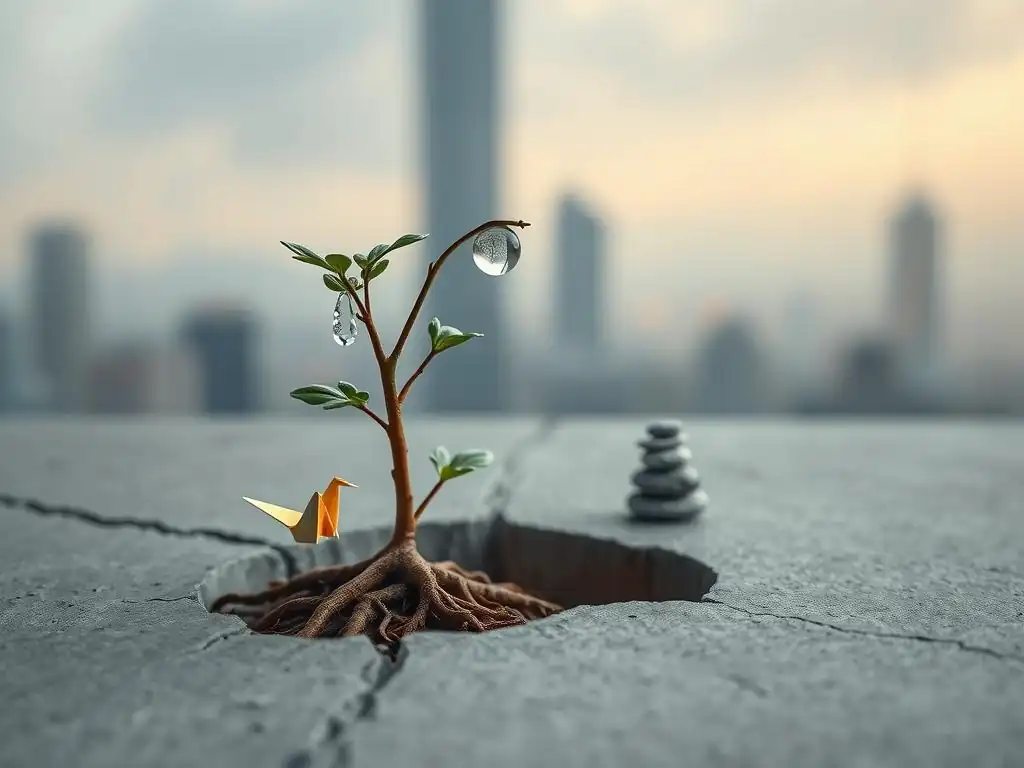
Setting realistic, achievable goals is a powerful resilience building strategy for stress that fosters a sense of accomplishment and increases self-efficacy. Breaking down large, daunting challenges into smaller, manageable steps makes them less overwhelming and provides opportunities for success along the way. Achieving these smaller goals builds momentum and confidence, reinforcing the belief in one's ability to handle difficulties.
The process of setting and working towards goals, even small ones, provides structure and purpose, which can be particularly important during stressful periods. For example, someone recovering from illness might set a goal to walk for 10 minutes each day, gradually increasing the time. Each successful walk reinforces their capability. This approach, often incorporated into therapeutic plans, helps individuals regain a sense of control and progress, counteracting feelings of helplessness that stress can induce.
Seeking Professional Help: Therapy and Counseling for Resilience
Seeking professional help, such as therapy or counseling, is a vital resilience building strategy for stress, especially when facing significant or prolonged challenges. Mental health professionals can provide evidence-based interventions like Cognitive Behavioral Therapy (CBT), Dialectical Behavior Therapy (DBT), or Acceptance and Commitment Therapy (ACT), which explicitly teach coping skills and strategies for building resilience.
Therapists can help individuals identify maladaptive thought patterns, develop emotional regulation skills, improve problem-solving abilities, and process traumatic experiences in a safe and supportive environment. For example, a therapist might guide someone through exposure therapy to help them process a traumatic event, gradually building their capacity to cope. Research shows that therapy can significantly improve resilience levels and reduce symptoms associated with stress and trauma, providing individuals with personalized tools and support tailored to their specific needs.
Factors Influencing Resilience in Western Cultures
Cultural Values and Resilience: Individualism vs. Collectivism
Western cultures, particularly those in North America and Western Europe, often emphasize individualism, self-reliance, and personal achievement. These values can influence how resilience is understood and pursued. In individualistic societies, resilience is often framed in terms of personal strength, agency, and the ability to "pull oneself up by their bootstraps." While this focus on personal responsibility can empower individuals, it can also place significant pressure on them to cope alone and may stigmatize seeking help, potentially hindering the use of social support as a resilience building strategy for stress.
In contrast, cultures with more collectivistic values might emphasize group harmony, interdependence, and family support as central to navigating adversity. While Western psychology acknowledges the importance of social support, the dominant narrative often centers on individual coping skills. Understanding these cultural nuances is important, as the effectiveness and accessibility of certain resilience building strategies for stress can be influenced by prevailing cultural norms and values regarding self-reliance versus interdependence.
Socioeconomic Factors: Access to Resources and Support
Socioeconomic factors play a significant role in influencing an individual's capacity for resilience in Western societies. Access to resources such as quality education, healthcare, stable housing, and financial security provides a buffer against many stressors. Individuals from lower socioeconomic backgrounds often face a disproportionate burden of stress, including financial instability, food insecurity, and limited access to opportunities, which can deplete resources necessary for coping and building resilience.
Furthermore, socioeconomic status can impact access to effective resilience building strategies for stress, such as therapy, counseling, or even safe spaces for physical activity or community engagement. Disparities in resource distribution mean that individuals facing the greatest adversity may have the fewest resources available to help them cope and recover, highlighting the systemic factors that influence individual resilience levels. Addressing these broader societal inequalities is crucial for fostering resilience across populations.
Early Childhood Experiences: Shaping Future Resilience
Early childhood experiences, particularly the quality of relationships with primary caregivers and exposure to adversity, profoundly shape the development of resilience. A secure attachment to a responsive caregiver provides a crucial foundation, teaching children emotional regulation skills, building trust, and creating a sense of safety from which they can explore the world and learn to cope with minor stressors. Conversely, early adversity, such as neglect, abuse, or parental mental health issues, can disrupt typical development and make resilience more challenging to develop.
Longitudinal studies, such as the Adverse Childhood Experiences (ACEs) study, have demonstrated a strong correlation between exposure to early trauma and increased risk for health and mental health problems later in life. However, these studies also highlight that early positive experiences and the presence of protective factors, like a supportive adult or access to resources, can significantly mitigate the negative impacts of adversity and foster resilience. Early interventions focused on building positive relationships and teaching coping skills can be powerful resilience building strategies for stress for children at risk.
Trauma and Resilience: Overcoming Adversity
Trauma, defined as exposure to actual or threatened death, serious injury, or sexual violence, presents significant challenges to resilience. Experiences such as combat, natural disasters, or interpersonal violence can overwhelm an individual's coping capacity, leading to conditions like Post-Traumatic Stress Disorder (PTSD). However, the study of trauma survivors also provides powerful insights into the nature of resilience. Many individuals exposed to trauma do not develop PTSD and demonstrate remarkable capacity to recover and even experience post-traumatic growth.
Research on trauma and resilience focuses on identifying the factors that differentiate those who cope adaptively from those who struggle. These factors often include pre-existing resilience components like social support, coping skills, and a sense of meaning, as well as post-trauma factors like access to effective treatment and supportive relationships. Resilience building strategies for stress specifically tailored for trauma survivors often involve processing the traumatic experience in a safe environment, rebuilding a sense of safety, and developing coping mechanisms to manage trauma-related symptoms.
Measuring Resilience: Psychological Assessments and Tools
Resilience Scales and Questionnaires: Assessing Your Strengths
Western psychology has developed various psychometric tools to measure resilience. These typically take the form of self-report questionnaires or scales that ask individuals to rate their agreement with statements related to coping abilities, adaptability, social support, optimism, and other components of resilience. Examples include the Connor-Davidson Resilience Scale (CD-RISC) or the Resilience Scale for Adults (RSA). These tools aim to provide a quantitative measure of an individual's perceived capacity to bounce back from adversity.
These scales are based on theoretical models of resilience and are developed using standard psychometric methods to ensure reliability and validity. For example, the CD-RISC, widely used in research and clinical settings, contains items assessing personal tenacity, tolerance of negative affect, ability to bounce back, and other facets. While no single scale captures the full complexity of resilience, these tools offer a standardized way to assess relative strengths and areas that might benefit from targeted resilience building strategies for stress.
Interpreting Resilience Scores: Understanding Your Profile
Interpreting scores from resilience scales requires understanding that these are typically snapshots of an individual's self-perception at a given time. Scores are often compared to normative data (scores from a large representative sample) to understand how an individual's resilience level compares to others. Higher scores generally indicate a greater perceived capacity for resilience.
However, interpretation goes beyond just a single number. Many scales provide sub-scores for different dimensions of resilience (e.g., self-efficacy, social support, optimism), offering a more nuanced profile of an individual's strengths and areas for growth. A low score doesn't mean someone is doomed to struggle; instead, it can highlight areas where focusing on specific resilience building strategies for stress, such as improving social connections or developing cognitive skills, could be particularly beneficial. Context is also key; scores might fluctuate based on current life circumstances.
Using Assessments to Guide Resilience Building
Psychological assessments of resilience are valuable tools for guiding personalized resilience building strategies for stress. By identifying areas of relative weakness or strength, clinicians and individuals can tailor interventions more effectively. For instance, if an assessment reveals low scores on items related to social support, focusing on strategies for building and maintaining relationships would be a logical step.
Furthermore, assessments can serve as a baseline to track progress over time. Re-administering a resilience scale after engaging in resilience-building activities can help individuals see how their perceived capacity has changed, providing motivation and reinforcing the effectiveness of their efforts. While not diagnostic in themselves, these tools offer valuable insights for developing targeted plans to enhance an individual's ability to cope with stress and adversity.
Enhancing Resilience: Practical Tips and Techniques
Developing a Growth Mindset: Embracing Challenges
A growth mindset, a concept popularized by psychologist Carol Dweck, is the belief that abilities and intelligence can be developed through dedication and hard work. As a resilience building strategy for stress, cultivating a growth mindset means viewing challenges, setbacks, and failures not as evidence of inadequacy but as opportunities to learn and grow. This contrasts with a fixed mindset, where abilities are seen as inherent and unchangeable.
Embracing a growth mindset involves reframing difficult experiences as learning opportunities, persisting in the face of obstacles, and seeing effort as a path to mastery. For example, instead of giving up after a failed attempt, someone with a growth mindset might analyze what went wrong and try a different approach. This perspective fosters perseverance and adaptability, key components of resilience, making individuals more likely to learn from stress rather than be defeated by it.
Building and nurturing strong social connections is one of the most consistently recommended resilience building strategies for stress. Human beings are inherently social, and supportive relationships provide emotional comfort, practical help, a sense of belonging, and validation. These connections act as a buffer against the negative effects of stress and trauma.
This strategy involves actively investing time and energy in relationships with friends, family, partners, or community members. It might include reaching out to loved ones, participating in group activities, volunteering, or seeking out supportive communities. Research shows that individuals with robust social networks recover more quickly from illness and stress and live longer, healthier lives. Prioritizing relationships is not just about having fun; it's a fundamental practice for bolstering psychological resilience.
Practicing Self-Care: Prioritizing Your Well-being
Self-care encompasses intentional activities that promote physical, mental, and emotional well-being. While often seen as a luxury, it is a fundamental resilience building strategy for stress. When individuals prioritize their basic needs – adequate sleep (around 7-9 hours for most adults), nutritious food, regular physical activity (e.g., 30 minutes of moderate exercise most days), and time for relaxation and enjoyable activities – they build a stronger foundation from which to handle stress.
Self-care is not selfish; it's necessary maintenance that replenishes the resources needed to cope with life's demands. It involves listening to your body and mind and responding with compassion. This could include practices like taking breaks, engaging in hobbies, spending time in nature, or simply allowing oneself moments of rest without guilt. Consistent self-care practices help prevent burnout and maintain the energy and emotional reserves necessary for resilience.
Finding Meaning and Purpose: Connecting to Something Larger than Yourself
Finding meaning and purpose in life is a powerful, albeit often less tangible, resilience building strategy for stress. This involves identifying values, goals, or beliefs that provide a sense of direction and significance, especially during difficult times. Purpose can be found in various forms: contributing to a cause, pursuing a passion, nurturing relationships, or spiritual beliefs.
Having a sense of meaning can help individuals make sense of suffering and maintain hope. Research on survivors of extreme adversity, such as Holocaust survivors or prisoners of war, has highlighted the critical role of finding meaning in enduring unimaginable hardship. Connecting to something larger than oneself can provide perspective, strengthen resolve, and motivate perseverance, acting as an anchor when faced with overwhelming stress.
Resilience and Mental Health Conditions: Overcoming Challenges
Resilience in the Face of Anxiety: Coping Strategies
Anxiety is a common mental health challenge characterized by excessive worry, fear, and nervousness. While anxiety can feel overwhelming, resilience building strategies for stress can significantly improve coping and recovery. Developing resilience helps individuals manage anxious thoughts and feelings, reduce avoidance behaviors, and face situations that trigger anxiety.
Specific resilience-informed strategies for anxiety include cognitive restructuring to challenge anxious predictions, mindfulness to stay grounded in the present and reduce rumination, and exposure techniques (often guided by a therapist) to gradually face fears. Learning to tolerate discomfort and recognizing that one can cope with anxious feelings strengthens resilience, reducing the power anxiety holds. Studies show that therapeutic approaches focused on building coping skills are highly effective in reducing anxiety symptoms.
Resilience and Depression: Finding Hope and Recovery
Depression is characterized by persistent sadness, loss of interest, and difficulty functioning. Building resilience is crucial for navigating and recovering from depression. Resilience helps individuals maintain hope, engage in behaviors that support recovery even when motivation is low, and bounce back from setbacks in the recovery process.
Resilience building strategies for stress relevant to depression include activating behavioral strategies (scheduling enjoyable activities or exercise) to counteract withdrawal, challenging negative self-talk through cognitive restructuring, strengthening social connections to combat isolation, and finding sources of meaning or purpose. While professional treatment (therapy and potentially medication) is often necessary, incorporating resilience-building practices empowers individuals in their recovery journey, helping them regain a sense of agency and build protective factors against future episodes.
Resilience and Trauma: Healing and Growth
Trauma can profoundly impact an individual's sense of safety, trust, and ability to cope. Building resilience after trauma is a process of healing and reintegration. It involves not only recovering from the immediate impacts but also, for some, experiencing post-traumatic growth – positive psychological change that occurs as a result of the struggle with highly challenging life circumstances.
Resilience building strategies for stress after trauma often involve therapeutic processing of the traumatic event (e.g., Trauma-Focused CBT, EMDR), developing skills to manage trauma-related symptoms like flashbacks or hypervigilance (e.g., grounding techniques, emotional regulation), rebuilding a sense of safety and control, and reconnecting with supportive relationships and activities that provide meaning. The journey of resilience after trauma is deeply personal and often requires professional support, focusing on restoring a sense of self and possibility beyond the traumatic experience.
The Future of Resilience Research: Emerging Trends and Directions
The Neuroscience of Resilience: Understanding the Brain's Role
Emerging research is increasingly exploring the neuroscience of resilience, investigating the brain structures, neural circuits, and biological processes that underpin the capacity to adapt to stress. Studies using fMRI and other neuroimaging techniques are identifying specific brain regions, such as the prefrontal cortex (involved in executive function and emotion regulation) and the amygdala (involved in processing fear), that function differently in more resilient individuals.
This research is also looking at the role of neurochemicals and genetic factors. While resilience is not solely determined by biology, understanding the neural correlates provides deeper insights into why some individuals are more susceptible to stress and others are more resilient. This knowledge could potentially lead to the development of novel, biologically informed resilience building strategies for stress, perhaps targeting specific neural pathways or chemical imbalances, complementing existing psychological approaches.
Integrating Eastern and Western Approaches to Resilience
Historically, Western psychology has focused on individual agency and cognitive processes, while many Eastern philosophies and practices emphasize interconnectedness, acceptance, and mindfulness. Future directions in resilience research and practice are increasingly exploring the integration of these perspectives. Practices like mindfulness and meditation, originating in Eastern traditions, are already widely adopted in Western clinical settings as resilience building strategies for stress.
There is growing interest in how concepts such as compassion (for self and others), detachment from outcomes, and the interconnectedness of mind and body, prevalent in Eastern thought, can complement Western psychological models of resilience. Integrating these approaches could lead to more holistic and culturally sensitive resilience interventions, offering a broader range of tools and perspectives for individuals navigating stress and adversity.
Promoting Resilience in Communities and Organizations
While much of the focus has been on individual resilience building strategies for stress, there is a growing recognition of the importance of fostering resilience at the community and organizational levels. Resilient communities are those that can effectively prepare for, respond to, and recover from collective adversities like natural disasters, economic downturns, or public health crises.
Research in this area examines factors like social cohesion, effective leadership, access to resources, and communication networks that contribute to collective resilience. Similarly, organizations are exploring how to build resilience among employees by fostering supportive work environments, promoting work-life balance, providing access to mental health resources, and encouraging adaptive coping skills. Future efforts aim to develop systemic interventions that build resilience not just in individuals, but within the broader social structures that influence well-being.
Frequently Asked Questions
What is resilience in the context of Western Psychology, and how does it relate to stress management?
Resilience, in Western Psychology, is the ability to bounce back from adversity. It's directly related to stress management as it provides the mental fortitude needed to cope with stressful situations and recover effectively.
How can resilience building strategies help me manage stress more effectively?
Resilience building strategies equip you with coping mechanisms and a positive mindset. These allow you to better navigate stressful events, reduce the negative impact of stress, and maintain your mental well-being.
What are some practical resilience building strategies that I can implement in my daily life?
Some strategies include practicing mindfulness, building strong social connections, and developing problem-solving skills. These practices help you manage stress and build resilience over time.
How does the Mind Care Guide website support individuals looking to develop resilience building strategies for stress?
Mind Care Guide provides information, resources, and support for various mental health challenges. It offers guidance on identifying stressors and implementing effective resilience-building techniques.
Is resilience a fixed trait, or can it be developed over time?
Resilience is not a fixed trait; it's a skill that can be cultivated and strengthened. Through conscious effort and the implementation of resilience building strategies, individuals can enhance their ability to cope with stress and adversity.
Final Reflection: Forging Resilience in a Fragile World
The concept of resilience, once a niche area of psychological study, is now a vital framework for navigating the overwhelming stressors of modern life. The increasing prevalence of anxiety, depression, and burnout underscores the urgent need for practical resilience-building strategies, making this exploration of Western psychological perspectives more relevant than ever. We are not simply surviving; we are learning to thrive amidst adversity.
The Western understanding of resilience, while rooted in individual agency, also highlights the crucial role of social support and environmental factors. This resonates deeply with my own experiences, reminding me that true resilience isn't solely about internal strength, but also about cultivating supportive relationships and advocating for systemic changes that foster well-being. The oak fought the wind and was broken, the willow bent when it must and survived.
This ancient proverb perfectly encapsulates the adaptive nature of resilience, emphasizing flexibility and the importance of choosing our battles wisely.
Consider the strategies discussed within this article – from mindfulness practices to cognitive reframing – and integrate them into your own life. You have the power to cultivate your own resilience. Experiment with different techniques, find what works best for you, and remember that building resilience is a journey, not a destination. Embrace the challenges, learn from setbacks, and nurture your inner strength. The world needs your resilience, and you deserve the peace of mind that comes with it.
Unlock Your Inner Strength: Cultivate Resilience Today!
Thank you for exploring the fascinating world of resilience with us! We hope this article provided valuable insights into its Western psychological understanding. Now, it's time to put that knowledge into practice.
Here are a few ways you can start building your resilience toolkit:
- Identify your personal stressors: Take some time today to reflect on the challenges you face and how they impact you. This self-awareness is the first step towards building resilience.
- Practice mindful self-compassion: Try incorporating a few minutes of mindful meditation or journaling into your daily routine. This can help you manage stress and cultivate self-acceptance.
- Share this article with someone who could benefit: Spread the knowledge and encourage others to embark on their own resilience journey. This will strengthen both your own resilience as well as create a ripple effect of positivity.
What small step will you take today to strengthen your inner resilience?