
Using Mandalas and Symbols in Trauma Art Therapy

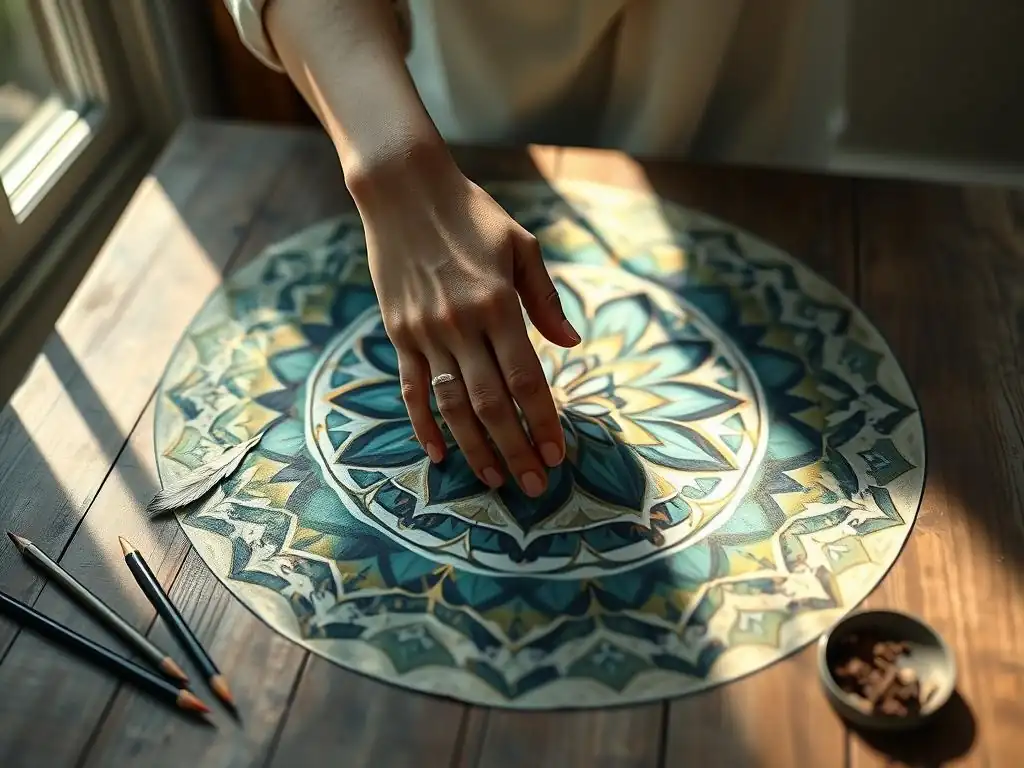
Welcome to Mind Care Guide, a sanctuary for your mental well-being.
Feeling overwhelmed or searching for a gentle path to healing? You're not alone. In this space, we explore the powerful potential of creative expression. Dive into our exploration of Mandalas trauma art therapy and discover how these ancient symbols can offer solace, understanding, and a unique avenue for processing complex emotions. Ready to unlock your inner artist and begin your journey towards healing? Let's begin.
Using Mandalas and Symbols in Trauma Art Therapy
- Understanding Trauma and the Role of Art Therapy
- Introduction to Mandalas in Art Therapy
- Mandalas in Trauma Art Therapy: A Powerful Combination
- Symbols in Trauma-Informed Art Therapy
- Integrating Mandalas and Symbols in Trauma Art Therapy Sessions
- Mandala Art Therapy Exercises for Trauma
- Case Studies: Mandalas and Symbolic Expression in Trauma Recovery
- Benefits of Mandalas and Symbols for Trauma Healing
- Considerations and Precautions in Trauma Art Therapy
- Conclusion: The Transformative Power of Mandalas and Symbols
-
Frequently Asked Questions
- What is Mandalas Trauma Art Therapy and how does it work?
- Why are mandalas considered helpful in trauma recovery?
- What types of symbols are commonly used in Mandalas Trauma Art Therapy?
- How does Mandalas Trauma Art Therapy differ from traditional talk therapy?
- Are there any risks or contraindications associated with Mandalas Trauma Art Therapy?
- Final Reflection: The Healing Power of Circles in Trauma
- Unlock Your Inner Healer: Create Your Mandala Today!
Understanding Trauma and the Role of Art Therapy
The Impact of Trauma on Mental Well-being
Trauma, whether a single event or prolonged exposure, can profoundly disrupt an individual's mental and emotional equilibrium. It often leads to complex psychological responses, including post-traumatic stress disorder (PTSD), anxiety disorders, and depression. The impact can manifest as persistent flashbacks, nightmares, hypervigilance, avoidance behaviors, and emotional numbing.
Research indicates that trauma can alter brain function, particularly in areas like the amygdala (involved in fear response) and the prefrontal cortex (involved in regulation and executive function), leading to difficulties in processing emotions and regulating behavior. For instance, a 2020 study involving trauma survivors showed heightened amygdala reactivity to perceived threats and reduced connectivity with regulatory brain regions, highlighting the physiological underpinnings of trauma's enduring effects.
Beyond the clinical diagnoses, trauma often shatters a person's sense of safety, trust, and self-worth. Survivors may struggle with interpersonal relationships, experience chronic physical symptoms, and feel disconnected from their own bodies and emotions. The effects can be long-lasting, impacting daily functioning, work or school performance, and overall quality of life.
Data from the National Center for PTSD suggests that approximately 7-8% of the U.S. population will experience PTSD at some point in their lives, and many more will experience subthreshold symptoms or other trauma-related difficulties. This underscores the widespread need for effective therapeutic approaches that can help individuals process traumatic experiences and rebuild their lives.
Art Therapy as a Healing Modality for Trauma Survivors
Art therapy offers a unique and powerful pathway for healing for individuals who have experienced trauma. Unlike traditional talk therapy, which relies heavily on verbal articulation, art therapy utilizes creative expression through various art materials to help clients explore difficult emotions and experiences that may be challenging to put into words.
Trauma can often reside in the non-verbal parts of the brain and body, making it difficult to access and process through language alone. Art provides a safe, indirect medium to externalize internal states, allowing survivors to express feelings, memories, and sensations that are too overwhelming or fragmented to verbalize.
This modality is particularly effective because it engages multiple senses and allows for a symbolic representation of trauma. The act of creating art can be grounding and help regulate the nervous system, which is often dysregulated in trauma survivors.
A 2018 meta-analysis examining the effects of art therapy on trauma symptoms found significant reductions in anxiety, depression, and PTSD symptoms across various populations. Case studies frequently highlight how clients who were previously unable to speak about their trauma found catharsis and insight through the process of creating images, sculptures, or collages, demonstrating the profound potential of art therapy in unlocking suppressed narratives and facilitating emotional release.
Benefits of Expressive Arts Therapy in Trauma Recovery
Expressive arts therapy, which encompasses various creative modalities including visual arts, music, dance/movement, drama, and creative writing, offers a holistic approach to trauma recovery. For trauma survivors, these modalities provide diverse avenues for self-discovery and healing.
Visual arts, like drawing or painting, can help externalize internal chaos; movement can help release somatic tension held in the body; music can evoke and process emotions; and drama can help re-enact or explore traumatic narratives in a safe, contained way. The integration of these forms allows therapists to tailor interventions to the individual's needs and preferences, recognizing that trauma affects the whole person – mind, body, and spirit.
Specific benefits reported by clients and observed in therapeutic settings include improved emotional regulation, reduced anxiety and depression, enhanced self-awareness, and a strengthened sense of self-efficacy. For instance, a study on the use of expressive arts with refugee populations experiencing trauma reported significant improvements in coping skills and social connection, attributed to the non-verbal and culturally adaptable nature of the interventions. The creative process itself can be empowering, transforming passive experiences of trauma into active acts of creation and meaning-making. This shift from victim to creator is a critical component of reclaiming agency and fostering resilience.
Introduction to Mandalas in Art Therapy
What is a Mandala? Exploring its Origins and Meaning
A mandala is a geometric configuration of symbols, often enclosed within a circle, that holds significant meaning in various spiritual traditions, particularly Hinduism and Buddhism. The term "mandala" is Sanskrit for "circle" or "completion." At its core, a mandala represents the cosmos metaphysically or symbolically; it is a diagram of the universe in miniature. Traditional mandalas are intricate, symmetrical designs radiating from a central point, often incorporating squares, triangles, and other geometric shapes alongside symbolic imagery. They serve as tools for meditation, guiding practitioners towards spiritual growth, focus, and a sense of universal connection.
Psychologically, the Swiss psychiatrist Carl Jung saw the mandala as a representation of the self and the striving for wholeness. He observed that during periods of psychological stress or disorientation, individuals spontaneously produced circular drawings that resembled mandalas. Jung believed these images reflected an innate human need for order, integration, and psychic equilibrium. In a therapeutic context, creating or contemplating a mandala can facilitate introspection, bring unconscious material to the surface, and promote a sense of inner peace and stability. The act of creating a mandala is often described as a journey towards the center of one's being.
The Symbolic Significance of Mandalas in Different Cultures
While most commonly associated with Eastern religions, circular designs with symbolic meaning appear in various cultures throughout history, highlighting a universal human connection to the circle as a symbol of unity, eternity, and wholeness. For example, the Medicine Wheel of Native American traditions is a sacred hoop representing the interconnectedness of all life and the cyclical nature of existence. Rose windows in Gothic cathedrals, Celtic knots, and even the structure of many ancient cities built around a central point all echo the mandala's fundamental principles of order and integration within a circular form.
In many traditions, the process of creating or viewing a mandala is as important as the final product. In Tibetan Buddhism, intricate sand mandalas are meticulously created over days or weeks, only to be ritually dismantled, symbolizing impermanence and detachment.
This act underscores the focus on the journey, the present moment, and the understanding that everything is transient. The recurring themes across cultures – the circle as a container for the sacred, the center as a point of origin or balance, and the radiating patterns representing expansion or connection – make the mandala a potent symbol for exploring complex internal landscapes and universal truths, including those related to trauma and healing.
How Mandalas Facilitate Self-Expression and Emotional Release
Creating a mandala offers a structured yet flexible format for self-expression, which is invaluable in therapeutic settings, especially for trauma survivors. The circular boundary provides a contained space, which can feel safe and grounding when internal experiences feel chaotic or overwhelming. Within this boundary, individuals are free to use colors, shapes, and patterns to represent their inner world without the pressure of creating a realistic image. This non-representational approach can bypass cognitive defenses and allow for a more direct expression of emotions and sensations linked to trauma.
The repetitive nature often involved in filling a mandala – coloring, drawing patterns, or placing objects – can be meditative and calming, helping to regulate the nervous system. As individuals focus on the rhythmic process, they can enter a state of flow, which can reduce anxiety and facilitate the gentle emergence of feelings or memories. A study published in the Journal of the American Art Therapy Association found that coloring a mandala significantly reduced anxiety in participants compared to unstructured coloring or simply resting.
This demonstrates the specific calming effect attributed to the mandala's form. Furthermore, the completed mandala becomes a tangible representation of an internal state, allowing the individual to gain distance and perspective on their emotions, facilitating emotional release in a controlled and non-verbal manner.
Mandalas in Trauma Art Therapy: A Powerful Combination
Why Mandalas are Effective in Trauma Processing
Mandalas are particularly effective in trauma art therapy due to several inherent qualities. Trauma often leaves individuals feeling fragmented, disorganized, and out of control. The structured, contained, and often symmetrical nature of the mandala provides a sense of order and wholeness that can be deeply therapeutic. The circular boundary acts as a container for intense emotions and chaotic experiences, offering a feeling of safety and containment within the artistic process. This contained space allows survivors to approach difficult feelings or memories indirectly, through symbol and color, rather than confronting them head-on in a potentially overwhelming way.
Furthermore, the process of creating a mandala encourages focus and concentration, which can help ground individuals who are experiencing dissociation or hypervigilance, common symptoms of trauma. The repetitive motions involved in coloring or drawing patterns within the mandala can be self-soothing and help regulate a dysregulated nervous system.
This focus on the present moment and the physical act of creation can pull the individual out of intrusive thoughts or flashbacks. In the context of Mandalas trauma art therapy, the finished piece serves as a concrete representation of an internal state, which the client and therapist can then explore together, providing a non-verbal bridge to verbal processing when the client is ready.
Mandalas and the Nervous System: Calming Through Repetition
The impact of trauma on the nervous system is profound, often leading to a state of chronic hyperarousal or hypoarousal. Effective trauma treatment requires interventions that help regulate the autonomic nervous system. Creating mandalas offers a simple yet powerful method for achieving this regulation. The repetitive, rhythmic actions involved in filling the circular form – whether coloring, drawing lines, or repeating patterns – engage the parasympathetic nervous system, promoting a sense of calm and reducing the "fight, flight, or freeze" response.
This calming effect is similar to that achieved through mindfulness or meditation practices. As a person focuses on the colors, textures, and patterns within the mandala, external worries and internal anxieties can begin to recede.
A 2019 study published in Frontiers in Psychology explored the neurophysiological effects of coloring mandalas and found decreases in heart rate and skin conductance, physiological indicators of reduced stress and increased relaxation. By providing a predictable and soothing activity, Mandalas trauma art therapy helps survivors gently move towards a state of greater internal regulation and safety, creating a foundation from which deeper processing can occur.
Externalizing Trauma: Creating Distance Through Mandala Art
One of the primary goals in trauma therapy is to help the survivor externalize the traumatic experience, moving it from an overwhelming internal state to something that can be observed, understood, and eventually integrated. Mandalas provide an excellent vehicle for this externalization. When a survivor uses colors, shapes, or symbols within a mandala to represent aspects of their trauma, fear, or pain, these internal experiences are projected onto the page. The artwork becomes a tangible object separate from the self, allowing the individual to gain distance and perspective.
For example, a client might use jagged lines and dark colors in one section of the mandala to represent the chaos and fear of the traumatic event, while using soft curves and lighter colors in another section to represent their resilience or hope for healing. This visual representation allows the therapist and client to talk about the trauma as depicted in the art, rather than forcing the client to relive it verbally.
This distance reduces the risk of re-traumatization and makes the experience more manageable to process. The mandala thus serves as a symbolic container for the trauma, holding it outside the individual's body and mind, enabling a safer exploration and gradual integration.
Symbols in Trauma-Informed Art Therapy

The Power of Symbols in Representing Trauma
Symbols are fundamental to human communication and understanding, particularly when words fail or are insufficient. In trauma-informed art therapy, symbols are incredibly powerful tools because they can represent complex emotions, experiences, and memories that are difficult to articulate verbally. Trauma often disrupts linear narrative and language centres in the brain, making symbolic representation a more accessible pathway to expression. A single image or color can encapsulate a wealth of feeling or a fragmented memory that might take hours or be impossible to describe verbally.
Symbols can be personal, cultural, or universal. A client might spontaneously draw a tangled knot to represent feeling trapped, or a broken mirror to represent a shattered sense of self. These symbols emerge from the unconscious and offer profound insights into the survivor's internal world. The therapist's role is not to interpret the symbol for the client, but to help the client explore the personal meaning the symbol holds for them. This process of giving meaning to symbolic representations of trauma is a crucial step in making sense of the experience and beginning the healing process.
Common Symbols in Trauma Art: Survival, Connection, and Transformation
While symbolism is highly personal, certain themes and symbols appear frequently in the art of trauma survivors, often relating to survival, connection, and transformation. Symbols of survival might include anchors (representing stability), roots (representing grounding and resilience), shields (representing protection), or figures standing firm against a storm. These images speak to the inherent strength and coping mechanisms employed by survivors.
Symbols of connection often appear as bridges, hands reaching out, stars (representing hope or guidance), or intertwined forms. These can reflect a longing for safety, trust, or healthy relationships, or the painful absence of connection during the trauma. Symbols of transformation are particularly powerful, signifying movement towards healing and growth.
Examples include butterflies emerging from cocoons, phoenixes rising from ashes, unfolding flowers, winding paths, or light breaking through darkness. Recognizing these common symbolic languages can provide a framework for the therapist, but the focus always remains on the client's unique interpretation within the context of their Mandalas trauma art therapy journey.
Interpreting Symbolism: Context and Individual Meaning
Interpreting symbols in trauma art therapy is a collaborative process centered entirely on the client's perspective. A symbol that might have a common cultural meaning can hold a completely different, deeply personal significance for the individual creator. For example, the color red might universally symbolize danger or anger, but for one client, it could represent the warmth of a supportive relationship or the vitality they are reclaiming. Therefore, the therapist avoids making assumptions or providing definitive interpretations.
Instead, the therapist uses open-ended questions to invite the client to explore the symbol's meaning. Questions like, "Tell me about this part of your mandala," "What does this color feel like to you?" or "If this symbol could speak, what would it say?" encourage the client to connect with the feeling, memory, or thought associated with the image.
The meaning of a symbol can also evolve over time as the client progresses in therapy. What initially represented pain might later represent the scar that signifies healing. This dynamic process of interpretation is key to unlocking the insights and emotional processing facilitated by Mandalas trauma art therapy.
Integrating Mandalas and Symbols in Trauma Art Therapy Sessions
Creating a Safe and Supportive Therapeutic Environment
Establishing a safe and supportive therapeutic environment is paramount in trauma art therapy. This involves creating a physical space that feels secure, private, and comfortable. It also necessitates building a strong therapeutic alliance based on trust, empathy, and unconditional positive regard. The therapist must be attuned to the client's emotional state, providing a sense of containment and predictability that contrasts with the unpredictability of trauma. This might involve setting clear boundaries for sessions, explaining the process transparently, and empowering the client with choices regarding materials and activities.
Crucially, the therapist adopts a trauma-informed approach, understanding the potential for triggers and the importance of pacing. Sessions focusing on Mandalas trauma art therapy should be client-led in terms of depth and pace, allowing the survivor to approach difficult material only when they feel ready and resourced. Checking in with the client's emotional and physical state throughout the session is vital, and having strategies for grounding and containment readily available is essential. The therapeutic space becomes a sanctuary where the survivor can explore their inner world through art without fear of judgment or re-traumatization.
Guiding Mandala Creation: Techniques and Approaches
Guiding mandala creation in trauma art therapy can take various forms, depending on the client's needs, preferences, and readiness. For clients who feel overwhelmed or have difficulty initiating, providing pre-drawn mandala templates can reduce anxiety and offer a starting point. Others may benefit from creating their own circle, which can be an empowering act of defining their own container. Materials can vary widely, from simple crayons and paper to paints, pastels, clay, or even found objects, allowing for different sensory experiences and levels of control.
Specific techniques can be introduced to facilitate expression. For instance, a therapist might suggest creating a "feeling mandala," where different sections represent different emotions, or a "resource mandala," focusing on sources of strength and support. Process-oriented approaches emphasize the experience of creation over the final product, encouraging free exploration of color and form. More structured approaches might involve focusing on symmetry or specific symbolic elements. Regardless of the technique, the focus remains on the client's internal experience during the process and their personal relationship with the finished Mandalas trauma art therapy piece.
Facilitating Symbolic Expression: Exploring Personal Narratives
Facilitating symbolic expression involves guiding the client to use art materials to represent aspects of their personal narrative, particularly those related to trauma, coping, and healing. This is often done through open-ended directives that encourage the emergence of personal symbols. For example, a therapist might invite a client to "draw what safety feels like" or "create an image that represents a part of you that survived." These invitations bypass the need for verbal description and allow the unconscious to communicate through visual metaphor.
Once the artwork is created, the therapist facilitates exploration of the symbols. This is not about objective interpretation, but about helping the client articulate the meaning the symbols hold for them. Using reflective listening, empathic inquiry, and focusing on the client's sensory and emotional experience during creation can deepen understanding.
For instance, "Tell me about this figure in the corner," or "What colors did you choose for this area, and what do they feel like?" Through this process, fragmented experiences can begin to form a coherent (though not necessarily linear) narrative, giving voice to the unspoken aspects of trauma within the safe context of Mandalas trauma art therapy.
Mandala Art Therapy Exercises for Trauma
Guided Mandala Drawing for Emotional Grounding
Guided mandala drawing is a simple yet effective exercise for promoting emotional grounding, particularly useful when clients feel overwhelmed, anxious, or dissociated. The therapist can guide the client through a process that focuses on the sensory experience and the rhythmic nature of drawing. For example, starting with breathing exercises to bring awareness to the present moment, then inviting the client to draw a circle that feels like a safe container.
The guidance might then involve focusing on repetitive strokes or patterns within the circle, paying attention to the sensation of the drawing tool on the paper, the colors being used, and the rhythm of the hand movements. The directive could be as simple as "Fill the circle with colors or patterns that feel calming today."
This focus on the process and sensory input helps anchor the client in the present moment, reducing the pull of traumatic memories or anxieties. A typical session might last 15-30 minutes, ending with a brief reflection on the experience of drawing and the feeling of being grounded.
Trauma Release Through Mandala Coloring
Trauma often creates physical tension and emotional constriction. Mandala coloring can be a powerful tool for facilitating gentle trauma release. The act of choosing colors and filling in intricate patterns within the mandala provides a non-threatening way to engage with internal states. Clients can be invited to use colors that represent difficult emotions, allowing these feelings to be externalized onto the page rather than held within the body.
As they color, focusing on the physical sensation and the visual outcome, clients may experience a gradual release of tension or a shift in emotional state. This form of Mandalas trauma art therapy allows for a contained expression of distress.
For instance, a client might use dark, turbulent colors in one area to represent anxiety, and as they continue coloring, move towards brighter, smoother colors in another area, reflecting a shift towards calm. The process is often more effective when combined with mindful awareness, encouraging the client to notice any physical sensations or emotions that arise as they color, without judgment, allowing for a gentle, contained release.
Creating a Personal Symbol Mandala for Trauma Integration
Creating a personal symbol mandala is a more complex exercise aimed at facilitating trauma integration – the process of making sense of the traumatic experience and incorporating it into one's life narrative in a way that reduces its disruptive power. In this exercise, the client is invited to create a mandala that includes symbols representing different aspects of their trauma journey: the trauma itself (represented indirectly and safely), coping mechanisms, sources of resilience, therapeutic support, and hopes for the future.
This exercise encourages the client to see their experience not just as a defining wound, but as part of a larger, ongoing story that includes survival, growth, and healing. The mandala serves as a visual map of this journey.
For example, a client might place a small, protected symbol in the center representing their core self, surrounded by symbols of challenges overcome, resources utilized, and aspects of themselves they are reclaiming. This form of Mandalas trauma art therapy helps clients externalize the complex interplay of trauma and healing, fostering a sense of agency and promoting a more integrated sense of self.
Case Studies: Mandalas and Symbolic Expression in Trauma Recovery

Case Study 1: Processing Loss and Grief Through Mandala Art
A 45-year-old woman, "Sarah," sought art therapy after experiencing the sudden loss of her spouse, which triggered unresolved grief from previous traumas. She presented with symptoms of complicated grief, anxiety, and emotional numbness. In early sessions of Mandalas trauma art therapy, Sarah struggled to verbalize her feelings, often stating she felt "blank" or "frozen." The therapist introduced mandala coloring as a gentle way to begin accessing her emotional landscape.
Sarah initially chose muted, grey colors, filling the mandala with repetitive, tight patterns. As sessions progressed, and she felt safer, she began incorporating darker colors and more chaotic lines in certain areas, spontaneously stating these represented her anger and confusion. Over several weeks, her mandalas started showing areas of brighter color and more fluid lines, particularly around the edges, which she described as representing moments of connection with her support system and glimpses of hope.
The process of creating these visual representations allowed her to bypass verbal barriers and gradually express the intensity and complexity of her grief, externalizing it in a contained way. By the tenth session, Sarah was able to verbally articulate specific memories associated with different parts of her mandalas, linking the visual expression to her narrative and reporting a decrease in emotional numbness and a greater capacity to experience and express her sadness.
Case Study 2: Utilizing Symbolic Imagery to Overcome Fear and Anxiety
"David," a 28-year-old man, entered therapy following a traumatic car accident, experiencing severe anxiety, flashbacks, and a debilitating fear of driving. Traditional talk therapy had been difficult for him, as verbalizing the details of the accident triggered intense panic. The therapist introduced symbolic art creation within a trauma-informed framework, including Mandalas trauma art therapy techniques. Initially, David drew fragmented images of cars and distorted figures.
The therapist then suggested creating a mandala centered around the theme of safety and control. David chose to create a large, solid outer circle using thick black lines, stating it felt like a protective barrier. Inside, he initially drew small, shaky lines and dark smudges, representing his fear and anxiety.
As therapy progressed, he was encouraged to introduce symbols of strength and resilience. He began drawing anchors, trees with deep roots, and eventually, a small, steady light in the center.
The process of externalizing his fear through these symbols and then actively incorporating symbols of safety and strength within the contained space of the mandala helped him feel a greater sense of control over his internal experience. After several weeks of focusing on these symbolic mandalas and engaging in exposure therapy alongside art therapy, David reported a significant reduction in anxiety and was able to begin driving short distances, attributing his progress partly to the sense of inner stability he visualized and created in his art.
Analyzing Therapeutic Outcomes: Qualitative Insights from Mandala and Symbol-Based Art Therapy
Qualitative analyses of case studies and client reports in Mandalas trauma art therapy consistently highlight several key therapeutic outcomes. Clients frequently report that the non-verbal nature of the process allowed them to express aspects of their trauma that words could not capture, leading to a sense of catharsis and validation. Many describe the mandala as a "safe container" for their overwhelming emotions, providing a sense of structure and control in the face of internal chaos.
Insights gained through the creation and exploration of personal symbols are often profound, leading to increased self-awareness and a deeper understanding of their trauma response and coping patterns. Clients report feeling empowered by the ability to create something tangible out of their internal experience, transforming passive suffering into active creation. For example, one client noted, "Putting the fear into the drawing made it feel less like it was inside me."
Another shared, "My mandala showed me I have a strong center, even when everything else feels broken." These qualitative insights underscore the unique capacity of Mandalas trauma art therapy to facilitate emotional processing, promote self-discovery, and support the challenging journey towards trauma integration.
Benefits of Mandalas and Symbols for Trauma Healing
Promoting Emotional Regulation and Self-Soothing
Trauma significantly impairs the ability to regulate emotions, often leading to intense mood swings, difficulty managing stress, and overwhelming feelings. Mandalas and symbols in art therapy offer practical tools for promoting emotional regulation and developing self-soothing skills. The repetitive nature of creating or coloring a mandala can be deeply calming, activating the parasympathetic nervous system and reducing physiological arousal. This provides an immediate way for clients to manage distress in the moment.
Furthermore, the process of externalizing difficult emotions through color and form within the contained structure of a mandala allows individuals to observe their feelings from a distance, reducing the likelihood of being overwhelmed by them. Clients learn to use the art-making process itself as a coping mechanism. For example, when feeling anxious, they might turn to coloring a mandala with soothing colors and gentle patterns, actively engaging in a self-soothing behavior. Over time, this practice can help rewire the nervous system and improve the client's overall capacity for emotional regulation outside of therapy sessions.
Fostering Self-Awareness and Insight into Trauma
Creating mandalas and using symbolic expression in art therapy fosters significant self-awareness and insight into the impact of trauma. The artwork acts as a mirror, reflecting the client's internal state, beliefs, and experiences in a way that bypasses cognitive defenses. Clients may spontaneously use colors, shapes, or symbols that represent aspects of their trauma or their response to it without consciously intending to do so.
Exploring these visual representations with a therapist helps clients gain a deeper understanding of their emotional landscape, triggers, and patterns of behavior linked to trauma. For example, noticing a recurring symbol of being trapped might lead to insights about feeling stuck in the past, while using bright colors for the first time might signal a shift towards hope and healing. This visual dialogue facilitates processing at a deeper level than verbal discussion alone, helping clients connect fragmented pieces of their experience and develop a more coherent narrative about their trauma and recovery journey.
Empowering Clients to Reclaim Control and Agency
Trauma often strips individuals of their sense of control and agency. They may feel powerless, helpless, or as though their lives are dictated by the traumatic past. Mandalas and symbols in art therapy provide opportunities for clients to reclaim a sense of control and agency within a safe environment. The act of choosing materials, colors, and shapes, and deciding what to create within the mandala's boundary, is an empowering process.
Even in structured Mandalas trauma art therapy exercises, the client has autonomy over their creative choices. This experience of making decisions and bringing something into being from within themselves is a powerful antidote to the powerlessness experienced during trauma. As clients create symbols of their resilience and strength, they are actively constructing a new narrative of survival and empowerment. The tangible nature of the artwork serves as proof of their capacity to create, cope, and heal, reinforcing their sense of agency and empowering them to take active steps in their recovery.
Considerations and Precautions in Trauma Art Therapy
The Importance of a Trained and Qualified Art Therapist
Working with trauma requires specialized knowledge and skill. Therefore, it is crucial that Mandalas trauma art therapy is facilitated by a trained and qualified art therapist who is also trauma-informed. A professional art therapist has expertise in both art processes and psychological principles, understanding how to use art materials and directives therapeutically. They are trained to recognize the potential impact of trauma on the nervous system and psyche.
A trauma-informed art therapist understands the importance of creating a safe space, pacing interventions appropriately, and recognizing signs of dysregulation or potential re-traumatization. They know how to guide the client safely through the art-making process, how to facilitate the exploration of difficult content without causing overwhelm, and how to help clients ground themselves if needed. Attempting Mandalas trauma art therapy without the guidance of a trained professional could be ineffective or, worse, potentially re-traumatizing for the survivor.
Avoiding Re-Traumatization: Creating a Safe Space
A primary ethical consideration in trauma art therapy is avoiding re-traumatization. This means creating a therapeutic space where the client feels physically and emotionally safe, and where they have control over what they explore and how they explore it. The therapist must be highly attuned to the client's cues, both verbal and non-verbal, recognizing signs of distress or overwhelm.
In Mandalas trauma art therapy, this might involve starting with very simple, calming exercises like coloring pre-drawn mandalas, rather than immediately asking the client to create a mandala representing their trauma. The therapist uses invitational language ("You might choose to...") rather than directives ("Draw your trauma"). The focus remains on the client's capacity for safety and regulation. The session structure often includes grounding exercises at the beginning and end to ensure the client leaves the session feeling contained and present. The principle is always to prioritize safety and stabilization over deep exploration, especially in the early stages of therapy.
Recognizing and Addressing Potential Triggers
Art therapy, while beneficial, can also inadvertently expose clients to triggers related to their trauma. Certain colors, textures, smells (like paint or clay), or even the physical sensations of manipulating materials can evoke traumatic memories or feelings. A trauma-informed art therapist is vigilant in recognizing these potential triggers and skilled in addressing them immediately and effectively.
This involves observing the client's physical and emotional responses during the art-making process – changes in breathing, posture, facial expression, or sudden shifts in mood. If a client appears triggered, the therapist pauses the art-making, helps the client utilize grounding techniques (e.g., deep breathing, focusing on sensory input in the room, using comforting objects), and validates their experience. The therapist might then explore what specifically felt triggering (e.g., "What about that color felt difficult?
"), always empowering the client to decide whether to continue with the activity, modify it, or stop entirely. Addressing triggers in this way reinforces the client's sense of safety and control within the therapeutic relationship.
Ethical Considerations in Trauma-Informed Art Therapy
Beyond safety and avoiding re-traumatization, several ethical considerations are specific to trauma-informed art therapy. Confidentiality is paramount, especially given the sensitive nature of trauma narratives often expressed symbolically. The therapist must clearly explain the limits of confidentiality. Informed consent is also critical; clients must understand the process of art therapy, their rights, and the potential benefits and risks, particularly in relation to trauma processing.
The therapist maintains professional boundaries, avoiding dual relationships and ensuring the therapeutic relationship remains focused on the client's healing. Cultural competence is also essential, recognizing that trauma experiences and expressions of distress can be influenced by cultural background. The therapist respects the client's artwork as their personal creation and property, discussing how the artwork will be stored or handled outside of sessions. Finally, the therapist engages in regular supervision and self-care to manage the emotional intensity of working with trauma survivors, ensuring they can provide competent and ethical care in Mandalas trauma art therapy and other modalities.
Conclusion: The Transformative Power of Mandalas and Symbols
Recap of Key Benefits and Principles
This exploration into Mandalas trauma art therapy highlights its profound potential as a healing modality. We've seen how trauma impacts the nervous system and sense of self, often residing in non-verbal realms. Art therapy provides a unique language to access and express these experiences. Mandalas, with their inherent structure and symbolism of wholeness, offer a safe, contained space for externalizing chaos and promoting regulation. The repetitive process of creation is calming, helping to ground survivors and soothe a dysregulated nervous system.
Symbols, whether personal or universal, serve as powerful proxies for unspeakable pain, fear, resilience, and hope. By using symbols within the mandala's form, survivors can gain distance from overwhelming experiences, process fragmented memories, and begin to weave a more coherent narrative of survival and healing. Key principles include creating a trauma-informed, safe environment, prioritizing client choice and pacing, and focusing on the client's personal meaning of their art. The benefits observed in case studies and clinical practice – improved regulation, increased self-awareness, and reclaimed agency – underscore the efficacy of this approach.
The Potential for Healing and Growth Through Creative Expression
The journey of healing from trauma is not about erasing the past, but about integrating the experience in a way that reduces its power to disrupt the present and future. Mandalas and symbols in art therapy facilitate this integration by providing a pathway for creative expression that bypasses verbal limitations and engages the whole person – mind, body, and spirit. Through the act of creating, survivors move from being passive recipients of trauma to active creators of meaning and healing.
The artwork becomes a tangible testament to their resilience, a visual record of their journey from fragmentation towards wholeness. It allows for the expression of pain, the discovery of inner resources, and the envisioning of a future beyond the trauma. This creative process fosters not just healing, but also growth, enabling survivors to discover new strengths, perspectives, and a renewed sense of self. The transformative power lies in the capacity of art to make the invisible visible, the unspeakable speakable, and the fragmented whole within the safety of the therapeutic relationship.
Future Directions in Trauma Art Therapy Research and Practice
While the benefits of Mandalas trauma art therapy and symbolic expression are increasingly recognized, further research is needed to deepen our understanding of its mechanisms and optimize its application. Future studies could utilize neurobiological measures to further investigate the impact of mandala creation on nervous system regulation in trauma survivors. Research exploring the long-term effects of integrating symbolic work into trauma therapy protocols would also be valuable.
Practically, there is a growing need for increased training opportunities for art therapists in trauma-informed care and specific techniques like Mandalas trauma art therapy. Developing culturally responsive approaches that honor diverse symbolic languages is also crucial. As the field evolves, integrating art therapy more seamlessly into multidisciplinary trauma treatment teams could enhance outcomes. Ultimately, continued exploration and refinement of these creative approaches will help reach more survivors and unlock the full potential of art as a powerful force for healing and post-traumatic growth.
Frequently Asked Questions
What is Mandalas Trauma Art Therapy and how does it work?
Mandalas Trauma Art Therapy is a therapeutic approach that utilizes the creation and interpretation of mandalas to process traumatic experiences. The symmetrical designs offer a safe and contained space for emotional exploration and self-expression. The repetitive nature can be calming and grounding.
Why are mandalas considered helpful in trauma recovery?
Mandalas provide a structured yet flexible medium. This allows individuals to express complex emotions without direct verbalization. The process promotes self-regulation and emotional processing in a non-threatening way.
What types of symbols are commonly used in Mandalas Trauma Art Therapy?
Common symbols include those representing nature (trees, flowers), personal experiences (houses, objects), and emotions (colors, shapes). The specific symbols used are unique to each individual's experience and inner world. Interpretations will vary widely.
How does Mandalas Trauma Art Therapy differ from traditional talk therapy?
Unlike traditional talk therapy, Mandalas Trauma Art Therapy offers a non-verbal outlet for processing trauma. It focuses on creative expression and symbolic representation rather than direct verbal recounting. This can be beneficial for individuals who struggle to articulate their experiences.
Are there any risks or contraindications associated with Mandalas Trauma Art Therapy?
While generally safe, Mandalas Trauma Art Therapy should be practiced under the guidance of a trained art therapist. Re-experiencing traumatic memories can be emotionally challenging. A therapist can provide support and containment.
Final Reflection: The Healing Power of Circles in Trauma
The intricate beauty of mandalas offers more than just aesthetic appeal; it provides a tangible pathway to healing for individuals grappling with trauma. Their symbolic nature and the meditative process of creating them offer a powerful tool for processing complex emotions and experiences, a relevance that resonates deeply in our increasingly complex world. The need for accessible and effective trauma therapies is greater than ever, and the simplicity yet profound impact of mandala art therapy makes it a vital resource.
The journey of creating a mandala, with its deliberate and often repetitive movements, allows for a release of pent-up energy and a reclaiming of personal power. This process mirrors the cyclical nature of healing itself – a journey with setbacks and breakthroughs, but ultimately one of growth and self-discovery. Art enables us to find ourselves and lose ourselves at the same time.
– Thomas Merton. This quote perfectly encapsulates the paradoxical yet essential experience of using art, particularly mandala art, in the healing process. The act of creation allows for both a deep connection to the self and a transcendence of the trauma's limiting effects.
Consider the power of this creative process. You, the reader, might be surprised by the potential for healing that lies within the simple act of coloring, drawing, or even simply contemplating a mandala. Take a moment to reflect on your own life – are there areas where the structured creativity and symbolic language of mandalas could offer solace and insight? Perhaps it's time to explore this ancient practice and discover the profound healing that awaits within the circle. Embrace the journey, and allow the mandala to guide you towards wholeness.
Unlock Your Inner Healer: Create Your Mandala Today!
Thank you for exploring the powerful world of mandala art and its role in trauma healing! We hope this article provided you with valuable insights into this transformative practice. Now it's time to put your newfound knowledge into action.
- Begin your own healing journey: Start creating your own mandala today, even if it's just a simple sketch. Let your emotions flow onto the page, and see what unfolds.
- Share your creative process: Connect with our community on social media and share your mandala creations – let's inspire each other! Use #MindCareGuideMandalas to join the conversation.
- Explore different symbols: Research the symbolism that resonates with you and incorporate it into your next mandala for a deeper, more personalized experience.
What unique symbol will you incorporate into your first mandala to represent your journey toward healing?