
Finding Joy in Simple Things: A Holistic Perspective on Happiness

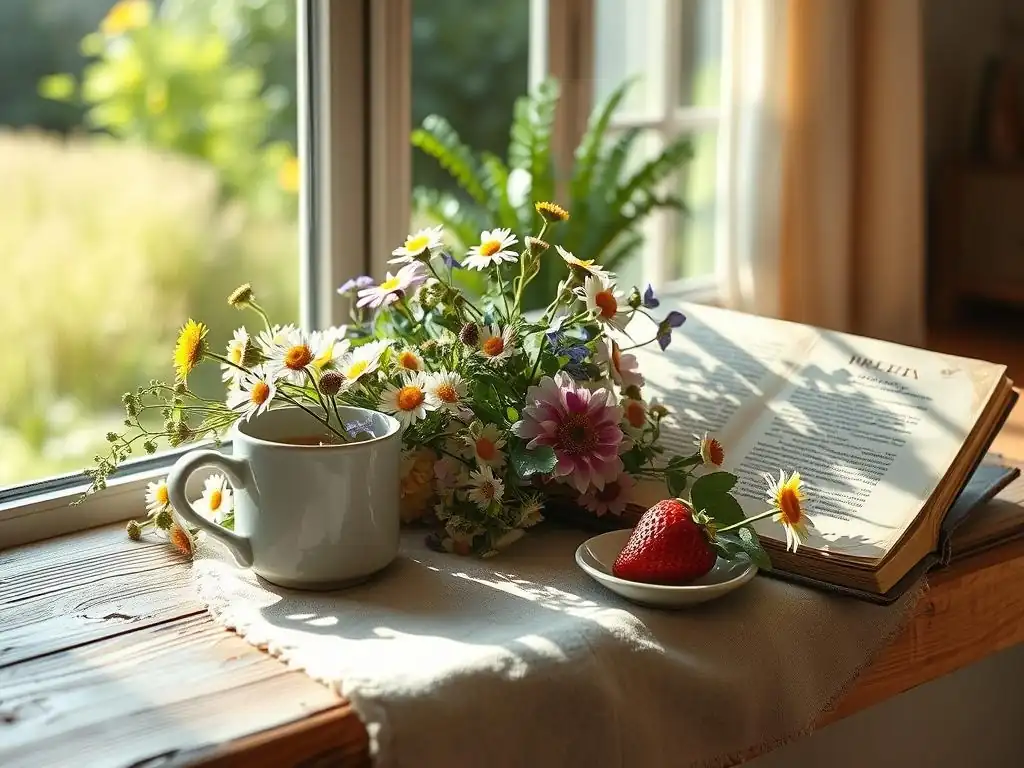
Welcome to Mind Care Guide, a sanctuary for your mental well-being.
Are you searching for a brighter outlook, a gentle shift towards joy? We understand. In a world that often feels overwhelming, rediscovering happiness can seem like a distant dream. But what if the key to unlocking it lies in the everyday moments, in the simple things we often overlook? Explore our guide to "Simple things bring happiness now" and uncover practical, compassionate strategies to cultivate lasting contentment. Let's embark on this journey to rediscover joy, together.
Cultivating Well-being: Finding Fulfillment in Everyday Life
- The Impact of Simple Practices on Mental Wellness
- Re-evaluating Happiness: Beyond External Validation
- Practical Strategies for Cultivating Happiness
- Examples of Daily Happiness
- Navigating Challenges: Finding Joy Amidst Adversity
- Integrating Simple Practices into Daily Life
- Embracing Simplicity: A Path to Sustained Fulfillment
-
Frequently Asked Questions
- How can focusing on simple things contribute to my overall mental well-being?
- What are some practical examples of simple things that can bring happiness?
- How does finding joy in simple things relate to managing mental health challenges?
- Is it realistic to find happiness in simple things when facing significant life difficulties?
- How can I make a habit of appreciating simple things in my daily life?
- Final Reflection: Cultivating Joy in a World of Excess
- Unleash Your Inner Joy: Simple Steps to a Happier You
The Impact of Simple Practices on Mental Wellness
Prioritizing mental wellness is a journey, and often, the most profound steps are the simplest. In a world that frequently celebrates grand achievements and external validation, the power of incorporating small, manageable practices into daily life is often overlooked. Yet, it is precisely these simple things that can serve as anchors, providing moments of calm, clarity, and genuine joy amidst the complexities of modern existence. Understanding how minor shifts in focus and routine can significantly impact our psychological state is the first step toward a more balanced and fulfilling life.
This section delves into how focusing on the uncomplicated aspects of life can build a strong foundation for mental resilience. We will explore the direct link between engaging with simple pleasures and cultivating a sense of contentment, reducing stress, and fostering a more positive outlook. It's about recognizing that well-being isn't solely about overcoming major challenges, but also about nurturing the small, positive experiences that are readily available to us each day.
Prioritizing Simple Joys for Enhanced Well-being
Focusing on simple joys is not merely about finding fleeting moments of pleasure; it's a conscious strategy for building psychological resilience and enhancing overall well-being. Research consistently shows that regularly engaging in enjoyable, low-stress activities can significantly lower cortisol levels, the body's primary stress hormone.
For instance, a study published in the Journal of Health Psychology found that participants who spent just 20 minutes engaging in a simple hobby like reading or gardening experienced a significant reduction in cortisol levels and an increase in positive mood compared to a control group. This suggests that dedicating time to these accessible pleasures has a tangible physiological benefit.
Furthermore, intentionally seeking out simple things brings happiness now by shifting our focus from potential stressors or future anxieties to the present moment. This practice can interrupt negative thought loops and provide a mental respite. For example, taking five minutes to simply savor a cup of tea, noticing its warmth, aroma, and taste, engages sensory awareness and grounds us. This kind of mindful appreciation of the mundane has been linked to increased feelings of gratitude and contentment, fostering a more optimistic perspective on life, even when faced with challenges.
The Interplay Between Simplicity and Mental Health
The relationship between simplicity and mental health is profound and multifaceted. In a society often driven by consumption, comparison, and constant stimulation, a focus on simplicity can act as a powerful antidote to common mental health stressors like anxiety, depression, and burnout. Embracing simplicity often involves decluttering not just physical spaces but also mental ones – reducing commitments, minimizing digital noise, and clarifying priorities. This reduction in external and internal clutter can lead to a greater sense of control and peace.
Studies on the psychological effects of minimalism and reduced digital consumption offer compelling insights. For example, research indicates that excessive social media use, a source of constant comparison and stimulation, is correlated with increased rates of anxiety and depression, particularly among young adults. Conversely, individuals who intentionally limit their digital exposure and prioritize simple, real-world interactions and activities often report lower stress levels and higher life satisfaction. This highlights how a deliberate choice for simplicity in various aspects of life can directly contribute to improved mental well-being by reducing overwhelm and fostering a sense of groundedness.
Re-evaluating Happiness: Beyond External Validation
Happiness in the modern age is often portrayed as the accumulation of external markers: wealth, status, achievements, and possessions. This pervasive narrative can lead to a relentless pursuit of external validation, creating a cycle where self-worth becomes dependent on outside approval and comparison with others. However, this pursuit is often a moving target, leading to chronic dissatisfaction rather than lasting fulfillment. True, sustainable happiness stems from within, rooted in intrinsic values and the appreciation of life's inherent qualities.
This section explores the critical difference between happiness derived from external sources and that cultivated internally. We will discuss the limitations and potential harm of relying on validation from others or material gains for well-being. The aim is to encourage a shift in perspective, recognizing that the most reliable and enriching sources of joy are often found in our inner world, our relationships, and the simple experiences of everyday life.
Shifting Focus: Appreciating Intrinsic Value
Shifting our focus from external achievements and validation to appreciating intrinsic value is fundamental for cultivating genuine and lasting happiness. Intrinsic value refers to the worth inherent in something for its own sake, rather than for what it can provide or represent externally.
In terms of personal well-being, this means finding satisfaction in activities, relationships, and personal growth because they are inherently meaningful or enjoyable, not because they impress others or lead to external rewards. For instance, pursuing a hobby because you genuinely love the process, spending time with loved ones simply for the connection, or finding peace in a quiet moment are all examples of appreciating intrinsic value.
This internal orientation fosters a sense of autonomy and self-reliance in our pursuit of happiness. When our joy is tied to internal experiences and values, it becomes less vulnerable to the fluctuations of external circumstances, opinions, or trends.
Research in positive psychology highlights that activities driven by intrinsic motivation, such as learning for the sake of curiosity or helping others out of genuine compassion, are consistently linked to higher levels of life satisfaction, greater persistence, and improved mental health outcomes compared to activities driven by external rewards or pressure. This demonstrates the power of recognizing that simple things bring happiness now when they resonate with our core selves.
The Pitfalls of External Validation and Its Effect on Well-being
Relying on external validation for happiness creates a precarious foundation for mental well-being, prone to instability and disappointment. When our sense of self-worth is primarily derived from the approval of others, social media likes, professional accolades, or material possessions, we become emotionally dependent on external factors we often cannot control. This dependency can lead to chronic anxiety, fear of failure, and a constant need to perform or acquire more, preventing us from experiencing the present moment fully and finding contentment in simple things.
The pursuit of external validation can also fuel unhealthy competition and comparison. Social media, in particular, often presents curated versions of reality, leading individuals to feel inadequate based on others' perceived successes or lifestyles. This constant comparison can diminish self-esteem and contribute to feelings of envy, isolation, and depression.
Studies show that individuals who base their self-worth on external contingencies, such as appearance or others' approval, report higher levels of stress, anger, and relationship conflicts compared to those whose self-worth is based on internal attributes like virtue or moral standards. Breaking free from this cycle is crucial for cultivating a stable sense of self and recognizing that simple things bring happiness now, independent of external approval.
Practical Strategies for Cultivating Happiness
Cultivating happiness isn't about waiting for extraordinary events; it's an active process of incorporating practices into our daily lives that foster positive emotions and a sense of fulfillment. These strategies are often simple, accessible, and require consistent effort rather than significant resources. By intentionally integrating these practices, we can shift our focus, build resilience, and create a more fertile ground for joy to flourish.
This section provides tangible, actionable strategies that individuals can adopt to actively nurture their happiness. These practices are grounded in psychological research and have been shown to have a positive impact on mental well-being. They offer practical ways to find joy in simple things and build a more robust internal sense of contentment.
Cultivating Gratitude: A Daily Reflection Practice
Cultivating gratitude is a powerful practice that shifts our focus from what we lack to what we have, fostering a sense of appreciation and contentment. This isn't about ignoring difficulties but intentionally acknowledging the positive aspects of our lives, no matter how small. A simple daily reflection practice, such as listing three to five things you are grateful for each day, can significantly impact your mood and outlook. These can be as simple as the warmth of your bed, a kind word from a friend, or the taste of your morning coffee.
Research has consistently demonstrated the psychological benefits of gratitude. Studies by psychologists like Dr. Robert Emmons have shown that individuals who regularly practice gratitude report higher levels of positive emotions, optimism, and life satisfaction. They are also more likely to help others and show increased resilience in the face of adversity. Furthermore, a simple gratitude journal practice, done consistently for just a few weeks, has been shown to reduce symptoms of depression and anxiety by fostering a more positive cognitive bias. This highlights how acknowledging simple things brings happiness now and contributes to long-term emotional well-being.
Mindful Presence: Engaging Fully in Everyday Activities
Mindful presence involves intentionally bringing your attention to the present moment, without judgment. This means engaging fully in whatever you are doing, whether it's eating a meal, walking outdoors, or listening to a conversation. Instead of letting your mind wander to worries about the future or regrets about the past, you focus on the sensory experience of the here and now. This practice helps to anchor you in the present, reducing rumination and increasing awareness of the richness of everyday life.
Integrating mindful presence into daily activities doesn't require setting aside large blocks of time; it can be practiced in moments throughout the day. For example, mindfully washing dishes, paying attention to the feel of the water and the soap, or mindfully walking, noticing the sensation of your feet on the ground and the sights and sounds around you.
Studies on mindfulness have shown significant benefits, including reduced stress, improved focus, enhanced emotional regulation, and increased appreciation for simple things. Regular mindfulness practice has been linked to changes in brain structure associated with reduced anxiety and increased self-awareness, demonstrating its tangible impact on mental health.
Connecting with Nature: Experiencing the Benefits of the Outdoors
Spending time in nature is a simple yet incredibly effective way to boost mental well-being. Whether it's a walk in a local park, sitting by a tree, or simply observing the sky, connecting with the natural world can have a profound calming and restorative effect. Nature provides a sensory rich environment that can help reduce mental fatigue, lower stress levels, and improve mood. The simple act of being outdoors exposes us to fresh air, natural light, and the soothing rhythms of the environment, which can counteract the effects of busy, indoor-focused lives.
Numerous studies have documented the positive impact of nature on mental health. For example, research indicates that spending just 10-15 minutes in a green space can significantly reduce feelings of stress and anxiety.
A study published in Environmental Health Perspectives found that people living in areas with more green space reported lower rates of depression and anxiety. The simple experience of being in nature helps to quiet the mind, foster a sense of perspective, and remind us of the beauty and resilience of life, proving that simple things bring happiness now when we allow ourselves to connect with the world around us.
Creative Pursuits: Fostering Joy Through Artistic Expression

Engaging in creative pursuits offers a powerful outlet for self-expression, stress reduction, and the cultivation of joy. This doesn't require formal artistic training or aiming for a masterpiece; it's about engaging in activities that allow for imaginative exploration and personal expression. Simple creative acts like doodling, writing in a journal, playing a musical instrument (even just for yourself), knitting, or even arranging flowers can provide a sense of flow and accomplishment.
Creative activities tap into different parts of the brain, offering a break from analytical thinking and allowing for emotional processing. The process of creating something, no matter how small or imperfect, can be incredibly therapeutic. Studies have shown that engaging in creative arts can reduce anxiety and depression, improve problem-solving skills, and enhance overall emotional well-being.
For example, research on the benefits of journaling indicates that regular expressive writing can help individuals process emotions and reduce the impact of stressful events. Finding joy in these simple creative explorations demonstrates how simple things bring happiness now by providing a fulfilling means of self-expression.
Nurturing Relationships: The Importance of Human Connection
Meaningful human connection is a fundamental human need and a cornerstone of well-being. Nurturing relationships with friends, family, or community members provides support, a sense of belonging, and opportunities for shared joy. Simple acts of connection, like calling a friend, sharing a meal with family, or even a brief, positive interaction with a stranger, can significantly boost mood and reduce feelings of loneliness.
The quality of our relationships is a strong predictor of happiness and longevity. Research from the Harvard Study of Adult Development, one of the longest studies on happiness, consistently highlights that close relationships, more than money or fame, are what keep people happy and healthy throughout their lives. Simple interactions, like sharing a laugh, offering a listening ear, or giving a hug, release oxytocin, a hormone associated with bonding and stress reduction. Prioritizing and actively maintaining these simple connections is vital for mental health, proving that simple things bring happiness now when they involve genuine human warmth and understanding.
Examples of Daily Happiness
Finding happiness doesn't require grand gestures or monumental achievements; it is often woven into the fabric of our everyday lives, waiting to be noticed and appreciated. By cultivating awareness and intentionally pausing to savor these moments, we can unlock a consistent source of joy. This section provides relatable examples of simple, daily occurrences that hold the potential for genuine happiness if we allow ourselves to be present and receptive to them.
These examples serve as reminders that opportunities for joy are abundant and accessible, requiring only a shift in perspective and a willingness to engage with the present moment. They underscore the idea that simple things bring happiness now, offering immediate boosts to our mood and contributing to a greater sense of life satisfaction.
The Pleasure of a Hot Beverage
Consider the simple pleasure of holding a warm mug of coffee or tea on a chilly morning. It's a sensory experience – the heat warming your hands, the comforting aroma, the rich taste. Taking a few moments to simply be with this experience, perhaps looking out a window or sitting quietly, can create a small pocket of peace in a busy day. This isn't just about the drink; it's about the pause, the warmth, the ritual.
This seemingly insignificant act offers a moment of mindful presence. Instead of rushing through it while thinking about the day's tasks, intentionally savoring it allows you to ground yourself. This brief sensory engagement can interrupt stress cycles and provide a moment of calm focus, demonstrating how simple things bring happiness now by offering accessible moments of sensory delight and mindful pause.
The Awe of Natural Light
The simple experience of natural light can be surprisingly uplifting. Watching the sunrise or sunset, noticing how sunlight filters through leaves, or simply feeling the warmth of the sun on your skin are easily accessible moments of connection with the natural world. These moments often occur without us needing to seek them out actively, yet they hold immense potential for fostering feelings of peace and awe.
Exposure to natural light also has physiological benefits, helping regulate our circadian rhythms and impacting mood. Seasonal Affective Disorder (SAD), for example, is directly linked to reduced exposure to sunlight during darker months. Simply stepping outside for a few minutes during the day to soak in the available light, or arranging your workspace to be near a window, can have a positive impact on your energy levels and mood, reinforcing how simple things bring happiness now through our connection with the natural environment.
The Escape of Reading
Losing yourself in a book, even for a short period, offers a wonderful escape and a simple source of joy. Reading allows you to step into different worlds, learn new things, or simply relax your mind from daily pressures. It's a quiet, personal activity that requires minimal resources but can provide significant mental refreshment.
Reading has been shown to reduce stress levels more effectively than other relaxation methods. A study by the University of Sussex found that reading for just six minutes reduced stress levels by 68%, more than listening to music (61%), drinking tea (54%), or going for a walk (42%). This highlights the powerful, yet simple, way that immersing yourself in a narrative can provide mental respite and foster a sense of calm and enjoyment, illustrating how simple things bring happiness now through accessible forms of mental escape and engagement.
Laughter, especially shared with others, is a powerful and immediate mood booster. A funny meme, a silly moment with a pet, a joke shared with a friend – these instances of laughter release endorphins, the body's natural feel-good chemicals. Laughter is contagious and creates a bond between people, fostering connection and reducing tension.
Beyond the immediate mood lift, shared laughter strengthens relationships and provides a sense of belonging. It's a simple, often spontaneous act that requires no planning or expense. Making time for lightheartedness and actively seeking out opportunities for laughter, whether through watching a comedy or spending time with humorous friends, is an easy way to inject joy into your day, showcasing how simple things bring happiness now through spontaneous moments of human connection and lightheartedness.
The Fulfillment of Acts of Service
Engaging in simple acts of service, whether for others or for your community, can provide a deep sense of fulfillment and purpose. This doesn't need to be a grand philanthropic gesture; it can be as simple as holding a door for someone, helping a neighbor carry groceries, offering a listening ear, or volunteering for an hour at a local shelter.
Studies consistently show that helping others has a positive impact on the giver's well-being, often referred to as the "helper's high." Acts of kindness activate reward centers in the brain and can reduce stress and improve mood. A study by the Journal of Happiness Studies found that spending money on others increased happiness more than spending it on oneself. These simple acts of generosity and compassion remind us of our interconnectedness and provide a profound sense of satisfaction, demonstrating how simple things bring happiness now through acts of kindness and connection.
Life is inevitably marked by challenges, difficulties, and moments of adversity. While finding profound joy during times of intense struggle may seem impossible, it is still possible to cultivate moments of peace, glimpses of beauty, and small comforts that can help navigate the darkness. Finding joy amidst adversity isn't about ignoring pain; it's about building resilience and acknowledging that even in difficult times, simple things can still offer solace and moments of light.
This section addresses the reality of facing difficulties and offers strategies for maintaining a connection to well-being even when circumstances are tough. It emphasizes self-compassion, realistic expectations, and the power of small, intentional practices to provide support and moments of relief during challenging periods. It acknowledges that finding simple things brings happiness now is a practice that is perhaps most valuable when life feels overwhelming.
Acknowledging Difficulties: Addressing Barriers to Well-being
A crucial step in navigating challenges and finding moments of joy is to first acknowledge the difficulties you are facing. Suppressing or ignoring pain, stress, or sadness is not a sustainable strategy for well-being and can often exacerbate negative feelings in the long run. It is important to give yourself permission to feel what you feel and to recognize the barriers that adversity places on your mental health. This might involve acknowledging grief after a loss, stress from a difficult job, or the emotional weight of caring for a loved one.
Addressing these barriers might involve seeking professional support, setting boundaries, or making difficult decisions. It's also about understanding that during these times, your capacity for joy might be reduced, and that is okay. Beating yourself up for not feeling happy when you are struggling is counterproductive. Instead, focus on small, manageable steps towards self-care and finding tiny pockets of relief. Recognizing and validating your struggle is the first step towards finding ways to cope and eventually rediscover moments where simple things bring happiness now.
Practicing Self-Compassion: Cultivating Kindness Towards Self
In times of adversity, it is easy to be critical of ourselves, feeling inadequate, guilty, or like a failure. Practicing self-compassion means treating yourself with the same kindness, understanding, and acceptance you would offer a friend who is struggling. It involves recognizing that suffering and imperfection are part of the shared human experience and responding to your own pain with warmth and non-judgment.
Self-compassion has been shown to be a powerful buffer against depression and anxiety. Research by Dr. Kristin Neff, a leading expert in self-compassion, indicates that individuals high in self-compassion experience less anxiety and depression, greater life satisfaction, and more resilience.
Simple practices like offering yourself kind words during a difficult moment ("This is hard, but I'm doing my best"), acknowledging your feelings without judgment ("It's okay to feel sad right now"), or giving yourself a comforting touch (like placing a hand over your heart) can make a significant difference. Cultivating this inner kindness allows you to navigate challenges with greater emotional strength and makes it possible to still find solace and moments where simple things bring happiness now, even when life is difficult.
Reframing Negative Thoughts: Shifting Perspective
Adversity often comes hand-in-hand with negative thought patterns – catastrophic thinking, self-blame, or hopelessness. While it's natural for negative thoughts to arise during difficult times, becoming stuck in them can significantly hinder your ability to cope and find moments of peace. Reframing negative thoughts involves challenging these unhelpful patterns and consciously shifting your perspective towards a more balanced or realistic view.
This doesn't mean ignoring reality or forcing yourself to be unrealistically positive. Instead, it's about questioning the absolute truth of negative thoughts and considering alternative interpretations. For example, instead of thinking "I can't handle this," you might reframe it to "This is challenging, but I have overcome difficulties before, and I can take this one step at a time."
Cognitive Behavioral Therapy (CBT) techniques, which focus on identifying and challenging negative thought patterns, have a strong evidence base for treating depression and anxiety. By actively working to reframe negative thoughts, you create mental space to notice and appreciate the simple things that can still bring moments of happiness now, even when the overall picture is challenging.
Integrating Simple Practices into Daily Life
Knowing about the benefits of simple practices is one thing; consistently integrating them into the rhythm of daily life is another. It requires intentionality, consistency, and often, a bit of planning. The goal isn't to add more pressure to an already busy schedule but to weave these moments of well-being seamlessly into your existing routine.
This section focuses on the practical aspects of making these simple, joy-inducing activities a regular part of your life. It emphasizes creating a sustainable approach that aligns with your individual circumstances and priorities, ensuring that these practices become a source of support rather than another task on your to-do list.
Creating a Balanced Lifestyle: Prioritizing Holistic Wellness
Creating a balanced lifestyle is essential for sustaining well-being and ensuring that simple, joyful practices are not just occasional treats but integral components of your daily routine. Balance involves intentionally allocating time and energy across different areas of life – work, relationships, rest, physical health, and mental/emotional well-being. Often, in the rush of modern life, the areas related to personal well-being and simple pleasures are the first to be neglected.
Prioritizing holistic wellness means recognizing that mental health is interconnected with physical health, social connections, and a sense of purpose. It involves making conscious choices about how you spend your time and energy, ensuring that there is space for activities that nourish your mind and spirit. This might involve scheduling short breaks for mindfulness or nature walks, setting boundaries around work hours to protect time for loved ones, or ensuring adequate sleep and nutrition. A balanced approach makes it easier to consistently engage with the simple things that bring happiness now, preventing burnout and fostering long-term resilience.
Developing a Personalized Plan: Tailoring Practices to Individual Needs
What brings joy to one person might not resonate with another. Therefore, developing a personalized plan for integrating simple practices is crucial for long-term success and sustainability. This involves reflecting on what activities genuinely bring you a sense of peace, energy, or contentment. Is it listening to music? Spending time with a pet? Cooking a simple meal? Going for a bike ride? The key is to identify the simple things that you find meaningful and enjoyable.
Once you've identified these activities, think about how you can realistically weave them into your daily or weekly routine. Start small – perhaps commit to one gratitude reflection each morning or a 15-minute walk in nature during your lunch break. Use a task list or planner to schedule these moments if helpful:
- [ ] Daily: 5 minutes of mindful breathing
- [ ] Daily: List 3 things I'm grateful for
- [ ] Weekly: Spend 30 minutes in a park
- [ ] Weekly: Engage in a simple creative activity (e.g., drawing, playing music)
- [ ] Weekly: Call a friend or family member
Tailoring the plan to your specific schedule, energy levels, and preferences increases the likelihood that you will stick with it. It's about finding what feels good and sustainable for you, ensuring that simple things bring happiness now in a way that fits seamlessly into your life.
Long-Term Benefits: Sustaining Well-being Through Simple Living
Consistently integrating simple practices into daily life yields significant long-term benefits for sustained well-being. This isn't a quick fix but a gradual process of building habits that nurture your mental and emotional health over time. The cumulative effect of regularly engaging in simple joys, practicing gratitude, mindfulness, and connecting with others creates a strong foundation of resilience that can help you navigate future challenges with greater ease.
The long-term benefits include reduced chronic stress, improved mood stability, enhanced self-awareness, stronger relationships, and a greater overall sense of meaning and purpose. As these practices become more ingrained, the effort required decreases, and they become natural sources of comfort and joy. It's about cultivating a lifestyle where finding simple things brings happiness now is not an occasional effort but a regular, accessible experience, leading to a more peaceful, fulfilling, and sustainable state of well-being.
Embracing Simplicity: A Path to Sustained Fulfillment
Embracing simplicity is more than just decluttering your physical space; it's a mindset shift that prioritizes experiences, relationships, and inner peace over external accumulation and constant striving. It involves consciously choosing to slow down, appreciate the present moment, and find contentment in the inherent value of everyday life. This path leads not to deprivation, but to a richer, more meaningful existence where true fulfillment is found in the accessible and the authentic.
This final section encapsulates the essence of living simply for greater happiness. It encourages letting go of unnecessary pressures, finding beauty in the process of life, and actively choosing to prioritize the practices that bring genuine joy and sustained well-being.
Letting Go of Expectations: Finding Joy in the Present
A significant barrier to finding happiness in simple things is the weight of expectations – expectations we place on ourselves, expectations from others, and expectations about what happiness "should" look like. Letting go of these rigid expectations frees us to appreciate the reality of the present moment, with all its imperfections and simple beauty. Joy is often found not in achieving a predetermined outcome, but in the unfolding process of life itself.
This involves cultivating acceptance – accepting where you are, who you are, and the circumstances you are in, without excessive judgment or resistance. It's about finding contentment in the "enoughness" of the present. For instance, instead of expecting a perfect day out, finding joy in a simple walk despite the weather, or appreciating a quiet evening at home rather than expecting a big social event.
By releasing the need for things to be a certain way, you open yourself up to recognizing that simple things bring happiness now, exactly as they are. This mindset shift reduces pressure and allows for a more authentic and accessible experience of joy.
The Art of Slowing Down: Appreciating the Process
In a fast-paced world that values speed and efficiency, the art of slowing down is a revolutionary act for mental well-being. Slowing down allows us to disengage from the constant rush and create space to truly notice and appreciate the details of life that are often missed. It's about being present in the process, whether it's preparing a meal, having a conversation, or simply walking from one place to another.
Slowing down enables mindful engagement with simple activities, transforming mundane tasks into opportunities for sensory experience and reflection. For example, instead of rushing through breakfast, taking the time to sit, chew slowly, and savor the flavors. This deliberate pace reduces feelings of overwhelm and allows for deeper connection with ourselves and our surroundings. By practicing the art of slowing down, we make ourselves more receptive to the subtle joys that are always available, reinforcing the truth that simple things bring happiness now when we give ourselves the time and space to appreciate them.
Taking Action: Prioritizing Simple Practices for Enhanced Well-being
Ultimately, embracing simplicity and finding joy in simple things requires taking consistent action. It's not enough to understand the concepts; you must actively prioritize and integrate these practices into your daily life. This means making conscious choices each day about how you spend your time and energy, ensuring that moments for well-being are protected.
Start small and build gradually. Choose one or two simple practices that resonate with you – maybe a daily gratitude reflection or a short mindful walk – and commit to them for a week. Notice how they make you feel.
As you experience the positive impact, you'll be motivated to continue and potentially add more practices. Prioritizing simple things brings happiness now, not just as a temporary fix, but as a sustainable approach to cultivating deep and lasting fulfillment. It is in the consistent, gentle effort of focusing on the accessible joys that we build a life of genuine well-being.
Frequently Asked Questions
How can focusing on simple things contribute to my overall mental well-being?
Focusing on simple things shifts your attention to the present moment, reducing stress and anxiety. It cultivates gratitude and appreciation, leading to increased happiness and a more positive outlook. It builds a foundation for lasting emotional resilience.
What are some practical examples of simple things that can bring happiness?
Examples include enjoying a warm cup of tea, taking a walk in nature, or listening to your favorite music. Other examples are spending quality time with loved ones, practicing mindfulness, or helping someone in need.
How does finding joy in simple things relate to managing mental health challenges?
Cultivating appreciation for simple things can act as a buffer against stress and negative emotions. It helps build coping mechanisms and provides a sense of stability during challenging times.
Is it realistic to find happiness in simple things when facing significant life difficulties?
While it may be challenging, finding joy in simple things offers a source of comfort and resilience during difficult periods. It's about finding small moments of peace and gratitude amidst the storm, not ignoring the difficulties.
How can I make a habit of appreciating simple things in my daily life?
Start by practicing daily gratitude, keeping a journal, or setting reminders to notice and appreciate the simple things. Consciously incorporate mindfulness exercises and make time for activities you genuinely enjoy.
Final Reflection: Cultivating Joy in a World of Excess
The pursuit of happiness often leads us down a path of relentless acquisition, yet true joy resides in the simplicity of everyday moments. This article explored the profound impact of appreciating the small things – a warm cup of tea, a sunset, a meaningful conversation – and how these seemingly insignificant experiences contribute to a richer, more fulfilling life. In a world obsessed with material possessions and external validation, rediscovering the power of simple pleasures is more crucial than ever.
The shift towards mindful appreciation of simple things is not merely a trend; it's a fundamental recalibration of our values, a conscious rejection of the pervasive consumerist culture that often leaves us feeling empty despite material abundance. Happiness is not something ready made. It comes from your own actions.
– Dalai Lama. This quote perfectly encapsulates the core message: joy isn't a destination to be reached, but a state of being cultivated through conscious choices and mindful engagement with the world around us. The ongoing influence of this perspective is evident in the growing popularity of minimalism, mindful living practices, and a renewed focus on community and connection.
Now, consider your own life. What simple pleasures bring you joy? What small acts of kindness or moments of beauty do you often overlook? I invite you to take a moment each day to consciously appreciate these simple things. Notice the warmth of the sun on your skin, the taste of your favorite food, the laughter of a loved one. By cultivating this mindful awareness, you will not only discover a deeper sense of contentment but also create a more meaningful and joyful life, one simple moment at a time.
Unleash Your Inner Joy: Simple Steps to a Happier You
Thanks for taking the time to explore the power of simple joys! We hope this article helped you rediscover the beauty in everyday moments. Now, let's turn those insights into action:
- Prioritize one small act of joy today: Whether it's enjoying a warm cup of tea in silence, listening to your favorite song, or calling a loved one, make time for something that genuinely brings you happiness. This is your primary action – the keystone to a more joyful life.
- Share your favorite simple joy with us! Let’s build a community of happiness by sharing ideas in the comments below. What small thing brings you the most joy?
- Explore a new hobby or activity that ignites your senses and sparks your creativity. This could be anything from painting to gardening to learning a new language – the possibilities are endless!
What small act of joy will you commit to today, and how will you share its impact with others?