
Diet's Role in Neuroplasticity and Mood Disorder Healing


Welcome to Mind Care Guide, a space dedicated to nurturing your mental well-being.
Are you curious about the profound connection between what you eat and how you feel? Perhaps you've wondered if your diet could be a powerful tool in managing your mood. Dive into our exploration of " Brain Food Mood Disorder" and discover how strategic nutritional choices can actually influence neuroplasticity and support your journey to healing. Get ready to unlock the potential of your plate and nourish not just your body, but your mind too. What if feeling better started with your next meal?
- Diet's Role in Neuroplasticity and Mood Disorder Healing: A Mind Care Guide
-
Brain Food Mood Disorder: Essential Nutrients for Mental Well-being
- The Power of Omega-3 Fatty Acids: Enhancing Neuroplasticity and Reducing Depression
- Vitamin D and Mood Regulation: Addressing Deficiencies for Brain Health
- B Vitamins for Cognitive Function and Emotional Stability
- The Importance of Antioxidants: Protecting Brain Cells from Damage and Promoting Neuroplasticity
- Dietary Strategies to Enhance Neuroplasticity and Improve Mood
- Foods to Avoid: Minimizing Inflammation and Supporting Brain Health
- Implementing Dietary Changes for Mood Disorder Healing: A Step-by-Step Guide
- Lifestyle Factors that Complement Dietary Interventions for Neuroplasticity
- The Future of Nutritional Psychiatry: Research and Emerging Trends
- Conclusion: Empowering Yourself Through Brain Food and Neuroplasticity
-
Frequently Asked Questions
- What is the connection between "brain food" and mood disorders, as discussed in the article?
- How does diet impact neuroplasticity in the context of mood disorder recovery?
- What specific types of "brain food" are recommended in the article for managing mood disorders?
- Is diet alone sufficient to treat a mood disorder, or is it part of a larger treatment plan?
- Where can I find more information and resources about using "brain food" to support mental well-being?
- Final Reflection: Nourishing the Mind, Transforming the Mood
- Unlock Your Brain's Potential: Boost Mood & Wellbeing
Diet's Role in Neuroplasticity and Mood Disorder Healing: A Mind Care Guide
How Neuroplasticity Works: Remodeling the Brain for Better Mood
Neuroplasticity is the brain's remarkable ability to reorganize itself by forming new neural connections throughout life. This dynamic process allows the brain to adapt, learn, and recover from injury. It involves changes at the cellular level, such as the growth of dendrites and axons, the formation of new synapses (synaptogenesis), and even the generation of new neurons in certain areas like the hippocampus (neurogenesis). When we learn new things, experience new environments, or even change our habits, our brains are actively rewiring. This intrinsic capacity for change is fundamental to cognitive function, memory, and emotional regulation.
Crucially, neuroplasticity isn't just about learning; it's also deeply involved in mental health and recovery from mood disorders. For individuals struggling with conditions like depression or anxiety, specific neural pathways may become less active or even maladaptively wired. However, through targeted interventions – including lifestyle changes, therapy, and yes, brain food mood disorder strategies – the brain can remodel these pathways.
For example, engaging in regular mindfulness practice can strengthen neural circuits associated with attention and emotional regulation in the prefrontal cortex, while learning a new skill can boost activity in areas related to problem-solving. This demonstrates that the brain is not a static entity but a dynamic structure capable of significant positive transformation.
The Gut-Brain Axis: A Key Pathway for Dietary Influence on Mental Health
The gut-brain axis is a complex bidirectional communication system linking the central nervous system with the enteric nervous system, which governs the gastrointestinal tract. This intricate network involves neural pathways (like the vagus nerve), endocrine signals (hormones), and immunological pathways, all influenced significantly by the gut microbiome – the trillions of microorganisms residing in our intestines. The gut microbiome produces numerous neuroactive compounds, including short-chain fatty acids (SCFAs) like butyrate, propionate, and acetate, which can cross the blood-brain barrier and impact brain function, inflammation, and even neurotransmitter synthesis.
Research highlights the profound impact of the gut microbiome composition on mood and behavior. An imbalance in the gut flora, known as dysbiosis, has been linked to various mental health conditions, including depression and anxiety. For instance, studies have shown that individuals with major depressive disorder often exhibit different microbial profiles compared to healthy controls.
Furthermore, consuming certain foods, particularly those rich in fiber and fermented products, can positively alter the microbiome, potentially influencing mood and promoting brain health for mood disorders. This underscores why focusing on nutrition goes beyond simply fueling the brain; it's also about cultivating a healthy internal environment that supports mental well-being via this vital gut-brain connection.
Mood Disorders Explained: The Role of Neurotransmitters
Mood disorders, such as major depressive disorder, bipolar disorder, and persistent depressive disorder (dysthymia), are characterized by significant disturbances in emotional state. While complex and multifactorial, imbalances in key neurotransmitters within the brain play a critical role in their pathophysiology. Neurotransmitters are chemical messengers that transmit signals between neurons. Three primary neurotransmitters often implicated in mood regulation are serotonin, norepinephrine, and dopamine. Serotonin is frequently associated with feelings of well-being, sleep regulation, and appetite; norepinephrine with alertness, energy, and attention; and dopamine with pleasure, motivation, and reward.
In many mood disorders, there appears to be dysregulation in the synthesis, release, reuptake, or receptor sensitivity of these neurotransmitters. For example, depression is often hypothesized to involve lower levels or reduced activity of serotonin and norepinephrine in certain brain regions.
While this is a simplified view of a complex system, understanding the neurotransmitter basis helps explain how various treatments, including medications and certain dietary interventions for mood disorders, aim to restore balance. Nutrients from food serve as building blocks for neurotransmitter synthesis and influence enzymatic pathways involved in their metabolism, highlighting the direct link between what we eat and our brain chemistry.
Brain Food Mood Disorder: Essential Nutrients for Mental Well-being
The Power of Omega-3 Fatty Acids: Enhancing Neuroplasticity and Reducing Depression
Omega-3 fatty acids, particularly EPA (eicosapentaenoic acid) and DHA (docosahexaenoic acid), are polyunsaturated fats that are crucial structural components of brain cell membranes. DHA, in particular, makes up a significant portion of the gray matter in the brain. Their presence in neuronal membranes influences fluidity and cell signaling, which are essential for neuroplasticity – the brain's ability to adapt and change. Omega-3s also possess potent anti-inflammatory properties, and chronic low-grade inflammation in the brain has been linked to the development and severity of mood disorders.
Numerous studies have investigated the link between omega-3 intake and mood. Populations with high fish consumption, which is rich in EPA and DHA, tend to have lower rates of depression. Meta-analyses of clinical trials have suggested that omega-3 supplementation, especially formulations with a higher ratio of EPA to DHA, can have a modest but significant positive effect in reducing depressive symptoms, particularly in individuals with more severe depression.
For example, a 2019 meta-analysis published in Translational Psychiatry found that omega-3 polyunsaturated fatty acids were effective in treating major depressive disorder. Incorporating sources like fatty fish (salmon, mackerel, sardines), flaxseeds, chia seeds, and walnuts into a brain food mood disorder diet is a key strategy for supporting both neuroplasticity and emotional health.
Vitamin D and Mood Regulation: Addressing Deficiencies for Brain Health
Vitamin D, often called the "sunshine vitamin," is increasingly recognized for its role beyond bone health, with receptors found in various brain regions, including those involved in mood regulation like the hypothalamus, prefrontal cortex, and hippocampus. It's involved in the synthesis of neurotransmitters, neuroprotection, and modulating inflammatory responses, all of which are relevant to brain function and mental health. Research indicates a strong correlation between low vitamin D levels and an increased risk of depression and other mood disorders.
While the exact mechanisms are still being elucidated, vitamin D deficiency is prevalent globally, affecting an estimated 1 billion people. Several observational studies have linked lower serum vitamin D concentrations to higher rates of depressive symptoms. For instance, a 2013 meta-analysis in Molecular Psychiatry found a significant association between vitamin D deficiency and depression.
While intervention studies have yielded mixed results, some trials suggest that vitamin D supplementation can help improve mood, particularly in individuals with documented deficiencies. Ensuring adequate vitamin D levels through sun exposure (when safe and possible), fortified foods, or supplementation under medical guidance is an important consideration for supporting brain health for mood disorders.
B Vitamins for Cognitive Function and Emotional Stability
The B vitamins, including B1 (thiamine), B2 (riboflavin), B3 (niacin), B5 (pantothenic acid), B6 (pyridoxine), B7 (biotin), B9 (folate), and B12 (cobalamin), are a group of water-soluble vitamins essential for numerous metabolic processes, including energy production, DNA synthesis, and nerve function. They play a critical role in the synthesis of neurotransmitters like serotonin, dopamine, and norepinephrine. For example, vitamin B6 is a cofactor in the synthesis of several neurotransmitters, while folate and B12 are crucial for the methylation cycle, which is involved in neurotransmitter metabolism and gene expression relevant to brain function.
Deficiencies in certain B vitamins, particularly folate and B12, have been consistently linked to an increased risk of depression and cognitive impairment. Folate deficiency, for instance, is found in a significant percentage of individuals with depression, estimated to be between 15% and 38%. B12 deficiency can lead to neurological symptoms, including mood changes and cognitive difficulties.
While supplementation may not be effective for everyone, ensuring adequate intake of B vitamins through a balanced diet rich in whole grains, leafy greens, legumes, nuts, seeds, and animal products (for B12) is a fundamental aspect of supporting brain health and mood. Addressing deficiencies can be a crucial step in managing mood disorder symptoms.
The Importance of Antioxidants: Protecting Brain Cells from Damage and Promoting Neuroplasticity
Antioxidants are compounds that help protect cells, including brain cells, from damage caused by unstable molecules called free radicals. This damage, known as oxidative stress, can contribute to inflammation and impair cellular function, potentially impacting neuroplasticity and increasing vulnerability to mood disorders. The brain is particularly susceptible to oxidative stress due to its high metabolic rate and lipid content. Antioxidants, such as vitamins C and E, carotenoids, flavonoids, and polyphenols, neutralize free radicals and reduce inflammation.
Consuming a diet rich in antioxidants has been associated with better cognitive function and a reduced risk of depression. For example, foods like berries, dark chocolate, green tea, nuts, and colorful vegetables are packed with various antioxidants.
Studies have shown that individuals with higher dietary antioxidant intake tend to have lower levels of inflammatory markers and better mood scores. While direct evidence specifically linking antioxidant supplementation to mood disorder healing is still evolving, incorporating antioxidant-rich foods as part of a brain food mood disorder strategy is a widely accepted approach to support overall brain health and resilience against factors contributing to mood disturbances.
Dietary Strategies to Enhance Neuroplasticity and Improve Mood
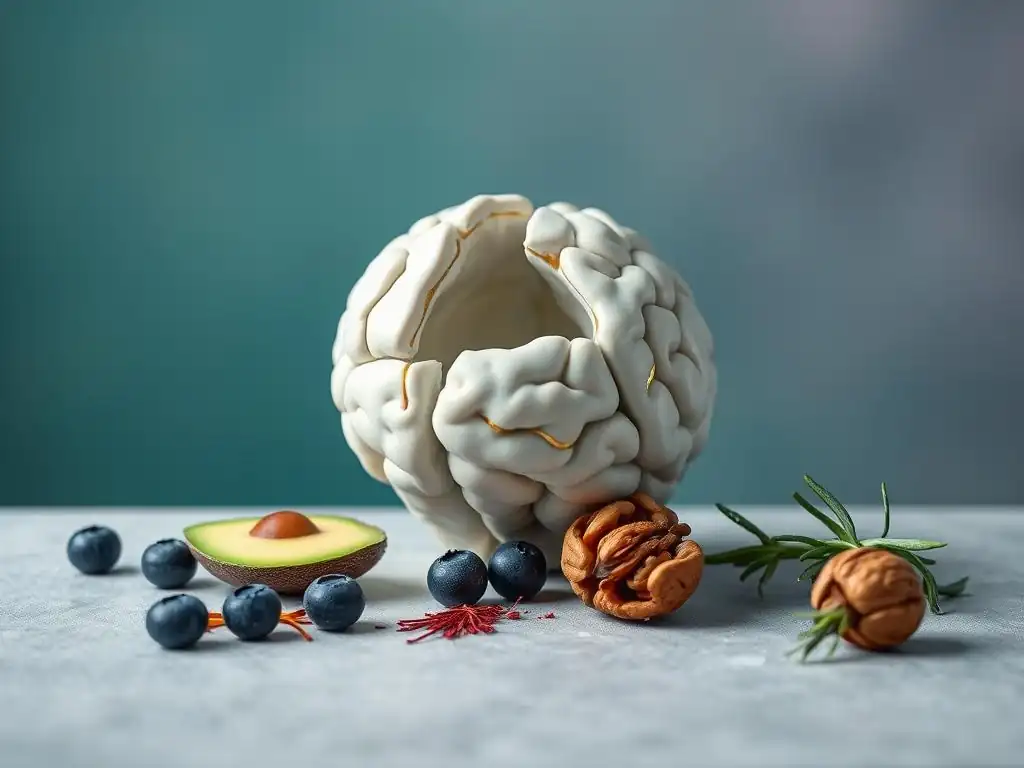
The Mediterranean Diet: A Brain-Boosting Eating Pattern
The Mediterranean diet is not just a diet but a lifestyle pattern characterized by a high intake of fruits, vegetables, whole grains, legumes, nuts, and seeds; moderate consumption of olive oil as the primary fat source; moderate intake of fish and poultry; and low intake of red meat, processed foods, and sweets. This dietary pattern is rich in omega-3 fatty acids, antioxidants, vitamins, minerals, and fiber, all of which are beneficial for brain health and reducing inflammation.
Numerous studies have demonstrated the positive impact of adhering to a Mediterranean diet on mental health. Meta-analyses have consistently shown that greater adherence to the Mediterranean diet is associated with a significantly lower risk of depression.
For instance, a large 2018 meta-analysis published in the Journal of the American College of Nutrition found that individuals with the highest adherence had a 33% lower risk of depression compared to those with the lowest adherence. The synergistic effects of the various nutrient-dense foods in this pattern likely contribute to its neuroprotective and mood-boosting benefits, making it an excellent example of a brain food mood disorder approach.
Ketogenic Diet and Mental Health: Exploring the Potential Benefits
The ketogenic diet is a very low-carbohydrate, high-fat diet that leads the body to produce ketones for energy instead of glucose. While primarily known for its use in managing epilepsy, there is growing interest in its potential therapeutic effects on various neurological and psychiatric conditions, including mood disorders. Ketones, such as beta-hydroxybutyrate (BHB), can serve as an alternative fuel source for the brain and may have neuroprotective and anti-inflammatory properties.
Research into the ketogenic diet for mood disorders is still in its early stages, and most evidence comes from animal models or small human studies. However, some preliminary findings suggest potential benefits in conditions like bipolar disorder and depression, possibly by stabilizing brain energy metabolism, reducing inflammation, and influencing neurotransmitter systems. For example, some case reports and small trials have shown improvements in mood stability in individuals with bipolar disorder following a ketogenic diet.
It's important to note that this diet is restrictive and should only be undertaken under strict medical supervision, especially for individuals with existing health conditions or taking medications. While promising, more robust clinical trials are needed to fully understand the role of the ketogenic diet as a dietary intervention for mood disorders.
Intermittent Fasting and Neuroplasticity: A Promising Approach
Intermittent fasting (IF) is an eating pattern that cycles between periods of voluntary fasting and non-fasting over a defined period. Common methods include the 16/8 method (fasting for 16 hours, eating within an 8-hour window) or the 5:2 diet (eating normally for 5 days, restricting calories significantly for 2 non-consecutive days). Beyond weight management, IF has shown potential benefits for brain health, including promoting neuroplasticity. During fasting periods, the body undergoes metabolic changes that can induce cellular repair processes, reduce inflammation, and increase the production of brain-derived neurotrophic factor (BDNF).
BDNF is a key protein that supports the survival, growth, and differentiation of neurons and synapses, playing a critical role in learning, memory, and neuroplasticity. Animal studies have shown that IF can significantly increase BDNF levels in the hippocampus, a brain region vital for memory and mood regulation, and one often affected in depression.
While human studies on IF and mood disorders are less extensive than those on diet composition, the potential mechanisms involving BDNF increase, improved insulin sensitivity, and reduced inflammation suggest it could be a complementary strategy. Implementing IF should be done cautiously and ideally with professional guidance, especially for individuals with a history of eating disorders or other health concerns, as part of a comprehensive brain health and mood plan.
The Role of Probiotics: Supporting Gut Health and Mood
Probiotics are live microorganisms that, when administered in adequate amounts, confer a health benefit on the host. These beneficial bacteria can influence the gut microbiome composition and function, thereby impacting the gut-brain axis. They can help restore balance in cases of dysbiosis, produce beneficial metabolites like SCFAs, and reduce gut permeability ("leaky gut"), which can otherwise contribute to systemic inflammation that affects the brain.
Research exploring the impact of probiotics on mood has been gaining traction. Several systematic reviews and meta-analyses have examined the effects of probiotic supplementation on symptoms of depression and anxiety. While results are somewhat mixed depending on the specific strains used and patient populations, a 2017 meta-analysis published in Nutrients found that probiotic supplementation significantly reduced depressive symptoms.
Another study in 2016 found that a multi-strain probiotic could improve mood and reduce cognitive reactivity to sad mood in healthy volunteers. Incorporating probiotic-rich foods like yogurt (with live cultures), kefir, sauerkraut, kimchi, and tempeh, or considering a high-quality probiotic supplement, can be a valuable component of a brain food mood disorder strategy focused on nurturing the gut-brain connection.
Foods to Avoid: Minimizing Inflammation and Supporting Brain Health
Processed Foods and Mood Disorders: The Negative Impact
Processed foods are typically high in refined sugars, unhealthy fats (like trans fats and excessive omega-6 fatty acids), and sodium, while being low in fiber, vitamins, and minerals. These foods undergo significant industrial processing, often losing much of their nutritional value. Regular consumption of processed foods is associated with increased systemic inflammation, insulin resistance, and oxidative stress – all factors detrimental to brain health and linked to a higher risk of developing mood disorders.
Studies have consistently shown a correlation between diets high in processed foods (often termed "Western" or "Standard American Diet") and an increased prevalence of depression and anxiety. For example, a large cohort study published in the British Journal of Psychiatry found that individuals who consumed a diet high in processed foods had a 58% increased risk of depression compared to those who ate a whole foods diet.
This suggests that minimizing or eliminating highly processed items like sugary drinks, fast food, packaged snacks, and refined baked goods is a critical step in any diet for mood disorders aiming to support brain health and reduce inflammation.
Sugar and Depression: Understanding the Link
Excessive consumption of added sugars, particularly from sugary beverages and processed foods, leads to rapid fluctuations in blood glucose levels. While the brain needs glucose for energy, chronic high sugar intake can lead to insulin resistance, inflammation, and oxidative stress, all of which can negatively impact brain function and mood regulation. The "sugar crash" following a sugar rush can also directly contribute to feelings of fatigue and irritability.
Furthermore, high sugar intake has been shown in animal studies to impair neuroplasticity, particularly in the hippocampus, and to negatively affect dopamine pathways, which are involved in motivation and reward. Observational studies in humans have also found a link between high sugar consumption and an increased risk of depression.
A 2015 study in Public Health Nutrition found that higher consumption of sweetened beverages was associated with an increased risk of depression. Reducing intake of added sugars is a key recommendation for improving overall health and is particularly relevant when considering brain food mood disorder strategies aimed at stabilizing mood and supporting brain function.
Artificial Sweeteners: Potential Risks to Brain Function
Artificial sweeteners are calorie-free or low-calorie substitutes for sugar, commonly found in diet drinks, sugar-free snacks, and processed foods. While they may seem like a healthier alternative to sugar for managing calorie intake or blood sugar levels, their impact on brain health and mood is a subject of ongoing research and debate. Some studies suggest potential negative effects on the gut microbiome, which, as discussed earlier, is intimately linked to the brain via the gut-brain axis.
Changes in gut bacteria composition induced by artificial sweeteners like sucralose and saccharin have been observed in animal studies. Since the gut microbiome influences neurotransmitter production and inflammation, disruptions could potentially impact mood. Additionally, some anecdotal reports and preliminary studies have raised concerns about potential neurological effects, although robust, large-scale human trials specifically linking artificial sweeteners to mood disorders are limited and often show mixed results. Given the potential for gut microbiome disruption and the general principle of favoring whole, unprocessed foods, many experts recommend minimizing artificial sweetener consumption as part of a comprehensive brain health and mood plan.
Implementing Dietary Changes for Mood Disorder Healing: A Step-by-Step Guide
Assessing Your Current Diet: Identifying Areas for Improvement
Embarking on a journey to improve mood through diet begins with understanding your current eating habits. This involves a realistic assessment of what you typically eat and drink over a period of several days, perhaps a week. Keep a food diary where you record everything consumed, including portion sizes, time of day, and even how you felt before and after eating. This process can reveal patterns, identify reliance on processed foods or sugary items, highlight nutrient gaps (e.g., low intake of fruits, vegetables, or healthy fats), and pinpoint potential triggers for mood fluctuations.
Once you have a clear picture, compare your typical intake to recommended guidelines for a brain-healthy diet, such as the principles of the Mediterranean diet. Identify specific areas where you can make changes. Are you consuming too many sugary drinks? Not enough leafy greens? Relying heavily on fast food? Being honest and objective in this assessment is crucial. This initial step provides a personalized roadmap for implementing brain food mood disorder strategies effectively, ensuring that changes are targeted and meaningful for your specific needs.
Gradual Transitions: Making Sustainable Changes for Long-Term Success
Making drastic dietary changes overnight can be overwhelming and difficult to sustain. A more effective approach is to implement gradual transitions. Instead of eliminating all processed foods at once, start by replacing one processed item a day with a whole food alternative. For example, swap a sugary breakfast cereal for oatmeal with berries and nuts, or replace a soda with water infused with fruit. Slowly increase the number of healthy swaps over time.
Focus on adding beneficial foods rather than just restricting. Try incorporating one new vegetable into your meals each week or aiming to include a source of omega-3s, like a handful of walnuts, into your daily routine. This incremental approach helps build new habits without feeling deprived. Sustainable changes are key for long-term success in using dietary interventions for mood disorders and fostering enduring neuroplasticity, preventing burnout and increasing the likelihood that these positive changes become a natural part of your lifestyle.
Working with a Nutritionist or Dietitian: Personalized Guidance for Optimal Results
While general dietary guidelines are helpful, individual nutritional needs and responses can vary significantly based on genetics, lifestyle, existing health conditions, medications, and personal preferences. This is where the expertise of a registered dietitian or nutritionist specializing in mental health can be invaluable. They can provide personalized guidance based on a thorough assessment of your health history, current diet, and specific goals.
A qualified professional can help you develop a tailored brain food mood disorder plan that addresses your unique challenges and supports your overall treatment strategy for mood disorders. They can offer practical advice on meal planning, grocery shopping, and overcoming potential obstacles. Furthermore, they can help identify potential nutrient deficiencies through testing if necessary and recommend appropriate supplementation, ensuring that your dietary changes are safe, effective, and aligned with your individual needs for promoting neuroplasticity and improving mood.
Monitoring Your Progress: Tracking Changes in Mood and Cognitive Function
As you implement dietary changes, it's beneficial to monitor their impact on your mood, energy levels, sleep, and cognitive function (such as focus and memory). Just as you might track food intake, consider keeping a simple mood journal. Note your emotional state each day and observe any correlations with your dietary choices. Are you feeling more energetic or less irritable after incorporating more whole foods? Do you notice a dip in mood after consuming sugary snacks?
Tracking helps you identify which changes are having the most positive effect and provides valuable feedback for adjusting your plan. It also serves as a powerful motivator, allowing you to see tangible evidence of the benefits of your diet for mood disorders. While dietary changes are not a quick fix and results may take time, consistent monitoring helps reinforce positive habits and allows you and any healthcare professionals you are working with to assess the effectiveness of your approach in supporting both your mood and the brain's capacity for change.
Lifestyle Factors that Complement Dietary Interventions for Neuroplasticity

Exercise and Brain Health: Synergistic Effects
Physical exercise is a potent stimulator of neuroplasticity and has well-established benefits for mood. Regular aerobic exercise, such as brisk walking, running, or swimming, increases blood flow to the brain, delivering essential oxygen and nutrients. More importantly, exercise promotes the production of BDNF, the protein crucial for the growth, survival, and function of brain cells and synapses. Higher levels of BDNF are associated with improved cognitive function and reduced symptoms of depression and anxiety.
The combination of exercise and a nutrient-dense brain food mood disorder diet creates a powerful synergistic effect. Exercise can improve insulin sensitivity, reduce systemic inflammation, and influence neurotransmitter levels, all of which complement the benefits derived from optimal nutrition. For example, omega-3 fatty acids and exercise both independently increase BDNF, and combining them may lead to even greater neuroplastic benefits. Aiming for at least 150 minutes of moderate-intensity aerobic exercise or 75 minutes of vigorous-intensity exercise per week, alongside strength training, provides a robust foundation for supporting brain health and enhancing the positive effects of dietary changes on mood.
Sleep Hygiene: Prioritizing Rest for Optimal Neuroplasticity
Sleep is not merely a period of rest; it is a critical time for brain maintenance, consolidation of memories, and synaptic plasticity. During sleep, the brain clears metabolic waste products through the glymphatic system and consolidates new neural connections formed during the day. Chronic sleep deprivation impairs cognitive function, increases inflammation, and negatively impacts mood, making individuals more vulnerable to mood disorders and hindering the brain's ability to adapt and heal.
Poor sleep is both a symptom and a risk factor for depression and anxiety. Prioritizing good sleep hygiene – maintaining a consistent sleep schedule, creating a relaxing bedtime routine, ensuring a dark and quiet sleep environment, and avoiding caffeine and alcohol before bed – is essential for supporting optimal brain function and neuroplasticity.
Just as nutrition provides the building blocks, quality sleep provides the necessary conditions for the brain to process, repair, and consolidate the changes facilitated by a diet for mood disorders and other healthy habits. Aiming for 7-9 hours of quality sleep per night is a non-negotiable pillar of mental well-being.
Stress Management Techniques: Protecting Your Brain from the Negative Impacts of Stress
Chronic stress can have profoundly detrimental effects on the brain, leading to structural and functional changes, particularly in areas like the hippocampus and prefrontal cortex, which are vital for memory, learning, and emotional regulation. Elevated levels of stress hormones, such as cortisol, can impair neurogenesis, reduce synaptic plasticity, and increase inflammation, counteracting the positive effects of brain food mood disorder strategies.
Implementing effective stress management techniques is crucial for protecting brain health and supporting neuroplasticity. Practices such as mindfulness meditation, deep breathing exercises, yoga, spending time in nature, engaging in hobbies, and maintaining strong social connections can help lower cortisol levels and activate the parasympathetic nervous system, promoting a state of calm. By mitigating the damaging effects of chronic stress, these techniques create a more favorable environment within the brain for healing and adaptation, allowing the positive impacts of nutrition and other lifestyle changes to take hold more effectively.
The Future of Nutritional Psychiatry: Research and Emerging Trends
Personalized Nutrition for Mental Health: Tailoring Diets to Individual Needs
The field of nutritional psychiatry is rapidly advancing, and a key emerging trend is the move towards personalized nutrition. While general guidelines like the Mediterranean diet offer broad benefits, individual responses to specific foods and nutrients can vary due to genetic makeup, gut microbiome composition, metabolic profile, and lifestyle. Future research aims to understand these individual differences better to tailor dietary recommendations for optimal mental health outcomes.
This personalized approach might involve analyzing an individual's genetic polymorphisms related to nutrient metabolism (e.g., MTHFR gene variants affecting folate processing), assessing their gut microbiome profile, and considering their unique metabolic markers and inflammatory status. Based on this comprehensive data, nutritionists and dietitians could develop highly specific brain food mood disorder plans designed to target an individual's particular biological pathways involved in mood regulation and neuroplasticity. This level of precision promises to enhance the effectiveness of dietary interventions significantly.
The Role of Nutrigenomics: Understanding the Interaction between Genes and Diet
Nutrigenomics is the study of how dietary components interact with the genome to influence gene expression and function. This field provides a scientific basis for personalized nutrition by exploring how variations in our DNA can affect how we metabolize nutrients and how nutrients, in turn, can influence which genes are turned on or off. For example, certain genetic variations might affect how efficiently an individual converts omega-3 fatty acids from plant sources (ALA) into the more bioavailable forms (EPA and DHA), or how they process folate.
Understanding these gene-diet interactions can help explain why some individuals respond better to certain dietary interventions for mood disorders than others. For instance, someone with a genetic predisposition to lower folate metabolism might benefit more from targeted supplementation or higher dietary intake of folate-rich foods than someone without that variation. As research in nutrigenomics progresses, it will increasingly inform personalized dietary recommendations, allowing for more precise and effective strategies to support brain health, enhance neuroplasticity, and manage mood disorders based on an individual's unique genetic blueprint.
Exploring Novel Dietary Interventions for Mood Disorders
Beyond established dietary patterns and essential nutrients, researchers are exploring novel dietary interventions and specific food components for their potential impact on mood disorders. This includes investigating the therapeutic potential of specific probiotics or synbiotics (combinations of prebiotics and probiotics), the effects of fermentation on the bioactivity of food compounds, and the role of specific phytochemicals found in plants.
For example, studies are looking into the effects of specific amino acids, which are precursors to neurotransmitters, or the impact of specific types of fiber that selectively feed beneficial gut bacteria. The potential of postbiotics – beneficial compounds produced by the gut microbiome – is also an area of active research. These emerging areas highlight the dynamic nature of nutritional psychiatry and the continuous effort to identify new brain health and mood strategies based on a deeper understanding of the complex interplay between diet, the gut microbiome, and the brain.
Conclusion: Empowering Yourself Through Brain Food and Neuroplasticity
The connection between what we eat and how we feel is undeniable, and the science of neuroplasticity provides a powerful framework for understanding how diet can influence our mental well-being. By providing the brain with the right building blocks and creating an environment that supports its capacity for change, we can actively participate in our own healing journey. Focusing on nutrient-dense brain food mood disorder strategies – rich in omega-3s, B vitamins, antioxidants, and fiber – while minimizing inflammatory processed foods and sugars, lays a critical foundation for supporting brain health and enhancing neuroplasticity.
Incorporating these dietary principles alongside other lifestyle factors like exercise, quality sleep, and stress management creates a synergistic approach that empowers individuals to take proactive steps towards improving their mood and cognitive function. While diet is not a standalone cure for mood disorders, it is a fundamental and influential component of a comprehensive treatment plan. By making informed choices about the food we consume, we nourish not just our bodies, but also our brains, fostering resilience, promoting positive change, and moving closer to optimal mental well-being.
Frequently Asked Questions
What is the connection between "brain food" and mood disorders, as discussed in the article?
The article explores how specific nutrients and dietary patterns can influence neuroplasticity – the brain's ability to change – and potentially alleviate symptoms of mood disorders like depression and anxiety. Essentially, the right "brain food" can support healthier brain function.
How does diet impact neuroplasticity in the context of mood disorder recovery?
Diet provides the building blocks for brain cells and neurotransmitters. A healthy diet can enhance neuroplasticity, allowing the brain to adapt and form new, healthier connections, crucial for overcoming mood disorder-related patterns.
What specific types of "brain food" are recommended in the article for managing mood disorders?
The article likely highlights foods rich in omega-3 fatty acids, antioxidants, and essential vitamins and minerals. Examples include fatty fish, fruits, vegetables, nuts, and seeds, which contribute to brain health and mood regulation.
Is diet alone sufficient to treat a mood disorder, or is it part of a larger treatment plan?
While diet can significantly impact mood and brain function, it's generally considered part of a comprehensive treatment plan. This often includes therapy, medication, and other lifestyle modifications to effectively manage a mood disorder.
Where can I find more information and resources about using "brain food" to support mental well-being?
The article, being from "Mind Care Guide," likely provides links to further information. Searching for resources on "brain food mood disorder" will lead you to articles, recipes, and support groups focused on dietary interventions for mental health.
Final Reflection: Nourishing the Mind, Transforming the Mood
The inextricable link between diet and mental well-being is no longer a fringe theory; it's a foundational principle for understanding and treating mood disorders. Ignoring the power of nutrition in the face of depression, anxiety, or bipolar disorder is akin to fighting a fire without water – a valiant but ultimately futile effort. The research presented clearly demonstrates that what we consume directly impacts brain structure and function, offering a powerful avenue for healing and lasting mental health.
The journey of understanding the profound influence of diet on neuroplasticity and mood has been deeply personal for me. Witnessing the transformative power of targeted nutrition in individuals struggling with mental health challenges has solidified my belief in its importance. You are what you eat,
the old adage rings truer than ever, especially when considering the intricate dance between gut health, brain chemistry, and emotional resilience. This isn't just about managing symptoms; it's about fostering genuine, lasting change at a cellular level.
Now, consider your own relationship with food. Are you providing your brain with the building blocks it needs to thrive? This article isn't just a collection of facts; it's an invitation to actively participate in your own mental health journey. Take the time to reflect on your diet, identify areas for improvement, and explore the potential of "brain food" to support your emotional well-being. The power to reshape your brain, and consequently, your mood, lies within your reach. Embrace it.
Unlock Your Brain's Potential: Boost Mood & Wellbeing
Thanks for taking the time to explore the powerful connection between diet and brain health! You've now learned how nourishing your body can significantly impact your mood and mental wellbeing. Ready to put this knowledge into action?
- Prioritize brain-boosting foods: Start small by incorporating one new brain-healthy food into your diet this week (think blueberries, avocados, or fatty fish). Track how you feel!
- Experiment with a simple dietary change: Try eliminating processed foods or sugary drinks for a few days to see how it affects your mood and energy levels.
- Share your journey: Inspire others by sharing your experience with a friend or on social media – let's build a community of support!
What small dietary change will you make today to nurture your brain and boost your mood?