
Understanding the Brain's Role in Mood Swings: A Neuroplasticity Perspective

Welcome to Mind Care Guide.
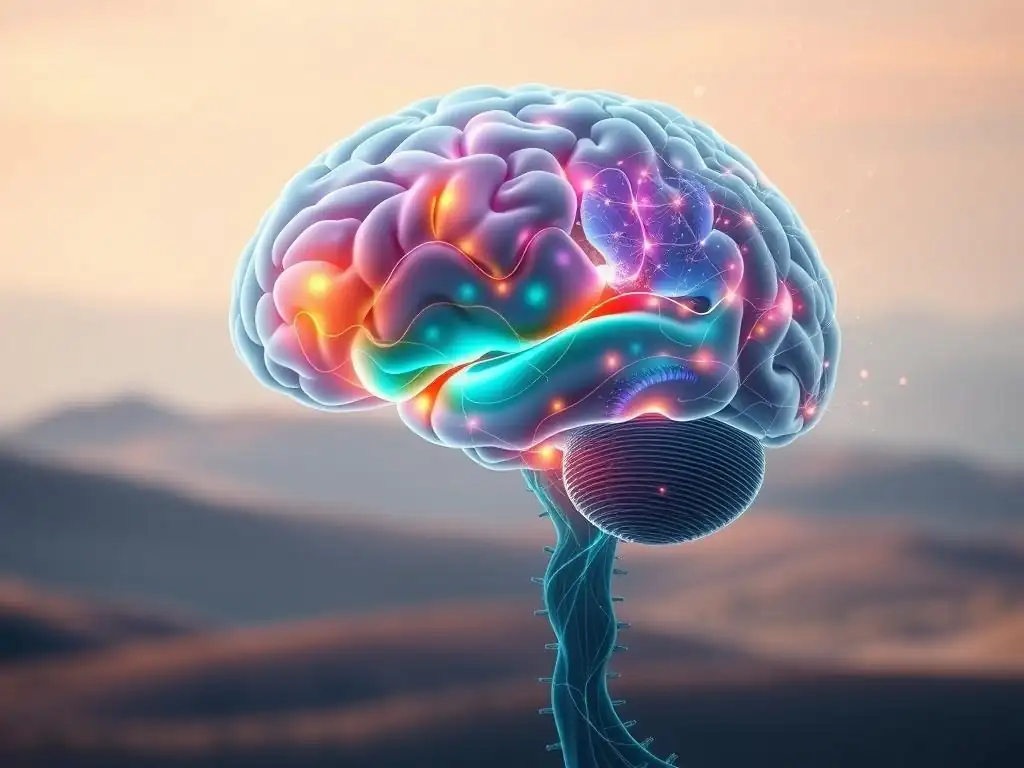
Ever feel like your moods are a rollercoaster you can't control? You're not alone. We understand the frustration and uncertainty that comes with unpredictable emotions. This journey to mental well-being starts with understanding the incredible power of your brain. Dive into our exploration of brain mood swings and discover how neuroplasticity treatment offers real hope for lasting change. Curious how your brain can adapt and help you regain control? Let's explore together.
Understanding Mood Swings: A Neuroplasticity Perspective
- Introduction to Mood Swings and the Brain
- The Neuroscience of Mood Swings: Key Brain Regions
- Neuroplasticity: The Brain's Capacity for Change
- Neuroplasticity in the Context of Mood Swings
-
Neuroplasticity-Based Interventions for Mood Swings
- Cognitive Behavioral Therapy (CBT): Rewiring Thought Patterns
- Mindfulness Meditation: Cultivating Present Moment Awareness and Emotional Regulation
- Exercise: Enhancing Neuroplasticity and Mood
- Selective Serotonin Reuptake Inhibitors (SSRIs) and Neuroplasticity
- Transcranial Magnetic Stimulation (TMS) and Mood Regulation
- Lifestyle Strategies to Support Neuroplasticity and Mood Stability
- Practical Strategies for Managing Mood Swings Through Neuroplasticity
- Case Examples: Applying Neuroplasticity Principles to Mood Regulation
- Future Directions in Research and Treatment
- Conclusion: Embracing Neuroplasticity for Sustainable Mood Regulation
-
Frequently Asked Questions
- What is neuroplasticity and how does it relate to mood swings?
- How can understanding brain mood swings neuroplasticity treatment help manage bipolar disorder?
- What are some lifestyle changes that can positively influence brain neuroplasticity and reduce mood swings?
- What types of therapies are currently being explored to leverage neuroplasticity for mood disorder treatment?
- Are there medications that can directly impact brain neuroplasticity and help stabilize mood?
- Final Reflection: Rewiring Your Mood: Neuroplasticity and the Path to Emotional Well-being
- Unlock Your Brain's Mood-Boosting Power!
Introduction to Mood Swings and the Brain
Defining Mood Swings: Intensity, Duration, and Impact
Mood swings are significant shifts in emotional state that can range from periods of elevated mood (like excitement or irritability) to periods of low mood (like sadness or lethargy). Unlike typical, transient changes in mood that happen throughout the day in response to events, mood swings are often more intense, last longer, and can feel out of proportion to the trigger, or occur without an apparent cause.
The impact of significant mood swings can be profound, affecting relationships, work or school performance, and overall quality of life. For some individuals, these intense shifts can be disruptive and distressing, sometimes indicating underlying conditions like bipolar disorder, cyclothymic disorder, or even related to hormonal changes or stress.
The intensity and duration of mood swings vary widely among individuals. Some might experience rapid cycling, with multiple mood shifts within a week or even a day, while others might have longer periods of stability punctuated by intense shifts lasting days or weeks.
The impact extends beyond the individual, affecting family members and social circles who may struggle to understand or cope with the unpredictable emotional landscape. Recognizing the patterns and triggers associated with these shifts is a critical first step in managing their impact, laying the groundwork for understanding the brain's role in these fluctuations and potential brain mood swings neuroplasticity treatment approaches.
The Brain-Mood Connection: Neural Circuits and Emotional Regulation
The intricate connection between the brain and our emotional states is fundamental to understanding mood swings. Our moods are not simply abstract feelings; they are the result of complex activity within specific neural circuits. Key areas involved include the limbic system, which processes emotions, and the prefrontal cortex, which is responsible for higher-level cognitive functions like decision-making and emotional regulation.
Neurotransmitters, chemical messengers in the brain, play a crucial role in transmitting signals within these circuits, influencing everything from our energy levels to our feelings of pleasure or despair. Imbalances or dysregulation within these neural pathways and neurotransmitter systems are strongly associated with mood disorders and pronounced mood swings.
Research over the past few decades has illuminated how disruption in specific pathways, such as those involving serotonin, dopamine, and norepinephrine, can contribute to the severity and frequency of mood swings. For example, alterations in the serotonin system are often linked to depressive states, while changes in dopamine pathways are implicated in aspects of elevated mood and motivation.
The dynamic interplay between these systems and brain regions forms the biological basis of our emotional experience. Understanding this brain-mood connection is essential for exploring how interventions, including brain mood swings neuroplasticity treatment strategies, can target these biological underpinnings to promote greater mood stability.
A Holistic Approach to Mood Regulation: Neuroplasticity and Lifestyle
Effectively managing mood swings often requires a holistic approach that acknowledges the complex interplay of biological, psychological, and social factors. While traditional treatments like medication and therapy are vital, integrating an understanding of neuroplasticity – the brain's remarkable ability to change and adapt throughout life – offers powerful new perspectives. Neuroplasticity suggests that the neural circuits involved in mood regulation are not fixed but can be reshaped through experiences, learning, and targeted interventions. This offers hope that even deeply ingrained patterns associated with mood swings can be altered over time.
Lifestyle factors play a significant role in supporting or hindering neuroplasticity and, consequently, mood stability. Adequate sleep, a nutritious diet, regular exercise, strong social connections, and effective stress management techniques all influence brain health and function. By adopting a holistic perspective that combines evidence-based therapies with lifestyle changes informed by neuroplasticity principles, individuals can actively participate in rewiring their brains for greater emotional resilience. This integrated approach is central to many modern brain mood swings neuroplasticity treatment strategies, empowering individuals to build sustainable well-being.
The Neuroscience of Mood Swings: Key Brain Regions
The Amygdala: Emotional Reactivity and Threat Processing
The amygdala, a small, almond-shaped structure deep within the brain's temporal lobe, is a central component of the limbic system and plays a critical role in processing emotions, particularly fear and threat. It acts as an early warning system, quickly evaluating incoming sensory information for potential danger and triggering the body's stress response (the "fight or flight" reaction).
In individuals prone to intense mood swings or anxiety, the amygdala may be hyperactive, leading to exaggerated emotional responses to stimuli that others might perceive as neutral or only mildly challenging. This heightened reactivity can contribute significantly to the rapid and intense shifts in mood often experienced.
Studies using functional magnetic resonance imaging (fMRI) have shown increased amygdala activity in response to negative emotional stimuli in individuals with mood disorders. For instance, research indicates that during depressive episodes, the amygdala may show increased reactivity to sad faces or negative words. Conversely, during manic or hypomanic phases in bipolar disorder, the amygdala might show altered responses to reward cues or social stimuli. This suggests that dysregulation in the amygdala's activity is a key neurobiological factor contributing to the emotional volatility seen in pronounced mood swings, highlighting it as a potential target for brain mood swings neuroplasticity treatment.
The Prefrontal Cortex: Executive Function and Emotional Control
The prefrontal cortex (PFC), located at the front of the brain, is responsible for higher-level cognitive functions, including planning, decision-making, working memory, and, crucially, emotional regulation. Different parts of the PFC are involved in managing and modulating emotional responses originating from the amygdala and other subcortical regions. The ventromedial prefrontal cortex (vmPFC) and orbitofrontal cortex (OFC), for example, are involved in evaluating the emotional significance of events and inhibiting inappropriate emotional reactions. A healthy PFC can effectively dampen excessive amygdala activity and help an individual respond to challenges in a measured, thoughtful way.
However, in individuals experiencing significant mood swings, the communication pathways between the PFC and the amygdala may be impaired. The PFC might be less effective at exerting top-down control over the amygdala's reactions. This can lead to difficulty regulating intense emotions, impulsivity, and poor decision-making during mood shifts.
Research has consistently shown structural and functional differences in the PFC of individuals with mood disorders. For example, studies have observed reduced grey matter volume or decreased activity in certain PFC regions during depressive episodes, which may contribute to difficulties with emotional regulation and cognitive function. Enhancing PFC function through therapeutic interventions is a key goal in many brain mood swings neuroplasticity treatment strategies.
The Hippocampus: Memory, Context, and Emotional Regulation
The hippocampus, another crucial structure within the limbic system, is primarily known for its role in forming new memories, particularly episodic memories (memories of specific events). However, it is also deeply involved in emotional regulation by providing context to emotional experiences. The hippocampus helps us understand where and when an emotional event occurred, allowing us to differentiate between current threats and past experiences. It works in conjunction with the amygdala and PFC to process the emotional significance of events based on past learning and current circumstances.
Chronic stress and mood disorders can significantly impact the hippocampus. Prolonged exposure to stress hormones like cortisol can lead to a reduction in hippocampal volume and impair its function, including its ability to generate new neurons (neurogenesis). This can disrupt the hippocampus's role in contextualizing emotional memories, potentially contributing to persistent negative emotional states or difficulty distinguishing between past traumas and current situations. Strengthening hippocampal function through activities like learning, exercise, and stress reduction is an important aspect of fostering resilience and promoting positive brain mood swings neuroplasticity treatment outcomes.
Neurotransmitter Systems: Serotonin, Dopamine, Norepinephrine, and GABA
Neurotransmitters are chemical messengers that transmit signals between neurons, profoundly influencing mood, energy levels, motivation, and cognitive function. Several key neurotransmitter systems are implicated in the regulation of mood and the occurrence of mood swings. Serotonin is often associated with feelings of well-being, sleep, and appetite regulation; imbalances are strongly linked to depression. Dopamine is central to the brain's reward system, motivation, and pleasure; dysregulation is implicated in both depressive states (low dopamine) and manic states (potentially heightened dopamine activity or sensitivity).
Norepinephrine is involved in alertness, arousal, and the stress response; imbalances can contribute to both depressive symptoms (low energy) and anxiety or agitation (high activity). GABA (gamma-aminobutyric acid) is the brain's primary inhibitory neurotransmitter, helping to calm neural activity; insufficient GABA activity can lead to increased anxiety and excitability.
Medications targeting these systems, such as SSRIs (Selective Serotonin Reuptake Inhibitors) or mood stabilizers, aim to restore balance. However, the impact extends beyond simple chemical balance; these neurotransmitters also influence neuroplasticity, meaning treatments that modulate them can also facilitate the brain's ability to adapt and change, supporting brain mood swings neuroplasticity treatment approaches.
Neuroplasticity: The Brain's Capacity for Change
Neuroplasticity Explained: Adaptation and Learning
Neuroplasticity, often referred to as brain plasticity, is the remarkable ability of the brain to reorganize itself throughout life. This involves forming new neural connections, strengthening existing ones, and even generating new neurons in certain areas. It is the fundamental biological process that underlies learning, memory formation, and adaptation to new experiences or environments. Every time we learn a new skill, remember a piece of information, or adapt to a change in our surroundings, our brain is undergoing plastic changes. This capacity is not limited to early development; it continues throughout adulthood, albeit sometimes at a slower pace.
This inherent flexibility means that the brain is not static but is constantly being shaped by our experiences, thoughts, and behaviors. Positive experiences, learning, and therapeutic interventions can promote beneficial changes, while negative experiences, chronic stress, and maladaptive patterns can lead to changes that reinforce difficulties. Understanding neuroplasticity provides a scientific basis for the potential of recovery and change in the context of mental health challenges, including mood swings, offering hope for effective brain mood swings neuroplasticity treatment strategies.
Mechanisms of Neuroplasticity: Synaptic and Structural Changes
Neuroplasticity occurs through various mechanisms at different levels within the brain. At the most fundamental level are synaptic changes. Synapses are the junctions between neurons where signals are transmitted. Synaptic plasticity involves changes in the strength and efficiency of these connections. For instance, long-term potentiation (LTP) is a process where synaptic connections become stronger and more efficient after repeated activation, which is crucial for learning and memory. Conversely, long-term depression (LTD) weakens connections. These changes alter how information flows through neural circuits.
Beyond synaptic changes, neuroplasticity also involves structural alterations. This includes changes in the number of synapses, the growth of new dendrites (branches of neurons that receive signals), and even the generation of new neurons (neurogenesis) in certain brain regions like the hippocampus. The formation of new pathways or the strengthening of existing ones can lead to lasting changes in brain function.
For example, mastering a new skill can lead to measurable increases in grey matter density in relevant brain areas. These diverse mechanisms collectively enable the brain to adapt, learn, and reorganize itself, providing the biological foundation for effective brain mood swings neuroplasticity treatment and recovery.
Neuroplasticity and Mood: Potential for Recovery and Resilience
The concept of neuroplasticity is profoundly important for understanding and treating mood swings and other mood disorders. It challenges the older view that the adult brain is fixed and unchangeable. Instead, it suggests that the neural circuits involved in mood regulation, which may be dysregulated in individuals experiencing mood swings, have the potential to be modified. This means that through targeted interventions and consistent effort, individuals can potentially reshape the brain pathways associated with negative emotional patterns and strengthen those associated with resilience and positive mood states.
Therapies like Cognitive Behavioral Therapy (CBT), mindfulness, exercise, and even certain medications are believed to work, at least in part, by promoting beneficial neuroplastic changes. These interventions can help individuals develop new ways of thinking, processing emotions, and responding to stress, which in turn can lead to changes in brain structure and function over time. This offers a powerful framework for understanding recovery not just as symptom management, but as a process of rebuilding and strengthening the brain's capacity for stable mood and emotional well-being. Exploring brain mood swings neuroplasticity treatment focuses on harnessing this inherent capacity for change.
Neuroplasticity in the Context of Mood Swings
Maladaptive Plasticity: Reinforcing Unhelpful Patterns
While neuroplasticity offers tremendous potential for positive change, the brain's capacity to adapt is not always beneficial. Maladaptive plasticity refers to the process where the brain forms or strengthens neural pathways that reinforce unhelpful or detrimental patterns of thinking, feeling, and behaving. In the context of mood swings, this can manifest as the strengthening of pathways associated with rumination, negative self-talk, fear responses, or heightened emotional reactivity. For example, repeatedly engaging in catastrophic thinking can strengthen the neural connections involved in this pattern, making it more automatic and harder to interrupt.
Chronic stress, traumatic experiences, and persistent negative emotional states can all contribute to maladaptive plastic changes. These changes can make individuals more vulnerable to intense mood swings and make it harder to break free from cycles of negative mood. Understanding maladaptive plasticity is crucial because it highlights why interrupting negative cycles and actively cultivating new, healthier patterns is necessary for recovery. Effective brain mood swings neuroplasticity treatment strategies aim to counteract maladaptive plasticity by promoting the formation of new, adaptive pathways.
Stress and the Brain: Impact on Neuroplasticity and Mood
Stress has a profound and complex impact on the brain and neuroplasticity, significantly influencing mood regulation. Acute stress triggers the release of hormones like cortisol, which can temporarily enhance memory formation (particularly of the stressful event) and heighten alertness. However, chronic or prolonged stress can have detrimental effects. Sustained high levels of cortisol can impair neurogenesis in the hippocampus, reduce grey matter volume in the prefrontal cortex, and increase the reactivity of the amygdala. These changes collectively weaken the brain's capacity for emotional regulation and increase vulnerability to mood swings, anxiety, and depression.
The impact of stress on neuroplasticity creates a vicious cycle: stress impairs the very brain regions needed to cope with stress, making individuals more susceptible to its negative effects. This highlights the importance of stress management as a key component of supporting brain health and promoting positive neuroplastic changes. Strategies that reduce the physiological stress response can help protect vital brain structures and facilitate the brain's ability to adapt in healthier ways, making stress management a critical element in any brain mood swings neuroplasticity treatment plan.
Early Experiences and Brain Development: Shaping Emotional Vulnerability
Early life experiences, particularly during critical periods of brain development, have a lasting impact on the structure and function of neural circuits involved in mood regulation. Adverse childhood experiences, such as trauma, neglect, or chronic stress, can significantly shape the developing brain through neuroplastic mechanisms. These experiences can lead to a hyper-responsive stress system and alterations in the amygdala, hippocampus, and prefrontal cortex, potentially increasing an individual's vulnerability to mood swings and mental health challenges later in life.
For example, research suggests that early adversity can lead to a smaller hippocampus and a more reactive amygdala, impacting the ability to manage stress and regulate emotions effectively. While these early experiences can create vulnerabilities, the brain's capacity for neuroplasticity throughout life means that these effects are not irreversible. Later positive experiences, supportive relationships, and targeted interventions can help reshape these circuits. Understanding the long-term impact of early experiences underscores the importance of early intervention and highlights the potential for brain mood swings neuroplasticity treatment strategies to help individuals overcome the lasting effects of early adversity.
Neuroplasticity-Based Interventions for Mood Swings
Cognitive Behavioral Therapy (CBT): Rewiring Thought Patterns
Cognitive Behavioral Therapy (CBT) is a widely used and evidence-based psychotherapy that is highly relevant to neuroplasticity. CBT operates on the principle that our thoughts, feelings, and behaviors are interconnected. It helps individuals identify and challenge negative or irrational thought patterns (cognitive distortions) that contribute to distressing emotions and unhelpful behaviors.
By learning to recognize these patterns and replace them with more balanced and realistic thoughts, individuals can change their emotional responses and behaviors. This process of actively changing thought patterns is believed to promote neuroplastic changes in the prefrontal cortex and other brain regions involved in cognitive control and emotional regulation.
Through repeated practice of identifying and reframing thoughts, individuals strengthen new neural pathways associated with more adaptive cognitive processes. For example, learning to challenge catastrophic thinking about a minor setback can weaken the old pathway that leads to intense anxiety and strengthen a new pathway associated with a more realistic assessment of the situation.
Studies using neuroimaging have shown that successful CBT is associated with changes in activity and connectivity within the prefrontal cortex and between the PFC and the amygdala, consistent with the idea that therapy is facilitating beneficial neuroplasticity. This makes CBT a core component of many brain mood swings neuroplasticity treatment approaches.
Mindfulness Meditation: Cultivating Present Moment Awareness and Emotional Regulation
Mindfulness meditation involves paying attention to the present moment without judgment. Regular mindfulness practice has been shown to have significant effects on brain structure and function, promoting neuroplastic changes that enhance emotional regulation and reduce reactivity. By focusing on breath, bodily sensations, or thoughts as they arise without getting carried away by them, individuals train their attention and learn to observe their emotions without immediately reacting. This practice is thought to strengthen the prefrontal cortex's ability to regulate activity in the amygdala.
Research indicates that long-term mindfulness practitioners often show increased grey matter density in areas related to attention, self-awareness, and emotional regulation, such as the prefrontal cortex and the insula. They may also show decreased amygdala reactivity to negative stimuli. By cultivating present moment awareness and acceptance, mindfulness helps individuals create space between an emotional trigger and their reaction, allowing for a more considered and less volatile response. This makes mindfulness a powerful tool for fostering positive neuroplasticity and managing intense mood swings, integrating it into many brain mood swings neuroplasticity treatment plans.
Exercise: Enhancing Neuroplasticity and Mood
Physical exercise is not only beneficial for physical health but also has profound effects on brain health and neuroplasticity, significantly impacting mood. Aerobic exercise, in particular, has been shown to increase levels of brain-derived neurotrophic factor (BDNF), a protein that supports the growth, survival, and function of neurons.
BDNF is often referred to as "Miracle-Gro" for the brain and plays a critical role in neurogenesis (the creation of new neurons) and synaptic plasticity, particularly in the hippocampus. Regular exercise can also improve blood flow to the brain, reduce inflammation, and modulate neurotransmitter systems like serotonin and dopamine, all of which support brain health and mood stability.
Studies have demonstrated that regular physical activity can lead to increases in hippocampal volume, particularly in areas crucial for memory and emotional regulation. Exercise can also help regulate the stress response system, reducing the impact of cortisol on the brain. Even moderate levels of exercise, such as brisk walking for 30 minutes several times a week, can have measurable benefits. Integrating regular physical activity is therefore a vital, accessible strategy for enhancing neuroplasticity and improving mood regulation, making it a recommended part of any comprehensive brain mood swings neuroplasticity treatment.
Selective Serotonin Reuptake Inhibitors (SSRIs) and Neuroplasticity
Selective Serotonin Reuptake Inhibitors (SSRIs) are a class of antidepressant medications commonly prescribed for depression, anxiety disorders, and sometimes mood disorders like bipolar disorder (often in conjunction with other medications). While their primary mechanism is to increase the availability of serotonin in the synapse, their therapeutic effects are not immediate and are thought to involve more than just a simple chemical rebalance. Growing evidence suggests that SSRIs may exert their effects, at least in part, by promoting neuroplastic changes.
Research indicates that SSRIs can increase levels of BDNF, particularly in the hippocampus, and stimulate neurogenesis. They may also influence synaptic plasticity and connectivity in brain regions involved in mood regulation, such as the prefrontal cortex and amygdala. These neuroplastic changes likely contribute to the delayed onset of antidepressant effects (often taking several weeks) and the long-term benefits observed with consistent use. While medications are a complex part of managing mood swings and require careful medical guidance, understanding their potential to facilitate neuroplasticity adds another layer to how they contribute to brain mood swings neuroplasticity treatment.
Transcranial Magnetic Stimulation (TMS) and Mood Regulation
Transcranial Magnetic Stimulation (TMS) is a non-invasive brain stimulation technique that uses magnetic pulses to stimulate specific areas of the brain. It is an approved treatment for major depressive disorder and is being explored for other conditions, including bipolar depression and anxiety disorders. TMS typically targets the prefrontal cortex, particularly the dorsolateral prefrontal cortex (DLPFC), an area often underactive in depression and involved in mood regulation and cognitive control. By delivering repetitive magnetic pulses, TMS can modulate the excitability of neurons in the targeted area, either increasing or decreasing their activity.
The therapeutic effects of TMS are thought to be mediated by inducing neuroplastic changes. The repetitive stimulation can strengthen or weaken synaptic connections and alter connectivity within neural networks involved in mood regulation. For example, stimulating the left DLPFC, which is often underactive in depression, can increase its activity and improve its communication with other brain regions, including the amygdala. This can help restore a more balanced level of activity in mood-regulating circuits. As a direct method of modulating brain activity to induce change, TMS represents a promising advancement in brain mood swings neuroplasticity treatment.
Lifestyle Strategies to Support Neuroplasticity and Mood Stability
Sleep Hygiene: Promoting Brain Health and Emotional Well-being
Adequate and quality sleep is fundamental for overall brain health and plays a critical role in supporting neuroplasticity and emotional regulation. During sleep, the brain is highly active, consolidating memories, clearing metabolic waste products, and undergoing processes essential for synaptic plasticity. Chronic sleep deprivation or poor sleep quality can impair cognitive functions, increase stress hormone levels, disrupt neurotransmitter systems, and negatively impact the structure and function of brain regions involved in mood regulation, such as the prefrontal cortex and hippocampus.
Prioritizing good sleep hygiene – maintaining a consistent sleep schedule, creating a restful sleep environment, and avoiding stimulants before bed – can significantly improve sleep quality. Better sleep supports the brain's natural processes for repair and reorganization, enhancing neuroplasticity. This, in turn, can improve emotional resilience, reduce irritability, and contribute to greater mood stability. Integrating effective sleep strategies is a foundational element in any holistic approach to managing mood swings and supporting brain mood swings neuroplasticity treatment.
Nutrition: Fueling Optimal Brain Function
The brain requires a steady supply of nutrients to function optimally, support neuroplasticity, and regulate mood. A diet rich in whole foods, including fruits, vegetables, lean proteins, and healthy fats, provides the necessary building blocks for neurotransmitter synthesis, neuron structure, and synaptic function. Omega-3 fatty acids, found in fatty fish, flaxseeds, and walnuts, are particularly important components of brain cell membranes and have been linked to improved mood and cognitive function. B vitamins, magnesium, and zinc also play crucial roles in neurotransmitter production and energy metabolism in the brain.
Conversely, diets high in processed foods, sugar, and unhealthy fats can contribute to inflammation and oxidative stress, which can damage brain cells and impair neuroplasticity. Ensuring adequate hydration is also vital for brain function. While specific dietary changes should be discussed with a healthcare provider or nutritionist, adopting a balanced, nutrient-dense diet is a powerful way to fuel optimal brain health, support positive neuroplasticity, and enhance the effectiveness of brain mood swings neuroplasticity treatment.
Strong social connections and supportive relationships are vital for mental well-being and can positively influence brain health and neuroplasticity. Positive social interactions trigger the release of oxytocin and other neurotransmitters that promote feelings of connection and reduce stress hormone levels. Belonging to a supportive community provides a buffer against stress and can enhance the brain's ability to cope with challenges. Loneliness and social isolation, on the other hand, are associated with increased stress, inflammation, and a higher risk of mood disorders, potentially impairing neuroplasticity.
Engaging in meaningful social activities, spending time with loved ones, and seeking support from friends or family can strengthen neural pathways associated with positive emotions and resilience. These interactions provide opportunities for learning, empathy, and emotional co-regulation, all of which can promote beneficial brain changes. Actively cultivating and maintaining social connections is a powerful, albeit often overlooked, strategy for supporting neuroplasticity and fostering mood stability, complementing other brain mood swings neuroplasticity treatment efforts.
Stress Management Techniques: Reducing the Impact of Stress
Given the detrimental effects of chronic stress on the brain and neuroplasticity, implementing effective stress management techniques is crucial for managing mood swings. Techniques such as deep breathing exercises, progressive muscle relaxation, yoga, meditation, and spending time in nature can activate the body's relaxation response, counteracting the effects of the stress hormone cortisol. Regularly practicing these techniques can help regulate the autonomic nervous system and reduce the chronic activation of the stress response system.
By reducing physiological stress, these techniques protect brain regions like the hippocampus and prefrontal cortex from stress-induced damage and create a more favorable environment for neuroplasticity. Learning to manage stress effectively empowers individuals to respond to challenging situations with greater calm and control, reducing the likelihood of intense mood swings triggered by stressors. Incorporating stress management into daily routines is an active way to support brain health and enhance the brain's capacity for positive change, making it an essential component of any brain mood swings neuroplasticity treatment plan.
Practical Strategies for Managing Mood Swings Through Neuroplasticity
Identifying Triggers and Developing Coping Skills
A crucial first step in managing mood swings is to identify personal triggers – the situations, events, thoughts, or physical states that tend to precede or intensify shifts in mood. Triggers can be external (e.g., conflict, stress at work, lack of sleep) or internal (e.g., specific thoughts, physical sensations). Keeping a mood journal can be an effective way to track mood fluctuations and potential triggers over time, revealing patterns that might not be immediately obvious. Understanding these patterns is essential for developing proactive strategies.
Once triggers are identified, the next step is to develop and practice coping skills that can help manage the emotional response and prevent the mood swing from escalating. These skills, learned through therapy or self-help resources, can include techniques like deep breathing exercises, mindfulness practices, grounding techniques, challenging negative thoughts (as in CBT), or engaging in distracting activities.
Regularly practicing these skills, especially before a mood swing becomes intense, helps strengthen the neural pathways associated with adaptive responses, leveraging neuroplasticity to build resilience against triggers. This active process of identification and skill development is a practical application of brain mood swings neuroplasticity treatment principles.
Developing a Personalized Neuroplasticity Plan
Leveraging neuroplasticity for mood stability is most effective when approached systematically through a personalized plan. This plan should integrate strategies that target specific aspects of the individual's experience with mood swings, based on their identified triggers, symptoms, and lifestyle. A personalized plan might include a combination of therapeutic techniques (e.g., scheduling regular CBT or mindfulness practice sessions), lifestyle changes (e.g., setting specific goals for exercise, sleep, and nutrition), and stress management practices.
The plan should be realistic and sustainable, incorporating activities the individual finds engaging and manageable. For instance, if stress is a major trigger, the plan might heavily feature relaxation techniques and time management strategies. If negative thinking is prominent, it might focus more on cognitive restructuring exercises. The key is consistency; neuroplasticity is driven by repeated experience. Regularly engaging in chosen strategies reinforces the desired brain changes. Developing and adhering to such a plan is a proactive way to engage in brain mood swings neuroplasticity treatment.
Tracking Progress and Seeking Professional Guidance
Monitoring progress is an important part of any plan aimed at managing mood swings through neuroplasticity. This can involve continuing to use a mood journal to track shifts, note triggers, and record when coping skills were used and how effective they were. Tracking helps individuals see patterns, identify what strategies are working, and recognize areas where adjustments might be needed. It also provides tangible evidence of progress, which can be highly motivating.
While self-management strategies based on neuroplasticity principles are powerful, seeking guidance from mental health professionals is often crucial, especially for significant or disruptive mood swings. Therapists (psychologists, counselors) can provide evidence-based therapies like CBT, DBT (Dialectical Behavior Therapy), or mindfulness-based approaches that are specifically designed to promote beneficial neuroplastic changes. Psychiatrists can assess whether medication might be helpful in stabilizing mood and discuss its role in supporting neuroplasticity. Professionals can help tailor a personalized plan, provide support, and navigate challenges, ensuring the individual benefits fully from brain mood swings neuroplasticity treatment.
Case Examples: Applying Neuroplasticity Principles to Mood Regulation
Cognitive Restructuring and Emotional Regulation
Consider a person who experiences intense irritability and anger triggered by minor frustrations, a pattern potentially reinforced by maladaptive plasticity. Through CBT, this individual learns to identify the automatic negative thoughts that arise in frustrating situations, such as "This is unfair!" or "Everything is going wrong!" They learn to pause, recognize these thoughts are distortions, and practice reframing them into more balanced perspectives, like "This is frustrating, but I can handle it" or "One setback doesn't mean everything is bad."
Initially, challenging these thoughts feels awkward and unnatural. However, with consistent practice in therapy sessions and daily life, the neural pathways associated with the old, reactive response begin to weaken, while new pathways associated with the more balanced, rational response are strengthened. Over time, the individual finds that the initial intensity of the irritability decreases, and they are better able to regulate their emotional response, often preventing the full mood swing. This demonstrates how actively changing cognitive patterns can lead to measurable changes in emotional regulation through the principles of brain mood swings neuroplasticity treatment.
Mindfulness and Reduced Emotional Reactivity
Imagine someone prone to rapid shifts from feeling okay to feeling overwhelmed by sadness or anxiety, often triggered by internal sensations or vague worries. They might find themselves quickly spiraling into intense negative states. By incorporating a regular mindfulness meditation practice, even just 10-15 minutes daily, they begin to cultivate greater awareness of their internal experience without immediately getting caught up in it.
Through mindfulness, they learn to observe the physical sensations associated with anxiety or the first inklings of sadness not as overwhelming threats, but simply as temporary bodily or mental states. They practice non-judgmental awareness, allowing the feelings to be present without reacting to them or trying to push them away. This practice is believed to strengthen connections between the prefrontal cortex and the amygdala, enhancing the PFC's ability to modulate the amygdala's reactivity.
Over weeks and months of consistent practice, the individual notices that the initial feelings of anxiety or sadness are less likely to trigger a rapid escalation into an intense mood swing. They develop a greater capacity to tolerate uncomfortable emotions and choose how to respond, illustrating the power of mindfulness as a brain mood swings neuroplasticity treatment.
Future Directions in Research and Treatment
Advanced Neuroimaging and Personalized Interventions
Future research into the neuroscience of mood swings and neuroplasticity is increasingly leveraging advanced neuroimaging techniques such as ultra-high field fMRI, diffusion tensor imaging (DTI), and magnetoencephalography (MEG). These technologies offer unprecedented resolution and insight into the structure, function, and connectivity of neural circuits in real-time. By precisely mapping the specific neural pathways involved in an individual's unique pattern of mood swings, researchers hope to gain a deeper understanding of the underlying neurobiological mechanisms.
This detailed understanding opens the door for highly personalized brain mood swings neuroplasticity treatment approaches. Instead of a one-size-fits-all model, future interventions could be tailored based on an individual's specific brain profile. For example, if imaging reveals weakened connectivity between a specific PFC region and the amygdala, interventions could be designed to specifically strengthen that pathway through targeted therapy exercises or neuromodulation techniques. Personalized medicine, informed by neuroimaging, holds immense promise for more effective and efficient treatment of mood swings.
Novel Therapeutic Approaches Targeting Neuroplasticity
Building on the understanding of neuroplasticity, researchers are exploring novel therapeutic approaches specifically designed to promote beneficial brain changes. This includes the development of new pharmacological agents that directly enhance neuroplasticity, such as compounds that boost BDNF production or modulate specific receptors involved in synaptic plasticity. While traditional psychiatric medications often have indirect effects on plasticity, the next generation of drugs might directly target these mechanisms to facilitate recovery.
Furthermore, advancements in neuromodulation techniques like TMS and tDCS (transcranial direct current stimulation) are ongoing, with research exploring more precise targeting methods and personalized stimulation protocols. Neurofeedback, which allows individuals to learn to regulate their own brain activity using real-time imaging, is also being refined as a potential neuroplasticity-based intervention. These cutting-edge approaches aim to directly harness the brain's capacity for change to restore balanced mood regulation, representing exciting frontiers in brain mood swings neuroplasticity treatment.
Conclusion: Embracing Neuroplasticity for Sustainable Mood Regulation
The Brain's Potential for Change and Healing
Understanding mood swings through the lens of neuroplasticity offers a powerful message of hope and empowerment. It affirms that the brain is not a static organ, but a dynamic system capable of significant adaptation and change throughout life.
While challenging experiences and biological vulnerabilities can contribute to the development of mood swings, the brain's inherent capacity for neuroplasticity means that recovery, resilience, and sustainable mood regulation are genuinely possible. Every time we learn a new coping skill, challenge a negative thought, engage in exercise, or connect with others, we are actively participating in reshaping the neural circuits that govern our emotional lives.
Embracing this perspective shifts the focus from simply managing symptoms to actively cultivating a healthier, more resilient brain. It highlights the importance of consistent effort, patience, and self-compassion in the journey towards greater mood stability. The science of neuroplasticity provides the biological rationale for why therapeutic interventions, lifestyle changes, and even certain medications can lead to lasting improvements in mood, underscoring the potential for effective brain mood swings neuroplasticity treatment.
Resources for Managing Mood Swings and Promoting Mental Well-being
For individuals navigating the challenges of mood swings, accessing appropriate resources is essential. These can include seeking assessment and diagnosis from a qualified mental health professional (psychiatrist, psychologist, licensed counselor) who can help identify any underlying conditions and develop a tailored treatment plan. Engaging in evidence-based psychotherapies like CBT, DBT, or mindfulness-based therapies can provide crucial skills and support for promoting positive neuroplastic changes.
Exploring lifestyle strategies such as improving sleep hygiene, adopting a balanced diet, incorporating regular exercise, building social connections, and practicing stress management techniques are powerful complements to formal treatment. Educational resources, support groups, and reputable websites can also provide valuable information and a sense of community. By combining professional guidance with proactive self-care strategies informed by the principles of neuroplasticity, individuals can embark on a path towards greater emotional resilience and sustainable mood regulation, actively engaging in their own brain mood swings neuroplasticity treatment journey.
Frequently Asked Questions
What is neuroplasticity and how does it relate to mood swings?
Neuroplasticity refers to the brain's ability to reorganize itself by forming new neural connections throughout life. This ability can both contribute to and be influenced by mood swings, as changes in brain structure and function can impact emotional regulation.
How can understanding brain mood swings neuroplasticity treatment help manage bipolar disorder?
Understanding neuroplasticity's role in mood regulation allows for the development of targeted therapies for bipolar disorder. Treatment strategies can focus on promoting healthy neuroplastic changes to stabilize mood and prevent extreme fluctuations.
What are some lifestyle changes that can positively influence brain neuroplasticity and reduce mood swings?
Lifestyle changes like regular exercise, a healthy diet, and mindfulness practices can promote positive neuroplasticity. These changes can strengthen neural pathways associated with mood regulation, leading to fewer and less intense mood swings.
What types of therapies are currently being explored to leverage neuroplasticity for mood disorder treatment?
Therapies like Cognitive Behavioral Therapy (CBT) and mindfulness-based interventions are being explored. These interventions aim to rewire negative thought patterns and promote emotional regulation through neuroplastic changes in the brain.
Are there medications that can directly impact brain neuroplasticity and help stabilize mood?
Some medications, particularly antidepressants and mood stabilizers, can influence neuroplasticity by affecting neurotransmitter levels and promoting the growth of new neural connections. This can contribute to improved mood stabilization over time.
Final Reflection: Rewiring Your Mood: Neuroplasticity and the Path to Emotional Well-being
Understanding the brain's role in mood swings is not just an academic pursuit; it's a crucial step towards reclaiming emotional control and fostering lasting mental well-being. The intricate dance between neurotransmitters, brain structures, and our lived experiences, as explored throughout this article, directly impacts our daily lives, shaping our responses to stress, relationships, and even seemingly mundane events. This knowledge empowers us to move beyond simply managing symptoms and towards actively shaping our brain's response to emotional challenges.
The concept of neuroplasticity, the brain's remarkable ability to reorganize itself, offers a profoundly hopeful message. It challenges the once-held belief that our emotional landscape is fixed and immutable. Instead, it presents a pathway to positive change, a chance to literally rewire our brains for greater resilience and emotional stability. The brain is not static; it is constantly changing and adapting in response to our experiences.
This understanding shifts the focus from passive acceptance of mood swings to active participation in shaping our emotional destiny.
Consider the implications of this knowledge. You are not simply a victim of your mood swings; you are an active participant in their creation and modification. Take the time to reflect on your own experiences. What triggers your mood swings?
What coping mechanisms have you developed? And most importantly, how can you leverage the power of neuroplasticity to cultivate a more balanced and resilient emotional state? Embrace the journey of self-discovery, explore therapeutic options that align with your needs, and remember that the path to emotional well-being is a journey of continuous growth and adaptation, a journey guided by the incredible plasticity of your own brain.
Unlock Your Brain's Mood-Boosting Power!
Thanks for diving deep into the fascinating world of neuroplasticity and its impact on mood! You've now armed yourself with valuable insights into how your brain can reshape itself for greater emotional well-being. Ready to put this knowledge into action?
- Prioritize one small, brain-boosting habit this week: This could be anything from a 10-minute mindful walk to engaging in a creative hobby. Even small changes can make a big difference!
- Share this article with someone you care about: Help them discover the power of neuroplasticity and navigate their moods with greater understanding.
- Leave a comment below and share your most impactful takeaway from this article – what resonated most strongly with you, and how will you apply it?
What small step will you take today to cultivate a more resilient and positive mindset?