
Building Resilience: Strategies for Women Facing Adversity


Welcome to Mind Care Guide, a space dedicated to nurturing your mental well-being.
It's understandable that life can sometimes feel overwhelming, especially when facing hardship. This is particularly true for women, who often navigate unique challenges. Are you searching for ways to navigate these complexities with strength and grace? This week, we delve into Women’s resilience building strategies hardship, offering practical tools and empathetic guidance to help you not just survive, but thrive. Discover how you can cultivate inner strength and build a brighter future – your journey to resilience starts here.
- Building Resilience: Strategies for Women Facing Adversity | Mind Care Guide
-
Practical Strategies for Women’s Resilience Building in the Face of Hardship
- Cultivating Self-Compassion: A Foundation for Resilience
- Building a Strong Support Network: The Power of Connection for Women
- Setting Realistic Goals and Boundaries: Protecting Your Energy and Mental Health
- Developing Problem-Solving Skills: Tackling Challenges Head-On
- Practicing Mindfulness and Self-Care: Essential Tools for Resilience
- Women's Resilience Building Strategies: Specific Scenarios and Approaches
- Resources and Support for Women Seeking Resilience
- Maintaining Long-Term Resilience: A Lifelong Journey for Women
- The Importance of Women’s Resilience: Empowering Future Generations
-
Frequently Asked Questions
- How does resilience specifically benefit women facing hardship?
- What are some practical strategies for building resilience that are tailored to women's experiences?
- Why is it important to acknowledge the unique challenges women face when discussing resilience?
- What role does community and social support play in a woman's ability to build resilience during hardship?
- How can women identify and challenge negative self-talk that hinders resilience building?
- Final Reflection: Forging Strength in the Face of Adversity
- Unleash Your Inner Strength: Take Charge of Your Resilience
Building Resilience: Strategies for Women Facing Adversity | Mind Care Guide
Defining Resilience: What Does it Mean for Women?
Resilience, at its core, is the capacity to recover quickly from difficulties; toughness. For women, defining resilience goes beyond simply bouncing back. It involves navigating complex layers of societal expectations, personal responsibilities, and unique challenges while maintaining mental and emotional well-being. It's the ability to adapt positively in the face of adversity, trauma, tragedy, threats, or significant sources of stress—like family and relationship problems, serious health problems, or workplace and financial stressors. Building resilience for women facing hardship is a dynamic process, not a fixed trait, involving thoughts, behaviors, and actions that can be learned and developed.
This definition underscores that women’s resilience building strategies hardship are not about avoiding pain or difficulty, but about developing the inner strength and external support systems to navigate through it effectively. It acknowledges that societal factors, such as gender roles and biases, often shape the types of adversity women encounter and the resources available to them. Therefore, understanding resilience in this context requires recognizing both individual coping mechanisms and the broader social environment. It's about finding ways to thrive, not just survive, amidst life's storms, drawing on personal strengths and community connections.
The Unique Challenges Women Face: Adversity and Mental Well-being
Women often face unique challenges that can significantly impact their mental well-being and require specific women’s resilience building strategies hardship. These include disproportionate burdens of unpaid care work (globally, women perform roughly three times more unpaid care work than men), higher rates of certain mental health conditions like depression and anxiety (studies consistently show women are more likely to be diagnosed with anxiety disorders), and experiences of gender-based violence and discrimination.
Economic disparities, such as the persistent gender pay gap (which, depending on the region, can mean women earn significantly less than men for similar work), also add layers of stress and hardship.
These challenges are not isolated incidents but often intersect, creating complex pressures. For example, a woman might face workplace discrimination, which impacts her financial security, while also shouldering the primary responsibility for elder care, leading to chronic stress and limited opportunities for self-care. Navigating these multifaceted difficulties requires intentional focus on women's resilience building strategies. Recognizing the specific adversities women commonly face is the first step in developing targeted approaches to strengthen their capacity to cope and maintain their mental health.
The Impact of Societal Expectations on Women's Resilience
Societal expectations profoundly influence how women perceive and build resilience. Traditional gender roles often place pressure on women to be nurturing, self-sacrificing, and emotionally available, sometimes at the expense of their own needs.
The expectation to "do it all" – manage a career, raise children, maintain a household, and care for elderly parents – without adequate support can lead to burnout and make women's resilience building strategies hardship feel like another burden rather than an empowering process. This pressure can also make it harder for women to ask for help or prioritize their mental health needs, as it might be seen as a sign of weakness.
Furthermore, the "strong woman" trope, while seemingly positive, can inadvertently create a barrier to seeking support. It implies that a resilient woman should handle everything on her own, minimizing the need for vulnerability or external assistance. This can prevent women from accessing the very resources and connections that are vital for true resilience. Addressing the impact of these expectations is crucial for developing effective women’s resilience building strategies. It involves challenging internalised beliefs about what it means to be strong and creating space for self-care, vulnerability, and seeking support without guilt or shame.
Practical Strategies for Women’s Resilience Building in the Face of Hardship
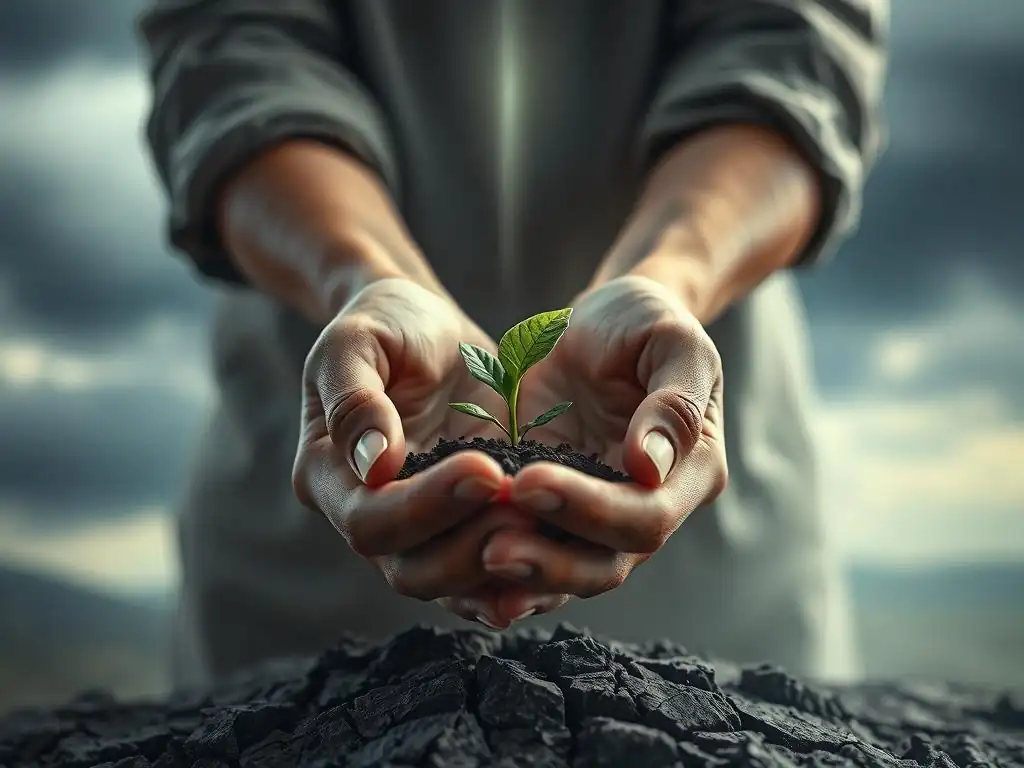
Cultivating Self-Compassion: A Foundation for Resilience
Cultivating self-compassion is a fundamental women’s resilience building strategy, particularly when navigating hardship. It involves treating yourself with the same kindness, care, and understanding you would offer a close friend facing a similar struggle. This means acknowledging your pain and difficulties without judgment, understanding that suffering is a shared human experience, and being mindful of your negative thoughts and emotions without being overwhelmed by them. For women, who are often conditioned to prioritize the needs of others, turning this empathetic lens inward can be transformative.
Practically, self-compassion can be cultivated through simple practices. This might include taking a moment to offer yourself kind words during a difficult situation, consciously challenging harsh self-criticism, or giving yourself permission to rest when needed. Research suggests that self-compassion is linked to lower levels of anxiety and depression and increased emotional well-being. Incorporating self-compassion into daily life strengthens your emotional core, making it easier to weather storms and recover from setbacks, forming a vital part of women’s resilience building strategies hardship.
Building a Strong Support Network: The Power of Connection for Women
Building and nurturing a strong support network is an indispensable women’s resilience building strategy. Connections with friends, family, partners, or community members provide emotional support, practical assistance, and a sense of belonging during challenging times. For women, who may face unique social or professional isolation, these networks can be a lifeline, offering perspectives, encouragement, and shared experiences that validate their feelings and reduce feelings of loneliness. A robust support system acts as a buffer against stress and helps distribute the burden of hardship.
This network doesn't need to be vast; even a few trusted individuals can make a significant difference. Engaging with a support network might involve sharing your feelings with a friend, seeking advice from a mentor, participating in a group activity, or simply spending time with loved ones who uplift you.
Actively investing in these relationships – through regular communication, offering support in return, and setting healthy boundaries within the network – strengthens their capacity to support you when you need it most. These connections are a cornerstone of women’s resilience building strategies hardship, reminding you that you are not alone.
Setting Realistic Goals and Boundaries: Protecting Your Energy and Mental Health
Setting realistic goals and establishing clear boundaries are crucial women’s resilience building strategies, especially when facing hardship. Hard times can feel overwhelming, and having achievable goals, no matter how small, provides a sense of direction and accomplishment. Breaking down larger challenges into smaller, manageable steps can make the path forward seem less daunting and build confidence as each small victory is achieved. This process helps maintain a sense of control and agency during periods of uncertainty.
Equally important are boundaries. Learning to say "no" to requests that overextend you, limiting exposure to toxic relationships or environments, and defining clear lines between work and personal life are acts of self-preservation. For women, who may feel pressured to always accommodate others, setting boundaries is a powerful assertion of their own needs and limits. It protects vital energy and mental space needed to navigate adversity. Implementing these boundaries is not selfish; it's a necessary component of women’s resilience building strategies hardship, ensuring you have the resources to care for yourself while facing challenges.
Developing Problem-Solving Skills: Tackling Challenges Head-On
Developing effective problem-solving skills is a practical women’s resilience building strategy that empowers individuals to face hardship proactively. Instead of feeling paralyzed by difficulties, a structured approach to problem-solving allows you to identify the issue, brainstorm potential solutions, evaluate their pros and cons, choose a course of action, and assess its effectiveness. This skill set shifts the focus from feeling like a victim of circumstances to becoming an active agent in navigating them.
For women, applying problem-solving skills can be particularly effective in managing common stressors like financial instability, relationship conflicts, or career hurdles. For instance, facing financial hardship might involve creating a detailed budget, seeking advice from a financial counselor, or exploring new income streams. Each step in the problem-solving process builds confidence and competence, reinforcing the belief in your ability to handle challenges. Practicing this skill regularly, even with minor issues, strengthens your capacity for women’s resilience building strategies hardship when larger crises arise.
Practicing Mindfulness and Self-Care: Essential Tools for Resilience
Mindfulness and self-care are essential women’s resilience building strategies, providing tools to manage stress, improve emotional regulation, and maintain physical health during hardship. Mindfulness involves paying attention to the present moment without judgment, which can help women stay grounded amidst chaos and reduce rumination on past difficulties or future anxieties. Simple practices like deep breathing exercises, mindful walking, or guided meditation can cultivate a sense of calm and clarity.
Self-care encompasses deliberate activities that nourish your physical, emotional, and mental health. This might include ensuring adequate sleep, eating nutritious food, engaging in regular physical activity, pursuing hobbies, or simply taking time for rest and relaxation. For women navigating multiple responsibilities and potentially facing burnout, prioritizing self-care is not a luxury but a necessity. It replenishes the energy reserves required for women’s resilience building strategies hardship, allowing you to show up for yourself and others more effectively. Making self-care a non-negotiable part of your routine is a powerful investment in your long-term capacity to cope with adversity.
Women's Resilience Building Strategies: Specific Scenarios and Approaches
Resilience in the Workplace: Overcoming Gender Bias and Discrimination
Building resilience in the workplace is a critical area for women, who may encounter unique challenges such as the gender pay gap, lack of representation in leadership roles (globally, women hold only about 28% of managerial positions), and experiences of bias or discrimination. Women’s resilience building strategies hardship in this context involve developing assertiveness skills to advocate for fair treatment and compensation, recognizing and challenging internalized biases, and seeking mentorship or sponsorship from allies who can help navigate organizational structures.
Furthermore, cultivating a strong professional network with other women and allies can provide invaluable support, shared experiences, and opportunities for growth. Learning to set boundaries around work hours and expectations, developing strategies to manage stress related to workplace pressures, and focusing on celebrating professional achievements, no matter how small, are also key. These strategies empower women to navigate professional environments with greater strength and determination, contributing to their overall resilience.
Relationships, while often a source of support, can also be a significant source of hardship, requiring specific women’s resilience building strategies. Conflicts, communication breakdowns, or power imbalances within partnerships or family dynamics can be emotionally draining. Building resilience in these scenarios involves developing healthy communication skills, such as active listening and expressing needs assertively but respectfully. It also requires the ability to set boundaries within relationships to protect one's emotional and mental space.
Learning to navigate conflict constructively, seeking couples counseling if needed, and cultivating independence and a strong sense of self outside of the relationship are vital components of women’s resilience building strategies hardship in this domain. Recognizing signs of unhealthy relationship dynamics and having the strength to address them or seek support from external sources like friends or therapists is also crucial for maintaining well-being and building resilience.
Overcoming Financial Hardship: Strategies for Economic Resilience
Financial hardship is a common stressor that disproportionately affects women, often due to factors like lower wages, part-time work, and career breaks for caregiving. Building economic resilience involves practical steps combined with mindset shifts. Strategies include creating a detailed budget, developing savings habits (even small amounts), seeking financial education or counseling, and exploring opportunities for increasing income or reducing debt.
Beyond the practical, women’s resilience building strategies hardship in the face of financial strain also involve managing the associated stress and anxiety. This might include practicing mindfulness around spending habits, focusing on gratitude for what you have, and connecting with support groups or resources for assistance. Developing a belief in your ability to manage finances and take control of your economic future is a powerful aspect of building resilience in this area.
Building Resilience After Trauma: Healing and Moving Forward
Trauma, whether from violence, loss, or other distressing events, can profoundly impact a woman's life, making women’s resilience building strategies hardship particularly challenging but essential. Healing and moving forward after trauma is a non-linear process that requires patience, self-compassion, and often professional support. Strategies include seeking therapy specializing in trauma (such as Trauma-Focused Cognitive Behavioral Therapy or EMDR), connecting with support groups for survivors, and developing healthy coping mechanisms instead of relying on avoidance or self-destructive behaviors.
Building resilience post-trauma also involves reclaiming a sense of safety and control, which might include establishing routines, engaging in grounding exercises, and gradually re-engaging with activities that bring joy and meaning. It's about acknowledging the trauma's impact while focusing on building a future defined by strength and healing. This journey requires immense courage and is a testament to the power of women’s resilience building strategies in overcoming profound adversity.
Resources and Support for Women Seeking Resilience

Mental Health Professionals Specializing in Women's Issues
Seeking support from mental health professionals specializing in women's issues can be a crucial women’s resilience building strategy. Therapists, counselors, and psychologists with expertise in gender-specific challenges understand the unique societal pressures, biological factors (like hormonal changes), and experiences (such as postpartum depression or trauma) that women may face. They can provide tailored support, coping strategies, and therapeutic interventions to help women navigate hardship and strengthen their resilience.
Finding a professional who is a good fit involves considering their areas of expertise, therapeutic approach, and whether they create a safe and understanding environment. Many therapists offer sliding scales or work with insurance, making support more accessible. Engaging with a qualified professional is an investment in your mental well-being and a powerful step in actively pursuing women’s resilience building strategies hardship.
Support Groups and Communities for Women
Connecting with support groups and communities specifically for women offers invaluable peer support and shared understanding, serving as a powerful women’s resilience building strategy. These groups, whether online or in-person, provide a safe space for women to share their experiences with hardship, offer mutual encouragement, and learn from others who have faced similar challenges. Examples include groups for survivors of domestic violence, single mothers, women navigating career transitions, or those dealing with specific health conditions.
Being part of a community reduces feelings of isolation and validates your struggles. Hearing how others have implemented women’s resilience building strategies hardship can provide new perspectives and practical ideas. These connections foster a sense of belonging and solidarity, reinforcing the idea that you are not alone in your journey and that collective strength is a vital component of individual resilience.
Books and Online Resources for Building Resilience
Numerous books and online resources are available to support women’s resilience building strategies. These resources offer accessible information, practical exercises, and inspiring stories that can empower women to develop their coping skills and navigate hardship. Many books focus on specific aspects of resilience, such as managing anxiety, improving self-esteem, or developing mindfulness practices, often written with women's experiences in mind.
Online platforms, websites like Mind Care Guide, and mental health organizations provide articles, guides, worksheets, and even online courses related to resilience. While these resources are not a substitute for professional help when needed, they can serve as valuable tools for self-education and skill-building. Exploring these resources allows women to learn at their own pace and discover strategies that resonate with their individual needs for women’s resilience building strategies hardship.
Maintaining Long-Term Resilience: A Lifelong Journey for Women
Developing a Resilience Action Plan
Maintaining long-term resilience requires proactive effort, often best captured by developing a personal resilience action plan. This plan is a personalized roadmap outlining the strategies, resources, and practices you will utilize to navigate future challenges and maintain your well-being. It involves identifying your core values and strengths, anticipating potential stressors, and listing the specific women’s resilience building strategies hardship that work best for you, such as specific self-care activities, go-to support contacts, or coping mechanisms.
The plan should be reviewed and updated periodically as your circumstances and needs change. It might include steps like scheduling regular check-ins with your support network, setting aside dedicated time for self-care each week, or outlining how you will seek professional help if needed. Having a tangible plan provides a sense of preparedness and control, making it easier to implement women’s resilience building strategies when adversity strikes rather than trying to figure things out in the moment of crisis.
Recognizing and Addressing Setbacks: Learning from Challenges
Recognizing that setbacks are an inevitable part of life and learning to address them constructively is crucial for maintaining long-term resilience. Building women’s resilience building strategies hardship doesn't mean you won't face difficulties or that you'll always bounce back immediately. There will be moments of struggle, failure, or emotional pain. The key is not to view these setbacks as personal failings but as opportunities for learning and growth.
When faced with a setback, take time to process the emotions involved without judgment. Then, reflect on what happened: What contributed to the difficulty? What did you learn about yourself or the situation? What could you do differently next time? This reflective process, rather than dwelling on negativity, allows you to extract valuable lessons, adapt your strategies, and strengthen your capacity to handle future challenges. Embracing this perspective is vital for sustained women’s resilience building strategies.
Celebrating Successes and Milestones: Acknowledging Your Strength
Maintaining resilience over the long term also involves consciously celebrating successes and acknowledging milestones, no matter how small. When focusing on overcoming hardship, it's easy to overlook the progress made and the strength demonstrated along the way. Taking time to recognize your achievements reinforces your belief in your ability to navigate difficulties and provides positive reinforcement for your efforts in building women’s resilience building strategies.
Celebrating successes can be simple, like acknowledging completing a difficult task, reaching a small goal, or successfully navigating a stressful situation. It could involve treating yourself to something enjoyable, sharing your achievement with a trusted friend, or simply taking a moment to feel proud of yourself. These moments of acknowledgment boost morale, build confidence, and provide the motivation needed to continue applying women’s resilience building strategies hardship as you move through life's journey.
The Importance of Women’s Resilience: Empowering Future Generations
The importance of women’s resilience extends far beyond the individual. When women build their capacity to navigate hardship, they not only improve their own mental and emotional well-being but also become powerful role models for their families and communities. Resilient mothers, sisters, daughters, and leaders demonstrate strength, adaptability, and the possibility of thriving even in difficult circumstances. This sets a positive example, teaching younger generations, particularly girls, valuable lessons about coping with adversity and prioritizing their own mental health.
Furthermore, as women strengthen their resilience, they are better equipped to challenge systemic inequalities and advocate for positive change within their homes, workplaces, and societies. Their ability to withstand pressure and push forward contributes to breaking down barriers and creating a more equitable future. Thus, investing in women’s resilience building strategies hardship is not just about individual well-being; it's a fundamental step towards empowering future generations and fostering a more resilient and just world for everyone.
Frequently Asked Questions
How does resilience specifically benefit women facing hardship?
Resilience helps women navigate stressful situations and bounce back from adversity. It enhances their coping mechanisms and overall well-being during challenging times.
What are some practical strategies for building resilience that are tailored to women's experiences?
Strategies include self-care practices, building strong support networks, and setting realistic goals. Women can also benefit from mindfulness techniques and challenging negative thought patterns.
Why is it important to acknowledge the unique challenges women face when discussing resilience?
Women often experience distinct social and cultural pressures, such as gender discrimination and caregiving responsibilities. Recognizing these unique stressors allows for more effective and targeted resilience building.
Strong social connections provide a sense of belonging and emotional support. This helps women feel less isolated and more empowered to overcome adversity.
How can women identify and challenge negative self-talk that hinders resilience building?
Becoming aware of negative thoughts is the first step. Women can then reframe these thoughts into more positive and empowering statements, focusing on their strengths and capabilities.
Final Reflection: Forging Strength in the Face of Adversity
The challenges women face today, from systemic inequalities to personal hardships, demand a renewed focus on building resilience. It's not simply about surviving; it's about thriving, about transforming adversity into opportunity and forging a path toward a more empowered future. This article has explored practical strategies, but the true power lies in the internal shift towards self-belief and unwavering determination.
The journey towards resilience is deeply personal, a continuous process of learning, adapting, and growing. It's about recognizing our inherent strength, even in the darkest moments. This resonates deeply with me, as I've witnessed firsthand the incredible capacity of women to overcome seemingly insurmountable obstacles. The oak sleeps in the acorn; the bird waits in the egg; and in the highest vision of the soul a waking angel stirs. Dreams are the seedlings of realities.
This quote encapsulates the potential for growth and transformation that lies within each of us, waiting to be nurtured and unleashed.
Now, I invite you to reflect on your own journey. What strategies resonate most with you? How can you integrate these tools into your daily life to cultivate greater resilience? Remember, building resilience isn't a destination, but a continuous process of self-discovery and empowerment. Embrace the challenges, learn from setbacks, and celebrate your victories along the way. You possess an inner strength far greater than you may realize – nurture it, and watch it blossom.
Unleash Your Inner Strength: Take Charge of Your Resilience
Thanks for taking the time to explore strategies for building resilience. We hope you found valuable insights to navigate life's challenges. Now, let's turn those insights into action!
- Prioritize one small, manageable step today: Identify one area where you can build resilience (e.g., setting a healthier boundary, practicing mindfulness for 5 minutes, or reaching out to a supportive friend). This is your starting point.
- Share your wins (big or small): Inspire others by sharing your resilience journey on social media. Use #MindCareGuide to connect with our community.
- Explore our resource library: Discover additional tools and exercises to help you further cultivate your inner strength and resilience. (While not directly actioned in this CTA, it is a useful suggestion).
What small step will you take today to empower yourself and build your resilience?