
Fueling Your Fire: Maintaining Motivation Without Burning Out


Welcome to Mind Care Guide, a compassionate space dedicated to nurturing your mental well-being. Feeling the pressure to constantly achieve? You're not alone. Discover practical strategies for maintaining motivation without burnout stress, empowering you to fuel your fire sustainably and find balance in a demanding world. Curious how to reclaim your energy and passion? Let's explore together.
- Understanding Motivation and Burnout Stress in Creative Minds
- Causes of Burnout Stress Among Artistic Minds and Its Impact on Motivation
- Strategies for Maintaining Motivation Without Experiencing Burnout Stress
- Cultivating a Supportive Environment to Sustain Creative Motivation
- Self-Care Practices Essential for Preventing Burnout and Enhancing Motivation
- Monitoring and Adjusting Your Motivation Strategies to Avoid Burnout
- Conclusion: Balancing Ambition and Well-Being for Sustainable Creative Motivation
-
Frequently Asked Questions
- How does burnout impact my overall mental well-being?
- What are some practical strategies to maintain motivation while avoiding burnout stress?
- How can I identify early warning signs of burnout?
- Why is self-care so crucial in preventing burnout stress?
- What resources are available if I'm struggling to maintain motivation and experiencing burnout?
- Final Reflection: The Enduring Flame of Motivation
- Ignite Your Inner Spark: Take Action Today!
Understanding Motivation and Burnout Stress in Creative Minds
Defining Motivation and Its Role in Artistic Productivity
Motivation is the driving force behind creative endeavors, the internal or external impulse that propels artists, writers, musicians, and designers to conceive, create, and complete their work. For many in creative fields, motivation is deeply intrinsic – stemming from a passion for the craft, a desire for self-expression, or the satisfaction of bringing something new into the world. This internal drive is often considered the engine of artistic productivity, enabling sustained effort through challenging projects and periods of uncertainty. It is this inherent passion that makes maintaining motivation without burnout stress both crucial and complex for artistic professionals.
However, motivation can also be extrinsic, influenced by factors like recognition, financial necessity, deadlines, or the need to meet client expectations. While external motivators can provide structure and push projects forward, an over-reliance on them without nurturing the intrinsic connection can lead to feelings of pressure and disconnection from the creative process itself. Understanding the interplay between these internal and external forces is fundamental to understanding how to sustain creative output and avoid the pitfalls that can lead to burnout.
Recognizing Burnout Stress: Signs and Symptoms in Creatives
Burnout stress in creatives manifests differently than in some other professions, often hitting at the core of their identity and passion. It's not just fatigue; it's a state of emotional, physical, and mental exhaustion caused by prolonged stress. Common signs include a pervasive sense of apathy or cynicism towards one's work, a significant drop in productivity or creativity, and feelings of detachment from projects that once brought joy. Artists might experience creative blocks that feel insurmountable or lose interest in starting new work.
Physical symptoms can accompany the psychological toll, such as chronic fatigue, sleep disturbances, headaches, and increased susceptibility to illness. Emotionally, individuals might feel irritable, anxious, or depressed. A key indicator specific to creative burnout is a diminished sense of accomplishment or feeling that one's work is meaningless, despite past successes. Recognizing these symptoms early is vital for maintaining motivation without burnout stress and preventing long-term damage to one's career and well-being.
The Relationship Between Motivation and Burnout in Creative Professions
Motivation and burnout are intricately linked in creative professions; one often impacts the other profoundly. High initial motivation can lead creatives to overwork, ignore boundaries, and invest excessive emotional energy into projects, inadvertently setting the stage for burnout. As burnout takes hold, it directly erodes motivation. The creative spark dims, the drive to produce wanes, and the effort required for even simple tasks feels overwhelming.
Conversely, a lack of sustained, healthy motivation can also contribute to burnout. Without clear goals or a connection to the purpose of their work, creatives can feel adrift, leading to frustration and exhaustion. The constant pressure to innovate, meet deadlines, and often manage the business side of their work (especially for freelancers) creates a fertile ground for stress. Effectively maintaining motivation without burnout stress requires a delicate balance of passion, discipline, and self-care, acknowledging that motivation is not an infinite resource but one that needs careful management and replenishment.
Causes of Burnout Stress Among Artistic Minds and Its Impact on Motivation
Common Stressors Leading to Burnout in Creative Individuals
Creative professionals face a unique set of stressors that contribute significantly to burnout. Financial instability is a major factor, particularly for freelancers or those in project-based roles, leading to anxiety about inconsistent income and the pressure to take on too much work. Tight deadlines and the demand for constant innovation create intense pressure, often requiring long hours and sacrificing personal time. The subjective nature of creative work also means artists are frequently exposed to criticism and rejection, which can be emotionally taxing and undermine confidence.
Another significant stressor is the blurring of lines between work and personal life, especially when one's passion is also their profession. This can make it difficult to switch off, leading to chronic overwork. Furthermore, the expectation to constantly promote oneself and manage a personal brand adds administrative burdens that detract from creative time and can feel inauthentic, contributing to feelings of exhaustion and cynicism. These combined pressures make maintaining motivation without burnout stress a persistent challenge.
How Prolonged Burnout Undermines Creative Motivation and Mental Well-Being
Prolonged burnout has a devastating effect on creative motivation. It saps the energy required for imaginative thinking and problem-solving, leading to creative blocks and a loss of interest in projects that once ignited passion. The chronic stress associated with burnout can alter brain chemistry, impacting focus, memory, and the ability to experience pleasure – all essential components of the creative process. What was once a labor of love becomes a dreaded chore.
Beyond motivation, burnout severely impacts overall mental well-being. It increases the risk of anxiety, depression, and substance abuse. The isolation that can sometimes accompany creative work is exacerbated by burnout, as individuals withdraw from social connections and support systems. This cycle of reduced motivation leading to less work, potentially less income, and increased stress further solidifies the burnout state, making recovery difficult without intentional intervention and strategies for maintaining motivation without burnout stress.
The Psychological and Physical Consequences of Burnout Stress in Artists
The consequences of burnout stress for artists are far-reaching, affecting both mind and body. Psychologically, symptoms include irritability, loss of concentration, feelings of detachment from one's work and colleagues (or clients), and a profound sense of failure or inadequacy. Artists might experience increased self-doubt and a struggle with perfectionism, paradoxically leading to less work being completed. Approximately 40-50% of creative professionals report experiencing significant mental health challenges, often linked to stress and burnout.
Physically, the chronic stress response associated with burnout can lead to a range of health problems. These include chronic fatigue syndrome, weakened immune system function (leading to more frequent illness), digestive issues, and increased risk of cardiovascular problems over time. Sleep patterns are often severely disrupted, further impairing cognitive function and emotional regulation. Addressing these physical and psychological consequences is crucial for recovery and for successfully maintaining motivation without burnout stress in the long term.
Strategies for Maintaining Motivation Without Experiencing Burnout Stress
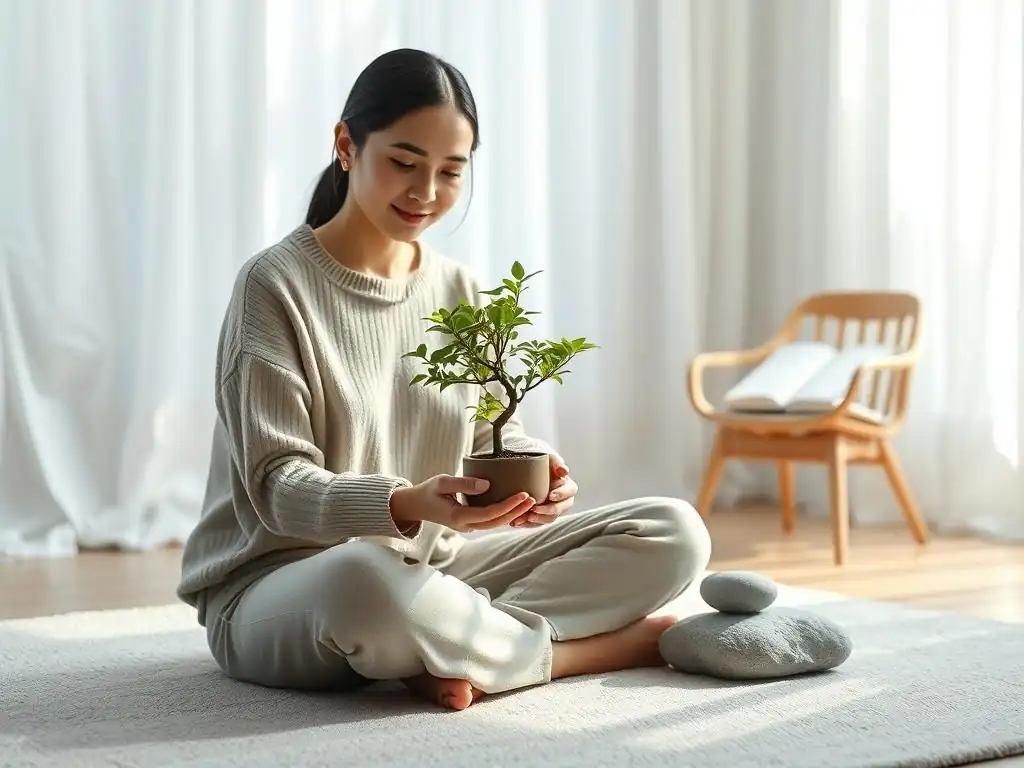
Establishing Healthy Boundaries to Protect Mental Energy
Setting and enforcing healthy boundaries is one of the most critical strategies for preventing burnout and preserving creative motivation. This involves defining clear work hours and sticking to them, resisting the urge to work around the clock just because inspiration strikes or a deadline looms. It also means learning to say no to projects or requests that would overload your capacity or don't align with your creative goals, even if they offer financial incentives.
Boundaries also extend to protecting your physical and mental space. This might mean creating a dedicated workspace that you can leave at the end of the day, minimizing distractions during focused work periods, and setting expectations with clients or collaborators about your availability. Treating your creative work as a profession with defined parameters, rather than an all-consuming identity, is key to conserving the mental and emotional energy needed for maintaining motivation without burnout stress.
Incorporating Mindfulness and Stress-Reduction Techniques in Daily Routine
Integrating mindfulness and stress-reduction techniques into a daily routine can significantly mitigate the effects of stress and help sustain creative drive. Practices such as meditation, deep breathing exercises, or simply taking a few minutes to focus on sensory details can interrupt the stress response and bring a sense of calm and presence. Even short sessions, like 5-10 minutes of mindfulness meditation daily, have been shown to reduce anxiety and improve focus.
Other effective techniques include yoga, progressive muscle relaxation, or engaging in enjoyable, non-work-related activities that promote relaxation. These practices help to regulate the nervous system, reduce levels of stress hormones like cortisol, and create mental space away from creative pressures. By actively managing stress through these methods, creatives can protect their mental reserves, making it easier for maintaining motivation without burnout stress.
Setting Realistic Goals to Sustain Motivation Over Time
Unrealistic expectations are a frequent source of stress and demotivation for creatives. Setting goals that are achievable and broken down into smaller, manageable steps helps maintain momentum and provides regular feelings of accomplishment, which are vital for sustained motivation. Instead of aiming to write a novel in a month, for example, focus on writing a certain number of words or pages each day.
Celebrate the completion of these smaller steps. Acknowledging progress, no matter how small, reinforces positive behavior and fuels motivation. Be flexible with your goals and timelines, understanding that the creative process can be unpredictable. Learning to adapt and adjust your expectations based on real-world constraints and personal energy levels is crucial for maintaining motivation without burnout stress and fostering a healthier relationship with your work.
The Importance of Regular Breaks and Rest for Creative Renewal
The myth of the constantly working, sleep-deprived artist is detrimental. Regular breaks and adequate rest are not luxuries but essential components of a sustainable creative practice. Short breaks throughout the workday (e.g., 5-10 minutes every hour or two) can prevent mental fatigue and improve focus upon returning to work. Stepping away allows the subconscious mind to process information and can even lead to creative breakthroughs.
More extended periods of rest, such as taking full days off, weekends, and vacations, are critical for complete mental and physical recovery. Sleep is particularly vital; most adults need 7-9 hours per night for optimal cognitive function and emotional resilience. Prioritizing rest allows the brain to consolidate ideas, replenish energy, and return to work with renewed vigor and perspective, making it indispensable for maintaining motivation without burnout stress.
Cultivating a Supportive Environment to Sustain Creative Motivation
Building a Network that Encourages Mental Health and Prevents Burnout
Surrounding yourself with a supportive network is invaluable for navigating the challenges of creative work and preventing burnout. This network can include fellow artists, mentors, friends, and family members who understand the unique pressures of your field. Connecting with others facing similar struggles provides validation, reduces feelings of isolation, and offers opportunities to share strategies for coping with stress and maintaining motivation without burnout stress.
Engaging in peer groups, online communities, or professional organizations can provide a sense of belonging and access to shared knowledge and resources. These connections can offer emotional support during difficult times, provide constructive feedback, and celebrate successes, fostering a sense of community that acts as a buffer against the isolating nature of some creative pursuits.
Leveraging Feedback and Collaboration to Stay Inspired
Feedback and collaboration, when approached constructively, can be powerful tools for sustaining creative motivation. Receiving thoughtful feedback on your work provides fresh perspectives, helps identify areas for improvement, and can reignite excitement for a project. It's important to seek feedback from trusted sources who can offer honest yet supportive critiques.
Collaborating with other creatives can break monotony, introduce new techniques and ideas, and share the workload and pressure of a project. Working alongside others can spark creativity and provide a sense of shared purpose. Collaborative projects can also offer opportunities to step outside your usual style or medium, providing a refreshing challenge that boosts motivation and helps in maintaining motivation without burnout stress by distributing the creative load.
Utilizing Mental Health Resources Tailored for Artistic Minds
Recognizing when you need external support and knowing where to find it is a key part of proactive mental health care for creatives. Many organizations and therapists specialize in working with artists, understanding the specific challenges related to identity, income instability, and the emotional investment in their work. Utilizing these tailored resources can provide targeted strategies for managing stress, anxiety, and depression.
These resources might include therapy, counseling, support groups specifically for artists, or workshops focused on resilience and stress management in creative fields. Seeking professional help is a sign of strength, not weakness, and can provide essential tools and perspectives for navigating burnout and effectively maintaining motivation without burnout stress for the long haul.
Self-Care Practices Essential for Preventing Burnout and Enhancing Motivation
Nutrition, Sleep, and Physical Activity’s Role in Mental Resilience
Fundamental self-care practices like proper nutrition, adequate sleep, and regular physical activity form the bedrock of mental resilience and are critical for preventing burnout and sustaining motivation. A balanced diet rich in whole foods provides the brain with the energy and nutrients it needs to function optimally and manage stress. Avoiding excessive caffeine and sugar can prevent energy crashes and mood swings.
Prioritizing 7-9 hours of quality sleep per night is non-negotiable for cognitive function, emotional regulation, and creative problem-solving. Chronic sleep deprivation significantly increases vulnerability to stress and burnout. Regular physical activity, even moderate exercise like walking or stretching, releases endorphins that boost mood and reduce stress hormones. It also provides a necessary physical release from sedentary creative work. These lifestyle factors are foundational for maintaining motivation without burnout stress.
Creative Outlets and Hobbies Outside of Primary Artistic Work
Engaging in creative outlets or hobbies completely unrelated to your primary artistic profession can be incredibly refreshing and help prevent burnout. If you're a writer, perhaps try painting or pottery. If you're a musician, try gardening or cooking. These activities allow you to tap into different parts of your creativity without the pressure of professional expectations, deadlines, or financial outcomes.
These non-work creative pursuits can provide a sense of playfulness and exploration that might be missing from your main work when under pressure. They serve as a form of active rest, allowing your mind to wander and recharge in new ways. This separation helps maintain a healthy perspective on your professional creative work and contributes significantly to maintaining motivation without burnout stress by providing alternative sources of joy and fulfillment.
Techniques for Emotional Regulation and Managing Creative Frustrations
Creative work inevitably involves frustration, rejection, and self-doubt. Developing techniques for emotional regulation is crucial for navigating these challenges without letting them spiral into burnout. This can include practices like journaling to process feelings, talking to a trusted friend or therapist, or using mindfulness to observe emotions without judgment.
Learning to view setbacks as learning opportunities rather than personal failures is a powerful shift in perspective. Developing resilience means bouncing back from criticism or creative blocks without losing faith in your abilities or the value of your work. Techniques such as cognitive restructuring can help challenge negative thought patterns. Effectively managing these emotional responses is key to protecting your passion and maintaining motivation without burnout stress.
Monitoring and Adjusting Your Motivation Strategies to Avoid Burnout
Tools and Methods for Self-Assessment of Burnout Risk and Motivation Levels
Regularly checking in with yourself about your energy levels, emotional state, and motivation is essential for catching signs of burnout early. Simple methods include daily or weekly journaling about your feelings, stress levels, and creative flow. Tools like mood tracking apps or burnout assessment questionnaires (available online from reputable sources) can provide more structured insights into your state.
Pay attention to physical symptoms like persistent fatigue or irritability, as these are often early warning signs. Reflect on your enthusiasm for your work – are you still excited by projects, or does everything feel like a slog? Being honest with yourself about your current state allows you to proactively adjust your strategies for maintaining motivation without burnout stress before reaching a crisis point.
When to Seek Professional Help for Burnout Stress and Motivation Challenges
Knowing when to seek professional help is a critical part of managing burnout and motivation issues. If symptoms like pervasive sadness, anxiety, hopelessness, or an inability to function persist for more than a couple of weeks, or if you experience significant changes in sleep, appetite, or energy that don't improve with rest, it's time to consult a mental health professional.
Therapists, counselors, or coaches specializing in creative or professional burnout can provide targeted support, coping strategies, and potentially diagnose underlying conditions like depression or anxiety that may be exacerbated by work stress. Don't wait until you've completely lost your passion or are facing serious health issues. Seeking help early is an investment in your long-term creative life and essential for successful maintaining motivation without burnout stress.
Adapting Your Workflow and Lifestyle for Long-Term Mental Well-Being
Preventing burnout and sustaining motivation is not a one-time fix but an ongoing process of adaptation. This means being willing to adjust your workflow, schedule, and even the types of projects you take on based on your energy levels and mental state. Perhaps you need to reduce your workload temporarily, raise your rates to work less while earning the same, or delegate tasks that drain your energy.
It also involves continuously evaluating your lifestyle choices – ensuring you're prioritizing sleep, nutrition, exercise, and social connections. Be open to experimenting with different routines and finding what works best for you at different stages of your career and life. Long-term maintaining motivation without burnout stress requires flexibility, self-awareness, and a commitment to prioritizing your well-being alongside your creative ambitions.
Conclusion: Balancing Ambition and Well-Being for Sustainable Creative Motivation
Recap of Key Practices to Maintain Motivation Without Burning Out
Successfully maintaining motivation without burnout stress in creative fields hinges on a proactive and holistic approach to well-being. Key practices include establishing robust boundaries around work time and energy, integrating stress-reduction techniques like mindfulness into daily life, and setting realistic, achievable goals. Prioritizing regular rest, including adequate sleep and breaks, is non-negotiable for creative renewal.
Cultivating a supportive network, seeking constructive feedback, and being open to collaboration can combat isolation and provide inspiration. Crucially, consistent self-care through nutrition, exercise, and engaging in non-work-related creative hobbies builds resilience. Regularly monitoring your mental state and seeking professional help when needed are vital steps in preventing burnout and ensuring a long, fulfilling creative journey.
Encouragement for Ongoing Mental Health Awareness in the Creative Community
The journey of a creative professional is often marked by passion, dedication, but also significant challenges that can impact mental health. Raising awareness about the unique stressors faced by artists and fostering open conversations about burnout and well-being within the creative community are essential. There is strength in shared experience and collective support.
Let this be an encouragement to prioritize your mental health not as an afterthought, but as a fundamental component of your creative practice. By implementing strategies for maintaining motivation without burnout stress and supporting one another, creatives can not only sustain their careers but also thrive, continuing to share their unique visions with the world without sacrificing their own fire.
Frequently Asked Questions
How does burnout impact my overall mental well-being?
Burnout significantly degrades mental well-being by leading to chronic stress, emotional exhaustion, and a sense of reduced personal accomplishment. This can contribute to anxiety, depression, and other mental health challenges.
What are some practical strategies to maintain motivation while avoiding burnout stress?
Effective strategies include setting realistic goals, prioritizing self-care activities like exercise and mindfulness, and establishing clear boundaries between work and personal life.
How can I identify early warning signs of burnout?
Look for signs like persistent fatigue, increased cynicism, feelings of ineffectiveness, and a general lack of motivation in your usual activities.
Why is self-care so crucial in preventing burnout stress?
Self-care replenishes your emotional and physical resources, helping you better cope with stressors and maintain a healthy balance in your life.
What resources are available if I'm struggling to maintain motivation and experiencing burnout?
Mind Care Guide offers information, support, and resources for various mental health challenges, including burnout. Consider seeking professional guidance from a therapist or counselor.
Final Reflection: The Enduring Flame of Motivation
The relentless pursuit of goals, while essential for growth, often leaves us teetering on the brink of burnout. This article explored strategies for maintaining motivation without succumbing to the debilitating effects of chronic stress, a challenge increasingly relevant in our fast-paced, hyper-connected world. The key takeaway? Sustainable motivation isn't about relentless pushing, but about cultivating a mindful and balanced approach to ambition.
The impact of burnout extends far beyond individual struggles; it permeates our collective cultural landscape, influencing productivity, creativity, and overall well-being. We see it reflected in the rising rates of mental health challenges and the pervasive feeling of being "always on." The price of anything is the amount of life you exchange for it,
– Henry David Thoreau. This quote powerfully encapsulates the need for mindful consideration of our energy expenditure, urging us to prioritize self-care as integral to achieving our goals, rather than an afterthought.
Now, consider your own journey. What sparks your fire? What practices nourish your motivation without depleting your reserves? I invite you to reflect on the strategies discussed – from setting realistic goals and prioritizing self-care to embracing flexibility and celebrating small victories – and integrate them into your daily life. Remember, the flame of motivation is precious; nurture it wisely, and it will illuminate your path for years to come.
Ignite Your Inner Spark: Take Action Today!
Thanks for taking the time to explore strategies for maintaining motivation without burnout! We hope you found valuable insights to help you fuel your passions sustainably. Now, let's put that knowledge into action.
- Prioritize ONE small, achievable goal: Identify the single most impactful step you can take today to boost your motivation – even if it's just for 15 minutes. This is your key to building momentum.
- Share your "win" on social media: Inspire others by briefly sharing your small victory and the positive impact it had. Use the hashtag #MindCareMotivation.
- Reflect on your progress: Take five minutes at the end of the day to jot down what worked well and what could be adjusted to maintain your focus tomorrow.
What's one small step you'll take today to reignite your passion and keep the burnout at bay?