
The Emotional Landscape of Creation: Protecting Your Mind While You Create


Welcome to Mind Care Guide, a space dedicated to nurturing your mental well-being.
Feeling drained and uninspired despite your passion for creating? You're not alone. It's a common struggle, and we understand. This article delves into practical creative burnout prevention strategies, offering actionable steps to safeguard your mental health while you pursue your artistic endeavors. Are you ready to rediscover the joy in your creative process and learn how to protect your most valuable asset: your mind? Let's begin.
The Emotional Landscape of Creation: Protecting Your Mind While You Create
- Introduction: Navigating the Emotional Terrain of Creative Work
- Understanding Creative Burnout: Recognizing the Signs and Symptoms
- Creative Burnout Prevention Strategies: Cultivating a Healthy Mindset
- Building Emotional Resilience: Strengthening Your Mental Armor
- Fostering a Supportive Creative Environment: The Importance of Community
- Practical Tools for Managing Creative Stress and Anxiety
- Seeking Professional Help: When to Reach Out for Support
- Maintaining Long-Term Emotional Well-being as a Creator
- Conclusion: Embracing a Sustainable and Fulfilling Creative Journey
-
Frequently Asked Questions
- What is creative burnout and why is it a concern for mental well-being?
- How can I identify early warning signs of creative burnout before it becomes severe?
- What are some practical creative burnout prevention strategies I can implement immediately?
- How does the Emotional Landscape of Creation relate to creative burnout prevention?
- Where can I find further resources and support for managing creative burnout and improving my mental well-being?
- Final Reflection: Nurturing the Creative Spirit: A Path to Sustainable Creation
- Unleash Your Creative Power: Nurture Your Mind Today
The act of creation, whether painting, writing, composing music, or designing, is deeply intertwined with our emotional state. It can be a source of profound joy and fulfillment, a channel for expression, and a path to connecting with others. However, this intense emotional connection also exposes creatives to unique mental health challenges. The very process that brings inspiration can, without careful navigation, lead to exhaustion, self-doubt, and a diminished sense of purpose. Understanding this intricate relationship between creativity and mental well-being is the first step in safeguarding your mind as you bring your visions to life.
This article delves into the specific emotional landscape navigated by artists and creative professionals. We will explore the common pitfalls, such as creative burnout, and equip you with practical creative burnout prevention strategies. By fostering a healthy relationship with your work and prioritizing your mental health, you can sustain your passion and continue creating from a place of strength rather than depletion.
Understanding the Unique Mental Health Challenges Faced by Artists
Artists and creatives often pour their identity into their work, making rejection or criticism feel deeply personal. The precarious nature of freelance income, the pressure to constantly innovate, and the solitary nature of many creative pursuits can contribute to heightened stress, anxiety, and depression.
Unlike more traditional careers with clearer structures and metrics of success, the creative path often involves uncertainty, subjective evaluation, and the constant pressure to prove one's worth. Studies have indicated that artists are significantly more likely than the general population to experience mental health conditions, with some reports suggesting rates of depression and anxiety that are up to twice as high in creative fields.
Furthermore, the very traits that often fuel creativity – sensitivity, introspection, and a tendency towards deep emotional processing – can also make individuals more vulnerable to mental health struggles. The intense focus required for creative work can sometimes blur the lines between personal life and professional life, leading to difficulty disconnecting and recharging. The internal critic can be particularly harsh for those in creative fields, constantly evaluating and questioning the value and originality of their output, which can be a major obstacle in implementing effective creative burnout prevention strategies.
The Importance of Emotional Well-being for Sustained Creativity
Emotional well-being is not merely an optional add-on for creatives; it is a fundamental requirement for sustained productivity, innovation, and joy in one's craft. When mental health suffers, creativity often stagnates. Anxiety can block the free flow of ideas, depression can sap motivation and energy, and chronic stress can impair focus and problem-solving abilities. A mind overwhelmed by emotional distress has fewer resources available for the imaginative and cognitive processes essential to creation. Prioritizing mental health is therefore an investment in your creative capacity.
Think of your emotional well-being as the soil from which your creative ideas grow. If the soil is depleted, dry, or contaminated, the plants will struggle to flourish. Similarly, nurturing your mental and emotional state provides the fertile ground necessary for inspiration to strike, for projects to be completed, and for your unique voice to be expressed authentically. Implementing creative burnout prevention strategies ensures that you can continue to create not just effectively, but also sustainably and joyfully over the long term.
Understanding Creative Burnout: Recognizing the Signs and Symptoms
Creative burnout is a distinct form of exhaustion that specifically impacts individuals engaged in creative work. It's more than just feeling tired; it's a state of emotional, physical, and mental depletion that can severely hinder one's ability to create and find satisfaction in their work. Recognizing the nuances of creative burnout is crucial for artists and designers alike, as it allows for timely intervention and the adoption of effective strategies to prevent its onset.
This section will explore the core components of creative burnout, helping you differentiate it from general stress. We will also identify the tell-tale signs that indicate you might be heading towards burnout and discuss how common traits like perfectionism can inadvertently contribute to this debilitating state. Understanding these factors is the bedrock upon which effective creative burnout prevention strategies are built.
What is Creative Burnout? A Deep Dive into Exhaustion and Depletion
Creative burnout is characterized by three main dimensions: exhaustion, cynicism or detachment, and a reduced sense of accomplishment. Emotional exhaustion manifests as feeling drained and overwhelmed by the demands of your creative projects. This isn't just physical fatigue; it's a deep weariness that makes it hard to muster the energy or enthusiasm to start or continue working.
Cynicism or detachment involves developing a negative or indifferent attitude towards your work, clients, or the creative field itself. You might lose passion, feel disconnected from your projects, or view your work as merely a chore rather than a source of joy or meaning.
Finally, a reduced sense of accomplishment means feeling ineffective and lacking achievement, even when you complete tasks. You might doubt the quality of your work, feel like you're not making meaningful progress, or lose confidence in your abilities.
This combination creates a vicious cycle where exhaustion leads to detachment, which erodes your sense of accomplishment, further increasing exhaustion. For instance, a study of freelance writers reported that over 55% experienced symptoms consistent with burnout within a year, often citing the constant pressure to produce and the lack of stable income as major contributing factors, highlighting the urgent need for specific creative burnout prevention strategies in this field.
Identifying the Early Warning Signs of Burnout in Creative Professionals
Recognizing the signs of burnout early is critical for preventing its full onset. These signs can be subtle at first but tend to escalate if ignored. Common indicators include procrastination on tasks you once enjoyed, a noticeable drop in productivity or the quality of your work, and feeling constantly overwhelmed by your to-do list. You might also experience physical symptoms like chronic fatigue, frequent headaches, or changes in sleep patterns, such as difficulty falling asleep or staying asleep, or excessive sleeping.
Emotional and behavioral changes are also key indicators. Look out for increased irritability, feelings of hopelessness or dread when thinking about work, withdrawal from colleagues or creative communities, and a loss of interest in activities outside of work. For example, a graphic designer who once eagerly experimented with new techniques might find themselves sticking only to familiar, uninspiring styles, or a musician who used to practice daily might start avoiding their instrument altogether. These are significant signals that your mind and body are under excessive strain and that it's time to actively implement creative burnout prevention strategies.
The Link Between Perfectionism, Pressure, and Creative Exhaustion
Perfectionism, a trait common among creatives, can be a double-edged sword. While a drive for excellence can lead to high-quality work, excessive perfectionism can be a direct pipeline to burnout. The relentless pursuit of an unattainable ideal often leads to overworking, difficulty finishing projects, and intense self-criticism. When every detail must be flawless, the creative process becomes fraught with anxiety and fear of failure, replacing joy with stress. This constant internal pressure, combined with external pressures from deadlines or clients, creates a fertile ground for creative exhaustion.
Moreover, perfectionists often struggle with delegating or accepting help, taking on too much themselves and exacerbating feelings of being overwhelmed. The fear of not being "good enough" can lead to working excessively long hours or constantly revisiting completed work, preventing necessary rest and recovery. Data suggests that creatives who identify as high-trait perfectionists report significantly higher levels of burnout symptoms compared to their peers. Learning to manage perfectionistic tendencies and differentiate between healthy striving and debilitating obsession is a vital component of effective creative burnout prevention strategies.
Creative Burnout Prevention Strategies: Cultivating a Healthy Mindset
Preventing creative burnout requires a proactive approach focused on building sustainable habits and fostering a resilient mindset. It's not about working less necessarily, but about working smarter, setting healthy boundaries, and prioritizing your well-being alongside your creative output. Implementing effective creative burnout prevention strategies is an ongoing process that involves conscious effort and self-awareness.
This section will explore actionable techniques you can adopt to protect your energy and enthusiasm for your craft. From establishing clear boundaries around your work time to managing your schedule more effectively and setting realistic expectations for your projects, these strategies are designed to help you maintain a healthy relationship with your creativity and avoid the path towards exhaustion and depletion.
Establishing Boundaries: Protecting Your Time and Energy as a Creator
Setting clear boundaries is perhaps one of the most critical creative burnout prevention strategies. This involves defining when and where you work and communicating those limits to clients, collaborators, and even yourself. For instance, deciding on specific work hours (e.g., 9 AM to 5 PM) and sticking to them, rather than letting work bleed into evenings and weekends, can significantly reduce the feeling of being "always on." This is particularly challenging for freelancers or those working from home, where the lines between personal and professional life are easily blurred.
Furthermore, boundaries extend beyond time. They also involve saying no to projects that don't align with your goals, overcommit your resources, or simply don't excite you. Taking on too much out of a desire to please or a fear of scarcity is a fast track to burnout.
Learning to evaluate opportunities based on energy cost versus potential reward is essential. For example, a survey of freelance designers found that those who consistently declined projects that didn't fit their niche or schedule reported feeling 30% less stressed than those who accepted nearly every offer. Implementing these types of boundaries is a powerful form of creative burnout prevention.
Time Management Techniques for Creative Professionals to Avoid Burnout
Effective time management isn't about squeezing more work into your day; it's about structuring your time to allow for focused work, necessary breaks, and recovery periods. Techniques like time blocking, where you allocate specific blocks of time for different tasks (e.g., 2 hours for writing, 1 hour for emails, 30 minutes for a break), can help create structure and prevent task switching, which is mentally draining. The Pomodoro Technique, using timed work intervals (like 25 minutes) followed by short breaks, can also enhance focus and prevent prolonged periods of intense concentration without relief.
Prioritizing tasks based on importance and urgency is another key skill. Tools like task lists (using markdown task lists, perhaps?) can help:
- [ ] Identify high-priority creative tasks
- [ ] Schedule focused work blocks for these tasks
- [ ] Allocate time for administrative duties
- [ ] Plan regular short breaks (5-10 minutes)
- [ ] Schedule longer breaks (30-60 minutes) daily
- [ ] Set a clear end time for the workday
Studies show that regular short breaks can improve focus and productivity by up to 40% over extended periods of work. By consciously managing your time and incorporating regular rest, you build resilience against the cumulative stress that leads to burnout, making these fundamental creative burnout prevention strategies.
Setting Realistic Goals and Expectations to Prevent Overwhelm
Creative projects often involve complex processes and unpredictable outcomes. Setting unrealistic goals or expecting instantaneous success can lead to constant disappointment and feelings of inadequacy. Break down large projects into smaller, manageable steps. Focus on completing one stage at a time rather than being overwhelmed by the entire scope. For example, instead of setting a goal to "write a novel" this month, aim to "write 500 words per day" or "outline the first three chapters."
It's also important to manage expectations regarding the creative process itself. Recognize that creative blocks, revisions, and setbacks are normal parts of the journey. Not every idea will be a masterpiece, and that's okay.
Embrace the concept of "good enough" for certain stages or tasks, reserving your perfectionism for the final touches rather than letting it paralyze you from the start. Learning to accept that progress is often incremental and non-linear reduces pressure and makes the creative process more sustainable. Research suggests that individuals who set SMART (Specific, Measurable, Achievable, Relevant, Time-bound) goals experience less work-related stress and higher rates of goal completion, directly contributing to creative burnout prevention.
Building Emotional Resilience: Strengthening Your Mental Armor
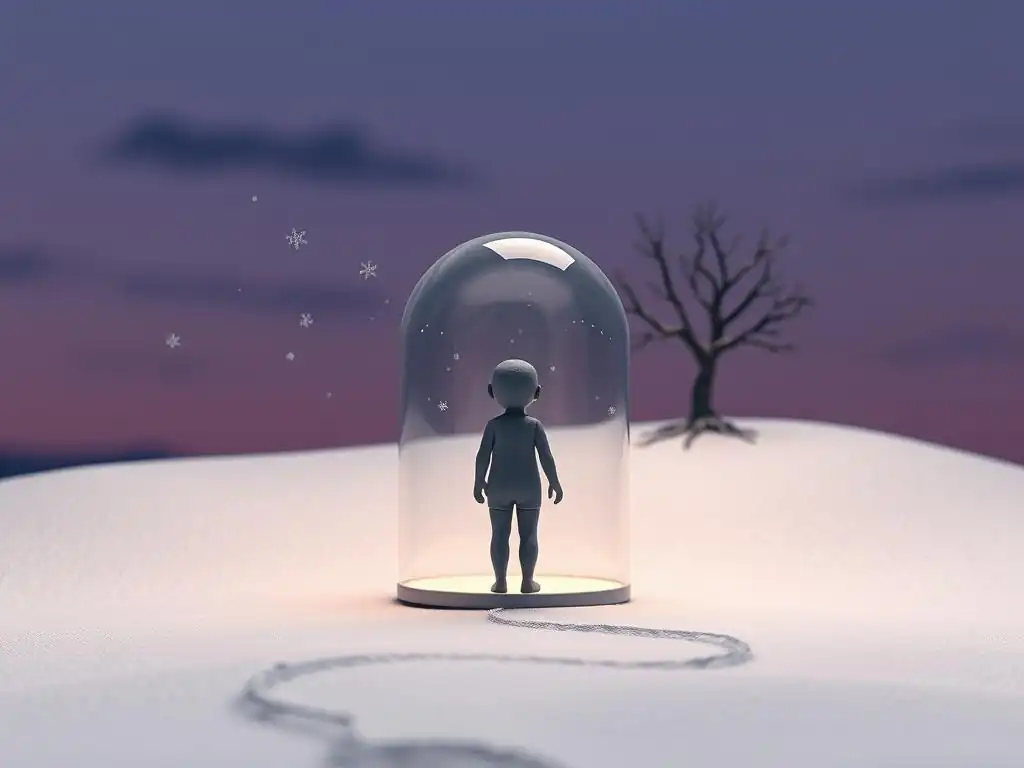
Emotional resilience is the ability to navigate challenges, bounce back from setbacks, and adapt to stress while maintaining your well-being. For creatives, who often face criticism, rejection, and the inherent uncertainties of their field, building this resilience is paramount. It acts as a protective layer against the emotional wear and tear that can lead to burnout and other mental health issues.
This section focuses on cultivating internal strength and a positive relationship with yourself and your creative journey. We will explore the transformative power of self-compassion, the grounding effects of mindfulness, and the importance of adopting a growth mindset. These practices are not just coping mechanisms; they are fundamental creative burnout prevention strategies that empower you to face adversity with grace and continue creating with courage.
The Power of Self-Compassion in the Face of Creative Challenges
Self-compassion involves treating yourself with the same kindness, understanding, and acceptance you would offer a close friend who is struggling. For creatives, this means acknowledging that setbacks, creative blocks, and critical feedback are painful but are part of the human and creative experience, not a personal failing. Instead of harsh self-criticism ("I'm a terrible writer because I can't finish this chapter"), self-compassion offers a gentler perspective ("This chapter is difficult, and it's okay to struggle. I'll take a break and come back to it. ").
Studies show that practicing self-compassion is strongly linked to reduced levels of anxiety, depression, and stress, and improved emotional coping. It allows you to recognize your struggles without getting lost in them and motivates you to address difficulties from a place of care rather than fear. When implementing creative burnout prevention strategies, remember that being kind to yourself, especially when your work isn't flowing or receives negative feedback, is not a sign of weakness but a vital act of self-preservation.
Mindfulness and Meditation for Managing Stress and Anxiety
Mindfulness is the practice of paying attention to the present moment without judgment. For creatives whose minds are often racing with ideas, worries, or self-criticism, mindfulness can provide a much-needed anchor. Simple mindfulness exercises, such as focusing on your breath for a few minutes each day or paying full attention to a simple activity like drinking tea, can help calm the nervous system and create space between you and your stressful thoughts. Meditation is a formal practice of mindfulness that can further enhance your ability to observe your thoughts and feelings without being consumed by them.
Regular mindfulness practice has been shown to reduce symptoms of stress, anxiety, and depression and can improve focus and emotional regulation – all beneficial outcomes for preventing creative burnout. Even five to ten minutes of mindfulness or meditation daily can make a significant difference. By cultivating present-moment awareness, you become better equipped to recognize the early signs of stress and fatigue, allowing you to implement creative burnout prevention strategies before reaching a crisis point. It helps you step off the hamster wheel of constant thinking and connect with your inner state.
Cultivating a Growth Mindset to Embrace Failure and Learn from Mistakes
A growth mindset, as opposed to a fixed mindset, is the belief that your abilities and intelligence can be developed through dedication and hard work. In the creative world, this means viewing challenges, failures, and criticism not as proof of inherent limitations but as opportunities for learning and growth. A creative with a fixed mindset might see a rejected proposal as confirmation that they lack talent and give up. One with a growth mindset sees it as feedback to refine their approach or portfolio for the next opportunity.
Embracing failure as a learning experience is crucial for long-term creative resilience. Thomas Edison famously said, "I have not failed 10,000 times—I've just found 10,000 ways that won't work." This perspective is invaluable for creative burnout prevention.
When you view setbacks as temporary and surmountable, you are less likely to become demoralized and more likely to persevere. Actively seeking feedback (even critical) becomes a tool for improvement rather than a threat to your ego. Developing a growth mindset helps you detach your self-worth from the outcome of individual projects and focus instead on the process of continuous learning and improvement.
Fostering a Supportive Creative Environment: The Importance of Community
While creativity can often be a solitary pursuit, the emotional landscape of creation is significantly influenced by the environment you cultivate around yourself. This includes both your physical workspace and the network of people you engage with. Isolation is a known contributor to mental health challenges, including creative burnout. Building connections and surrounding yourself with positive influences provides essential support, perspective, and encouragement.
This section highlights the value of community and environment in safeguarding your mental well-being as a creator. We will discuss the benefits of connecting with fellow artists, navigating feedback constructively, and designing a workspace that nurtures your focus and relaxation. These external factors play a vital role in complementing internal creative burnout prevention strategies.
Building a Network of Fellow Artists for Support and Encouragement
Connecting with other creatives provides a unique form of understanding and support. Fellow artists share similar experiences, challenges, and triumphs. They can offer empathy when you're facing creative blocks, practical advice on navigating the industry, and celebrate your successes in a way that others might not fully grasp. Joining local meetups, online forums, workshops, or professional organizations can help you build this network.
Studies have shown that individuals with strong social support networks are more resilient to stress and have lower rates of depression and anxiety. For creatives, this network can serve as a buffer against feelings of isolation and self-doubt. Sharing your struggles with someone who truly understands the pressures of creating can be incredibly validating. For example, participation in creative peer support groups has been linked to decreased feelings of isolation and increased motivation among members, demonstrating the tangible benefits for creative burnout prevention.
Seeking Constructive Criticism and Avoiding Toxic Comparisons
Feedback is essential for growth, but the way it is sought and received matters greatly. Actively seeking constructive criticism from trusted peers or mentors can provide valuable insights and help you improve your craft without the debilitating effects of harsh, unsolicited judgment. Learn to differentiate between feedback given with the intention to help you grow and purely negative or destructive comments.
Equally important is managing the impulse to constantly compare yourself to others, especially in the age of social media where curated highlight reels are the norm. Seeing another artist's success can easily trigger feelings of inadequacy or envy. Remember that everyone's journey is different, and what you see online is rarely the full picture of their struggles or setbacks. Focusing on your own progress and celebrating your unique voice is a much healthier approach. Block quotes can emphasize this point:
Comparison is the thief of joy.
- Theodore Roosevelt
Avoiding toxic comparisons and focusing on your own path is a powerful, though often challenging, creative burnout prevention strategy.
Creating a Workspace That Promotes Focus and Relaxation
Your physical environment significantly impacts your mood, focus, and energy levels. Designing a workspace that feels comfortable, inspiring, and conducive to both concentration and relaxation is an important creative burnout prevention strategy. This doesn't necessarily mean a large, expensive studio; it could be a dedicated corner in your home. Ensure it has adequate lighting, comfortable seating, and minimal distractions.
Personalize your space with elements that inspire you, whether it's artwork, plants, or objects that hold meaning. Consider incorporating elements that promote relaxation, such as calming colors, a comfortable chair for breaks, or even a small area for stretching or mindfulness. For example, studies on office environments have shown that incorporating plants can increase productivity by up to 15% and improve air quality, contributing to overall well-being. Making your creative space a sanctuary where you feel both motivated to work and able to relax is key to sustaining long-term creative output without succumbing to burnout.
Practical Tools for Managing Creative Stress and Anxiety
Even with the best creative burnout prevention strategies in place, stress and anxiety are inherent parts of the creative process. Having a toolkit of practical techniques to manage these emotions in the moment is crucial for maintaining your mental equilibrium. These are methods you can turn to when you feel overwhelmed, stuck, or anxious about your work.
This section provides actionable tools you can incorporate into your daily or weekly routine to process emotions, reduce stress, and find moments of calm amidst the creative whirlwind. From putting your thoughts onto paper to utilizing simple physiological techniques and exploring alternative creative outlets, these practices offer immediate relief and contribute to your overall emotional resilience.
Journaling for Emotional Processing and Self-Reflection
Journaling is a simple yet powerful tool for processing thoughts and emotions. When you're feeling stressed, anxious, or stuck, writing freely without judgment can help you gain clarity, identify the root causes of your distress, and even uncover potential solutions. You can use journaling to track your mood, reflect on your creative process, explore new ideas, or simply vent frustrations.
Consider using prompts like:
- What am I feeling right now about my current project?
- What are the biggest sources of stress in my creative work this week?
- What is one small step I can take today to move forward?
- What am I grateful for in my creative journey?
Regular journaling, even just for 10-15 minutes a few times a week, can reduce rumination and provide a sense of release. It allows you to externalize your worries, making them feel less overwhelming and providing a clearer perspective, which is a helpful adjunct to other creative burnout prevention strategies.
Utilizing Relaxation Techniques: Breathing Exercises and Progressive Muscle Relaxation
When stress or anxiety hits, physiological techniques can offer immediate relief. Simple deep breathing exercises can activate your body's relaxation response, lowering heart rate and calming the nervous system. Try the 4-7-8 technique: inhale deeply through your nose for a count of 4, hold your breath for a count of 7, and exhale slowly through your mouth for a count of 8. Repeat this several times.
Progressive muscle relaxation involves tensing and then slowly releasing different muscle groups in your body, starting from your toes and working your way up to your head. This technique helps you become more aware of physical tension and learn how to release it. Practicing these techniques regularly, even when not feeling stressed, can make them more effective when you need them most. Incorporating these into your daily routine is a tangible way to manage stress and support your creative burnout prevention strategies. Studies indicate that regular practice of these techniques can significantly reduce stress levels and improve overall well-being.
Exploring Creative Outlets Outside of Your Primary Discipline
Sometimes, the best way to recharge your primary creative energy is to engage in a different form of creativity purely for pleasure, without any pressure for outcome or perfection. If you're a writer, try painting or sculpting. If you're a musician, try photography or gardening. Engaging in a low-stakes creative hobby can rekindle your passion, provide a sense of playfulness, and offer a refreshing perspective.
This "cross-training" for your creative brain can prevent stagnation and provide a much-needed break from the demands of your main craft. It allows you to experiment freely, make mistakes without consequence, and simply enjoy the process of making something new. This kind of playful exploration is a vital, often overlooked, creative burnout prevention strategy, helping to refill your creative well and reduce the pressure associated with your primary work.
Seeking Professional Help: When to Reach Out for Support
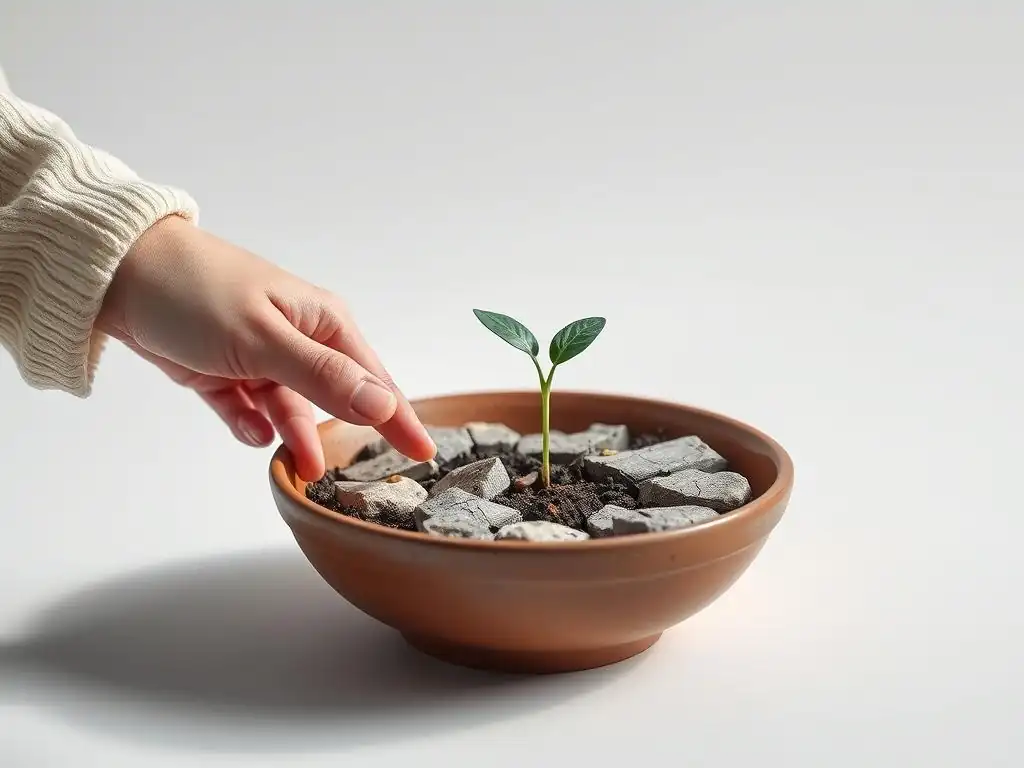
While implementing creative burnout prevention strategies and building resilience are powerful tools, there are times when professional support is necessary and incredibly beneficial. Mental health challenges can sometimes become too complex or overwhelming to manage on your own. Recognizing when you need to seek help is a sign of strength, not weakness.
This section addresses the importance of professional support for creatives. We will discuss the indicators that suggest you might benefit from therapy or counseling, how to find a mental health professional who understands the unique world of creative work, and briefly touch upon other treatment options that might be available. Reaching out for help is a crucial step in protecting your long-term mental health and creative capacity.
Recognizing the Need for Therapy or Counseling
Several signs might indicate that it's time to seek professional help. These include persistent feelings of hopelessness, excessive worry that interferes with daily life, significant changes in appetite or sleep patterns, difficulty functioning at work or in relationships, and thoughts of self-harm. For creatives specifically, signs like a complete inability to start or finish projects for an extended period, a total loss of joy in your craft, or using unhealthy coping mechanisms (like excessive alcohol or drug use) to deal with stress are red flags.
If you've been experiencing symptoms of burnout, anxiety, or depression for more than a couple of weeks and your own efforts to manage them haven't been effective, consulting a therapist or counselor is a wise step. A mental health professional can provide objective support, teach coping strategies, and help you understand the underlying causes of your struggles. For instance, if perfectionism is severely hindering your progress despite your best efforts, a therapist can help you work through those patterns. Data from mental health organizations consistently shows that seeking professional help significantly improves outcomes for individuals struggling with these conditions.
Finding a Therapist Experienced in Working with Creative Professionals
Not all therapists have specific experience working with the unique challenges faced by artists and creatives. While any competent therapist can be helpful, one who understands the pressures of subjective evaluation, the freelance lifestyle, the intense personal investment in work, and issues like imposter syndrome prevalent in creative fields can offer more tailored support.
When searching for a therapist, don't hesitate to ask about their experience with creative clients or their understanding of the creative process. You can look for therapists who list specialties like "artist issues," "performance anxiety," or "career counseling for creatives." Online directories often allow filtering by specialty. Building a good therapeutic relationship is key, so it's okay to meet with a few different therapists before finding the right fit. Finding a therapist who "gets it" can make discussing your creative struggles much more effective and integrated into your overall mental health plan and creative burnout prevention strategies.
Medication and Other Treatment Options for Mental Health Concerns
For some individuals, therapy alone may not be sufficient, and medication might be a necessary part of a comprehensive treatment plan, particularly for conditions like moderate to severe depression or anxiety disorders. Medication, prescribed by a psychiatrist or other qualified medical professional, can help regulate brain chemistry and alleviate symptoms, making it easier to engage in therapy and implement coping strategies.
Other treatment options might include support groups (both peer-led and professionally facilitated), lifestyle changes (like exercise and nutrition), or specialized therapies like Cognitive Behavioral Therapy (CBT) or Dialectical Behavior Therapy (DBT), which teach specific skills for managing thoughts and emotions. The right treatment plan is highly individual and should be developed in consultation with mental health professionals. Exploring all available options ensures you have the support you need to manage your mental health effectively and continue your creative work sustainably.
Maintaining Long-Term Emotional Well-being as a Creator
Protecting your mind while you create is not a one-time fix but an ongoing commitment. Just as you might refine your artistic techniques over time, you must also continuously assess and adjust your approach to mental health and creative burnout prevention. Building sustainable habits and integrating self-care into the fabric of your creative life is key to a long and fulfilling career.
This final section focuses on the practices necessary for maintaining emotional well-being over the long haul. We will discuss the importance of regularly checking in with yourself, adapting your creative process to prioritize your health, and crucially, taking time to acknowledge and celebrate your achievements. These ongoing practices ensure that you can navigate the emotional landscape of creation with resilience and joy.
Regularly Assessing Your Mental and Emotional State
Self-awareness is fundamental to maintaining long-term well-being. Make it a regular practice to check in with yourself emotionally and mentally. Ask yourself: How am I truly feeling today? Am I feeling overwhelmed, stressed, or depleted? Am I still finding joy in my work? Are the signs of burnout starting to creep back in? This could be a daily check-in during your morning routine, a weekly reflection during a dedicated quiet time, or monthly during a planning session.
Using a mood tracker, journaling about your feelings, or simply dedicating a few minutes each day for quiet reflection can help you stay attuned to your internal state. Recognizing subtle shifts early allows you to make small adjustments before minor issues escalate into major problems. This proactive assessment is a cornerstone of effective creative burnout prevention strategies, enabling you to respond to your needs in real-time rather than react only when you're already struggling.
Adjusting Your Creative Process to Prioritize Self-Care
Your creative process doesn't have to be rigid; it can and should adapt to support your well-being. If you discover that working late nights consistently leads to exhaustion, adjust your schedule. If client demands are causing excessive stress, evaluate your client boundaries or pricing. If a particular type of project is draining your energy, consider taking on fewer of those projects or building in more recovery time afterward.
This might involve experimenting with different workflows, taking longer breaks between projects, scheduling dedicated "rest days" or "creative play" days, or even temporarily reducing your workload when you anticipate periods of high stress. For example, a writer might switch from daily word count goals to weekly goals to allow for more flexibility, or a designer might schedule a mandatory week off after completing a major project. Actively integrating self-care into your creative process, rather than seeing it as something separate, makes it a sustainable habit and a powerful creative burnout prevention strategy.
Celebrating Your Achievements and Recognizing Your Worth
In the demanding world of creative work, it's easy to constantly focus on the next deadline, the next project, or the areas where you need to improve. This can lead to a feeling of never being "enough" or never truly finishing, contributing to burnout. Make a conscious effort to pause and celebrate your achievements, no matter how small they seem. Finishing a difficult project, receiving positive feedback, learning a new skill, or even sticking to your creative burnout prevention strategies – these are all worthy of recognition.
Keep a list of your accomplishments, big and small. Share your successes with your supportive community. Take time to reflect on how far you've come and the progress you've made. Regularly reminding yourself of your value, your skills, and the positive impact of your work is essential for maintaining motivation and counteracting the negative self-talk that often accompanies creative challenges. Recognizing your worth independent of constant external validation builds internal resilience and makes the creative journey more fulfilling.
Conclusion: Embracing a Sustainable and Fulfilling Creative Journey
The emotional landscape of creation is rich and complex, offering immense rewards but also presenting significant challenges. By understanding the unique pressures faced by artists and creatives and proactively implementing creative burnout prevention strategies, you can navigate this landscape with greater resilience and protect your mental well-being. Prioritizing your mental health is not a luxury; it is a fundamental component of a sustainable and fulfilling creative career.
Embracing self-compassion, building a supportive community, setting boundaries, and utilizing practical stress management tools are all vital steps. Remember that seeking professional help when needed is a sign of strength. By committing to these practices, you not only safeguard your mind but also ensure that your creative well remains full, allowing you to continue sharing your unique gifts with the world for years to come. Your creativity is valuable, and so is your well-being.
Prioritizing Mental Health for Long-Term Creative Success
Long-term creative success is not solely measured by output or accolades but also by the ability to sustain your passion and health over time. Burnout can prematurely end careers or diminish the quality of work. By making mental health a non-negotiable priority, you are making a crucial investment in your future as a creator. This involves continuous learning about your own needs, adapting your habits, and being willing to seek support when necessary.
Think of mental health as the foundation upon which your creative practice stands. A weak foundation cannot support a grand structure. By strengthening your mental and emotional base through consistent creative burnout prevention strategies, you build the capacity to handle the inevitable stresses and challenges of a creative life, allowing your artistic endeavors to thrive and evolve over the long haul. Your ability to create is intimately linked to your ability to care for yourself.
Resources for Creative Professionals Seeking Mental Health Support
Finding the right resources is key when navigating mental health challenges. Many organizations offer support specifically tailored to artists and creatives. While specific links are prohibited, general types of resources include:
- Mental health hotlines and crisis lines for immediate support.
- Non-profit organizations dedicated to supporting artists' well-being, often offering grants, resources, or directories of therapists.
- Professional associations for specific creative fields (e.g., writers' guilds, artists' unions) which may offer member assistance programs or resource lists.
- Online communities and forums focused on mental health for creatives, providing peer support and shared experiences.
- Therapist directories (online and local) that allow searching for practitioners specializing in creative or performance-related issues.
Remember that you are not alone in facing these challenges. Millions of creatives around the world navigate similar emotional landscapes. Reaching out to these resources is a brave step towards protecting your mind and ensuring that your creative journey remains one of joy, meaning, and sustainable expression.
Frequently Asked Questions
What is creative burnout and why is it a concern for mental well-being?
Creative burnout is a state of emotional, physical, and mental exhaustion caused by prolonged or excessive engagement in creative activities. It's a concern because it can significantly impact mental well-being, leading to feelings of detachment, cynicism, and reduced personal accomplishment.
How can I identify early warning signs of creative burnout before it becomes severe?
Look for signs such as a lack of motivation, feeling overwhelmed by creative tasks, increased irritability, and a decline in the quality of your creative output. Recognizing these early signs allows for proactive intervention.
What are some practical creative burnout prevention strategies I can implement immediately?
Implementing strategies such as setting realistic goals, taking regular breaks from creative work, and engaging in activities outside of your creative field can help prevent burnout. Prioritizing self-care is also crucial.
How does the Emotional Landscape of Creation relate to creative burnout prevention?
Understanding the emotional demands of the creative process, as highlighted in "The Emotional Landscape of Creation", is crucial for developing personalized prevention strategies. It emphasizes the importance of managing stress and fostering a healthy relationship with your creative work.
Where can I find further resources and support for managing creative burnout and improving my mental well-being?
Mind Care Guide offers a comprehensive range of resources for mental well-being, including articles, support groups, and information on professional help. Seeking support is a proactive step in managing burnout.
Final Reflection: Nurturing the Creative Spirit: A Path to Sustainable Creation
The relentless pursuit of creative output, while exhilarating, often leaves creators vulnerable to burnout. This article has explored the emotional toll of the creative process, highlighting the crucial need for self-care and mindful strategies to protect our mental well-being. Ignoring this vital aspect not only diminishes the quality of our work but also jeopardizes our overall happiness and long-term creative potential.
The emotional landscape of creation is a complex and often turbulent terrain. It's a journey marked by both ecstatic highs and crushing lows, a constant dance between inspiration and self-doubt. The price of creativity is the risk of madness.
– This quote, while dramatic, underscores the inherent vulnerability of the creative process. We must acknowledge this vulnerability and actively cultivate strategies to navigate these emotional currents, protecting ourselves from the devastating effects of burnout. The ongoing dialogue surrounding mental health in creative fields is a testament to the growing awareness of this critical issue, and I hope this article contributes to that crucial conversation.
You, the creator, hold the power to shape your creative journey. By integrating the strategies discussed – from setting realistic boundaries to prioritizing self-compassion – you can cultivate a sustainable creative practice that nourishes both your mind and your art. Don't let the fear of burnout stifle your brilliance. Embrace the challenges, nurture your well-being, and discover the joy of creating without sacrificing your mental health. The world awaits your unique vision, and you deserve to share it from a place of strength and resilience.
Unleash Your Creative Power: Nurture Your Mind Today
Thanks for diving into the world of creative well-being! We hope you gained valuable insights into protecting your mental health while pursuing your passions. Now it's time to put those insights into action.
- Prioritize a dedicated "Mindful Moment": Schedule just 15 minutes daily for a calming activity – meditation, nature walk, or simply quiet reflection – to recharge your creative spirit. This is your key to sustained inspiration.
- Share your creative journey: Connect with fellow creators! Let us know in the comments how you plan to incorporate mindful practices into your creative process. Your experience could inspire others.
- Explore additional resources on our site for practical tools and techniques to support your creative and mental well-being.
What mindful practice will you integrate into your creative routine today, and how do you anticipate it will benefit your overall well-being?