
Combatting Creative Isolation: Building Connections for Artists

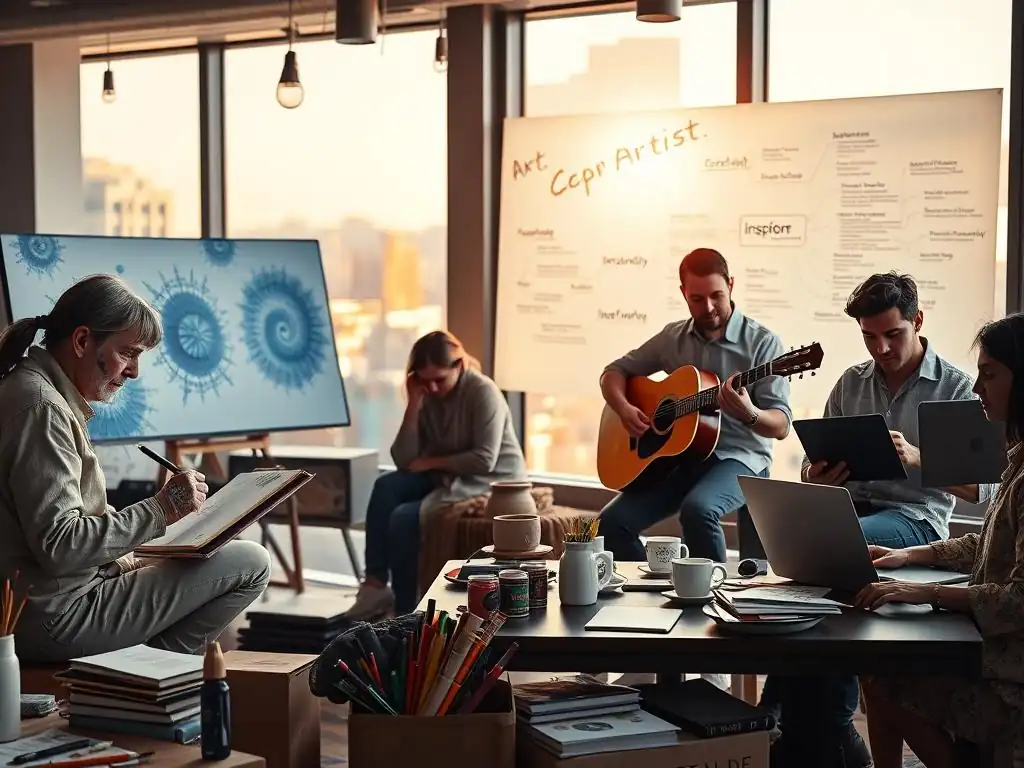
Welcome to Mind Care Guide, a sanctuary dedicated to nurturing your mental well-being. Feeling creatively adrift and disconnected? You're not alone. Discover powerful and empathetic creative isolation support strategies in our latest article, designed to help artists like you reconnect, recharge, and rediscover the joy in your craft. Let's explore together how to build meaningful connections and overcome the unique challenges of creative isolation. What steps can you take today to reignite your spark?
Combatting Creative Isolation: Building Connections for Artists
- Understanding Creative Isolation and Its Impact on Mental Well-being
-
Creative Isolation Support Strategies: Building a Connected Artistic Life
- Strategy 1: Joining Creative Communities and Online Forums
- Strategy 2: Participating in Art Workshops and Classes
- Strategy 3: Seeking Mentorship and Peer Support in the Arts
- Strategy 4: Attending Art Events and Networking Opportunities
- Strategy 5: Utilizing Digital Tools for Creative Collaboration and Connection
- Overcoming Barriers to Connection: Addressing Challenges in Creative Isolation
- The Long-Term Benefits of Connection for Artistic Mental Health
- Resources for Artists Seeking Connection and Support
-
Frequently Asked Questions
- What is creative isolation and why is it a problem for artists?
- What are some practical strategies to combat creative isolation?
- How can I use online platforms to find support and connection as an artist?
- What are some simple, daily practices I can implement to combat feelings of isolation?
- How can Mind Care Guide help me find creative isolation support strategies?
- Final Reflection: The Enduring Power of Creative Connection
- Unleash Your Creative Spark: Connect & Thrive!
Understanding Creative Isolation and Its Impact on Mental Well-being
Defining Creative Isolation: What Does It Really Mean?
Creative isolation refers to the feeling of being cut off or disconnected from others within the artistic community, or even from broader social circles, specifically as it relates to one's creative practice. This isn't merely about physical solitude, which can sometimes be necessary for deep work; rather, it's a state of emotional or professional separation that can hinder an artist's growth, inspiration, and sense of belonging. It can manifest as feeling unheard, unappreciated, lacking feedback, or simply missing the shared experience of creation and artistic exploration that comes from interacting with peers.
This sense of detachment can stem from various sources, including the solitary nature of many artistic disciplines, geographical distance from artistic hubs, or even personal barriers like shyness or social anxiety. Unlike other professions where daily interaction is the norm, many artists spend significant hours working alone in studios or homes. Without conscious effort to counteract this, the lack of regular contact, critique, and shared passion can lead to a profound sense of being alone in their creative journey, distinct from the focused solitude needed for artistic production.
The Psychological Effects of Isolation on Artists: A Deeper Look
The psychological toll of creative isolation on artists can be significant and varied. It is closely linked to increased risks of mental health challenges such as depression, anxiety, and burnout. When artists lack opportunities for feedback, validation, and shared struggle, self-doubt can fester, leading to imposter syndrome where they question their own abilities and worth despite potential external success. This internal pressure, amplified by isolation, can stifle creativity and lead to a decrease in productivity or even abandoning projects altogether.
Furthermore, the absence of a support network means artists often face the inherent challenges of the creative path – financial instability, rejection, and uncertainty – without a sounding board or empathetic ear. This can exacerbate stress and feelings of hopelessness. Studies have indicated that individuals in solitary professions, including many artists, report higher rates of anxiety and mood disorders compared to those in more collaborative environments. Combatting this requires proactive creative isolation support strategies focused on building meaningful connections.
Recognizing the Signs of Creative Isolation: Self-Assessment for Artists
Recognizing the signs of creative isolation is the first step towards implementing effective support strategies. Artists might notice a decrease in motivation or enthusiasm for their work, feeling stuck in a creative rut without external stimuli or fresh perspectives. They might experience heightened self-criticism, avoiding sharing their work or seeking feedback due to fear of judgment, further reinforcing their isolation. Physical symptoms like fatigue or changes in sleep patterns can also be indicators of underlying stress related to feeling disconnected.
Beyond internal feelings, behavioral signs can include withdrawing from potential social or artistic opportunities, spending excessive time alone, or feeling a lack of connection even when physically present with others. A task list can be a useful tool for self-assessment:
- [ ] Have I shared my work with anyone (even online) in the past month?
- [ ] Have I had a meaningful conversation about my art practice with another artist recently?
- [ ] Do I feel a sense of belonging within an artistic community?
- [ ] Do I actively seek feedback or critique on my work?
- [ ] Do I feel energized or drained after spending time on my art? (Consistent draining could signal issues)
Identifying these patterns is crucial for understanding the need for creative isolation support strategies.
Creative Isolation Support Strategies: Building a Connected Artistic Life
Strategy 1: Joining Creative Communities and Online Forums
One of the most direct creative isolation support strategies is actively seeking out and joining communities of fellow artists. These can range from local art leagues and co-working spaces to vast online forums and social media groups. The benefit lies in finding peers who understand the unique challenges and joys of the artistic process, providing a sense of shared experience and reducing feelings of uniqueness in struggle. Platforms like Reddit have thriving subreddits dedicated to various art forms, offering spaces for critique, discussion, and sharing resources, often reaching millions of users globally.
Finding the right community is key. It should be a space where you feel comfortable sharing your work, asking questions, and engaging in supportive dialogue. Participation doesn't always have to be intense; even lurking and reading discussions can help you feel less alone. Many artists find that online communities offer accessibility, allowing connection regardless of geographical location, while local groups provide invaluable face-to-face interaction and opportunities for local exhibitions or collaborations. Actively engaging, perhaps by offering encouragement to others or participating in challenges, deepens the connection.
Finding the Right Creative Community for You: Local Art Leagues and Discord Servers
Choosing the right environment for connection is a vital part of developing creative isolation support strategies. Local art leagues and community centers offer tangible, in-person interaction, providing opportunities to meet artists face-to-face, participate in local shows, and even find studio mates. The proximity allows for spontaneous meetups, shared gallery visits, and a stronger sense of local artistic identity. Many cities have established leagues that have been operating for decades, offering workshops, exhibitions, and networking events tailored to the local scene.
On the other hand, digital spaces like Discord servers, Facebook groups, and specialized online forums cater to niche interests and provide global reach. A painter interested in abstract expressionism can find a community specifically dedicated to that style, offering highly relevant feedback and discussion. These platforms often host virtual critique sessions, collaborative projects, and casual chat channels, making it easy to connect daily. For instance, a popular online artist community might have thousands of members from dozens of countries, offering a diversity of perspectives simply unavailable locally.
Engaging Actively in Artistic Discussions and Collaborations
Simply joining a group isn't enough; active engagement is where the real benefits of creative isolation support strategies emerge. This means participating in discussions, offering constructive feedback on others' work (when invited), sharing your own process or challenges, and being open to collaborative projects. Engaging in discussions about techniques, materials, or the business of art not only provides valuable knowledge but also builds rapport and trust within the community. It shifts the dynamic from passive observation to active participation.
Collaborations, even small ones, can be incredibly powerful in breaking down isolation. This could be something as simple as participating in a themed art challenge with others, working on a joint piece, or even just engaging in a regular critique exchange. For example, two remote artists might agree to critique each other's work weekly via video call, providing consistent, dedicated feedback that motivates both parties. This shared endeavor creates accountability and a sense of partnership, directly counteracting the feeling of working in a vacuum.
Strategy 2: Participating in Art Workshops and Classes
Another effective creative isolation support strategy involves structured learning environments like art workshops and classes. These settings inherently bring artists together with a shared goal – learning and improving their craft. Beyond the skills acquired, these environments facilitate interaction, discussion, and the formation of new connections in a low-pressure setting. Working alongside peers on similar exercises or projects naturally leads to conversation and mutual support.
Workshops, often intensive over a few days, provide focused time with instructors and fellow students, fostering rapid bonding. Regular weekly classes build more sustained relationships over time. These environments offer opportunities to observe different approaches, receive direct feedback from instructors and peers, and feel part of a collective creative process. The structure provides a reason to connect and a common ground for conversation, moving beyond the potentially intimidating open-endedness of networking events.
The Benefits of In-Person Art Classes for Social Interaction
In-person art classes offer unique benefits for combating creative isolation. The physical presence of others creates a dynamic that is difficult to replicate online. You can observe how others approach a canvas, sculpt a form, or mix colors in real-time. Casual conversations naturally arise while setting up, working side-by-side, or packing up. These interactions, even brief ones, contribute to a feeling of normalcy and shared reality in the artistic process.
Critique sessions in person allow for nuanced feedback, observing body language and tone, which can make criticism feel less harsh and more constructive. Many friendships and long-term collaborative partnerships have blossomed from connections made in local art studios or community college art programs. For example, attending a weekly life drawing class might not only improve anatomical skills but also introduce you to a consistent group of artists with whom you can share ideas, discuss exhibitions, or even organize informal meetups outside of class time.
Exploring Online Workshops and Courses: Expanding Your Network Virtually
While in-person interaction is invaluable, online workshops and courses offer a highly accessible alternative for creative isolation support strategies, especially for those in remote locations or with mobility issues. Platforms dedicated to creative learning host thousands of courses covering every conceivable art form. These often include forums, private groups, or live Q&A sessions where students can interact with the instructor and each other.
The benefit here is access to a global pool of instructors and fellow students. You might take a course taught by an artist you admire who lives across the world and connect with students from different continents. While lacking the physical presence, these platforms often utilize video calls, shared digital whiteboards, and dedicated community spaces to foster interaction. For instance, a popular online art education platform might have a course forum where students share their progress, offer peer feedback, and organize virtual study groups, creating a network despite geographical distance.
Strategy 3: Seeking Mentorship and Peer Support in the Arts
Establishing relationships with both more experienced artists (mentors) and peers at a similar stage is a powerful creative isolation support strategy. A mentor can offer invaluable guidance based on their own journey, providing insights into navigating the art world, developing a sustainable practice, and overcoming creative blocks. This one-on-one relationship offers a dedicated source of encouragement and wisdom, reducing the feeling of facing challenges entirely alone.
Peer support, on the other hand, comes from building relationships with artists who understand your current struggles because they are experiencing them too. This could be through formal critique groups, informal coffee meetups, or simply having a few trusted artist friends you can call when you're feeling stuck or discouraged. Sharing experiences with peers validates your feelings and provides a sense of solidarity, reminding you that challenges like funding issues or creative ruts are common parts of the artistic path.
Finding a Mentor: Guidance and Encouragement for Creative Growth
Finding a mentor is a proactive step in developing robust creative isolation support strategies. A mentor is typically a more established artist willing to share their knowledge, offer advice, and provide constructive criticism on your work and career path. This relationship is often informal but can be incredibly impactful. Look for artists whose work you admire and whose career trajectory aligns with your aspirations. Attend their talks, workshops, or reach out respectfully to express your interest in their work and ask for advice.
Mentorship provides tailored guidance that group settings might not offer. A mentor can help you refine your unique artistic voice, navigate the business aspects of being an artist, or offer perspective during periods of self-doubt. For example, a young ceramicist struggling to get gallery representation might find a mentor in a seasoned potter who can share insights into approaching galleries, pricing work, and building a portfolio, offering specific, actionable advice rooted in years of experience. This personal connection is a strong antidote to feeling lost and isolated.
Building a Peer Support Network: Sharing Experiences and Challenges
Building a strong peer support network is a cornerstone of effective creative isolation support strategies. These are the artists you can rely on for honest critique, emotional support during setbacks, and shared celebration of successes. Peer relationships are often reciprocal, with both individuals offering support and insight. This network can form organically through classes, workshops, or online communities, or it can be intentionally built by reaching out to artists whose work or perspective resonates with you.
Peer support groups, whether formal or informal, provide a safe space to discuss common challenges like funding applications, marketing art, dealing with rejection letters, or simply the day-to-day grind of maintaining a creative practice. For instance, a group of freelance illustrators might meet monthly (virtually or in person) to discuss client issues, share pricing strategies, and critique each other's latest projects. This shared understanding and mutual encouragement are invaluable for maintaining morale and reducing the feeling of being isolated in the face of professional hurdles.
Strategy 4: Attending Art Events and Networking Opportunities
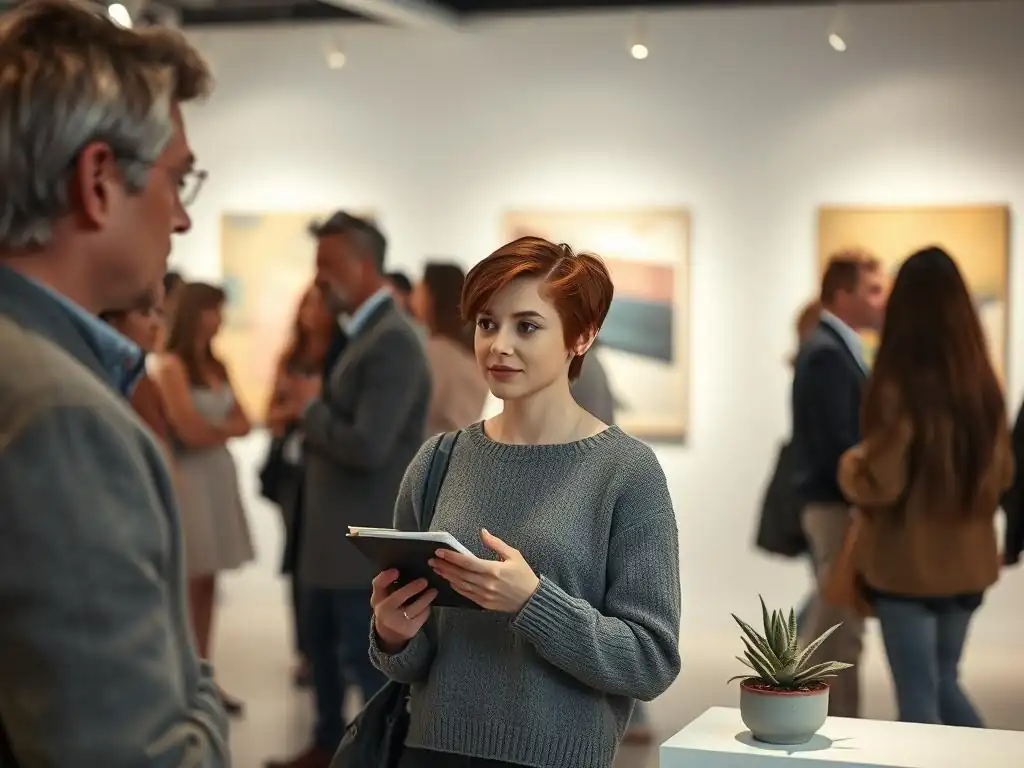
Attending art events is a fundamental creative isolation support strategy that combines exposure to new work with opportunities for social interaction. Gallery openings, museum exhibitions, artist talks, and studio tours are designed to bring the art community together. While the primary focus might be on viewing art, these events provide a natural setting for casual conversations with other attendees, artists, and gallerists. Simply being present in these spaces can make you feel more connected to the broader art world.
Networking events specifically for artists or creative professionals offer a more targeted opportunity to build connections. These might be organized by art organizations, professional associations, or even informal groups. While the term "networking" can sometimes feel intimidating, viewing these as opportunities to meet like-minded individuals and share your passion can reduce anxiety. Prepare a brief, enthusiastic description of your work and be genuinely interested in learning about others.
Local Art Exhibitions and Open Studios: Immersing Yourself in the Art Scene
Local art exhibitions and open studio events are excellent starting points for creative isolation support strategies within your geographical area. Gallery openings are typically free and open to the public, providing a low-pressure environment to mingle. You can strike up conversations with other viewers about the art, or if the artist is present, introduce yourself and compliment their work. Open studio events offer a more intimate look into an artist's workspace and process, often leading to deeper conversations.
Participating in local events not only exposes you to the work of your peers but also helps you become a recognized face within the local scene. Regular attendance can lead to repeated encounters and the gradual building of relationships. For example, consistently showing up at the monthly gallery walk in your town allows you to meet the gallery owners, other exhibiting artists, and local art enthusiasts, slowly weaving you into the fabric of the community and counteracting feelings of creative isolation.
Conferences and Retreats for Artists: Intensive Connection and Learning
For a more intensive approach to creative isolation support strategies, consider attending conferences or retreats designed for artists. Conferences often feature workshops, panels, and presentations on various aspects of art practice, business, and theory, alongside dedicated networking sessions. They bring together artists from a wider geographical area, offering exposure to different perspectives and practices. The shared experience of attending sessions and meals fosters strong connections over a few days.
Art retreats often focus on providing dedicated time and space for creation, but many also build in communal activities, group critiques, and shared meals designed to facilitate interaction and connection. Spending concentrated time with a small group of artists in a dedicated setting can lead to deep bonds and lasting friendships. While these opportunities require a greater investment of time and money, the focused environment and shared purpose can accelerate the process of building a supportive network. A week-long painting retreat, for instance, might involve daily group critiques and shared meals, creating a strong sense of camaraderie among participants.
Strategy 5: Utilizing Digital Tools for Creative Collaboration and Connection
In the digital age, leveraging online platforms is a crucial component of creative isolation support strategies. The internet offers numerous tools for artists to connect, collaborate, and share their work, overcoming geographical barriers. Social media, online portfolios, collaborative platforms, and virtual meeting tools all provide avenues for interaction that can supplement or even replace in-person connections.
While online interactions can sometimes feel less personal, they offer unparalleled reach and flexibility. An artist in a rural area can connect with curators and collectors in major cities, and collaborate with peers across the globe. The key is to use these tools intentionally to build genuine connections, rather than just for broadcasting work. Engaging in comments sections, participating in online challenges, and using video calls for virtual studio visits can all help bridge the digital divide and foster a sense of community.
Leveraging Social Media for Artistic Promotion and Engagement
Social media platforms are powerful tools for implementing creative isolation support strategies, extending beyond simple self-promotion. Platforms like Instagram, Behance, and TikTok allow artists to share their work visually, but the real connection happens through engagement. Actively commenting on other artists' work, participating in relevant hashtags (like #artistsoninstagram or specific art challenge tags), and responding thoughtfully to comments on your own posts builds visibility and initiates conversations.
Many artists use social media to document their process, offering behind-the-scenes glimpses that invite viewers into their creative world and spark dialogue. Hosting Q&A sessions, going live while working, or participating in "studio tour" trends can foster a sense of community and approachability. For example, a ceramic artist might share time-lapse videos of their throwing process on Instagram, sparking conversations with other potters about techniques and kiln firing, turning a solo activity into a shared learning experience.
Exploring Collaborative Art Platforms: Miro and Google Jamboard
Beyond social media for showcasing, dedicated collaborative platforms offer tools for artists to work together remotely, directly addressing creative isolation through shared creation. Platforms like Miro or Google Jamboard, initially designed for business collaboration, can be adapted for artistic projects. They provide shared digital whiteboards where multiple users can draw, add images, sticky notes, and text simultaneously in real-time.
These tools are excellent for brainstorming sessions, planning large-scale projects, creating digital mood boards together, or even collaborating on digital sketches or illustrations. For instance, a group of illustrators working on a joint graphic novel project could use a shared digital board to map out storyboards, characters, and color palettes collaboratively, providing a sense of working side-by-side even when miles apart. This shared digital space fosters interaction and a feeling of being part of a team effort, a significant boost against creative isolation.
Overcoming Barriers to Connection: Addressing Challenges in Creative Isolation
Even with numerous creative isolation support strategies available, artists often face personal or practical barriers to building connections. Social anxiety, self-doubt, time constraints, and fear of rejection are common hurdles that can make reaching out or participating in communities feel daunting. Recognizing these barriers is the first step towards overcoming them and successfully implementing connection strategies.
Addressing these challenges often requires a combination of mindset shifts and practical approaches. It might involve taking small, manageable steps towards interaction, practicing self-compassion, or developing strategies for managing time effectively to carve out space for social engagement alongside creative work. Overcoming these internal and external obstacles is crucial for maintaining consistent connections and reaping their mental health benefits.
Social anxiety and self-doubt are significant internal barriers to implementing creative isolation support strategies. The fear of judgment about one's art or personality can prevent artists from attending events, participating in critiques, or even posting their work online. This internal fear reinforces the external state of isolation, creating a vicious cycle. It's important to remember that these feelings are common among creatives; an estimated 60-80% of artists report struggling with imposter syndrome at some point.
Strategies for overcoming these barriers include starting small – perhaps just attending an event without pressure to network heavily, or posting work anonymously in a feedback forum first. Focusing on shared interests (the art itself) rather than personal performance can also help. Practicing mindfulness techniques before social interactions or seeking support from a therapist specializing in creative blocks or anxiety can also be beneficial. Frame interactions not as tests, but as opportunities to learn and share your passion.
For many artists, balancing the demanding nature of creative work with the need for social connection is a practical challenge. Dedicating sufficient time to artistic practice often means long hours alone in the studio, leaving little energy or time for attending events or actively participating in communities. This time constraint can inadvertently contribute to creative isolation, even when the desire for connection is present.
Effective time management is therefore a critical creative isolation support strategy itself. This might involve scheduling dedicated time slots for community engagement, just as you would for studio work. Perhaps setting aside one evening a week for a virtual critique group, or blocking out a Saturday morning once a month to visit galleries. Prioritizing which communities or events offer the most value for your specific needs can also help make the most of limited time. Integrating social aspects into the creative process, like co-working sessions (in-person or virtual), can blend practice and connection.
Dealing with Rejection and Criticism: Maintaining a Positive Mindset
Rejection (from galleries, grants, applications) and criticism (from peers, instructors, the public) are inherent parts of the artistic journey. However, when combined with creative isolation, these setbacks can feel devastating and intensely personal, reinforcing feelings of not being good enough and increasing the urge to withdraw further. Learning to process rejection and criticism constructively is essential for maintaining a positive mindset and continuing to seek connection.
Develop strategies for processing feedback: view critique as information for growth, not a personal attack. Separate your self-worth from the outcome of submissions or the opinions of others. Building a strong peer support network (as discussed in Strategy 3) provides a crucial buffer against the sting of rejection, offering empathy and perspective. Remember that rejection is often subjective and rarely a reflection of your absolute value as an artist. Focus on the process of creating and connecting, rather than solely on external validation.
The Long-Term Benefits of Connection for Artistic Mental Health
Implementing creative isolation support strategies yields significant long-term benefits, extending far beyond simply feeling less lonely. A strong network of connections supports artistic growth, enhances mental resilience, and contributes to a more sustainable and fulfilling creative career. These benefits compound over time, creating a positive feedback loop where connection fuels creativity, which in turn strengthens the desire for further connection.
The synergistic effect of collaboration and shared experience can lead to entirely new artistic directions and opportunities that would not arise from working in isolation. Furthermore, having a supportive community provides a safety net during challenging times, reducing stress and preventing burnout. Ultimately, integrating connection into the artistic lifestyle is not just a coping mechanism for isolation but a fundamental practice for thriving as a creative professional.
Enhanced Creativity and Inspiration Through Collaboration
One of the most exciting benefits of overcoming creative isolation through connection is the boost to creativity and inspiration. Interacting with other artists exposes you to new ideas, techniques, and perspectives that can spark fresh approaches in your own work. Collaborative projects, in particular, push artists outside their comfort zones, requiring adaptation and synthesis of different styles and visions, leading to innovative outcomes.
Shared studio spaces or regular critique groups can become melting pots of ideas, where casual conversations or focused feedback sessions lead to breakthroughs. For instance, two painters working in different styles might influence each other through proximity and discussion, leading to unexpected shifts in their use of color or form. A study on creative teams found that diverse perspectives significantly increased the novelty and usefulness of creative output, suggesting that connection directly fuels innovation.
Increased Resilience and Emotional Well-being for Artists
A robust network built through creative isolation support strategies significantly increases an artist's resilience. The artistic path is often fraught with uncertainty, financial challenges, and emotional vulnerability. Having a community provides emotional support during setbacks, helping artists bounce back from rejection or navigate periods of self-doubt. Knowing you're not alone in your struggles makes them feel less overwhelming.
Sharing both successes and failures with peers fosters a sense of shared humanity and reduces the pressure to maintain a facade of constant success. This leads to improved emotional well-being, reducing anxiety and the risk of burnout. For example, during a period of low sales or grant rejections, being able to talk openly with fellow artists who have faced similar situations provides perspective, empathy, and practical coping advice, preventing a spiral into despair.
Building a Sustainable and Supportive Artistic Career
Ultimately, implementing creative isolation support strategies is crucial for building a sustainable and supportive artistic career. A connected artist is more likely to find opportunities, receive valuable feedback for growth, and maintain the motivation needed to persevere through challenges. Networking can lead to exhibitions, commissions, teaching opportunities, and collaborative projects that provide both income and artistic fulfillment.
Beyond professional opportunities, the emotional and practical support from a community helps artists navigate the business side of art, share resources, and avoid common pitfalls. A supportive network acts as a safety net, providing guidance, encouragement, and practical assistance that makes the unpredictable life of an artist more manageable and less lonely. This foundation of connection allows artists not just to survive, but to truly thrive in their creative endeavors.
Resources for Artists Seeking Connection and Support
Mental Health Organizations Supporting Creative Professionals
Numerous mental health organizations recognize the unique challenges faced by creative professionals, including creative isolation, and offer tailored support. These organizations often provide resources like affordable therapy referrals, support groups specifically for artists, and workshops on managing stress, anxiety, and burnout within the creative field. They understand that the pressures of freelance work, inconsistent income, and the emotional investment in one's art can impact mental well-being.
Seeking help from organizations familiar with the artistic lifestyle can ensure you receive support from professionals who grasp the specific context of your struggles. Some organizations may even offer financial assistance for mental health services or provide guidance on managing the psychological impact of creative isolation and the unpredictable nature of an artistic career.
Online Platforms and Communities for Artists
As highlighted in the strategies section, online platforms and communities are invaluable resources for combating creative isolation. These range from broad social media platforms with dedicated art communities (like Instagram, Reddit, Facebook Groups) to specialized portfolio sites (like Behance, ArtStation) and online learning platforms (like Skillshare, Coursera with art courses). Additionally, platforms specifically designed for artist connection and collaboration exist.
Exploring these digital spaces allows artists to connect with peers globally, find niche communities related to their specific art form or interests, and access a wealth of shared knowledge and resources. Many offer forums for discussion, opportunities for virtual critiques, and ways to find collaborators or join online challenges, all contributing to a sense of belonging and shared purpose that mitigates the effects of creative isolation.
Funding and Grant Opportunities for Collaborative Art Projects
While not directly providing mental health support, funding and grant opportunities specifically for collaborative art projects serve as resources that incentivize and enable connection, thereby indirectly combating creative isolation. Many arts councils, foundations, and government bodies offer grants to support artists working together on projects, recognizing the value of collaboration in fostering innovation and community engagement.
Seeking out and applying for these opportunities can provide the financial means and external motivation to connect with other artists on a shared creative endeavor. Success in securing funding for a collaborative project not only provides resources but also validates the importance of working together, encouraging artists to prioritize connection as a vital part of their professional practice and a powerful antidote to isolation.
Frequently Asked Questions
What is creative isolation and why is it a problem for artists?
Creative isolation refers to the feeling of loneliness and disconnection that can hinder an artist's ability to create and thrive. It can stifle inspiration and lead to feelings of self-doubt and stagnation.
What are some practical strategies to combat creative isolation?
Engage in online communities, join local art groups, and consider collaborative projects. These opportunities foster connection and provide valuable feedback.
How can I use online platforms to find support and connection as an artist?
Utilize platforms like social media groups, online forums, and virtual workshops to connect with fellow artists. These spaces offer peer support, shared learning, and networking opportunities.
What are some simple, daily practices I can implement to combat feelings of isolation?
Schedule regular check-ins with other artists, attend virtual or in-person events, and prioritize self-care activities that promote mental well-being.
How can Mind Care Guide help me find creative isolation support strategies?
Mind Care Guide offers resources, articles, and support networks focused on mental well-being for artists. We aim to provide comprehensive information to help you build connections and overcome creative challenges.
Final Reflection: The Enduring Power of Creative Connection
The fight against creative isolation is not a solo battle; it's a collective endeavor crucial for the flourishing of artistic expression and individual well-being. The strategies outlined in this article – from seeking out collaborative projects to actively nurturing online communities – are not merely suggestions, but essential tools for navigating the inherent challenges of a creative life. Ignoring the need for connection risks silencing voices that deserve to be heard and stifling innovation that could reshape our world.
The impact of creative isolation extends far beyond the individual artist; it shapes the cultural landscape itself. A lack of support networks can lead to burnout, hindering the production of art that enriches our lives and challenges our perspectives. The vibrant tapestry of human creativity is woven from countless individual threads, and when those threads are frayed by loneliness, the whole fabric weakens. Alone we can do so little; together we can do so much.
- Helen Keller. This quote perfectly encapsulates the power of community in overcoming the isolating aspects of creative work.
Now, consider your own creative journey. What steps can you take today to foster stronger connections with fellow artists? Are there online communities you could join, workshops you could attend, or collaborative projects you could pursue? Remember, the act of creating is inherently human, and sharing that experience with others is not a distraction, but a vital source of strength, inspiration, and lasting fulfillment. Embrace the power of connection, and watch your creative spirit soar.
Unleash Your Creative Spark: Connect & Thrive!
Thanks for taking the time to explore the world of creative connection! We hope you've gained valuable insights into overcoming isolation and fostering a thriving artistic community. Now it's time to put these ideas into action.
- Join our online artist forum: Connect with fellow creatives, share your work, and get feedback in a supportive environment. This is your primary step towards building a vibrant artistic network!
- Share this article with an artist friend: Spread the word and help others combat creative isolation. A little support can go a long way.
- Try a new collaborative project: Challenge yourself to work with another artist on a piece, expanding your skills and perspectives.
What unique collaborative project will you embark on to ignite your creativity?