
Healing Through Harmony: Using Your Art as a Mental Wellness Tool

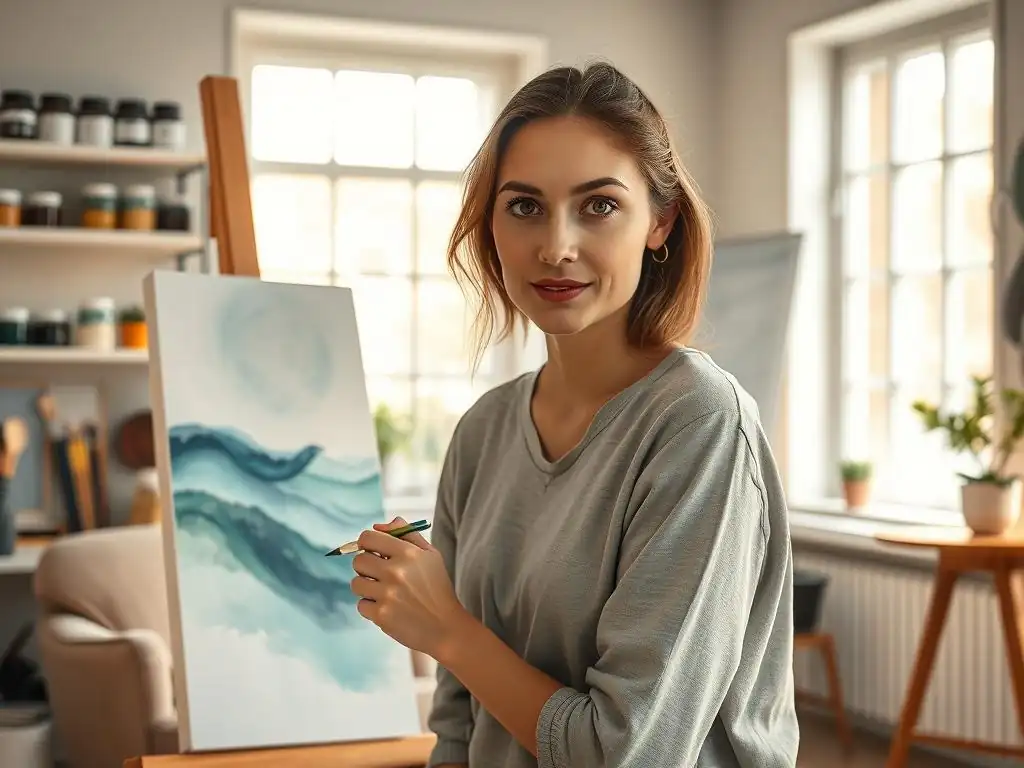
Welcome to Mind Care Guide, a sanctuary dedicated to nurturing your mental well-being. Feeling overwhelmed by anxiety? You're not alone. Discover how art therapy for anxiety relief can unlock your inner peace and provide a powerful outlet for emotions you might not even know you're holding. Intrigued? Let's explore how unleashing your creativity can be the key to a calmer, more balanced you.
Healing Through Harmony: Using Your Art as a Mental Wellness Tool
- Introduction: Unleashing Your Inner Artist for Mental Wellbeing
- Understanding the Connection: Art, Mind, and Emotions
- Art Therapy Techniques for Anxiety and Stress Reduction
- Practical Exercises: Art Therapy Activities You Can Do at Home
- Benefits of Art Therapy: Beyond Anxiety Relief
- Integrating Art into Your Daily Life for Mental Wellness
- Seeking Professional Guidance: When to Consult an Art Therapist
- Art as a Lifelong Journey: Cultivating Creativity for Sustained Mental Wellness
- Conclusion: Empowering Your Mental Wellbeing Through Art
-
Frequently Asked Questions
- What exactly is art therapy, and how does it relate to mental well-being?
- How can art therapy specifically help with anxiety relief?
- Do I need to be "good" at art to benefit from art therapy?
- What types of art activities are commonly used in art therapy for anxiety relief?
- Where can I find a qualified art therapist or resources for learning more about art therapy?
- Final Reflection: The Enduring Power of Artistic Self-Care
- Unleash Your Inner Artist: Find Peace Through Creative Expression
Introduction: Unleashing Your Inner Artist for Mental Wellbeing
The Power of Creative Expression in Mental Health
Creative expression serves as a powerful conduit for navigating the complexities of the human experience, offering a unique pathway to process emotions and thoughts that may be difficult to articulate verbally. Engaging in artistic activities, whether it's painting, writing, music, or dance, taps into different areas of the brain, fostering new connections and perspectives.
This process isn't about creating masterpieces; it's about the act of making itself – the tactile sensation of clay, the vibrant burst of color on a canvas, or the rhythm of words forming a sentence. It's a form of non-verbal communication with ourselves and the world around us, allowing for the exploration of inner landscapes without the pressure of judgment.
Research into the impact of creative activities on mental health consistently points towards positive outcomes. Studies have shown that engaging in art can lower stress levels, reduce symptoms of depression, and enhance overall emotional resilience.
For example, a review of multiple studies involving hundreds of participants indicated that regular participation in creative arts activities was associated with significant improvements in mood and a decrease in reported anxiety symptoms. This isn't limited to formal therapy settings; even casual creative pursuits at home can yield substantial benefits for psychological wellbeing, acting as a buffer against daily stressors and promoting a sense of calm and presence.
Art Therapy for Anxiety Relief: A Gateway to Inner Peace
Art therapy, as a specialized form of creative expression guided by a trained professional, offers a structured and supportive environment specifically tailored for therapeutic outcomes. It leverages the creative process to help individuals explore self-expression, develop coping skills, manage behavior, reduce stress, and improve self-awareness. For those struggling with persistent worry, restlessness, and the physical manifestations of unease, art therapy for anxiety relief provides a gentle yet effective approach to confronting these feelings without being overwhelmed.
The therapeutic relationship with a qualified art therapist is crucial. They are trained to interpret the symbolic language of art and guide individuals through their creative journey, helping them uncover insights and develop strategies for managing anxiety. The focus isn't on artistic talent, but on the process and the feelings evoked.
For instance, someone experiencing intense anxiety might be guided to create abstract representations of their feelings, allowing them to externalize and examine their internal state in a safe, contained way. This externalization can make overwhelming emotions feel more manageable and understandable, paving the way for developing healthier coping mechanisms and achieving a greater sense of inner peace.
Understanding the Connection: Art, Mind, and Emotions
The Neuroscience Behind Art and Emotional Regulation
The act of creating art engages multiple areas of the brain, including those responsible for emotion, memory, and sensory processing. When we pick up a brush or shape clay, we activate the prefrontal cortex, involved in planning and decision-making, and the limbic system, which governs emotions. This interplay helps to integrate feelings with cognitive processes, facilitating emotional regulation. For example, studies using fMRI scans have shown increased activity in the reward centers of the brain during creative tasks, suggesting that art can literally make us feel better by releasing neurotransmitters like dopamine.
Furthermore, engaging in repetitive or rhythmic artistic actions, such as knitting, doodling, or sculpting, can have a calming effect on the nervous system, similar to meditation or mindfulness exercises. These activities can reduce the activity in the amygdala, the brain's fear center, which is often hyperactive in individuals experiencing high levels of anxiety. This neurobiological response underlies the effectiveness of using art therapy for anxiety relief, providing a tangible way to quiet the 'fight or flight' response and promote a state of relaxation.
How Art Helps Process Trauma and Difficult Feelings
Art provides a non-verbal avenue for processing deeply buried or difficult emotions, particularly those associated with trauma. Traumatic experiences can often leave individuals speechless or unable to articulate their feelings through conventional language. Art bypasses this verbal barrier, allowing the subconscious to express itself through symbols, colors, and forms. Creating images related to a traumatic event, or even just expressing the feeling of it abstractly, can help individuals externalize their pain and gain a sense of control over overwhelming memories.
In therapeutic settings, art can serve as a bridge to verbal processing when the individual is ready. A therapist might ask about a specific element in a drawing or sculpture, prompting a conversation about the feelings or memories it represents. This step-by-step approach, moving from non-verbal expression to verbal articulation, is particularly effective in trauma recovery. For instance, a client who survived a difficult event might create a series of images over time that depict their journey from darkness and fragmentation towards light and integration, demonstrating their progress in processing and healing from the experience.
Art Therapy Techniques for Anxiety and Stress Reduction
Painting and Drawing for Emotional Release
Painting and drawing offer immediate and versatile ways to express emotions, especially when words fail. The simple act of putting color or line onto paper can be incredibly cathartic. You don't need to be skilled; abstract scribbles, energetic brushstrokes, or soft washes of color can all convey internal states. For anxiety relief, spontaneous drawing or painting can help externalize worries. Imagine feeling overwhelmed by chaotic thoughts – translating that chaos onto paper with intense lines or dark colors can be a powerful release.
A specific technique involves "feeling drawings," where you focus on a particular emotion, like anxiety, and draw or paint whatever comes to mind without judgment or planning. Another approach is using specific colors to represent different feelings or aspects of your anxiety. For example, using vibrant reds and oranges might represent the agitated energy of panic, while cool blues and greens could be used to depict a desired state of calm. This process allows you to visually confront your feelings and can make them feel less daunting.
Sculpting and Pottery: Grounding Techniques for Anxiety
Working with three-dimensional materials like clay or playdough offers a deeply grounding experience, particularly beneficial for managing anxiety. The tactile nature of molding and shaping material engages the senses and can help bring focus to the present moment, pulling you away from anxious thoughts about the past or future. The physical effort involved in kneading clay can also be a healthy outlet for pent-up energy and tension often associated with stress and anxiety.
Sculpting allows for the creation of tangible forms that can represent feelings or aspects of oneself. You might sculpt a physical representation of your anxiety, giving it form and externalizing it, which can make it feel less overwhelming. Alternatively, you could create a form that represents strength, peace, or resilience, using the material to build a symbol of hope or a desired state of being. This process of giving physical form to internal states provides a unique way to interact with and potentially transform difficult emotions.
Collage and Mixed Media: Exploring Identity and Self-Expression
Collage and mixed media techniques involve assembling various materials – paper scraps, fabric, photographs, found objects – to create a new whole. This process is excellent for exploring complex feelings, identity, and self-perception. For anxiety relief, collage can be used to visually represent fragmented feelings or to build an image of a desired future or a safe space. The act of selecting, tearing, cutting, and pasting can be both meditative and empowering.
Creating a collage about your identity or exploring different facets of yourself can help build self-awareness and acceptance, which are crucial in managing anxiety. You might collect images and words that resonate with your true self, separate from the anxious thoughts that might define you. This visual affirmation can strengthen your sense of self and resilience. Similarly, creating a collage representing your worries and then another representing your strengths or coping mechanisms can be a powerful way to visually understand and balance your internal landscape.
Journaling and Creative Writing: Finding Clarity and Meaning
While often considered separate from visual arts, journaling and creative writing are potent forms of artistic expression for mental wellness. Writing down thoughts and feelings can provide clarity, help process experiences, and identify patterns in thinking that contribute to anxiety. Stream-of-consciousness writing, where you write continuously without editing, can be particularly effective for releasing pent-up thoughts and emotions.
Beyond simple journaling, creative writing techniques like writing poetry, short stories, or even fictional dialogues can allow you to explore difficult themes or emotions through metaphor and narrative. For example, you might create a character who experiences anxiety and write their story, gaining perspective on your own struggles from a distance. This narrative distance can make overwhelming feelings feel more manageable and offer insights into potential solutions or coping strategies. The act of structuring thoughts into a narrative or poetic form can bring a sense of order to internal chaos.
Practical Exercises: Art Therapy Activities You Can Do at Home
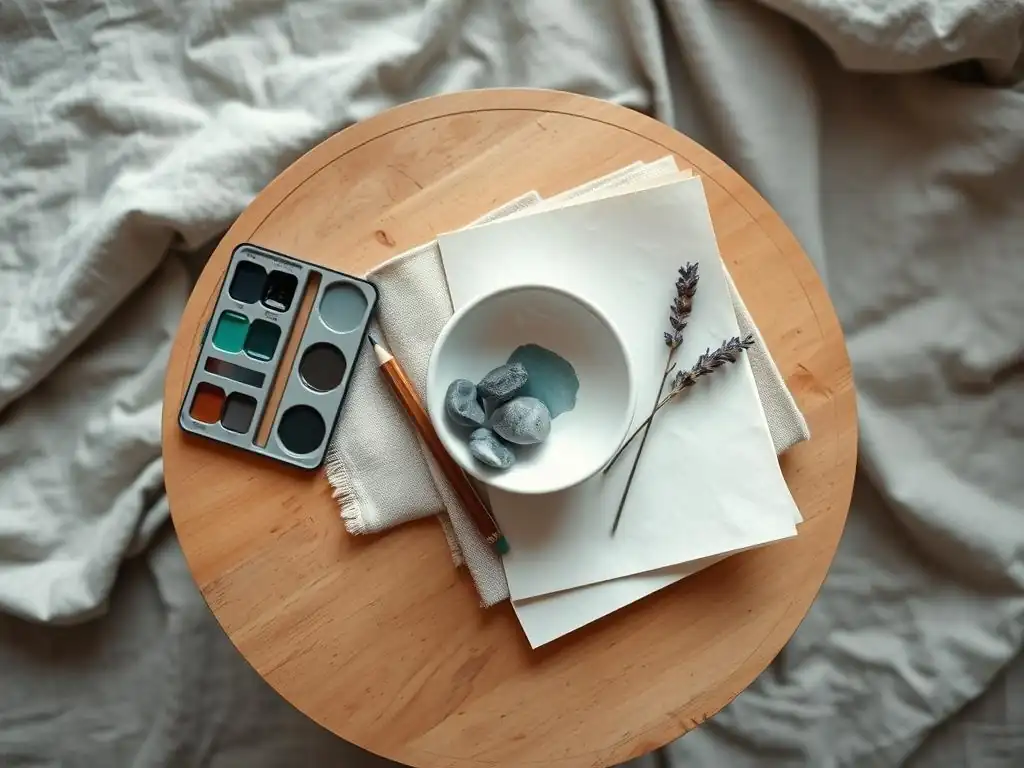
Guided Drawing for Anxiety Reduction: A Step-by-Step Guide
Guided drawing is a simple yet effective technique for managing anxiety from home.
- Find a quiet space: Ensure you won't be interrupted for 15-30 minutes.
- Gather materials: You'll need paper and drawing tools (pencils, crayons, markers).
- Tune into your body: Close your eyes or soften your gaze. Notice where you feel anxiety in your body. Is it a tightness in your chest, butterflies in your stomach, tension in your shoulders?
- Choose a color: Select a color that represents the feeling or sensation of anxiety you are experiencing.
- Start drawing: Without planning, let your hand move on the paper, expressing that feeling through lines, shapes, and intensity. Don't try to draw something recognizable; focus on the movement and the feeling.
- Continue for 5-10 minutes: Allow the drawing to unfold naturally. You can switch colors if your feelings change.
- Observe: When you feel ready to stop, look at what you've created. Notice the colors, lines, and forms. How does the drawing feel? Does it look like your anxiety feels?
- Reflect (optional): You can write a few words about the experience or the drawing. This step helps process what emerged.
This exercise allows you to externalize your internal state, making the abstract feeling of anxiety tangible and less overwhelming. It's a way to communicate with yourself non-verbally and release tension through physical action.
Mindful Coloring: Finding Calm in Patterns and Designs
Mindful coloring, often using mandalas or intricate patterns, has gained popularity as a stress-reduction technique. The repetitive motion of coloring within lines, combined with focusing on color choices and staying within boundaries, helps anchor your attention to the present moment, pulling you away from anxious rumination. It's a low-pressure activity that requires just enough focus to be engaging without being demanding.
The act of choosing colors can also be therapeutic. You might instinctively pick colors that you need – calming blues, energizing yellows, or grounding greens. The process of filling the space with color can be deeply satisfying and meditative. Research has indicated that just 20 minutes of coloring can lead to a measurable decrease in anxiety levels, similar to the effects seen with other mindfulness practices. It's accessible, requires no artistic skill, and can be done almost anywhere, making it an excellent tool for immediate anxiety relief.
Creating a Vision Board for Future Hope and Goals
A vision board is a collage of images and words representing your hopes, dreams, and goals. While it focuses on the future, the process of creating one can be incredibly grounding and anxiety-reducing in the present. Anxiety often stems from uncertainty about the future; creating a vision board helps to clarify what you do want and provides a visual reminder of positive possibilities, shifting focus from potential threats to desired outcomes.
The process involves selecting images and words from magazines, printouts, or even your own drawings that resonate with your aspirations for different areas of your life – career, relationships, health, personal growth, etc. Arranging and pasting these elements onto a board creates a tangible representation of your future self and desired experiences. Looking at your vision board regularly can reinforce positive feelings, build a sense of purpose, and reduce the feeling of being adrift, which often fuels anxiety. It's a proactive and creative way to engage with your future in a hopeful rather than fearful way.
Benefits of Art Therapy: Beyond Anxiety Relief
Improved Self-Esteem and Confidence Through Art
Engaging in creative activities, particularly within the supportive framework of art therapy, can significantly boost self-esteem and confidence. The process of creating something, bringing an idea into tangible form, provides a sense of accomplishment. It's not about the final product's aesthetic value, but the courage to express oneself and the experience of completing a creative task. This sense of mastery, even in small steps, builds confidence in one's abilities.
Furthermore, art therapy provides a safe space for self-exploration without judgment. As individuals create and share their art, they receive validation for their feelings and experiences. This acceptance can be profoundly healing, especially for those whose self-esteem has been eroded by difficult life events or persistent anxiety. Seeing their own internal world externalized and accepted by a therapist or group members reinforces their worth and validates their perspective, leading to a stronger sense of self.
Enhanced Communication Skills and Emotional Intelligence
Art serves as a powerful non-verbal language, offering new ways to communicate feelings and experiences that might be difficult to express verbally. Through the use of symbols, colors, and forms, individuals can convey complex emotions and nuances of their internal state. This process of externalizing feelings visually enhances emotional literacy – the ability to identify, understand, and manage one's own emotions and recognize and influence the emotions of others.
In group art therapy settings, discussing one's artwork or responding to the artwork of others fosters empathy and improves interpersonal communication skills. Learning to articulate what a piece of art represents, or listening to others explain their creations, builds a vocabulary for emotional experiences and encourages perspective-taking. This enhanced emotional intelligence is invaluable for navigating relationships, managing conflicts, and generally improving one's ability to connect with others, contributing to overall mental wellness.
Increased Self-Awareness and Personal Growth
The creative process inherent in art therapy is deeply introspective. As individuals engage with materials and create, they often tap into subconscious thoughts, memories, and feelings. The artwork itself can serve as a mirror, reflecting aspects of the self that were previously hidden or unacknowledged. A recurring symbol, a dominant color choice, or a particular style of mark-making might reveal underlying patterns of thought or feeling.
Discussing the artwork with a therapist provides an opportunity for guided reflection and interpretation, leading to profound insights about oneself. This increased self-awareness is a cornerstone of personal growth. Understanding why you feel a certain way, what triggers your anxiety, or how you typically respond to challenges empowers you to make conscious choices and develop healthier coping strategies. Art therapy facilitates this journey of self-discovery, promoting resilience and enabling significant personal development.
Integrating Art into Your Daily Life for Mental Wellness
Creating a Dedicated Art Space for Relaxation and Creativity
Having a dedicated space for creative activities, no matter how small, can make a significant difference in consistently integrating art into your routine. This doesn't require a full studio; it could be a corner of a room, a specific table, or even a portable box containing supplies that you can set up easily. The key is to have a place where you feel comfortable and inspired, a sanctuary where you can escape daily pressures and immerse yourself in the creative process.
Making this space inviting is important. Keep your materials organized and accessible. Add elements that bring you comfort or inspiration, like a plant, a comfortable chair, or images you find uplifting. This dedicated area signals to your brain that it's time to switch gears, relax, and engage in creativity. It removes the barrier of having to set up and put away materials every time you want to create, making it easier to make art a regular part of your self-care routine for anxiety relief and general wellbeing.
Scheduling Time for Creative Expression: Making Art a Priority
In busy lives, creative activities often fall to the bottom of the priority list. However, treating art as a non-negotiable appointment with yourself is crucial for reaping its mental wellness benefits. Just as you would schedule exercise or a doctor's appointment, block out specific time slots for creative expression. Even 15-20 minutes a few times a week can make a difference.
Start small. Maybe it's 15 minutes of sketching during your lunch break, 30 minutes of painting after work, or an hour of crafting on the weekend. The consistency is more important than the duration. Making a conscious effort to prioritize this time sends a message to yourself that your mental health and creative needs are important. This scheduled practice helps build a routine, making creative expression a natural and integrated part of your life for sustained stress and art therapy for anxiety relief.
Joining Art Groups and Communities for Support and Inspiration
Connecting with others through art can amplify its benefits for mental wellness. Joining an art class, a local crafting group, or an online creative community provides opportunities for shared experience, mutual support, and inspiration. Creating alongside others, even in silence, can foster a sense of connection and belonging, counteracting feelings of isolation that can exacerbate anxiety.
Sharing your work (if you feel comfortable) and seeing others' creations can provide new perspectives and ideas. Receiving positive feedback or simply knowing that others understand the therapeutic value of art can be incredibly validating. These communities offer a space to learn new techniques, stay motivated, and build relationships based on a shared passion for creativity. This social aspect adds another layer to the healing power of art, combining the benefits of creative expression with the support of a community.
Seeking Professional Guidance: When to Consult an Art Therapist
Understanding the Role of a Registered Art Therapist
A registered art therapist (ATR) or board-certified art therapist (ATCB) is a mental health professional specifically trained in both art and therapy. They hold a master's degree or higher and have completed supervised clinical hours. Their expertise lies in understanding human development, psychological theories, clinical practice, and the therapeutic potential of art materials and creative processes. They don't teach art techniques in a traditional sense; rather, they facilitate the creative process to help clients explore emotions, resolve conflicts, improve self-awareness, and manage behavioral and emotional challenges.
Unlike a recreational art instructor or someone who simply uses art in their practice, an art therapist is equipped to work with individuals facing a wide range of mental health conditions, including anxiety disorders, depression, trauma, grief, and addiction. They use various art modalities and techniques tailored to the client's needs and therapeutic goals, providing a safe, ethical, and clinically informed environment for healing and growth. Their role is to guide, support, and interpret, not to judge or critique artistic skill.
Finding a Qualified Art Therapist in Your Area
Finding a qualified art therapist typically involves searching directories provided by professional organizations. In the United States, the American Art Therapy Association (AATA) offers a searchable directory of registered and board-certified art therapists. Other countries have similar national associations. Searching online for "registered art therapist near me" or consulting with your primary care physician or a mental health professional for referrals are also good starting points.
When looking for an art therapist, consider their credentials (ATR, ATR-BC), experience with your specific concerns (e.g., art therapy for anxiety relief), and therapeutic approach. Many therapists offer a brief initial consultation to see if there's a good fit. Don't hesitate to ask about their background, how they use art in therapy, and what you can expect from sessions. Finding a therapist you feel comfortable and safe with is paramount to the success of the therapeutic process.
Signs You Might Benefit from Professional Art Therapy
While using art independently for mental wellness is beneficial, there are times when the structured support of a professional art therapist is particularly helpful. Consider seeking professional art therapy if you are experiencing persistent or overwhelming anxiety that interferes with your daily life, relationships, or work. If you find it difficult to talk about your feelings, if you've experienced trauma that feels too difficult to verbalize, or if you're struggling with complex emotions you can't fully understand, art therapy can provide a non-threatening way to begin processing these issues.
Other signs include feeling stuck in your healing journey, recurring nightmares or flashbacks, difficulty managing stress, low self-esteem that impacts your functioning, or a desire for deeper self-exploration guided by a professional. Art therapy for anxiety relief is especially effective when anxiety is rooted in past experiences or complex emotional dynamics. A qualified art therapist can help you navigate these depths safely and develop sustainable coping strategies beyond what self-guided practice can offer.
Art as a Lifelong Journey: Cultivating Creativity for Sustained Mental Wellness
Embracing Imperfection and Experimentation in Art
A key to sustaining a creative practice for mental wellness is letting go of the need for perfection. The goal of using art for healing is the process itself, not the creation of flawless artwork. Embracing imperfection frees you from the pressure of judgment and allows for genuine self-expression. Smudges, uneven lines, or unexpected color mixes aren't mistakes; they are authentic reflections of the creative journey and your internal state at that moment.
Experimentation is also vital. Don't be afraid to try new materials, techniques, or approaches. If drawing feels frustrating, try collage. If painting feels overwhelming, try sculpting with simple materials like playdough. Allowing yourself to experiment keeps the process fresh and engaging. It also mirrors life – not everything turns out as planned, and learning to adapt and find beauty in the unexpected is a valuable life skill that art can help cultivate, contributing to resilience against anxiety.
Using Art as a Tool for Self-Reflection and Growth
Beyond the act of creation, dedicating time to reflect on your artwork is crucial for leveraging its potential for self-awareness and growth. After completing a piece, take a moment to observe it. What colors did you use most? What feelings or thoughts came up while you were creating? Does the artwork remind you of anything? You can write down your observations or talk about them with a trusted friend or therapist.
Over time, looking back at previous artwork can provide valuable insights into your emotional landscape and personal journey. You might notice recurring themes, symbols, or shifts in your style that reflect your growth or current challenges. This ongoing dialogue with your art fosters a deeper understanding of yourself, helps track your progress in managing anxiety and other mental health concerns, and highlights areas where you might still need to focus your energy.
The Ongoing Benefits of Creative Expression for Mental Health
Integrating creative expression into your life is not a one-time fix but an ongoing practice that offers sustained benefits for mental wellness. Regular engagement with art provides a consistent outlet for stress, a reliable method for processing emotions, and a continuous pathway for self-discovery. It builds resilience, enhances mood, and promotes a sense of purpose and joy.
Think of it as exercise for your emotional and mental muscles. Just as physical exercise keeps your body healthy, creative expression keeps your mind and spirit healthy. Whether you continue with structured art therapy for anxiety relief or maintain a personal creative practice, art remains a powerful ally in navigating life's challenges, fostering self-compassion, and cultivating a harmonious relationship with yourself.
Conclusion: Empowering Your Mental Wellbeing Through Art
Frequently Asked Questions
What exactly is art therapy, and how does it relate to mental well-being?
Art therapy is a form of psychotherapy that uses creative methods like painting, drawing, and sculpting to explore emotions and improve mental health. It provides a non-verbal outlet for expression, aiding in self-discovery and emotional regulation.
How can art therapy specifically help with anxiety relief?
Art therapy offers a distraction from anxious thoughts and helps individuals process difficult emotions in a safe and controlled environment. The creative process can reduce stress hormones and promote relaxation.
Do I need to be "good" at art to benefit from art therapy?
Absolutely not! Art therapy is not about creating a masterpiece; it's about the process of creating, not the finished product. The focus is on self-expression and emotional exploration.
What types of art activities are commonly used in art therapy for anxiety relief?
Common activities include drawing, painting, sculpting, collage, and journaling. The specific activity is often tailored to the individual's needs and preferences to maximize effectiveness.
Where can I find a qualified art therapist or resources for learning more about art therapy?
You can find qualified art therapists through professional organizations like the American Art Therapy Association. Mind Care Guide also provides resources and information on various mental health challenges including art therapy.
Final Reflection: The Enduring Power of Artistic Self-Care
The creative process, far from being a mere hobby, offers a potent antidote to the anxieties of modern life. In a world increasingly dominated by digital distractions and relentless pressure, the ability to find solace and healing through art is not a luxury, but a vital skill. This article explored the multifaceted ways in which engaging with artistic expression can alleviate anxiety, fostering a sense of calm and self-discovery.
The impact of art on mental well-being is undeniable, weaving its way through the cultural tapestry of our lives. From ancient cave paintings expressing primal emotions to contemporary mindfulness coloring books, the therapeutic power of art transcends time and culture. It provides a non-judgmental space for self-expression, allowing us to process complex feelings and experiences without the pressure of verbal articulation. Art washes away from the soul the dust of everyday life.
– Pablo Picasso. This quote perfectly encapsulates the cleansing and restorative nature of artistic practice, offering a refuge from the overwhelming demands of daily existence.
Now, consider your own creative potential. What medium speaks to you? What colors, textures, or forms resonate with your inner landscape? Don't be afraid to experiment, to explore, to simply be in the process. Even a few minutes spent sketching, painting, sculpting, or writing can offer a profound shift in perspective, a moment of calm amidst the storm. Embrace the power of art as a tool for self-care, and discover the healing harmony within yourself.
Unleash Your Inner Artist: Find Peace Through Creative Expression
Thanks for taking the time to explore the powerful connection between art and mental wellness! We hope you discovered new ways to nurture your mind and spirit through creative expression. Now it's time to put your newfound knowledge into practice.
- Begin your own creative journey today: Even five minutes of sketching, painting, or sculpting can make a difference. Start small, and don’t worry about perfection—focus on the process and how it makes you feel.
- Share your creative process: Post a picture of your work in progress on social media and use the hashtag #MindCareArt to connect with other mindful creators.
- Explore a new artistic medium: Try something you’ve never done before – pottery, calligraphy, digital art – and see where your creativity takes you!
What creative spark will you ignite today to boost your mental wellbeing?