
Bipolar & Brilliance: Navigating Mood Swings in the Creative Life

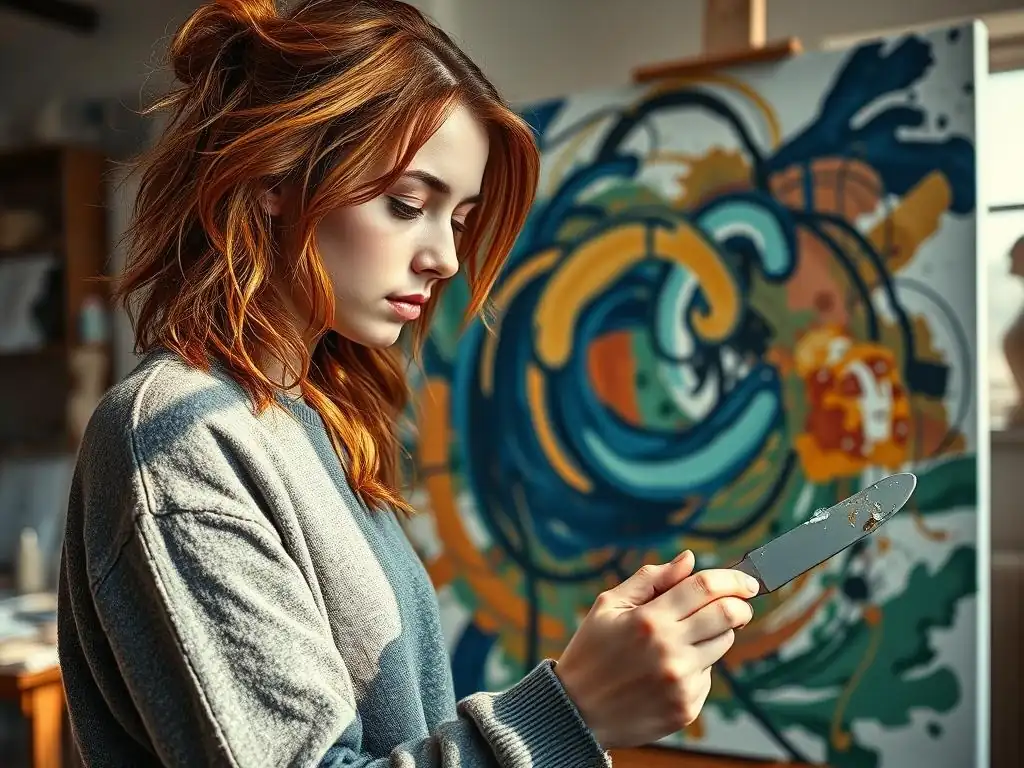
Welcome to Mind Care Guide, a space dedicated to your mental well-being.
Ever wondered how the ebb and flow of mood can influence creative expression? Many artists and thinkers throughout history have lived with bipolar disorder, experiencing the highs and lows that can both fuel and challenge their work. In this article, we delve into the fascinating connection between bipolar creativity managing mood swings, exploring strategies for harnessing your unique potential while navigating the complexities of mental health. Join us as we uncover the power within you and discover pathways to a balanced and fulfilling creative life.
Navigating Bipolar Disorder in Creative Professions
- Understanding Bipolar Disorder and its Impact on Creative Work
- The Creative Process Affected by Bipolar Disorder: Challenges and Strategies
- Strategies for Balancing Mood and Creative Output
- Practical Tools for Creative Professionals with Bipolar Disorder
- Success Stories: Creative Professionals Living with Bipolar Disorder
- Seeking Professional Help for Bipolar Disorder
- Conclusion: Thriving as a Creative Professional with Bipolar Disorder
-
Frequently Asked Questions
- What is the connection between bipolar disorder and creativity, as discussed on Mind Care Guide?
- How does Mind Care Guide help individuals with bipolar disorder manage their mood swings?
- What are some practical tips Mind Care Guide offers for creative individuals with bipolar disorder to channel their energy during manic or hypomanic episodes?
- Does Mind Care Guide address the potential downsides of bipolar disorder on creativity?
- Where can I find more resources and support for managing bipolar disorder and creativity on Mind Care Guide?
- Final Reflection: Embracing the Spectrum of Creativity
- Unleash Your Creative Power: Actionable Steps for a Thriving Life
Understanding Bipolar Disorder and its Impact on Creative Work
Defining Bipolar Disorder: Types and Characteristics
Bipolar disorder is a complex mental health condition characterized by significant shifts in mood, energy levels, thinking, and behavior. These shifts typically manifest as distinct episodes of elevated mood (mania or hypomania) and depressed mood. The Diagnostic and Statistical Manual of Mental Disorders, Fifth Edition ( DSM-5) outlines several types, primarily Bipolar I and Bipolar II. Bipolar I disorder is defined by at least one manic episode, which may be preceded or followed by hypomanic or major depressive episodes. Mania is a period of abnormally elevated, expansive, or irritable mood and increased activity or energy, lasting at least one week and present most of the day, nearly every day.
Bipolar II disorder is characterized by at least one major depressive episode and at least one hypomanic episode, but never a full manic episode. Hypomania is a less severe form of elevated mood than mania, typically lasting at least four consecutive days. Both types involve significant distress or impairment in social, occupational, or other important areas of functioning.
Cyclothymic disorder is another type involving numerous periods of hypomanic symptoms and periods of depressive symptoms that are less severe than a major depressive episode, persisting for at least two years. These fluctuating mood states present unique challenges, particularly for individuals in creative fields where emotional intensity and consistent output are often perceived as crucial.
The Relationship Between Bipolar Disorder and Creativity: Research and Theories
For decades, researchers have explored a potential link between creativity and mood disorders, including bipolar disorder. Studies, such as those conducted by Dr. Kay Redfield Jamison, a clinical psychologist and professor who also lives with bipolar disorder, have found higher rates of mood disorders among creative individuals compared to the general population. For example, Jamison's research cited in her book Touched with Fire: Manic-Depressive Illness and the Artistic Temperament suggests that artists, writers, and composers may be significantly more likely to experience bipolar disorder. While correlation does not equal causation, several theories attempt to explain this observed association.
One prominent theory posits that the altered states of consciousness experienced during mood episodes might facilitate creative thinking. Hypomanic or manic states can involve increased energy, rapid thought processes, heightened sensory perception, and reduced inhibitions, which some individuals report as conducive to generating ideas or working intensely for extended periods. Conversely, the introspective nature of depressive states might foster deeper emotional understanding and provide rich material for creative expression.
However, it's crucial to emphasize that severe mood episodes, particularly full-blown mania and major depression, are often debilitating and significantly hinder, rather than help, sustained creative work. The notion that one must suffer to create is a harmful simplification of a complex relationship.
Debunking Myths: Bipolar Disorder and Artistic Expression
A persistent myth is that bipolar disorder is necessary or even beneficial for creativity. This romanticized view overlooks the severe suffering and functional impairment caused by the illness. While some individuals may harness aspects of hypomania for bursts of productivity or draw from emotional depth during milder depressive phases, the extremes of bipolar disorder are detrimental to sustained creative output and overall well-being. Severe mania can lead to disorganized thinking, impulsivity, poor judgment, and inability to focus, making coherent creative work difficult or impossible. Major depression drains energy, motivation, and concentration, often leading to creative blocks and despair.
Furthermore, attributing creativity solely to mental illness risks stigmatizing both individuals with bipolar disorder and creative professionals who do not have the condition. Creativity is a complex trait influenced by numerous factors, including innate talent, skill development, dedication, environment, and life experiences. While the intense emotional landscape of bipolar disorder can inform creative expression for some, it is the individual's resilience, treatment, and management strategies that allow them to navigate the challenges and effectively engage in bipolar creativity managing mood swings to sustain their artistic pursuits. True brilliance stems from the individual, not the disorder itself.
The Creative Process Affected by Bipolar Disorder: Challenges and Strategies
Mood Swings and Creative Output: Impact and Management
The hallmark of bipolar disorder is the unpredictable fluctuation between elevated and depressed moods, which profoundly impacts the creative process. During depressive episodes, creative individuals often experience a loss of interest or pleasure in activities, including their art form. Energy levels plummet, concentration becomes difficult, and feelings of worthlessness or hopelessness can stifle inspiration and motivation. This can lead to prolonged periods of creative inactivity, known as "blocks," which are deeply frustrating for professionals whose livelihood and identity are tied to their creative output.
Conversely, hypomanic or manic episodes can bring about periods of intense creative energy and productivity. Ideas might flow rapidly, and the desire to work can be overwhelming. However, this state can also lead to impulsivity, taking on too many projects, difficulty completing tasks due to distractibility, and producing work that is chaotic or lacks refinement. Managing these extremes is key to harnessing the potential for bipolar creativity managing mood swings effectively. Strategies include establishing routines regardless of mood, setting realistic goals during all phases, and using mood tracking to anticipate shifts and adjust expectations and workflows accordingly.
Managing Manic Episodes: Channeling Energy Productively
Managing manic or hypomanic episodes is crucial for sustaining creative work and preventing negative consequences. While the surge of energy can feel productive, unmanaged mania can lead to poor decision-making, financial problems (like excessive spending on materials or equipment), damaged relationships, and ultimately, creative output that is erratic or unfinished. A key strategy is to recognize the onset of an elevated mood state early. Symptoms might include decreased need for sleep, racing thoughts, increased talkativeness, or engaging in risky behavior.
Once recognized, individuals can implement pre-planned strategies. This might involve channeling the excess energy into focused creative work within limits, rather than scattering attention across multiple projects. Structuring the creative process with clear goals and deadlines, even during high-energy phases, can help maintain direction.
It's also vital to prioritize sleep, avoid stimulants like excessive caffeine or alcohol, and lean on a support system to help maintain perspective and prevent impulsive actions that could derail both personal life and professional standing. Learning effective strategies for bipolar creativity managing mood swings during elevated states involves balancing the surge of ideas with grounded execution.
Overcoming Depressive Episodes: Maintaining Momentum and Finding Inspiration
Depressive episodes present the challenge of low energy, lack of motivation, and creative paralysis. For a creative professional, this can feel like losing a part of their identity. Maintaining momentum during these periods requires different strategies than managing mania. It's important to be compassionate with oneself and recognize that productivity will likely decrease. The goal shifts from high output to maintaining a connection with the creative process, however minimal.
- Break tasks into small, manageable steps. Instead of aiming to complete a whole project, focus on one small element, like sketching for 15 minutes, writing a single paragraph, or practicing an instrument for a short duration.
- Seek external inspiration. Engage with other art forms, nature, or conversations that might gently spark interest without pressure to create immediately.
- Prioritize self-care. Ensure basic needs like sleep, nutrition, and minimal physical activity are met, as these are foundational to mental and creative energy.
- Utilize routine. Sticking to a daily structure, even if it involves less creative work, can provide stability and a sense of accomplishment.
Finding inspiration when feeling empty is difficult, but sometimes the act of simply showing up to the workspace or engaging minimally with the creative medium can eventually lead to a spark. It's about gentle persistence rather than forceful production during these challenging times for bipolar creativity managing mood swings.
Strategies for Balancing Mood and Creative Output

Diagnosis and Treatment: Essential for Creative Professionals with Bipolar Disorder
Receiving an accurate diagnosis is the foundational step for any creative professional navigating bipolar disorder. Without a correct diagnosis, symptoms may be misunderstood or mismanaged, leading to continued instability that severely hinders both personal well-being and professional capacity. A diagnosis, typically made by a psychiatrist or clinical psychologist based on the individual's history and symptom patterns, provides clarity and opens the door to effective treatment options.
Treatment for bipolar disorder is multifaceted and typically involves a combination of medication, therapy, and lifestyle adjustments. Studies consistently show that consistent treatment significantly reduces the frequency and severity of mood episodes. For instance, research indicates that individuals who adhere to treatment plans experience fewer hospitalizations and better long-term outcomes.
Embracing treatment is not a sign of weakness; it is a proactive and essential strategy for a creative professional to achieve stability, which in turn supports consistent and sustainable creative work. It allows for the development of effective strategies for bipolar creativity managing mood swings rather than being controlled by them.
Therapy and Counseling: Developing Coping Skills and Emotional Regulation
Psychotherapy plays a vital role in helping individuals with bipolar disorder understand their illness, recognize early warning signs of mood shifts, and develop effective coping mechanisms. Modalities such as Cognitive Behavioral Therapy (CBT), Dialectical Behavior Therapy (DBT), and Interpersonal and Social Rhythm Therapy (IPSRT) are particularly beneficial. CBT helps individuals identify and challenge negative thought patterns that contribute to depression and develop strategies for managing impulsivity during elevated moods. DBT focuses on emotional regulation, distress tolerance, and interpersonal effectiveness – skills crucial for navigating intense mood states and maintaining healthy relationships.
IPSRT is specifically designed for bipolar disorder and emphasizes the importance of stabilizing daily rhythms, such as sleep-wake cycles and social routines. Disruptions in these rhythms can often trigger mood episodes. By adhering to regular schedules, individuals can enhance mood stability. Therapy provides a safe space to process the emotional impact of living with bipolar disorder and its effect on one's creative identity. It equips creative professionals with practical tools to manage their moods, improve self-awareness, and build resilience, all of which are essential for fostering bipolar creativity managing mood swings effectively.
Medication Management: Balancing Stability and Creative Flow
Medication is often a cornerstone of bipolar disorder treatment, particularly for managing the severity of mood episodes. Mood stabilizers like lithium, valproate, lamotrigine, and certain atypical antipsychotics are commonly prescribed. Lithium, for example, has been shown in numerous studies dating back decades to be effective in reducing the frequency and intensity of both manic and depressive episodes, and significantly lowering suicide risk. Antidepressants may also be used, but typically in conjunction with a mood stabilizer to prevent triggering manic episodes.
Finding the right medication regimen is often a process of trial and error, and it requires close collaboration with a psychiatrist. Some creative professionals worry that medication might dull their emotions or creativity. While some side effects are possible, the goal of medication is to stabilize extreme mood swings, not eliminate emotional range.
By reducing the debilitating highs and lows, medication can actually free up mental and emotional energy that was previously consumed by the illness, allowing for more consistent and focused creative work. Effective medication management is a key component in achieving the stability needed for bipolar creativity managing mood swings sustainably.
Lifestyle Adjustments: Impact of Diet, Exercise, and Sleep
Beyond formal treatment, lifestyle factors significantly influence mood stability for individuals with bipolar disorder. Consistent sleep patterns are paramount; even minor sleep deprivation can trigger hypomania or mania in susceptible individuals. Aiming for 7-9 hours of sleep per night and maintaining a regular bedtime and wake-up schedule, even on weekends, is highly recommended. Research consistently shows that sleep deprivation is a major trigger for mood episodes in bipolar disorder.
Regular physical exercise has also been shown to have mood-stabilizing effects and can help alleviate symptoms of depression and anxiety. Aiming for at least 30 minutes of moderate exercise most days of the week can be beneficial. Diet also plays a role; while no specific diet cures bipolar disorder, maintaining balanced nutrition, avoiding excessive caffeine and sugar, and limiting alcohol intake can support overall mental and physical health.
Alcohol and recreational drugs can interfere with medication and trigger mood swings. Integrating these healthy habits into a daily routine provides a strong foundation for managing the illness and supporting consistent bipolar creativity managing mood swings.
Practical Tools for Creative Professionals with Bipolar Disorder
Mood Tracking: Identifying Patterns and Triggers
Mood tracking is an invaluable tool for anyone managing bipolar disorder, especially creative professionals whose work is so closely tied to their emotional state. By systematically recording moods, sleep patterns, energy levels, and significant life events or creative activities, individuals can identify patterns, early warning signs of mood shifts, and potential triggers. This data provides concrete insights that can be shared with therapists and psychiatrists to inform treatment adjustments.
Numerous methods exist for mood tracking, from simple pen-and-paper journals to sophisticated mobile apps. Some apps allow users to rate their mood on a scale (e.g., -3 for severe depression to +3 for severe mania), log sleep duration, track medication, and note daily activities or stressors. Reviewing this data regularly can help a creative professional recognize, for example, that late-night work sessions reliably precede hypomanic symptoms, or that skipping meals contributes to irritability. This self-awareness is crucial for proactively implementing strategies for bipolar creativity managing mood swings before they become severe.
Establishing a Routine: Balancing Creative Work and Self-Care
Creative work, particularly for freelancers or those with flexible schedules, can sometimes lack structure. However, for individuals with bipolar disorder, establishing and adhering to a consistent daily routine is a powerful tool for mood stability. A routine helps regulate the body's internal clock (circadian rhythms), which is often dysregulated in bipolar disorder. This doesn't mean every day must be rigidly identical, but rather establishing predictable times for waking up, going to bed, eating meals, exercising, and engaging in work and self-care activities.
A balanced routine for a creative professional might include dedicated blocks for focused creative work, time for administrative tasks, scheduled breaks, time for exercise, social interaction, and non-negotiable periods for sleep and meals. While bursts of intense creative focus are sometimes necessary, integrating them into a generally stable structure helps prevent burnout or triggering mood shifts. Prioritizing self-care activities within the routine ensures that well-being is not sacrificed for the sake of work, contributing significantly to bipolar creativity managing mood swings.
Building a Support Network: Connecting with Peers and Professionals
Navigating bipolar disorder and its impact on a creative career can feel isolating. Building a strong support network is essential. This network can include understanding family members and friends, fellow creative professionals who may or may not share similar experiences, and mental health professionals. Sharing experiences with peers who understand the unique challenges of balancing a creative life with a mood disorder can reduce feelings of shame and isolation and provide valuable insights and coping strategies.
Support groups, both in-person and online, offer a space for mutual support and shared learning. Organizations like the Depression and Bipolar Support Alliance (DBSA) or the National Alliance on Mental Illness (NAMI) offer resources and facilitate support groups. Connecting with other creative professionals who have learned to navigate bipolar creativity managing mood swings can offer practical advice and inspiration. Additionally, having trusted friends or family members who understand the illness can be crucial for identifying early warning signs of mood shifts and providing support during difficult periods.
Creative Expression: Utilizing Art, Music, and Writing for Emotional Release
Ironically, the very act of creative expression can serve as a powerful tool for managing the emotional intensity associated with bipolar disorder. Engaging in art, music, writing, dance, or any other creative outlet can provide a healthy channel for processing emotions, managing stress, and gaining perspective. During depressive episodes, creative expression might be a way to externalize difficult feelings or simply engage in a comforting activity. During elevated moods, it can be a way to channel excess energy into a focused activity.
This is distinct from the creative process itself, which might be aimed at producing a finished work for public consumption. Therapeutic creative expression is about the process itself – the act of creation for personal release and understanding. Keeping a journal, doodling, playing an instrument without aiming for performance, or engaging in spontaneous movement can all be beneficial.
Many individuals find that these practices help them stay grounded, process difficult experiences, and maintain a connection to their creative identity even when formal work is challenging. This therapeutic use of creative expression is a vital component of bipolar creativity managing mood swings.
Success Stories: Creative Professionals Living with Bipolar Disorder

Kay Jamison: Research and Personal Experience
Dr. Kay Redfield Jamison is a prominent example of someone who has successfully navigated a highly demanding professional life while living with bipolar disorder. A renowned clinical psychologist and professor of psychiatry at Johns Hopkins University School of Medicine, she has authored groundbreaking research on the link between mood disorders and creativity, including the seminal work Touched with Fire. Jamison has also been remarkably open about her own experiences with bipolar disorder, detailing her struggles with severe mania and depression in her memoir An Unquiet Mind.
Jamison's work not only provided significant scientific evidence for the association between mood disorders and artistic temperament but also humanized the experience of living with the illness. Her willingness to share her personal journey, including the challenges of diagnosis, treatment, and maintaining a professional career, has been a source of inspiration and validation for many. Her ability to channel her experiences into impactful research and writing exemplifies how individuals can navigate bipolar creativity managing mood swings to achieve significant professional and personal success.
Carrie Fisher: Advocacy and Creative Expression
Carrie Fisher, known globally for her role as Princess Leia in Star Wars, was also a prolific writer and outspoken advocate for mental health awareness. Fisher was diagnosed with bipolar disorder in her late 20s and publicly discussed her struggles with the illness, addiction, and the challenges of maintaining stability while working in the demanding entertainment industry. Through her books, including the semi-autobiographical novel Postcards from the Edge and her memoir Wishful Drinking, and her one-woman stage show, she used humor and candor to shed light on her experiences.
Fisher's advocacy played a significant role in reducing the stigma surrounding mental illness. She famously said, "If my life wasn't funny then it would just be true, and that is unacceptable." Her ability to transform her personal struggles into relatable and entertaining creative works demonstrated immense resilience. Fisher's legacy highlights how creative expression can be a powerful tool for processing lived experience and connecting with others, while also showcasing the possibility of thriving professionally while actively working on bipolar creativity managing mood swings.
Embracing the Creative Perspective: Finding Strength and Resilience
The experiences of individuals like Kay Jamison and Carrie Fisher, among countless other creative professionals, underscore a crucial point: living with bipolar disorder does not preclude a rich, productive, and brilliant creative life. While the illness presents significant challenges, it can also, for some, offer a unique perspective on the human condition, an intense emotional palette, and a deep well of experience to draw upon in their work. The key lies not in romanticizing the suffering, but in effectively managing the illness to unlock the potential for creativity without being consumed by the instability.
Embracing a perspective that views managing bipolar disorder as an integral part of supporting one's creative life is empowering. It shifts the focus from being a victim of the illness to becoming an active agent in one's well-being and creative journey. With the right diagnosis, treatment, support, and personal strategies for bipolar creativity managing mood swings, creative professionals can not only continue their work but potentially find new depths and resilience in their artistic expression.
Seeking Professional Help for Bipolar Disorder
Recognizing the Need for Professional Support
Recognizing that you need professional help is a sign of strength, not weakness. For creative professionals, the fluctuating moods of bipolar disorder can be particularly confusing and disruptive, sometimes misinterpreted as simply part of the "artistic temperament." However, if mood swings are significantly impacting your ability to function, maintain relationships, complete creative projects, or if you are experiencing periods of intense despair or reckless behavior, it is time to seek help.
Warning signs might include prolonged periods of intense sadness or hopelessness, significant changes in sleep or appetite, loss of interest in activities (including creative work), racing thoughts, impulsive decision-making, excessive energy with little need for sleep, or engaging in risky behaviors. If these symptoms are persistent and interfering with your life and work, reaching out to a mental health professional is the critical next step. Ignoring symptoms can lead to worsening episodes and greater difficulty in effectively managing bipolar creativity managing mood swings.
Finding a Mental Health Professional Specializing in Creative Professionals
While any qualified mental health professional can treat bipolar disorder, some individuals may benefit from working with someone who has experience or an understanding of the unique pressures and lifestyles of creative professionals. Therapists and psychiatrists familiar with the creative process may be better equipped to understand how mood swings specifically impact artistic output, the challenges of inconsistent income or schedules, and the pressure to constantly produce.
When seeking a professional, consider asking about their experience treating bipolar disorder and if they have worked with clients in creative fields. You can search for therapists or psychiatrists who list specializations in mood disorders, artists, or performance-related mental health. Finding a good fit is important, as a strong therapeutic alliance is key to successful treatment. Don't hesitate to consult with a few different professionals before deciding who is the best match for your needs in navigating bipolar creativity managing mood swings.
Resources and Support Groups
Numerous resources are available to support individuals with bipolar disorder, including creative professionals.
- Organizations like the Depression and Bipolar Support Alliance (DBSA) offer extensive information about bipolar disorder, treatment options, and facilitate local and online support groups. DBSA groups are peer-led and provide a safe space to share experiences.
- The National Alliance on Mental Illness (NAMI) provides education, support, and advocacy for individuals and families affected by mental illness. They offer programs like NAMI Peer-to-Peer, an education course for adults living with mental illness.
- Mental Health America (MHA) provides resources, information, and screening tools for various mental health conditions.
- Local mental health associations or community centers often have directories of mental health professionals and support services.
Utilizing these resources can provide valuable information, connection with others who understand, and practical support in managing the challenges of bipolar disorder and fostering bipolar creativity managing mood swings.
Conclusion: Thriving as a Creative Professional with Bipolar Disorder
Living with bipolar disorder presents unique challenges for creative professionals navigating mood swings. The unpredictable shifts between elevated and depressed states can disrupt creative flow, impact productivity, and create significant personal distress. However, a diagnosis of bipolar disorder is not an endpoint for a creative career; rather, it is the beginning of a journey towards stability and sustainable creative expression.
By understanding the nature of the illness, engaging in consistent, evidence-based treatment involving medication and therapy, implementing lifestyle adjustments, and utilizing practical tools like mood tracking and routine building, individuals can learn to manage their moods effectively. Building a strong support network and drawing inspiration from the experiences of others who have successfully navigated similar paths are also crucial components.
While the path may have its difficulties, with the right strategies for bipolar creativity managing mood swings, creative professionals with bipolar disorder can not only continue their work but thrive, channeling their unique perspectives and experiences into powerful and meaningful art. The goal is not to eliminate the emotional depth that may inform creativity, but to stabilize the extremes that impede it, allowing brilliance to flourish alongside well-being.
Frequently Asked Questions
What is the connection between bipolar disorder and creativity, as discussed on Mind Care Guide?
Some studies suggest a link between bipolar disorder and enhanced creativity, possibly due to the heightened emotional states and unique perspectives experienced during manic or hypomanic phases. However, Mind Care Guide emphasizes that this isn't a universal experience. It focuses on managing mood swings to harness any potential creative benefits.
How does Mind Care Guide help individuals with bipolar disorder manage their mood swings?
Mind Care Guide offers resources and information on various coping mechanisms, therapy options, and medication management strategies. The goal is to help individuals achieve mood stabilization, reducing the disruptive impact of mood swings on their creative process and overall well-being.
What are some practical tips Mind Care Guide offers for creative individuals with bipolar disorder to channel their energy during manic or hypomanic episodes?
Mind Care Guide recommends structured creative outlets, such as setting specific time limits for creative work during periods of high energy. It also suggests mindfulness techniques to recognize and manage impulsive behaviors and prevent overexertion, alongside seeking professional guidance for personalized strategies.
Does Mind Care Guide address the potential downsides of bipolar disorder on creativity?
Yes, Mind Care Guide acknowledges that depression and severe mood swings associated with bipolar disorder can significantly hinder creative output. It emphasizes the importance of early intervention and ongoing mental health care to mitigate these negative impacts and sustain creative endeavors.
Where can I find more resources and support for managing bipolar disorder and creativity on Mind Care Guide?
Mind Care Guide provides articles, guides, and links to external resources dedicated to bipolar disorder and mental well-being. You can search the website for specific topics like "bipolar creativity," "managing mood swings," and "mental health support."
Final Reflection: Embracing the Spectrum of Creativity
The intersection of bipolar disorder and creativity is not merely a correlation; it's a complex, often challenging, yet ultimately powerful dynamic shaping the artistic landscape. Understanding the nuances of mood swings and their impact on creative output is crucial, not just for individuals navigating this experience, but for fostering a more inclusive and supportive environment for all artists. This understanding is vital for unlocking the potential inherent within the spectrum of human experience.
The journey of managing bipolar disorder while nurturing creative expression is a deeply personal one, filled with both exhilarating highs and debilitating lows. It's a constant negotiation, a dance between embracing the intense emotions that fuel artistic inspiration and mitigating the destructive forces of instability. The price of creativity is the risk of madness,
wrote the poet Robert Lowell, a sentiment that resonates deeply with many who experience this duality. This understanding, however, shouldn't be interpreted as romanticizing mental illness, but rather acknowledging the intricate relationship between emotional intensity and artistic output. It's about finding the balance, the path towards harnessing the power of both.
You, the reader, are now equipped with a deeper understanding of the challenges and triumphs inherent in navigating bipolar disorder within a creative life. Consider how you can apply this knowledge – whether you are personally affected by bipolar disorder, support someone who is, or simply seek to foster a more compassionate and informed artistic community.
Take a moment to reflect on the resilience, strength, and extraordinary creativity that emerges from embracing the full spectrum of human experience. Let's work together to build a world where mental health is prioritized, and artistic expression is celebrated in all its vibrant, complex forms.
Unleash Your Creative Power: Actionable Steps for a Thriving Life
Thanks for taking the time to explore the unique connection between bipolar disorder and creativity. We hope you gained valuable insights into managing mood swings while nurturing your artistic spirit. Now, let's turn those insights into action!
- Prioritize your well-being: Schedule a check-in with yourself – maybe even a brief journaling session – to reflect on your current mood and energy levels. This simple act can be incredibly powerful in identifying patterns and planning your day accordingly.
- Join our supportive community: Share your experiences and connect with others on a similar journey. This can be an unexpected source of inspiration and resilience. We can learn so much from each other.
- Experiment with a new creative outlet: Try something completely different – a new painting style, a new instrument, or even a different form of writing – to unleash unexpected creativity.
What unique creative strategy will you implement today to better manage your mood and express yourself?