
Sound Healing in Eastern Traditions for Mental Calm

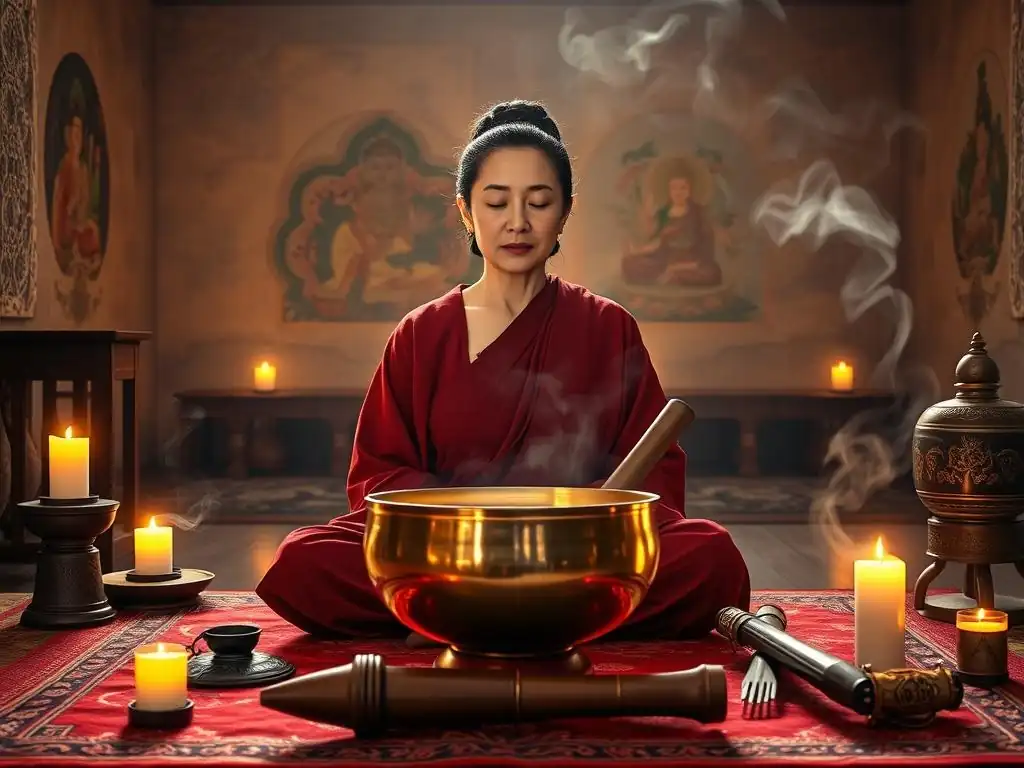
Welcome to Mind Care Guide, a space dedicated to nurturing your mental well-being.
Are you seeking a deeper understanding of how different cultures approach mental health? Explore the ancient practice of sound healing and discover how Eastern traditions utilize its power for sound healing anxiety relief. Could the calming vibrations hold the key to unlocking a more peaceful mind? Keep reading to delve into this fascinating connection.
- Sound Healing in Eastern Traditions: Your Guide to Mental Calm
- Understanding Sound Healing and its Eastern Roots
- Sound Healing Techniques for Anxiety Relief: Eastern Approaches
- Benefits of Sound Healing for Mental Health: An Eastern Perspective
- Integrating Sound Healing into Your Mental Health Routine
- The Science Behind Sound Healing: How it Works
- Cautions and Considerations for Sound Therapy
- Conclusion: Embracing Sound Healing for a Calmer Mind
-
Frequently Asked Questions
- How does Sound Healing work in Eastern traditions to provide anxiety relief?
- What specific Eastern traditions utilize Sound Healing for mental well-being?
- Can Sound Healing completely cure anxiety, or is it a complementary therapy?
- What are some common instruments used in Eastern Sound Healing practices for anxiety relief, and how do they help?
- Are there any potential risks or side effects associated with Sound Healing for anxiety?
- Final Reflection: The Resonant Path to Inner Peace
- Unveil Your Inner Calm: Start Your Sound Healing Journey
Sound Healing in Eastern Traditions: Your Guide to Mental Calm
Sound has been used for healing and spiritual practices across cultures for millennia. In Eastern traditions, the deliberate use of sound, rhythm, and vibration is deeply intertwined with concepts of energy flow, balance, and inner peace, offering profound potential for mental well-being and particularly for sound healing anxiety relief.
Mind Care Guide: Exploring Eastern Practices for Anxiety Relief
Mental well-being is a cornerstone of a fulfilling life, and exploring diverse approaches can offer new pathways to peace. Mind Care Guide delves into various methods for managing mental health, including time-honored practices from Eastern cultures. These traditions often view the mind and body as interconnected, utilizing holistic techniques that address not just symptoms but the root causes of imbalance.
Eastern practices, such as meditation, yoga, and importantly, sound healing, provide frameworks for cultivating inner calm and resilience. For individuals seeking sound healing anxiety relief, these ancient methods offer gentle yet powerful tools. They guide practitioners toward states of relaxation, mindfulness, and emotional regulation, addressing the pervasive unease that anxiety can bring.
Understanding Sound Healing and its Eastern Roots
What is Sound Healing? A Journey to Inner Peace
Sound healing is an ancient therapeutic practice that uses vibrations from instruments, voice, or other sources to promote relaxation, reduce stress, and support overall well-being. It operates on the principle that the human body is a vibratory system, and introducing harmonious sounds can help restore balance to physical and energetic states. This can involve listening to specific tones, feeling vibrations, or actively participating through chanting or vocalization.
The goal of sound healing is often to shift brainwave states from the more active beta state towards calmer alpha or theta states, associated with relaxation and meditation. Many people report feeling a sense of deep calm, reduced physical tension, and a clearing of mental clutter after a sound healing session. This journey into inner peace is a core benefit sought by those exploring sound healing anxiety relief.
The Historical Significance of Sound Therapy in Eastern Cultures
Sound therapy boasts a rich and extensive history throughout Eastern cultures, deeply embedded in spiritual, medicinal, and daily life practices. From the Vedic chants of ancient India, believed to hold potent energetic vibrations for healing and purification, to the use of specific tones and instruments in traditional Chinese medicine to harmonize the body's qi (vital energy), sound has long been recognized as a powerful therapeutic agent.
In Tibet, singing bowls have been used for centuries in monastic traditions for meditation, prayer, and healing rituals. These practices understood that sound could influence not only the mind but also the physical body, promoting balance and health. The historical significance underscores a long-held belief in the East regarding the profound connection between sound, vibration, and the state of human consciousness and health.
Ancient Practices: Sound Healing Traditions Across Asia
Across the vast and diverse landscape of Asia, distinct sound healing traditions have flourished for millennia. In India, the practice of Nada Yoga focuses on the exploration of internal and external sounds as a path to spiritual awakening and physical health, utilizing mantra chanting and listening techniques. Ayurvedic medicine also incorporates sound and music therapy to balance the doshas (energetic principles).
Further east, practices in Nepal and Bhutan utilize the resonant tones of Himalayan singing bowls in healing ceremonies and meditation. In China, the use of specific musical scales and instruments was prescribed in traditional medicine to treat ailments and balance organs, based on the philosophical understanding of correspondences between sound, elements, and bodily systems. These ancient practices form the foundation for modern applications of sound healing anxiety relief.
Sound Healing Techniques for Anxiety Relief: Eastern Approaches
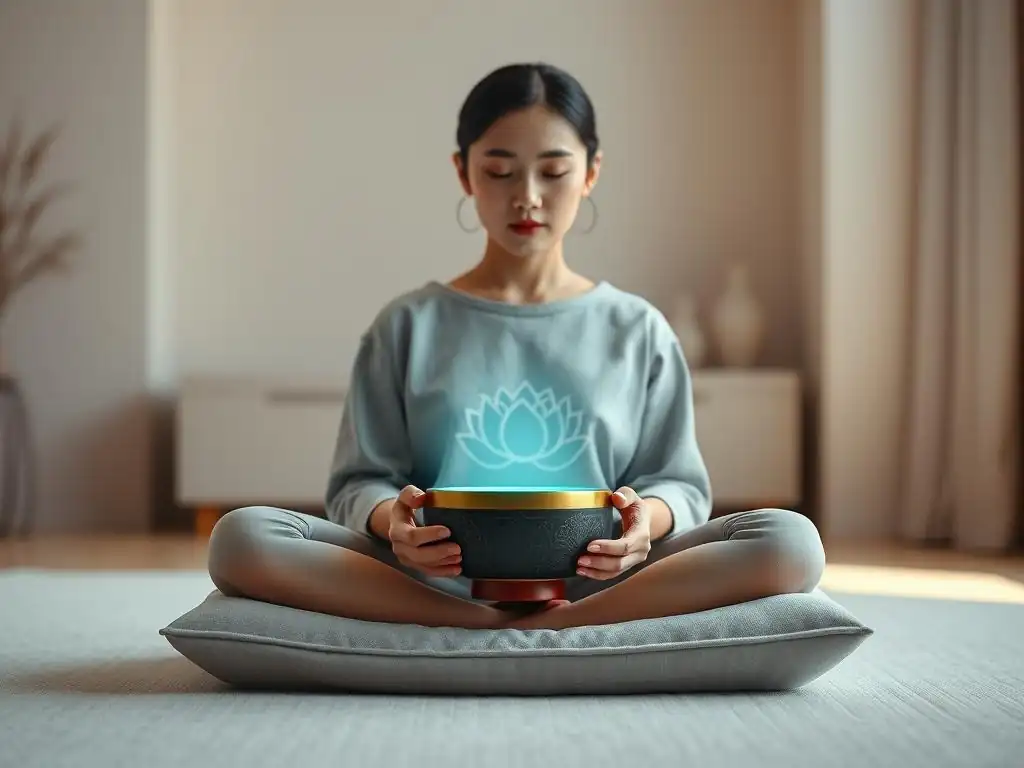
Tibetan Singing Bowls: Harmonizing Mind and Body
Tibetan singing bowls, also known as Himalayan bowls, are perhaps one of the most well-known Eastern sound healing tools used today. Made from a blend of metals, they produce resonant tones and palpable vibrations when struck or rimmed with a mallet. The rich, sustained sounds are believed to encourage a state of deep relaxation and meditation, naturally slowing brainwaves.
When placed directly on the body, the vibrations of the bowls can be felt internally, which proponents suggest helps to release physical tension and energetic blockages. Many individuals experiencing anxiety find the immersive soundscape and gentle vibrations profoundly calming, providing a sense of grounding and presence that can alleviate racing thoughts and physical symptoms of stress. This technique is widely utilized for sound healing anxiety relief.
Mantra Chanting: The Power of Sound Vibration for Mental Well-being
Mantra chanting, a practice rooted in Vedic and Buddhist traditions, involves the rhythmic repetition of specific sounds, words, or phrases. These mantras are not merely sounds but are believed to carry particular energetic frequencies and intentions. The act of chanting itself is a powerful form of meditation, focusing the mind and regulating the breath, which can significantly reduce the physiological responses associated with anxiety.
The vibrations produced by chanting resonate within the body, particularly in the chest and head, which is thought to stimulate the vagus nerve and promote a sense of calm. The repetitive nature of chanting provides a mental anchor, diverting attention away from anxious thoughts and fostering a sense of stability and peace. Mantras are a versatile tool for mental well-being and a core element in many forms of sound healing anxiety relief.
Nada Yoga: Exploring the Yoga of Sound for Inner Calm
Nada Yoga is an ancient Indian system that considers the entire universe, including the human body and mind, as vibrations (Nada). It is a path to self-realization and healing through the exploration of sound, both external (Ahata) and internal (Anahata). Practices in Nada Yoga involve deep listening, chanting, and the use of musical instruments to purify the subtle energy channels (nadis) and balance the chakras.
By focusing on sound, practitioners learn to quiet the external world and turn their attention inward, developing heightened states of awareness and concentration. This inward journey can be profoundly calming and is particularly effective for managing anxiety, as it cultivates a state of present moment awareness and detachment from intrusive thoughts. Nada Yoga offers a structured path for using sound to achieve inner calm and contributes significantly to the understanding of sound healing anxiety relief.
Gong Baths: Immersive Sonic Landscapes for Stress Reduction
Gong baths are immersive sound experiences where participants lie down comfortably while a practitioner plays various gongs and other instruments. The powerful vibrations and complex overtones produced by the gongs create a dense sonic field that washes over the listeners. This experience is designed to induce a deep meditative or trance-like state, facilitating profound relaxation and stress reduction.
The overwhelming nature of the sound can quiet the analytical mind, allowing the body and mind to enter a state of passive reception. Many people report feeling a release of emotional and physical tension during a gong bath, describing it as a 'sonic massage'. The deep relaxation achieved makes gong baths a popular technique for those seeking rapid stress reduction and a powerful form of sound healing anxiety relief.
Benefits of Sound Healing for Mental Health: An Eastern Perspective
Reducing Anxiety and Stress Through Sound Therapy
One of the most widely reported benefits of sound healing, particularly from an Eastern perspective, is its efficacy in reducing anxiety and stress. The resonant frequencies and vibrations are believed to help downregulate the body's stress response, shifting the nervous system from a sympathetic (fight-or-flight) state to a parasympathetic (rest-and-digest) state. This physiological shift is crucial for alleviating the physical and mental symptoms of anxiety.
Eastern traditions view anxiety as a disturbance in the body's energetic balance or a mind overwhelmed by external distractions and internal chatter. Sound therapy acts as a tool to restore this balance and quiet the mind. Studies, while often preliminary, consistently show that participants in sound healing sessions report significant decreases in perceived stress and anxiety levels, often comparable to or exceeding the effects of standard relaxation techniques. This makes sound healing anxiety relief a tangible goal for many.
Improving Sleep Quality with Sound Healing Techniques
Anxiety often disrupts sleep, creating a vicious cycle of stress and fatigue. Sound healing techniques, by promoting deep relaxation and calming the nervous system, can significantly improve sleep quality. Practices like listening to resonant bowls or gentle chanting before bed can help quiet a restless mind and prepare the body for rest.
The ability of sound to induce alpha and theta brainwave states, which are associated with relaxation and the onset of sleep, is key here. Many individuals report falling asleep more easily and experiencing deeper, more restorative sleep after incorporating sound healing into their evening routine. For those struggling with sleep disturbances linked to anxiety, sound healing offers a non-pharmacological approach to finding rest.
Enhancing Emotional Balance and Mental Clarity
Eastern philosophies emphasize the interconnectedness of mind, body, and emotions. Sound healing is seen as a way to harmonize these aspects, leading to enhanced emotional balance and mental clarity. By releasing tension and quieting the analytical mind, sound therapy can create space for emotional processing and insight.
The resonant vibrations are thought to help move stagnant energy and release stored emotions. This can lead to a feeling of emotional release and a greater sense of equanimity. With a calmer nervous system and clearer mind, individuals can better process thoughts and feelings, reducing rumination and improving focus. This clarity is invaluable for navigating challenges and reducing the mental fog often associated with anxiety.
Promoting Relaxation and Mindfulness Through Sound
At its core, sound healing is a powerful tool for promoting deep relaxation and cultivating mindfulness. The immersive nature of sound baths or the focused repetition of chanting naturally draws attention to the present moment, away from worries about the past or future that fuel anxiety. The sounds themselves become anchors for attention, facilitating a meditative state.
This cultivated state of mindfulness allows individuals to observe their thoughts and feelings without judgment, reducing reactivity to anxious impulses. The profound relaxation achieved physically eases tension in the body, further reinforcing a sense of calm. Regular practice enhances the ability to access these states of relaxation and mindfulness independently, offering sustained sound healing anxiety relief.
Integrating Sound Healing into Your Mental Health Routine
Finding Qualified Sound Healing Practitioners
Integrating sound healing effectively often begins with experiencing it under the guidance of a qualified practitioner. Look for practitioners with training from reputable schools or those with extensive experience in specific traditions like Tibetan bowl therapy or Nada Yoga. Websites or directories dedicated to holistic therapies or specific sound healing modalities can be good starting points.
Don't hesitate to ask about their background, training, and approach. A good practitioner can tailor sessions to your specific needs, such as focusing on techniques most beneficial for anxiety relief. Experiencing a session in person can provide a powerful introduction to the practice and help you understand how sound affects you personally.
Creating a Sound Healing Sanctuary at Home
Bringing sound healing into your daily routine is possible by creating a dedicated space or 'sanctuary' at home. This doesn't require a large area, just a quiet corner where you feel comfortable and undisturbed. Equip it with items that promote relaxation, such as cushions, blankets, and perhaps some simple sound tools like a small singing bowl, chimes, or even access to high-quality recordings of therapeutic sounds.
- Choose a time when you can practice without interruption.
- Ensure the space is comfortable and calming.
- Have your chosen sound tools or recordings ready.
- Set an intention for your practice, such as finding sound healing anxiety relief.
Consistency is key; even short, regular sessions can be beneficial.
Combining Sound Healing with Other Eastern Practices
Sound healing integrates beautifully with other Eastern practices, enhancing their effects on mental well-being. Combining a short sound session with meditation can deepen the meditative state, using sound as a focal point or background support. Practicing gentle yoga postures (asanas) followed by a period of relaxation accompanied by the sounds of singing bowls can promote profound physical and mental release.
Incorporating mantra chanting into a daily spiritual or mindfulness practice strengthens its impact. The synergy between these modalities leverages their individual strengths – the physical movement and breath control of yoga, the mental focus of meditation, and the vibrational power of sound – to create a more comprehensive approach to managing anxiety and cultivating inner peace.
Simple Breathing Exercises to Enhance Sound Healing
Breathing exercises (pranayama in Yoga) are fundamental to many Eastern practices and significantly enhance the effects of sound healing. Deep, conscious breathing calms the nervous system, increases oxygen flow, and prepares the body and mind to receive the therapeutic vibrations of sound.
- Diaphragmatic Breathing: Before a sound session, practice slow, deep breaths, feeling your abdomen rise and fall. This engages the vagus nerve and promotes relaxation.
- Alternate Nostril Breathing (Nadi Shodhana): This balances the energy channels and can quiet a restless mind, making you more receptive to sound therapy.
By combining controlled breathing with sound, you amplify the relaxation response, making your sound healing practice more effective for achieving sound healing anxiety relief.
The Science Behind Sound Healing: How it Works
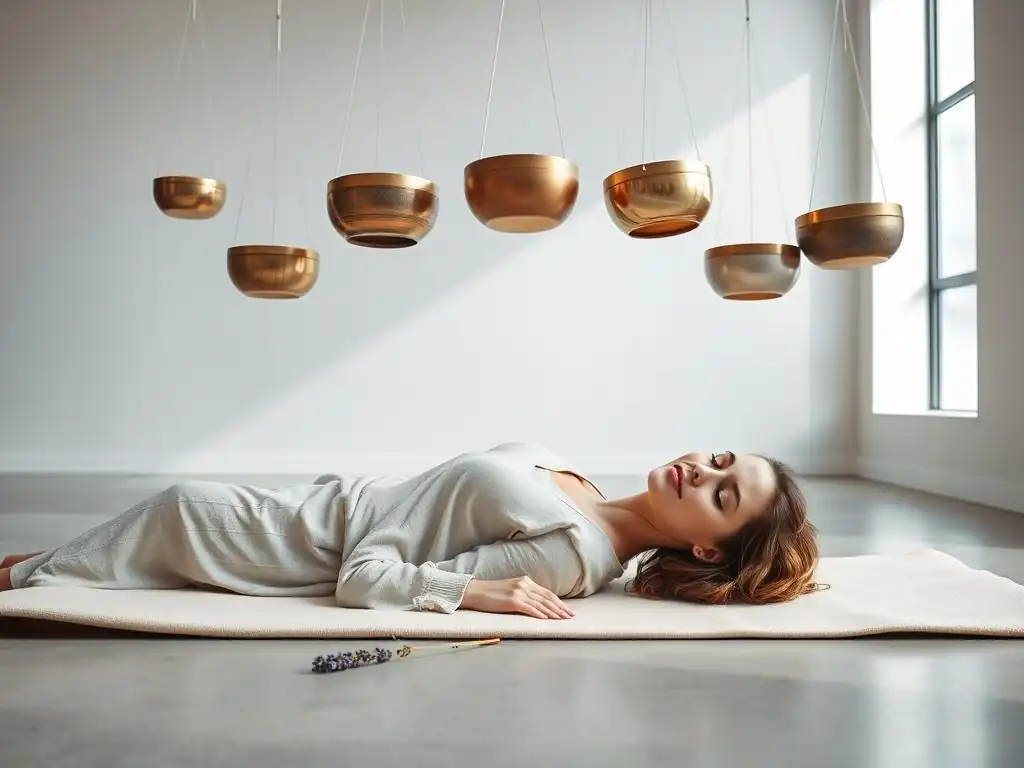
Resonance and Brainwave Entrainment: The Scientific Basis
While rooted in ancient wisdom, modern science offers insights into how sound healing may work. One key mechanism is resonance. Our bodies are composed of cells and tissues that vibrate at specific frequencies. When external sound vibrations are introduced, they can influence these internal frequencies, potentially helping to restore balance to disordered patterns, a concept often referred to as sympathetic resonance.
Another principle is brainwave entrainment. The brain's electrical activity occurs at different frequencies (beta, alpha, theta, delta). Sound with consistent, rhythmic patterns can encourage the brainwaves to synchronize with the external frequency, guiding the brain towards calmer states like alpha (relaxed) or theta (meditative). This shift in brainwave patterns is a measurable effect that correlates with reduced anxiety and stress.
The Vagus Nerve and the Calming Effects of Sound
The vagus nerve is a major nerve extending from the brainstem to the abdomen, playing a crucial role in regulating the parasympathetic nervous system, which controls the body's rest-and-digest functions. Stimulating the vagus nerve can slow heart rate, lower blood pressure, and reduce the body's stress response – all beneficial for anxiety relief.
Certain sounds and vibrations, particularly low-frequency tones and the vibrations produced by chanting or singing bowls, are thought to stimulate the vagus nerve. This stimulation promotes a calming effect throughout the body. The physical sensation of vibration, especially when bowls are placed on the body, is also believed to contribute to this vagal stimulation, offering a physiological pathway for sound healing anxiety relief.
Overview of Clinical Trials on Sound Therapy for Anxiety
Research into the efficacy of sound therapy for anxiety is growing, although often limited by sample size or study design. However, existing clinical trials and studies provide promising indications. A 2016 study published in the Journal of Evidence-Based Complementary & Alternative Medicine, involving 62 participants, found that group meditation with Tibetan singing bowls significantly reduced tension, anxiety, and depression compared to a control group.
Other studies have explored the use of music therapy and specific sound frequencies in clinical settings, showing reductions in anxiety in patients facing medical procedures or chronic conditions. While more large-scale, rigorous trials are needed to establish definitive clinical guidelines, the current body of evidence suggests that sound therapy holds potential as a complementary approach for managing anxiety symptoms and supporting mental health.
Cautions and Considerations for Sound Therapy
Potential Risks and Side Effects
While generally considered safe, sound healing is not without potential risks or side effects, although they are typically mild. Some individuals may experience temporary discomfort, such as headaches, dizziness, or nausea, particularly during or after their first few sessions as the body adjusts to the vibrations and shifts in energetic state. Loud or sudden sounds could potentially be startling or overwhelming for some.
Individuals with certain sensitivities, such as photosensitivity (though less common with sound) or extreme sensitivity to vibration, should approach sound therapy cautiously. It's also possible for emotional responses to arise during a session as tension or suppressed feelings are released. While this can be part of the healing process, it's important to be prepared for this possibility.
Who Should Avoid Sound Healing?
Certain individuals or conditions warrant caution or avoidance of specific sound healing practices. People with epilepsy or seizure disorders, particularly those triggered by auditory stimuli, should consult their doctor before participating. Individuals with pacemakers, metal implants, or those who have recently undergone surgery might need to avoid sessions involving direct placement of vibrating instruments on the body.
While sound healing can be beneficial during pregnancy, it's wise for pregnant individuals, especially in the early stages, to consult with their healthcare provider and inform the sound healing practitioner. Those experiencing acute mental health crises or severe trauma should seek professional psychological support and discuss whether sound healing is appropriate as a complementary therapy.
Importance of Consulting with a Healthcare Professional
Sound healing should be considered a complementary therapy, not a replacement for conventional medical or psychological treatment. It is crucial to consult with a qualified healthcare professional for any mental health concerns, including anxiety. They can provide a diagnosis, recommend appropriate treatments, and advise on how complementary practices like sound healing might fit into your overall care plan.
Discussing your interest in sound healing with your doctor or therapist ensures that it is safe and appropriate for your specific health condition and needs. They can also help you integrate the benefits of sound therapy with other necessary treatments, ensuring a holistic and responsible approach to managing your mental well-being and pursuing sound healing anxiety relief.
Conclusion: Embracing Sound Healing for a Calmer Mind
Sound healing, drawing from rich Eastern traditions, offers a profound and accessible path towards mental calm and well-being. By harnessing the power of vibration, resonance, and focused listening, practices like Tibetan singing bowls, mantra chanting, and gong baths provide effective tools for navigating the challenges of modern life, particularly for those seeking relief from anxiety.
Sound Healing Anxiety Relief: A Path to Holistic Well-being
The journey towards sound healing anxiety relief is one that embraces the interconnectedness of mind, body, and spirit, as understood in Eastern philosophies. It's a holistic approach that goes beyond symptom management, aiming to restore balance, cultivate inner peace, and enhance overall resilience.
By integrating sound healing into your routine, either through working with practitioners or establishing a home practice, you can access deep states of relaxation, improve sleep, gain emotional clarity, and foster mindfulness. While not a cure-all, sound healing stands as a powerful, time-honored practice that complements conventional care, offering a resonant path towards a calmer, more balanced mind and holistic well-being.
Frequently Asked Questions
How does Sound Healing work in Eastern traditions to provide anxiety relief?
Sound healing leverages the principle that sound vibrations can impact our emotional and physical state. Certain frequencies are believed to balance the body's energy centers, promoting relaxation and reducing anxiety symptoms.
What specific Eastern traditions utilize Sound Healing for mental well-being?
Several traditions incorporate Sound Healing, including Tibetan Buddhism with singing bowls, Indian practices with mantras and ragas, and some Chinese medicine practices using gongs and tuning forks.
Can Sound Healing completely cure anxiety, or is it a complementary therapy?
Sound Healing is generally considered a complementary therapy, not a cure. It can be highly effective in reducing anxiety symptoms and promoting relaxation when used alongside other treatments like therapy or medication.
What are some common instruments used in Eastern Sound Healing practices for anxiety relief, and how do they help?
Common instruments include singing bowls, known for their resonant vibrations that induce relaxation; gongs, used to release tension; and mantras, chanted to focus the mind and calm the nervous system.
Are there any potential risks or side effects associated with Sound Healing for anxiety?
While generally safe, some individuals may experience emotional release during a session. It's crucial to ensure the practitioner is qualified and experienced, and to inform them of any pre-existing medical conditions.
Final Reflection: The Resonant Path to Inner Peace
The ancient practice of sound healing offers a powerful, accessible pathway to managing anxiety in our increasingly frenetic modern world. Its enduring relevance lies not just in its historical significance, but in its capacity to provide tangible relief in the face of pervasive stress and mental health challenges. The techniques explored in this article – from the meditative chants of Tibetan Buddhism to the rhythmic gongs of traditional Chinese medicine – offer a compelling alternative, or at least a valuable supplement, to conventional anxiety treatments.
The profound impact of sound on our emotional and mental states is undeniable, a testament to the interconnectedness of mind, body, and spirit. Sound healing isn't merely a trend; it's a rediscovery of an inherent human connection to the power of vibration and resonance. As the renowned composer and conductor Leonard Bernstein once said, Music can name the unnameable and communicate the unknowable.
This perfectly encapsulates the ability of sound healing to reach beyond the limitations of language and tap into the deepest recesses of our being, offering solace and a pathway to inner peace.
Consider the vibrations that resonate within you – the subtle hum of your own existence. Now, imagine amplifying that inner harmony with the intentional use of sound. This article has provided a glimpse into the rich tapestry of sound healing practices; now, it's your turn to explore. Experiment with different sounds, explore the resources mentioned, and discover the unique resonance that brings you calm and clarity. Embrace the power of sound to nurture your mental well-being, and embark on your own journey towards a more peaceful and harmonious existence.
Unveil Your Inner Calm: Start Your Sound Healing Journey
Thanks for exploring the world of sound healing with us! We hope you gained valuable insights into its ancient practices and potential for mental well-being. Now it's time to put this knowledge into action.
- Begin your personal sound healing practice: Even 5 minutes a day of listening to calming sounds – nature sounds, singing bowls, or binaural beats – can make a difference. Experiment to find what resonates with you.
- Share your experience: Tell us about your explorations with sound healing in the comments below. What sounds did you try? What did you notice?
- Explore further: Investigate different sound healing modalities, such as gong baths or vocal toning. Many resources are available online and in your community.
Ready to discover the transformative power of sound for yourself? What calming sounds will you explore today?