
Sleep Apps Reviewed: Finding the Best Digital Aid for Insomnia and Rest

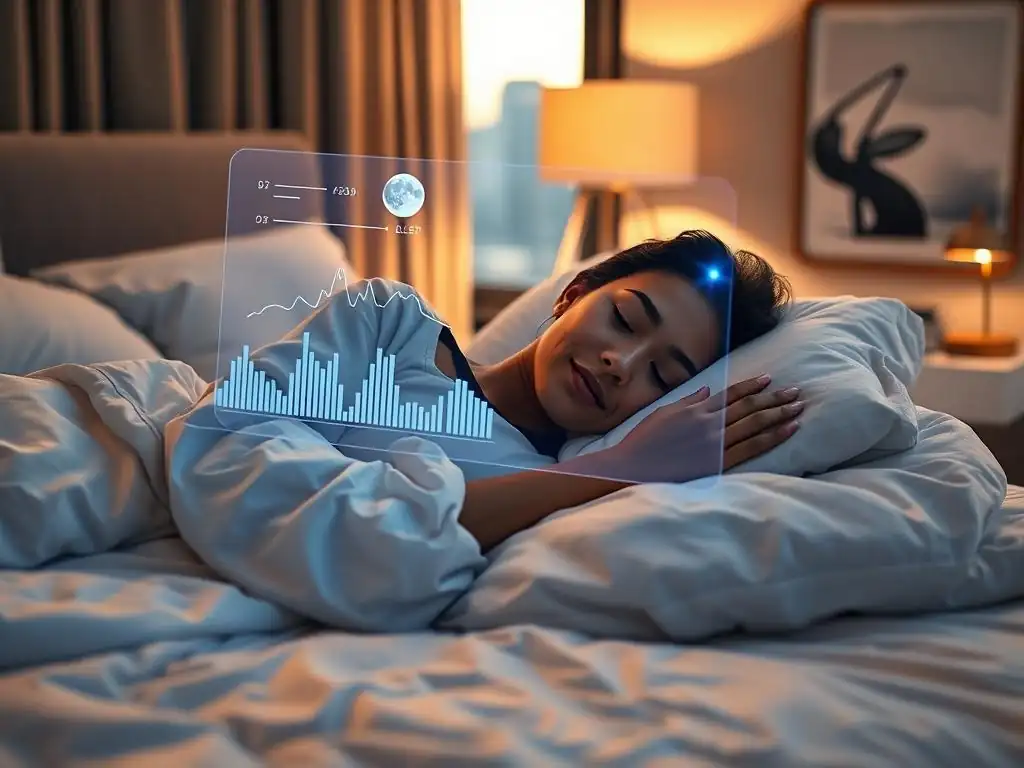
Welcome to Mind Care Guide, a sanctuary for your mental well-being.
Struggling to find restful nights? You're not alone. We understand the frustration of endless tossing and turning. Dive into our comprehensive guide on best sleep apps insomnia relief and discover how technology can be a powerful tool in reclaiming your sleep and finding much-needed peace. Curious to know which apps stood out from the rest? Let's explore the digital landscape together and find the perfect fit for your journey to better sleep…
Sleep Apps for Insomnia: A Comprehensive Review
- Introduction: Addressing Insomnia with Digital Tools
- Key Considerations When Choosing a Sleep App for Insomnia
- In-Depth Reviews of Top Sleep Apps for Insomnia
- Feature Comparison: Selecting the Right App
- The Science Behind Sleep Apps: Evidence-Based Effectiveness
- Optimizing Sleep App Usage for Restful Sleep
- Potential Downsides and Considerations
- Alternative Insomnia Treatments
- Conclusion: Selecting the Best Sleep App for Your Needs
-
Frequently Asked Questions
- What are the benefits of using sleep apps for insomnia relief?
- How do sleep apps work to promote better sleep?
- Are sleep apps a replacement for professional medical advice for insomnia?
- What features should I look for when choosing a sleep app for insomnia relief?
- How much do sleep apps typically cost, and are there free options available?
- Final Reflection: The Quiet Revolution of Sleep Apps
- Unlock Your Best Sleep Yet!
Introduction: Addressing Insomnia with Digital Tools
The Increasing Prevalence of Insomnia
Insomnia, the persistent difficulty with sleep initiation, duration, consolidation, or quality despite adequate opportunity for sleep, is a widespread problem affecting millions globally. Recent data suggests that chronic insomnia impacts roughly 10% to 15% of the adult population, while acute or short-term insomnia may affect up to 30% to 35% at some point in their lives.
This pervasive sleep disorder doesn't just lead to tiredness; it significantly impairs daily functioning, reduces quality of life, and is associated with increased risks for physical and mental health issues, including anxiety and depression. The sheer scale of this issue underscores the urgent need for accessible and effective strategies for insomnia relief.
Living with insomnia can feel isolating and overwhelming, impacting everything from concentration at work to personal relationships. The constant worry about not getting enough sleep creates a vicious cycle, making it even harder to relax when bedtime arrives. While traditional treatments like therapy and medication exist, many individuals are seeking convenient, non-pharmacological methods to supplement their approach or explore initial options. This is where digital tools, specifically sleep apps designed for insomnia, have emerged as a popular and readily available resource, offering a new avenue for finding better rest.
How Sleep Apps Can Help Improve Sleep
Sleep apps offer a diverse range of features aimed at addressing various aspects of insomnia, making them a promising digital aid for those struggling to sleep. Many apps provide guided meditations and relaxation exercises specifically designed to calm the mind and reduce the anxiety often associated with sleeplessness. By focusing on mindfulness and deep breathing, these techniques can help individuals quiet racing thoughts that keep them awake.
Beyond relaxation, some of the best sleep apps for insomnia relief incorporate elements of Cognitive Behavioral Therapy for Insomnia (CBT-I), such as sleep restriction guidance or stimulus control advice, delivered through digital modules. They also offer tools like sleep stories, calming soundscapes, or white noise generators to create a soothing auditory environment conducive to falling asleep.
Furthermore, many include sleep tracking features that, while varying in accuracy, can help users understand their sleep patterns over time, providing insights that might inform behavioral changes. This multi-faceted approach allows users to experiment with different techniques to find what works best for their unique challenges with insomnia.
Key Considerations When Choosing a Sleep App for Insomnia
Essential Features for Insomnia Relief
When searching for the best sleep apps insomnia relief, specific features stand out as particularly beneficial. Guided meditation and mindfulness exercises are crucial, as they help calm the overactive mind often characteristic of insomnia sufferers. Look for apps offering a variety of sessions, from short, quick relaxation techniques to longer, more immersive body scans or visualization exercises. Sleep stories, often narrated in a soothing voice, can act as a distraction from anxious thoughts, gently guiding the user towards sleep.
Another key feature is a comprehensive library of soundscapes and white noise options. Different individuals find different sounds helpful – rain, nature sounds, ambient noise, or pure white noise. A good app provides ample variety and customization options. Additionally, some apps offer educational content about sleep hygiene and the science of sleep, empowering users with knowledge to make lifestyle changes. While not all insomnia relief apps are clinically validated CBT-I programs, those that incorporate elements of CBT-I principles into their content can be particularly effective.
Evaluating Functionality: Sleep Tracking, Soundscapes, and Guided Meditations
Evaluating the functionality of a sleep app involves looking beyond just the presence of features to their quality and usability. For sleep tracking, consider how the app collects data (via phone sensors, external device integration) and what insights it provides. Is the data presented clearly? Does it offer actionable suggestions based on your patterns? While phone-based tracking might not be as precise as clinical polysomnography, it can still offer valuable trend data over time, such as consistency of sleep or estimated time asleep.
When assessing soundscapes and guided meditations, consider the quality of the audio production and the range of content. Are the narrators' voices pleasant and calming? Is the variety of sounds sufficient? Do the guided sessions cater to different needs, such as falling back asleep in the middle of the night versus initiating sleep at bedtime? For someone seeking the best sleep apps insomnia relief, the effectiveness of these core functionalities in promoting relaxation and reducing sleep onset latency is paramount. A well-designed interface that makes it easy to find and use these features is also crucial for consistent use.
The Importance of User Reviews and Ratings
Examining user reviews and ratings is a critical step in choosing a sleep app, offering real-world perspectives beyond marketing descriptions. App store ratings, often on a scale of 1 to 5 stars, provide a quick snapshot of overall user satisfaction; an app consistently rated 4.5 stars or higher by thousands of users generally indicates a positive experience for many.
Reading specific user comments can reveal common strengths and weaknesses not immediately apparent from the feature list. For instance, reviews might highlight issues with subscription costs, technical glitches, or the effectiveness of specific features like sleep tracking accuracy or the calming effect of guided content.
User feedback can be particularly insightful for determining if an app truly helps with insomnia relief. Look for reviews from individuals who specifically mention struggling with falling or staying asleep and whether they found the app's tools (meditations, stories, sounds) genuinely helpful in those situations.
While individual experiences vary, a pattern of positive feedback regarding the app's ability to promote relaxation and aid sleep onset is a strong indicator that it might be among the best sleep apps for insomnia relief for your own needs. Conversely, repeated complaints about features not working or content not being effective can be a red flag.
In-Depth Reviews of Top Sleep Apps for Insomnia
Review of Calm: Features, Benefits, and Drawbacks
Calm is one of the most popular mental wellness apps, widely recognized for its extensive library of guided meditations, sleep stories, and relaxing music. Its user interface is aesthetically pleasing and intuitive, featuring calming background visuals and easy navigation. While it covers various aspects of mindfulness and meditation, a significant portion of its content is dedicated specifically to sleep, positioning it as a strong contender for those seeking the best sleep apps insomnia relief. The app operates primarily on a subscription model, offering a limited free trial before requiring payment for full access.
One of Calm's major benefits is the sheer volume and quality of its sleep content, particularly the famous Sleep Stories narrated by well-known voices. Many users find these stories incredibly effective for diverting attention from anxious thoughts and drifting off to sleep. The app also offers sleep-focused meditations and breathing exercises.
A potential drawback for some users is the cost of the premium subscription, which can be a significant annual expense, although it does unlock a vast amount of content beyond just sleep aids. Another consideration is that while it offers sleep tracking features, it primarily relies on manual input or integration with other devices, rather than passive phone-based tracking like some competitors.
Calm's Insomnia Relief Techniques
Calm employs several techniques aimed directly at alleviating insomnia symptoms. Its signature Sleep Stories are perhaps the most unique offering; these are essentially bedtime stories for adults, designed to be engaging enough to distract the mind but calming and repetitive enough to induce sleepiness. With hundreds available, narrated by voices ranging from celebrities to soothing storytellers, users have ample choice. Research suggests that narrative engagement can be a powerful tool for cognitive distraction, which is beneficial for individuals whose insomnia is driven by racing thoughts.
In addition to stories, Calm offers a dedicated section for sleep meditations. These range from short, 5-minute sessions for winding down to longer, 30-minute guided practices focusing on deep relaxation, body scans, or visualizations specifically tailored for sleep induction. The app also provides a wide array of sleep music and soundscapes, including nature sounds, white noise, and ambient tracks, allowing users to create a personalized auditory environment conducive to sleep. These combined approaches offer multiple pathways to relaxation and sleep onset, addressing both the mental and environmental factors contributing to insomnia.
Calm's User Interface and Overall Experience
Calm's user interface is designed to be visually appealing and calming, featuring serene nature scenes as backgrounds and a straightforward navigation layout. Upon opening the app, users are presented with clear options for meditation, sleep, music, and more. The sleep section is well-organized, making it easy to browse Sleep Stories by narrator or category, find specific meditations, or select preferred soundscapes. The overall aesthetic contributes to a sense of peace and tranquility, which is beneficial for someone preparing for sleep.
The user experience is generally smooth, with content loading quickly and playback controls being intuitive. Users can download content for offline use, which is convenient. However, navigating the vast library can sometimes feel slightly overwhelming due to the sheer volume of options. While the free version offers a glimpse, the most valuable content for consistent insomnia relief requires a premium subscription. This tiered access means that users seeking the best sleep apps insomnia relief will likely need to invest financially to fully explore Calm's potential.
Review of Headspace: Features, Benefits, and Drawbacks
Headspace is another major player in the mindfulness and meditation space, with a strong focus on teaching meditation as a skill for managing stress, anxiety, and improving focus and sleep. Its approach is characterized by its friendly, illustrated interface and guidance from co-founder Andy Puddicombe. Like Calm, Headspace operates primarily on a subscription model, offering a limited selection of free content. It is widely considered among the top contenders when evaluating the best sleep apps insomnia relief, particularly for those who find a meditation-centric approach helpful.
Headspace's benefits for insomnia sufferers include its structured courses on sleep meditation and its unique "Sleepcasts" and "Sleep Radio." The app excels at making meditation accessible and understandable, which can be beneficial for beginners struggling with a restless mind at night. A potential drawback is that its sleep content, while growing, is perhaps not as vast or varied as Calm's extensive Sleep Story library. Also, similar to Calm, the full value for insomnia relief requires a paid subscription, which may be a barrier for some users.
Headspace's Unique Approach to Sleep Improvement
Headspace takes a slightly different, often more instructional, approach to sleep compared to Calm's narrative focus. Its core strategy involves teaching mindfulness and meditation techniques as a way to quiet the mind and prepare for sleep. The app offers guided sleep meditations that focus on body scans, breath awareness, and letting go of thoughts, framed within Headspace's signature accessible style.
A standout feature is Headspace's "Sleepcasts." These are audio experiences that combine a guided wind-down exercise with a descriptive, calming narrative designed to transport the listener to a relaxing imaginary environment. They are often followed by ambient sounds from that environment, fading out as the user drifts off. Headspace also offers "Sleep Radio," continuous mixes of sleep-inducing sounds. This blend of guided exercises and immersive soundscapes provides a unique combination of active relaxation techniques and passive auditory support, contributing to its position among the best sleep apps insomnia relief for many users.
Headspace's Value for Insomnia Sufferers
For individuals struggling with insomnia, Headspace offers significant value, particularly if their sleeplessness is linked to stress, anxiety, or an inability to quiet the mind. The app's foundational meditation courses can help users develop general mindfulness skills that are applicable to managing nighttime worries. The dedicated sleep content provides specific tools for bedtime. The guided sleep meditations teach techniques for relaxing the body and mind, which can reduce the physiological arousal that prevents sleep.
The Sleepcasts offer a distinct alternative to traditional sleep stories, providing an immersive sensory experience that can effectively distract from racing thoughts. User feedback often highlights the effectiveness of both the guided meditations and Sleepcasts in helping them fall asleep more quickly or calmly. While the cost of the premium subscription is a factor, for users who resonate with Headspace's teaching style and find its specific sleep features helpful, it can be a worthwhile investment in finding better sleep and is certainly among the best sleep apps insomnia relief to consider.
Review of Sleep Cycle: Features, Benefits, and Drawbacks
Sleep Cycle differentiates itself from meditation-focused apps by primarily functioning as an intelligent sleep tracker and smart alarm clock. It uses your phone's microphone or accelerometer to analyze your sleep patterns throughout the night, identifying sleep phases like light sleep, deep sleep, and REM. Based on this analysis, its key feature is waking you up during your lightest sleep phase within a pre-set window (e.g., 30 minutes before your desired wake-up time), aiming to make you feel more rested and less groggy.
The main benefit of Sleep Cycle for someone seeking the best sleep apps insomnia relief isn't directly helping you fall asleep, but rather providing data and potentially improving the waking experience. It offers detailed sleep statistics, graphs, and trends over time, which can help users identify patterns or factors affecting their sleep quality. A drawback for those whose primary issue is falling asleep is that Sleep Cycle offers fewer tools like guided meditations or stories compared to apps like Calm or Headspace.
While it does include some basic sleep aid sounds, this isn't its core strength. The app offers a free version with basic tracking and alarm features, with a premium subscription required for advanced analytics and features.
Sleep Cycle's Integration with Sleep Tracking
Sleep Cycle's integration with sleep tracking is its defining characteristic. The app leverages the sensors in your smartphone – typically the microphone to detect movement and sounds, or the accelerometer if placed on the mattress – to monitor your sleep throughout the night. It analyzes this data to estimate when you are in different sleep stages. This passive tracking requires minimal effort from the user beyond placing the phone appropriately near the bed (or on it).
The app then presents this data in easy-to-understand graphs and statistics. Users can see their estimated time in bed, time asleep, sleep quality percentage, and breakdowns of sleep phases. Over time, it builds a history that allows users to track trends and see how factors like coffee intake, exercise, or bedtime routine might correlate with their sleep quality scores. While the accuracy of phone-based sleep stage tracking is debated compared to clinical standards, it provides consistent relative data that can be a valuable tool for self-monitoring sleep health, complementing the efforts of finding the best sleep apps insomnia relief.
Sleep Cycle's Effectiveness Based on User Feedback
User feedback for Sleep Cycle often highlights its effectiveness as a smart alarm and a tool for understanding sleep patterns. Many users report feeling more refreshed waking up within the app's designated window compared to a fixed-time alarm. The data tracking is frequently praised for providing interesting insights into their sleep habits, which can motivate positive changes. For example, seeing consistently low sleep quality scores after late-night screen use might encourage a user to adjust their evening routine.
However, for individuals whose primary struggle is falling asleep due to insomnia, user reviews sometimes note that Sleep Cycle doesn't directly address this initial phase of the night. While it offers some ambient sounds, it lacks the guided relaxation and narrative content found in apps like Calm or Headspace.
Therefore, while it's highly rated for its tracking and waking functions (often receiving 4.6+ stars in app stores), it might be best used in conjunction with other methods or apps if the main challenge is sleep onset insomnia, rather than solely relying on it as the best sleep app for insomnia relief in all cases.
Feature Comparison: Selecting the Right App
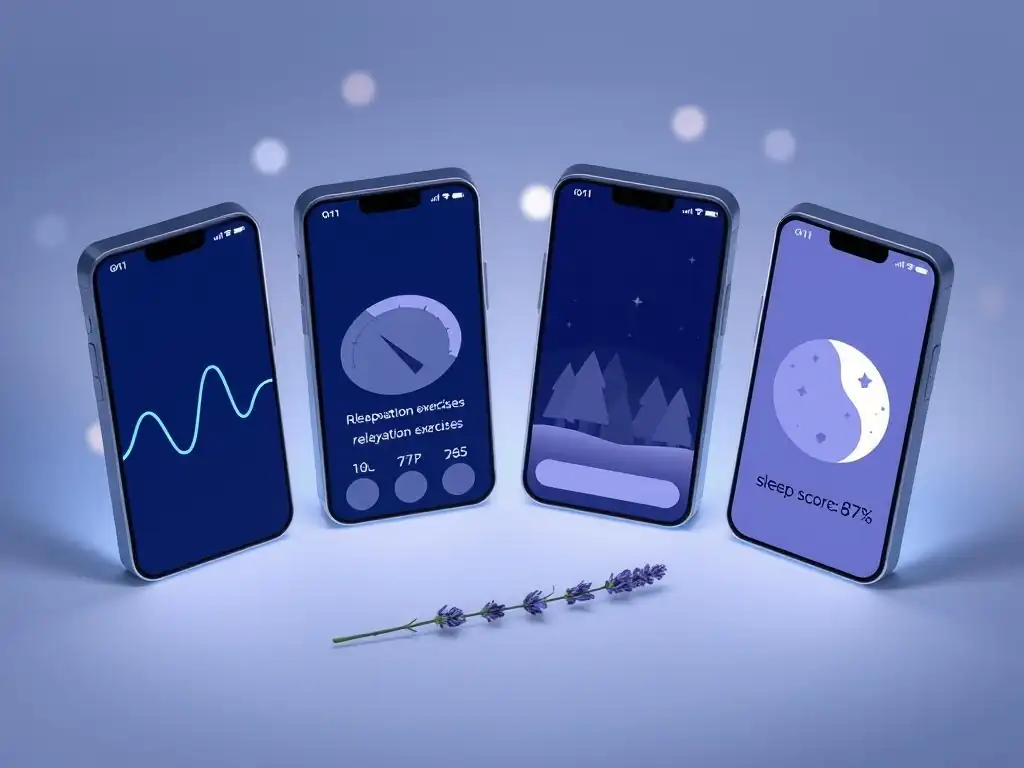
Soundscapes and White Noise: A Comparative Analysis
Soundscapes and white noise are common features in many sleep apps, designed to block out distracting environmental sounds and create a soothing auditory backdrop for sleep. When comparing the best sleep apps insomnia relief, the variety and quality of these sounds differ. Calm offers a wide selection of nature sounds, ambient music, and pure noise types (white, pink, brown), often with high-quality recordings.
Headspace includes ambient sounds as part of its Sleepcasts and in its Sleep Radio feature, with a focus on immersive environmental sounds like "Rainy Day Antiques" or "Midnight Launderette." Sleep Cycle provides a more basic selection of ambient tones and white noise primarily intended to help users fall asleep while tracking.
For users who rely heavily on specific sounds to sleep, Calm likely offers the most extensive and customizable library. Headspace provides a unique, integrated experience through its Sleepcasts, where sounds are tied to a narrative environment. Sleep Cycle's options are more limited but functional for basic sound masking. The effectiveness of these features is highly personal, but a broader selection, as found in Calm, increases the likelihood of finding sounds that work for an individual's specific preferences and needs for insomnia relief.
Guided Meditations: Which App Offers the Best Options?
Guided meditations are a core component of many sleep apps, aiming to relax the mind and body before sleep. Both Calm and Headspace are leaders in this area, offering extensive libraries of sleep-focused meditations. Calm provides meditations ranging in length and focus, including body scans, visualizations, and specific sessions for returning to sleep after waking up. Headspace approaches meditation with its signature teaching style, offering structured courses on sleep meditation and shorter, on-demand sessions.
Choosing between them for guided meditations depends on personal preference for style and content. Calm's meditations are often praised for their soothing narrators and variety of techniques. Headspace's meditations are valued for their clear instruction and integration into a broader mindfulness practice.
Sleep Cycle offers some guided relaxation, but it is not the primary focus and the library is significantly smaller than Calm or Headspace. For someone prioritizing guided techniques as their main tool for insomnia relief, Calm or Headspace are the top contenders among the best sleep apps insomnia relief, with the choice often coming down to which app's teaching style resonates most.
Sleep Tracking: Accuracy and Insights
Sleep tracking features vary significantly across sleep apps, both in methodology and the insights provided. Sleep Cycle is perhaps the most dedicated sleep tracker among the reviewed apps, using phone sensors to estimate sleep phases and quality without requiring a wearable device. It excels at providing detailed graphs, daily scores, and long-term trend analysis, helping users visualize their sleep patterns and the impact of various factors.
Calm and Headspace offer more basic sleep tracking, often relying on manual input (like "How well did you sleep?") or integration with third-party wearables (like Apple Watch or Fitbit) for more detailed data. Their focus is less on granular sleep stage analysis and more on correlating sleep quality with app usage (e.g., "Did listening to a Sleep Story improve your sleep score?").
While phone-based tracking from apps like Sleep Cycle provides approximations rather than medical-grade accuracy, it can still offer valuable relative insights into sleep consistency and potential disturbances. For users who want detailed data analysis as part of their approach to finding the best sleep apps insomnia relief, Sleep Cycle is the clear leader, while Calm and Headspace are more focused on providing tools to influence sleep rather than just measure it passively.
The Science Behind Sleep Apps: Evidence-Based Effectiveness
Research on Digital Sleep Aids for Insomnia
Research into the effectiveness of digital sleep aids, including sleep apps, is an evolving field. Studies have shown promising results, particularly for apps that incorporate principles from Cognitive Behavioral Therapy for Insomnia (CBT-I).
For example, a study published in the Journal of Medical Internet Research found that a digital CBT-I program delivered via an app was effective in reducing insomnia severity, with improvements comparable to face-to-face CBT-I in some measures. While not all popular sleep apps are full CBT-I programs, those integrating elements like cognitive restructuring exercises, stimulus control instructions, or sleep restriction guidance tend to show more evidence of efficacy for chronic insomnia compared to apps offering only relaxation or soundscapes.
However, it's important to note that research often focuses on specific, sometimes clinically developed, apps rather than the broad range of consumer apps available. A review in Sleep Medicine Reviews highlighted that while many commercial apps offer relaxation and mindfulness, the evidence supporting their direct impact on reducing clinical insomnia symptoms is less robust compared to apps based explicitly on CBT-I protocols.
Nonetheless, for individuals with mild to moderate insomnia, or those seeking supplementary tools, the relaxation and behavioral techniques offered by general sleep apps can still provide meaningful benefits and contribute to finding the best sleep apps insomnia relief for their needs.
Limitations of Sleep App Technology
Despite their potential benefits, sleep app technology has inherent limitations, particularly when it comes to addressing complex cases of insomnia. One significant limitation is the accuracy of built-in sleep tracking. While apps using phone sensors can provide estimates of sleep duration and quality, they cannot accurately measure sleep stages with the precision of clinical equipment like polysomnography. This means the data provided should be viewed as approximate trends rather than definitive medical information.
Furthermore, while some apps incorporate elements of CBT-I, they cannot replicate the personalized guidance and therapeutic relationship provided by a trained therapist delivering full CBT-I. Apps lack the ability to dynamically adjust treatment based on individual progress, troubleshoot specific challenges, or address underlying psychological conditions that may contribute to insomnia. They are tools, not clinicians.
Relying solely on an app for severe or chronic insomnia without professional consultation might lead to delayed diagnosis or inadequate treatment for underlying issues. Understanding these limitations is crucial when evaluating the best sleep apps insomnia relief; they are best seen as aids, not standalone cures for all types of sleep problems.
Integrating Sleep Apps into a Holistic Treatment Plan
Given their potential benefits and limitations, sleep apps are most effectively used as part of a broader, holistic approach to managing insomnia. This means using the app's features – like guided meditations, soundscapes, or sleep tracking – in conjunction with established good sleep hygiene practices. Apps can serve as helpful reminders or tools to implement these practices, but they don't replace the fundamental importance of a consistent schedule, a conducive sleep environment, and avoiding stimulants before bed.
For individuals with persistent or severe insomnia, integrating app usage with professional medical guidance is highly recommended. A healthcare provider can help identify the root cause of the insomnia, which might be related to medical conditions, medications, or mental health issues. They can also recommend evidence-based treatments like CBT-I or, if necessary, medication. In this context, sleep apps can be a valuable supplementary tool – perhaps providing relaxation exercises recommended by a therapist or helping track patterns discussed during appointments – thereby enhancing the overall effectiveness of a comprehensive insomnia relief plan.
Optimizing Sleep App Usage for Restful Sleep
Establishing a Consistent Sleep Schedule with App Reminders
One of the cornerstones of good sleep hygiene is maintaining a consistent sleep schedule, going to bed and waking up around the same time every day, even on weekends. Sleep apps can be valuable tools in establishing and maintaining this consistency. Many apps offer customizable bedtime reminders and wake-up alarms. Setting a reminder an hour before your target bedtime can prompt you to start your wind-down routine, perhaps by opening the app to listen to a sleep story or meditation.
Using the app's smart alarm feature, like that in Sleep Cycle, can help reinforce waking up at a consistent time by aiming to rouse you during a period of light sleep within your desired wake-up window. While the app helps with the timing, the commitment to consistency comes from the user. Aiming for a bedtime and wake time that allows for approximately 7-9 hours of sleep, and sticking to it most days, is crucial. The app serves as a supportive aid, a digital nudge towards building the reliable routine necessary for long-term insomnia relief.
Enhancing App Effectiveness Through Sleep Environment Optimization
Even the best sleep apps insomnia relief will struggle to be effective if your sleep environment is not conducive to rest. Optimizing your bedroom can significantly enhance the benefits you receive from using a sleep app. Ensure your bedroom is dark, quiet, and cool. Darkness signals your brain to produce melatonin, the sleep hormone; blackout curtains can be helpful. Minimize noise disturbances; this is where the app's soundscapes or white noise features can work synergistically to mask external sounds.
Temperature also plays a role; most sleep experts recommend a room temperature between 60-67°F (15-19°C) for optimal sleep. Using the app for relaxation or listening to a sleep story in a comfortable, dark, and cool environment prepares both your mind and body for sleep. Thinking of the app as one element within a carefully prepared sleep sanctuary, rather than a magic bullet in a disruptive environment, is key to maximizing its potential for insomnia relief.
Combining Sleep Apps with Sleep Hygiene Practices
For optimal results, sleep app usage should be integrated into a broader set of healthy sleep hygiene practices. While an app can provide guided relaxation or soothing sounds, it doesn't replace fundamental habits. This includes avoiding caffeine and alcohol, especially in the hours before bed (e.g., no caffeine after noon, limit alcohol in the evening). Regular physical activity can improve sleep, but strenuous exercise close to bedtime should be avoided.
Limiting exposure to bright lights, particularly blue light from screens, in the hour or two before sleep is also vital. This is where using the sleep app itself needs consideration – ensure your screen brightness is low or use night mode, and ideally, just listen to audio content rather than engaging with the visual interface right before closing your eyes. By combining the specific tools offered by the best sleep apps insomnia relief with these established healthy behaviors, individuals can create a powerful, multi-pronged strategy for overcoming sleeplessness.
Potential Downsides and Considerations
Data Privacy and Security
When using sleep apps, particularly those that track sleep patterns or ask about mood and lifestyle factors, data privacy and security become important considerations. These apps collect sensitive personal information about your health habits and potentially your bedroom environment (if using microphone tracking). It is crucial to review the app's privacy policy to understand what data is collected, how it is used, and whether it is shared with third parties.
While reputable apps generally employ security measures to protect user data, breaches can occur. Consider the level of detail you are comfortable sharing and choose apps from developers with clear and transparent data handling practices. For many users seeking the best sleep apps insomnia relief, the benefits outweigh the privacy concerns, but being informed about how your data is managed is a necessary step in today's digital landscape.
Dependence on Technology
Another potential downside of relying on sleep apps is the risk of developing a psychological dependence on the technology to fall asleep. If you feel you cannot sleep without listening to a specific story, sound, or meditation from the app, it could create a new form of performance anxiety around sleep, similar to the worry insomnia sufferers already experience. This reliance can be counterproductive to building natural sleep confidence.
While apps are excellent tools for learning relaxation techniques or providing a soothing environment, the goal should be to eventually internalize some of these skills or use the app as a supplement, not a crutch. If you notice yourself feeling anxious when the app isn't available, it might be a sign to re-evaluate your reliance and perhaps explore techniques that don't require a device, or discuss this with a healthcare professional. The aim is to use the app for empowerment and aid, not to become dependent on it for basic sleep function.
Consulting a Healthcare Professional
While sleep apps can be incredibly helpful tools for managing mild to moderate insomnia and improving sleep hygiene, they are not a substitute for professional medical advice. Persistent insomnia (lasting three months or longer, occurring at least three nights per week) can be a symptom of an underlying medical condition, a side effect of medication, or linked to mental health disorders like anxiety or depression.
If you have been struggling with insomnia for a significant period, experiencing severe symptoms, or if your sleep problems are impacting your daily life significantly, it is essential to consult a doctor or a sleep specialist. They can conduct a proper evaluation, diagnose any underlying issues, and recommend the most appropriate treatment plan, which may include therapy (like CBT-I), medication, or addressing other health concerns. Using the best sleep apps insomnia relief can be a valuable part of this plan, but it should complement, not replace, professional medical guidance.
Alternative Insomnia Treatments
Cognitive Behavioral Therapy for Insomnia (CBT-I)
Cognitive Behavioral Therapy for Insomnia (CBT-I) is widely recognized by medical bodies, including the American Academy of Sleep Medicine, as the most effective non-pharmacological treatment for chronic insomnia. Unlike sedative medications, which often treat symptoms temporarily, CBT-I addresses the underlying thoughts and behaviors that contribute to sleeplessness. It typically involves several components: stimulus control instructions (e.g., only use the bed for sleep and intimacy, leave the bedroom if unable to sleep after 20 minutes), sleep restriction therapy (temporarily limiting time in bed to consolidate sleep), cognitive restructuring (challenging unhelpful thoughts about sleep), and relaxation techniques.
Studies show that CBT-I is effective for approximately 70-80% of individuals with chronic insomnia, often providing longer-lasting relief than medication. While some sleep apps incorporate elements of CBT-I, a full course is typically delivered by a trained therapist, either individually or in a group setting, or through comprehensive digital CBT-I programs that have undergone clinical validation. For someone seeking definitive and long-term insomnia relief, exploring professional CBT-I is a highly recommended step, potentially used in conjunction with supportive tools like the best sleep apps for insomnia relief.
Natural Remedies and Lifestyle Adjustments
Many individuals explore natural remedies and lifestyle adjustments as part of their strategy for insomnia relief. Lifestyle adjustments, as discussed earlier (consistent schedule, diet, exercise, environment), are fundamental to good sleep hygiene and are often the first line of defense. In terms of natural remedies, some people find certain supplements helpful, though evidence varies. Melatonin, a hormone that regulates sleep-wake cycles, is sometimes used for short-term sleep problems, particularly those related to circadian rhythm disruptions like jet lag. However, its effectiveness for chronic insomnia is debated, and dosage and timing are crucial.
Other natural options sometimes considered include valerian root, chamomile tea, or magnesium supplements. While some users report benefits, scientific evidence supporting their efficacy for chronic insomnia is often limited or inconsistent. It is essential to consult a healthcare professional before trying any natural supplements, as they can interact with medications or have other health implications. These natural approaches and lifestyle changes can complement the use of sleep apps, but they require consistent effort and should be undertaken with informed caution.
Seeking Professional Medical Advice
Ultimately, for anyone experiencing persistent or significantly distressing insomnia, seeking professional medical advice is the most crucial step. A primary care physician is a good starting point; they can conduct a basic health assessment, review medications, and identify potential underlying medical conditions that might be causing sleep problems. They can also screen for common sleep disorders beyond insomnia, such as sleep apnea or restless legs syndrome.
If the issue is complex or severe, the physician may refer you to a sleep specialist or a mental health professional specializing in sleep disorders. These experts can perform more detailed evaluations, potentially including a sleep study (polysomnography), and develop a tailored treatment plan. This plan might involve behavioral therapies like CBT-I, medication, or addressing comorbid conditions. While sleep apps can be excellent supportive tools in your journey towards better sleep, professional diagnosis and guidance are invaluable for truly effective and lasting insomnia relief.
Conclusion: Selecting the Best Sleep App for Your Needs
Summary of Recommended Apps
Finding the best sleep apps insomnia relief depends largely on your individual needs and preferences. For those who benefit most from guided relaxation, soothing narratives, and a vast library of calming sounds, Calm is a top contender with its extensive Sleep Stories and meditations. If your preference is for a more structured, meditation-focused approach with unique immersive soundscapes, Headspace offers valuable content through its sleep meditations and Sleepcasts. For individuals who prioritize understanding their sleep patterns through data and want a smart alarm to optimize waking, Sleep Cycle is highly effective in its niche.
While these apps offer different primary strengths – Calm and Headspace focusing on aiding sleep onset through relaxation and narrative, and Sleep Cycle on tracking and waking – many individuals find benefit in using features from one or more apps or combining app usage with other strategies. Consider what aspects of insomnia relief are most important to you – relaxation, distraction, data, or a gentle wake-up – when making your choice.
The Future of Digital Sleep Aids
The field of digital sleep aids is continuously evolving, promising even more sophisticated tools for insomnia relief in the future. We can anticipate further integration with wearable devices for more accurate and passive tracking of sleep metrics and physiological data like heart rate variability. Artificial intelligence may play a larger role, offering personalized recommendations for content or techniques based on a user's tracked patterns and reported experiences.
Apps may also incorporate more interactive elements of CBT-I, perhaps offering more dynamic feedback and tailored exercises. As research progresses, we may see more clinically validated digital therapies becoming widely available through app platforms. Ultimately, the future of the best sleep apps insomnia relief likely lies in becoming even more personalized, data-driven, and integrated into comprehensive health management platforms, offering increasingly effective and accessible support for those struggling to get the restful sleep they need.
Frequently Asked Questions
What are the benefits of using sleep apps for insomnia relief?
Sleep apps can offer guided meditations, soothing sounds, and sleep tracking to help users understand and improve their sleep patterns. They can be a convenient and accessible tool for managing insomnia symptoms.
How do sleep apps work to promote better sleep?
Many sleep apps use cognitive behavioral therapy for insomnia (CBT-I) techniques, providing structured programs and exercises. Others focus on relaxation techniques and creating a calming bedtime routine.
Are sleep apps a replacement for professional medical advice for insomnia?
No, sleep apps are not a substitute for consulting a doctor or therapist. They can be a helpful supplementary tool, but professional evaluation and treatment are crucial for addressing underlying causes of insomnia.
What features should I look for when choosing a sleep app for insomnia relief?
Consider apps with features like sleep tracking, personalized recommendations, a wide range of soundscapes or guided meditations, and evidence-based techniques.
How much do sleep apps typically cost, and are there free options available?
Sleep app pricing varies, with many offering free trials or basic versions. Premium subscriptions often unlock more features and content, but some effective apps are entirely free.
Final Reflection: The Quiet Revolution of Sleep Apps
The pursuit of restful sleep is no longer a solitary struggle; technology offers a powerful ally in the fight against insomnia. Millions grapple with sleep disturbances, and the accessibility of sleep apps offers a beacon of hope, a digital lifeline in a world increasingly demanding of our time and energy. This quiet revolution, driven by innovation in sleep science and user-friendly technology, is transforming how we approach and understand rest.
The impact of these apps extends beyond individual relief; they are reshaping our understanding of sleep hygiene and mental wellness. They're normalizing conversations around sleep disorders, fostering a sense of community among those who previously felt isolated in their struggles. Sleep is the golden chain that ties health and our bodies together.
– Thomas Dekker. This quote highlights the fundamental importance of sleep, and the role these apps play in helping us achieve it. The ongoing development and refinement of these apps, driven by user feedback and scientific research, promise even greater effectiveness and personalized solutions in the future.
Consider your own relationship with sleep. Are you prioritizing rest? Are you utilizing the tools available to improve your sleep quality? I encourage you to explore the options presented in this review, to experiment with different techniques, and to prioritize the restorative power of sleep. Your well-being depends on it, and the journey to better sleep begins with a single, conscious step towards prioritizing your rest.
Unlock Your Best Sleep Yet!
Thanks for taking the time to explore the world of sleep apps with us! We hope you've found the insights helpful in your journey to better rest. Now, it's time to put this knowledge into action.
- Try out your top-ranked sleep app tonight! Download it, set up your profile, and experience the difference firsthand. This is the crucial first step toward improved sleep.
- Share your experiences with other Mind Care Guide readers in the comments below! What app are you trying, and what are your initial thoughts?
- Consider tracking your sleep patterns over the next week. See how well your selected app complements your sleep habits, and note any changes. This will give you valuable data for long-term improvements.
Ready to transform your nights into restful escapes? What's the first step you'll take towards better sleep tonight?