
Too Many Choices? Your Guide to Picking the Right Mental Health App for You


Welcome to Mind Care Guide, a space dedicated to nurturing your mental well-being.
Feeling overwhelmed by the sheer number of mental health apps available? You're not alone. It can be difficult to know where to begin. We understand that finding the right support can be challenging, and that's why we've created a comprehensive guide to help you navigate the digital landscape. In our Mental Health App Selection Guide, we'll demystify the options and empower you to choose an app that truly fits your needs. Ready to discover the perfect tool to support your journey to better mental health? Let's dive in!
- Mental Health App Selection Guide: Finding the Right Fit for Your Needs
- Understanding the Landscape of Mental Health Apps
- Why a Mental Health App Selection Guide is Crucial
- Key Factors to Consider When Choosing a Mental Health App
-
A Step-by-Step Mental Health App Selection Guide
- Step 1: Self-Assessment - What Are Your Needs?
- Step 2: Research and Comparison - Exploring App Options
- Step 3: Reading Reviews and Testimonials - Learning from Other Users
- Step 4: Trial Periods and Free Versions - Testing Before Committing
- Step 5: Consulting with a Mental Health Professional - Seeking Expert Advice
- Red Flags to Watch Out For in Mental Health Apps
- Tips for Maximizing the Effectiveness of Your Chosen Mental Health App
- The Future of Mental Health Apps: Trends and Innovations
- Recommendations for Managing Anxiety
- Conclusion: Empowering You to Choose the Right Mental Health App
-
Frequently Asked Questions
- ### What are the key factors to consider when choosing a mental health app?
- ### How can I determine if a mental health app is reputable and safe to use?
- ### What types of mental health apps are available, and which might be best for me?
- ### Are mental health apps a substitute for professional therapy or counseling?
- ### How much do mental health apps typically cost, and are there free options available?
- Final Reflection: Navigating the Digital Wellness Landscape
- Unlock Your Mental Wellbeing: Start Your App Journey Today!
Mental Health App Selection Guide: Finding the Right Fit for Your Needs
Navigating the vast digital landscape for tools to support your mental well-being can feel like searching for a needle in a haystack. With thousands of options available, a clear Mental health app selection guide is not just helpful, but essential. This guide aims to empower you to make informed choices, ensuring the technology you choose truly serves your journey towards better mental health.
Understanding the Landscape of Mental Health Apps
The proliferation of smartphones and increased awareness surrounding mental health have fueled a boom in digital wellness tools. What started as simple meditation timers has evolved into sophisticated platforms offering a wide range of therapeutic approaches. Understanding this diverse ecosystem is the first step in creating your personal Mental health app selection guide.
The Growing Popularity of Mental Wellness Apps
The adoption of mental wellness apps has seen dramatic growth in recent years. Reports indicate that the global mental wellness apps market size was valued at billions of dollars in recent years and is projected to continue its upward trajectory, potentially reaching tens of billions in the coming decade. This surge isn't just about availability; it reflects a genuine user demand for accessible, flexible, and often more affordable mental health support options. Millions of people worldwide now use these apps regularly, integrating them into their daily routines for stress management, mood improvement, and therapeutic exercises.
This widespread adoption is driven by several factors: convenience, privacy, and the ability to access support anytime, anywhere. Users appreciate the ability to engage with tools like guided meditations during a commute, log their mood discreetly throughout the day, or access coping strategies during moments of distress without needing an appointment. While not a replacement for professional care for serious conditions, these apps have become valuable supplementary resources for many seeking proactive mental wellness support or managing mild to moderate symptoms.
Different Types of Mental Health Apps Available
The market offers a diverse array of mental health apps, each designed to address specific needs or employ particular therapeutic modalities. Understanding these categories is crucial for developing an effective Mental health app selection guide. They range from tools focused on immediate symptom relief to those offering structured programs based on established psychological principles.
Identifying the type of app that aligns with your goals is a key part of the selection process. Do you need help managing daily stress, improving sleep, tracking emotional patterns, or learning specific coping skills? Different apps cater to these distinct requirements, offering specialized features and content tailored to their niche. This variety ensures that users can find tools specifically designed to support their unique mental wellness journey.
Meditation and Mindfulness Apps
Apps like Calm and Headspace are prime examples, offering guided meditations, breathing exercises, and sleep stories.
Cognitive Behavioral Therapy (CBT) Apps
Apps such as Moodnotes or MindShift use CBT principles to help users identify and challenge negative thought patterns.
Mood Tracking Apps
Daylio or Moodpath allow users to log their mood, activities, and triggers to identify patterns over time.
Anxiety and Stress Relief Apps
Apps like Sanvello offer tools and community support specifically for managing anxiety and stress symptoms.
Sleep Improvement Apps
Pzizz or Sleep Cycle provide soundscapes, sleep tracking, and smart alarms to help users improve sleep hygiene.
Why a Mental Health App Selection Guide is Crucial
In a crowded marketplace, simply downloading the first app you find can be counterproductive. A structured Mental health app selection guide helps users navigate the complexities and potential pitfalls, ensuring they invest their time and resources wisely in tools that are genuinely beneficial and safe.
The Overwhelming Number of Choices: A Problem for Users
The sheer volume of mental health apps available can be paralyzing. Estimates suggest there are tens of thousands of health and wellness apps globally, with a significant portion focused on mental health. This abundance, while offering variety, makes it incredibly difficult for an individual to assess and compare options effectively. Faced with a seemingly infinite scroll of possibilities, users may experience decision fatigue, leading to arbitrary choices or giving up altogether.
This paradox of choice means that users often struggle to differentiate between high-quality, evidence-informed apps and those that are less effective or even potentially misleading. Without a clear framework for evaluation, users might spend time and money on apps that don't meet their needs, lack scientific backing, or fail to deliver promised results. A Mental health app selection guide provides the necessary structure to cut through the noise and focus on relevant, promising options.
Avoiding Ineffective or Harmful Mental Health Apps
Not all mental health apps are created equal. Concerns exist regarding the clinical effectiveness and safety of some digital mental health tools. Some apps may offer generic advice, lack evidence-based techniques, or provide features that are poorly designed and frustrating to use. More worryingly, some might make unsubstantiated claims, offer potentially harmful advice, or mishandle sensitive user data.
Using an ineffective app can lead to wasted effort and disappointment, potentially discouraging someone from seeking other forms of support. A harmful app, however, could exacerbate symptoms or provide inappropriate guidance. This underscores the critical need for users to approach app selection with caution and utilize resources like a Mental health app selection guide to identify red flags and prioritize apps that demonstrate credibility and a commitment to user well-being and data privacy.
Maximizing the Benefits of Digital Mental Healthcare
When chosen wisely, mental health apps can be powerful tools that complement traditional care or provide valuable support for those managing mild symptoms. They offer flexibility, anonymity (for many), and the ability to practice skills and track progress consistently. An effective Mental health app selection guide helps users find apps that align with their specific goals, whether it's reducing anxiety, improving sleep, practicing mindfulness, or tracking mood patterns.
By selecting an app that is well-designed, evidence-informed, and suited to their needs, users are more likely to engage consistently and derive meaningful benefits. This could include learning new coping mechanisms, gaining insight into their emotional states, feeling more empowered in managing their mental health, or simply having a convenient tool for daily self-care. A thoughtful selection process ensures that the technology becomes a supportive ally, rather than another source of frustration.
Key Factors to Consider When Choosing a Mental Health App

Making an informed decision requires evaluating several critical aspects of an app beyond just its marketing claims. A comprehensive Mental health app selection guide emphasizes looking at your personal needs, the app's features, its privacy practices, and its cost structure.
Defining Your Mental Health Goals and Needs
Before even looking at apps, the most crucial step is to understand why you are seeking one. What specific challenges are you facing? What do you hope to achieve by using a mental health app? Clearly defining your personal goals will significantly narrow down the search and make your Mental health app selection guide much more effective.
Taking time for self-reflection allows you to identify the core issues you want to address. Are you primarily dealing with stress at work, difficulty falling asleep, persistent low mood, or panic attacks? Different apps specialize in different areas. Pinpointing your main concerns helps you look for apps with content and tools specifically designed for those issues, preventing you from wasting time on generic or irrelevant options.
Identifying Specific Symptoms and Challenges
Consider writing down the specific symptoms or challenges you experience. For example, if anxiety is a primary concern, note whether it manifests as physical symptoms (like a racing heart), worrying thoughts, or avoidance behaviors. If depression is an issue, identify whether it involves low energy, loss of interest, or difficulty concentrating. An app offering guided panic attack exercises would be relevant for the former, while a mood tracking app combined with activity scheduling might be better for the latter. Aligning the app's focus with your specific issues is paramount.
Setting Realistic Expectations for App Usage
It's also important to set realistic expectations. A mental health app is typically a tool to support your efforts, not a magic cure. It requires consistent engagement and effort on your part. Consider how much time you realistically can dedicate to using the app daily or weekly. Are you looking for something you can use for 5 minutes during a break, or are you willing to engage with longer guided sessions or structured programs? Understanding your availability and commitment level will help you choose an app whose format and demands fit into your life.
Evaluating App Features and Functionality
Once you have a clear understanding of your needs, the next step in using a Mental health app selection guide is to critically evaluate the apps themselves based on their features and how well they function. A technically sound and well-designed app will be much easier and more pleasant to integrate into your routine.
Look beyond the surface-level descriptions. Does the app offer the specific types of exercises or information you need? How is the content presented? Is it engaging and easy to understand? Functionality issues like frequent crashes, slow loading times, or confusing navigation can quickly render even an app with good content unusable.
User Interface and Ease of Use
A clunky or complicated interface can be a major barrier to consistent use. Consider trying out the app's free version or trial period to see if the navigation is intuitive. Is it easy to find the features you need? Is the design visually appealing and not overwhelming? An app that feels comfortable and straightforward to use is one you are more likely to stick with over time.
Personalized Content and Recommendations
Some apps offer a degree of personalization, tailoring content or suggesting activities based on your input, tracked mood, or stated goals. For instance, an app might suggest a specific meditation based on your current mood or recommend articles related to your logged anxiety triggers. This can make the experience feel more relevant and engaging. Consider if this level of personalization is important to you.
Progress Tracking and Reporting
Many mental health apps include features to track your progress, such as logging moods, completed exercises, or sleep patterns. Some can generate reports or visualizations of this data over time. This can be incredibly insightful, helping you identify trends, understand triggers, and see the impact of your efforts. If gaining objective insight into your patterns is a goal, prioritize apps with robust and clear tracking features.
Availability of Guided Meditations for Insomnia
Specifically, if sleep is a major challenge, check if the app offers guided meditations, sleep stories, or relaxation exercises specifically designed for insomnia or sleep improvement. Some apps have extensive libraries dedicated to sleep, while others might only have a few general options. This specific feature check is crucial if sleep is your primary focus.
Privacy and Security Considerations for Mental Health Apps
Your mental health data is deeply personal and sensitive. Therefore, privacy and security should be paramount concerns in your Mental health app selection guide. You need to trust that the app developer is handling your information responsibly and protecting it from unauthorized access.
Don't skip reading the privacy policy, even if it seems tedious. This document outlines how your data is collected, stored, used, and potentially shared. Look for clear statements about data encryption, anonymity options, and whether your data will be used for research or shared with third parties.
Data Encryption and Protection
Ensure the app uses strong encryption methods to protect your data both when it's being transmitted (e.g., from your phone to their servers) and when it's stored on their servers. Reputable apps will typically mention industry-standard encryption protocols. This is a fundamental layer of security to prevent data breaches.
HIPAA Compliance (if applicable)
If an app is connected to a healthcare provider or offers teletherapy services within the United States, it may need to comply with HIPAA (Health Insurance Portability and Accountability Act) regulations. HIPAA sets strict standards for protecting sensitive patient health information. While not all mental wellness apps fall under HIPAA, compliance can be a strong indicator of a developer's commitment to robust data protection.
Understanding Data Sharing Policies
Pay close attention to whether the app shares your data with third parties, such as advertisers or researchers. Some apps anonymize data before sharing, while others might require explicit opt-ins. If you are uncomfortable with your data being used in any way beyond providing the app's core service to you, look for apps with very restrictive data sharing policies or those that allow you to easily control these settings.
Cost and Accessibility of Mental Wellness Apps
The cost of mental health apps varies widely, from completely free options to expensive subscription services. Your budget and willingness to pay are practical considerations in your Mental health app selection guide. However, also consider accessibility features that ensure the app is usable for everyone.
Don't assume that a free app is low quality or that an expensive one is automatically the best. Many excellent apps offer robust free tiers, while some paid apps may not live up to their price tag. Evaluate the value proposition based on the features offered relative to the cost.
Free vs. Paid Apps: Weighing the Options
Free apps can be a great starting point, often offering basic features like guided meditations or mood tracking. Paid apps, especially those with subscriptions, typically offer more extensive content libraries, advanced tracking, personalized programs, and potentially ad-free experiences. Consider if the additional features of a paid app are worth the recurring cost for your specific needs.
Subscription Models and Pricing Structures
Most paid mental health apps use a subscription model (monthly or annual). Compare the costs and consider which model works best for you. Some apps offer one-time purchases, though this is less common now. Be wary of apps with hidden fees or confusing pricing structures. Look for transparency in what you get for your money. For example, Headspace offers both monthly and annual plans, with the annual plan providing a significant discount compared to paying month-to-month.
Accessibility Features for Diverse Needs
Consider if the app includes accessibility features such as adjustable font sizes, screen reader compatibility, or options for users with color blindness. While not always highlighted, these features are crucial for ensuring that the app is usable by individuals with various needs and abilities. An inclusive design often indicates a developer's broader commitment to user well-being.
A Step-by-Step Mental Health App Selection Guide
Putting these factors together into a structured process can simplify the search. Use this step-by-step Mental health app selection guide to systematically evaluate options and find the best fit.
Step 1: Self-Assessment - What Are Your Needs?
Begin by clearly defining your mental health goals and the specific challenges you wish to address, as discussed in the previous section.
- Identify primary symptoms or areas for improvement (e.g., stress, sleep, mood, anxiety).
- Determine how much time you can commit to using the app.
- Consider if you need tracking, specific exercises (like CBT or mindfulness), or educational content.
Step 2: Research and Comparison - Exploring App Options
Based on your needs, research apps that specialize in those areas. Use app store categories, online reviews, and reputable mental health websites for suggestions.
- Create a shortlist of 3-5 potential apps.
- Read their descriptions and feature lists carefully.
- Compare the types of content and tools they offer against your identified needs.
Step 3: Reading Reviews and Testimonials - Learning from Other Users
User reviews can provide valuable insights into the real-world experience of using an app. Look at reviews on app stores, tech blogs, and mental health forums.
- Pay attention to comments about usability, technical glitches, and effectiveness.
- Be mindful that individual experiences vary, but look for recurring themes.
- Consider reviews from sources that specifically evaluate mental health apps for credibility.
Step 4: Trial Periods and Free Versions - Testing Before Committing
Many paid apps offer free trial periods, and many free apps have optional paid upgrades. Take advantage of these to test the app's user interface, features, and content quality.
- Download free versions or start trials of your shortlisted apps.
- Spend time using the core features you identified as important.
- Assess ease of use, content relevance, and overall feel.
Step 5: Consulting with a Mental Health Professional - Seeking Expert Advice
If you are currently working with a therapist, counselor, or psychiatrist, discuss your interest in using an app with them.
- Your professional can offer recommendations based on their clinical knowledge and your specific condition.
- They can help you integrate app usage into your overall treatment plan.
- They can also advise on whether an app is appropriate for your level of need or if more intensive support is required.
Red Flags to Watch Out For in Mental Health Apps
Just as a good Mental health app selection guide points you towards quality, it also helps you spot potential issues. Be aware of warning signs that an app might not be reputable or effective.
Unrealistic Claims and Guarantees
Be highly skeptical of apps that promise guaranteed or rapid cures for complex mental health conditions like severe depression, bipolar disorder, or schizophrenia. Mental health is nuanced, and recovery is often a process that involves multifaceted support. An app claiming it can "cure your anxiety in 7 days" or "eliminate depression instantly" is likely overpromising and lacks credibility.
Reputable apps focus on providing tools and support for managing symptoms, improving coping skills, or enhancing well-being, rather than guaranteeing complete remission. They understand that they are part of a potential support system, not a standalone miracle solution. Such exaggerated claims are a major red flag and suggest a focus on marketing hype over genuine therapeutic value.
Lack of Scientific Evidence or Validation
Many high-quality mental health apps are based on evidence-based therapeutic approaches like CBT, mindfulness, or acceptance and commitment therapy (ACT). They may have been developed in consultation with mental health professionals or even been the subject of research studies. A significant red flag is an app that makes claims about effectiveness but provides no information about its theoretical basis, the professionals involved in its development, or any studies supporting its efficacy.
While not every app needs rigorous clinical trials, apps making therapeutic claims should at least be grounded in established psychological principles. Look for information on their website or in their app description about the background of the developers, the therapeutic models used, or any research they have conducted or participated in. A lack of transparency here suggests the app's approach may not be sound.
Poor User Reviews and Ratings
While individual negative reviews can happen for various reasons, consistently low ratings or a large number of negative reviews citing similar issues are strong indicators of problems. Look for reviews mentioning frequent bugs, crashes, poor customer support, misleading features, or a lack of effectiveness.
Conversely, be cautious of apps with an unusually high number of generic-sounding positive reviews that lack specific details, as these could potentially be fabricated. A balanced range of reviews, with specific feedback on features and content, is generally more trustworthy. Pay particular attention to recent reviews to see if issues have been addressed.
Aggressive Marketing Tactics and Pushy Sales
Beware of apps that employ aggressive marketing, use high-pressure sales tactics to push subscriptions, or constantly interrupt your usage with ads or upsell attempts, especially during sensitive moments while using the app for relaxation or distress. An app focused on user well-being should prioritize a calm and supportive user experience.
Constant pop-ups, notifications pushing upgrades, or difficulty finding a way to use the app without paying can detract significantly from its potential benefits and create frustration. While apps need revenue, ethical design prioritizes the user experience and provides clear, non-intrusive options for exploring premium features.
Tips for Maximizing the Effectiveness of Your Chosen Mental Health App
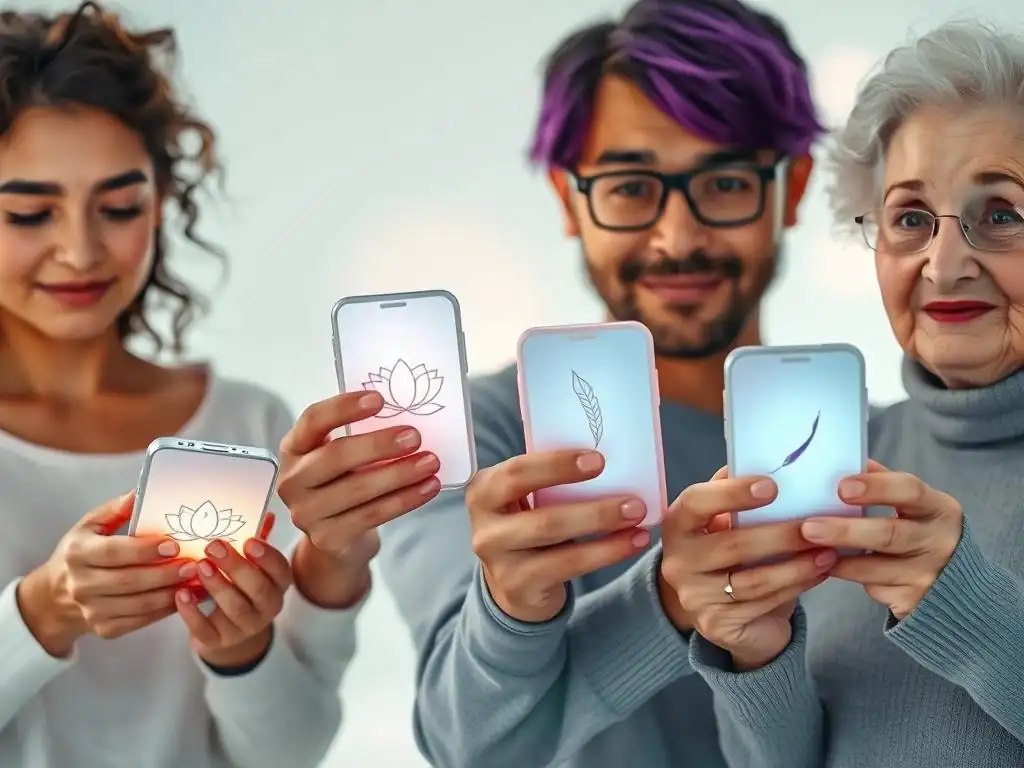
Selecting the right app using a thoughtful Mental health app selection guide is only the first step. To truly benefit, you need to integrate it effectively into your life.
Integrating the App into Your Daily Routine
Consistency is key to seeing benefits from most mental health practices, including using an app. Try to find specific times or triggers in your day to use the app. For example, practice a guided meditation during your morning commute, log your mood during your lunch break, or listen to a sleep story before bed.
Start small, maybe committing to just 5-10 minutes a day. As it becomes a habit, you can gradually increase your engagement. Linking app usage to existing routines (like brushing your teeth or making coffee) can make it easier to remember and stick with.
Setting Reminders and Tracking Your Progress
Utilize the app's built-in reminder features if available, or set external reminders on your phone or calendar. These gentle nudges can help you stay consistent, especially on busy days.
Actively use the tracking features the app offers. Logging your mood, symptoms, or completed exercises provides valuable data. Regularly review your progress reports within the app to identify patterns, see what techniques are most helpful, and stay motivated by observing improvements over time.
Combining App Usage with Other Mental Health Strategies
Mental health apps are most effective when used as part of a broader self-care strategy. Don't rely solely on the app, especially if you are dealing with significant challenges.
Combine app usage with other healthy habits like regular exercise, balanced nutrition, sufficient sleep, and spending time in nature. If appropriate, use the app to reinforce skills learned in therapy or to supplement the support you receive from friends, family, or support groups.
Seeking Professional Support When Needed
Remember that mental health apps are valuable tools, but they are not a substitute for professional mental healthcare, especially for moderate to severe conditions.
If your symptoms worsen, you feel overwhelmed, or you are experiencing thoughts of self-harm, reach out to a qualified mental health professional immediately. Apps can provide support and coping strategies, but they cannot diagnose, treat complex conditions, or handle crises in the way a trained therapist or psychiatrist can. Use the app as a complement to, not a replacement for, professional guidance when necessary.
The Future of Mental Health Apps: Trends and Innovations
The field of digital mental health is constantly evolving. Staying aware of emerging trends can inform future choices or highlight innovative features to look for.
AI-Powered Mental Health Support
Artificial intelligence is increasingly being integrated into mental health apps. This includes AI chatbots that can provide conversational support, algorithms that personalize content based on user input, and tools that analyze speech or text patterns to identify emotional states or potential risks. While still in early stages, AI has the potential to offer more responsive and tailored digital support.
Virtual Reality (VR) Therapy Apps
VR is being explored for its potential in exposure therapy for phobias and anxiety disorders, creating immersive environments for relaxation, or practicing social skills. While VR headsets are not yet mainstream for mental wellness at home, dedicated VR therapy apps are emerging, offering new ways to engage with therapeutic content in a more experiential format.
Personalized Mental Health Programs
Future apps are likely to become even more personalized, creating dynamic programs that adapt based on a user's real-time data, progress, and feedback. This could involve combining data from wearables (like sleep or activity trackers) with self-reported mood and app usage to offer highly tailored interventions and support plans.
Recommendations for Managing Anxiety
While this guide is about selection, here are a few examples of apps often recommended within a Mental health app selection guide context for specific needs, particularly anxiety:
Calm - Guided meditations and sleep stories for anxiety reduction.
Widely popular, Calm offers a vast library of guided meditations suitable for beginners and experienced users, with specific programs focused on reducing anxiety and stress. Its "Sleep Stories" feature is also highly regarded for helping users relax and fall asleep, a common challenge for those with anxiety.
Headspace - Mindfulness techniques and exercises for stress management.
Known for its engaging animations and accessible approach, Headspace teaches mindfulness and meditation skills. It offers courses on managing anxiety, stress, and difficult emotions, providing practical techniques that can be applied throughout the day.
Moodfit - Personalized insights and tools to understand and improve mood.
While a mood tracking app, Moodfit goes further by providing personalized insights into factors affecting your mood and offering tools based on CBT and other techniques to address issues like anxiety. It helps users understand the connection between their thoughts, feelings, and behaviors.
Conclusion: Empowering You to Choose the Right Mental Health App
Selecting a mental health app from the multitude available can be a challenging task, but armed with a systematic Mental health app selection guide, it becomes a manageable process. By first understanding your personal needs and goals, you can then effectively evaluate app features, prioritize privacy and security, consider cost, and avoid potential red flags.
Taking the time to research, compare, and test apps ensures that you choose a tool that is not only relevant to your specific challenges but also reliable, user-friendly, and safe. Remember that the right app can be a valuable addition to your mental wellness toolkit, offering convenient support, skill-building exercises, and tracking capabilities. Use this guide to make an empowered choice and take a positive step forward in your mental health journey.
Frequently Asked Questions
### What are the key factors to consider when choosing a mental health app?
When selecting a mental health app, consider its evidence-based practices, user privacy and security, and whether its features align with your specific mental health needs.
### How can I determine if a mental health app is reputable and safe to use?
Look for apps developed by well-known organizations or those recommended by mental health professionals. Check user reviews and research the app's data privacy policies.
### What types of mental health apps are available, and which might be best for me?
Apps cater to various needs, including meditation, therapy, mood tracking, and cognitive behavioral therapy (CBT). The best app depends on your individual needs and preferences.
### Are mental health apps a substitute for professional therapy or counseling?
No, mental health apps are not a replacement for professional help. They can be a useful supplement, but always consult a therapist for diagnosis and treatment.
### How much do mental health apps typically cost, and are there free options available?
Costs vary widely, from free apps with limited features to subscription-based services with premium content. Many apps offer a free trial period.
The proliferation of mental health apps presents a paradox: while offering unprecedented access to support, it also creates a daunting selection process. Finding the right app can feel overwhelming, even counterproductive to the very self-care it promises. This guide aimed to cut through the noise, providing a framework for informed decision-making in this rapidly expanding digital landscape.
The impact of readily available mental health resources, both positive and negative, is undeniable. The sheer volume of choices underscores a growing societal awareness of mental wellbeing, a shift that's both encouraging and challenging. The greatest glory in living lies not in never falling, but in rising every time we fall.
This quote, often attributed to Nelson Mandela, speaks to the resilience we all need, and the importance of finding the right tools to support that journey, even if it means navigating a complex app market.
You now possess the knowledge to approach your mental health app search with confidence. Don't be afraid to experiment, to try different approaches, and to find what truly resonates with your needs and preferences. Remember, the journey to better mental health is personal; the right app is simply a tool to empower you on that path. Take the time to explore, to reflect, and to choose wisely. Your wellbeing is worth the effort.
Unlock Your Mental Wellbeing: Start Your App Journey Today!
Thanks for taking the time to explore the world of mental health apps with us! We hope this guide equipped you with the knowledge to find the perfect fit for your needs. Ready to take the next step towards a healthier, happier you?
- Download your top 3 app choices and try them out for a week. Really experience the features and see which one best supports your daily routine and goals. This is the most important step!
- Share this guide with a friend who might also benefit from finding a supportive app. Let's spread the word about mental wellness!
- Consider leaving a comment below – what's one feature you found particularly helpful (or unhelpful) in your app search?
Which app feature are you most excited to start using, and why?