
ExpertBacked Features: What to Look for in a Reliable Mental Health App

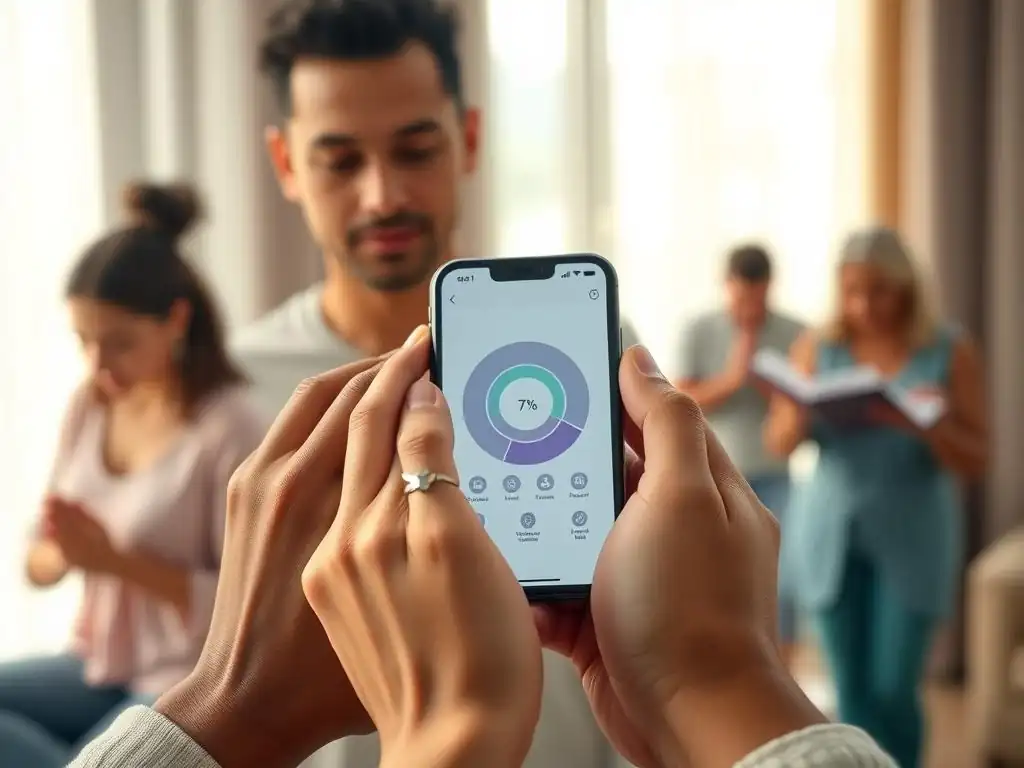
Welcome to Mind Care Guide, your sanctuary for understanding and nurturing your mental well-being.
Feeling overwhelmed by the sheer number of mental health apps available? You're not alone. Discover our expert-backed guide to reliable mental health app features, where we cut through the noise and reveal the essential elements that truly make a difference. Curious to learn which features can empower your journey to a healthier mind? Read on and unlock the potential of technology to support your well-being.
- Mind Care Guide: Expert-Backed Features for a Reliable Mental Health App
-
Key Features of a Reliable Mental Health App: What Experts Recommend
- User Privacy and Data Security: Protecting Your Sensitive Information
- Evidence-Based Practices: Apps Grounded in Scientific Research
- Qualified Professionals: Access to Licensed Therapists and Counselors
- Personalized Support: Tailoring the App to Your Individual Needs
- Comprehensive Mental Health Resources: Beyond Basic Features
- Evaluating Mental Health Apps: A Checklist for Reliability
- Top Features That Enhance the User Experience in Mental Health Apps
- Red Flags to Watch Out For: Identifying Unreliable Mental Health Apps
- Choosing the Right Mental Health App: A Personalized Approach
- Conclusion: Investing in Your Mental Wellbeing with a Reliable App
-
Frequently Asked Questions
- What are the most essential features to look for in a reliable mental health app?
- How can I determine if a mental health app's features are actually expert-backed?
- Why is data privacy so crucial when choosing a mental health app?
- What types of interactive features can contribute to a more engaging and effective mental health app experience?
- Are there any red flags or features I should be wary of when evaluating a mental health app?
- Final Reflection: Building Bridges to Better Mental Wellbeing Through Technology
- Unlock Your Mental Wellness Journey: Take the Next Step
Mind Care Guide: Expert-Backed Features for a Reliable Mental Health App
The Growing Popularity of Digital Mental Healthcare Solutions
Digital mental healthcare solutions, particularly mobile applications, have seen a dramatic surge in adoption over the past decade. This growth accelerated significantly following global events like the COVID-19 pandemic, which increased the demand for accessible and remote mental health support. Millions of people worldwide are now turning to their smartphones for tools to manage stress, anxiety, depression, and improve overall wellbeing. Reports indicate that the global mental health app market size reached billions of dollars in recent years and is projected to continue expanding, reflecting a fundamental shift in how individuals seek and receive mental health support.
This increasing popularity isn't just a trend; it reflects a genuine need for flexible and accessible support options. Many individuals face barriers to traditional care, such as high costs, long wait times, geographical limitations, or the stigma associated with seeking help.
Mental health apps offer a convenient alternative or supplement, providing immediate access to a range of tools from guided meditations and mood tracking to cognitive behavioral therapy (CBT) exercises and even teletherapy sessions. The sheer volume of available apps, estimated to be in the tens of thousands across various platforms, underscores the widespread interest and the potential of this technology to reach underserved populations.
Potential Benefits of Using Mental Health Apps for Wellbeing
Utilizing a reliable mental health app can offer numerous advantages for individuals seeking to enhance their wellbeing. One significant benefit is accessibility; apps are available 24/7, allowing users to access support whenever and wherever they need it, whether during a moment of anxiety at work or for a nightly meditation routine. This constant availability can be particularly helpful for managing acute stress or maintaining consistency in therapeutic practices. Furthermore, apps often provide a cost-effective entry point into mental health support compared to traditional therapy, with many offering free basic features or more affordable subscription models.
Beyond convenience and cost, these apps can empower users by providing tools for self-management and skill-building. Features like mood diaries, thought journals, and guided exercises based on evidence-based techniques (like mindfulness or CBT) allow individuals to gain insight into their patterns, track progress, and develop coping strategies independently.
For example, a user might use an app daily to log their mood and identify triggers for negative feelings, or practice deep breathing exercises guided by the app during a stressful situation. This proactive engagement can foster a sense of control and agency over one's mental health journey, supplementing professional care or serving as a valuable standalone resource for mild to moderate challenges.
Addressing Concerns: Limitations and Potential Risks of Mental Health Apps
While the benefits are clear, it's crucial to address the limitations and potential risks associated with mental health apps. One major concern is the sheer variability in quality and effectiveness among the vast number of available applications. Not all apps are created equal; some may lack scientific backing, provide inaccurate information, or even offer potentially harmful advice. Without proper vetting, users might rely on ineffective tools or delay seeking appropriate professional help for serious conditions. This underscores the importance of identifying reliable mental health app features to ensure the app is genuinely helpful and safe.
Another significant risk relates to user privacy and data security. Mental health data is highly sensitive, and concerns about how this information is collected, stored, and shared are paramount. Many apps have faced scrutiny over their privacy policies, with some reportedly sharing user data with third parties, including advertisers.
Users must be aware that downloading an app often means agreeing to its terms of service and privacy policy, which may grant the app significant permissions regarding their personal information. It is essential for users to carefully evaluate an app's commitment to data protection before entrusting it with their private thoughts and feelings, highlighting the need for robust security features in any reliable mental health app.
Key Features of a Reliable Mental Health App: What Experts Recommend
User Privacy and Data Security: Protecting Your Sensitive Information
When evaluating mental health apps, the paramount concern recommended by experts is robust user privacy and data security. Given the deeply personal nature of mental health information—ranging from mood logs and journal entries to potentially sensitive assessments and communication with professionals—users must be confident that their data is protected from unauthorized access, breaches, and misuse. A reliable mental health app will clearly outline its data handling practices in an easily accessible privacy policy, explaining what data is collected, how it is used, how it is stored, and whether it is shared with any third parties (and under what circumstances).
Furthermore, strong technical security measures are non-negotiable. This includes using encryption to protect data both in transit (when it's sent from your device to the app's servers) and at rest (when it's stored on those servers). Features like multi-factor authentication can add an extra layer of security to user accounts.
Experts advise looking for apps that comply with relevant health data protection regulations, such as HIPAA in the United States or GDPR in Europe, although compliance with these regulations can be complex and varies by app type and location. The app should also have clear protocols for data retention and deletion, allowing users to request their data be removed upon terminating service.
Evidence-Based Practices: Apps Grounded in Scientific Research
A core characteristic of a reliable mental health app is its foundation in evidence-based practices and scientific research. This means the techniques and tools offered within the app are derived from therapeutic modalities that have been clinically proven effective through rigorous studies. Common examples include Cognitive Behavioral Therapy (CBT), Dialectical Behavior Therapy (DBT), mindfulness-based stress reduction (MBSR), acceptance and commitment therapy (ACT), and positive psychology interventions. An app that merely offers generic motivational quotes or unproven techniques is unlikely to provide substantial, lasting benefits.
Apps that are truly evidence-based will often cite the research supporting their methods or indicate that their content was developed by licensed mental health professionals with expertise in these areas. For instance, an app focusing on anxiety might include modules specifically teaching CBT techniques like cognitive restructuring or exposure therapy, mirroring the structure and content used in traditional therapy settings.
Some apps have even undergone their own clinical trials to demonstrate efficacy for specific conditions, such as reducing symptoms of depression or anxiety. Looking for apps that clearly state their therapeutic approach and the evidence behind it is a critical step in identifying reliable mental health app features.
Qualified Professionals: Access to Licensed Therapists and Counselors
For apps that offer teletherapy or coaching services, access to qualified, licensed professionals is a non-negotiable feature of a reliable mental health app. Users seeking direct support from a therapist or counselor should be able to connect with individuals who hold appropriate licenses and certifications in their state or country. This ensures that the care provided meets professional standards and ethical guidelines. The app should provide clear information about the credentials, experience, and specializations of the therapists available on the platform, allowing users to make informed choices about who they want to connect with.
Beyond direct therapy, even apps that are primarily self-guided should ideally have input from mental health professionals in their development and oversight. This might involve licensed psychologists, psychiatrists, social workers, or counselors contributing to the app's content, structure, and therapeutic approach. Some apps employ a team of professionals who curate resources, develop new features, or provide clinical guidance. Knowing that the app's tools and information are vetted by experts adds a significant layer of trustworthiness and helps distinguish reliable platforms from those created without professional clinical insight.
Personalized Support: Tailoring the App to Your Individual Needs
Mental health is deeply personal, and a reliable mental health app should offer features that allow for a degree of personalization to meet individual needs and preferences. While many apps offer structured programs or general tools, the ability to tailor the experience can significantly enhance engagement and effectiveness. This might involve setting specific goals, customizing notifications and reminders, selecting preferred types of exercises or meditations, or adjusting the difficulty or focus of certain modules based on the user's progress and challenges.
Personalization can also extend to the app's interface and content delivery. For example, an app might use initial assessments to recommend specific programs or tools relevant to the user's reported symptoms or goals (e.g., programs for managing panic attacks vs. programs for improving sleep).
Some advanced apps may even use algorithms to adapt content or suggest interventions based on the user's usage patterns or tracked data, offering a more dynamic and responsive experience. The ability to feel that the app is adapting to your unique journey, rather than offering a one-size-fits-all solution, is a key feature of a reliable mental health app designed for long-term use.
Comprehensive Mental Health Resources: Beyond Basic Features
A reliable mental health app often goes beyond just offering a single tool (like meditation or mood tracking) and provides a more comprehensive suite of resources. While specialization can be good, having access to a variety of features within one platform can cater to different aspects of mental wellbeing and allow users to explore various techniques. This could include a combination of guided meditations, breathing exercises, journaling prompts, cognitive restructuring tools, goal-setting features, educational content about mental health conditions, crisis resources, and community support forums (with moderation).
Furthermore, comprehensive resources might involve integration with other health or wellness tools, though this should be optional and clearly explained regarding data sharing. The app could also provide links to external resources, such as national mental health hotlines, professional directories, or reputable websites offering further information.
The goal is to create a holistic platform that supports multiple facets of mental health management and provides pathways to additional help when needed. An app that offers a rich and varied set of tools and information demonstrates a commitment to supporting the user's overall mental health journey, marking it as a potentially reliable resource.
Evaluating Mental Health Apps: A Checklist for Reliability
Check for Accreditation and Certifications
When seeking a reliable mental health app, look for any mentions of accreditation, certification, or third-party validation. While the digital health space is still evolving, some organizations are working to evaluate the quality and safety of mental health apps.
For instance, in the UK, the NHS Apps Library previously reviewed health apps against clinical safety, data security, and usability criteria. In the US, while no single overarching federal accreditation exists specifically for mental health apps, initiatives like the American Psychiatric Association's App Advisor or organizations like PsyberGuide provide expert reviews and ratings based on criteria like evidence base, privacy policies, and ease of use.
Finding an app listed or reviewed positively by such reputable organizations or health bodies can serve as an initial indicator of its potential reliability. While not a guarantee, it suggests that the app has undergone some level of external scrutiny regarding its claims, safety, and effectiveness. Always verify the source and the criteria used for any claimed certification or endorsement. This step provides a valuable shortcut in filtering the vast number of available options and helps users focus on apps that have made efforts to demonstrate credibility beyond self-promotion.
Review User Testimonials and Expert Opinions
Gathering information from both users and experts is a crucial step in evaluating the reliability of a mental health app. User testimonials and reviews on app stores can offer insights into real-world experiences, highlighting aspects like usability, effectiveness of features, and quality of customer support. Look for patterns in reviews – are multiple users reporting similar positive outcomes or encountering recurring issues? Be mindful that individual experiences vary, and reviews can sometimes be influenced by factors unrelated to the app's core functionality.
Complementing user reviews with expert opinions provides a more balanced perspective. Look for reviews or evaluations from mental health professionals, academic researchers, or reputable technology journalists who specialize in digital health. Websites or publications that critically analyze apps based on clinical evidence, privacy standards, and ethical considerations offer valuable insights.
For example, a review from a clinical psychologist might comment on whether the app's CBT exercises align with established therapeutic protocols. Combining the practical feedback of users with the informed assessment of experts helps build a comprehensive picture of an app's strengths and weaknesses, aiding in the identification of reliable mental health app features.
Examine the App's Privacy Policy and Data Security Measures
A critical, albeit often overlooked, step in evaluating any mental health app is a thorough examination of its privacy policy and stated data security measures. Do not simply click "agree" without understanding how your highly sensitive personal and health information will be handled. A trustworthy app will have a clear, accessible, and easy-to-understand privacy policy that explicitly states what data is collected (e.g., mood logs, journal entries, usage data, location), how it is used (e.g., for personalization, research, service improvement), whether it is shared with any third parties (and for what purpose), and how it is protected.
Look for specific mentions of data encryption (both in transit and at rest), compliance with relevant privacy regulations (like HIPAA or GDPR, where applicable), and policies regarding data anonymization or de-identification if data is used for research or analytics. Be wary of apps that have vague policies, claim ownership of your data, or indicate that your data will be shared with advertisers or data brokers.
If the privacy policy is difficult to find, unclear, or raises red flags, it's a strong indicator that the app may not prioritize user data protection, which is fundamental to a reliable mental health app. Consider searching online for news or reports about the app's past privacy practices.
Assess the Range of Features and Services Offered
Evaluate whether the range of features and services offered by the app aligns with your specific needs and goals. A reliable mental health app isn't necessarily the one with the most features, but the one that provides the right features for you, delivered effectively. If you primarily want help with sleep, look for apps with dedicated sleep modules, relaxation exercises, and sleep tracking integration. If you need support for managing panic attacks, prioritize apps offering specific techniques like grounding exercises or exposure hierarchies based on clinical protocols.
Beyond the core tools, consider the breadth and depth of the content. Does the app offer educational resources that help you understand the techniques you're using? Are there different levels or programs available depending on your progress? For apps offering teletherapy, what is the process for matching with a therapist, and what are their availability and qualifications? A comprehensive set of features that are well-integrated and supported by clear guidance is a hallmark of a well-designed and reliable platform, offering more sustained value than an app with just one or two basic functions.
Consider the App's Cost and Subscription Model
The cost and subscription model are practical considerations when evaluating a mental health app, but they can also sometimes reflect the app's reliability and sustainability. Many high-quality apps operate on a subscription basis, which helps fund ongoing development, maintenance, data security measures, and potentially the inclusion of qualified professionals or evidence-based content. While free apps exist, be extra cautious about their privacy policies, as some may rely on data collection or advertising revenue in ways that compromise user privacy.
Evaluate the pricing structure: is it a monthly or annual subscription? Is there a free trial or a limited free version that allows you to test key features before committing financially? Compare the cost relative to the features offered and the app's overall reputation for reliability and effectiveness.
Be wary of apps that use aggressive upsell tactics or make unrealistic promises to justify a high cost. A transparent and reasonable pricing model for the value provided is often a sign of a more trustworthy and sustainable platform committed to providing a reliable mental health app service rather than just a quick profit.
Top Features That Enhance the User Experience in Mental Health Apps
An intuitive interface and easy navigation are critical for a positive user experience in a mental health app. Users seeking support may already be experiencing stress, anxiety, or low energy, making it difficult to engage with complex or confusing technology. A well-designed app should have a clean, uncluttered layout where features are logically organized and easy to find. Users should be able to quickly access core functions like journaling, meditation, or tracking without having to search through multiple menus or encounter frustrating design elements.
Smooth navigation ensures that users can seamlessly move between different sections of the app, whether they are reviewing past progress, starting a new exercise, or accessing educational content. Clear labeling, consistent design elements, and responsive controls contribute to an effortless user journey. An app that is difficult to use, crashes frequently, or has technical glitches can add to a user's frustration and discourage consistent engagement, undermining its potential effectiveness regardless of the quality of its content. A user-friendly design is therefore a fundamental feature of a reliable mental health app that aims for consistent user engagement.
Gamification and Motivational Tools for Engagement
To encourage consistent use and make the process of working on mental health more engaging, many reliable mental health apps incorporate gamification and motivational tools. Gamification involves integrating game-like elements into non-game contexts, such as earning points for completing exercises, unlocking new content as you progress, or achieving streaks for daily check-ins. These elements can provide positive reinforcement and make the journey feel less like a chore and more like a personal quest.
Motivational tools might include personalized reminders, encouraging messages, progress visualizations (like charts showing mood trends over time), or goal-setting features that help users break down larger objectives into smaller, manageable steps. Some apps offer guided programs with a clear structure and progression, providing a sense of accomplishment as users complete modules.
Features like daily check-ins or prompts can help build routine. By making the experience more interactive and rewarding, these features help users stay committed to using the app regularly, which is often key to seeing positive outcomes and reinforces the characteristics of a reliable mental health app designed for long-term benefit.
Progress Tracking and Goal Setting Capabilities
Effective progress tracking and goal setting capabilities are essential features in a reliable mental health app, allowing users to monitor their journey and work towards specific outcomes. Tracking features can include mood logging, journal entries, sleep patterns, activity levels, or completion rates of exercises and modules. Visual representations of this data, such as charts and graphs showing trends over days, weeks, or months, provide valuable insights into patterns and how different factors might influence wellbeing.
Goal setting features enable users to define what they hope to achieve with the app, whether it's reducing anxiety symptoms, improving sleep quality, practicing mindfulness daily, or developing specific coping skills. The app should facilitate setting SMART (Specific, Measurable, Achievable, Relevant, Time-bound) goals and allow users to track their progress towards them. Seeing tangible evidence of improvement or consistent effort through tracking and goal completion can be incredibly motivating and reinforces the app's value, demonstrating its function as a reliable tool for personal growth and mental health management.
Integration with Wearable Devices and Health Trackers
For users who utilize wearable devices like smartwatches or fitness trackers, integration capabilities can be a valuable feature in a mental health app. This allows the app to potentially incorporate data points such as sleep duration and quality, heart rate variability (HRV), physical activity levels, and even stress metrics captured by the wearable device. Bringing this physiological data together with self-reported mental state information (like mood logs) can provide a more holistic view of a user's overall wellbeing and the interplay between physical and mental health.
For example, an app might correlate a user's low mood days with poor sleep quality data pulled from their wearable, helping them identify potential connections and prioritize sleep hygiene. Or it could show how consistent physical activity (tracked by the wearable) aligns with improved mood scores. While not strictly necessary for all users, this integration capability enhances the app's ability to provide personalized insights and recommendations based on a wider range of data, contributing to its sophistication and potential as a reliable mental health app for those who use connected health devices.
Accessibility Features for Diverse Needs
A truly reliable mental health app is designed with accessibility in mind, ensuring it can be used by individuals with diverse needs and abilities. This includes features such as adjustable font sizes and styles, high-contrast color options for users with visual impairments, compatibility with screen readers, and intuitive navigation that doesn't rely solely on complex gestures. Captions or transcripts for audio content (like guided meditations) are also important for users who are deaf or hard of hearing, or those in environments where they cannot use sound.
Designing for accessibility demonstrates an app developer's commitment to inclusivity and ensuring that support is available to as many people as possible. It reflects an understanding that mental health challenges can affect anyone and that technology should not create new barriers to care. An app that prioritizes accessibility features is more likely to have undergone thoughtful design and testing processes, suggesting a higher standard of quality and care in its development, which aligns with the characteristics of a reliable mental health app.
Red Flags to Watch Out For: Identifying Unreliable Mental Health Apps
Lack of Transparency Regarding Developer Qualifications
A significant red flag when evaluating a mental health app is a lack of transparency regarding the qualifications of its developers or the professionals involved in creating its content. A reliable mental health app will typically highlight that its content was developed or overseen by licensed psychologists, psychiatrists, therapists, or researchers. If the app provides no information about the expertise behind its creation, or if the developers listed have no apparent background in mental health or clinical practice, it raises serious questions about the credibility and safety of the information and tools provided.
Be wary of apps that seem to be developed solely by tech companies without any stated clinical collaboration or oversight. While technology is essential, the therapeutic content must be grounded in psychological principles and evidence. An app that is opaque about its clinical foundation makes it difficult for users to trust the advice or exercises it offers and is a strong indicator that it may not be a reliable source of mental health support.
Overpromising Results and Unrealistic Claims
Beware of mental health apps that make exaggerated claims or overpromise rapid, miraculous results. Mental health is complex, and progress often involves time, effort, and sometimes professional support. Apps that guarantee a "cure" for conditions like depression or anxiety within a few days or weeks, or promise to solve all your problems effortlessly, are likely employing deceptive marketing tactics. These unrealistic claims can set users up for disappointment and may discourage them if they don't see the promised immediate results.
Reliable mental health apps typically focus on providing tools and support for managing symptoms, building skills, and improving overall wellbeing gradually. They are usually careful not to present themselves as a replacement for professional diagnosis or treatment for severe conditions. Marketing that sounds too good to be true usually is, and apps making such claims are often unreliable and potentially harmful if they prevent users from seeking appropriate care.
Pushy Sales Tactics and Aggressive Marketing
Aggressive or overly pushy sales tactics can be a red flag for a mental health app. While it's reasonable for subscription-based apps to encourage users to subscribe, constant interruptions, high-pressure messages to upgrade, or making essential features unavailable behind persistent paywalls can detract from the user experience and suggest that profit is prioritized over user wellbeing. Be particularly cautious of apps that use manipulative language or exploit user vulnerability to push sales.
Furthermore, examine the app's marketing outside of the app itself. Does it make questionable claims in advertisements? Does it appear alongside spammy or irrelevant content? While marketing is necessary, the tone and approach should be ethical and respectful, especially in the sensitive domain of mental health. Apps that employ aggressive or questionable marketing strategies may not have the user's best interest at heart and are less likely to be truly reliable mental health app options.
Insufficient Data Security and Privacy Protections
As previously discussed, inadequate data security and privacy protections are critical red flags. Beyond just a vague privacy policy, look for concrete signs of insufficient protection. Has the app or its developer been involved in past data breaches? Are there widespread reports of user data being shared without explicit consent or in ways that violate privacy expectations? Does the app request unnecessary permissions on your device (e.g., access to contacts or location data unrelated to core functionality)?
A lack of clear information about how data is encrypted, stored, and protected, or a history of privacy concerns, are strong indicators that the app may not be a safe place to store sensitive mental health information. Trust is fundamental in mental healthcare, and an app that cannot be trusted to protect your privacy cannot be considered a reliable mental health app. Always prioritize apps that demonstrate a clear and verifiable commitment to data security and user privacy.
Limited or Non-Existent Customer Support
The availability and responsiveness of customer support can be an unexpected indicator of an app's reliability. While not a direct measure of clinical quality, poor or non-existent customer support can reflect a lack of investment in the user experience and a failure to address potential technical issues or user concerns. If you encounter a problem with the app, have a question about its features, or experience a technical glitch, you should be able to easily contact the support team and receive a timely and helpful response.
An app with robust, accessible customer support (e.g., via email, in-app chat, or a comprehensive FAQ section) suggests that the developers are committed to maintaining a functional and user-friendly platform. Conversely, an app that leaves users stranded with technical issues or unanswered questions is unlikely to provide a consistently reliable experience. Before committing to an app, especially a paid one, look for information on how to contact support and consider reading reviews that mention the quality of their customer service.
Choosing the Right Mental Health App: A Personalized Approach
Identify Your Specific Mental Health Needs and Goals
Choosing the right mental health app begins with understanding your own specific needs and goals. What are you hoping to achieve by using an app? Are you looking for tools to manage everyday stress, improve sleep, practice mindfulness, track your mood, learn coping skills for anxiety or depression, or supplement therapy? Different apps specialize in different areas and therapeutic approaches. For example, some apps focus heavily on meditation and mindfulness, while others are built around CBT principles for changing thought patterns.
Reflect on your current challenges and what kind of support you feel would be most beneficial. Are you looking for structured programs, or flexible tools you can use as needed? Do you prefer guided exercises or self-directed journaling? Identifying your primary needs will help you narrow down the vast number of options and focus on apps that offer features directly relevant to your personal mental health journey, making it easier to find a truly reliable mental health app for you.
Research and Compare Different App Options
Once you have identified your needs, dedicate time to researching and comparing different app options that seem to align with your goals. Don't download the first app you find. Use the checklist provided above: look for information on developer qualifications, evidence base, privacy policy, security measures, features offered, and cost. Read reviews from both users and experts on reputable platforms like PsyberGuide, app store reviews, or articles from mental health organizations.
Compare the features side-by-side. Does App A offer robust mood tracking while App B excels at guided meditations? Which one has a privacy policy you are comfortable with? Consider the overall user experience as reported by others. This comparative research is essential for sifting through the noise and identifying apps that not only promise certain benefits but also demonstrate the characteristics of a reliable mental health app through transparency, professional backing, and positive user/expert feedback.
Take Advantage of Free Trials or Demo Versions
Many subscription-based mental health apps offer a free trial period or a limited free version. Take full advantage of these opportunities to test the app before committing to a paid subscription. A free trial allows you to explore the app's full range of features, assess the user interface, try out different exercises, and see if the overall feel and functionality suit your preferences. A limited free version, while not offering everything, can still give you a sense of the app's design, basic tools, and ease of use.
Using a free trial or demo is the best way to personally evaluate the user experience and determine if the app's content and features are genuinely helpful and engaging for you. It allows you to confirm that the app lives up to its description and marketing, and that it feels like a reliable tool you would want to incorporate into your routine. Don't hesitate to try out a few different apps during their trial periods to find the best fit.
Consult with a Mental Health Professional for Guidance
While mental health apps can be incredibly beneficial, they are generally not a substitute for professional diagnosis or treatment, especially for moderate to severe conditions. If you are currently working with a therapist, counselor, or psychiatrist, consider discussing your interest in using a mental health app with them. Your professional can offer valuable guidance based on their clinical expertise and understanding of your specific needs and history.
They may be able to recommend specific apps that they are familiar with and trust, or advise you on what types of features or approaches would be most beneficial for your situation. They can also help you understand how an app might complement the therapy or treatment you are already receiving. Consulting a professional adds an extra layer of informed decision-making to your process of selecting a reliable mental health app and ensures that your use of technology aligns with your overall care plan.
Conclusion: Investing in Your Mental Wellbeing with a Reliable App
The Future of Mental Healthcare: The Role of Technology
Technology is undeniably playing an increasingly significant role in the future of mental healthcare. Mental health apps, teletherapy platforms, and other digital tools are expanding access to support, reducing barriers, and empowering individuals to take a more active role in managing their wellbeing. They offer flexibility, affordability, and privacy that can complement or provide an alternative to traditional care models, reaching people who might otherwise go without support.
As technology continues to evolve, we can anticipate even more sophisticated and personalized digital mental health solutions. Developments in artificial intelligence, data analytics, and integration with wearable devices promise to offer deeper insights and more tailored interventions. However, with this growth comes the ongoing need for scrutiny, ensuring that technological advancements are coupled with robust clinical validation, ethical considerations, and stringent data protection measures. The future relies on developing and promoting reliable mental health app features that prioritize user safety, privacy, and evidence-based effectiveness.
Empowering Yourself with the Right Mental Health App
Choosing and consistently using a reliable mental health app can be a powerful step in empowering yourself on your mental wellbeing journey. By providing accessible tools for self-awareness, skill-building, and progress tracking, the right app can help you better understand your own mind, develop healthier coping strategies, and build resilience against life's challenges. It's an investment in your personal growth and emotional health, available at your fingertips whenever you need it.
Remember that finding the perfect app might take a little research and experimentation. Utilize the knowledge about reliable mental health app features discussed in this guide – prioritize privacy, look for evidence-based content, check for professional involvement, and ensure the app is user-friendly and aligns with your specific needs. By making an informed choice, you equip yourself with a valuable tool that can support you in building a more balanced, resilient, and fulfilling life.
Frequently Asked Questions
What are the most essential features to look for in a reliable mental health app?
The most essential features include evidence-based techniques like CBT or mindfulness exercises, personalized recommendations based on your needs, and secure data privacy.
How can I determine if a mental health app's features are actually expert-backed?
Look for apps that are developed in collaboration with mental health professionals or are recommended by reputable organizations. Check if the app provides citations or references to support its claims.
Why is data privacy so crucial when choosing a mental health app?
Mental health apps often collect sensitive personal information. Strong data encryption and a clear privacy policy are essential to protect your confidentiality and prevent misuse of your data.
What types of interactive features can contribute to a more engaging and effective mental health app experience?
Interactive features like mood tracking, goal setting, and progress monitoring can help you actively participate in your mental well-being journey and track your improvement over time. Community forums can also provide peer support.
Are there any red flags or features I should be wary of when evaluating a mental health app?
Be cautious of apps that promise instant cures or unrealistic outcomes, lack transparency about their creators or scientific basis, or aggressively push in-app purchases without providing substantial value.
Final Reflection: Building Bridges to Better Mental Wellbeing Through Technology
The quest for reliable mental health support is more critical than ever, and technology is increasingly playing a vital role in bridging the gap to accessible and effective care. The sheer volume of mental health apps available underscores the growing need, but discerning quality from quantity requires careful consideration of key features. This article has highlighted the importance of prioritizing factors like data security, evidence-based interventions, and professional oversight when choosing a mental health app.
The impact of technology on mental health is profound and multifaceted. It's not just about convenience; it's about destigmatizing mental health struggles and empowering individuals to take control of their wellbeing. Technology can be a powerful tool for good, but only if we use it wisely and responsibly.
This quote perfectly encapsulates the responsibility we all share in navigating this evolving landscape, ensuring that technology serves as a genuine aid, not a hindrance, to mental wellness. The ongoing evolution of these apps, driven by user feedback and technological advancements, promises even greater accessibility and personalized support in the future.
Consider the features discussed within this article. Do they resonate with your own needs and priorities? Take the time to research apps carefully, prioritizing those that align with your values and offer the level of support you require. Don't hesitate to seek professional guidance if you're unsure which app is right for you. Your mental wellbeing is an investment worth making, and the right technology can be a powerful ally on your journey to a healthier, happier you.
Unlock Your Mental Wellness Journey: Take the Next Step
Thanks for taking the time to explore the key features of a reliable mental health app! We hope this guide empowered you with the knowledge to make informed choices for your well-being. Now, let's turn that knowledge into action.
- Find the perfect app for YOU: Take a few minutes to revisit the features we highlighted and research apps that best fit your needs. Consider downloading a free trial or exploring their customer reviews. This is your first step towards better mental health!
- Share your insights: Do you have a favorite mental health app that wasn't mentioned? Share your recommendations in the comments below – your experience could help others on their journey.
- Explore additional resources: Dive deeper into the topic by searching for "mental health app reviews 2024" or "evidence-based mental health apps" online for even more options.
Ready to prioritize your mental well-being? What's the one feature you'll prioritize when selecting your perfect mental health app?