
From Smartphone to Serenity: Can an App Really Help You Heal? Exploring the Possibilities


Welcome to Mind Care Guide.
Feeling overwhelmed? You're not alone. In a world demanding our constant attention, finding moments of peace can feel impossible. But what if a little help was right in your pocket? Could your smartphone actually contribute to your mental well-being? This journey begins with exploring the potential of smartphone mental health app benefits. Discover how these tools can offer support, guidance, and a path towards a calmer, healthier you. Intrigued? Let's dive in and uncover the possibilities together.
- Smartphone Mental Health App Benefits: What the Research Says
-
Frequently Asked Questions
- ### What are the primary benefits of using a smartphone mental health app?
- ### How effective are smartphone apps compared to traditional therapy for mental health?
- ### What types of mental health challenges can smartphone apps potentially help with?
- ### Are smartphone mental health apps secure and private regarding user data?
- ### Where can I find reliable information and reviews about smartphone mental health apps?
- Final Reflection: Finding Serenity in the Digital Age
- Unlock Your Inner Calm: Start Your Healing Journey Today!
Smartphone Mental Health App Benefits: What the Research Says
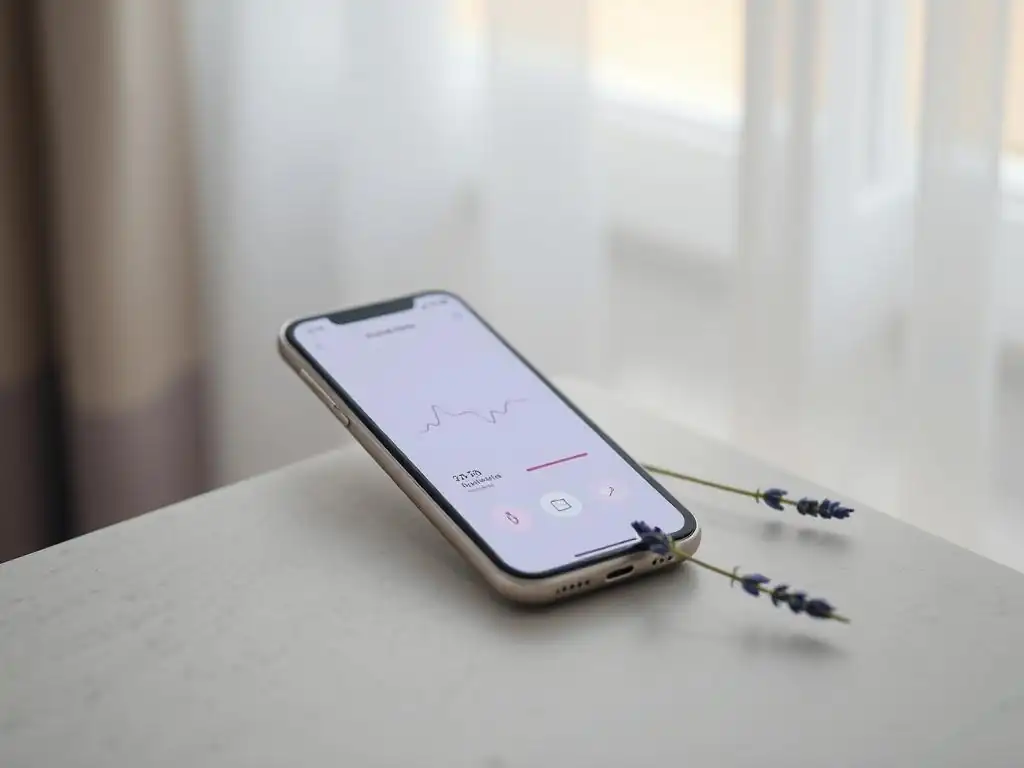
The proliferation of mental health apps on smartphones has sparked significant interest, both from individuals seeking support and researchers studying their efficacy. While they are not a replacement for professional care in all cases, numerous studies and user experiences highlight several key smartphone mental health app benefits that make them a valuable tool in the overall mental wellness landscape. Exploring these advantages reveals why millions are turning to their devices for support.
Understanding the potential positive impacts is crucial for anyone considering using these tools. The benefits span from practical considerations like cost and access to more personal advantages like self-awareness and privacy. Let's delve into the specific areas where these digital tools demonstrate significant value.
Accessibility and Convenience: Reaching Users Where They Are
One of the most compelling smartphone mental health app benefits is their unparalleled accessibility. Unlike traditional therapy, which requires scheduling appointments, traveling to an office, and adhering to specific hours, apps are available 24/7, literally at the user's fingertips. This means someone experiencing anxiety late at night or needing a quick mindfulness exercise during a stressful workday can access support instantly. With smartphone penetration reaching billions globally, the potential reach of these tools is immense, offering support to individuals who might otherwise face significant barriers to care.
This convenience is particularly impactful for populations facing geographical constraints or mobility challenges. For someone living in a rural area miles away from the nearest therapist's office, or an individual with a physical disability making travel difficult, a smartphone mental health app provides a lifeline. It removes the logistical hurdles, allowing individuals to engage with therapeutic exercises, mood tracking, or guided meditations from the comfort and privacy of their own home, whenever they need it most, making mental health support more integrated into daily life.
Affordability: A Cost-Effective Alternative to Traditional Therapy?
Cost is often a major barrier to accessing mental healthcare. Traditional therapy sessions can range significantly in price, potentially costing upwards of $100-$200 per hour, and insurance coverage varies widely. In contrast, many smartphone mental health apps are available for free, offering core features like guided meditations, journaling prompts, or basic mood tracking without charge. While some premium apps operate on a subscription model, these typically cost a fraction of a single therapy session, perhaps ranging from $10-$50 per month.
This significant cost difference makes exploring smartphone mental health app benefits financially feasible for a much broader segment of the population. For someone unable to afford regular therapy, or needing supplementary support between sessions, an app can provide valuable resources and tools without the prohibitive expense. This economic advantage democratizes access to certain mental wellness practices, allowing more people to engage in self-care and skill-building activities that were previously less accessible due to cost.
Anonymity and Privacy: Addressing Concerns and Building Trust
Stigma surrounding mental health remains a significant challenge, preventing many from seeking help. One of the notable smartphone mental health app benefits is the level of anonymity they can offer. Using an app on a personal device allows individuals to explore mental wellness resources privately, without needing to disclose their struggles to others or navigate the potentially uncomfortable experience of visiting a clinic or therapist's office. This discretion can lower the barrier to entry for those hesitant due to fear of judgment or lack of privacy.
While data security is a crucial consideration (addressed later), the perceived privacy from others is a powerful benefit for many users. Engaging with an app allows individuals to explore their feelings, track their moods, or practice coping mechanisms without anyone else knowing. This sense of personal space and control over who knows about their mental health journey can be incredibly empowering and build the confidence needed to eventually seek professional help if required. It provides a safe space to begin the process of acknowledging and addressing mental health challenges.
Self-Monitoring and Tracking: Gaining Insights into Your Mental State
Many smartphone mental health apps incorporate features that enable users to track various aspects of their mental state, such as mood, sleep patterns, activity levels, and triggers. Over time, collecting this data allows individuals to identify patterns and correlations that might not be immediately obvious.
For example, a user might track their mood daily and correlate it with how much sleep they got, what they ate, or specific social interactions, potentially revealing that poor sleep consistently precedes periods of low mood. Some apps can collect hundreds or even thousands of data points over just a few weeks, providing a rich dataset for personal analysis.
This self-monitoring capability is a key smartphone mental health app benefit, fostering greater self-awareness. By visualizing trends and understanding personal triggers, users gain valuable insights into their own psychological landscape. This information is not only empowering for self-management but can also be incredibly useful if the individual decides to share it with a therapist or counselor, providing them with concrete data to inform treatment strategies. It transforms abstract feelings into observable data points, making mental health feel more manageable and understandable.
Frequently Asked Questions
### What are the primary benefits of using a smartphone mental health app?
Mental health apps offer convenient access to tools and resources, such as guided meditations and mood tracking, which can help users manage their mental well-being proactively. They also provide immediate support.
### How effective are smartphone apps compared to traditional therapy for mental health?
While apps can be a valuable supplement, they are generally not a replacement for traditional therapy. They often serve as a first step or provide ongoing support between therapy sessions.
### What types of mental health challenges can smartphone apps potentially help with?
Apps can assist with managing anxiety, stress, and mild depression. They can also offer tools for improving sleep and building mindfulness skills.
### Are smartphone mental health apps secure and private regarding user data?
The security and privacy of user data vary across different apps. It's crucial to choose apps with strong data encryption and transparent privacy policies to protect personal information.
### Where can I find reliable information and reviews about smartphone mental health apps?
Websites like Mind Care Guide offer comprehensive information and reviews. Also, look to reputable health organizations and research studies for evidence-based recommendations on suitable apps.
Final Reflection: Finding Serenity in the Digital Age
The pervasive nature of smartphones in modern life presents both a challenge and an opportunity. We've explored the burgeoning field of mental health apps, examining their potential to provide accessible and affordable support for a wide range of emotional and psychological needs. The question remains: can technology truly contribute to healing, or is it merely a digital placebo? The answer, as we've seen, is nuanced and complex, but ultimately points towards a promising future.
The impact of these apps extends far beyond individual users; they are reshaping our understanding of mental health itself. By normalizing conversations around mental wellbeing and providing tools for self-management, they are dismantling the stigma that has long surrounded seeking help. This shift is crucial, and its ripple effects are already visible in our society. Technology can be a powerful tool for good, and in the realm of mental health, it has the potential to democratize access to care and empower individuals to take control of their wellbeing.
This quote encapsulates the transformative potential we've discussed throughout this article.
Consider your own relationship with your smartphone. Is it a source of stress, or a tool for self-care? This article isn't just about apps; it's about mindful engagement with technology. Take a moment to reflect on your digital habits.
Are there apps or features you could utilize to enhance your mental wellbeing? Perhaps it's a meditation app, a journaling tool, or simply setting boundaries around screen time. The journey to serenity begins with awareness, and the power to shape your digital landscape lies within your hands. Embrace the opportunity to cultivate a healthier, more balanced relationship with technology, and unlock the potential for a more serene and fulfilling life.
Unlock Your Inner Calm: Start Your Healing Journey Today!
Thanks for taking the time to explore the fascinating world of healing apps with us! We hope you gained valuable insights into how technology can support your well-being. Now, it's time to put that knowledge into action.
- Prioritize your mental health: Download a mindfulness app and dedicate just 5 minutes a day to a guided meditation or breathing exercise. Even small steps can make a big difference.
- Share your experience: Tell us about your journey with healing apps! What resonates with you? What challenges have you overcome? Share your thoughts in the comments below – let's build a supportive community.
- Explore further: Dive deeper into the research on app-based mindfulness and therapy. What other apps intrigue you, and how might you incorporate them into your self-care routine?
Ready to take control of your well-being and find your inner peace? What's the first step you'll take to incorporate mindfulness into your daily life?