
The Cost of Neurofeedback: Is Brain Training a Worthwhile Investment?


Welcome to Mind Care Guide, your sanctuary for navigating the complexities of mental well-being. Feeling overwhelmed by the options for improving your mental health? You're not alone. Many are curious about innovative approaches. That's why we're delving into an increasingly popular option: neurofeedback. Let's explore a crucial question: what is the real neurofeedback brain training cost, and is it a worthwhile investment for your journey towards a healthier mind? Read on to uncover the factors influencing the price, potential benefits, and whether this cutting-edge technique is right for you.
The Cost of Neurofeedback: Is Brain Training a Worthwhile Investment?
- Understanding Neurofeedback: An Introduction to Brain Training
- Neurofeedback Brain Training Cost: A Detailed Breakdown
- Types of Neurofeedback and Their Associated Costs
- Additional Expenses Related to Neurofeedback Therapy
- Neurofeedback for Mental Health: Conditions and Treatment Duration
- Is Neurofeedback a Worthwhile Investment? Weighing the Pros and Cons
- Neurofeedback Cost Coverage: Insurance and Financing Options
- Finding Affordable Neurofeedback Therapy: Tips and Strategies
- Neurofeedback Success Stories: Real-Life Results and Long-Term Value
-
Frequently Asked Questions
- What exactly is neurofeedback, and how does it work?
- What factors influence the neurofeedback brain training cost?
- How many neurofeedback sessions are typically needed to see results?
- Is neurofeedback brain training cost typically covered by insurance?
- Is neurofeedback brain training a worthwhile investment in my mental well-being?
- Final Reflection: The Evolving Landscape of Brain Optimization
- Unlock Your Brain's Potential: Take the Next Step
Understanding Neurofeedback: An Introduction to Brain Training
What is Neurofeedback and How Does it Work?
Neurofeedback, also known as EEG biofeedback, is a non-invasive form of brain training that teaches individuals how to regulate their brain activity. It operates on the principle that brainwaves, which are electrical impulses produced by the brain, are associated with different states of mind and levels of functioning.
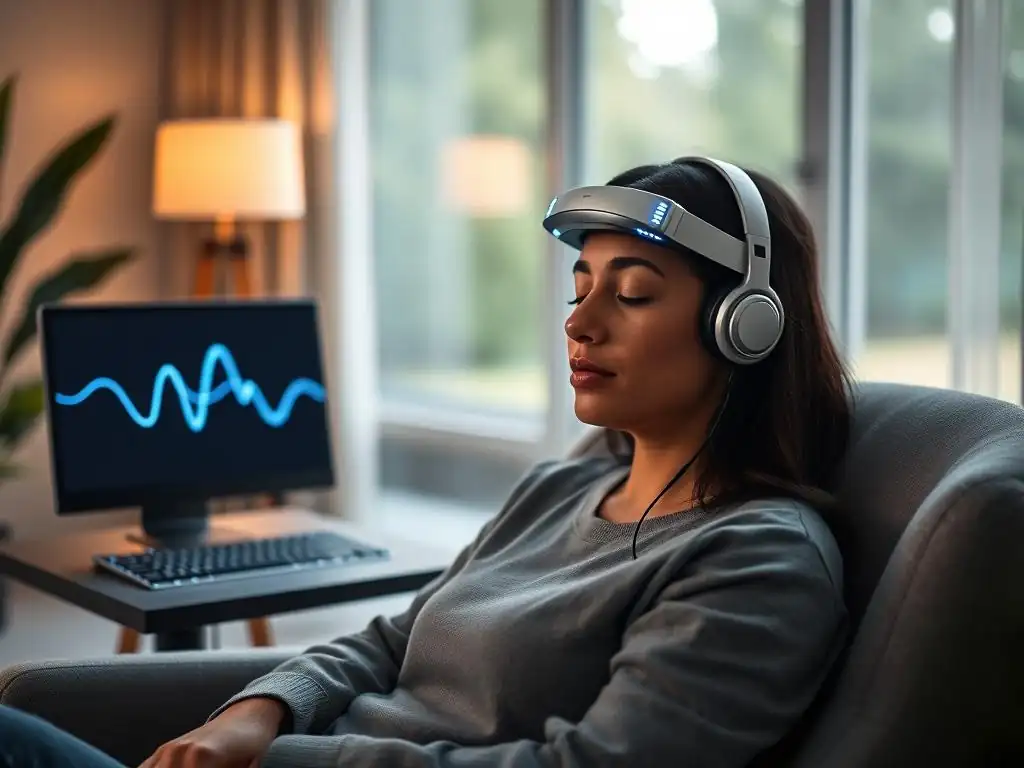
By monitoring brainwave patterns in real-time, typically via sensors placed on the scalp, neurofeedback systems provide auditory or visual feedback (like a video game or movie) that changes based on whether the brain is producing desired or undesired patterns. The goal is for the individual, through repeated practice, to learn to shift their brainwave patterns towards a healthier, more optimal state, often targeting specific patterns associated with conditions like ADHD, anxiety, depression, or sleep issues.
This process is a form of operant conditioning. When the brain moves towards the desired pattern (e.g., increasing alpha waves for relaxation or decreasing theta waves for focus), the feedback signal rewards this shift, perhaps by making a video clearer or advancing a game. Conversely, if the brain moves towards an undesired pattern, the feedback might stop or become negative.
Over time, the brain learns to self-regulate more effectively, leading to lasting changes in behavior, emotional regulation, and cognitive function. Understanding this process is crucial when considering the neurofeedback brain training cost, as it highlights the therapeutic mechanism that the investment supports.
The Neuroscience Behind Neurofeedback: Brainwaves and Mental Health
The human brain produces various types of electrical activity, or brainwaves, measured in cycles per second (Hertz or Hz). These include Delta (0.5-4 Hz, associated with deep sleep), Theta (4-8 Hz, associated with drowsiness, meditation, and creativity, but also inattention when excessive in waking states), Alpha (8-12 Hz, associated with relaxed alertness), Beta (12-30 Hz, associated with active thinking and concentration), and Gamma (30-100+ Hz, associated with higher-level processing). Each state of mental health or cognitive function is characterized by a specific mix of these brainwave frequencies in different areas of the brain.
Imbalances or dysregulation in these brainwave patterns are often linked to various mental health challenges. For instance, excessive slow-wave activity (Theta) in certain frontal brain regions is frequently observed in individuals with ADHD, contributing to difficulties with focus and impulse control. High levels of fast-wave activity (Beta) in other areas might be associated with anxiety or hypervigilance.
Neurofeedback protocols are designed to target these specific dysregulated patterns. By encouraging the brain to produce more of certain frequencies and less of others in targeted locations, neurofeedback aims to restore balance and alleviate symptoms. The effectiveness of this brain training approach directly influences the perceived value when evaluating the neurofeedback brain training cost.
Neurofeedback Brain Training Cost: A Detailed Breakdown
Initial Assessment Costs for Neurofeedback Therapy
Before beginning neurofeedback training, most reputable clinics require an initial assessment. This step is critical for developing a personalized treatment plan tailored to the individual's specific needs and brainwave patterns. The cost of this initial assessment can vary significantly but typically ranges from $300 to $800. This fee often covers several components: a comprehensive clinical interview to understand the individual's history, symptoms, and goals; psychological testing or questionnaires to further evaluate cognitive and emotional functioning; and, most importantly, a quantitative electroencephalogram (qEEG), also known as brain mapping.
A qEEG involves placing a cap fitted with numerous sensors on the scalp to record electrical activity from different brain regions. This raw data is then processed and compared to normative databases of individuals of similar age and gender, creating a detailed report and visual maps of brainwave patterns. This brain map helps identify areas of dysregulation that correlate with the individual's symptoms.
The results of the qEEG guide the clinician in designing the specific neurofeedback training protocols – determining which brain regions to target and which frequencies to up- or down-train. While adding to the overall neurofeedback cost, this initial assessment is generally considered essential for effective and targeted brain training.
Neurofeedback Session Costs: Per Session vs. Package Deals
The primary component of the neurofeedback brain training cost is the price per session. A single neurofeedback session typically lasts between 30 to 60 minutes, including setup and training time. The cost per session can range widely, from approximately $100 to $250, depending on the clinic, location, and therapist's expertise. Many clinics offer a slight discount if sessions are purchased in packages, which is common since neurofeedback therapy often requires multiple sessions to achieve lasting results.
For example, a package of 10 sessions might cost between $1500 and $2200, effectively reducing the per-session cost compared to paying individually. For conditions like ADHD or complex trauma, a full course of treatment might require 20, 30, or even 40+ sessions.
A package of 20 sessions could range from $3000 to $4000+, and 40 sessions could amount to $6000 to $8000+. While the upfront neurofeedback cost for packages is higher, it often represents a more economical approach for individuals committed to completing a full course of brain training, potentially saving hundreds or even thousands of dollars over the total treatment duration compared to paying session by session.
Factors Influencing the Price of Neurofeedback Treatment
Several key factors contribute to the variation in neurofeedback brain training cost across different providers and locations. Understanding these influences can help individuals navigate the pricing landscape and make informed decisions. These factors include the geographical location of the clinic, the reputation and experience of the practitioners, and the sophistication of the equipment and technology being utilized during the brain training sessions.
Considering these variables is essential when researching potential providers and estimating the total investment in neurofeedback therapy.
Location and Clinic Reputation
Geographic location plays a significant role in determining the cost of neurofeedback. Clinics in major metropolitan areas or regions with a higher cost of living typically charge more per session than those in suburban or rural locations. For instance, a neurofeedback clinic in New York City or Los Angeles might charge $200-$250 per session, while a clinic in a smaller town in the Midwest might charge $120-$180. This difference reflects overhead costs like rent, utilities, and staffing expenses, which are generally higher in urban centers.
Furthermore, the reputation and perceived expertise of a clinic or practitioner can also influence pricing. Highly sought-after clinicians with extensive experience, specialized certifications (like BCIA certification), or those associated with research institutions may command higher fees. A clinic known for successful outcomes with specific conditions might also price its services at the higher end of the spectrum, reflecting the value they believe they provide. While a higher price doesn't always guarantee better results, it can sometimes indicate a higher level of expertise or more advanced services, impacting the overall neurofeedback cost.
Therapist's Experience and Qualifications
The qualifications and experience level of the therapist or clinician administering the neurofeedback sessions are another major determinant of the cost. A licensed clinical psychologist, psychiatrist, or neurologist with specialized training in neurofeedback may charge more than a licensed professional counselor or social worker with less specialized training, even if both are certified in neurofeedback. Certification bodies, such as the Biofeedback Certification International Alliance (BCIA), provide credentials that indicate a certain level of training and competence, and practitioners holding these certifications may have higher rates.
Experienced practitioners have a deeper understanding of complex cases, can tailor protocols more effectively, and may be better equipped to handle challenges that arise during training. Their expertise is a valuable asset in the therapeutic process. While less experienced or less credentialed practitioners might offer a lower neurofeedback cost per session, the potential for a more effective and efficient treatment course with a highly experienced clinician is a factor many consider when weighing the investment in brain training.
Equipment and Technology Used
The type and sophistication of the neurofeedback equipment used by a clinic can significantly impact the neurofeedback brain training cost. Basic neurofeedback systems might use 2-4 channels of EEG data, while more advanced systems can utilize 19 or more channels, allowing for more detailed brain mapping (qEEG) and more complex training protocols like LORETA or Infra-Low Frequency (ILF) neurofeedback. State-of-the-art equipment requires a substantial upfront investment by the clinic and ongoing maintenance, which is reflected in the session pricing.
Clinics offering qEEG-guided neurofeedback, where a detailed brain map informs the protocol design, will typically have a higher initial assessment fee (as discussed earlier) and potentially higher session costs due to the complexity and cost of the qEEG hardware and software. Similarly, techniques like LORETA (Low-Resolution Electromagnetic Tomography Analysis) or ILF neurofeedback often require more advanced systems and specialized training, leading to potentially higher costs per session compared to traditional 2-channel training. The quality and capability of the technology directly influence the potential precision and effectiveness of the brain training, thus justifying a higher neurofeedback cost for some clients.
Types of Neurofeedback and Their Associated Costs
Traditional Neurofeedback (EEG Biofeedback) Cost
Traditional neurofeedback, often referred to as surface or amplitude neurofeedback, is the most common type and typically represents the baseline neurofeedback brain training cost. This method usually involves placing 1 to 4 sensors on the scalp to monitor brainwave activity in specific locations or between specific points. The feedback provided is based on the amplitude (power) of different brainwave frequencies (Delta, Theta, Alpha, Beta) at those sensor locations.
The cost of traditional neurofeedback sessions generally falls within the lower to mid-range of the overall neurofeedback pricing spectrum, often between $100 and $200 per session. While less complex than newer methods, it can still be highly effective for a range of conditions, particularly those involving localized brainwave dysregulation or simpler patterns. This type of brain training is often a good starting point for individuals new to neurofeedback and concerned about the overall cost of neurofeedback therapy.
qEEG-Guided Neurofeedback: Is the Added Cost Justified?
qEEG-guided neurofeedback incorporates a detailed brain mapping assessment (qEEG) before training begins. As mentioned earlier, the qEEG involves recording brain activity from multiple points (typically 19 or more) and analyzing it against normative databases. This provides a comprehensive picture of brainwave patterns across the entire cortex, identifying specific areas and frequencies that are dysregulated and potentially contributing to symptoms.
The added cost for qEEG-guided neurofeedback comes from the initial qEEG assessment itself, which can add $300 to $800 to the total neurofeedback cost, and potentially slightly higher session fees ($120-$250) if the clinic uses more advanced software or hardware for the training protocols derived from the qEEG. Proponents argue that the added cost is justified because the qEEG allows for a more precise, individualized, and targeted training plan, potentially leading to more efficient and effective results compared to traditional neurofeedback that relies more on symptom presentation and general protocols.
For complex conditions or when initial traditional neurofeedback hasn't yielded desired results, the investment in a qEEG-guided approach might be a worthwhile consideration.
LORETA Neurofeedback: Cost Considerations and Benefits
LORETA (Low-Resolution Electromagnetic Tomography Analysis) neurofeedback is a more advanced form of neurofeedback that uses 19 or more sensors to estimate electrical activity in 3D space, including deeper brain structures like the anterior cingulate cortex or insula, not just the surface cortex. This provides a more comprehensive view of brain activity and allows for training protocols that target specific brain regions or networks in a more nuanced way.
Due to the complexity of the technology, the need for specialized software, and the expertise required to interpret the data and design protocols, LORETA neurofeedback sessions typically have a higher neurofeedback brain training cost, often ranging from $150 to $300+ per session. The initial qEEG assessment used for LORETA guidance is also usually at the higher end of the assessment cost range.
While the cost is higher, LORETA is often used for more complex conditions or when surface neurofeedback has been insufficient, as it can target brain areas implicated in conditions like trauma, addiction, or severe anxiety that may not be effectively addressed by surface training alone.
Infra-Low Frequency (ILF) Neurofeedback: Pricing and Effectiveness
Infra-Low Frequency (ILF) neurofeedback is a newer approach that trains brain activity at extremely low frequencies (below 0.1 Hz), which are thought to influence regulatory networks in the brain. Unlike traditional neurofeedback that rewards or inhibits specific frequencies based on their amplitude, ILF neurofeedback focuses on the direction and speed of shifts in these very slow brain potentials. It requires specialized equipment capable of accurately measuring these low frequencies.
The neurofeedback brain training cost for ILF sessions is often comparable to or slightly higher than traditional neurofeedback, typically ranging from $120 to $250 per session. The effectiveness of ILF neurofeedback is an area of ongoing research, but clinical reports suggest it can be particularly helpful for conditions related to nervous system dysregulation, such as anxiety, trauma, and sleep disorders. While the technology and approach are different from traditional methods, the per-session cost of neurofeedback using ILF is generally within the established range, making it a viable option for those exploring different brain training modalities.

Neurofeedback at Home: Equipment Costs and Subscription Models
For some individuals, pursuing neurofeedback at home under professional guidance can be a more convenient and potentially less expensive option in the long run, although it involves significant upfront costs. Home neurofeedback requires purchasing or renting specialized equipment, which includes an EEG amplifier, sensors, and software. The cost of purchasing a home neurofeedback system can range significantly, from budget-friendly options around $500-$2000 to more professional-grade systems costing $5000 or more. Rental options may also be available, typically costing a few hundred dollars per month.
In addition to the equipment cost, most home neurofeedback setups require a subscription to the training software and ongoing remote supervision from a qualified neurofeedback practitioner. This subscription fee can range from $50 to $150+ per month. The practitioner provides initial assessment (often a remote qEEG or clinical intake), sets up personalized protocols remotely, and monitors progress through uploaded session data, offering adjustments as needed.
While the per-session cost of neurofeedback training at home is effectively zero once the equipment is acquired and the subscription is paid, the initial investment and ongoing supervision fees contribute to the overall neurofeedback cost of this modality. It's crucial to note that home neurofeedback should always be done under the guidance of a trained professional to ensure safety and effectiveness.
Travel and Accommodation Costs (if applicable)
For individuals who do not have access to local neurofeedback clinics or who seek out a specific specialist clinician located far from their home, travel and accommodation costs can become a significant additional expense. If a clinic is in a neighboring town or city, travel costs might simply involve gas, tolls, or public transportation fares for multiple weekly trips over several months. This seemingly small per-trip cost can accumulate substantially over a typical course of 20-40 sessions.
If the desired clinic is in a different state or country, the costs escalate dramatically. This could involve flights, train tickets, and potentially weeks or months of accommodation expenses. For example, attending a specialized clinic for intensive daily sessions over two weeks might require budgeting for flights ($300-$1000+), accommodation ($100-$300+ per night), and daily living expenses. These travel-related costs are not part of the direct neurofeedback brain training cost but are crucial to consider when evaluating the total investment required for treatment if local options are not suitable or available.
Potential Supplement or Medication Adjustments
While neurofeedback is a non-pharmacological approach, it's not uncommon for individuals undergoing brain training to also be taking supplements or medications for their mental health condition. As brain function improves through neurofeedback, it may become necessary to adjust dosages or types of supplements or medications under the guidance of a prescribing physician.
These adjustments might lead to changes in the cost of supplements or prescriptions. For example, if neurofeedback helps significantly reduce anxiety, a doctor might recommend tapering off a specific medication, potentially reducing monthly medication costs. Conversely, a practitioner might recommend certain supplements to support brain health during the training process, adding a new monthly expense. While these costs are not directly part of the neurofeedback session fee, they are potential related expenses that should be considered as part of the overall financial picture when investing in neurofeedback therapy.
Neurofeedback for Mental Health: Conditions and Treatment Duration
Neurofeedback for ADHD: Treatment Length and Associated Costs
Neurofeedback is a widely explored intervention for Attention-Deficit/Hyperactivity Disorder (ADHD). Studies and clinical practice suggest that neurofeedback can help individuals with ADHD improve focus, reduce impulsivity, and decrease hyperactivity by training specific brainwave patterns, such as increasing SMR (Sensorimotor Rhythm) or Beta waves while decreasing Theta waves in certain brain regions. The typical course of neurofeedback treatment for ADHD is often longer than for some other conditions, commonly requiring 30 to 40 sessions, sometimes more, to achieve stable, lasting improvements.
Given a per-session neurofeedback cost ranging from $100 to $250, the total brain training cost for ADHD could range from $3000 to $10,000 or more, not including the initial assessment or potential additional expenses. For example, if a person attends 35 sessions at a clinic charging $180 per session after an initial $500 assessment, the total cost would be $6300 + $500 = $6800. While this represents a significant investment, many families and individuals view it as a worthwhile alternative or complement to medication, seeking a long-term solution for managing ADHD symptoms and improving academic or occupational performance.
Neurofeedback for Anxiety and Depression: Cost vs. Benefit Analysis
Neurofeedback has shown promise in helping individuals regulate the brain activity patterns associated with anxiety and depression. Protocols often focus on reducing excessive high-Beta activity linked to worry and rumination, or increasing Alpha/Theta activity associated with relaxation and emotional processing. The duration of treatment for anxiety and depression can vary, but often requires fewer sessions than ADHD, typically ranging from 15 to 30 sessions to see significant and lasting changes.
With a per-session neurofeedback cost of $100-$250, the total neurofeedback brain training cost for anxiety or depression might range from $1500 to $7500, plus the initial assessment fee. For someone seeking relief from chronic anxiety, completing 20 sessions at $150 each would cost $3000 (plus assessment). When considering this cost, it's helpful to perform a cost-benefit analysis.
Compare this one-time or limited-duration investment to the ongoing costs of therapy sessions (which may be needed long-term), medication costs, or the indirect costs of untreated symptoms (e.g., reduced productivity, strained relationships). For many, the potential for reduced symptoms and improved well-being makes the neurofeedback cost a valuable investment.
Neurofeedback for Trauma and PTSD: Investment in Long-Term Healing
Trauma and Post-Traumatic Stress Disorder (PTSD) often involve significant dysregulation of the nervous system and specific brain regions, such as the amygdala and prefrontal cortex. Neurofeedback protocols for trauma are often designed to help regulate arousal, reduce hypervigilance, improve emotional processing, and enhance the brain's ability to feel safe and calm. Treatment for trauma can be complex and may require a longer course of neurofeedback, potentially 20 to 40+ sessions, depending on the severity and chronicity of the trauma.
The neurofeedback brain training cost for trauma-related conditions could range from $2000 to $10,000 or more for the session fees, in addition to the initial assessment. For someone working through complex trauma, committing to 30 sessions at $200 each would total $6000 (plus assessment).
While this is a substantial investment, the benefits can include a significant reduction in debilitating symptoms like flashbacks, nightmares, and hyperarousal, leading to improved quality of life and the ability to engage more fully in other therapeutic modalities. The cost of neurofeedback in this context is an investment in restoring nervous system regulation and promoting long-term healing from the effects of trauma.
Neurofeedback for Migraines: A Cost-Effectiveness Overview
Neurofeedback has emerged as a non-pharmacological option for reducing the frequency and intensity of migraines. Research suggests that neurofeedback targeting specific brain regions and patterns associated with migraine activity, such as SMR training, can be effective for many individuals. The typical number of sessions required for migraine relief is often fewer than for complex mental health conditions, potentially ranging from 10 to 20 sessions.
The neurofeedback cost for migraine treatment would likely fall between $1000 and $5000 for session fees, plus the initial assessment. For example, 15 sessions at $150 each would cost $2250 (plus assessment). Compared to the ongoing costs of migraine medications, doctor visits, and lost productivity due to migraine episodes, the neurofeedback brain training cost can be seen as a potentially cost-effective long-term solution. While results vary, for individuals seeking to reduce reliance on medication and decrease migraine frequency, neurofeedback offers a promising alternative treatment path.
Is Neurofeedback a Worthwhile Investment? Weighing the Pros and Cons
Benefits of Neurofeedback: Improved Cognitive Function and Mental Well-being
Investing in neurofeedback brain training can potentially yield significant benefits for cognitive function and overall mental well-being. Many individuals report improvements in areas such as attention span, focus, and executive functioning, which are particularly relevant for conditions like ADHD. Beyond cognitive enhancements, neurofeedback is often sought for its potential to reduce symptoms of anxiety, depression, and stress by helping individuals learn to regulate their emotional responses and nervous system states.
Testimonials and clinical outcomes often highlight improvements in sleep quality, emotional stability, and a greater sense of calm. For conditions rooted in dysregulation, neurofeedback offers a training approach that aims to address the underlying patterns rather than just managing symptoms. While the neurofeedback brain training cost requires careful consideration, the potential for lasting positive changes in how the brain functions and how an individual feels and operates in the world is a significant factor in evaluating its worth as an investment in mental health.
Potential Drawbacks of Neurofeedback: Cost, Time Commitment, and Variability in Results
Despite the potential benefits, there are also potential drawbacks to consider when evaluating the neurofeedback brain training cost and overall process. As detailed throughout this article, the cost of neurofeedback therapy is a significant barrier for many, often ranging from several thousand dollars for a full course of treatment, and is frequently not fully covered by insurance. This financial outlay can make neurofeedback inaccessible to individuals with limited financial resources.
Furthermore, neurofeedback requires a substantial time commitment. Sessions are typically held 1-3 times per week over several months, totaling 20-40+ sessions. This requires consistent scheduling and dedication, which can be challenging to fit into busy lives. Finally, while many people experience positive results, outcomes can vary from person to person. Neurofeedback is not a guaranteed cure, and some individuals may not experience the significant improvements they hoped for, despite the considerable investment of time and money. Understanding these potential drawbacks is essential for setting realistic expectations about the neurofeedback cost and its potential return.
Comparing Neurofeedback Costs to Other Mental Health Treatments
When considering the neurofeedback brain training cost, it's helpful to compare it to the costs of other common mental health treatments. This comparison can provide perspective on whether neurofeedback represents a relatively high or low investment in the landscape of mental healthcare. Common alternatives include traditional psychotherapy (like CBT or talk therapy) and psychiatric medication.
Each treatment modality comes with its own cost structure and potential benefits and drawbacks.
Therapy Costs vs. Neurofeedback Costs
Traditional talk therapy or psychotherapy sessions typically cost between $100 and $250 per session, similar to the per-session cost of neurofeedback. However, the total number of sessions required for therapy can vary widely depending on the individual's needs, the type of therapy, and the chronicity of the condition. Some people may benefit from short-term therapy (10-20 sessions), while others may engage in therapy for months or even years.
Comparing the total cost requires estimating the duration of each treatment. A full course of neurofeedback (20-40 sessions) might cost $2000-$10,000+. Long-term therapy over a year (e.g., weekly sessions for 50 weeks) at $150 per session would cost $7500.
Over several years, therapy costs can easily exceed the typical total neurofeedback cost. Neurofeedback is often viewed as a more intensive, time-limited intervention compared to ongoing therapy, aiming for lasting changes that might reduce the need for continuous support. The investment in neurofeedback brain training is often weighed against the potential for long-term symptom reduction that could decrease or eliminate the need for ongoing therapeutic expenses.
Medication Costs vs. Neurofeedback Costs
The cost of psychiatric medication varies significantly depending on the specific drug, dosage, insurance coverage, and whether generic options are available. Monthly medication costs can range from a few dollars (with good insurance and generics) to hundreds or even thousands of dollars for newer or brand-name medications. This is an ongoing monthly expense, potentially for years or even decades.
Over a period of several years, the cumulative cost of medication can easily surpass the one-time or time-limited neurofeedback brain training cost. For example, if a medication costs $50 per month, the annual cost is $600, and over 10 years, it's $6000. If a medication costs $200 per month, the annual cost is $2400, and over 10 years, it's $24,000.
While neurofeedback requires a significant upfront investment (e.g., $3000-$8000), it offers the potential for symptom reduction that may allow for a decrease or discontinuation of medication under medical supervision, thereby eliminating or reducing that ongoing monthly expense. From this perspective, the neurofeedback cost can be seen as an investment in potentially reducing long-term medication expenditures and their associated side effects.
Neurofeedback Cost Coverage: Insurance and Financing Options
Does Insurance Cover Neurofeedback? Understanding Coverage Policies
Whether insurance covers neurofeedback brain training cost is a complex and often frustrating question for individuals seeking this therapy. Coverage varies significantly depending on the insurance provider, the specific plan, the diagnosis being treated, and how the service is coded and billed by the clinic. Historically, neurofeedback has been considered experimental or investigational by many insurance companies, leading to denial of coverage.
However, coverage is slowly improving, particularly when neurofeedback is billed under codes for biofeedback (CPT code 90901) or sometimes under psychotherapy codes (e.g., 90875, 90876 for biofeedback training). Some insurance plans may cover biofeedback for specific conditions like migraines or tension headaches, while coverage for mental health conditions like ADHD, anxiety, or depression is less consistent.
It is crucial for individuals to contact their insurance provider directly, inquire about coverage for biofeedback (CPT code 90901) and neurofeedback, and understand any requirements, such as pre-authorization or specific diagnostic criteria. Most clinics can provide information on how they typically bill and may offer assistance with insurance verification, but ultimately, the individual is responsible for understanding their plan's benefits regarding neurofeedback cost coverage.
Health Savings Accounts (HSAs) and Flexible Spending Accounts (FSAs) for Neurofeedback
Health Savings Accounts (HSAs) and Flexible Spending Accounts (FSAs) are tax-advantaged savings accounts that can be used to pay for qualified medical expenses. Neurofeedback therapy is generally considered a legitimate medical expense and is typically eligible for reimbursement using funds from an HSA or FSA. This can be a valuable way to pay for the neurofeedback brain training cost using pre-tax dollars, effectively reducing the overall out-of-pocket expense.
Individuals with an HSA or FSA can use these funds to cover initial assessment fees, per-session costs, or package deals for neurofeedback treatment. It's advisable to confirm eligibility with the HSA/FSA administrator, but in most cases, neurofeedback falls under the category of medical treatment. Utilizing these accounts can make the neurofeedback cost more manageable by allowing individuals to use dedicated pre-tax funds specifically allocated for healthcare expenses.
Financing Options and Payment Plans for Neurofeedback Treatment
Recognizing that the neurofeedback brain training cost can be substantial and often not fully covered by insurance, many clinics offer financing options or payment plans to make treatment more accessible. These options vary by clinic but can include:
- Installment Plans: Allowing clients to pay the total cost of a package over several months rather than upfront.
- Third-Party Medical Financing: Clinics may partner with medical financing companies (similar to those used for dental or cosmetic procedures) that offer loans with varying interest rates and repayment terms specifically for healthcare expenses.
- Sliding Scale Fees: Some clinics, particularly non-profits or university-affiliated centers, may offer reduced rates based on income, although availability is limited.
- Discounts for Upfront Payment: Offering a small discount (e.g., 5-10%) for clients who pay for a full package upfront.
While these options may not reduce the total neurofeedback cost, they can help spread the financial burden over time, making the investment in brain training more feasible for individuals and families who cannot afford the full amount upfront. It's recommended to discuss available financing and payment options directly with the clinic's administrative staff.
Finding Affordable Neurofeedback Therapy: Tips and Strategies
Researching Neurofeedback Providers: Comparing Prices and Services
One of the most effective ways to find affordable neurofeedback brain training is to thoroughly research providers in your area. Don't settle for the first clinic you find. Contact several different neurofeedback practitioners or centers and inquire about their pricing structure. Ask for a detailed breakdown of costs, including the initial assessment fee (and what it includes, e.g., qEEG), the per-session rate, and any package deals they offer.
Beyond just comparing the neurofeedback cost, also inquire about their services, the types of neurofeedback they offer (traditional, qEEG, LORETA, ILF), the credentials and experience of their therapists, and their approach to treatment planning and progress tracking. A slightly higher per-session cost might be justified if a clinic offers more advanced technology, more experienced clinicians, or a more comprehensive assessment process.
Create a spreadsheet to compare the total estimated cost for a typical course of treatment (e.g., 20 sessions) across different providers, factoring in assessment fees and potential package discounts, to make an informed decision about the best value for your investment in neurofeedback.
Seeking Out Neurofeedback Clinics with Sliding Scale Fees
Some neurofeedback clinics, particularly those associated with universities, research institutions, or non-profit organizations, may offer services on a sliding scale based on income. This means that the neurofeedback brain training cost per session is adjusted downwards for individuals and families who demonstrate financial need. While these clinics may have waiting lists or specific eligibility requirements, they can provide a significantly more affordable option for accessing neurofeedback therapy.
Searching for clinics specifically advertising sliding scale or income-based fees is a proactive step in reducing the financial barrier to neurofeedback. Even if a clinic doesn't explicitly advertise a sliding scale, it's worth asking if they have any options for financial assistance or reduced rates for individuals facing hardship. While not widespread, finding a clinic with a sliding scale can make the neurofeedback cost much more manageable for those with limited financial resources.
Exploring Neurofeedback Research Studies: Potential for Free or Reduced-Cost Treatment
Participating in neurofeedback research studies can be another avenue for accessing treatment at a reduced cost or even for free. Universities, hospitals, and research institutions sometimes conduct studies investigating the effectiveness of neurofeedback for specific conditions. Participants in these studies may receive neurofeedback sessions as part of the research protocol, often at no cost or a significantly reduced fee.
Finding these opportunities requires searching academic databases, clinical trial registries (like ClinicalTrials.gov), or contacting university psychology or neuroscience departments. While participation in a research study means adhering to study protocols and potentially being in a control group or receiving a specific, non-customized form of neurofeedback, it can offer access to brain training that would otherwise be financially out of reach. For individuals who meet the study criteria and are comfortable with the research setting, this can be a valuable way to explore the benefits of neurofeedback without incurring the full neurofeedback brain training cost.
Neurofeedback Success Stories: Real-Life Results and Long-Term Value
ADHD and Improved Focus: A Case Study
Consider "Liam," a 10-year-old boy diagnosed with ADHD who struggled significantly with focus in school and completing homework. His parents were hesitant about long-term medication use and explored neurofeedback. After an initial qEEG assessment (costing around $600), Liam began neurofeedback training targeting specific brainwave patterns associated with attention and executive function. He attended 30 sessions over four months at a cost of $180 per session, totaling $5400 for the sessions. The total neurofeedback cost, including assessment, was $6000.
After completing the training, Liam's parents reported a noticeable improvement in his ability to sit still, pay attention in class, and complete assignments independently. His teachers also observed positive changes. While not a "cure," the brain training significantly reduced his core ADHD symptoms, allowing him to perform better academically and requiring less parental support for schoolwork. His parents felt the $6000 neurofeedback brain training cost was a worthwhile investment in his long-term academic success and reduced daily stress compared to potentially years of medication expenses and ongoing struggles.
Anxiety Reduction and Enhanced Sleep: A Patient's Experience
"Sarah," a 35-year-old professional, suffered from chronic anxiety, frequent panic attacks, and insomnia. She had tried various therapies and medications with limited success. Seeking an alternative, she decided to try neurofeedback. After an initial consultation and assessment ($400), she committed to a package of 20 sessions focused on regulating her nervous system and reducing excessive high-Beta activity. The package cost was $3500 ($175 per session). The total neurofeedback cost was $3900.
Within 10 sessions, Sarah noticed she was experiencing fewer panic attacks and felt a general reduction in her baseline anxiety levels. By the end of the 20 sessions, her insomnia had significantly improved, and she felt more emotionally resilient. She was able to reduce her reliance on anti-anxiety medication under her doctor's supervision. Sarah felt that the $3900 investment in neurofeedback brain training provided her with lasting tools to manage her anxiety and improved her quality of life in ways that previous treatments hadn't, representing significant long-term value.
The Long-Term Benefits of Neurofeedback and Return on Investment
The true value of neurofeedback brain training is often realized in its long-term benefits. While the initial neurofeedback cost can be substantial, the goal is to train the brain to self-regulate more effectively, leading to lasting changes that persist long after the training sessions are complete. Unlike medications or therapy that may require ongoing engagement to maintain benefits, neurofeedback aims to create new, stable brainwave patterns.
For conditions like ADHD, anxiety, or trauma, the potential for reduced symptoms means less reliance on ongoing interventions, potentially saving money on future therapy sessions, medication, or other support services over the years. For example, if neurofeedback helps a person with migraines reduce their attacks from several per month to just one or two, the savings on medication, doctor visits, and lost workdays over five or ten years could easily exceed the initial neurofeedback cost.
From this perspective, the neurofeedback brain training cost is not just an expense, but potentially a strategic investment in long-term mental health and well-being, offering a significant return on investment through sustained symptom reduction and improved quality of life.
Frequently Asked Questions
What exactly is neurofeedback, and how does it work?
Neurofeedback is a type of biofeedback that trains your brain to function more efficiently. It involves monitoring brainwave activity and providing feedback to help you self-regulate and improve brain function.
What factors influence the neurofeedback brain training cost?
The cost of neurofeedback varies based on several factors. These include the location of the clinic, the experience of the practitioner, and the number of sessions required for optimal results.
How many neurofeedback sessions are typically needed to see results?
The number of sessions varies greatly depending on the individual and the condition being treated. However, most people require between 20 to 40 sessions to experience significant and lasting benefits.
Is neurofeedback brain training cost typically covered by insurance?
Unfortunately, neurofeedback is not always covered by insurance. Coverage often depends on your insurance plan and the specific diagnosis, so it's best to check with your provider directly.
Is neurofeedback brain training a worthwhile investment in my mental well-being?
While the neurofeedback brain training cost can be a significant investment, many find the potential benefits worthwhile. Improvements in attention, focus, and emotional regulation can greatly enhance quality of life.
Final Reflection: The Evolving Landscape of Brain Optimization
The accessibility and affordability of neurofeedback remain crucial considerations in its widespread adoption, yet the potential benefits for cognitive enhancement and mental well-being are undeniable. While the initial investment might seem steep for some, the long-term return on investment – in terms of improved mental health, enhanced cognitive function, and a higher quality of life – warrants serious consideration. This is not simply a trend; it's a burgeoning field with the potential to revolutionize how we approach mental and neurological health.
The journey of exploring neurofeedback has highlighted the complex interplay between technological advancement, individual needs, and the economic realities of accessing cutting-edge therapies. The cost, while a significant factor, shouldn't overshadow the profound impact this technology can have on individuals struggling with various conditions. As more research emerges and technology advances, the cost will likely become more manageable, making it accessible to a wider population. The greatest advances of humankind have been made possible by the willingness of individuals to take risks and embrace the unknown.
This quote perfectly encapsulates the spirit of embracing neurofeedback, despite the uncertainties surrounding its cost and long-term effects.
Consider your own cognitive well-being. Are you willing to invest in yourself, in your mental sharpness, and in your overall quality of life? Neurofeedback presents a unique opportunity to proactively address mental health challenges and optimize brain function. Don't let the price tag deter you from exploring the potential benefits. Research the options available, weigh the costs against the potential rewards, and make an informed decision that aligns with your personal goals and financial capabilities. The future of brain optimization is here, and the choice to participate is yours.
Unlock Your Brain's Potential: Take the Next Step
Thanks for taking the time to explore the world of neurofeedback with us! We hope you gained a clearer understanding of its costs and potential benefits. Now, let's put that knowledge into action.
- Schedule a consultation with a neurofeedback specialist: This is the most crucial step to determining if neurofeedback is right for you and exploring personalized treatment options.
- Share this article with someone who might benefit: Neurofeedback is still relatively unknown, and spreading the word can help others discover this transformative therapy.
- Explore online resources and support groups: Continue your learning journey by connecting with others who have experienced neurofeedback firsthand.
Ready to unlock your brain's potential and explore the possibilities? What's the first step you'll take toward improving your cognitive well-being?