
Beyond Genetics: How Neuroplasticity Offers Hope for Mood Disorders

Welcome to Mind Care Guide.
Feeling stuck in a cycle of mood disorder symptoms? It's understandable. But what if we told you your brain has the incredible capacity to change, to heal, and to rewrite its own pathways? This isn't just wishful thinking; it's the power of neuroplasticity. Explore how neuroplasticity mood disorder recovery is offering a revolutionary approach to mental well-being, and discover the actionable steps you can take to harness this potential. Ready to unlock your brain's innate healing abilities?
Beyond Genetics: How Neuroplasticity Offers Hope for Mood Disorders
- Introduction: Understanding Neuroplasticity and its Role in Mental Health
- What are Mood Disorders? A Brief Overview
- The Science of Neuroplasticity: Rewiring the Brain for Recovery
-
Neuroplasticity-Based Therapies for Mood Disorders: A Promising Path
- Cognitive Behavioral Therapy (CBT) and Neuroplasticity: Changing Thought Patterns
- Mindfulness and Meditation: Enhancing Brain Flexibility and Emotional Regulation
- Exercise and Neuroplasticity: Boosting Mood and Cognitive Function
- Emerging Therapies: Transcranial Magnetic Stimulation (TMS) and Electroconvulsive Therapy (ECT)
- Lifestyle Strategies to Enhance Neuroplasticity for Mood Disorder Management
- Success Stories: Real-Life Examples of Neuroplasticity in Mood Disorder Recovery
- Overcoming Challenges and Obstacles in Neuroplasticity-Based Recovery
- The Future of Neuroplasticity Research and Mood Disorder Treatment
- Conclusion: Embracing Neuroplasticity for a Brighter Future in Mental Health
-
Frequently Asked Questions
- How does neuroplasticity relate to mood disorder recovery?
- Can neuroplasticity help with all types of mood disorders?
- What are some practical ways to harness neuroplasticity for mood disorder recovery?
- How long does it typically take to see results from neuroplasticity-based interventions for mood disorders?
- Is neuroplasticity a replacement for traditional treatments like medication?
- Final Reflection: Rewiring Hope: Neuroplasticity and the Future of Mood Disorder Treatment
- Unlock Your Brain's Potential: Take Charge of Your Mood
Introduction: Understanding Neuroplasticity and its Role in Mental Health
The Limitations of a Solely Genetic View of Mood Disorders
For many years, the prevailing view of mood disorders like depression and bipolar disorder heavily emphasized genetic predisposition. While research clearly shows that genetics can increase vulnerability – with estimates suggesting that inherited factors might account for around 40-50% of the risk for major depressive disorder – this perspective alone presents an incomplete picture. Focusing solely on genes can sometimes lead to a sense of hopelessness, implying that one's mental health destiny is fixed from birth.
However, the reality is far more complex. A solely genetic viewpoint overlooks the significant impact of environmental factors, life experiences, stress, trauma, and individual choices on brain function and mental well-being. If mood disorders were purely genetic, we would expect perfect concordance in identical twins, yet studies show this is not the case; one twin may develop a disorder while the other does not, highlighting the critical influence of non-genetic factors and the potential for change.
Introducing Neuroplasticity: The Brain's Remarkable Adaptability
Neuroplasticity, often called brain plasticity, is the brain's incredible ability to reorganize itself throughout life. This means the brain is not a static organ but is constantly changing in response to experiences, learning, and even injury. It's the biological basis for how we learn new skills, form memories, and adapt to our environment.
This adaptability occurs at multiple levels, from changes in the strength of connections between neurons (synaptic plasticity) to the birth of new neurons (neurogenesis) in certain brain regions. For example, learning a new language physically alters the structure of language-related areas in the brain, and navigating a complex city can increase the size of the hippocampus, a region involved in spatial memory and mood regulation.
Why Neuroplasticity Matters for Mood Disorder Recovery
Understanding neuroplasticity fundamentally shifts the perspective on mood disorders from a fixed biological fate to a dynamic process offering significant hope for recovery. If the brain can change for learning or adaptation, it can also change in ways that alleviate the symptoms of mood disorders. Many symptoms associated with these conditions, such as persistent negative thought patterns, difficulty regulating emotions, and altered stress responses, are linked to maladaptive or rigid neural circuits.
Crucially, research indicates that therapeutic interventions and lifestyle changes known to improve mood disorders also promote positive neuroplastic changes. This suggests that recovery is not just about managing symptoms but actively rewiring the brain towards healthier patterns of function. Embracing the concept of neuroplasticity empowers individuals by demonstrating that proactive steps can influence their brain structure and function, paving a tangible path toward neuroplasticity mood disorder recovery.
What are Mood Disorders? A Brief Overview
Defining Common Mood Disorders: Major Depressive Disorder, Bipolar Disorder, and Persistent Depressive Disorder
Mood disorders are a category of mental health conditions characterized by significant disturbances in a person's emotional state. The most commonly recognized include Major Depressive Disorder (MDD), Bipolar Disorder, and Persistent Depressive Disorder (PDD). MDD is defined by periods of persistent sadness or loss of interest or pleasure in activities, lasting for at least two weeks, accompanied by other symptoms like changes in sleep, appetite, energy, concentration, or feelings of worthlessness.
Bipolar Disorder involves dramatic shifts in mood, energy, and activity levels. It is characterized by alternating periods of elevated or irritable mood (mania or hypomania) and episodes of major depression. PDD, also known as dysthymia, is a chronic form of depression where symptoms are less severe than MDD but last for at least two years. While distinct, these disorders share underlying biological and psychological mechanisms, including alterations in brain circuitry and neurochemical balance, which neuroplasticity can influence.
Symptoms and Impact of Mood Disorders on Daily Life
The symptoms of mood disorders extend far beyond simply feeling "down." Individuals may experience profound fatigue, difficulty concentrating or making decisions, changes in appetite leading to weight gain or loss, and significant sleep disturbances (insomnia or excessive sleeping). Physical complaints like headaches or digestive issues are also common. The pervasive nature of these symptoms can severely impair a person's ability to function in their daily life.
The impact is often devastating, affecting work or school performance, damaging relationships with family and friends, and leading to social isolation. Simple tasks can feel insurmountable, and the loss of interest in previously enjoyed activities (anhedonia) makes life feel empty. For example, someone with severe depression might struggle to get out of bed, while someone experiencing a manic episode in Bipolar Disorder might engage in reckless behavior like excessive spending or impulsive decisions, illustrating the broad and disruptive impact on an individual's life.
The Interplay Between Biology and Environment in Mood Disorder Development
Mood disorders arise from a complex interaction between biological vulnerabilities and environmental stressors. While genetic factors can predispose an individual, they do not guarantee the development of a disorder. Instead, genes interact with environmental factors such as early childhood trauma, chronic stress, social isolation, or significant life changes (like loss of a loved one or financial difficulties).
This interplay highlights how experiences can shape brain biology. Chronic stress, for instance, can disrupt neurotransmitter systems and damage neurons in areas like the hippocampus, which is crucial for mood regulation. Conversely, positive experiences, supportive relationships, and effective coping strategies can foster resilience and promote healthier brain function. Understanding this dynamic interaction underscores why interventions targeting both biological processes (like medication) and environmental/behavioral factors (like therapy and lifestyle changes) are often most effective in promoting neuroplasticity mood disorder recovery.
The Science of Neuroplasticity: Rewiring the Brain for Recovery
How Neuroplasticity Works: Cellular and Molecular Mechanisms
At its core, neuroplasticity involves changes at the cellular and molecular level within the brain. One key mechanism is the alteration of synaptic strength – the efficiency with which one neuron communicates with another across a synapse. When neurons are repeatedly activated together (as in learning or practicing a new behavior), the connection between them strengthens.
Conversely, if a connection is rarely used, it can weaken or even be pruned away. This principle, often summarized as "neurons that fire together, wire together," is fundamental to learning, memory, and habit formation, including the formation of both healthy and maladaptive emotional responses.
Beyond changing existing connections, neuroplasticity also involves the formation of new synapses and, in certain areas, the birth of entirely new neurons. Neurotransmitters like serotonin, dopamine, and norepinephrine, which are heavily implicated in mood regulation, play a critical role in modulating these plastic changes. Imbalances in these neurotransmitters can impair neuroplastic processes, contributing to the symptoms of mood disorders, while interventions that restore balance can facilitate positive brain changes necessary for neuroplasticity mood disorder recovery.
Neurogenesis and Synaptic Plasticity: Key Processes in Brain Change
Two primary engines of neuroplasticity are neurogenesis and synaptic plasticity. Neurogenesis is the process by which new neurons are generated. While once thought to occur only during development, we now know it continues into adulthood, particularly in the hippocampus – a brain region vital for learning, memory, and emotional regulation. Chronic stress and depression are associated with reduced neurogenesis in the hippocampus, potentially contributing to symptoms like impaired memory and difficulty regulating mood.
Synaptic plasticity, on the other hand, refers to the ability of synapses to strengthen or weaken over time in response to activity. This is the mechanism behind learning and memory storage. In the context of mood disorders, it's believed that maladaptive patterns of thinking and feeling are encoded in rigid, strengthened neural pathways. Therapeutic interventions work by weakening these old, unhelpful connections and strengthening new, healthier ones. For example, practicing a new coping strategy repeatedly helps build and reinforce the neural circuits associated with that strategy.
Factors Influencing Neuroplasticity: Lifestyle, Therapy, and Environment
Neuroplasticity is not a passive process; it is significantly influenced by our experiences, behaviors, and environment. Positive factors that enhance neuroplasticity include engaging in novel learning experiences, regular physical exercise, adequate sleep, a nutritious diet, social interaction, and stress-reducing activities. These factors promote the release of neurotrophic factors, such as Brain-Derived Neurotrophic Factor (BDNF), which acts like fertilizer for the brain, supporting the growth and survival of neurons and synapses.
Conversely, chronic stress, lack of sleep, poor nutrition, social isolation, and exposure to toxins can impair neuroplasticity and contribute to brain vulnerability. This highlights the powerful role individuals can play in shaping their brain health. By consciously adopting lifestyle changes and engaging in evidence-based therapies, individuals can actively steer their brain's plasticity towards pathways that support emotional resilience and well-being, facilitating significant neuroplasticity mood disorder recovery.
Neuroplasticity-Based Therapies for Mood Disorders: A Promising Path
Cognitive Behavioral Therapy (CBT) and Neuroplasticity: Changing Thought Patterns
Cognitive Behavioral Therapy (CBT) is a widely used psychotherapy that helps individuals identify and challenge negative thought patterns and behaviors that contribute to their mood disorder symptoms. From a neuroplasticity perspective, CBT works by helping individuals practice new ways of thinking and reacting, which over time strengthens new neural pathways associated with healthier cognitive and emotional responses.
For instance, if someone with depression automatically interprets a minor setback as complete failure, CBT teaches them to identify this automatic thought, evaluate the evidence for and against it, and develop a more balanced perspective. Repeatedly practicing this process of cognitive restructuring and engaging in new, more positive behaviors (like scheduling enjoyable activities) literally changes the brain's wiring. Studies using brain imaging have shown that successful CBT for depression is associated with measurable changes in activity and structure in brain regions involved in emotion regulation and cognitive control, such as the prefrontal cortex and amygdala.
Mindfulness and Meditation: Enhancing Brain Flexibility and Emotional Regulation
Mindfulness involves paying non-judgmental attention to the present moment, including one's thoughts, feelings, and bodily sensations. Regular mindfulness and meditation practices have been shown to induce significant neuroplastic changes in the brain, making them valuable tools for managing mood disorders. These practices can increase gray matter density in areas associated with self-awareness, compassion, and emotional regulation, such as the insula and prefrontal cortex.
Furthermore, mindfulness can reduce the reactivity of the amygdala, the brain's fear and threat detection center, which is often hyperactive in anxiety and depression. By training the brain to observe thoughts and feelings without getting carried away by them, mindfulness helps individuals develop greater emotional resilience and flexibility. This enhanced ability to regulate emotions and respond more skillfully to internal experiences is a direct result of the brain's capacity for change fostered by consistent practice.
Exercise and Neuroplasticity: Boosting Mood and Cognitive Function
Physical exercise is one of the most potent promoters of neuroplasticity and has well-documented benefits for mood disorders. Aerobic exercise, in particular, increases blood flow to the brain and stimulates the release of neurotrophic factors, most notably BDNF. BDNF is essential for the growth, survival, and function of neurons and synapses, and its levels are often low in individuals with depression.
Engaging in regular physical activity helps to boost BDNF, promoting neurogenesis in the hippocampus and enhancing synaptic plasticity throughout the brain. This leads to improvements in mood, reduced anxiety, better sleep, and enhanced cognitive function. Research consistently shows that exercise can be as effective as antidepressant medication for individuals with mild to moderate depression, underscoring its powerful role in facilitating neuroplasticity mood disorder recovery.
Emerging Therapies: Transcranial Magnetic Stimulation (TMS) and Electroconvulsive Therapy (ECT)
Beyond traditional therapies, advanced medical interventions like Transcranial Magnetic Stimulation (TMS) and Electroconvulsive Therapy (ECT) also leverage the brain's capacity for neuroplastic change. TMS is a non-invasive procedure that uses magnetic pulses to stimulate specific areas of the brain, typically the prefrontal cortex, which is often underactive in depression. The repeated stimulation is thought to induce plastic changes in the targeted neural circuits, restoring more typical activity patterns.
ECT is a more intensive procedure involving inducing a brief, controlled seizure. While the exact mechanisms are still being studied, ECT is known to cause widespread neurochemical changes and significantly promote neurogenesis and synaptic plasticity. It is often used for severe or treatment-resistant depression and can produce rapid and substantial improvements, highlighting the brain's remarkable capacity for dramatic reorganization even in challenging cases. These medical treatments demonstrate how directly influencing brain activity can drive significant neuroplasticity mood disorder recovery.
Lifestyle Strategies to Enhance Neuroplasticity for Mood Disorder Management
The Importance of Diet and Nutrition for Brain Health
What we eat profoundly impacts our brain's structure and function, including its capacity for neuroplasticity. A diet rich in whole foods, such as fruits, vegetables, lean proteins, and healthy fats (like omega-3 fatty acids found in fish), provides the essential building blocks and nutrients the brain needs to function optimally and support plastic changes. Omega-3s, for instance, are crucial components of cell membranes and play a role in synaptic function and neurotrophic factor production.
Conversely, diets high in processed foods, sugar, and unhealthy fats can lead to inflammation and oxidative stress, which can impair neuroplasticity and negatively affect mood. The gut-brain axis is also gaining recognition; the health of our gut microbiome influences brain function and mood, suggesting that a diet supporting beneficial gut bacteria can indirectly enhance neuroplasticity. Prioritizing nutrient-dense foods is a fundamental, accessible strategy to support brain health and resilience.
Sleep Hygiene and its Impact on Neuroplasticity and Mood
Sleep is not merely a period of rest; it is a vital process for brain health and neuroplasticity. During sleep, the brain consolidates memories, clears metabolic waste products, and undergoes synaptic pruning – the process of strengthening important connections while weakening less necessary ones. Chronic sleep deprivation disrupts these processes, impairs neurogenesis, and negatively affects mood regulation, making individuals more vulnerable to mood disorders or exacerbating existing symptoms.
Prioritizing consistent, quality sleep is therefore essential for supporting neuroplasticity and managing mood. Establishing a regular sleep schedule, creating a dark and quiet sleep environment, avoiding caffeine and alcohol before bed, and limiting screen time can all contribute to better sleep hygiene. Ensuring the brain gets adequate rest is a non-negotiable component of any comprehensive approach to promoting brain health and supporting neuroplasticity mood disorder recovery.
Humans are social creatures, and positive social interactions have a powerful impact on brain health and mood. Engaging with others stimulates the release of neurochemicals like oxytocin, often called the "bonding hormone," which can reduce stress, increase feelings of trust and well-being, and promote resilience. Social support provides a buffer against stress, a known inhibitor of neuroplasticity.
Conversely, social isolation and loneliness are significant risk factors for mood disorders and can negatively impact brain function, potentially contributing to reduced neurogenesis and impaired cognitive function. Nurturing relationships with friends and family, participating in social activities, or joining support groups can provide emotional support and a sense of belonging. These connections are not just emotionally beneficial; they are biologically advantageous, creating an environment conducive to positive neuroplastic change.
Stress Management Techniques to Reduce Negative Impacts on Brain Function
Chronic stress is one of the most detrimental factors for brain health and neuroplasticity, particularly in the context of mood disorders. Prolonged exposure to stress hormones like cortisol can damage neurons, especially in the hippocampus and prefrontal cortex, areas critical for mood regulation, memory, and executive function. This damage can impair neurogenesis and synaptic plasticity, making it harder for the brain to adapt and recover.
Implementing effective stress management techniques is crucial for protecting brain health and fostering neuroplasticity. Practices such as deep breathing exercises, meditation, yoga, spending time in nature, engaging in hobbies, or setting healthy boundaries can help regulate the body's stress response. By reducing the detrimental effects of chronic stress, these techniques create a more favorable environment within the brain, allowing for the positive changes necessary for neuroplasticity mood disorder recovery.
Success Stories: Real-Life Examples of Neuroplasticity in Mood Disorder Recovery
Case Study 1: Overcoming Treatment-Resistant Depression with TMS and Lifestyle Changes
Sarah, a 48-year-old woman, had battled severe depression for over a decade. Despite trying multiple antidepressants and talk therapies, her symptoms persisted, leaving her feeling hopeless and isolated. She was diagnosed with treatment-resistant depression. As a last resort before considering ECT, her doctor recommended a course of Transcranial Magnetic Stimulation (TMS). Sarah underwent a standard protocol of 30 TMS sessions over six weeks, targeting her left prefrontal cortex.
During the initial weeks, she noticed subtle shifts – slightly more energy, less pervasive negative rumination. Encouraged, she also committed to walking for 30 minutes daily and started a basic mindfulness practice. By the end of the TMS course, her Hamilton Depression Rating Scale score had dropped by over 50%.
She reported feeling significantly more hopeful, her energy levels improved dramatically, and she was able to re-engage with her friends and hobbies. While not symptom-free, the combination of targeted brain stimulation and consistent lifestyle changes seemed to have "unlocked" her brain's ability to shift out of the rigid depressive state, illustrating the potential for significant neuroplasticity mood disorder recovery even in challenging cases.
Case Study 2: Managing Bipolar I Disorder with Medication, CBT, and a Consistent Routine
David, a 35-year-old man with Bipolar I Disorder, struggled with unpredictable and intense mood swings, including periods of mania and severe depression, which disrupted his career and relationships. After stabilizing on a combination of mood-stabilizing medication and an atypical antipsychotic, his psychiatrist recommended Cognitive Behavioral Therapy (CBT) to help him manage his symptoms and prevent relapse. David attended weekly CBT sessions for a year, learning to identify early warning signs of mood shifts and developing coping strategies for both depressive and manic episodes.
A crucial part of his recovery involved establishing and strictly adhering to a consistent daily routine, including fixed sleep and wake times, regular meal times, and scheduled activities. This routine helped regulate his circadian rhythms and provided structure, which is known to support brain stability in Bipolar Disorder.
Through CBT, David actively rewired his responses to triggers, and the consistent routine reinforced healthier neural patterns. While medication provided a crucial biological foundation, his active engagement in therapy and routine maintenance facilitated neuroplastic changes that allowed him to achieve greater mood stability and improve his quality of life, demonstrating comprehensive neuroplasticity mood disorder recovery.
Case Study 3: Reducing Anxiety and Improving Mood through Regular Aerobic Exercise
Maria, a 28-year-old graphic designer, experienced persistent low mood and significant anxiety, often feeling overwhelmed and lacking motivation. She was diagnosed with Persistent Depressive Disorder and Generalized Anxiety Disorder. She was hesitant to start medication but was open to exploring other options. Her therapist suggested incorporating regular aerobic exercise into her routine. Maria started with 20 minutes of brisk walking three times a week, gradually increasing to 45 minutes most days.
Initially, it was difficult to find the motivation, but she stuck with it. After about two months, she noticed a significant improvement. Her anxiety levels decreased, she felt more energetic, and her mood lifted. She found it easier to concentrate and felt less overwhelmed by daily tasks. The physical activity increased BDNF levels in her brain, promoting neurogenesis and improving synaptic function in areas related to mood and anxiety regulation. This case illustrates how a single lifestyle change, by leveraging the principles of neuroplasticity, can lead to substantial improvements in mood and anxiety, contributing to neuroplasticity mood disorder recovery.
Overcoming Challenges and Obstacles in Neuroplasticity-Based Recovery

Addressing Resistance to Change: Mindset and Motivation
One of the significant obstacles in leveraging neuroplasticity for mood disorder recovery is resistance to change, often fueled by the very symptoms of the disorder, such as low motivation, fatigue, and feelings of hopelessness. It can be challenging to implement new lifestyle habits or engage actively in therapy when simply getting out of bed feels monumental. A fixed mindset, believing that one's brain and condition are unchangeable, can also hinder progress.
Overcoming this requires cultivating a growth mindset – the belief that abilities and intelligence can be developed with effort. Setting small, achievable goals and celebrating minor victories can build momentum and demonstrate that change is possible. Understanding the science of neuroplasticity itself can be empowering, providing a tangible reason to persist. It's a process that requires patience and self-compassion, acknowledging that setbacks are part of the journey, but that the capacity for change remains.
Managing Co-occurring Conditions: Anxiety Disorders and Substance Use Disorders
Mood disorders frequently co-occur with other mental health conditions, such as anxiety disorders, substance use disorders, or personality disorders. These co-occurring conditions can complicate treatment and recovery, as symptoms can exacerbate each other. For instance, someone with depression and a substance use disorder might use substances to cope with low mood, which in turn disrupts sleep and brain chemistry, hindering positive neuroplastic change.
Effective neuroplasticity mood disorder recovery requires a comprehensive treatment plan that addresses all existing conditions simultaneously. Integrated treatment approaches that combine therapy, medication (if needed), and lifestyle interventions tailored to the individual's specific constellation of issues are crucial. Many strategies that promote neuroplasticity, such as exercise, mindfulness, and therapy, are beneficial for multiple conditions, offering a synergistic approach to healing.
The Role of Support Systems: Family, Friends, and Mental Health Professionals
Recovery from mood disorders, particularly when actively pursuing neuroplasticity-based strategies, is rarely a solitary journey. The support of family, friends, and mental health professionals is invaluable. Loved ones can provide emotional encouragement, practical assistance in implementing lifestyle changes, and accountability, helping individuals stay on track even when motivation wanes. Social connection itself, as discussed, promotes brain health.
Mental health professionals – including therapists, psychiatrists, and counselors – provide expert guidance, evidence-based interventions, and personalized treatment plans. They can help individuals navigate challenges, adjust strategies as needed, and provide a safe space to process difficulties. Building a strong support network is not just about having people to lean on; it creates an environment that physically and emotionally supports the brain's capacity to change and heal.
The Future of Neuroplasticity Research and Mood Disorder Treatment
Advancements in Brain Imaging and Personalized Therapies
The field of neuroscience is rapidly advancing, particularly in brain imaging techniques like functional Magnetic Resonance Imaging (fMRI) and Positron Emission Tomography (PET) scans. These technologies allow researchers to visualize brain activity and structure in living individuals, providing unprecedented insights into how mood disorders affect the brain and how interventions induce plastic changes.
Future research will likely use these tools to identify specific neural circuits or patterns of neuroplasticity associated with different types of mood disorders or even individual symptom profiles. This could pave the way for more personalized treatment approaches, where interventions are tailored based on an individual's unique brain characteristics, maximizing the potential for targeted and effective neuroplasticity mood disorder recovery.
Potential for New Medications and Interventions Targeting Neuroplasticity
Current psychiatric medications primarily target neurotransmitter systems, but future drug development may focus more directly on promoting neuroplasticity. Researchers are exploring compounds that can enhance neurogenesis, synaptic plasticity, or the function of neurotrophic factors like BDNF. Fast-acting treatments like ketamine and emerging research into the therapeutic potential of psychedelics (under strict medical supervision) are examples of interventions that appear to exert their effects, at least in part, by rapidly altering synaptic connections and promoting plasticity.
Developing medications that specifically support the brain's ability to change could lead to more durable treatment responses and potentially even preventative strategies for individuals at high risk. The goal is to develop interventions that not only alleviate symptoms but also actively rebuild healthier brain circuitry, facilitating long-term neuroplasticity mood disorder recovery.
The Growing Understanding of the Brain-Body Connection
Increasingly, research highlights the profound interconnectedness of the brain and the rest of the body. The gut microbiome, inflammation, the immune system, and metabolic health are all recognized as influencing brain function and mental well-being. Future research will likely delve deeper into how these systemic factors impact neuroplasticity and contribute to mood disorders.
This expanding understanding suggests that future treatments will be more holistic, integrating interventions targeting physical health alongside traditional mental health approaches. For example, addressing gut dysbiosis or chronic inflammation might become standard practice in treating mood disorders, recognized as critical pathways for supporting brain health and enhancing the brain's capacity for positive neuroplastic change. This holistic view underscores the many avenues available for promoting neuroplasticity mood disorder recovery.
Conclusion: Embracing Neuroplasticity for a Brighter Future in Mental Health
Neuroplasticity: A Source of Hope and Empowerment
The concept of neuroplasticity offers a powerful and hopeful perspective for individuals living with mood disorders. It moves beyond the idea that these conditions are solely the result of fixed genetic flaws or irreversible brain damage. Instead, it highlights the brain's inherent capacity for change, adaptation, and healing throughout life. This understanding is incredibly empowering, suggesting that individuals are not passive recipients of their condition but active agents capable of influencing their brain's structure and function.
Recognizing the brain's malleability provides a scientific basis for why therapies like CBT, mindfulness, and exercise are effective. It explains how consistent effort in adopting healthy habits and engaging in therapeutic work can literally reshape the brain, weakening maladaptive pathways and strengthening those associated with resilience, emotional regulation, and well-being. Neuroplasticity provides tangible hope that significant improvement and lasting neuroplasticity mood disorder recovery are truly possible.
Taking Control of Your Mental Well-being Through Brain Change
Armed with the knowledge of neuroplasticity, individuals can approach their mental health journey with a renewed sense of agency. While professional guidance and support are essential, actively engaging in lifestyle strategies and therapeutic practices known to promote positive brain change is a powerful way to take control. This involves making conscious choices about diet, sleep, exercise, stress management, and social connection – recognizing that these aren't just "nice to haves" but fundamental drivers of brain health and plasticity.
Embracing neuroplasticity means committing to the process, understanding that change takes time and consistent effort. It's about building new habits and reinforcing new ways of thinking and being, thereby strengthening the neural pathways that support a healthier emotional state. By actively leveraging the brain's remarkable ability to adapt, individuals can pave their own path towards a brighter future, demonstrating that neuroplasticity mood disorder recovery is not just a scientific concept but a lived reality for many.
Frequently Asked Questions
How does neuroplasticity relate to mood disorder recovery?
Neuroplasticity is the brain's ability to reorganize itself by forming new neural connections throughout life. This offers hope because it means the brain can adapt and overcome the effects of mood disorders, leading to recovery.
Can neuroplasticity help with all types of mood disorders?
While research is ongoing, neuroplasticity shows promise in treating various mood disorders such as depression, anxiety, and bipolar disorder. The effectiveness can vary depending on the individual and the specific disorder.
What are some practical ways to harness neuroplasticity for mood disorder recovery?
Engaging in activities like mindfulness meditation, cognitive behavioral therapy (CBT), and learning new skills can stimulate neuroplasticity. These activities promote positive neural pathways and help to reshape the brain.
How long does it typically take to see results from neuroplasticity-based interventions for mood disorders?
The timeline varies significantly from person to person. While some may experience noticeable improvements within weeks, others may require months of consistent effort to see substantial changes in mood and well-being.
Is neuroplasticity a replacement for traditional treatments like medication?
Neuroplasticity-based interventions are often used as complementary therapies alongside traditional treatments like medication and psychotherapy. The goal is to enhance the effectiveness of these treatments and promote long-term recovery.
Final Reflection: Rewiring Hope: Neuroplasticity and the Future of Mood Disorder Treatment
The understanding of neuroplasticity has revolutionized our approach to mood disorders, offering a powerful counterpoint to the often-felt hopelessness associated with chronic conditions. No longer are we limited to viewing the brain as a fixed entity; instead, we recognize its remarkable capacity for change and repair, offering tangible pathways to recovery and improved well-being. This shift in perspective is not merely academic; it's actively transforming treatment strategies and providing individuals with renewed hope for a brighter future.
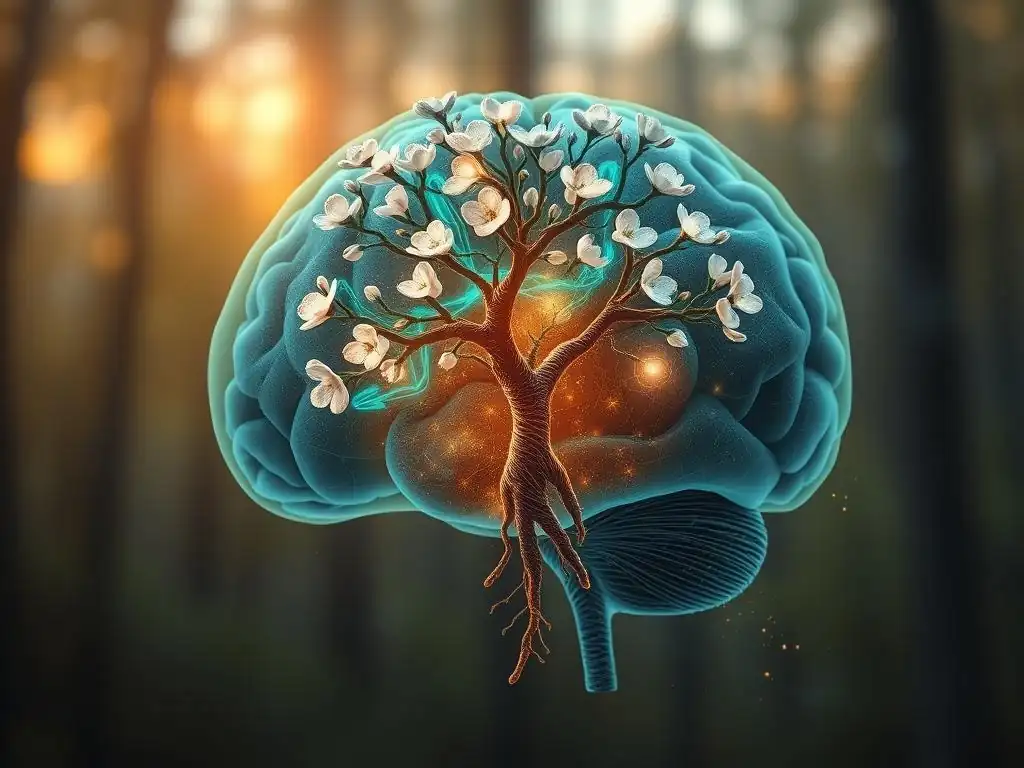
The implications of neuroplasticity extend far beyond the clinical setting, profoundly impacting our cultural understanding of mental health. It challenges the stigma surrounding mood disorders, moving away from a purely deterministic view of illness towards a model that emphasizes agency and personal responsibility in the healing process. This empowering shift allows individuals to actively participate in their recovery journey, fostering resilience and self-efficacy. The brain is not a machine to be fixed, but a garden to be cultivated.
This metaphor beautifully captures the essence of neuroplasticity and its potential to nurture mental well-being.
You now hold the key to unlocking your brain's inherent potential. Consider how you can actively cultivate your mental garden through mindful practices, positive self-talk, and engaging in activities that stimulate neural growth. Embrace the empowering message of neuroplasticity – your brain is not static, it is dynamic, and its capacity for change is limitless. Take the first step today towards cultivating a healthier, happier you. Begin exploring the therapeutic techniques discussed in this article and embark on your journey towards lasting mental well-being.
Unlock Your Brain's Potential: Take Charge of Your Mood
Thanks for exploring the incredible power of neuroplasticity! You've just learned how you can actively shape your brain and improve your mood, regardless of genetics. Now it's time to put this knowledge into action.
- Prioritize one new brain-boosting activity this week: Whether it's mindful meditation, regular exercise, or learning a new skill, even small changes can make a big difference. This is your key takeaway.
- Share this article with someone who might benefit: Spread the word about the hope and empowerment neuroplasticity offers.
- Join the conversation: What's one small step you'll take today to nurture your brain's incredible capacity for change? Let's discuss in the comments below!