
Are You Coping Effectively? A Checklist for Adult Anxiety Management

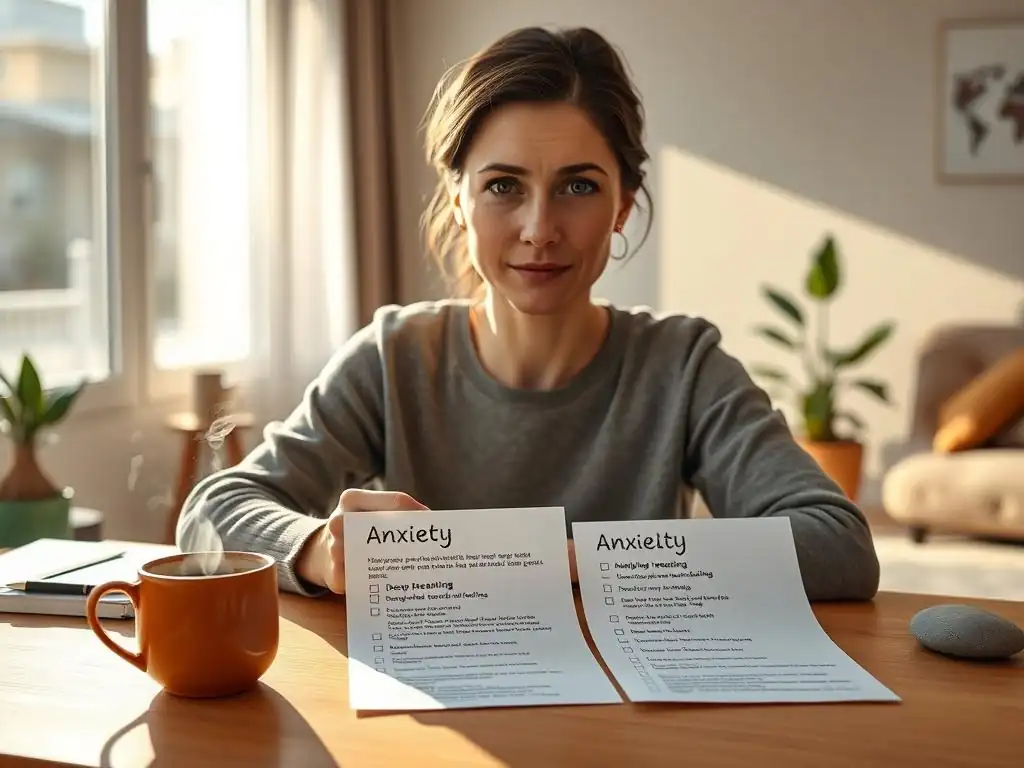
Welcome to Mind Care Guide, your essential companion on the journey towards mental well-being. Here, we delve into the intricacies of mental health, offering you not just information, but a supportive resource tailored to your needs. Are you feeling overwhelmed by anxiety? Our featured article, "Are You Coping Effectively?
A Checklist for Adult Anxiety Management," presents a practical Adult Anxiety Coping Checklist designed to empower you with effective strategies. Discover how to navigate your challenges with confidence and learn what steps you can take today to reclaim your peace of mind. Join us in exploring the path to emotional resilience and inner calm—your journey begins now.
Are You Coping Effectively? A Checklist for Adult Anxiety Management
- Understanding Adult Anxiety and the Need for Effective Coping Strategies
- Your Adult Anxiety Coping Checklist: A Step-by-Step Guide
- Evaluating Your Anxiety Coping Effectiveness: A Self-Assessment
- Building a Personalized Anxiety Coping Plan
- Long-Term Strategies for Managing Adult Anxiety
- Resources for Adult Anxiety and Coping
- Frequently Asked Questions
- Final Reflection: Charting Your Course Through Anxiety
- Empower Your Journey to Calm: Take Action Today!
Understanding Adult Anxiety and the Need for Effective Coping Strategies
Recognizing the Symptoms of Anxiety in Adulthood
Anxiety in adulthood can manifest through a wide array of symptoms, extending beyond just feeling nervous or worried. Physically, individuals might experience chronic fatigue, muscle tension, difficulty sleeping (insomnia), digestive issues like irritable bowel syndrome, and even unexplained aches and pains. For instance, studies suggest that a significant percentage of adults with generalized anxiety disorder report persistent muscle tension, often in the neck and shoulders. Palpitations, shortness of breath, and dizziness are also common physical indicators that can be mistaken for other health problems, leading to frustration and increased anxiety.
Beyond the physical, the emotional and cognitive symptoms are often pervasive. These include persistent worry that is difficult to control, feeling restless or on edge, irritability, difficulty concentrating, and a sense of impending doom or panic. An adult experiencing anxiety might find their mind racing with worst-case scenarios, spending hours ruminating over potential problems, even minor ones. This constant mental activity can be exhausting and significantly impair daily functioning, making it challenging to focus at work, engage in social activities, or simply relax at home.
Why Coping Mechanisms are Crucial for Managing Anxiety
Effective coping mechanisms are not merely supplementary tools but are fundamental to managing adult anxiety and improving overall quality of life. Without strategies to navigate anxious feelings and thoughts, individuals can find themselves trapped in a cycle of avoidance behaviors. For example, someone fearing social situations due to anxiety might decline invitations, leading to isolation and potentially exacerbating feelings of loneliness and depression. Unmanaged anxiety can also escalate, potentially leading to panic attacks or contributing to the development of other mental or physical health issues.
Implementing a diverse set of coping strategies provides individuals with agency over their anxiety. Instead of feeling helpless in the face of overwhelming feelings, they can actively choose techniques to calm their nervous system, challenge irrational thoughts, or reduce their overall stress load. Research consistently shows that adults who utilize a range of coping techniques, such as mindfulness, exercise, and cognitive restructuring, report lower levels of anxiety and a greater sense of control over their mental health. This proactive approach is key to building resilience and preventing anxiety from dictating one's life.
Your Adult Anxiety Coping Checklist: A Step-by-Step Guide
Step 1: Identifying Your Anxiety Triggers
Understanding what situations, thoughts, or feelings initiate or intensify your anxiety is the foundational step in any effective adult anxiety coping checklist. Triggers can be external, like specific social events, work deadlines, or even certain news headlines. They can also be internal, such as particular thought patterns, physical sensations, or memories. Pinpointing these triggers allows you to anticipate potentially anxious situations and employ coping strategies before anxiety becomes overwhelming, or to modify situations to reduce exposure to triggers where possible.
Identifying triggers requires self-awareness and often some dedicated effort to observe your reactions over time. It's not always immediately obvious what sets off anxiety; sometimes, it's a cumulative effect of several smaller stressors. By systematically tracking your experiences, you can begin to see patterns emerge. This process is not about blame or judgment, but about gaining insight that empowers you to take control of your anxiety response.
Keeping an Anxiety Journal to Pinpoint Triggers
A valuable tool for identifying anxiety triggers is keeping an anxiety journal. This involves regularly noting down when you experience anxiety, detailing the situation immediately preceding it, your physical sensations, thoughts, and the intensity of your feelings. For example, you might write: "Thursday afternoon, felt anxious before a team meeting. Noticed heart racing, thoughts were 'I'm going to mess up.' Trigger seems to be public speaking/performance." Over time, reviewing these entries can reveal recurring themes and specific triggers you might not have consciously recognized.
Consistency is key when using an anxiety journal. Aim to write in it daily, even if you don't feel anxious, noting your general mood and any potential stressors. When anxiety does arise, make an effort to capture as much detail as possible. This systematic approach provides concrete data about your personal anxiety landscape, making your adult anxiety coping checklist more targeted and effective.
Recognizing Physical and Emotional Signals of Anxiety
Beyond external triggers, learning to recognize the early physical and emotional signals of anxiety is crucial for implementing your adult anxiety coping checklist effectively. Physical signs can include a knot in your stomach, sweaty palms, a rapid heartbeat, or feeling restless. Emotional signals might involve irritability, difficulty concentrating, or a sudden feeling of dread. These signals often precede full-blown anxiety and serve as an internal warning system.
Developing this awareness allows you to intervene early. For instance, if you notice your shoulders tensing up or your thoughts starting to spiral, recognizing these as early anxiety signals gives you the opportunity to use a relaxation technique or challenge a negative thought before the anxiety significantly escalates. This proactive recognition is a powerful component of managing adult anxiety.
Step 2: Implementing Relaxation Techniques for Anxiety Relief
Once you've identified your triggers and early warning signs, the next step in your adult anxiety coping checklist is to have a repertoire of relaxation techniques ready to deploy. These techniques help to calm the nervous system, reduce the physical symptoms of anxiety, and interrupt the cycle of anxious thoughts. Practicing these techniques regularly, even when you aren't feeling anxious, can enhance their effectiveness during times of stress.
Different relaxation techniques work for different people, and it's beneficial to experiment to find what resonates most with you. The goal is to activate the body's natural relaxation response, which is the opposite of the stress response. This can lead to a slower heart rate, lower blood pressure, and a greater sense of calm and well-being.
Deep Breathing Exercises for Anxiety Reduction
Deep breathing is one of the most accessible and immediate techniques for reducing anxiety. Techniques like diaphragmatic breathing (breathing deeply into your belly) or the 4-7-8 method (inhaling for 4 counts, holding for 7, exhaling for 8) can quickly slow the heart rate and calm the nervous system. For example, simply taking a few slow, deep breaths can shift you from a state of panic toward a state of greater control.
Practicing deep breathing for just a few minutes each day can build your capacity to use it effectively when anxiety strikes. It's a portable tool that can be used anywhere – in a meeting, on public transport, or at home. Including deep breathing as a standard item on your adult anxiety coping checklist ensures you have a rapid response available whenever needed.
Progressive Muscle Relaxation: A Technique for Calmness
Progressive Muscle Relaxation (PMR) involves tensing and then releasing different muscle groups in the body, one by one. This process helps you become more aware of physical tension and teaches you how to consciously release it. For instance, you might tense your fists for a few seconds, then release them, noticing the difference in sensation. You move through various muscle groups, from your hands and arms to your face, neck, shoulders, back, stomach, legs, and feet.
Regular practice of PMR, perhaps for 15-20 minutes a few times a week, can significantly reduce overall muscle tension associated with chronic anxiety. It's a powerful technique for grounding yourself in your body and releasing pent-up physical stress, making it a valuable addition to your adult anxiety coping checklist.
Mindfulness Meditation for Daily Anxiety Management
Mindfulness meditation involves focusing your attention on the present moment without judgment. This could be focusing on your breath, bodily sensations, or the sounds around you. The goal isn't to stop thinking, but to observe your thoughts and feelings without getting carried away by them. For someone with anxiety, this practice can help create distance from anxious thought patterns. For example, instead of being consumed by a worry, you learn to observe the thought as just a thought, rather than an absolute truth.
Even short periods of mindfulness meditation, such as 5-10 minutes daily, can cultivate a greater sense of calm and presence. Research indicates that regular mindfulness practice can actually alter brain structures related to stress and anxiety. Incorporating mindfulness into your daily routine is a proactive step towards managing adult anxiety long-term.
Step 3: Cognitive Restructuring: Challenging Anxious Thoughts
Anxiety is often fueled by distorted or negative thought patterns. Cognitive restructuring is a core technique in cognitive behavioral therapy (CBT) that helps you identify and challenge these unhelpful thoughts. This step on your adult anxiety coping checklist focuses on changing how you think about situations, rather than trying to change the situations themselves. The premise is that changing your thoughts can change your feelings and behaviors.
This process requires examining the evidence for and against your anxious thoughts and developing more balanced and realistic perspectives. It's a skill that improves with practice, helping you to interrupt the cycle of negative self-talk and catastrophic thinking that often accompanies adult anxiety.
Identifying Negative Thought Patterns
The first step in cognitive restructuring is becoming aware of your typical negative thought patterns. Common patterns in anxiety include catastrophic thinking ("The worst possible thing will happen"), overgeneralization ("This bad thing happened, so it will always happen"), mind reading ("They think I'm incompetent"), and fortune-telling ("I just know this will fail"). For example, someone with social anxiety might consistently think, "Everyone is judging me," in social situations.
Identifying these patterns, perhaps with the help of your anxiety journal, is crucial. You might notice you frequently jump to conclusions or focus only on the negative aspects of a situation. Simply labeling these patterns can begin to lessen their power over you, preparing you for the next step in your adult anxiety coping checklist.
Reframing Anxious Thoughts with Positive Affirmations
While simply repeating positive phrases might not eliminate deep-seated anxiety, using realistic affirmations can help reframe anxious thoughts. Instead of a vague "I am calm," which might feel untrue, a more effective affirmation could be "I can handle this challenge one step at a time" or "I have coped with difficult situations before." These affirmations are grounded in reality and offer a counterpoint to negative self-talk.
The goal is not to ignore potential difficulties but to balance anxious predictions with more hopeful and realistic possibilities. For instance, if the anxious thought is "I'm going to fail this presentation," a reframed thought could be "I have prepared for this presentation, and I will do my best. It doesn't have to be perfect." Incorporating such reframing techniques strengthens your adult anxiety coping checklist.
The Power of Realistic Thinking in Managing Anxiety
Realistic thinking involves evaluating anxious thoughts objectively, considering all the evidence (not just the negative) and exploring alternative, more balanced interpretations. If you think, "If I make a mistake at work, I'll be fired," realistic thinking asks: Is there actual evidence for this? Have colleagues made mistakes and kept their jobs? What is the most likely outcome, not just the worst possible one?
This process helps to reduce the intensity of anxiety by challenging the irrationality of many anxious thoughts. By consistently practicing realistic thinking, you train your brain to default to more balanced perspectives rather than automatically jumping to negative conclusions. This skill is a cornerstone of effective adult anxiety management.
Step 4: Lifestyle Adjustments to Reduce Anxiety Levels

Managing adult anxiety isn't solely about reacting to symptoms; it also involves proactive lifestyle choices that create a foundation for better mental well-being. Integrating healthy habits into your daily routine can significantly reduce overall anxiety levels and increase your resilience to stress. This section of your adult anxiety coping checklist focuses on the tangible steps you can take in your daily life.
These adjustments often require commitment and consistency, but their long-term benefits for anxiety management are substantial. They support both your physical and mental health, creating a synergistic effect that enhances your ability to cope.
The Importance of Regular Exercise for Anxiety
Physical activity is a powerful antidote to anxiety. Exercise releases endorphins, which are natural mood boosters, and can also reduce stress hormones like cortisol. Engaging in regular aerobic exercise, such as brisk walking, running, swimming, or cycling, for even 30 minutes most days of the week has been shown to be as effective as some medications for mild to moderate anxiety. For example, a study might show that participants who engaged in regular exercise reported a 20-30% reduction in anxiety symptoms over several months.
Exercise also provides a healthy distraction from worries and can improve sleep quality, another factor crucial for anxiety management. Find an activity you enjoy to make it sustainable. Adding regular physical activity is a non-negotiable item on an effective adult anxiety coping checklist.
Nutrition's Role in Mental Well-being and Anxiety
What you eat can impact your mood and anxiety levels. While no specific diet cures anxiety, focusing on nutrient-dense foods can support brain health and stabilize blood sugar levels, which can prevent energy crashes and mood swings. A diet rich in whole grains, lean proteins, fruits, and vegetables, and healthy fats (like omega-3 fatty acids found in fish) is generally recommended. Limiting caffeine, alcohol, and processed foods, which can trigger or worsen anxiety symptoms in some individuals, is also often advised. For instance, excessive caffeine intake can mimic the physical symptoms of anxiety, like a racing heart.
Making conscious choices about your diet is a supportive step in your adult anxiety coping checklist. It's about fueling your body and mind in a way that promotes stability and reduces potential triggers.
Prioritizing Sleep for Optimal Anxiety Management
Sleep is critically important for mental health, and chronic sleep deprivation can significantly worsen anxiety symptoms. Aiming for 7-9 hours of quality sleep per night is essential. Establishing a regular sleep schedule, creating a relaxing bedtime routine, and ensuring your bedroom is dark, quiet, and cool can all improve sleep hygiene. For example, going to bed and waking up at roughly the same time each day, even on weekends, helps regulate your body's internal clock.
Poor sleep can impair your ability to cope with stress and regulate emotions the following day. Prioritizing sleep is a fundamental building block in any comprehensive adult anxiety coping checklist and should not be overlooked.
Step 5: Seeking Support and Professional Help for Anxiety
While self-help strategies are incredibly valuable components of an adult anxiety coping checklist, recognizing when you need external support is equally important. Anxiety can be a complex condition, and sometimes, professional guidance is necessary for effective management, especially if your anxiety is severe, persistent, or significantly impacting your daily life. Reaching out is a sign of strength, not weakness.
Support can come from various sources, from your personal network to trained mental health professionals. Exploring these options ensures you have access to the right level of help when needed.
Talking to Friends and Family About Your Anxiety
Sharing your experiences with trusted friends or family members can provide significant emotional support. Simply talking about what you're going through can reduce feelings of isolation and help others understand how they can support you. Choose people you feel safe and comfortable with, and consider explaining what anxiety feels like for you and what kind of support is helpful. For example, you might say, "Sometimes when I'm anxious, I just need someone to listen without trying to fix it."
While loved ones aren't substitutes for professional help, their understanding and empathy can be a vital part of your support network and a helpful element in your adult anxiety coping checklist.
Considering Therapy for Long-Term Anxiety Management
Therapy, particularly Cognitive Behavioral Therapy (CBT) or Acceptance and Commitment Therapy (ACT), is highly effective for managing adult anxiety. A therapist can help you identify the root causes of your anxiety, teach you advanced coping strategies, challenge unhelpful thought patterns, and develop healthier behavioral responses. For instance, a therapist might guide you through exposure therapy if you have specific phobias contributing to your anxiety.
Therapy provides a structured environment to process difficult emotions and learn tailored techniques for your specific anxiety challenges. Many studies show that therapy can lead to long-lasting reductions in anxiety symptoms. Including the option of seeking therapy is a crucial part of a comprehensive adult anxiety coping checklist.
Exploring Medication Options with a Healthcare Professional
For some individuals, medication may be a necessary component of anxiety management, particularly when anxiety is severe or significantly impairing. Antidepressants (such as SSRIs or SNRIs) or anti-anxiety medications (like benzodiazepines, though these are often prescribed for short-term use due to potential for dependence) can help regulate brain chemistry and reduce symptom severity. For example, an SSRI might help balance serotonin levels in the brain, impacting mood and anxiety.
Medication decisions should always be made in consultation with a qualified healthcare professional, such as a psychiatrist or your primary care physician. They can discuss the potential benefits, risks, and side effects and determine if medication is appropriate for your situation. Discussing medication options openly with a doctor is an important step on your adult anxiety coping checklist if other strategies are insufficient.
Evaluating Your Anxiety Coping Effectiveness: A Self-Assessment
Creating and implementing an adult anxiety coping checklist is an ongoing process. It's essential to periodically evaluate how well your current strategies are working and be willing to make adjustments. What works well one month might be less effective the next, depending on your life circumstances and the nature of your anxiety. This self-assessment helps you stay proactive and ensure your coping plan remains relevant and effective.
Taking time to reflect on your experiences provides valuable insights. It prevents you from sticking with strategies that aren't serving you and encourages you to explore new approaches if needed.
Questions to Ask Yourself About Your Coping Strategies
To evaluate the effectiveness of your adult anxiety coping checklist, ask yourself specific questions:
- Am I using my coping strategies consistently when I feel anxious or anticipate a trigger?
- Do the techniques I'm using actually help reduce the intensity or duration of my anxiety?
- Am I relying too heavily on one type of coping strategy (e.g., only relaxation techniques) and neglecting others (like challenging thoughts)?
- Have my anxiety symptoms decreased or become more manageable since I started using these strategies?
- Am I feeling more in control of my anxiety, or does it still feel overwhelming?
- Are there situations where my current strategies seem ineffective?
Answering these questions honestly, perhaps in your anxiety journal, can highlight areas where your current adult anxiety coping checklist is succeeding and areas that need modification or additional attention.
Recognizing When Your Current Coping Mechanisms Aren't Enough
It's important to recognize the signs that your current coping mechanisms, even those on a well-developed adult anxiety coping checklist, may not be sufficient. These signs could include:
- Anxiety symptoms are worsening or becoming more frequent despite consistent effort.
- You are increasingly avoiding situations or activities due to anxiety.
- Your anxiety is significantly interfering with your work, relationships, or daily responsibilities.
- You are experiencing panic attacks regularly.
- You are relying on unhealthy coping mechanisms (e.g., excessive alcohol, substance use, or isolation) to manage anxiety.
- You feel consistently overwhelmed, hopeless, or unable to cope.
If you notice these signs, it's a strong indicator that you may need to adjust your strategies, explore new techniques, or seek professional help. Your adult anxiety coping checklist should be a living document, adaptable to your changing needs.
Building a Personalized Anxiety Coping Plan
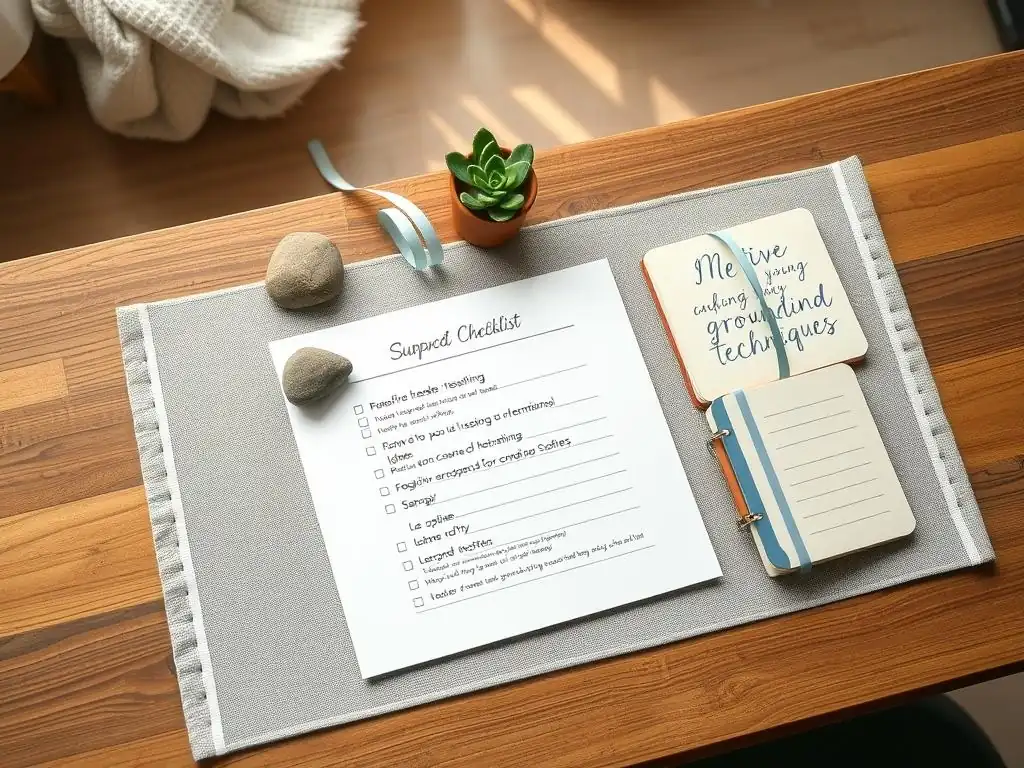
Based on your self-assessment, the next logical step is to build or refine a personalized anxiety coping plan. This isn't just a static adult anxiety coping checklist but a dynamic strategy tailored to your unique triggers, symptoms, and preferences. A personalized plan acknowledges that what works for one person may not work for another and that effective coping often involves a combination of approaches.
Developing a personalized plan empowers you to take ownership of your anxiety management journey. It provides a clear roadmap for how you will respond when anxiety arises and how you will proactively support your mental well-being.
Combining Different Techniques for Maximum Benefit
An effective personalized adult anxiety coping checklist often involves combining techniques from different categories. For example, you might use deep breathing to calm immediate physical symptoms, followed by challenging the anxious thoughts that arose, and later engage in exercise to release residual tension. Relying on a single technique might be insufficient for complex anxiety.
Experiment with mixing and matching strategies. You might find that mindfulness helps you identify triggers, while PMR is best for calming physical tension before sleep. Creating a layered approach ensures you have tools for different aspects and intensities of your anxiety experience.
Regularly Reviewing and Adjusting Your Anxiety Management Plan
Your personalized adult anxiety coping checklist and plan should not be set in stone. Life circumstances change, stress levels fluctuate, and you may develop new insights into your anxiety. Make it a habit to review your plan periodically – perhaps every few months or during times of increased stress. Ask yourself:
- Are these strategies still relevant to my current challenges?
- Have I discovered any new techniques that might be helpful?
- Are there any strategies I'm consistently avoiding or finding ineffective?
- Do I need to add or remove elements based on my recent experiences?
This regular review process ensures your anxiety management plan remains a powerful and relevant tool for navigating adult anxiety effectively over the long term.
Long-Term Strategies for Managing Adult Anxiety
Beyond immediate coping techniques, long-term strategies are crucial for building resilience and maintaining mental well-being in the face of adult anxiety. These involve cultivating habits and perspectives that support overall health and reduce vulnerability to stress and worry. They are the ongoing commitments that complement your immediate coping efforts.
Integrating these long-term strategies into your life creates a stronger foundation, making it easier to implement your adult anxiety coping checklist when challenges arise.
Building Resilience to Stress and Anxiety
Resilience is the ability to bounce back from adversity. Building resilience involves developing healthy coping skills, maintaining supportive relationships, fostering a positive (but realistic) outlook, and cultivating self-compassion. It's not about avoiding stress but about developing the capacity to navigate it effectively. For example, regularly practicing gratitude can shift your focus towards positive aspects of life, building emotional strength.
Engaging in activities that bring you joy, learning new skills, and setting achievable goals can also contribute to building resilience. These actions strengthen your sense of self-efficacy and ability to handle challenges.
Maintaining a Healthy Work-Life Balance
Work-related stress is a significant contributor to adult anxiety for many. Maintaining a healthy work-life balance is essential for preventing burnout and reducing overall anxiety levels. This involves setting boundaries around work hours, taking regular breaks, using vacation time, and making time for hobbies, relationships, and rest. For instance, consciously deciding not to check work emails after a certain time in the evening can create necessary mental space.
Prioritizing activities outside of work that are fulfilling and restorative is not a luxury but a necessity for long-term anxiety management.
The Importance of Self-Care in Anxiety Management
Self-care is about intentionally taking actions to preserve or improve your own health. For someone managing adult anxiety, this might include ensuring adequate sleep, eating nourishing food, engaging in regular physical activity, spending time in nature, pursuing hobbies, practicing relaxation techniques, and saying no to commitments that overextend you. It's recognizing that taking care of yourself is productive, not selfish.
Making self-care a non-negotiable part of your routine is a powerful long-term strategy. It helps replenish your resources, reduce stress, and build your capacity to cope with daily stressors and anxiety.
Resources for Adult Anxiety and Coping
Accessing reliable information and support is a key component of an effective adult anxiety coping checklist and long-term management plan. Fortunately, many resources are available to help individuals understand anxiety better and learn effective coping strategies.
These resources can provide additional tools, perspectives, and connections that complement the techniques outlined in this checklist.
Books and Articles on Anxiety Management
Many excellent books and articles delve deeper into the understanding and management of adult anxiety. Titles based on CBT, ACT, or mindfulness principles often provide practical exercises and frameworks for challenging anxious thoughts and developing coping skills. For example, a book might offer detailed scripts for progressive muscle relaxation or step-by-step guides for cognitive restructuring exercises.
Reading about anxiety can also help normalize your experiences and provide validation, reinforcing that you are not alone in your struggles.
Online Support Groups and Communities for Anxiety Sufferers
Connecting with others who understand what you're going through can be incredibly supportive. Online forums and support groups offer a space to share experiences, exchange coping tips, and receive encouragement from peers. For instance, finding a community focused on adult anxiety coping checklist strategies might provide new ideas or perspectives.
While online communities should not replace professional help when needed, they can offer valuable peer support and reduce feelings of isolation.
Finding a Qualified Mental Health Professional
If self-help strategies or talking to loved ones isn't sufficient, seeking professional help is a vital step. Qualified mental health professionals, such as therapists, counselors, psychologists, or psychiatrists, can provide diagnosis, personalized treatment plans, and evidence-based therapies for anxiety disorders. Look for professionals who specialize in anxiety or use therapeutic approaches like CBT or ACT.
Finding the right professional can be a process, but it's an investment in your long-term well-being and a critical part of a comprehensive adult anxiety coping checklist.
Frequently Asked Questions
What is an Adult Anxiety Coping Checklist?
An Adult Anxiety Coping Checklist is a practical tool designed to help individuals identify and implement effective coping strategies to manage anxiety symptoms in their daily lives.
How can I use the checklist to manage my anxiety?
You can use the checklist by reviewing each item and incorporating the recommended strategies into your routine, which can help improve your mental resilience and overall well-being.
What types of strategies are included in the checklist?
The checklist may include strategies such as mindfulness exercises, breathing techniques, and lifestyle changes that promote mental health and reduce anxiety.
Is the checklist suitable for everyone?
While the checklist is designed for adults, it is important to personalize the strategies based on individual experiences and needs. Consulting with a mental health professional can enhance its effectiveness.
Where can I find additional resources for mental well-being?
For more information and support, you can visit Mind Care Guide, which offers a wealth of resources and articles on various mental health challenges and coping strategies.
Final Reflection: Charting Your Course Through Anxiety
The pervasive nature of anxiety in modern life demands proactive strategies, and understanding your own coping mechanisms is the first crucial step. Ignoring the subtle signs of anxiety can lead to overwhelming distress, impacting not only mental well-being but also physical health and relationships. This article provided a practical checklist to help navigate these challenges, offering a personalized approach to managing anxiety.
The journey towards effective anxiety management is deeply personal, a continuous process of self-discovery and adaptation. It's a journey I've walked alongside many clients, witnessing firsthand the transformative power of self-awareness and intentional coping strategies. The impact of anxiety on our society is undeniable, affecting productivity, relationships, and overall quality of life. As the poet Mary Oliver so eloquently stated: Tell me, what is it you plan to do with your one wild and precious life?
This question becomes even more poignant when facing the challenges of anxiety; it compels us to prioritize our well-being and actively cultivate strategies for a more fulfilling existence.
You now possess a valuable tool – the checklist – to begin or enhance your journey towards managing anxiety. Don't hesitate to revisit it regularly, adapting it to your changing needs and circumstances. Remember, self-compassion is key. Take the time to understand your unique triggers, practice the techniques outlined, and celebrate your progress along the way. Your well-being is an investment worth making, and the rewards – a calmer, more fulfilling life – are immeasurable.
Empower Your Journey to Calm: Take Action Today!
Thank you for taking the time to explore effective strategies for managing anxiety! You’ve gained valuable insights that can make a difference in your daily life. Now, let's turn that knowledge into action and empower your journey to a calmer mind.
- Implement your personal checklist: Identify at least three strategies from the article that resonate with you and start implementing them today.
- Join a support group or discussion forum to connect with others facing similar challenges. Sharing your experiences can provide additional strength and insight.
- Consider keeping a gratitude journal where you write down three things you are grateful for each day to help shift your focus from anxiety.
What’s the first step you’re excited to take towards easing your anxiety? Share your thoughts in the comments!