
The Science of Fear: What Happens in Your Brain During a Phobic Response


Welcome to Mind Care Guide, a safe space dedicated to nurturing your mental well-being. Ever wondered what truly happens inside your mind when fear takes over? This article delves into the fascinating – and sometimes overwhelming – world of phobia brain response science. Uncover the neurological underpinnings of your anxieties and begin to understand how your brain processes fear, paving the way for more effective coping strategies. Ready to unlock the secrets behind your phobias?
Understanding Social Anxiety Disorder: A Neurobiological Perspective
- Understanding Social Anxiety: An Introduction
- The Amygdala's Role in Social Anxiety
- The Prefrontal Cortex and Social Anxiety
- The Hippocampus and Social Anxiety Memories
- Neurotransmitters and Social Anxiety: The Chemical Messengers
- The Vicious Cycle of Social Anxiety: Brain and Behavior
- Social Anxiety Treatment and the Brain: How Therapy Changes Neural Pathways
- The Future of Social Anxiety Research: Brain Imaging and Personalized Treatment
- Living with Social Anxiety: Practical Strategies for Managing Anxiety
-
Frequently Asked Questions
- What specifically happens in the brain during a phobic response, according to the science?
- How does "Phobia brain response science" help us understand and treat phobias better?
- What role does genetics play in the "Phobia brain response science"?
- What is the difference between a normal fear response and the brain activity seen in a phobic response, from a "Phobia brain response science" perspective?
- Besides therapy, what other interventions might "Phobia brain response science" suggest for managing phobias based on how the brain works?
- Final Reflection: Unraveling the Fear Response – A Path to Understanding and Healing
- Unveil Your Fearless Potential: Take Control of Your Phobias
Social Anxiety Disorder (SAD), also known as social phobia, is a persistent and intense fear of being watched, judged, and evaluated by others. This fear can be so overwhelming that it interferes with daily activities, work, school, and relationships. Unlike shyness, which is a personality trait characterized by discomfort in social situations but doesn't necessarily cause significant distress or avoidance, SAD is a clinical condition with specific diagnostic criteria.
While shy individuals might feel awkward or reserved, people with SAD experience profound anxiety or even panic attacks in social settings, leading them to avoid social interactions altogether. The distinction is crucial because SAD often requires professional intervention, whereas shyness typically does not.
The impact of social anxiety disorder is significant. It's estimated to affect a substantial portion of the population, with prevalence rates varying by region but often cited around 7-13% over a lifetime in Western populations. For example, in the United States, approximately 15 million adults are affected by SAD annually.
This disorder typically begins in early to mid-adolescence, a critical period for social development, and can become chronic if left untreated. The fear isn't merely about public speaking; it can extend to everyday interactions like talking on the phone, eating in front of others, or even walking down the street, driven by a core fear of negative evaluation.
To understand the brain's response in social anxiety, it's helpful to first grasp the basic neuroscience of anxiety itself. Anxiety is a complex state involving both physiological and psychological components, mediated by specific neural circuits. At its core, anxiety involves the activation of brain regions associated with processing threats and generating fear responses. Key players include the amygdala, often referred to as the brain's "fear center," which rapidly processes potential dangers, and the prefrontal cortex, which is involved in evaluating context and regulating emotional responses.
The brain's anxiety response is a finely tuned system designed for survival. When a potential threat is perceived, the amygdala signals the hypothalamus, triggering the "fight or flight" response via the sympathetic nervous system and the release of stress hormones like cortisol. In anxiety disorders, this system can become dysregulated, leading to an overestimation of threat and chronic activation even in safe situations. Understanding this fundamental neural circuitry provides a critical foundation for exploring the specific brain mechanisms underlying the heightened fear of social evaluation characteristic of social anxiety disorder.
The Amygdala: The Brain's Threat Detector
The amygdala is a small, almond-shaped structure deep within the temporal lobe, recognized as a central hub for processing emotions, particularly fear and threat. It plays a crucial role in detecting potential dangers in the environment and initiating rapid, automatic responses. Think of it as the brain's smoke detector – it's designed to react quickly to potential signs of fire, often before the conscious mind even fully registers what's happening. This rapid processing is essential for survival, allowing us to react instantly to immediate threats.
Research using functional magnetic resonance imaging (fMRI) has consistently shown that the amygdala is highly active when individuals are exposed to threatening stimuli. In the context of social interaction, the amygdala processes social cues, including facial expressions, body language, and tone of voice, evaluating them for potential signs of danger, rejection, or judgment. For someone with social anxiety, seemingly innocuous social cues might be misinterpreted as threats, triggering an exaggerated fear response mediated by this region.
In social anxiety disorder, the amygdala appears to be hyper-responsive to social stimuli. When a person with SAD enters a social situation or anticipates one, their amygdala may perceive it as inherently threatening, even if objectively it is not. This heightened sensitivity means that the amygdala is more easily activated and stays active for longer periods compared to individuals without SAD. For example, studies have shown increased amygdala activity in individuals with social anxiety when shown pictures of critical or even neutral faces.
This amygdala activation triggers a cascade of physiological responses associated with anxiety: increased heart rate, sweating, trembling, and a feeling of unease or panic. It signals other brain regions and the body's stress systems, preparing the individual to "escape" the perceived social threat. This automatic, fear-driven response is a core component of the social anxiety brain response, driving the urge to avoid social interactions or endure them with intense distress.
The link between amygdala hyperactivity and the fear of negative social evaluation is a key area of research in the neuroscience of social anxiety. Studies using fMRI have demonstrated that individuals with SAD show greater amygdala activation when anticipating or receiving negative feedback, or even just when being observed by others. For instance, one study found that participants with social anxiety exhibited stronger amygdala responses when giving a speech compared to control groups.
This heightened amygdala response is believed to contribute directly to the excessive worry about being judged. The brain's threat detection system is essentially on high alert in social contexts, interpreting ambiguous social cues as potentially critical or rejecting. This over-processing of social information as threatening reinforces the core fear of evaluation, creating a feedback loop where the anticipation of judgment triggers amygdala activation, leading to anxiety, which further solidifies the belief that social situations are dangerous.
While the amygdala is the rapid threat detector, the prefrontal cortex (PFC), particularly the ventromedial and dorsolateral regions, plays a critical role in higher-level cognitive functions, including social cognition, decision-making, and emotion regulation. The PFC acts as the brain's executive control center, helping us evaluate situations, understand social norms, consider consequences, and regulate our emotional responses generated by areas like the amygdala. It's involved in putting the brakes on impulsive reactions and applying rational thought to emotional signals.
In social situations, the PFC helps us interpret complex social cues, understand others' intentions (theory of mind), and manage our own behavior to fit the context. It allows us to appraise the reality of a perceived threat – for example, recognizing that a neutral facial expression from a stranger is unlikely to be a personal judgment. The PFC should ideally work in concert with the amygdala, modulating its fear signals based on a more nuanced understanding of the situation.
In individuals without anxiety disorders, the PFC can effectively regulate or dampen the amygdala's response when a perceived threat is deemed non-threatening upon further evaluation. This top-down control allows for a more measured emotional response. For someone with social anxiety, the PFC does attempt to manage the intense fear signals originating from the amygdala. Individuals might engage in cognitive strategies, often maladaptive, such as trying to suppress anxious thoughts, over-analyzing interactions, or planning extensively to avoid perceived missteps.
However, in SAD, this regulatory control from the PFC often seems insufficient. While the PFC might be trying to apply logical reasoning ("They probably aren't even looking at me"), the powerful, automatic fear response from the hyperactive amygdala can override these attempts at rationalization. This internal conflict between the emotional brain and the rational brain contributes to the subjective experience of intense anxiety despite knowing, on some level, that the fear might be disproportionate to the actual risk.
Research suggests that in individuals with social anxiety disorder, there may be reduced or altered activity in certain areas of the prefrontal cortex, particularly those involved in emotion regulation. Studies using fMRI and other neuroimaging techniques have sometimes shown lower activation in specific PFC regions when individuals with SAD are exposed to social stressors compared to control groups. This suggests that the "brakes" on the amygdala's fear response might not be engaging effectively.
For example, some studies point to reduced connectivity or activity in pathways connecting the ventromedial PFC to the amygdala. This impaired communication could mean that the PFC is less able to send inhibitory signals to the amygdala, allowing the fear response to escalate unchecked. This relative hypoactivity in the PFC, coupled with amygdala hyperactivity, creates a neurobiological imbalance that underlies the persistent and overwhelming fear experienced in social anxiety disorder, making it difficult for the individual to use cognitive strategies to effectively reduce their anxiety.
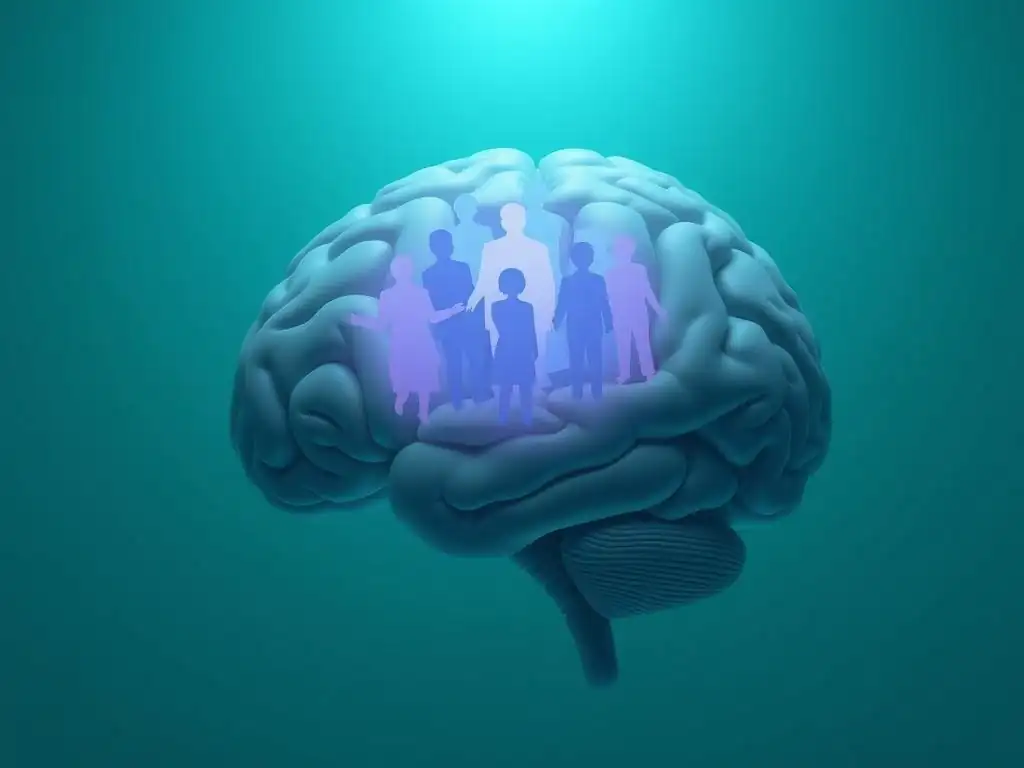
The hippocampus, another structure located deep within the temporal lobe, is crucial for forming new memories, particularly episodic memories (memories of specific events) and spatial navigation. It plays a vital role in contextualizing experiences – understanding where and when something happened. In the context of social interactions, the hippocampus helps encode the details of social experiences, including who was present, what was said, and the emotional valence of the event.
This brain region is interconnected with both the amygdala and the prefrontal cortex. It receives emotional information from the amygdala and contextual information from other brain areas. This allows the hippocampus to store memories of past social encounters, including whether they were positive, negative, or neutral. These stored memories then influence how future social situations are anticipated and interpreted.
The hippocampus's role in memory formation is particularly relevant in understanding how social anxiety develops and is maintained. Negative or embarrassing social experiences, especially during formative years like adolescence, can be strongly encoded as emotionally salient memories by the hippocampus, often amplified by amygdala activation during the event. For instance, a humiliating moment during a presentation in school or a perceived rejection by peers can become a deeply ingrained memory.
The hippocampus, in conjunction with the amygdala, can then link these negative emotional tags to social contexts. When a similar social situation arises in the future, the hippocampus retrieves the memory of the past negative event, and the amygdala triggers a fear response based on this stored information. This learned association between social situations and negative outcomes reinforces the belief that social interaction is dangerous, contributing to the development and persistence of social anxiety.
Beyond simply recalling negative events, the hippocampus contributes to maintaining social avoidance behaviors. By retrieving memories of past social failures or embarrassments, the hippocampus provides "evidence" to the brain that social situations are risky. This can lead to anticipatory anxiety before planned social events. The memory system essentially flags social encounters as potential threats based on past negative experiences.
Furthermore, chronic stress and elevated cortisol levels associated with persistent anxiety can actually impact the structure and function of the hippocampus over time, potentially affecting memory consolidation and retrieval processes. This complex interplay between stress, memory, and brain structure highlights how negative experiences can become deeply embedded, contributing to the ongoing cycle of fear and avoidance that characterizes social anxiety disorder.
Key Neurotransmitters: Serotonin, Dopamine, and GABA
Brain function relies on a complex interplay of chemical messengers called neurotransmitters, which transmit signals between nerve cells. Several neurotransmitters are particularly relevant to the regulation of mood, anxiety, and social behavior. Three key players implicated in social anxiety disorder are serotonin, dopamine, and Gamma-Aminobutyric Acid (GABA).
- Serotonin: Often associated with mood regulation, serotonin also plays a role in processing social information, modulating fear responses, and regulating anxiety levels. Imbalances in serotonin signaling are strongly linked to various anxiety disorders, including SAD.
- Dopamine: Involved in reward, motivation, pleasure, and motor control, dopamine also influences social approach and avoidance behaviors. Dysregulation in the dopamine system may contribute to the lack of motivation or pleasure sometimes experienced in social situations by individuals with SAD.
- GABA: The primary inhibitory neurotransmitter in the brain, GABA acts like a brake pedal, reducing neuronal excitability and promoting calmness. Low levels or impaired function of GABA can lead to increased neuronal firing and heightened anxiety.
Research suggests that dysregulation in the systems using these neurotransmitters contributes significantly to the symptoms of social anxiety. For instance, alterations in serotonin levels or receptor sensitivity are thought to affect the amygdala's reactivity and the PFC's ability to regulate fear. Studies have shown that individuals with SAD may have altered serotonin transporter function.
Similarly, disruptions in dopamine pathways might impact the brain's reward system, potentially making social interactions feel less rewarding or even aversive, reinforcing avoidance. Changes in GABAergic signaling could reduce the brain's ability to inhibit anxious thoughts and physiological responses, leaving the individual feeling constantly on edge in social settings. While the precise mechanisms are still being unraveled, it is clear that imbalances in these chemical messengers play a crucial role in the neurobiological basis of social anxiety.
Specific genetic variations can influence how neurotransmitter systems function. One well-studied example is a polymorphism (a common variation) in the gene that codes for the serotonin transporter protein ( SLC6A4). This transporter is responsible for reabsorbing serotonin from the synaptic cleft back into the neuron, thus regulating the amount of serotonin available to signal.
Certain variations of the SLC6A4 gene, particularly the short (S) allele compared to the long (L) allele, have been associated with altered serotonin transporter function and a potential predisposition to anxiety and depression. Research has explored the link between carrying one or two copies of the S allele and increased amygdala reactivity to threat cues, as well as a higher risk of developing social anxiety disorder, especially when combined with environmental stressors like negative life events. While genetics don't predetermine SAD, variations like the serotonin transporter polymorphism illustrate how subtle differences in brain chemistry, influenced by genetics, can increase vulnerability to the disorder and impact the social anxiety brain response.
Social anxiety disorder is often characterized by significant avoidance of feared social situations. While avoidance provides immediate, short-term relief from intense anxiety, it paradoxically strengthens the disorder in the long run. When an individual avoids a social situation, they prevent themselves from learning that their feared outcome (e.g., severe judgment, humiliation) might not actually occur, or that they could cope if it did.
This avoidance behavior prevents the brain from updating its assessment of the social situation as safe. The amygdala's initial "threat" signal goes unchallenged, and the opportunity for the prefrontal cortex to apply rational evaluation is lost. Every successful avoidance reinforces the brain's belief that the social situation was indeed dangerous, validating the fear and making future avoidance more likely. This creates a powerful negative feedback loop that maintains and even escalates the social anxiety brain response.
Chronic social anxiety and the associated stress response can have long-term effects on brain structure and function. Prolonged exposure to high levels of stress hormones like cortisol, triggered by persistent anxiety, can impact brain regions involved in memory and emotional regulation, such as the hippocampus and prefrontal cortex. While research is ongoing, some studies suggest that chronic anxiety may be associated with changes in the volume or connectivity of these areas.
Furthermore, the sustained hyperactivity of the amygdala in SAD might lead to changes in its circuitry, potentially making it even more sensitive to social threat cues over time. The brain pathways involved in fear processing and emotional regulation can essentially become "wired" to be hyper-responsive and less inhibited. This highlights how the behavioral patterns of avoidance, driven by the initial brain response, can in turn reshape the brain itself, solidifying the anxious response patterns.
Breaking the Cycle: Rewiring the Brain Through Therapy
The good news is that the brain is capable of change, a property known as neuroplasticity. Therapeutic interventions for social anxiety disorder aim to break the vicious cycle of fear and avoidance and effectively "rewire" the social anxiety brain response. By gradually confronting feared social situations in a safe and controlled environment, individuals can provide their brain with new learning experiences.
This process, often facilitated by therapies like Cognitive Behavioral Therapy (CBT), allows the amygdala to learn that the feared outcome doesn't happen, or that the situation is manageable. The prefrontal cortex is simultaneously engaged to re-evaluate social cues more realistically and apply effective coping strategies. This new learning creates and strengthens new neural pathways that promote a sense of safety and control in social settings, gradually reducing the dominance of the fear-based circuitry and demonstrating the brain's capacity for positive adaptation.
Cognitive Behavioral Therapy (CBT) and Brain Activity Changes
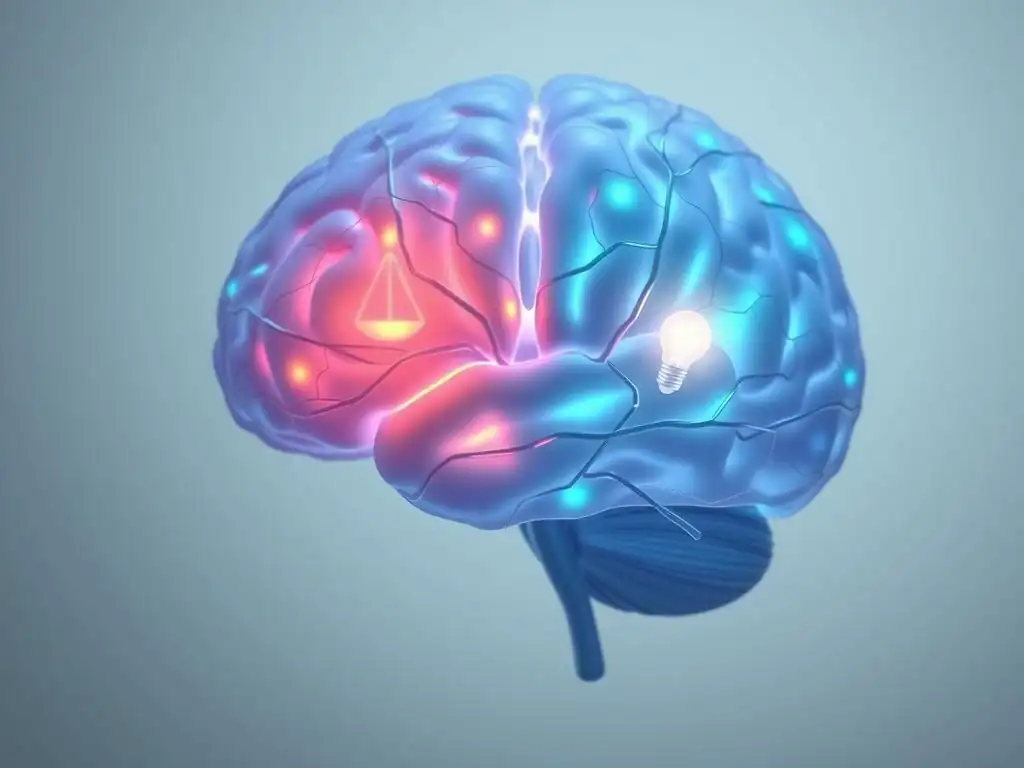
Cognitive Behavioral Therapy (CBT) is one of the most effective psychological treatments for social anxiety disorder. It works by helping individuals identify and challenge negative thought patterns and gradually expose themselves to feared social situations. From a neurobiological perspective, CBT is thought to work by influencing the activity and connectivity of brain regions involved in social anxiety.
Studies using neuroimaging before and after CBT treatment for SAD have shown promising results. For instance, some research indicates that successful CBT treatment is associated with reduced amygdala activity in response to social stimuli and increased activity in prefrontal cortex regions involved in emotion regulation. This suggests that CBT helps to dampen the brain's threat response and enhance its capacity for cognitive control over anxiety. It's like strengthening the "brakes" (PFC) while reducing the sensitivity of the "accelerator" (amygdala) in social situations.
Social Skills Training (SST) is another therapeutic approach, often used in conjunction with CBT, that focuses on teaching individuals practical skills for navigating social interactions more effectively. This can include learning how to start conversations, maintain eye contact, assert oneself politely, and interpret social cues accurately. By practicing these skills, individuals gain confidence and feel more competent in social settings.
From a neurobiological standpoint, SST likely works by providing positive social experiences that can help retrain the brain's response. Successful practice of social skills can lead to positive reinforcement, which involves dopamine pathways and can help create more positive associations with social interaction. It may also involve the hippocampus in encoding these positive social experiences as memories, counteracting the influence of past negative memories. As individuals become more comfortable and skilled socially, the anticipation of social situations may trigger less fear and more positive emotional states, further altering the social anxiety brain response.
Selective Serotonin Reuptake Inhibitors (SSRIs) and Brain Activity
Medications, particularly Selective Serotonin Reuptake Inhibitors (SSRIs), are also commonly used to treat social anxiety disorder. SSRIs work by increasing the amount of serotonin available in the synaptic cleft, which can enhance serotonin signaling in the brain. As mentioned earlier, serotonin plays a key role in regulating mood and anxiety.
Neuroimaging studies have investigated the effects of SSRIs on brain activity in individuals with SAD. Some research suggests that chronic SSRI treatment can lead to decreased activity in the amygdala and increased activity in certain areas of the prefrontal cortex. These changes are consistent with the proposed mechanism of action – reducing the brain's threat response and potentially improving emotional regulation. However, it's important to note that medication effects can vary, and they are often most effective when combined with psychotherapy, which addresses the learned behavioral and cognitive patterns associated with social anxiety.
Advanced Brain Imaging Techniques: fMRI and Neural Connectivity
Advanced brain imaging techniques continue to deepen our understanding of the social anxiety brain response. Functional Magnetic Resonance Imaging (fMRI), which measures brain activity by detecting changes in blood flow, remains a powerful tool for observing brain regions like the amygdala and PFC in action during social tasks. However, the field is moving beyond simply identifying active regions to understanding the complex connectivity between different brain areas.
Techniques like Diffusion Tensor Imaging (DTI) allow researchers to map the white matter tracts (the "wiring") connecting different brain regions, assessing the strength and integrity of these connections. Resting-state fMRI examines patterns of spontaneous brain activity when the individual is not performing a specific task, revealing intrinsic neural networks.
Studying the connectivity within and between networks – such as the default mode network (involved in self-referential thought, often hyperactive in SAD) and the salience network (involved in detecting important stimuli) – is providing new insights into how social anxiety disrupts brain communication. This focus on neural circuits offers a more holistic view than examining individual regions in isolation.
Personalized Medicine: Tailoring Treatment Based on Brain Activity
The growing understanding of the diverse neurobiological profiles of social anxiety is paving the way for more personalized treatment approaches. Currently, treatment selection often follows a trial-and-error process. However, future research aims to use neurobiological markers, potentially identified through brain imaging or genetic testing, to predict which individuals are most likely to respond to specific treatments, whether it's a particular type of therapy or a specific medication.
For example, if research consistently shows that a certain pattern of amygdala-PFC connectivity predicts better response to CBT, clinicians could potentially use this information to guide treatment recommendations. Similarly, understanding how genetic variations influence neurotransmitter systems might help predict responsiveness to different classes of medications like SSRIs or SNRIs (Serotonin-Norepinephrine Reuptake Inhibitors). While still largely in the research phase, the goal of personalized medicine in social anxiety is to move towards a more precise, neuroscience-informed approach to care, improving treatment outcomes and reducing the time and resources spent on ineffective interventions.
Identifying reliable biomarkers – measurable indicators of a biological state – is a key goal in the field of personalized mental health treatment. For social anxiety, potential biomarkers could include specific patterns of brain activity or connectivity observed through fMRI, genetic variations (like the serotonin transporter polymorphism), or even physiological measures like heart rate variability or cortisol levels in response to social stress.
Research is actively exploring which of these potential markers are most predictive of treatment response. For instance, studies might investigate whether individuals with higher baseline amygdala reactivity respond better to exposure-based therapy, or if those with specific genetic profiles show greater improvement on SSRIs. The development and validation of such biomarkers could revolutionize the treatment of social anxiety disorder, allowing clinicians to select the most effective intervention for each individual based on their unique neurobiological profile, leading to faster and more successful recovery.
Mindfulness and Relaxation Techniques
Beyond clinical treatment, individuals living with social anxiety can employ practical strategies to manage their daily anxiety and complement therapeutic interventions. Mindfulness techniques, which involve paying attention to the present moment without judgment, can be particularly helpful. Practicing mindfulness can help individuals become more aware of their anxious thoughts and physical sensations without becoming overwhelmed by them. By observing these responses with curiosity rather than fear, it's possible to create distance from the anxiety.
- Mindful Breathing: Focusing on the sensation of breath entering and leaving the body.
- Body Scan Meditation: Bringing attention to different parts of the body to notice physical sensations.
- Mindful Observation: Paying close attention to sensory details in the environment during social interactions.
Relaxation techniques, such as deep breathing exercises, progressive muscle relaxation, or guided imagery, can also activate the body's parasympathetic nervous system, counteracting the "fight or flight" response triggered by anxiety. Regular practice of these techniques can help lower overall anxiety levels and provide tools to manage acute anxiety in social situations.
It's important to recognize that while self-help strategies can be beneficial, social anxiety disorder is a clinical condition that often requires professional treatment. Knowing when to seek help is a crucial step towards recovery. If social anxiety is significantly impacting your daily life – affecting your ability to work, attend school, maintain relationships, or engage in activities you value – it's time to consult a mental health professional.
Consider seeking help if:
- You consistently avoid social situations due to intense fear.
- Your anxiety causes significant distress or physical symptoms (e.g., panic attacks).
- Your fear of judgment feels overwhelming and irrational.
- Social anxiety is preventing you from pursuing personal or professional goals.
- You are using alcohol or drugs to cope with social situations.
A therapist or psychiatrist can provide a proper diagnosis and recommend evidence-based treatments like CBT, medication, or a combination of therapies tailored to your specific needs and the severity of your social anxiety brain response.
Connecting with others who understand the challenges of social anxiety can be incredibly validating and empowering. Support groups, whether in-person or online, offer a safe space to share experiences, learn coping strategies from peers, and reduce feelings of isolation. Hearing from others who are navigating similar struggles can provide hope and practical advice.
Many reputable organizations offer resources specifically for social anxiety disorder. These may include educational materials, online forums, therapist directories, and information about clinical trials.
- Research local support groups for social anxiety.
- Explore online communities dedicated to social anxiety support.
- Visit websites of mental health organizations (e.g., ADAA, NAMI) for information and resources.
- Read books or articles recommended by mental health professionals about managing social anxiety.
Utilizing these resources can provide ongoing support and reinforce the skills learned in therapy, helping individuals continue to manage their social anxiety and improve their quality of life. Remember, living well with social anxiety is possible with the right support and strategies.
Frequently Asked Questions
What specifically happens in the brain during a phobic response, according to the science?
During a phobic response, the amygdala, the brain's fear center, becomes overly active. This triggers a cascade of physiological responses, leading to the physical symptoms of fear and anxiety. The prefrontal cortex, responsible for rational thought, may struggle to regulate this intense emotional reaction.
How does "Phobia brain response science" help us understand and treat phobias better?
Understanding the neural pathways involved in phobic responses allows for the development of more targeted treatments. This includes therapies that aim to re-train the brain's response to the feared stimulus. Neuroimaging techniques help researchers track brain activity during exposure therapy.
What role does genetics play in the "Phobia brain response science"?
Research suggests a genetic predisposition to anxiety disorders, including phobias. Certain genes may affect the size and activity of the amygdala, making some individuals more vulnerable to developing phobias. However, genetics is not the sole determinant; environmental factors also play a significant role.
What is the difference between a normal fear response and the brain activity seen in a phobic response, from a "Phobia brain response science" perspective?
A normal fear response is typically proportional to the actual threat. In a phobic response, the brain perceives a disproportionately high level of threat, leading to an exaggerated fear response. The amygdala activation is much more intense and prolonged in phobias.
Besides therapy, what other interventions might "Phobia brain response science" suggest for managing phobias based on how the brain works?
Based on the science, interventions like mindfulness meditation can help regulate amygdala activity and improve prefrontal cortex control. Techniques like neurofeedback aim to directly train individuals to modulate their brainwaves associated with anxiety. Medications can also target specific neurotransmitter systems involved in fear.
Final Reflection: Unraveling the Fear Response – A Path to Understanding and Healing
The science of fear, once a mysterious realm, is now increasingly understood, revealing the intricate neurological pathways that underpin phobias and anxiety. This understanding is not merely academic; it offers a crucial bridge to effective treatment and a path towards reclaiming a life free from debilitating fear. The more we learn about the brain's response to perceived threats, the better equipped we are to intervene and support those struggling with phobias.
The exploration of the amygdala's hyperactivity, the role of the hippocampus in memory consolidation, and the impact of the prefrontal cortex in regulating fear responses has profoundly shifted our perspective on phobias. This isn't just about understanding a medical condition; it's about recognizing the deeply human experience of fear and the immense power of the brain to both create and overcome it. Fear is a reaction. Courage is a decision.
– Winston Churchill. This quote highlights the crucial element of choice – even in the face of overwhelming fear, we have the agency to choose how we respond, a choice empowered by understanding the underlying neurological processes.
Consider the implications of this knowledge. You now possess a deeper understanding of the biological mechanisms driving your own anxieties or those of loved ones. This knowledge is not a passive observation; it is a tool. Armed with this understanding, you can approach therapeutic interventions with greater clarity and purpose. Seek out resources, connect with support groups, and remember that the journey to overcoming phobias is a testament to the resilience and adaptability of the human brain. Embrace this journey, and discover the strength within yourself to navigate the landscape of fear and emerge stronger on the other side.
Unveil Your Fearless Potential: Take Control of Your Phobias
Thanks for exploring the science of fear with us! We hope you gained valuable insights into how your brain responds to phobias and discovered new pathways to understanding and managing your anxieties. Now it's time to put this knowledge into action.
Here's how you can take the next step:
- Identify your specific fear and create a personalized coping strategy. This is the most important step – take time to understand your individual triggers and develop techniques (like deep breathing or visualization) that work for you.
- Share your experiences and learnings with others in the comments below. Connecting with others facing similar challenges can be incredibly supportive and empowering.
- Explore Mind Care Guide's resources on managing anxiety – discover even more tools and techniques to help you on your journey to conquering your fears.
What small step can you take today to begin overcoming your fear?