
The GutBrain Axis Diet: Eating for a Happier, Calmer Brain.


Welcome to Mind Care Guide.
Are you feeling overwhelmed, struggling to find that elusive inner peace? We understand. Perhaps the answer lies closer than you think – within your own gut. Explore the fascinating connection between your digestive system and your mind as we delve into the GutBrain axis diet benefits. Discover how simple dietary changes can profoundly impact your mood and reduce anxiety. Intrigued? Let's unlock the secrets to a happier, calmer brain, starting now.
The Gut-Brain Axis Diet: Eating for a Happier, Calmer Brain
- Introduction: Understanding the Gut-Brain Connection for Anxiety Relief
- What is the Gut-Brain Axis Diet? A Nutritional Approach to Anxiety
- Gut-Brain Axis Diet Benefits: How Food Impacts Your Mood and Anxiety Levels
-
Foods to Include in Your Gut-Brain Axis Diet for Optimal Mental Health
- Probiotic-Rich Foods: Cultivating a Healthy Gut Microbiome
- Prebiotic-Rich Foods: Fueling Beneficial Gut Bacteria
- Anti-Inflammatory Foods: Reducing Inflammation in the Gut and Brain
- Omega-3 Fatty Acids: Essential for Brain Function and Mood Regulation
- High-Fiber Foods: Promoting Gut Health and Reducing Anxiety
- Foods to Avoid on the Gut-Brain Axis Diet to Minimize Anxiety Symptoms
- Implementing the Gut-Brain Axis Diet: A Practical Guide
- Beyond Diet: Lifestyle Factors that Support the Gut-Brain Axis
- The Gut-Brain Axis Diet and Anxiety Medication: A Complementary Approach
- Potential Challenges and Considerations of the Gut-Brain Axis Diet
- Conclusion: Embracing the Gut-Brain Axis Diet for a Calmer, Happier You
-
Frequently Asked Questions
- What exactly is the GutBrain Axis and why is it important for mental well-being?
- What are the key principles of the GutBrain Axis Diet?
- How can the GutBrain Axis Diet specifically improve my mental health?
- What are some specific foods that are beneficial for the GutBrain Axis?
- Are there any potential drawbacks or considerations before starting the GutBrain Axis Diet?
- Final Reflection: Nourishing the Mind-Body Connection Through Diet
- Unlock Your Brain's Potential: Fuel Your Focus & Mood!
Introduction: Understanding the Gut-Brain Connection for Anxiety Relief
The Growing Interest in Gut Health and Mental Well-being
In recent years, there has been an explosion of interest in the complex ecosystem residing within our digestive tracts – the gut microbiome. Composed of trillions of bacteria, viruses, fungi, and other microbes, this internal community is no longer viewed merely as an aid to digestion. Scientific research increasingly points to its profound influence on almost every aspect of human health, from immune function and metabolism to, crucially, mental well-being. This shift in understanding has led to a heightened awareness of the gut's potential role in conditions previously thought to be solely brain-based.
This burgeoning field highlights that mental health challenges like anxiety and depression might have roots or contributing factors beyond traditional psychological or neurological explanations. The intricate relationship between the gut and the brain suggests that nurturing a healthy gut environment could be a powerful, complementary strategy for managing mood disorders. The growing body of evidence linking gut dysbiosis (an imbalance of gut microbes) to altered mood and stress responses underscores the importance of exploring this connection for those seeking comprehensive approaches to mental wellness.
Exploring the Gut-Brain Axis and Its Impact on Anxiety Disorders
The gut-brain axis is a sophisticated, bidirectional communication network linking the central nervous system (brain) and the enteric nervous system (gut). This constant dialogue occurs through various pathways, including the vagus nerve, immune system signaling, and the exchange of chemical messengers like neurotransmitters and metabolites produced by gut microbes. It allows the brain to influence gut function (like motility and secretion) and, critically, allows the gut to send signals that affect brain function, mood, and behavior.
For individuals struggling with anxiety disorders, disruptions in this axis can play a significant role. An imbalanced gut microbiome can produce compounds that increase inflammation, influence the production of neurotransmitters like serotonin (a large portion of which is produced in the gut), and even affect the activity of the vagus nerve. This altered communication can contribute to heightened stress reactivity, changes in emotional processing, and an exacerbation of anxiety symptoms. Understanding this axis reveals how dietary choices and gut health directly impact our mental state.
What is the Gut-Brain Axis Diet? A Nutritional Approach to Anxiety
Defining the Gut-Brain Axis Diet: Key Principles and Foods
The Gut-Brain Axis Diet is not a rigid, restrictive eating plan but rather a nutritional approach focused on optimizing the communication between the gut and the brain. Its core principle is to nourish the beneficial bacteria in the gut, reduce systemic inflammation, and provide the necessary nutrients for healthy brain function and neurotransmitter production. The diet emphasizes whole, unprocessed foods rich in fiber, healthy fats, and beneficial microbes.
Key food categories central to this diet include probiotic-rich fermented foods (like yogurt with live cultures, kefir, sauerkraut, kimchi), prebiotic-rich foods (certain fibers that feed beneficial bacteria found in garlic, onions, leeks, asparagus, oats, and bananas), anti-inflammatory foods (fatty fish, berries, leafy greens, olive oil), and foods high in essential nutrients like B vitamins, magnesium, and omega-3 fatty acids. The focus is on creating a diverse and thriving gut microbiome that supports overall health and mental well-being, contributing significantly to Gutbrain axis diet benefits.
How the Gut-Brain Axis Diet Differs from Other Diets for Anxiety
While many general healthy eating guidelines recommend reducing sugar, processed foods, and caffeine – advice often given to those managing anxiety – the Gut-Brain Axis Diet takes a more targeted approach. Its unique focus lies specifically on influencing the gut microbiome and the communication pathways between the gut and the brain. It's not just about avoiding foods that might trigger anxiety directly, but about actively cultivating a gut environment that supports mental resilience.
Unlike diets that might focus solely on blood sugar stability or eliminating general irritants, the Gut-Brain Axis Diet prioritizes foods based on their impact on gut bacteria diversity and function, as well as their anti-inflammatory properties relevant to the gut-brain connection. For instance, while avoiding processed foods is common advice, this diet specifically highlights how their low fiber content and presence of additives negatively affect the microbiome and increase gut permeability, directly disrupting the axis. This targeted strategy aims to unlock specific Gutbrain axis diet benefits by addressing the root of the gut-brain connection.
Gut-Brain Axis Diet Benefits: How Food Impacts Your Mood and Anxiety Levels
The Science Behind Gut-Brain Axis Diet Benefits for Mental Health
The scientific evidence supporting the Gut-Brain Axis Diet benefits for mental health is growing. A diet rich in prebiotics and probiotics encourages the growth of beneficial bacteria, which produce short-chain fatty acids (SCFAs) like butyrate, propionate, and acetate. Butyrate, for example, serves as the primary energy source for colon cells, helps maintain the gut barrier's integrity, and has potent anti-inflammatory effects. These SCFAs can also enter the bloodstream and influence brain function, potentially modulating neurotransmitter activity and reducing stress hormone levels like cortisol. Research has shown that individuals with higher levels of certain SCFAs may exhibit lower anxiety-like behaviors.
Furthermore, the diet's emphasis on anti-inflammatory foods combats chronic low-grade inflammation, which is increasingly linked to mood disorders. A compromised gut barrier ("leaky gut"), often exacerbated by poor diet, can allow inflammatory molecules to enter the bloodstream and reach the brain, impacting mood and cognition. By reducing gut inflammation and strengthening the gut barrier, this diet helps to dampen this inflammatory cascade, offering significant Gutbrain axis diet benefits. Studies have found correlations between markers of inflammation, such as elevated C-reactive protein, and increased anxiety symptoms.
Key Nutrients for the Gut-Brain Axis: Vitamins, Minerals, and Probiotics
Beyond the microbial impact, the Gut-Brain Axis Diet ensures adequate intake of specific nutrients crucial for brain function and mental health. B vitamins, particularly B6, B9 (folate), and B12, are essential cofactors in the synthesis of neurotransmitters like serotonin, dopamine, and GABA, which play vital roles in mood regulation and anxiety. Magnesium is another critical mineral involved in hundreds of biochemical reactions, including nerve function and stress response modulation; deficiency is sometimes linked to increased anxiety.
Probiotics and prebiotics are cornerstones of this approach. Probiotics introduce beneficial live bacteria, while prebiotics provide the necessary fuel for both these introduced strains and the existing beneficial bacteria in the gut. Consuming a variety of both (often referred to as a synbiotic approach when combined) helps cultivate a diverse and resilient microbiome. Specific probiotic strains, such as Lactobacillus rhamnosus and Bifidobacterium longum, have been explored in research for their potential psychobiotic effects, showing promise in modulating stress and anxiety in some studies, contributing directly to Gutbrain axis diet benefits.
Improved Mood and Reduced Anxiety: Real-World Examples
While results vary among individuals, real-world observations and studies support the potential of this dietary approach. For instance, a study published in Psychiatric Services involving young adults with moderate-to-severe depression, with high anxiety scores, found that participants who received dietary support to improve their diet (focusing on whole grains, fruits, vegetables, lean protein, and limiting processed foods, sugar, and unhealthy fats) showed significantly greater improvements in mood and anxiety symptoms over 12 weeks compared to a control group receiving social support.
This study, known as the "SMILES trial" (although primarily focused on depression, it measured anxiety), demonstrated a tangible impact.
Anecdotally, many individuals who transition from a Standard American Diet (often high in processed items, sugar, and unhealthy fats, and low in fiber) to a diet rich in whole, gut-friendly foods report feeling more stable energy levels, reduced brain fog, and a noticeable decrease in overall stress and anxiety over time. While these personal accounts are not clinical trials, they align with the scientific principles behind the Gut-Brain Axis Diet benefits, illustrating how nourishing the gut can translate to a calmer, happier mind.
Foods to Include in Your Gut-Brain Axis Diet for Optimal Mental Health
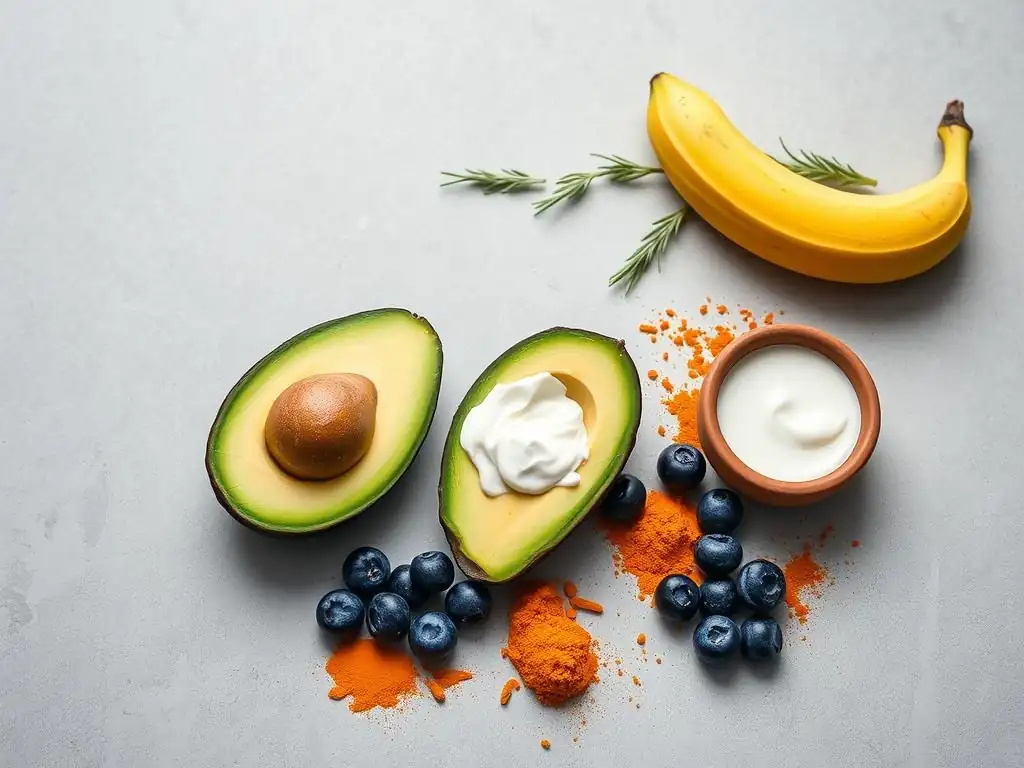
Probiotic-Rich Foods: Cultivating a Healthy Gut Microbiome
Incorporating foods containing live and active probiotic cultures is a cornerstone of the Gut-Brain Axis Diet. These foods introduce beneficial bacterial strains that can help balance the gut microbiome, potentially improving digestion and influencing the gut-brain axis. Examples include traditional yogurt with live cultures (check the label), kefir (a fermented milk or water drink), sauerkraut (fermented cabbage), kimchi (Korean fermented vegetables), tempeh (fermented soybeans), and miso (fermented soybean paste).
Regular consumption of a variety of these foods can help increase the diversity of your gut bacteria, which is generally associated with better health outcomes, including improved mental well-being. For instance, a small serving of kefir daily or a forkful of sauerkraut with a meal can contribute to a healthier microbial balance. Ensuring these foods are unpasteurized after fermentation (like refrigerated sauerkraut, not canned) helps preserve the live cultures crucial for Gutbrain axis diet benefits.
Prebiotic-Rich Foods: Fueling Beneficial Gut Bacteria
Prebiotics are types of dietary fiber that are not digestible by human enzymes but are fermented by beneficial bacteria in the large intestine. They act as "food" for these good microbes, helping them to thrive and multiply. Including prebiotic-rich foods supports the existing beneficial bacteria and enhances the effects of probiotic foods. Key sources include garlic, onions, leeks, asparagus, Jerusalem artichokes, chicory root (often found in fiber supplements or some coffee substitutes), green bananas, oats, apples, and flaxseeds.
Consuming a mix of these foods ensures that your gut bacteria have a diverse food source, promoting the growth of different beneficial species. For example, adding onions and garlic to cooked meals, snacking on an apple with skin, or including oats in your breakfast provides valuable prebiotics. This fermentation process by gut bacteria produces beneficial compounds like SCFAs, which, as discussed, are vital for gut health and communication along the gut-brain axis, amplifying Gutbrain axis diet benefits.
Anti-Inflammatory Foods: Reducing Inflammation in the Gut and Brain
Chronic low-grade inflammation can disrupt the gut-brain axis and contribute to anxiety. Incorporating foods rich in antioxidants and anti-inflammatory compounds helps combat this. This includes a wide variety of colorful fruits and vegetables like berries (blueberries, strawberries), leafy greens (spinach, kale), broccoli, bell peppers, and tomatoes. These are packed with vitamins, minerals, and phytonutrients that protect cells from damage and reduce inflammation.
Healthy fats are also key anti-inflammatory agents. Olive oil (extra virgin), avocados, nuts (walnuts, almonds), and seeds (chia, flax) provide monounsaturated and polyunsaturated fats. Spices like turmeric (containing curcumin) and ginger are also renowned for their potent anti-inflammatory properties. Including these foods regularly helps soothe inflammation in the gut lining and throughout the body, supporting healthier gut-brain communication and contributing to Gutbrain axis diet benefits. Aim for a vibrant plate with a variety of colors.
Omega-3 Fatty Acids: Essential for Brain Function and Mood Regulation
Omega-3 fatty acids, particularly EPA (eicosapentaenoic acid) and DHA (docosahexaenoic acid), are critical structural components of brain cell membranes and possess strong anti-inflammatory effects. While ALA (alpha-linolenic acid) found in plant sources like flaxseeds and walnuts can be converted to EPA and DHA in the body, the conversion rate is often low. Therefore, including direct sources of EPA and DHA is highly beneficial for brain health and mood.
The best dietary sources of EPA and DHA are fatty fish such as salmon, mackerel, sardines, anchovies, and herring. Aiming for two to three servings of fatty fish per week is recommended. For vegetarians and vegans, algal oil supplements can provide pre-formed EPA and DHA. These fats help reduce inflammation in both the gut and the brain, support the fluidity of cell membranes essential for nerve signaling, and are associated with a lower risk of anxiety and depression in epidemiological studies, underscoring their role in Gutbrain axis diet benefits.
High-Fiber Foods: Promoting Gut Health and Reducing Anxiety
Fiber is arguably the most important nutrient for a healthy gut microbiome. It provides the bulk needed for regular bowel movements and, crucially, serves as the primary source of prebiotics. Most adults in Western countries consume far less fiber than recommended (often less than 15 grams per day, while recommendations are typically 25-30 grams or more). Increasing fiber intake is fundamental to the Gut-Brain Axis Diet.
Excellent sources of fiber include all types of vegetables, fruits (with the skin on when possible), legumes (beans, lentils, chickpeas), whole grains (oats, barley, quinoa, brown rice, whole wheat), nuts, and seeds. A high-fiber diet promotes a more diverse and abundant population of beneficial gut bacteria, leading to increased production of beneficial SCFAs. This improved gut environment positively influences the gut-brain axis, helping to regulate mood and reduce anxiety over time, contributing significantly to Gutbrain axis diet benefits.
Foods to Avoid on the Gut-Brain Axis Diet to Minimize Anxiety Symptoms
Processed Foods and Artificial Additives: Potential Gut Disruptors
Processed foods are often high in unhealthy fats, added sugars, salt, and artificial ingredients while being low in fiber and essential nutrients. Examples include packaged snacks, sugary cereals, fast food, processed meats, and ready-to-eat meals. These foods can negatively impact the gut microbiome by favoring the growth of less beneficial bacteria and reducing the diversity of beneficial strains.
Furthermore, artificial sweeteners, emulsifiers, and other additives commonly found in processed foods have been shown in some studies to potentially disrupt the gut barrier function and increase inflammation. A weakened gut barrier ("leaky gut") can allow toxins and inflammatory compounds to pass into the bloodstream, which can then influence the brain via the gut-brain axis, potentially exacerbating anxiety symptoms and hindering Gutbrain axis diet benefits. Minimizing these foods is key.
Sugary Foods and Refined Carbohydrates: Impact on Blood Sugar and Mood
Foods high in added sugars and refined carbohydrates (like white bread, white pasta, sugary drinks, pastries, candy) are rapidly digested, causing quick spikes and subsequent crashes in blood sugar levels. These fluctuations can directly impact mood and energy, sometimes leading to feelings of irritability, nervousness, or increased anxiety.
Beyond the immediate blood sugar effect, high sugar intake can also negatively alter the gut microbiome composition, feeding certain types of bacteria that may contribute to inflammation. Chronic high sugar consumption is linked to increased systemic inflammation, which, as discussed, can disrupt the gut-brain axis and worsen anxiety symptoms. Reducing these foods helps stabilize blood sugar and supports a healthier gut environment for better Gutbrain axis diet benefits.
Excessive Caffeine and Alcohol: Effects on the Gut and Anxiety
While moderate caffeine intake is tolerated by many, excessive amounts can stimulate the nervous system and trigger or worsen anxiety symptoms like jitters, restlessness, and difficulty sleeping. Caffeine can also potentially irritate the gut lining in sensitive individuals, although this effect varies.
Alcohol consumption can have a detrimental impact on both the gut and anxiety. Alcohol can disrupt the integrity of the gut barrier, leading to increased gut permeability and inflammation. It can also negatively alter the balance of gut bacteria. While alcohol might initially seem to reduce anxiety due to its sedative effects, it often disrupts sleep, worsens mood in the long run, and can rebound anxiety symptoms as its effects wear off, counteracting potential Gutbrain axis diet benefits. Limiting or avoiding both is often recommended for anxiety management.
Gluten and Dairy Intolerance Considerations
For many people, gluten and dairy are well-tolerated and can be part of a healthy diet. However, for individuals with diagnosed celiac disease, non-celiac gluten sensitivity, or lactose intolerance/dairy allergy, these foods can cause significant digestive distress and inflammation.
In sensitive individuals, consuming gluten or dairy triggers an immune response and inflammation in the gut. This chronic gut inflammation can negatively impact the gut-brain axis, contributing to symptoms like brain fog, fatigue, and potentially exacerbating anxiety. If you suspect a sensitivity, discussing it with a healthcare provider or a registered dietitian can help determine if temporarily eliminating these foods is appropriate to assess their impact on your gut health and anxiety levels, potentially revealing personalized Gutbrain axis diet benefits.
Implementing the Gut-Brain Axis Diet: A Practical Guide
Starting Slowly: Gradual Dietary Changes for Long-Term Success
Embarking on the Gut-Brain Axis Diet doesn't require an overnight transformation. Making drastic changes too quickly can be overwhelming and may even cause temporary digestive discomfort, especially when significantly increasing fiber intake. Instead, aim for gradual, sustainable changes that you can maintain over time. Start by incorporating one or two new gut-friendly habits each week.
For example, you might begin by adding a daily serving of fermented food like a small cup of yogurt or a forkful of sauerkraut. The following week, focus on increasing your vegetable intake by adding an extra serving to lunch and dinner. Gradual changes allow your digestive system and gut microbiome time to adjust, minimizing potential side effects like bloating or gas, and setting you up for sustainable Gutbrain axis diet benefits.
Meal Planning and Preparation: Tips for a Gut-Friendly Diet
Effective meal planning and preparation can make adhering to the Gut-Brain Axis Diet much easier. Taking some time each week to plan your meals ensures you are consistently incorporating the key food groups: plenty of vegetables, fruits, whole grains, legumes, healthy fats, and sources of probiotics and prebiotics.
Simple strategies like batch cooking grains (quinoa, brown rice) or roasting a large tray of vegetables at the beginning of the week can provide ready-to-eat components for multiple meals. Preparing your own food also gives you control over ingredients, allowing you to avoid processed items, excessive sugar, and unhealthy fats. Having gut-friendly snacks like fruit, nuts, or yogurt readily available can prevent reaching for less healthy options when hungry, supporting continuous Gutbrain axis diet benefits.
Listening to Your Body: Identifying Food Triggers and Sensitivities
While the Gut-Brain Axis Diet provides general guidelines, individual responses to food vary significantly. Pay close attention to how different foods make you feel, both physically and mentally. Do certain foods consistently lead to digestive upset, bloating, or changes in your mood or anxiety levels shortly after eating?
Keeping a food and mood journal can be an invaluable tool. Record what you eat, when you eat it, and any physical or mental symptoms you experience. This practice can help you identify specific foods that might be personal triggers for digestive issues or anxiety, even if they are generally considered healthy. This personalized approach allows you to fine-tune the Gut-Brain Axis Diet to your unique needs, maximizing its Gutbrain axis diet benefits.
Beyond Diet: Lifestyle Factors that Support the Gut-Brain Axis

Stress Management Techniques: Reducing the Impact of Stress on the Gut
The gut-brain axis is a two-way street; just as the gut influences the brain, the brain significantly impacts the gut. Chronic stress is particularly detrimental, altering gut motility, increasing gut permeability, and negatively shifting the composition of the gut microbiome. Therefore, effectively managing stress is a critical component of supporting a healthy gut-brain axis.
Incorporating regular stress management techniques into your routine can have a tangible positive effect on your gut health and anxiety. Practices like mindfulness meditation, deep breathing exercises, yoga, spending time in nature, engaging in hobbies, or listening to calming music can help regulate the body's stress response system. By reducing the impact of stress on the gut, these practices complement the Gut-Brain Axis Diet and enhance overall Gutbrain axis diet benefits for anxiety.
Regular Exercise: Promoting Gut Health and Reducing Anxiety
Physical activity is another powerful lifestyle factor that positively influences both the gut microbiome and mental health. Regular exercise has been shown in studies to increase the diversity and richness of beneficial bacteria in the gut, potentially leading to increased production of SCFAs and other beneficial metabolites.
Beyond its direct effects on the gut, exercise is a well-established intervention for reducing anxiety. It helps regulate stress hormones, releases mood-boosting endorphins, and can serve as a healthy distraction from anxious thoughts. Aiming for recommended levels of activity, such as around 150 minutes of moderate-intensity aerobic exercise per week, can significantly contribute to a healthier gut-brain connection and amplify the Gutbrain axis diet benefits for managing anxiety.
Adequate Sleep: Essential for Gut-Brain Communication
Sleep is a fundamental pillar of health, and its connection to the gut-brain axis is increasingly recognized. Chronic sleep deprivation and irregular sleep schedules can disrupt the gut microbiome, potentially increasing inflammation and negatively impacting gut barrier function.
Furthermore, poor sleep is strongly associated with increased anxiety levels and impaired emotional regulation. The gut and the brain communicate about sleep-wake cycles, and disruptions in one can affect the other. Prioritizing adequate, quality sleep – generally 7-9 hours per night for adults – supports a healthier gut microbiome and improves the resilience of the gut-brain axis, reinforcing the positive effects achieved through diet and other lifestyle changes and contributing to Gutbrain axis diet benefits.
The Gut-Brain Axis Diet and Anxiety Medication: A Complementary Approach
Can the Gut-Brain Axis Diet Reduce the Need for Anxiety Medication?
It is crucial to understand that for many individuals, particularly those with moderate to severe anxiety disorders, the Gut-Brain Axis Diet is a complementary strategy, not a standalone replacement for prescribed anxiety medication. While improving gut health can significantly impact mood and potentially reduce symptom severity for some, it is not guaranteed to eliminate the need for pharmacological treatment.
However, by addressing underlying factors like inflammation, nutrient deficiencies, and gut dysbiosis, the diet may support the effectiveness of medication. In some cases, and only under the careful supervision and guidance of a healthcare provider, improvements gained through diet and lifestyle changes might potentially lead to adjustments in medication dosage over time. The Gutbrain axis diet benefits are best viewed as supportive of overall treatment, not a cure in isolation.
Discussing Dietary Changes with Your Healthcare Provider
Before making significant changes to your diet, especially if you are taking anxiety medication or have existing health conditions, it is essential to discuss your plans with your healthcare provider or a registered dietitian. They can offer personalized advice based on your specific health profile, current medications, and nutritional needs.
Your provider can help you safely incorporate the principles of the Gut-Brain Axis Diet, identify any potential nutrient deficiencies, and ensure that dietary changes do not interfere with your current treatment plan. They can also monitor your progress and help you determine if and how these dietary changes are impacting your anxiety symptoms and overall well-being. Open communication ensures you maximize the potential Gutbrain axis diet benefits safely and effectively.
Potential Challenges and Considerations of the Gut-Brain Axis Diet
Addressing Potential Nutrient Deficiencies with Supplementation
While the Gut-Brain Axis Diet emphasizes nutrient-dense whole foods, certain individuals may still be at risk of nutrient deficiencies due to factors like absorption issues, dietary restrictions (e.g., vegetarian or vegan), or specific health conditions. Common nutrients sometimes needing supplementation include Vitamin D (especially in areas with limited sun exposure), Vitamin B12 (particularly for those avoiding animal products), and Omega-3 fatty acids if fish is not consumed regularly.
Any decision regarding supplementation should be made in consultation with a healthcare provider or a registered dietitian. They can assess your individual needs, potentially through blood tests, and recommend appropriate supplements and dosages. Supplementation should complement, not replace, a nutrient-rich diet to ensure you are getting all the necessary building blocks to support a healthy gut-brain axis and fully realize Gutbrain axis diet benefits.
Managing Digestive Discomfort During the Transition
When transitioning to a diet significantly higher in fiber and potentially introducing new fermented foods, it is not uncommon to experience some temporary digestive discomfort. This might include increased bloating, gas, or changes in bowel habits as your gut microbiome adjusts to the new food sources.
To minimize discomfort, introduce high-fiber foods gradually. Increase your intake slowly over several weeks rather than all at once. Ensure you are drinking plenty of water, as hydration is crucial for fiber to move through the digestive system properly. Starting with smaller portions of fermented foods can also help. These initial symptoms usually subside as your gut adapts, paving the way for the long-term Gutbrain axis diet benefits. Patience and consistency are key.
The Importance of Personalized Dietary Approaches
It is vital to remember that the Gut-Brain Axis Diet provides a framework and general principles, but there is no one-size-fits-all approach. Each individual's gut microbiome is unique, influenced by genetics, lifestyle, environment, and past diet. What works perfectly for one person may not yield the exact same results for another.
Listen carefully to your body's signals. Pay attention to how different foods make you feel. Some individuals might find specific "healthy" foods, like certain types of fiber or fermented foods, cause temporary issues, while others thrive on them. Be willing to experiment within the principles of the diet and adjust based on your personal response. A personalized approach, perhaps guided by a nutrition professional knowledgeable in gut health, is the most effective way to unlock the Gutbrain axis diet benefits tailored to your unique system.
Conclusion: Embracing the Gut-Brain Axis Diet for a Calmer, Happier You
Recap of the Gut-Brain Axis Diet Benefits for Anxiety
The journey into the Gut-Brain Axis Diet reveals a powerful truth: the food we eat profoundly impacts not just our physical health but our mental and emotional state as well. By focusing on nourishing the gut microbiome with fiber-rich plant foods, incorporating beneficial probiotics and prebiotics, and choosing anti-inflammatory ingredients, this dietary approach offers a tangible pathway to supporting mental well-being. The Gutbrain axis diet benefits include potentially improved mood, reduced anxiety symptoms, better stress response, and enhanced overall resilience, all stemming from fostering a healthier connection between your gut and your brain.
Embracing this diet means recognizing the intricate dialogue happening within you and choosing foods that foster a harmonious relationship between your digestive system and your mind. It's a proactive step towards leveraging the gut's influence to cultivate a calmer internal environment. While not a magic bullet, the Gut-Brain Axis Diet is a significant tool in a holistic approach to managing anxiety.
Taking Control of Your Mental Health Through Nutrition.
Understanding and acting upon the principles of the Gut-Brain Axis Diet empowers you to take a more active role in managing your mental health. Every meal becomes an opportunity to support your gut and, in turn, support a happier, calmer brain. It shifts the perspective from feeling like a passive recipient of anxiety to an active participant in your own healing journey.
Implementing these dietary changes requires effort and consistency, but the potential rewards – feeling more in control of your mood, experiencing reduced anxiety levels, and enjoying improved overall vitality – are immense. By focusing on nourishing your gut, you are investing in the health of your entire being, paving the way for a more balanced and peaceful life. Embrace the power of food to transform your well-being.
Frequently Asked Questions
What exactly is the GutBrain Axis and why is it important for mental well-being?
The GutBrain Axis is the two-way communication network between your gut and your brain. It's important because it influences mood, cognition, and even mental health disorders like anxiety and depression. A healthy gut contributes to a healthy brain.
What are the key principles of the GutBrain Axis Diet?
The GutBrain Axis Diet focuses on consuming foods that promote a healthy gut microbiome. This involves eating plenty of fiber, probiotics, and prebiotics, while limiting processed foods, sugar, and unhealthy fats. It emphasizes nourishing your gut bacteria to benefit your brain.
How can the GutBrain Axis Diet specifically improve my mental health?
By improving your gut microbiome, the GutBrain Axis Diet can reduce inflammation and increase the production of neurotransmitters like serotonin, which play a crucial role in mood regulation. This may lead to reduced anxiety, improved mood, and enhanced cognitive function.
What are some specific foods that are beneficial for the GutBrain Axis?
Beneficial foods include fermented foods like yogurt and kimchi (probiotics), high-fiber foods like fruits, vegetables, and whole grains (prebiotics), and foods rich in omega-3 fatty acids like fish and flaxseeds. These foods help support a diverse and healthy gut microbiome.
Are there any potential drawbacks or considerations before starting the GutBrain Axis Diet?
It's important to transition gradually to avoid digestive discomfort. Also, consult with a healthcare professional or registered dietitian, especially if you have existing health conditions or are taking medications. It's about making sustainable dietary changes under guidance.
Final Reflection: Nourishing the Mind-Body Connection Through Diet
The Gut-Brain Axis Diet isn't just a trendy eating plan; it's a revolutionary approach to holistic well-being, directly impacting our mental and physical health in profound ways. Understanding the intricate communication between our gut and brain unlocks a powerful tool for managing stress, improving mood, and enhancing cognitive function. This isn't simply about weight loss; it's about cultivating a healthier, happier relationship with ourselves.
The ongoing research into the Gut-Brain Axis continues to reveal the astonishing depth of this connection, highlighting the crucial role of diet in shaping our mental landscape. The impact extends far beyond individual well-being, influencing societal perspectives on mental health and the importance of preventative care. The gut is the second brain.
This simple statement encapsulates the profound truth that our digestive health is inextricably linked to our mental state, and neglecting one impacts the other. This understanding is shifting paradigms in healthcare, encouraging a more integrated and holistic approach to treatment.
Now, consider your own relationship with food. How does what you eat make you feel? Are you nourishing your gut, and by extension, your brain? This article has provided a framework; now it's time to take action. Embrace the power of mindful eating, explore the benefits of diverse gut-friendly foods, and embark on a journey towards a happier, calmer, and more vibrant you. The journey to a healthier Gut-Brain Axis begins with a single, conscious bite.
Unlock Your Brain's Potential: Fuel Your Focus & Mood!
Thanks for taking the time to explore the powerful connection between your gut and your brain! You've just unlocked valuable insights into how nutrition can dramatically impact your mood, focus, and overall well-being. Now it's time to put this knowledge into action.
Here's how you can start nourishing your brain today:
- Prioritize gut-friendly foods: Begin incorporating more fiber-rich fruits, vegetables, and fermented foods into your diet this week. Notice how you feel!
- Experiment with mindful eating: Pay attention to your body's hunger and fullness cues. This simple practice can transform your relationship with food.
- Share your journey: Tell a friend or family member about your experience with the Gut-Brain Axis Diet – inspire them to prioritize their brain health too!
Ready to embrace a happier, healthier you? What's one small change you'll make to your diet this week to support your brain health?