
Witchcraft or Illness? When Mental Symptoms Led to Persecution in the Middle Ages


Welcome to Mind Care Guide, a safe space dedicated to understanding and nurturing your mental well-being. Ever wondered how our understanding of mental health has evolved? Delve into the chilling history of "Mental illness persecution Middle Ages", and discover how societal fears and misconceptions once turned treatable conditions into accusations of witchcraft. Explore the dark chapters of the past, and let's learn from history to build a more compassionate and informed future, together.
Witchcraft or Illness? When Mental Symptoms Led to Persecution in the Middle Ages
- Introduction: Mental Illness Persecution in the Medieval Era
- The Medieval Understanding of Mental Illness: A Foundation of Beliefs
- Identifying "Witchcraft": Symptoms Mistaken for Demonic Possession
- The Persecution of the Mentally Ill: Accusations, Trials, and Punishment
- Differentiating Mental Illness from Witchcraft: A Modern Perspective
- The Lasting Impact of Medieval Beliefs on Mental Health Stigma
- Conclusion: Learning from the Past to Improve Mental Health Care
-
Frequently Asked Questions
- What was the primary misconception regarding mental illness during the Middle Ages?
- How did the belief that mental illness was caused by witchcraft contribute to persecution?
- What specific types of mental health symptoms were most likely to be misinterpreted as signs of witchcraft?
- Were there any attempts to treat mental illness medically during the Middle Ages?
- How does understanding the historical context of mental illness persecution impact our current approach to mental health?
- Final Reflection: The Enduring Shadow of Misunderstood Minds
- Unlock the Mysteries of Medieval Minds: Take Action Today!
Introduction: Mental Illness Persecution in the Medieval Era
The Blurred Lines: Witchcraft Accusations and Mental Health in the Middle Ages
The Middle Ages, spanning roughly from the 5th to the 15th century, was a period deeply intertwined with religious fervor, superstition, and limited scientific understanding. Within this context, behaviors and experiences that today would be recognized as symptoms of mental illness were often attributed to supernatural forces, most notably witchcraft or demonic possession. This conflation created a dangerous environment where individuals exhibiting signs of mental distress could face severe persecution, rather than receiving care or understanding. The line between genuine illness and perceived malevolent influence was incredibly thin, leading to tragic consequences for countless people.
This era saw the groundwork laid for centuries of misunderstanding and stigma surrounding mental health. The fear of the unknown, coupled with a strong belief in the literal presence of evil, meant that unusual or erratic behavior was frequently viewed through a theological or magical lens. Instead of seeking natural explanations or offering compassionate support, communities and authorities often defaulted to supernatural interpretations, setting a precedent for the mental illness persecution Middle Ages endured and paving the way for later, more widespread witch hunts.
Mental Well-being: Understanding Historical Perspectives
Understanding the historical perspective on mental well-being in the Middle Ages requires acknowledging a vastly different worldview from our own. Concepts like "mental health" or "mental illness" as distinct medical conditions were not formally established in the way we understand them today. While some ancient medical texts, like those influenced by Hippocrates, discussed imbalances within the body's humors as causes of melancholy or mania, this understanding often competed with or was overshadowed by supernatural explanations during the medieval period.
Societal views were heavily shaped by Christian doctrine, which could interpret suffering, including mental anguish or strange behaviors, as either divine punishment, a test of faith, or the direct influence of demonic forces. This dualistic view meant that while some individuals might receive care within monastic settings or folk remedies, many others were vulnerable to accusations rooted in fear and misunderstanding. The mental illness persecution Middle Ages witnessed was a direct consequence of this complex interplay between nascent medical ideas, dominant religious beliefs, and pervasive superstition.
The Medieval Understanding of Mental Illness: A Foundation of Beliefs
Dominant Beliefs About Mental Disturbance: Supernatural vs. Natural Causes
Medieval society grappled with explaining behaviors that deviated from the norm, often oscillating between supernatural and naturalistic explanations, though the former frequently held more sway. Supernatural causes included demonic possession, divine punishment for sin, or the malevolent work of witches casting spells. These beliefs were deeply ingrained in the cultural and religious fabric of the time, influencing how people perceived and reacted to mental disturbances. A person talking to themselves, having visions, or experiencing severe mood swings might be seen not as someone suffering, but as someone actively engaged with spiritual entities, for good or ill.
Alongside these supernatural views existed a limited understanding rooted in ancient medical theories, particularly humoral theory. Physicians trained in the tradition of Hippocrates and Galen might attribute conditions like melancholy (depression) or mania to an imbalance of the four bodily humors: blood, phlegm, yellow bile, and black bile. For instance, an excess of black bile was thought to cause melancholy.
While this offered a naturalistic framework, access to such medical knowledge was limited, primarily confined to educated elites and urban centers. Furthermore, even physicians might blend humoral explanations with beliefs about planetary influences or divine will, illustrating the complex, often contradictory, understanding of mental states.
The Role of Religion and Superstition in Explaining Mental Disorders
Religion played a pivotal role in shaping medieval perceptions of mental disorders. The Church was the central institution of medieval life, providing a framework for understanding the world, including suffering and illness. Many symptoms we now associate with mental illness were interpreted through a theological lens.
Epilepsy, for example, was sometimes called the "falling sickness" and could be seen as a sign of demonic possession or, conversely, as a sacred illness. Visions or auditory hallucinations might be interpreted as messages from God or saints, or terrifying encounters with demons, depending on their content and the perceived piety of the individual.
Superstition compounded these religious interpretations. Folk beliefs in curses, hexes, and the power of the evil eye were widespread, particularly in rural areas. If someone suddenly developed strange symptoms – perhaps catatonia, severe paranoia, or disorganization – neighbors might suspect they had been bewitched.
This blend of formal religious doctrine and folk superstition created a fertile ground for fear and suspicion. The belief that evil could directly influence a person's mind and behavior meant that individuals displaying such symptoms were not just seen as sick, but as potentially dangerous, either as victims of evil or as agents themselves. This significantly contributed to the mental illness persecution Middle Ages experienced.
Limited Medical Knowledge: Medieval Doctors' Approach to Mental Health
Medieval medical knowledge regarding mental health was rudimentary compared to modern understanding. Physicians often relied on texts from antiquity and lacked the anatomical, neurological, and psychological insights available today. Their diagnostic tools were limited, primarily relying on observing outward symptoms, analyzing urine and pulse, and considering the patient's lifestyle and environment within the framework of humoral theory. Treatments often aimed at restoring humoral balance through methods like bloodletting, purging, or prescribing specific diets and herbal remedies.
However, even within the medical community, the line between natural and supernatural causes remained blurry. A physician might attempt a humoral treatment for melancholy, but if it failed, they might conclude the cause was supernatural and recommend prayer, pilgrimage, or even exorcism. There was no standardized approach to what we now call mental illness across the vast and varied landscape of medieval Europe. While some forward-thinking individuals or institutions, like certain monasteries, might offer compassionate care or asylum, others saw severe mental disturbance as a moral failing or evidence of demonic influence, leading to neglect, ostracization, or worse.
Identifying "Witchcraft": Symptoms Mistaken for Demonic Possession

Common Symptoms Misinterpreted as Witchcraft: A Historical Overview
In the medieval mind, a wide range of symptoms could be misinterpreted as signs of witchcraft or demonic influence, leading to the tragic mental illness persecution Middle Ages is known for. These included sudden changes in personality, speaking in tongues or strange voices, convulsions (like those seen in epilepsy), experiencing visions or hallucinations, extreme agitation or violence, loss of memory, or profound states of melancholy or stupor.
Any behavior that was unusual, unpredictable, or frightening to the observer could be suspect. For example, someone experiencing psychotic episodes might exhibit disorganized speech, paranoia, or bizarre behaviors that were readily explained as the work of a demon manipulating their mind and body.
Beyond dramatic symptoms, even less severe signs could raise suspicion. Unusual physical marks (which might be skin conditions), social withdrawal, or simply being eccentric could be viewed negatively. Persistent bad luck befalling a community, a sudden illness in livestock, or crop failure might also lead to accusations against individuals whose behavior was already deemed strange or threatening. The lack of medical understanding meant that these varied and often unrelated symptoms were lumped together under the umbrella of supernatural causes, making it incredibly difficult to distinguish between genuine illness and the perceived influence of evil forces.
Mental Disorders Mimicking Demonic Influence: Hysteria, Psychosis, and Epilepsy
Several conditions that we now recognize as neurological or mental disorders produced symptoms that eerily mimicked medieval conceptions of demonic influence, fueling the fires of mental illness persecution Middle Ages. Hysteria, a term historically used to describe a range of psychological and physical symptoms without a clear physical cause (though the term and understanding have evolved significantly), could manifest in dramatic ways such as fits, paralysis, sensory disturbances, or altered states of consciousness, easily mistaken for possession.
Psychotic disorders, characterized by hallucinations, delusions, and disorganized thinking, presented experiences that aligned perfectly with descriptions of being tormented or controlled by demons.
Epilepsy, with its dramatic seizures involving convulsions, loss of consciousness, and sometimes strange vocalizations, was frequently interpreted as a person being physically seized or overcome by a supernatural entity. Even conditions like severe depression (melancholy) or anxiety could be viewed through this lens; profound despair might be seen as the soul being weighed down by sin or attacked by demons seeking to lead it to damnation. The outward manifestations of these genuine health conditions, when viewed through the medieval lens of pervasive supernatural belief, became damning evidence of malevolent forces at work within the individual.
The "Malleus Maleficarum" and the Identification of Witches: A Dangerous Manual
While the most intense period of witch trials occurred in the early modern era, the foundational fears and methods of identification were rooted in medieval thought. A notorious example, often associated with late medieval/early modern transition (published 1486), is the Malleus Maleficarum ("Hammer of the Witches") by Heinrich Kramer and James Sprenger.
Though its influence peaked later, it codified many existing beliefs and provided a chilling manual for identifying, prosecuting, and punishing witches, including methods that could easily ensnare individuals with mental health symptoms. The book detailed various "signs" of witchcraft, some of which aligned with unusual behaviors or physical conditions.
The Malleus was particularly insidious in its detailed descriptions of alleged witch activities, including causing illness, impotence, and mental disturbances in others. It outlined interrogation techniques, emphasizing the need for confession (often obtained through torture) and describing how to find physical marks ("witch's marks") on the body, which could be natural blemishes misinterpreted.
The manual's widespread influence, particularly among some legal and religious authorities, provided a dangerous framework that legitimized the persecution of individuals based on flimsy evidence, including behaviors that were likely manifestations of untreated mental or physical illness. It served as a chilling testament to how fear and codified superstition could drive the mental illness persecution Middle Ages and beyond.
The Persecution of the Mentally Ill: Accusations, Trials, and Punishment
From Symptom to Accusation: How Mental Distress Led to Witch Hunts
The journey from exhibiting symptoms of mental distress to facing accusations of witchcraft was tragically short for many in the Middle Ages. It often began with unusual behavior noticed by family, neighbors, or local authorities. A sudden fit of rage, incoherent rambling, strange physical postures, or withdrawal could spark suspicion. If these behaviors coincided with misfortune in the community – a neighbor falling ill, crops failing, or unexplained deaths – the suspicion could quickly escalate into accusation. Vulnerable individuals, such as elderly women living alone, those already marginalized, or people known for eccentricities, were particularly susceptible.
Once accused, the process could move rapidly towards formal charges. Accusations might be brought before local secular courts or ecclesiastical tribunals, depending on the region and the specific nature of the charge (witchcraft often intersected with heresy). The lack of due process as we understand it today meant that the accused were often presumed guilty.
Their very symptoms, perceived as evidence of demonic influence or pacts with the devil, became the basis for their prosecution. This systemic failure to recognize illness for what it was condemned countless individuals to face trial and punishment based on fear and misunderstanding, highlighting the brutal reality of mental illness persecution Middle Ages.
The Witch Trials: Justice or Injustice for Individuals with Mental Illness?
The witch trials of the medieval and early modern periods were far from equitable processes. For individuals exhibiting symptoms of mental illness, these trials represented a profound injustice. The proceedings were often heavily biased against the accused.
Confessions, frequently coerced through torture, were considered paramount evidence. The logic of the trials was circular: if you denied being a witch, it was argued that the Devil gave you the strength to resist confession; if you confessed, you were clearly guilty. Individuals who were confused, disoriented, or delusional due to their illness were particularly vulnerable in such environments, potentially making nonsensical confessions or statements that were interpreted as damning evidence of their guilt.
Testimony often relied on spectral evidence (claims that the accused's spirit or likeness tormented others) or the interpretation of ambiguous events as curses. There was little room for presenting a defense based on natural causes or illness.
Records, though incomplete for the medieval period, suggest that thousands were accused across Europe in the later wave of witch trials (building on medieval foundations), with estimates ranging widely, but certainly reaching into the tens of thousands executed between the 15th and 18th centuries. While not all were mentally ill, historical analysis suggests a significant portion likely exhibited symptoms that contributed to their accusation, demonstrating the devastating impact of this form of mental illness persecution Middle Ages and beyond.
Punishments and Treatments: Confinement, Torture, and Exorcism
Individuals accused of witchcraft or demonic possession in the Middle Ages faced a range of harsh punishments and "treatments." For those deemed possessed but not necessarily malicious witches, exorcism was a primary intervention. This involved elaborate religious rites performed by clergy aimed at expelling the demon(s) believed to inhabit the person. While some individuals might have found temporary relief through the ritual or the attention it brought, it was based on a flawed understanding of their condition and could be physically and emotionally taxing.
Confinement was another common response. Individuals exhibiting severe or disruptive behavior might be confined by their families, within monasteries (which sometimes offered a form of asylum, though not medical treatment), or in prisons. Torture was frequently employed during witch trials, not as punishment initially, but as a means to extract confessions and names of alleged accomplices.
Methods like the rack, thumbscrews, or sleep deprivation were used, which would exacerbate the distress of anyone, let alone someone already struggling with mental illness. Executions, typically by burning or hanging, were the ultimate punishment for those convicted of witchcraft, making the consequences of misinterpreting mental illness tragically final.
Case Study: The Pendle Witch Trials and Suspicions of Mental Instability
While occurring in 1612, the Pendle Witch Trials in Lancashire, England, provide a compelling, albeit later, example of how accusations rooted in beliefs about witchcraft could ensnare individuals whose behavior might be linked to mental instability, demonstrating the lasting legacy of mental illness persecution Middle Ages fostered. Among the accused were members of two rival families, the Demdikes and the Chattoxes, many of whom were elderly, poor, and already subject to local suspicion.
The key witness against many was a young girl, Jennet Device, herself from one of the accused families. Her testimony, given under questionable circumstances, was central to the convictions.
Historical analysis suggests that figures like Old Demdike, Elizabeth Device (Jennet's mother), and others may have exhibited behaviors consistent with cognitive decline, personality disorders, or other mental health issues exacerbated by poverty and social isolation. Jennet Device herself, a child testifying against her own family, might have been coached, traumatized, or struggling with her own psychological issues.
The trials highlight how vulnerability, unusual behavior (perhaps stemming from illness), and community fear could combine under the framework of witchcraft accusations to lead to devastating outcomes, resulting in the execution of ten people based on flimsy evidence and deeply ingrained superstition – a clear continuation of the mindset that drove mental illness persecution Middle Ages.
Differentiating Mental Illness from Witchcraft: A Modern Perspective
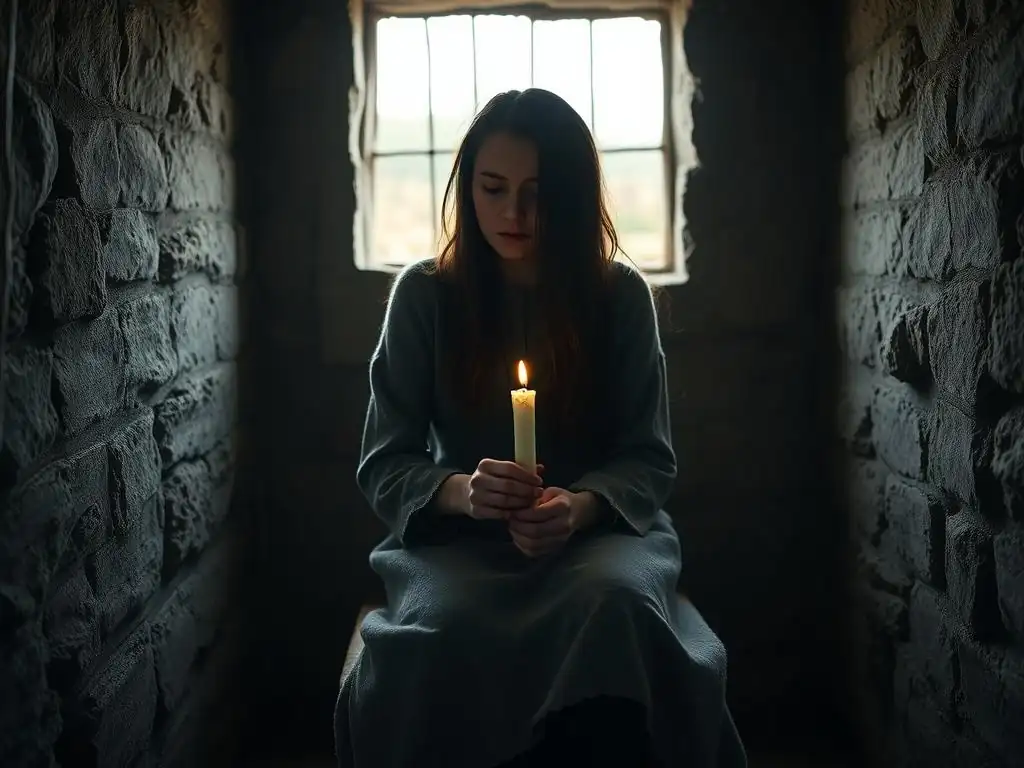
Recognizing Mental Health Conditions Through a Contemporary Lens
Today, our understanding of mental health conditions is vastly different from the medieval perspective. We recognize that conditions like schizophrenia, bipolar disorder, major depressive disorder, anxiety disorders, and epilepsy are complex medical conditions rooted in biological, psychological, and social factors, not demonic influence or witchcraft. Modern diagnostic criteria, such as those outlined in the Diagnostic and Statistical Manual of Mental Disorders (DSM), provide standardized frameworks for identifying specific conditions based on clusters of symptoms, duration, and impact on functioning.
Neuroscience has revealed the intricate workings of the brain, identifying imbalances in neurotransmitters, structural abnormalities, and genetic predispositions that contribute to mental illness. Psychological research has shed light on the impact of trauma, stress, and cognitive processes on mental well-being. This contemporary lens allows us to view the behaviors that terrified and confused medieval observers – hallucinations, delusions, mood swings, seizures – not as signs of evil, but as manifestations of treatable health conditions. This shift in understanding is fundamental to dismantling the historical legacy of mental illness persecution Middle Ages initiated.
The Importance of Accurate Diagnosis and Treatment: A Contrast to Medieval Practices
The modern emphasis on accurate diagnosis and evidence-based treatment stands in stark contrast to the medieval approach of exorcism, confinement, or punishment. A correct diagnosis is the first step towards effective intervention. It allows healthcare professionals to understand the specific challenges an individual is facing and tailor a treatment plan. This plan might include psychotherapy (like Cognitive Behavioral Therapy or Dialectical Behavior Therapy), medication (such as antidepressants, antipsychotics, or mood stabilizers), supportive therapies, and lifestyle adjustments.
Access to trained mental health professionals – psychiatrists, psychologists, therapists, social workers – is crucial for providing this care. While challenges in access and stigma persist, the existence of a system designed to diagnose and treat mental illness as a health issue represents immense progress. Unlike the medieval period where a person's symptoms could lead directly to torture and execution, a person today experiencing similar symptoms would ideally be connected with care aimed at recovery and improved well-being. This highlights the critical evolution from persecution to a focus on health and recovery.
Modern Medical Explanations for Symptoms Previously Attributed to Witchcraft
Many symptoms that led to mental illness persecution Middle Ages can now be explained by specific medical conditions. For instance, what was once seen as demonic possession causing bizarre speech or beliefs is often understood today as a symptom of psychotic disorders like schizophrenia, related to disruptions in brain chemistry and function. Convulsions attributed to evil spirits or curses are now recognized as seizures, typically caused by abnormal electrical activity in the brain, characteristic of epilepsy.
Profound states of despair or withdrawal, previously seen as the soul being attacked or punishment for sin, are understood as symptoms of major depressive disorder, linked to neurotransmitter imbalances and psychological factors. Even physical symptoms like unexplained pain or paralysis, once potentially viewed as hexes, might be understood through conditions like conversion disorder (functional neurological symptom disorder) or other psychosomatic illnesses, where psychological distress manifests physically. Modern medicine provides a scientific, non-judgmental framework for understanding these complex human experiences, effectively debunking the supernatural explanations that fueled historical persecution.
The Lasting Impact of Medieval Beliefs on Mental Health Stigma
The Enduring Stigma: How Historical Persecution Continues to Affect Attitudes
The historical mental illness persecution Middle Ages inflicted left a deep and lasting scar on societal attitudes towards mental health. The association of mental illness with evil, sin, moral weakness, or something to be feared and hidden contributed significantly to the intense stigma that persists today.
Although we no longer conduct witch trials, the underlying fear, judgment, and desire to distance oneself from those with mental health challenges remain. This historical baggage manifests in various ways: the use of stigmatizing language, the reluctance of individuals to seek help due to fear of judgment, discrimination in employment or social settings, and the tendency to view mental illness as a character flaw rather than a health condition.
The historical narrative taught people to be suspicious of and afraid of unusual behavior, associating it with danger rather than suffering. This ingrained fear has been difficult to overcome, contributing to isolation for individuals struggling with their mental health. A 2019 survey by the American Psychiatric Association, for example, found that only 53% of Americans believe that most people are caring towards individuals with mental illness, indicating significant room for improvement in public perception. This lingering stigma is a direct descendant of the historical period when mental symptoms were equated with malevolence.
Breaking the Cycle: Promoting Understanding and Acceptance of Mental Illness
Breaking the cycle of stigma requires actively promoting understanding and acceptance of mental illness as a legitimate health issue. Education is key – teaching accurate information about the causes, symptoms, and treatments of various conditions helps dispel myths and fears rooted in historical ignorance. Sharing personal stories of recovery and lived experience can humanize mental illness and challenge stereotypes. Public awareness campaigns, advocacy efforts, and open conversations about mental health in schools, workplaces, and communities are essential tools in this fight.
Furthermore, challenging discriminatory practices and advocating for equitable access to mental healthcare are crucial steps. Just as physical illnesses are met with empathy and support, so too should mental illnesses.
Shifting the narrative from one of fear and judgment to one of compassion and support is a long process, but vital for dismantling the legacy of mental illness persecution Middle Ages introduced. Organizations like the National Alliance on Mental Illness (NAMI) or the World Health Organization (WHO) actively work to combat stigma through education and advocacy, emphasizing that recovery is possible and that mental health is integral to overall well-being.
Resources: Support for Individuals Facing Mental Health Challenges
For individuals facing mental health challenges today, numerous resources are available, a stark contrast to the isolation and danger faced in the Middle Ages. National and local mental health organizations offer information, support groups, and helplines. Crisis hotlines provide immediate support for those in distress. Mental healthcare providers offer professional diagnosis, therapy, and medication management.
- Mental Health America (MHA) offers online screening tools and resources.
- The Substance Abuse and Mental Health Services Administration (SAMHSA) provides a national helpline and treatment locator.
- NAMI offers support groups and educational programs for individuals and families.
- Local community mental health centers provide affordable services.
These resources represent the progress made in treating mental health as a public health priority, offering pathways to help and recovery that were unimaginable during the era of mental illness persecution Middle Ages. Seeking help is a sign of strength, and connecting with appropriate resources is a vital step towards managing mental health conditions and living a fulfilling life.
Conclusion: Learning from the Past to Improve Mental Health Care
Reflecting on the History of Mental Illness: A Call for Empathy and Understanding
Reflecting on the history of mental illness persecution Middle Ages endured offers a sobering reminder of the devastating consequences of ignorance, fear, and superstition. It underscores the critical importance of empathy and understanding when approaching mental health challenges. The people accused of witchcraft due to their symptoms were not malevolent figures but likely suffering individuals caught in a system that could not comprehend their distress and instead pathologized it through a lens of evil. Their stories are a call to action – urging us to approach mental health with compassion, free from the prejudices of the past.
Understanding this history helps illuminate the roots of current stigma and provides motivation to actively combat it. It teaches us the dangers of misinterpreting complex human experiences through simplistic or fear-based frameworks. By acknowledging this dark period, we can appreciate how far we have come in developing more humane and effective approaches to mental health care, while also recognizing the work that still needs to be done to ensure everyone receives the understanding and support they deserve.
The Need for Continued Research and Advocacy in Mental Health
Despite significant advancements since the Middle Ages, the field of mental health still requires continued research and advocacy. Our understanding of the brain and mental illness is constantly evolving, with ongoing research into genetic factors, neurological pathways, and the effectiveness of various treatments. Increased funding for research is essential to develop more effective therapies, prevention strategies, and ultimately, cures for mental health conditions.
Advocacy is equally crucial to ensure that mental health is prioritized in healthcare systems, that access to care is equitable, and that discriminatory policies and attitudes are challenged. Advocacy groups work to destigmatize mental illness, promote mental health literacy, and fight for the rights of individuals with mental health conditions. The legacy of mental illness persecution Middle Ages highlights the vulnerability of those struggling; continued advocacy is necessary to protect individuals and ensure they are met with care, not condemnation.
Moving Forward: Creating a More Compassionate and Informed Society for Those with Mental Illness
Moving forward requires a collective commitment to creating a more compassionate and informed society for individuals with mental illness. This involves challenging our own biases, educating ourselves and others, and speaking openly about mental health. It means advocating for policies that support mental well-being, increasing access to affordable and quality care, and integrating mental health into overall healthcare.
Ultimately, the goal is to reach a point where a person experiencing symptoms of mental illness is met with the same urgency, care, and support as someone with a physical illness. By learning from the tragic history of mental illness persecution Middle Ages and actively working to dismantle its legacy, we can build a future where mental well-being is valued, stigma is eradicated, and everyone feels safe and empowered to seek the help they need.
Frequently Asked Questions
What was the primary misconception regarding mental illness during the Middle Ages?
The primary misconception was that mental illness was often attributed to supernatural causes, such as witchcraft or demonic possession, rather than being recognized as a medical condition.
How did the belief that mental illness was caused by witchcraft contribute to persecution?
This belief led to the persecution of individuals exhibiting mental symptoms, as they were often accused of witchcraft and subjected to trials, imprisonment, torture, or even execution.
What specific types of mental health symptoms were most likely to be misinterpreted as signs of witchcraft?
Symptoms like hallucinations, delusions, and unpredictable behavior were frequently misinterpreted as evidence of a pact with the devil, leading to accusations of witchcraft.
Were there any attempts to treat mental illness medically during the Middle Ages?
While supernatural explanations dominated, some healers attempted medical treatments, often based on humoral theory, though these were frequently ineffective and sometimes harmful.
How does understanding the historical context of mental illness persecution impact our current approach to mental health?
Understanding this history helps us recognize the dangers of stigmatizing mental illness and emphasizes the importance of evidence-based treatment and compassionate care for those affected.
Final Reflection: The Enduring Shadow of Misunderstood Minds
The persecution of individuals exhibiting mental health symptoms in the Middle Ages remains chillingly relevant today. While the methods may have evolved, the underlying prejudice—the failure to understand and compassionately address mental illness—continues to fuel stigma and discrimination. The echoes of past injustices resonate in the persistent challenges faced by those struggling with mental health issues in the 21st century.
The Middle Ages' conflation of mental illness with witchcraft serves as a stark reminder of the devastating consequences of ignorance and fear. The societal structures that allowed for such widespread persecution highlight the crucial need for empathy and understanding. The line between sanity and madness is a thin one, and it is often crossed by those who are most vulnerable.
This quote, though not from the era, speaks to the timeless fragility of the human mind and the importance of approaching mental illness with compassion, not condemnation. The ongoing struggle for mental health awareness and destigmatization is a direct descendant of this historical struggle.
Consider the lessons of the past. Reflect on the ways in which we, as a society, still grapple with the complexities of mental illness. You have the power to challenge stigma, to advocate for better mental healthcare, and to foster a culture of understanding and support. Let the stories of those unjustly persecuted in the Middle Ages serve as a powerful impetus for creating a more compassionate and informed future, where mental illness is treated with the respect and care it deserves.
Unlock the Mysteries of Medieval Minds: Take Action Today!
Thanks for exploring the fascinating—and often tragic—intersection of mental health and witchcraft accusations in the Middle Ages! You've gained valuable insights into a complex historical period. Now, let's turn that knowledge into action.
- Dive deeper into the history of mental health: Explore related resources on MindCareGuide.org to learn more about the evolution of understanding and treatment. This will help you appreciate the progress made and the ongoing challenges we face.
- Share this insightful article: Let your friends and family know about this overlooked piece of history. Spark conversation and broaden understanding of mental health's historical context.
- Write a reflection: What surprised you most about the lives of those accused of witchcraft? Share your thoughts in the comments below—let's learn from each other!
What other historical periods could benefit from a similar exploration of mental health perceptions?