
Beyond the Basics: Advanced Sleep Hygiene for Anxiety Relief

Welcome to Mind Care Guide, a sanctuary for your mental well-being.
Feeling overwhelmed by anxiety, especially when it steals your precious sleep? You're not alone. Dive into our latest article, " Beyond the Basics: Advanced Sleep Hygiene for Anxiety Relief," where we explore proven strategies to reclaim your nights and find lasting peace. Discover practical techniques that go beyond the usual advice, offering a deeper understanding of how to break the cycle of anxious thoughts and sleepless nights. Ready to finally rest and restore? Let's begin.
- Beyond the Basics: Advanced Sleep Hygiene for Anxiety Relief | Mind Care Guide
- Why Basic Sleep Hygiene Isn't Always Enough for Anxiety-Related Sleep Problems
-
Advanced Sleep Hygiene Techniques for Anxiety Relief: A Comprehensive Guide
- Optimizing Your Sleep Environment for Anxiety Reduction
- Mastering Relaxation Techniques for Improved Sleep Onset
- Cognitive Restructuring for Anxious Thoughts Before Sleep
- Advanced Sleep Scheduling and Routine Optimization
- Dietary Considerations for Anxiety and Better Sleep
- The Importance of Light Exposure for Circadian Rhythm Regulation
- Exercise and Anxiety: Finding the Right Balance for Sleep
- Addressing Sleep-Related Anxiety Triggers
- When to Seek Professional Help for Anxiety and Sleep Problems
- Maintaining Long-Term Sleep Hygiene for Sustained Anxiety Relief
- Conclusion: Taking Control of Your Sleep and Anxiety Through Advanced Hygiene
-
Frequently Asked Questions
- What is advanced sleep hygiene, and how does it differ from basic sleep hygiene?
- How can sleep hygiene specifically help with anxiety?
- What are some advanced techniques in sleep hygiene that go beyond simply having a regular sleep schedule?
- How quickly can I expect to see results from implementing advanced sleep hygiene techniques for anxiety relief?
- Where can I find resources and support to implement these advanced sleep hygiene practices?
- Final Reflection: Weaving Calm into the Night
- Unlock Deeper Rest: Your Journey to Anxiety-Free Sleep Starts Now
Beyond the Basics: Advanced Sleep Hygiene for Anxiety Relief | Mind Care Guide
Understanding the Connection: Anxiety, Sleep, and the Need for Advanced Hygiene
Anxiety and sleep share a complex and often detrimental relationship. For many individuals, anxiety symptoms like excessive worrying, restlessness, and a racing heart directly interfere with the ability to fall asleep or stay asleep. This creates a vicious cycle: anxiety disrupts sleep, and lack of sleep exacerbates anxiety, making effective sleep hygiene for anxiety relief a critical area to address.
Standard sleep advice, while helpful, often doesn't fully address the unique challenges posed by an anxious mind struggling to quiet down at night. It's not just about establishing a consistent bedtime; it's about managing the internal landscape that prevents restful sleep.
Studies consistently show a high comorbidity rate between anxiety disorders and insomnia. For instance, research indicates that people with generalized anxiety disorder (GAD) are significantly more likely to experience chronic sleep disturbances. This persistent sleep deprivation can impair cognitive function, emotional regulation, and stress resilience, further intensifying feelings of anxiety during the day.
Therefore, moving beyond basic recommendations and adopting advanced sleep hygiene strategies is essential for individuals whose anxiety significantly impacts their sleep quality. This deeper dive into sleep hygiene for anxiety relief focuses on targeted interventions that address the specific physiological and psychological manifestations of anxiety at bedtime.
The Limitations of Standard Sleep Hygiene Practices
Basic sleep hygiene recommendations typically include advice such as maintaining a regular sleep schedule, creating a dark and quiet bedroom, avoiding caffeine and alcohol before bed, and limiting screen time. While these practices are foundational and beneficial for general sleep health, they often fall short for individuals whose sleep difficulties are primarily driven by significant anxiety.
An anxious mind can easily override the calming effects of a dark room or the benefits of a consistent bedtime. The racing thoughts, physical tension, and heightened state of arousal associated with anxiety require more targeted interventions than standard sleep hygiene alone can provide.
For someone with significant anxiety, simply going to bed at the same time each night doesn't magically turn off the internal dialogue of worry. The body's fight-or-flight response, triggered by anxiety, can keep the nervous system activated, making relaxation and sleep onset incredibly difficult. This is where the limitations of basic sleep hygiene become apparent; they address external factors and general habits but do not directly confront the powerful internal mechanisms of anxiety that actively sabotage sleep efforts. Effective sleep hygiene for anxiety relief needs to incorporate techniques that specifically target these internal anxious states.
When Anxiety Overrides Traditional Sleep Techniques
Consider the common advice to leave the bedroom if you can't fall asleep after 20 minutes. For someone with significant health anxiety, this advice might trigger further worry ("What if I never fall asleep? Is something seriously wrong?"). Similarly, the suggestion to avoid stimulants might be followed religiously, yet the internal stimulant of anxious adrenaline keeps them wide awake. These scenarios highlight how anxiety can hijack even the best-intentioned sleep hygiene practices. The anxious brain interprets the quiet darkness not as a cue for rest, but as an opportunity for worries to flood in unopposed.
Traditional methods, while a good starting point, often lack the specific psychological and physiological tools needed to counteract the potent effects of anxiety on the nervous system. The sympathetic nervous system, responsible for the stress response, can remain highly active in anxious individuals, preventing the parasympathetic system (responsible for rest and digestion) from taking over. Therefore, sleep hygiene for anxiety relief must integrate techniques aimed at calming this activated state, addressing the root cause of the sleep disruption rather than just the environmental factors.
Identifying Underlying Anxiety Disorders Affecting Sleep
Persistent sleep problems can often be a symptom of an underlying anxiety disorder. Conditions like Generalized Anxiety Disorder (GAD), Panic Disorder, Social Anxiety Disorder, Obsessive-Compulsive Disorder (OCD), or Post-Traumatic Stress Disorder (PTSD) are frequently associated with significant sleep disturbances, including insomnia, nightmares, or restless sleep. Without addressing the core anxiety disorder, sleep hygiene efforts, even advanced ones, may only offer limited relief. It's crucial to recognize when sleep problems are not just poor habits but rather manifestations of a clinical anxiety condition.
If you've diligently applied sleep hygiene principles and still struggle significantly with sleep due to overwhelming worry, fear, or intrusive thoughts at night, it might be time to consider if an underlying anxiety disorder is playing a major role. Acknowledging this possibility is the first step towards seeking appropriate diagnosis and treatment, which can include therapy, medication, or a combination, alongside advanced sleep hygiene for anxiety relief. Addressing the root cause of anxiety is often key to achieving sustainable improvements in sleep quality.
Advanced Sleep Hygiene Techniques for Anxiety Relief: A Comprehensive Guide
Optimizing Your Sleep Environment for Anxiety Reduction
Beyond Darkness and Quiet: Creating a Sanctuary
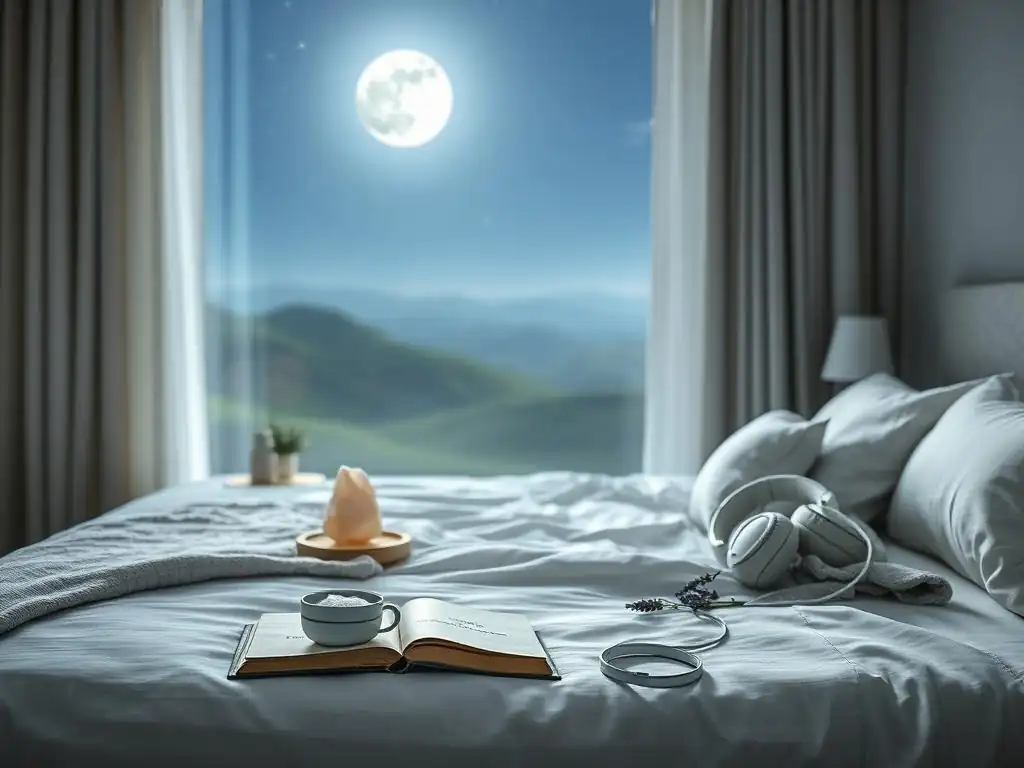
While darkness and quiet are fundamental, transforming your bedroom into a sanctuary goes further. For anxious individuals, this means ensuring the space feels safe, calm, and distinctly separate from daytime stressors. This might involve decluttering the room to reduce visual noise, incorporating soothing colors (like blues or greens), or adding elements that promote comfort and security. Think of it as curating an environment that actively signals relaxation to your anxious mind and body, rather than just removing distractions.
Creating a sleep sanctuary is about intentional design. It's ensuring the bedroom is used only for sleep and intimacy, reinforcing the mental association between the space and rest. This disciplined approach helps break the link between the bedroom and anxiety-provoking activities like working, worrying, or scrolling through stressful news feeds. By consistently associating the bedroom with peace, you train your brain to enter a more relaxed state upon entering the room, enhancing the effectiveness of your sleep hygiene for anxiety relief.
Temperature Regulation for Anxious Sleepers
Optimal bedroom temperature is crucial for sleep, but it can be particularly important for anxious sleepers who may experience physical symptoms like sweating or feeling overheated due to stress. The ideal range is typically between 60-67°F (15-19°C). A slightly cooler environment helps lower your core body temperature, which is a natural part of the sleep process. Conversely, a room that is too warm can cause discomfort, restlessness, and increased anxiety about not being able to sleep.
Investing in a programmable thermostat or using fans/air conditioning to maintain a consistent, cool temperature throughout the night can significantly improve comfort. Pay attention to your personal comfort zone within this range, as individual preferences vary. Ensuring a comfortable temperature removes a potential physical stressor, allowing your body and mind to relax more easily, thereby supporting effective sleep hygiene for anxiety relief.
The Role of Specific Bedding and Sleepwear in Anxiety Management
The feel of your bedding and sleepwear can have a subtle but significant impact on your ability to relax. For anxious individuals, sensory comfort can be particularly soothing. Opt for breathable, natural fabrics like cotton or linen for sheets and pajamas, which can help regulate body temperature and prevent overheating. Consider the weight of your bedding – some people find a slightly heavier duvet comforting, providing a sense of being "tucked in" or secure.
Weighted blankets have gained popularity and are specifically reported by many users to help reduce anxiety and promote a sense of calm through deep pressure stimulation. While not a universal solution, for some anxious individuals, a weighted blanket can provide a grounding sensation that helps quiet the nervous system. Experimenting with different textures and weights of bedding and sleepwear is a simple yet effective aspect of advanced sleep hygiene for anxiety relief, focusing on physical comfort to support mental ease.
Mastering Relaxation Techniques for Improved Sleep Onset
Progressive Muscle Relaxation for Anxiety and Sleep
Progressive Muscle Relaxation (PMR) is a technique that involves tensing and then releasing different muscle groups in the body, one by one. This systematic process helps you become more aware of physical tension and learn how to release it. Anxiety often manifests as physical tightness in the shoulders, jaw, stomach, or other areas. Practicing PMR before bed can help alleviate this physical tension, making it easier for your body to relax and prepare for sleep.
A typical PMR session might involve tensing and releasing muscles in your feet, then calves, thighs, abdomen, back, hands, arms, neck, and face. Holding the tension for about 5-10 seconds and then releasing completely for 20-30 seconds helps you feel the contrast between tension and relaxation. Regular practice of PMR can reduce overall baseline tension and provide a powerful tool to combat the physical restlessness often associated with anxious sleeplessness, enhancing your sleep hygiene for anxiety relief efforts.
Guided Meditation and Mindfulness for Nighttime Anxiety
Guided meditation and mindfulness practices can be incredibly effective for calming an anxious mind before sleep. Mindfulness involves paying attention to the present moment without judgment. Before bed, this might mean focusing on your breath, bodily sensations, or the sounds around you, rather than getting caught up in a spiral of anxious thoughts about the past or future. Guided meditations, readily available through apps or online, can lead you through relaxation exercises, body scans, or visualizations designed to promote sleep.
These techniques help train your brain to step away from anxious thought patterns. Instead of trying to stop thinking (which is often impossible and frustrating), mindfulness teaches you to observe thoughts without engaging with them or letting them escalate into worry. Incorporating a 10-20 minute guided meditation or mindfulness practice into your bedtime routine can significantly reduce cognitive arousal, making it easier to transition into sleep and improve your sleep hygiene for anxiety relief.
Deep Breathing Exercises to Calm the Mind Before Bed
Simple deep breathing exercises can activate the body's relaxation response, counteracting the effects of anxiety. Techniques like diaphragmatic breathing (breathing deeply into your belly rather than shallowly into your chest) slow the heart rate and lower blood pressure. A common technique is the 4-7-8 method: inhale quietly through your nose for a count of 4, hold your breath for a count of 7, and exhale completely through your mouth for a count of 8. Repeat this cycle several times.
Focusing on your breath provides an anchor for your attention, pulling you away from anxious thoughts. The extended exhale in techniques like 4-7-8 specifically helps to activate the parasympathetic nervous system, promoting a state of calm. Practicing deep breathing for just a few minutes before attempting to sleep can make a significant difference in reducing the physiological symptoms of anxiety, serving as a quick and accessible tool within your sleep hygiene for anxiety relief toolkit.
Cognitive Restructuring for Anxious Thoughts Before Sleep
Identifying and Challenging Negative Thought Patterns
Anxious thoughts are often distorted, catastrophic, or unrealistic. Before bed, these thoughts can become particularly intrusive and distressing. Cognitive restructuring involves identifying these negative thought patterns and challenging their validity. For example, if your thought is "I'm going to fail that presentation tomorrow," challenge it by asking: "What is the actual evidence for this? What's a more balanced perspective? What steps have I taken to prepare?"
This process isn't about convincing yourself that everything is perfect, but about replacing exaggerated or unhelpful thoughts with more realistic and balanced ones. By actively questioning the assumptions behind your anxiety, you reduce their emotional power. Doing this before you get into bed, perhaps during a dedicated "worry time," is a key element of cognitive behavioral therapy for insomnia (CBT-I) and a powerful tool for improving sleep hygiene for anxiety relief.
Replacing Anxious Thoughts with Positive Affirmations
Once you've identified and challenged negative thoughts, you can replace them with more positive or neutral affirmations. This isn't about ignoring problems, but about shifting your focus to more constructive or calming perspectives. Examples include: "I am capable," "I am doing my best," "I am safe and comfortable in my bed," or simply "I am breathing and relaxing." Choose affirmations that resonate with you and feel believable.
Repeating these affirmations gently to yourself can help reframe your mindset and create a more positive internal environment conducive to sleep. This technique works best when combined with challenging the negative thoughts first; simply saying affirmations without addressing the underlying worry might feel inauthentic. Using positive affirmations as part of your pre-sleep routine supports effective sleep hygiene for anxiety relief by cultivating a calmer mental state.
Using a Thought Journal to Process Anxiety Before Bedtime
A dedicated thought journal can be an invaluable tool for managing pre-sleep anxiety. About an hour or two before bed, set aside 15-20 minutes to write down whatever is causing you anxiety. This can include worries about the next day, things you forgot to do, or persistent fears. The act of writing helps externalize these thoughts, getting them out of your head and onto paper.
Once written, you can briefly review them. For actionable items, make a quick plan or note to address them the next day. For worries you can't act on immediately, acknowledge them and consciously decide to set them aside until a designated "worry time" tomorrow. This structured approach helps prevent anxious thoughts from swirling endlessly when you're trying to sleep, effectively containing them and enhancing your sleep hygiene for anxiety relief.
Advanced Sleep Scheduling and Routine Optimization
Chronotype Considerations for Anxious Individuals
Understanding your natural chronotype (whether you're a "morning lark" or a "night owl") is important for sleep hygiene, but it's particularly relevant for anxious individuals. Trying to force yourself into a sleep schedule that drastically conflicts with your internal body clock can increase stress and frustration, exacerbating anxiety. While consistency is key, aligning your ideal bedtime and wake time as much as possible with your chronotype can make adherence easier and reduce friction.
For instance, a night owl with anxiety who tries to go to bed at 9 PM might spend hours lying awake, fueling anxiety about not sleeping. A slightly later, more natural bedtime might lead to quicker sleep onset and less time for worries to proliferate in bed. While work or social commitments might necessitate some compromise, understanding and respecting your chronotype within the framework of a consistent schedule is a nuanced aspect of optimizing sleep hygiene for anxiety relief.
The Importance of Consistent Wake Times, Even on Weekends
Maintaining a consistent wake time is arguably the single most important rule of sleep hygiene, especially for regulating the circadian rhythm that can be disrupted by anxiety. Even on weekends, try to wake up within an hour of your weekday wake time. While tempting to sleep in after a poor night, oversleeping on weekends can confuse your body clock, making it harder to fall asleep the following night and perpetuating the cycle of anxious sleeplessness.
A regular wake time helps anchor your circadian rhythm, making it easier for your body to predict when it's time to be awake and when it's time to be asleep. This consistency strengthens the natural drive for sleep at night. Adhering to a strict wake time, even when you feel exhausted, is a discipline that pays dividends in stabilizing your sleep-wake cycle over time, a crucial component of effective sleep hygiene for anxiety relief.
Strategic Napping to Avoid Disrupting Nighttime Sleep
While avoiding naps is standard sleep hygiene advice, strategic napping can sometimes be beneficial for anxious individuals struggling with daytime fatigue, provided it doesn't compromise nighttime sleep. If you must nap, keep it short (20-30 minutes) and schedule it for the early afternoon (e.g., between 1 PM and 3 PM). Longer or later naps can reduce sleep drive, making it harder to fall asleep at your desired bedtime.
For someone with significant daytime anxiety and fatigue, a short, strategic nap might prevent them from becoming overtired and overly stressed later in the day, which could otherwise make nighttime sleep even more challenging. The key is careful timing and duration to ensure the nap refreshes without interfering with the primary goal of consolidating nighttime sleep. Integrating strategic napping mindfully is an advanced consideration in optimizing sleep hygiene for anxiety relief.
Dietary Considerations for Anxiety and Better Sleep
Foods and Drinks to Avoid Before Bed (Caffeine, Alcohol, Sugar)
Certain substances are well-known sleep disruptors, and their effects can be amplified in individuals with anxiety. Caffeine, found in coffee, tea, soda, and chocolate, is a stimulant that can remain in your system for hours, increasing alertness and anxiety. Alcohol might make you feel sleepy initially but disrupts sleep architecture later in the night, leading to fragmented sleep and increased anxiety upon waking. High-sugar snacks can cause blood sugar spikes and crashes, affecting sleep stability.
As part of advanced sleep hygiene for anxiety relief, pay close attention to how long before bed you consume these items. Avoid caffeine for at least 6-8 hours before bedtime. Limit alcohol intake, especially in the hours before sleep. Opt for balanced meals and snacks during the day to maintain stable blood sugar levels and avoid sugary treats close to bedtime.
Foods and Supplements That May Promote Relaxation and Sleep (Magnesium, Chamomile)
Some foods and supplements are thought to have calming or sleep-promoting properties. Foods rich in magnesium, like leafy greens, nuts, and seeds, may help relaxation as magnesium is involved in regulating neurotransmitters that promote sleep. Cherries or cherry juice contain melatonin, the sleep hormone. Warm milk contains tryptophan, an amino acid that the body converts to serotonin and melatonin.
Certain supplements like magnesium, chamomile tea, valerian root, or L-theanine are often used to promote relaxation and sleep. While evidence varies and individual responses differ, incorporating these strategically and after consulting with a healthcare provider can be a helpful addition to your sleep hygiene for anxiety relief plan. Always discuss supplements with your doctor, especially if you are taking other medications.
The Role of Hydration in Sleep Quality for Anxious Individuals
Staying adequately hydrated throughout the day is important for overall health, but excessive fluid intake close to bedtime can lead to nighttime awakenings due to the need to urinate, disrupting sleep continuity. Dehydration, on the other hand, can cause discomfort, headaches, or muscle cramps, which can also interfere with sleep and potentially increase anxiety.
Aim to drink plenty of water during the day, but taper your fluid intake in the couple of hours leading up to bedtime. This helps ensure you are well-hydrated without creating the need for frequent bathroom trips during the night. Finding this balance is a practical aspect of optimizing your physical state for sleep, contributing to effective sleep hygiene for anxiety relief.
The Importance of Light Exposure for Circadian Rhythm Regulation
Morning Sunlight for Mood and Sleep
Exposure to bright light, particularly natural sunlight, shortly after waking up is a powerful signal to your body clock that it's daytime. This helps regulate your circadian rhythm, promoting alertness during the day and making it easier to feel sleepy at night. For individuals with anxiety, establishing a robust circadian rhythm can improve mood stability and energy levels, indirectly supporting better sleep.
Aim for 15-30 minutes of sunlight exposure within the first hour of waking. This could involve eating breakfast near a sunny window, going for a short walk outside, or simply sitting on a porch. This morning light exposure is a cornerstone of regulating your internal clock and is a vital, yet often overlooked, component of effective sleep hygiene for anxiety relief.
Avoiding Blue Light Exposure Before Bed
Conversely, exposure to blue light in the evening can suppress melatonin production, making it harder to fall asleep. Blue light is emitted by electronic screens like smartphones, tablets, computers, and some LED lights. For anxious individuals already struggling to wind down, this disruption can be particularly problematic.
Implement a "digital curfew" at least 1-2 hours before your target bedtime. Avoid using electronics with screens or use blue light filters/glasses if necessary. Switch to dim, warm-toned lighting in the evening. Reducing evening blue light exposure helps your body naturally prepare for sleep, complementing other sleep hygiene for anxiety relief strategies.
Using Light Therapy for Seasonal Affective Disorder (SAD) and Sleep
For individuals whose anxiety or sleep problems are linked to Seasonal Affective Disorder (SAD), often experienced during darker winter months, light therapy (using a SAD lamp) can be beneficial. Exposure to a bright light therapy box (typically 10,000 lux) for 20-30 minutes each morning can help regulate circadian rhythms and improve mood and energy levels, which in turn can positively impact sleep quality and reduce anxiety symptoms associated with SAD.
Light therapy should be used under the guidance of a healthcare professional to ensure proper timing and duration. While primarily used for SAD, regulating the circadian rhythm with light can have broader benefits for sleep and mood in some individuals, making it a potential advanced tool in the arsenal of sleep hygiene for anxiety relief.
Exercise and Anxiety: Finding the Right Balance for Sleep
The Benefits of Regular Exercise for Anxiety Reduction
Regular physical activity is a powerful stress and anxiety reducer. Exercise releases endorphins, which have mood-boosting effects, and can help reduce the body's stress hormones like cortisol. Engaging in regular exercise can improve overall mental well-being, making it easier to manage anxiety symptoms that interfere with sleep. Aim for at least 150 minutes of moderate-intensity aerobic activity or 75 minutes of vigorous activity per week, plus muscle-strengthening activities twice a week, as recommended by health guidelines.
Exercise also provides a healthy outlet for physical tension and restlessness often associated with anxiety. By reducing overall anxiety levels during the day, consistent physical activity lays a foundation for better sleep at night, significantly enhancing the effectiveness of your sleep hygiene for anxiety relief efforts.
Timing Your Workouts to Avoid Sleep Disruption
While exercise generally promotes better sleep, the timing of vigorous workouts is important, particularly for anxious individuals who may be more sensitive to physiological arousal. Intense exercise too close to bedtime can increase heart rate, body temperature, and adrenaline levels, making it difficult to transition into a state of rest.
Aim to finish vigorous workouts at least 2-3 hours before your target bedtime. This gives your body time to cool down and your nervous system to calm. Morning or afternoon workouts are generally best for promoting sleep later that night. Paying attention to how different exercise timings affect your sleep is a key adjustment in optimizing sleep hygiene for anxiety relief.
Gentle Exercise Options for Evening Relaxation (Yoga, Tai Chi)
If you enjoy evening activity or need to move your body closer to bedtime, opt for gentle forms of exercise rather than intense workouts. Activities like yoga, tai chi, or gentle stretching can promote relaxation, reduce muscle tension, and calm the mind without causing physiological arousal that interferes with sleep.
These gentler practices often incorporate elements of mindfulness and controlled breathing, which are also beneficial for anxiety management. A short, calming yoga routine or a few minutes of gentle stretching can be a perfect addition to your pre-sleep ritual, supporting your other sleep hygiene for anxiety relief efforts by preparing your body and mind for rest.
Identifying Specific Anxiety-Provoking Thoughts or Situations
Anxiety before sleep is often triggered by specific thoughts or situations. This could be worrying about not sleeping, replaying stressful events from the day, anticipating challenges tomorrow, or even specific fears related to sleep itself (like fear of nightmares or sleep paralysis). Identifying these specific triggers is the first step towards managing them.
Keep a sleep diary that includes not just when you slept, but also what thoughts or worries were present when you were trying to fall asleep or if you woke up during the night. Look for patterns in the content of your anxiety. Pinpointing these triggers allows you to apply targeted coping strategies rather than just general relaxation techniques, making your sleep hygiene for anxiety relief more effective.
Developing Coping Mechanisms for Those Triggers
Once triggers are identified, develop specific coping mechanisms for each. If worry about tomorrow is the trigger, use the thought journal technique mentioned earlier. If it's fear of not sleeping, practice acceptance – acknowledge the fear without fighting it, perhaps using mindfulness. If replaying the day's events is the issue, try a gratitude practice or focus on positive moments instead.
Coping mechanisms should be practiced regularly, not just when you're in bed struggling. Rehearsing these strategies during the day makes them more accessible when anxiety strikes at night. Having a repertoire of specific responses to your unique sleep-related anxiety triggers is a powerful component of advanced sleep hygiene for anxiety relief.
Seeking Professional Help for Persistent Anxiety Triggers
If your sleep-related anxiety triggers are severe, persistent, or overwhelming, professional help may be necessary. Triggers rooted in trauma, severe health anxiety, or chronic worry might require therapeutic intervention like Cognitive Behavioral Therapy (CBT), Acceptance and Commitment Therapy (ACT), or other specialized approaches.
A mental health professional can help you understand the deeper roots of your anxiety, develop more robust coping strategies, and process past experiences that contribute to your nighttime distress. Addressing these underlying issues with professional support is often essential for achieving sustainable sleep hygiene for anxiety relief when triggers are deeply ingrained.
When to Seek Professional Help for Anxiety and Sleep Problems
Recognizing the Signs That You Need Professional Support
While advanced sleep hygiene techniques can significantly help, there are times when professional intervention is necessary. Signs that you might need to seek professional support include:
- Your sleep problems are chronic (lasting three months or longer) and occur at least three nights a week.
- Anxiety and sleep difficulties significantly impair your daytime functioning (work, social life, relationships).
- You experience intense fear or panic related to sleep or the inability to sleep.
- You've tried various sleep hygiene strategies diligently without significant improvement.
- You suspect an underlying medical condition or mental health disorder is contributing to your symptoms.
- You have thoughts of self-harm or feel hopeless about your situation.
Recognizing these signs is not a sign of failure, but a brave step towards finding more effective help. Professional guidance can provide tailored strategies and address underlying issues that sleep hygiene alone cannot fix, leading to more profound sleep hygiene for anxiety relief.
Several therapeutic approaches are highly effective for addressing anxiety-related sleep problems. Cognitive Behavioral Therapy for Insomnia (CBT-I) is often considered the gold standard. CBT-I is a structured program that helps identify and replace thoughts and behaviors that cause or worsen sleep problems. It typically includes components like cognitive restructuring, stimulus control (associating the bed only with sleep), sleep restriction (temporarily limiting time in bed to consolidate sleep), and relaxation techniques.
Acceptance and Commitment Therapy (ACT) is another approach that can be helpful. ACT focuses on accepting difficult thoughts and feelings (like anxiety about not sleeping) rather than trying to eliminate them, while committing to actions that align with your values (like practicing healthy sleep habits). Other therapies like mindfulness-based stress reduction (MBSR) or psychodynamic therapy might also be beneficial depending on the root cause of the anxiety. These therapies provide targeted, evidence-based strategies that work alongside and strengthen your sleep hygiene for anxiety relief efforts.
The Role of Medication in Managing Anxiety and Improving Sleep
Medication can play a role in managing severe anxiety and associated sleep problems, but it is typically used in conjunction with behavioral therapies and lifestyle changes like sleep hygiene. Anti-anxiety medications (like SSRIs or SNRIs) can reduce overall anxiety levels, which in turn can improve sleep. Sleep medications (like hypnotics or sedatives) may be prescribed for short-term use to break the cycle of insomnia, but they don't address the underlying anxiety and carry risks of dependence or side effects with long-term use.
It's crucial to discuss medication options thoroughly with a qualified healthcare provider who can assess your specific situation, potential benefits, risks, and interactions with other medications. Medication should be seen as one tool among many in a comprehensive treatment plan for anxiety and sleep, not a standalone solution. When used appropriately, medication can help stabilize your condition enough to make other strategies, like advanced sleep hygiene for anxiety relief, more effective.
Finding a Qualified Mental Health Professional Specializing in Anxiety and Sleep
Finding the right professional is key. Look for licensed therapists, psychologists, psychiatrists, or clinical social workers who specialize in anxiety disorders, insomnia, or health psychology. Therapists trained in CBT-I or ACT are particularly well-equipped to handle the intersection of anxiety and sleep.
You can search for professionals through directories of psychological associations, insurance provider lists, or referrals from your primary care physician. Don't hesitate to ask about their experience treating anxiety-related sleep issues and their approach to care. A good therapeutic relationship is vital, so finding someone you feel comfortable with is important for successful treatment and developing a personalized plan for sleep hygiene for anxiety relief.
Maintaining Long-Term Sleep Hygiene for Sustained Anxiety Relief
Creating a Personalized Sleep Hygiene Plan
Effective sleep hygiene for anxiety relief isn't a one-size-fits-all approach; it requires personalization. Based on your identified triggers, chronotype, lifestyle, and what techniques resonate with you, create a tailored plan. This plan should outline your consistent bedtime and wake time, your pre-sleep routine (including relaxation techniques, thought journaling, or gentle stretching), strategies for optimizing your sleep environment, and dietary considerations.
Write down your plan and keep it visible as a reminder. Be realistic about what you can implement consistently. A personalized plan is more likely to be followed long-term because it addresses your specific needs and challenges, making sustained sleep hygiene for anxiety relief achievable.
Tracking Your Sleep Patterns and Adjusting Your Strategies
Regularly tracking your sleep patterns helps you understand what's working and what isn't. Use a simple sleep diary (on paper or via an app) to record your bedtime, wake time, estimated time to fall asleep, number of awakenings, total sleep time, and how rested you feel. Also, note any factors that might have influenced your sleep, such as diet, exercise, stress levels, or specific anxiety triggers that occurred.
Reviewing this data periodically (e.g., weekly) allows you to identify trends and make informed adjustments to your sleep hygiene plan. If a particular technique isn't helping after consistent effort, try modifying it or incorporating a different strategy. This iterative process of tracking and adjusting is crucial for maintaining effective sleep hygiene for anxiety relief over time.
The Importance of Consistency and Patience
Achieving sustainable sleep hygiene for anxiety relief requires consistency and patience. It takes time to retrain your brain and body, especially after months or years of disrupted sleep due to anxiety. Don't get discouraged by occasional bad nights – they are normal. The goal is overall improvement over time, not perfection every single night.
Stick to your consistent sleep schedule and routine as much as possible, even when you've had a poor night's sleep. Consistency reinforces healthy sleep patterns. Be patient with yourself and the process. Significant improvements in sleep quality and anxiety often occur gradually over several weeks or months of consistent effort.
Celebrating Small Victories and Staying Committed to Your Sleep Goals
Acknowledge and celebrate small improvements along the way. Did you fall asleep a little faster tonight? Did you wake up feeling slightly more rested? Did you successfully implement your pre-sleep routine? Recognizing these small victories can boost motivation and reinforce your commitment to your sleep hygiene for anxiety relief goals.
Set realistic expectations and focus on the process, not just the outcome. Understand that managing anxiety and improving sleep is a journey with ups and downs. By staying committed to your personalized plan, celebrating progress, and being patient, you build resilience and increase your chances of achieving long-term relief from anxiety-related sleep problems through consistent sleep hygiene practices.
Conclusion: Taking Control of Your Sleep and Anxiety Through Advanced Hygiene
Anxiety and sleep problems are deeply intertwined, creating a challenging cycle that basic sleep hygiene often cannot fully address. By moving beyond the fundamentals and embracing advanced sleep hygiene techniques, individuals can implement targeted strategies that directly confront the physiological and psychological manifestations of anxiety that interfere with rest. Optimizing your sleep environment, mastering relaxation techniques, employing cognitive restructuring, refining your sleep schedule, considering dietary impacts, managing light exposure, balancing exercise, and addressing specific anxiety triggers are all crucial components of a comprehensive approach to sleep hygiene for anxiety relief.
These advanced strategies, when implemented consistently and personalized to your needs, empower you to take more control over both your sleep and your anxiety. While professional help may be necessary for severe or persistent issues, integrating these detailed sleep hygiene practices provides a powerful foundation for improving sleep quality, reducing nighttime anxiety, and ultimately enhancing overall well-being. By committing to advanced sleep hygiene for anxiety relief, you invest in a healthier, calmer future.
Frequently Asked Questions
What is advanced sleep hygiene, and how does it differ from basic sleep hygiene?
Advanced sleep hygiene goes beyond the basics, incorporating strategies tailored to address the specific sleep disruptions caused by anxiety. It often involves techniques like cognitive behavioral therapy (CBT) for insomnia and mindfulness practices.
How can sleep hygiene specifically help with anxiety?
Poor sleep can exacerbate anxiety, and conversely, anxiety can worsen sleep. Improved sleep hygiene can break this cycle by promoting better sleep quality, leading to a reduction in anxiety symptoms.
What are some advanced techniques in sleep hygiene that go beyond simply having a regular sleep schedule?
Advanced techniques might include stimulus control therapy, which helps re-associate your bed with sleep, and paradoxical intention, a technique used to reduce anxiety surrounding falling asleep.
How quickly can I expect to see results from implementing advanced sleep hygiene techniques for anxiety relief?
Results vary, but many people notice improvements within a few weeks of consistently practicing advanced sleep hygiene. It's important to be patient and track your progress.
Where can I find resources and support to implement these advanced sleep hygiene practices?
Mind Care Guide offers information and resources on various mental health challenges, including anxiety and sleep. Consider consulting with a mental health professional or sleep specialist for personalized guidance.
Final Reflection: Weaving Calm into the Night
The pursuit of restful sleep is no longer a luxury; it's a fundamental pillar of mental well-being, especially in our increasingly anxious world. The connection between sleep quality and anxiety management is undeniable, and the strategies outlined in this article – from optimizing your sleep environment to mastering relaxation techniques – are crucial tools in navigating the complexities of modern life. Ignoring the power of sleep hygiene is akin to ignoring a vital component of our overall health.
This exploration into advanced sleep hygiene has profoundly impacted my understanding of anxiety's insidious grip. It's not just about counting sheep; it's about cultivating a mindful relationship with our sleep-wake cycle. The journey towards better sleep is a journey towards a calmer, more resilient self. Sleep is the golden chain that ties health and our bodies together.
– Thomas Dekker. This quote resonates deeply, highlighting the interconnectedness of sleep, physical health, and mental fortitude. The practices discussed here aren't just about improving sleep; they're about fostering a holistic approach to well-being.
You now possess the knowledge to actively shape your sleep environment and cultivate healthier sleep habits. Don't just passively accept restless nights; actively engage with the strategies presented. Experiment, adapt, and discover the personalized sleep routine that best serves your needs. Begin tonight. Start small, be consistent, and witness the transformative power of prioritizing your sleep – a cornerstone of a calmer, more fulfilling life.
Unlock Deeper Rest: Your Journey to Anxiety-Free Sleep Starts Now
Thanks for taking the time to explore advanced sleep hygiene techniques for better managing anxiety! You've now equipped yourself with valuable tools for a more restful night. Let's put this knowledge into action.
- Prioritize your sleep sanctuary: Start small – adjust your bedroom temperature, try a new pillow, or even rearrange your furniture to create a more calming environment. This is your primary step towards better sleep.
- Share your insights: Discuss your newly implemented sleep habits with a friend or family member. Accountability can make a big difference!
- Explore mindful relaxation techniques: Consider adding a guided meditation or progressive muscle relaxation exercise to your nightly routine. These tools often go beyond simple relaxation and become key for successful anxiety management.
Ready to experience the transformative power of truly restful sleep? What small change will you make tonight to prioritize your well-being?