
Improving Emotional Regulation Through Traditional Techniques

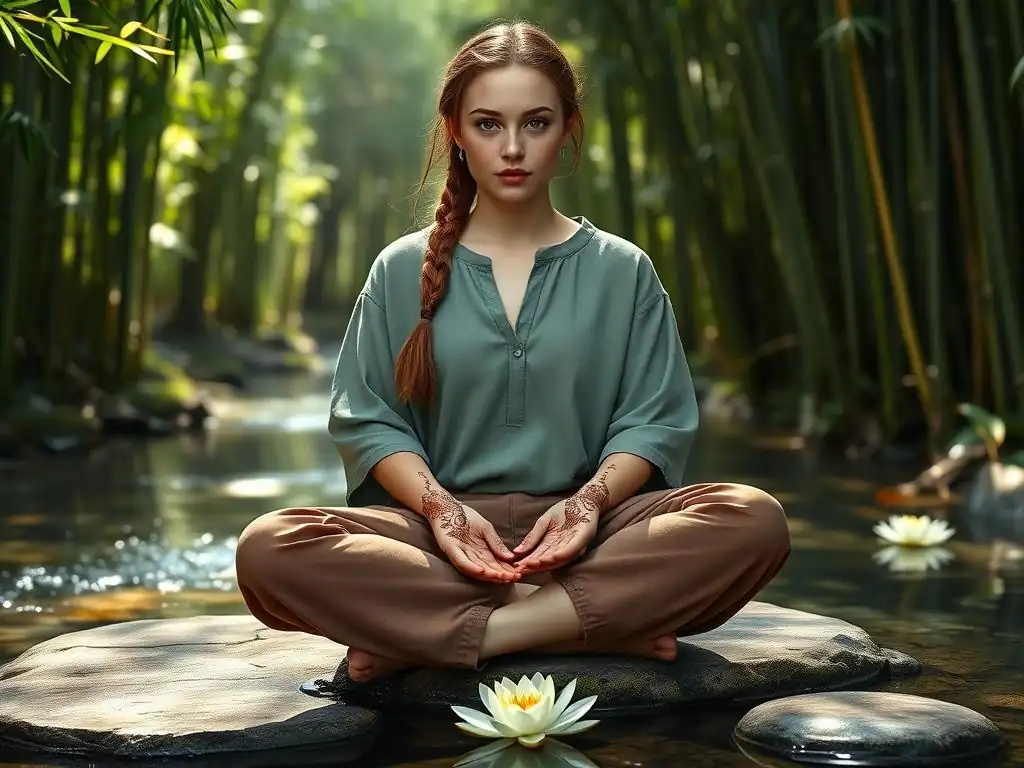
Welcome to Mind Care Guide, a safe space to explore your mental well-being.
Are you feeling overwhelmed by anxiety and searching for ways to regain control? Delve into our latest article, "Improving Emotional Regulation Through Traditional Techniques," where we uncover the power of cultural wisdom in managing your emotional landscape. Discover practical and empathetic strategies to navigate anxiety and cultivate inner peace. Let's embark on this journey together.
Improving Emotional Regulation Through Traditional Techniques: A Mind Care Guide
- Understanding Emotional Regulation and Anxiety
- Traditional Eastern Techniques for Emotional Regulation
- Implementing Traditional Techniques for Emotional Regulation
- The Scientific Basis of Traditional Techniques
- Combining Traditional and Modern Approaches to Anxiety Management
- Conclusion: Embracing Traditional Wisdom for Emotional Well-being
-
Frequently Asked Questions
- What exactly are emotional regulation techniques and how do they relate to anxiety?
- Why should I consider using traditional techniques for emotional regulation instead of newer methods?
- Are these emotional regulation techniques a cure for anxiety, or simply a way to manage symptoms?
- How long does it typically take to see results when practicing emotional regulation techniques?
- Where can I find more information and support on learning and practicing these emotional regulation techniques for anxiety?
- Final Reflection: Cultivating Inner Peace Through Ancient Wisdom
- Unlock Your Emotional Strength: Practical Steps to Inner Peace
Understanding Emotional Regulation and Anxiety
What is Emotional Regulation?
Emotional regulation refers to the ability to influence which emotions we have, when we have them, and how we experience and express them. It's a fundamental skill that allows individuals to navigate life's challenges without being overwhelmed by intense feelings. This doesn't mean suppressing emotions, but rather understanding them, managing their intensity, and responding to them in a way that aligns with one's goals and values. Effective emotional regulation involves a range of processes, both conscious and unconscious, that modify the trajectory of emotional experiences.
Developing proficiency in emotional regulation helps individuals maintain mental and emotional well-being. It involves various strategies, including cognitive reappraisal (changing how you think about a situation), expressive suppression (changing how you outwardly express emotion), and using mindfulness to observe emotions without judgment. Difficulties with emotional regulation can manifest in various ways, such as rapid mood swings, difficulty calming down once upset, impulsive behavior driven by emotion, or avoidance of situations that might trigger strong feelings. Mastering these skills is crucial for stable mental health and healthy interpersonal relationships.
The Connection Between Emotional Regulation and Anxiety Disorders
Anxiety disorders are often characterized by difficulty regulating emotions, particularly fear and worry. Individuals with anxiety may experience intense emotional responses to perceived threats, have trouble calming down, and struggle to manage the persistent thoughts and physical sensations associated with anxiety. The inability to effectively regulate these feelings can perpetuate the cycle of anxiety, leading to avoidance behaviors and significant distress that impacts daily life. Learning effective emotional regulation techniques for anxiety is therefore a core component of recovery and management.
Research consistently shows a strong link between poor emotional regulation skills and the severity of anxiety symptoms. For example, individuals who tend to catastrophize or ruminate on negative thoughts often experience more intense and prolonged periods of anxiety. Conversely, developing skills like accepting uncomfortable emotions or using cognitive strategies to reframe anxious thoughts can significantly reduce the frequency and intensity of anxiety episodes. Many therapeutic approaches for anxiety, such as Cognitive Behavioral Therapy (CBT) and Dialectical Behavior Therapy (DBT), explicitly teach emotional regulation skills, highlighting their critical role in managing these conditions.
Why Traditional Techniques for Emotional Regulation?
Traditional healing systems, particularly those from Eastern cultures, have long recognized the interconnectedness of mind, body, and spirit and have developed sophisticated practices aimed at cultivating inner balance and emotional harmony. These techniques, honed over centuries, offer time-tested approaches to understanding and working with emotions, often focusing on self-awareness, breath control, and physical practices that calm the nervous system. They provide a holistic perspective that complements modern psychological approaches and offers a rich toolkit of emotional regulation techniques for anxiety and general stress.
The appeal of traditional techniques lies in their emphasis on consistent practice and lifestyle integration, rather than just crisis management. Methods like mindfulness meditation, yoga, and certain aspects of Traditional Chinese Medicine (TCM) and Ayurveda provide frameworks for cultivating a calm and centered state over time, building resilience against future emotional challenges. By incorporating these ancient wisdom traditions, individuals can discover powerful, accessible, and often deeply personal methods for enhancing their emotional regulation abilities and finding relief from anxiety.
Traditional Eastern Techniques for Emotional Regulation
Mindfulness Meditation for Anxiety Relief
Mindfulness meditation is a practice rooted in Buddhist traditions that involves focusing one's attention on the present moment without judgment. When practicing mindfulness, individuals learn to observe their thoughts, feelings, bodily sensations, and surrounding environment with a sense of detached awareness. This training helps to de-identify with anxious thoughts, viewing them merely as mental events rather than absolute truths, which is a crucial aspect of emotional regulation techniques for anxiety. The goal is not to empty the mind, but to notice what is happening in the present moment with acceptance.
Regular mindfulness practice has been shown to alter brain structures related to emotion regulation, such as increasing activity in the prefrontal cortex (associated with executive function and decision-making) and decreasing activity in the amygdala (the brain's fear center). This neurological shift contributes to a reduced reactivity to stressors and a greater capacity to manage difficult emotions. Studies have indicated that even short periods of consistent mindfulness practice can lead to significant reductions in self-reported anxiety levels and improvements in the ability to tolerate distress.
Benefits of Mindfulness Meditation for Emotional Control
One of the primary benefits of mindfulness for emotional control is the development of non-reactivity. By observing emotions without immediately acting on them or getting swept away by them, individuals create a space between the feeling and their response. This pause allows for a more thoughtful and regulated reaction rather than an impulsive one driven by intense emotion. For someone struggling with anxiety, this means being able to notice fearful thoughts or physical symptoms like a racing heart without immediately spiraling into panic.
Furthermore, mindfulness enhances self-awareness, helping individuals recognize emotional patterns and triggers. Understanding when and why certain emotions arise is a critical first step in effective regulation. Mindfulness also cultivates compassion towards oneself, which is vital when dealing with challenging emotions like shame or fear often associated with anxiety. This self-compassion allows individuals to approach their struggles with kindness and understanding, making the process of learning emotional regulation techniques for anxiety less daunting.
Practical Mindfulness Exercises for Anxiety Management
A simple yet effective mindfulness exercise is focused breathing. Find a quiet place, sit comfortably, and gently close your eyes or soften your gaze. Bring your attention to your breath, noticing the sensation of air entering and leaving your nostrils or the rise and fall of your abdomen. When your mind wanders (which it will), gently guide your attention back to your breath without judgment. Start with just 5-10 minutes daily and gradually increase the duration. This anchors you in the present moment and calms the nervous system.
Another practical exercise is the body scan meditation. Lie down or sit comfortably. Bring your attention sequentially to different parts of your body, starting from your toes and moving up to the crown of your head. Notice any sensations without trying to change them – warmth, tingling, tension, or lack thereof. If you encounter tension, you can gently breathe into it, but the primary goal is simple awareness. This practice helps you become more attuned to physical manifestations of anxiety and learn to be present with them without reactivity, enhancing your repertoire of emotional regulation techniques for anxiety.
Yoga and Pranayama for Emotional Balance
Yoga, originating in ancient India, is a practice that integrates physical postures (asanas), breathing techniques (pranayama), meditation, and ethical principles. While often practiced in the West primarily for its physical benefits, traditional yoga is a holistic system aimed at unifying the mind, body, and spirit, leading to states of balance and inner peace. The combination of movement, breath, and focus makes it a powerful tool for emotional regulation, particularly for managing the physical and mental symptoms of anxiety.
The physical postures in yoga help release stored tension in the body, which is often a physical manifestation of stress and anxiety. Holding poses requires focus and presence, drawing attention away from anxious thoughts. Pranayama, or breath control, is arguably one of the most direct emotional regulation techniques for anxiety within the yoga tradition. By consciously manipulating the breath, practitioners can directly influence the autonomic nervous system, shifting from the sympathetic "fight or flight" response to the parasympathetic "rest and digest" state, promoting calm.
The Role of Yoga in Reducing Anxiety Symptoms
Yoga's impact on anxiety symptoms is well-documented. Studies have shown that regular yoga practice can significantly reduce levels of cortisol, the body's primary stress hormone. The physical activity helps to release endorphins, which have mood-boosting effects. Furthermore, the meditative aspect of yoga encourages present-moment awareness and non-judgment, similar to mindfulness, helping individuals detach from anxious thought loops and cultivate a calmer mental state.
Beyond the biochemical and mental effects, the structured sequence of poses provides a sense of grounding and control, which can be incredibly beneficial for someone feeling overwhelmed by anxiety. The focus required to execute poses correctly and coordinate movement with breath demands concentration, offering a respite from worry. This combination of physical release, mental focus, and nervous system regulation positions yoga as a comprehensive approach within the spectrum of emotional regulation techniques for anxiety.
Pranayama Techniques for Calming the Nervous System
Nadi Shodhana (Alternate Nostril Breathing) is a widely recommended pranayama technique for calming the mind and balancing energy. Sit comfortably with a straight spine. Close your right nostril with your right thumb and inhale slowly through the left nostril. Close the left nostril with your ring finger, release the thumb from the right nostril, and exhale slowly through the right. Inhale through the right nostril, close it, release the left, and exhale through the left. This completes one cycle. Repeat for several minutes. This practice helps to soothe the nervous system and reduce agitation.
Another effective technique is Ujjayi Pranayama (Victorious Breath or Ocean Breath). This involves breathing deeply through the nose while constricting the back of the throat slightly, creating a soft oceanic sound. Inhale and exhale slowly and evenly, maintaining the slight constriction. This controlled, audible breath promotes relaxation and focus. Practicing Ujjayi can help regulate the breath during moments of heightened anxiety, providing an immediate tool for applying emotional regulation techniques for anxiety in real-time situations.
Traditional Chinese Medicine (TCM) and Emotional Harmony
Traditional Chinese Medicine (TCM) views the body and mind as an integrated system where emotions are linked to specific organs and energy pathways (meridians). Unlike Western medicine, which often separates mental and physical health, TCM sees emotional imbalances as both a cause and symptom of physical disharmony. For instance, excessive worry is often associated with the Spleen, while anxiety and fear can be linked to the Kidneys or Heart. Understanding these connections is fundamental to TCM's approach to emotional regulation techniques for anxiety.
TCM employs various modalities to restore emotional balance, including acupuncture, herbal medicine, dietary therapy, Tui Na massage, and Qigong or Tai Chi (mind-body exercises). The goal is to remove blockages in qi (vital energy) flow, nourish deficient organs, and calm excess energy, thereby restoring harmony within the system. By addressing the root energetic imbalances believed to underlie emotional distress, TCM offers a distinct yet powerful set of methods for managing anxiety and improving emotional regulation.
The Five Elements Theory and Emotional Regulation
The Five Elements Theory (Wood, Fire, Earth, Metal, Water) is a cornerstone of TCM, describing the interrelationships and transformations of phenomena in nature and the body. Each element is associated with specific organs, seasons, colors, tastes, and emotions. For example, the Fire element is linked to the Heart and Small Intestine, the season of summer, and the emotion of joy (or its imbalance, agitation/anxiety). The Water element is linked to the Kidneys and Bladder, winter, and the emotion of fear.
Understanding which elemental energies are out of balance can guide TCM practitioners in selecting appropriate treatments to address emotional dysregulation. Excessive anger (Wood) can impact the Earth element (Spleen/Stomach, leading to worry), while chronic worry (Earth) can weaken the Water element (Kidneys, leading to fear/anxiety). By diagnosing patterns of disharmony based on the Five Elements, TCM seeks to restore the natural flow and balance, providing targeted interventions among traditional emotional regulation techniques for anxiety rooted in this ancient framework.
Acupressure Points for Anxiety and Emotional Balance
Acupressure, applying pressure to specific acupuncture points along the meridians, is an accessible TCM technique for self-care and emotional balance. One widely used point for anxiety is Yin Tang, located directly between the eyebrows. Applying gentle pressure or massaging this point can help calm the mind and relieve tension. Another significant point is Nei Guan (Pericardium 6), located on the inner wrist, about three finger-widths below the palm crease, between the two tendons. Pressure here is often used to alleviate nausea, palpitations, and anxiety.
Another beneficial point is Shen Men (Heart 7), found on the outer wrist crease, in the small hollow between the bone and tendon on the pinky finger side. Stimulating Shen Men is traditionally used to calm the spirit, reduce anxiety, and improve sleep quality. While not a substitute for professional medical advice or treatment, incorporating these acupressure points into a daily routine can serve as simple, non-invasive emotional regulation techniques for anxiety relief, promoting a sense of calm and grounding.
Ayurveda and Emotional Wellness
Ayurveda, the traditional healing system of India, is a sister science to yoga and emphasizes achieving balance within the individual's unique constitution (dosha) and lifestyle. It views emotional wellness as a direct reflection of physical and energetic balance. Imbalances in the doshas—Vata (air and space), Pitta (fire and water), and Kapha (earth and water)—are believed to predispose individuals to specific emotional patterns and vulnerabilities, including anxiety.
Ayurvedic practices for emotional wellness are highly personalized based on one's doshic makeup and the nature of the imbalance. They include dietary recommendations, herbal remedies, massage (Abhyanga), aromatherapy, yoga, pranayama, and daily routines (Dinacharya) designed to bring the doshas back into equilibrium. By addressing the individual's unique energetic blueprint and lifestyle factors, Ayurveda offers a comprehensive and tailored approach to emotional regulation techniques for anxiety and promoting overall well-being.
Understanding Doshas and Emotional Imbalances
Individuals with a predominant Vata dosha, characterized by qualities like lightness, movement, and changeability, are often predisposed to anxiety, worry, fear, and restlessness when out of balance. An aggravated Vata can lead to scattered thoughts, insomnia, and a feeling of being ungrounded.
Pitta individuals, characterized by fire and intensity, may experience anger, irritability, frustration, and impatience when out of balance. While not typically associated with chronic anxiety in the same way as Vata, imbalanced Pitta can manifest as performance anxiety or intense worry about control.
Kapha individuals, characterized by earth and water, possess qualities of stability and groundedness. When out of balance, they may experience lethargy, sadness, attachment, and resistance to change. While less prone to acute anxiety, they might struggle with inertia or emotional stagnation. Understanding one's dominant dosha and current state of balance is the first step in applying Ayurvedic emotional regulation techniques for anxiety.
Ayurvedic Practices for Emotional Regulation and Anxiety Relief
Ayurveda recommends specific practices to balance aggravated doshas and alleviate associated emotional imbalances. For Vata-related anxiety, grounding practices are key: warm, nourishing foods, regular routines, gentle yoga, Abhyanga (warm oil self-massage, especially with sesame oil), and calming herbs like Ashwagandha and Brahmi. Avoiding excessive stimulation, cold foods, and irregular schedules is also advised.
For Pitta imbalances manifesting as emotional intensity, cooling and calming practices are beneficial: foods that are sweet, bitter, and astringent; cooling pranayama like Sheetali (cooling breath); and herbs like Sandalwood or Rose. Avoiding excessive heat, competition, and stimulants is important.
For Kapha imbalances leading to lethargy or emotional stagnation, stimulating practices are recommended: warm, light, and spicy foods; invigorating exercise; dry brushing (Garshana); and stimulating herbs like Ginger or Turmeric. Avoiding heavy, cold foods and excessive sleep is advised. Integrating these personalized practices forms a powerful set of emotional regulation techniques for anxiety tailored to individual needs.
Implementing Traditional Techniques for Emotional Regulation
Creating a Personalized Emotional Regulation Plan
Implementing traditional techniques effectively requires a personalized approach. Start by identifying which techniques resonate most with you and seem most accessible given your lifestyle and interests. Reflect on your specific emotional challenges, such as typical anxiety triggers or patterns of emotional reactivity. This self-assessment can help you select practices that directly address your needs, whether it's calming Vata-driven worry with grounding yoga or addressing Pitta-fueled frustration with cooling breathwork.
Next, determine how you can realistically integrate these practices into your daily or weekly routine. Begin small – perhaps 10 minutes of mindfulness meditation each morning, a 20-minute yoga session a few times a week, or incorporating specific acupressure points during stressful moments. Consider keeping a journal to track your practice and observe any shifts in your emotional state. This iterative process of selection, scheduling, and reflection is key to building a sustainable plan for using emotional regulation techniques for anxiety.
Integrating Mindfulness, Yoga, and TCM Principles
While these traditions originated independently, their principles often overlap and can be integrated synergistically. For instance, you can combine mindfulness meditation with the physical practice of yoga by bringing present-moment awareness to your breath and bodily sensations during poses. This enhances both the physical and mental benefits of the practice.
Similarly, understanding TCM or Ayurvedic principles about energy flow and constitution can inform your choices within other practices. If you know you tend towards Vata imbalance (anxiety), you might choose slower, more grounding yoga poses and pair them with calming pranayama like Nadi Shodhana, while also being mindful of dietary recommendations from Ayurveda. Applying acupressure points before meditation or yoga can also deepen the calming effect. The key is to find combinations of these emotional regulation techniques for anxiety that feel intuitive and supportive for your unique system.
Tips for Maintaining Consistency and Motivation
Consistency is more important than intensity when it comes to traditional practices for emotional regulation. Aim for regular, even short, sessions rather than infrequent, long ones. Schedule your practice like any other important appointment to help it become a habit. Finding an accountability partner or joining a class or group can also provide support and motivation.
Be patient and compassionate with yourself. There will be days when practice feels difficult or ineffective. This is normal. Acknowledge the challenge without judgment and simply return to your practice the next day. Celebrate small victories and notice subtle shifts in your ability to manage emotions. Remembering why you started – the goal of improving emotional regulation techniques for anxiety for greater well-being – can help sustain motivation through challenging periods.
The Scientific Basis of Traditional Techniques
Research on Mindfulness and Anxiety Reduction
Extensive research over the past few decades has provided scientific validation for the anxiety-reducing effects of mindfulness meditation. Numerous studies, including randomized controlled trials, have demonstrated that Mindfulness-Based Stress Reduction (MBSR) and Mindfulness-Based Cognitive Therapy (MBCT) programs lead to significant reductions in symptoms of generalized anxiety disorder, social anxiety disorder, and panic disorder. A meta-analysis published in JAMA Internal Medicine in 2014, for example, reviewed 47 trials and found moderate evidence that mindfulness meditation programs improved anxiety symptoms.
Neuroimaging studies have shed light on the mechanisms behind these effects, showing changes in brain regions involved in emotion processing and regulation after mindfulness training. Increased activation in the prefrontal cortex and reduced amygdala reactivity are commonly observed findings. These changes support the subjective reports of reduced reactivity to stressors and improved emotional control, providing a strong scientific basis for mindfulness as one of the effective emotional regulation techniques for anxiety.
Studies on Yoga and Emotional Regulation
Research on the therapeutic benefits of yoga for anxiety and emotional regulation has also grown considerably. Studies have shown that consistent yoga practice can lower heart rate, blood pressure, and levels of stress hormones like cortisol and adrenaline, all of which are physiological markers associated with anxiety. A review of studies published in the Journal of Alternative and Complementary Medicine in 2010 concluded that yoga shows promise as a complementary therapy for anxiety disorders.
Specific studies have investigated the impact of different yoga styles and durations on anxiety. Findings suggest that practices incorporating both physical postures and breathwork tend to be most effective. The combination of physical movement, focused breathing (pranayama), and meditative elements appears to work synergistically to calm the nervous system, release physical tension, and promote a sense of groundedness and emotional balance. This body of evidence supports yoga's role among valuable emotional regulation techniques for anxiety management.
Evidence Supporting TCM and Ayurvedic Approaches
While research methodologies for complex traditional systems like TCM and Ayurveda differ from those used for single-compound pharmaceuticals, a growing body of evidence supports their efficacy for various conditions, including anxiety. Studies on acupuncture, a key component of TCM, have shown positive effects on anxiety symptoms, possibly by influencing neurotransmitters like serotonin and endorphins and regulating the hypothalamic-pituitary-adrenal (HPA) axis, which is involved in the stress response. A systematic review in CNS Neuroscience & Therapeutics in 2018 found evidence suggesting acupuncture's potential utility for treating anxiety.
Similarly, research on Ayurvedic herbs like Ashwagandha has demonstrated adaptogenic properties, helping the body cope with stress and reducing anxiety levels. Studies have shown that Ashwagandha can reduce cortisol levels and improve resilience to stress. While comprehensive, large-scale studies evaluating the entire system of TCM or Ayurveda for anxiety are challenging to design, the evidence for specific modalities and herbs within these systems provides support for their use as emotional regulation techniques for anxiety.
Combining Traditional and Modern Approaches to Anxiety Management
When to Seek Professional Help
While traditional techniques offer powerful tools for managing emotional regulation and anxiety, it is crucial to recognize their role as complementary practices. They are not a substitute for professional mental health care, especially in cases of severe anxiety, panic attacks, or when anxiety significantly impairs daily functioning. If your anxiety symptoms are persistent, overwhelming, or accompanied by thoughts of self-harm, seeking help from a qualified mental health professional, such as a therapist, counselor, or psychiatrist, is the first and most important step.
A mental health professional can provide an accurate diagnosis, recommend evidence-based treatments like therapy or medication if necessary, and help you develop a comprehensive treatment plan tailored to your specific needs. They can also guide you on how to safely and effectively integrate traditional practices alongside conventional care. Remember, seeking professional help is a sign of strength and self-care, providing essential support that traditional emotional regulation techniques for anxiety may not fully address on their own in severe cases.
Integrating Therapy with Traditional Practices
Integrating traditional techniques like mindfulness, yoga, or elements of TCM/Ayurveda with modern psychotherapy can create a more holistic and potentially more effective approach to managing anxiety. Many therapists are increasingly open to or even trained in incorporating mindfulness-based techniques into their practice. For example, a therapist might teach cognitive restructuring (a CBT technique) alongside mindfulness exercises to help a patient challenge anxious thoughts while also learning to observe them without judgment.
Yoga and pranayama can serve as powerful tools for managing the physical symptoms of anxiety that therapy might discuss but not directly address through physical practice. Similarly, dietary or lifestyle recommendations from Ayurveda or acupressure points from TCM can complement therapeutic work by addressing underlying physical or energetic imbalances that may contribute to anxiety. Discussing your interest in traditional emotional regulation techniques for anxiety with your therapist can help create a cohesive and integrated treatment strategy.
The Synergistic Effect of Combining Traditional Practices with Cognitive Behavioral Therapy
Cognitive Behavioral Therapy (CBT) is a widely recognized and effective treatment for anxiety disorders. CBT helps individuals identify and challenge negative thought patterns and change maladaptive behaviors associated with anxiety. When combined with traditional practices, a powerful synergy can emerge. CBT provides the cognitive framework for understanding and reframing anxious thoughts, while practices like mindfulness and yoga provide experiential tools for managing the emotional and physical sensations that arise.
For example, CBT might teach you to identify the thought "I'm going to fail" before a presentation. Mindfulness can help you notice the physical tension and fear associated with that thought without being overwhelmed by it. Yoga or pranayama can then provide tools to calm the nervous system in the moment. This combination allows individuals to work on both the mental and somatic aspects of anxiety, using evidence-based cognitive strategies alongside time-tested emotional regulation techniques for anxiety from traditional wisdom traditions, potentially leading to more robust and sustainable relief.
Conclusion: Embracing Traditional Wisdom for Emotional Well-being
The Enduring Value of Traditional Techniques
Traditional techniques for emotional regulation, such as mindfulness meditation, yoga, pranayama, and practices rooted in TCM and Ayurveda, offer a rich and enduring source of wisdom for cultivating inner peace and managing challenging emotions like anxiety. Developed and refined over centuries, these practices provide holistic approaches that acknowledge the intricate connection between our minds, bodies, and spirits. They emphasize self-awareness, balance, and consistent self-care as pathways to emotional well-being, offering valuable emotional regulation techniques for anxiety that are accessible and empowering.
In a modern world often characterized by stress and disconnection, these ancient methods provide practical tools for grounding ourselves in the present moment, calming the nervous system, and fostering resilience. Their increasing integration with modern scientific understanding and clinical practices highlights their universal applicability and effectiveness. By exploring and incorporating these traditional techniques, individuals can discover profound ways to enhance their emotional regulation skills and navigate the complexities of life with greater ease and presence.
Cultivating Emotional Resilience: A Lifelong Journey
Improving emotional regulation is not a destination but a continuous journey of learning, practice, and self-discovery. Traditional techniques offer valuable companions on this path, providing frameworks and practices for building emotional resilience – the ability to adapt well in the face of adversity, trauma, tragedy, threats, or significant sources of stress. By consistently engaging with practices like mindfulness, yoga, or other chosen methods, individuals strengthen their capacity to respond to emotional challenges skillfully rather than reactively.
Embracing traditional emotional regulation techniques for anxiety means committing to ongoing self-care and self-awareness. It involves patience, persistence, and self-compassion. As you integrate these practices into your life, you cultivate a deeper understanding of yourself and develop a robust inner toolkit for navigating the inevitable ups and downs of the emotional landscape, fostering lasting well-being and a greater sense of peace.
Frequently Asked Questions
What exactly are emotional regulation techniques and how do they relate to anxiety?
Emotional regulation techniques are strategies used to manage and modulate emotional experiences. They are crucial for those with anxiety as they help to control overwhelming feelings and reduce symptom severity.
Why should I consider using traditional techniques for emotional regulation instead of newer methods?
Traditional techniques, like mindfulness and deep breathing, have a long history of effectiveness and are often easily accessible. They offer a solid foundation for building emotional resilience and coping mechanisms.
Are these emotional regulation techniques a cure for anxiety, or simply a way to manage symptoms?
These techniques are primarily designed to manage anxiety symptoms and improve coping abilities. While they can significantly reduce anxiety, they are usually not a standalone cure and may be best used in conjunction with other therapies.
How long does it typically take to see results when practicing emotional regulation techniques?
Results vary depending on the individual and the technique, but some people experience immediate relief from practices like deep breathing. Consistent practice over time, however, is key for long-term emotional stability and noticeable improvements.
Where can I find more information and support on learning and practicing these emotional regulation techniques for anxiety?
Mind Care Guide offers a wealth of information, support resources, and guidance on various mental health challenges, including anxiety. You can also consult with a mental health professional for personalized advice and treatment options.
Final Reflection: Cultivating Inner Peace Through Ancient Wisdom
The ancient practices explored in this article offer a powerful antidote to the pervasive anxiety of modern life. In a world saturated with stressors, mastering emotional regulation isn't a luxury—it's a necessity for well-being and thriving. These techniques, far from being relics of the past, provide a surprisingly effective and accessible pathway to a calmer, more centered self.
The enduring relevance of these traditional methods lies in their ability to address the root causes of anxiety, rather than simply masking the symptoms. They offer a holistic approach, fostering self-awareness, resilience, and a deeper connection with oneself. As the Dalai Lama wisely stated, The time to repair the roof is when the sun is shining.
These techniques provide the tools to build that inner resilience before the storms of anxiety hit, allowing us to weather life's challenges with greater grace and equanimity.
Now, consider how you might integrate these practices into your own life. Perhaps begin with a daily mindfulness exercise, or explore the calming power of nature through a mindful walk. Experiment with different techniques, finding what resonates most deeply with you. The journey to emotional mastery is a personal one, but the rewards—a life lived with greater peace, clarity, and joy—are immeasurable. Embrace the wisdom of the past to cultivate a more resilient and fulfilling future.
Unlock Your Emotional Strength: Practical Steps to Inner Peace
Thanks for taking the time to explore the powerful world of traditional emotional regulation techniques! You’ve now gained valuable insights into managing your emotions with greater ease and understanding. Ready to put this knowledge into practice?
- Prioritize one new technique: Choose a single method from the article (e.g., mindful breathing, grounding exercises, or journaling) and commit to practicing it daily for a week. This focused approach will yield the most significant results.
- Share your journey: Discuss your experiences with a friend, family member, or online community. Sharing your progress can strengthen your commitment and provide valuable support.
- Explore related practices: Consider researching other complementary practices mentioned in the article, like yoga or meditation, to further enrich your emotional wellbeing. Try a short guided meditation session.
What simple step will you take today to cultivate a calmer, more centered you?