
How Often Should You Meditate? A Guide to Guided Practice Frequency

Welcome to Mind Care Guide, a sanctuary for your mental well-being.
Feeling overwhelmed and unsure how to incorporate meditation into your life? You're not alone. This guide delves into the crucial question: how often should you meditate to truly unlock its benefits for your mental health? Discover the optimal meditation frequency for mental health and begin your journey towards a calmer, more centered you. Let's explore how to find the right balance and make meditation a sustainable part of your life.
- How Often Should You Meditate? A Guide to Practice Frequency for Mental Well-being
- Determining Your Ideal Meditation Schedule: Factors to Consider
- Recommended Meditation Schedules for Different Well-being Goals
- Meditation Frequency: A Beginner's Guide
- Tips for Maintaining a Consistent Meditation Practice
- The Science Behind Meditation Frequency and Well-being
- Optimizing Your Meditation Frequency for Maximum Benefit
- Beyond Formal Practice: Integrating Mindfulness into Daily Life
-
Frequently Asked Questions
- How often should I meditate to experience mental health benefits?
- What happens if I miss a day of meditation? Will it ruin my progress?
- Is there such a thing as meditating too much?
- What types of meditation are most effective for mental health, and does that impact frequency?
- If I am new to meditation, what is a good starting point for frequency and duration?
- Final Reflection: Finding Your Meditation Rhythm for a Healthier You
- Unlock Your Inner Calm: Start Your Meditation Journey Today!
How Often Should You Meditate? A Guide to Practice Frequency for Mental Well-being
The Importance of Regular Meditation for Mental Wellness
Engaging in meditation with a consistent frequency is not merely a suggestion but a fundamental aspect of harnessing its full potential for mental wellness. Think of it like physical exercise; occasional bursts of activity offer some benefit, but sustained, regular effort yields transformative results. For mental health, this regularity helps build resilience, manage stress, and cultivate a deeper sense of calm over time. The brain, like a muscle, adapts and strengthens with consistent practice, making it more adept at navigating challenges and maintaining emotional balance.
Studies have indicated that even a few weeks of consistent meditation practice can lead to measurable changes in brain structure and function, particularly in areas associated with self-awareness, compassion, and stress regulation. For instance, research from institutions like Harvard and Emory University has shown that consistent meditators exhibit increased gray matter density in the hippocampus, a region crucial for learning and memory, and decreased gray matter in the amygdala, the brain's fear center.
Achieving these neurological shifts requires more than just a one-off session; it demands a commitment to integrating meditation frequency for mental health into one's daily or weekly routine.
Exploring the Benefits of Consistent Meditation
Consistent meditation practice unlocks a wide array of benefits that compound over time, significantly improving overall mental health. One of the most well-documented advantages is the reduction in stress and anxiety. By regularly engaging in mindful awareness, individuals become better equipped to observe stressful thoughts and feelings without becoming overwhelmed by them. This consistent exposure and practice in non-reactive observation gradually rewires the brain's response to stressors.
Beyond stress reduction, maintaining a steady meditation frequency for mental health can lead to improved focus and attention span. In a world filled with distractions, the ability to concentrate is invaluable. Meditation trains the mind to stay present, gently guiding attention back when it wanders. This skill translates directly to daily tasks, enhancing productivity and cognitive performance. Furthermore, regular meditation fosters greater emotional regulation, helping individuals navigate difficult emotions with more ease and less reactivity, contributing to a more stable and peaceful inner life.
What Happens When You Don't Meditate Consistently?
Inconsistency in meditation practice can significantly limit the depth and longevity of its benefits for mental health. While even sporadic sessions can offer temporary relief or moments of calm, they often fail to create the lasting neurological and psychological changes associated with regular engagement. Imagine trying to learn a new language or play a musical instrument by practicing only once a month; progress would be slow, and mastery elusive. Similarly, without a steady meditation frequency, the mind may struggle to develop the sustained attentional control and emotional resilience that consistent practice cultivates.
When meditation is not practiced consistently, the brain's default mode network (DMN), often associated with mind-wandering and self-referential thoughts (which can include worrying and rumination), may remain highly active. Regular meditation has been shown to decrease the activity of the DMN, allowing for more presence and less mental clutter. Without this consistent training, the benefits of reduced stress reactivity, improved focus, and enhanced emotional regulation may fade, making it harder to manage daily challenges and maintain a stable state of mental well-being. The potential for deep, transformative change is diminished without a reliable meditation frequency for mental health.
Determining Your Ideal Meditation Schedule: Factors to Consider
Assessing Your Current Mental Health and Well-being
Your current state of mental health is a primary factor in determining an appropriate meditation frequency. If you are experiencing significant stress, anxiety, or symptoms of depression, a more frequent practice might be beneficial, potentially even daily. However, it's crucial to approach this with compassion and avoid adding pressure. For someone navigating a challenging period, even short, frequent sessions of 5-10 minutes multiple times a week can be more manageable and sustainable than aiming for long, infrequent ones.
Conversely, if your mental well-being is generally stable, you might explore slightly longer sessions or a less frequent schedule that still provides consistent grounding. The key is to be honest about your current capacity and needs. A person dealing with burnout might find daily 20-minute sessions overwhelming, while someone seeking to deepen self-awareness might find value in a longer, weekly practice combined with shorter daily check-ins. Tailoring your meditation frequency for mental health begins with a realistic assessment of where you are right now.
Time Availability: How Much Time Can You Dedicate to Meditation?
Realistically assessing your time availability is critical for establishing a sustainable meditation frequency. It's better to commit to a shorter, achievable practice that you can maintain daily or several times a week than to aim for long sessions that you frequently miss. Even 5-10 minutes of focused meditation per day can yield significant benefits over time. Consider your daily routine: are there small pockets of time available in the morning, during a lunch break, or before bed?
For busy individuals, integrating meditation into existing routines, such as immediately upon waking or before starting work, can increase adherence. While dedicating more time, perhaps 20-30 minutes, a few times a week can offer deeper immersion, consistency is often more impactful than duration, especially when starting. Find a meditation frequency for mental health that fits comfortably within your schedule without causing additional stress or feeling like a chore.
Personal Preferences and Meditation Styles
Your personal preferences regarding meditation styles also influence your ideal frequency. Some individuals resonate deeply with guided meditations, finding the structure and voice supportive, while others prefer silent practice. The type of meditation – be it mindfulness, loving-kindness, transcendental meditation, or walking meditation – might also feel more natural and engaging to you. Finding a style you enjoy makes it much easier to maintain a consistent meditation frequency.
Furthermore, consider when you feel most receptive to meditation. Some people are morning meditators, finding it sets a positive tone for the day. Others prefer evening practice to wind down. Experimenting with different times and styles is important. If a particular approach feels forced or unhelpful, try another. The goal is to find a meditation frequency for mental health and a practice that you look forward to, or at least feel comfortable engaging with regularly.
Setting Realistic and Achievable Goals
Setting realistic goals is paramount when determining your meditation frequency. Avoid the trap of aiming for daily hour-long sessions if you're new to meditation or have a packed schedule. Unrealistic goals often lead to frustration and giving up entirely. Start small, perhaps with 3-5 minutes daily or three times a week, and gradually increase the duration or frequency as your comfort and schedule allow. Celebrating small victories, like completing a week of consistent 5-minute sessions, can build momentum and motivation.
Your goals for meditation also play a role. Are you primarily seeking stress reduction, improved focus, or deeper self-awareness? Different goals might suggest different approaches to meditation frequency for mental health. Someone focused on stress relief might prioritize short, frequent sessions throughout the day, while someone working on self-awareness might benefit from slightly longer, dedicated periods of reflection. Aligning your frequency with your specific intentions makes the practice more purposeful and effective.
Recommended Meditation Schedules for Different Well-being Goals
Meditation Frequency for Stress Management and Anxiety Reduction
For stress management and anxiety reduction, a frequent meditation schedule is often recommended. Daily practice, even for short durations like 5-10 minutes, can be highly effective. The consistency helps to regulate the nervous system and build a greater capacity to tolerate uncomfortable thoughts and feelings without being overwhelmed. Think of it as regularly exercising your "stress muscle" to become more resilient.
Research supports the efficacy of frequent, even brief, sessions. One study involving participants with generalized anxiety disorder found that consistent mindfulness meditation practice led to significant reductions in anxiety symptoms, comparable to the effects of some medications. A commitment to a daily meditation frequency for mental health, focused on mindful breathing or body scans, provides the ongoing training needed to interrupt the stress response cycle and cultivate a sense of calm presence throughout the day.
Meditation Frequency for Improved Sleep
If your goal is improved sleep, a consistent meditation practice, particularly in the evening, can be highly beneficial. Aiming for 10-20 minutes of meditation before bed, most nights of the week, can help quiet the mind and prepare the body for rest. Techniques like body scan meditation or gentle guided imagery can be particularly effective for sleep, focusing on releasing physical tension and mental chatter that often interfere with falling asleep.
The key here is regularity. Practicing meditation sporadically won't likely have a significant impact on chronic sleep issues. Establishing a nightly ritual involving meditation signals to your body and mind that it's time to wind down. Studies have shown that consistent meditation can improve sleep quality and reduce insomnia symptoms, potentially by reducing rumination and physiological arousal before sleep. A dedicated evening meditation frequency for mental health can become a powerful tool in promoting restful nights.
Meditation Frequency for Enhanced Focus and Concentration
To enhance focus and concentration, integrating meditation into your daily routine, ideally in the morning, can be very effective. Even 10-15 minutes of mindfulness meditation focused on breath or body sensations can train the mind to stay present and less prone to distraction. Consistency is key, as this practice builds the "muscle" of attention over time.
Practicing meditation daily helps to cultivate the ability to notice when your mind has wandered and gently bring it back to the present task. This skill directly translates to improved concentration during work, study, or any activity requiring sustained attention. Research has shown that consistent meditation practice can lead to improvements in attention span and working memory. Maintaining a regular meditation frequency for mental health, specifically targeting attentional skills, can significantly boost cognitive performance.
Meditation Frequency for Emotional Regulation and Self-Awareness
For goals related to emotional regulation and increased self-awareness, a consistent and potentially slightly longer practice, several times a week or daily, can be valuable. Techniques like noting thoughts and feelings, or loving-kindness meditation, can foster greater insight into your emotional landscape and build compassion. Aiming for 15-25 minutes per session, perhaps 4-5 times a week, allows for deeper exploration of inner experiences.
Regular practice helps you become more attuned to your emotions as they arise, without immediate judgment or reaction. This increased awareness provides a crucial pause between stimulus and response, enabling you to choose how to react rather than being swept away by feelings. Studies on consistent mindfulness meditation have shown improvements in emotional regulation abilities and increased activity in brain regions associated with self-awareness. Establishing a reliable meditation frequency for mental health is fundamental to developing a more balanced and understanding relationship with your emotions.
Meditation Frequency: A Beginner's Guide
Starting with Short, Frequent Sessions
For beginners, the most effective approach to establishing a meditation frequency for mental health is to start small but consistently. Aim for very short sessions, perhaps just 2-5 minutes, performed daily. This low barrier to entry makes it much easier to commit and build the habit. Trying to sit for 20 minutes right away can feel daunting and lead to discouragement if it feels difficult.
Focus on simply showing up each day, even if the session feels challenging or your mind is racing. The goal in the beginning is not to achieve a state of perfect calm, but simply to practice the act of dedicating time to mindful awareness regularly. These short, frequent sessions help integrate meditation into your routine without feeling like a significant time commitment, paving the way for greater consistency.
Gradually Increasing Duration and Consistency
Once you feel comfortable with short, daily sessions, you can gradually increase the duration. After a week or two of 5-minute meditations, try extending to 7 or 10 minutes. Listen to your comfort level; there's no need to rush. The aim is sustainable progress, not instant mastery. As you become more comfortable with longer sittings, you might also consider increasing the frequency if your initial goal was, for example, three times a week.
This gradual approach builds confidence and reinforces the habit. It allows your mind and body to adjust to the practice naturally. Consistency remains more important than hitting arbitrary time targets. Finding the right balance in your meditation frequency for mental health involves slowly expanding your practice as it feels manageable and beneficial, rather than overwhelming yourself from the start.
Finding Suitable Meditation Resources
Utilizing suitable resources can greatly support a beginner in establishing a consistent meditation frequency. Guided meditations, available through apps, websites, or podcasts, can be incredibly helpful. A guiding voice provides structure, direction, and gentle reminders when the mind wanders, which is very common for beginners. These resources often offer meditations of varying lengths, making it easy to start short.
Exploring different teachers and styles through these resources can also help you find what resonates best with you. Some apps offer programs specifically designed for beginners, introducing core concepts and techniques gradually. Finding a resource that you enjoy using can make maintaining your meditation frequency for mental health feel less like a chore and more like a supportive practice.
Preventing Burnout: Prioritizing Rest and Self-Care
While consistency is important, it's equally crucial for beginners (and experienced meditators) to prevent burnout. Meditation should feel like a supportive practice, not another source of stress or obligation. If you miss a session, don't dwell on it; simply acknowledge it without judgment and commit to the next planned session. Perfection is not the goal.
Prioritizing overall rest and self-care is also vital. Pushing yourself to meditate when you are exhausted, ill, or going through a crisis might not be the most beneficial approach. Sometimes, the most mindful act is to rest. Be compassionate with yourself. Finding the right meditation frequency for mental health involves listening to your body and mind and adjusting your practice as needed, ensuring it remains a source of support and not strain.
Tips for Maintaining a Consistent Meditation Practice
Scheduling Meditation Sessions in Your Calendar
One of the most effective ways to maintain a consistent meditation frequency is to treat it like any other important appointment by scheduling it in your calendar. Whether it's a daily slot or specific days of the week, blocking out the time helps prioritize the practice and reduces the likelihood of other activities encroaching on that time.
Set reminders on your phone or computer if necessary. Seeing meditation scheduled alongside meetings or tasks reinforces its importance in your routine. This simple act can significantly increase adherence and help you maintain your desired meditation frequency for mental health, transforming it from an optional activity into a non-negotiable part of your self-care routine.
Creating a Conducive Meditation Environment
Having a dedicated or easily accessible space for meditation can make consistency much easier. Find a quiet spot where you are less likely to be interrupted. This doesn't need to be elaborate; a corner of a room, a comfortable chair, or even a cushion on the floor can suffice. The key is to create an environment that feels calm and inviting.
Minimizing distractions, such as turning off notifications on your phone (unless you are using a meditation app), can help you stay present during your practice. Consistently using the same space can also help train your mind to enter a meditative state more easily upon entering that area. Creating a supportive environment enhances the effectiveness of your meditation frequency for mental health.
Utilizing Meditation Apps and Online Resources
Meditation apps and online resources offer immense support for maintaining a consistent practice. Many apps provide tracking features, allowing you to monitor your meditation frequency and duration, which can be motivating. They also offer a vast library of guided meditations, suitable for different moods, goals, and time constraints.
Platforms like Calm, Headspace, Insight Timer (which offers many free guided meditations), and numerous websites provide structured programs, reminders, and community features. These resources can help you stay engaged, explore new techniques, and easily fit meditation into your busy life, thereby supporting your desired meditation frequency for mental health.
Joining a Meditation Group or Community
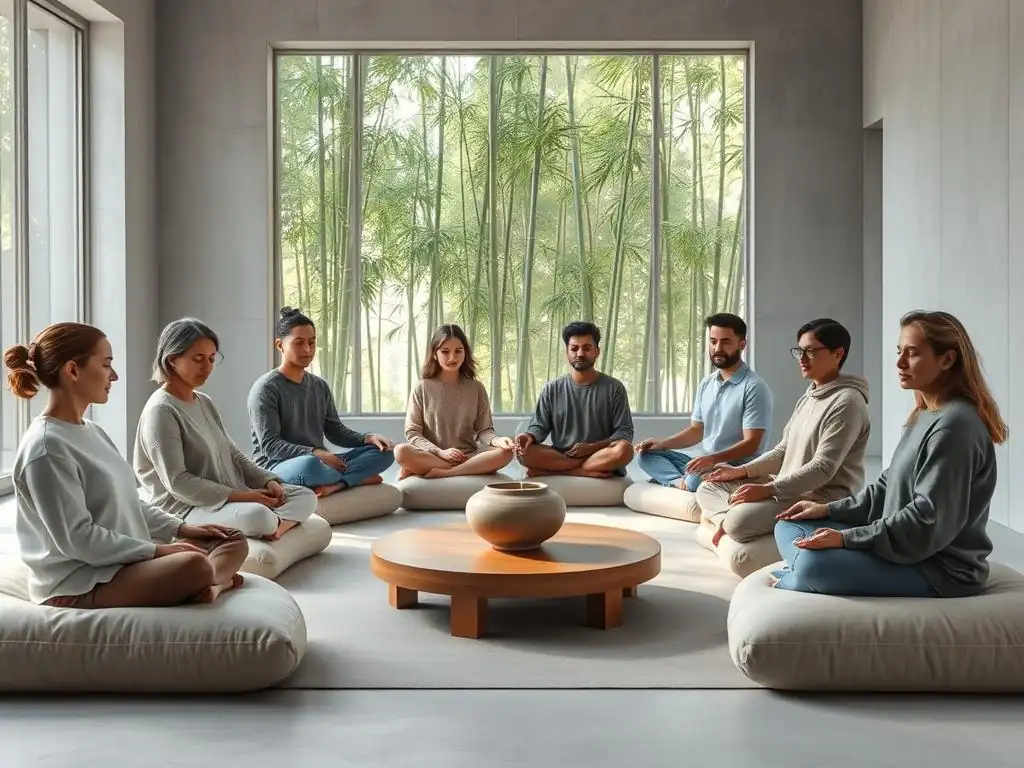
Connecting with others who meditate can provide valuable support and accountability for maintaining consistency. Joining a local meditation group or an online community can offer a sense of shared purpose and understanding. Practicing with others, even virtually, can be motivating and make the commitment feel less isolating.
Shared experiences, discussions, and group sittings can deepen your understanding and appreciation for the practice. Knowing that others are also prioritizing their meditation frequency for mental health can inspire you to stick with your own schedule, especially on days when motivation is low.
Tracking Progress and Reflecting on Benefits
Keeping track of your meditation frequency and reflecting on the benefits you notice can be a powerful motivator. Many meditation apps include tracking features, but you can also simply use a journal or calendar to mark off your sessions. Seeing a visual representation of your consistency can be very encouraging.
Equally important is taking time to reflect on how the practice is impacting your mental health. Are you noticing less reactivity to stress? Improved sleep? Greater patience? Regularly pausing to acknowledge these positive changes reinforces the value of your consistent meditation frequency and strengthens your commitment to continue.
The Science Behind Meditation Frequency and Well-being
Research on the Effects of Regular Meditation on Brain Function
Extensive research has explored the impact of regular meditation on brain function, providing a scientific basis for its benefits for mental health. Studies using fMRI (functional magnetic resonance imaging) have shown that consistent meditators exhibit altered brain activity and structure compared to non-meditators. For instance, the prefrontal cortex, involved in attention, decision-making, and emotional regulation, shows increased activity and thickness with regular practice.
Conversely, activity in the amygdala, the brain's fear and stress processing center, tends to decrease. A landmark study from Massachusetts General Hospital found that just eight weeks of daily mindfulness meditation led to measurable increases in gray matter density in brain regions associated with learning, memory, self-awareness, and compassion, while the amygdala showed a decrease in gray matter density. This evidence underscores that consistent meditation frequency for mental health leads to tangible changes in the brain.
Studies on Meditation and Physiological Stress Markers
Beyond brain changes, research has also investigated the effects of consistent meditation on physiological stress markers. Chronic stress can lead to elevated levels of cortisol, often referred to as the "stress hormone," which can have detrimental effects on physical and mental health. Studies have shown that regular meditation practice can help lower cortisol levels.
For example, a study published in Health Psychology found that participants who regularly practiced mindfulness meditation exhibited lower cortisol levels throughout the day compared to a control group. Other physiological benefits associated with consistent meditation frequency for mental health include reduced blood pressure and heart rate variability improvements, indicating a more resilient and less reactive stress response system. These physiological changes complement the psychological benefits, offering a holistic approach to well-being.
The Role of Meditation in Promoting Neuroplasticity
Neuroplasticity, the brain's ability to reorganize itself by forming new neural connections throughout life, is a key mechanism through which consistent meditation exerts its effects. Regular engagement in mindful practices encourages the brain to create and strengthen pathways associated with desirable states like calm, focus, and compassion, while potentially weakening pathways associated with stress reactivity and rumination.
This process of neuroplasticity means that the more consistently you practice meditation, the more ingrained these beneficial neural patterns become. It's not just about temporary relaxation; it's about reshaping the brain over time. A study on long-term meditators found structural differences in brain regions related to attention and sensory processing, suggesting that sustained meditation frequency for mental health can lead to significant and lasting changes in brain architecture and function.
Optimizing Your Meditation Frequency for Maximum Benefit
Experimenting with Different Schedules and Techniques
Optimizing your meditation frequency for maximum benefit involves a willingness to experiment. What works best for one person, or even for you at one point in your life, might not be ideal at another. Try meditating at different times of day – morning, midday, or evening – to see when you feel most receptive and when it fits best into your schedule.
Similarly, explore different meditation techniques. Guided meditations, silent sittings, walking meditation, or body scans each offer unique benefits. Some techniques might be more effective for certain goals, like using a body scan for sleep or a loving-kindness practice for emotional balance. Don't be afraid to adjust your meditation frequency for mental health and methods based on your current needs and experiences.
Paying Attention to Your Body and Mind
Your body and mind are your best guides in determining the optimal meditation frequency. Pay attention to how you feel before, during, and after your practice. Are you feeling more centered, less stressed, or more focused? Or does the practice feel like a burden, causing resistance or frustration?
Listen to these signals. If daily 20-minute sessions feel overwhelming, perhaps scaling back to 10 minutes or practicing every other day is a better fit for now. If you notice significant positive shifts after increasing your frequency, consider maintaining that schedule. Your inner experience provides crucial feedback for fine-tuning your meditation frequency for mental health.
Adjusting Your Meditation Schedule as Needed
Life circumstances change, and so too might your ideal meditation frequency. During periods of high stress or transition, you might find that you need more frequent, perhaps shorter, sessions to stay grounded. Conversely, during calmer periods, you might explore longer sittings or slightly less frequency if that feels more aligned with your goals.
Be flexible and compassionate with yourself. There will be days or even weeks when maintaining your usual schedule is difficult. The ability to adjust your meditation frequency for mental health without judgment is key to long-term sustainability. Think of your practice as a living thing that evolves with you.
Considering Guidance from a Meditation Instructor
For personalized guidance on optimizing your meditation frequency and practice, consider seeking support from a qualified meditation instructor or teacher. An experienced teacher can help you explore different techniques, address challenges you encounter, and provide recommendations based on your specific goals and circumstances.
They can offer insights into common obstacles, help refine your technique, and support you in finding a meditation frequency for mental health that is both effective and sustainable for you. While self-guided practice is valuable, expert guidance can often accelerate progress and deepen understanding.
Beyond Formal Practice: Integrating Mindfulness into Daily Life
While establishing a consistent meditation frequency is important, integrating mindfulness into your daily life outside of formal sitting practice can significantly amplify the benefits for mental health. This involves bringing present moment awareness to everyday activities, such as eating, walking, listening to others, or even doing chores.
Mindful moments throughout the day reinforce the skills cultivated during formal meditation sessions. Paying attention to the sensations of eating your lunch, the feeling of your feet on the ground as you walk, or truly listening to a conversation can reduce stress and increase appreciation for the present. Combining a regular meditation frequency for mental health with informal mindfulness woven into daily activities creates a powerful synergy for enhanced well-being.
Frequently Asked Questions
How often should I meditate to experience mental health benefits?
The ideal meditation frequency varies, but research suggests even short, daily sessions (5-10 minutes) can significantly improve mental well-being. Consistency is key, so find a schedule that works for you.
What happens if I miss a day of meditation? Will it ruin my progress?
Missing a day or two is perfectly normal. Don't be discouraged! Just resume your meditation practice as soon as possible. Focus on getting back on track.
Is there such a thing as meditating too much?
While rare, excessive meditation could potentially lead to emotional detachment for some. It's important to balance meditation with other aspects of life and seek guidance if concerned.
What types of meditation are most effective for mental health, and does that impact frequency?
Various techniques like mindfulness meditation and guided imagery are beneficial. The specific type may influence your preferred frequency, so experiment and find what suits you.
If I am new to meditation, what is a good starting point for frequency and duration?
Begin with short, frequent sessions, such as 5 minutes daily. Gradually increase the duration and frequency as you become more comfortable and experience the benefits.
Final Reflection: Finding Your Meditation Rhythm for a Healthier You
The pursuit of mental well-being is a journey, not a destination, and finding the right meditation frequency is a crucial step in that journey. The optimal number of meditation sessions per week isn't a one-size-fits-all answer; it's a deeply personal discovery that requires self-awareness and consistent experimentation. This article has explored various approaches, from daily mindfulness to occasional mindful moments, highlighting the importance of listening to your body and mind.
The impact of regular meditation on our increasingly stressed-out world cannot be overstated. It's a powerful tool for cultivating resilience, managing anxiety, and fostering a sense of inner peace – qualities desperately needed in our fast-paced, demanding lives. As Thich Nhat Hanh wisely said, Peace is not something you can find. Peace is something you create.
Meditation provides the tools and the space to actively create that inner peace, shaping not just our individual well-being, but also contributing to a more compassionate and understanding society.
Now, consider your own relationship with meditation. What resonates with you from this exploration? Perhaps you've discovered a new approach to integrate into your routine, or maybe you've realized the importance of consistency over intensity. Don't be afraid to experiment, to adjust your practice, and to find the rhythm that best supports your mental and emotional health. Begin today, even with just five minutes, and witness the transformative power of mindful presence in your life. Your journey to a healthier, happier you starts with a single breath.
Unlock Your Inner Calm: Start Your Meditation Journey Today!
Thanks for taking the time to explore the world of mindful meditation with us! We hope this guide has given you a clearer understanding of how to incorporate this powerful practice into your life. Now it's time to put your newfound knowledge into action.
- Begin your personalized meditation practice today: Start small, even just 5 minutes a day, focusing on the breathing techniques discussed. Consistency is key!
- Share your meditation experiences: Connect with our community on social media and share your journey, tips, and insights. Let's inspire each other!
- Consider trying a different meditation style: Explore the many types of meditation beyond guided practices – from walking meditation to loving-kindness meditation – and find what resonates most with you.
Ready to embrace the transformative power of regular meditation? What small step will you take today to nurture your inner peace?