
The BrainBoosting Plate: What to Eat for Sharper Focus and Better Mood


Welcome to Mind Care Guide, your sanctuary for nurturing inner peace and understanding your mental well-being.
Feeling foggy or emotionally drained? You're not alone. We understand the deep connection between what you eat and how you feel. In this guide, we'll explore the fascinating world of brain food mental health, revealing how simple dietary changes can unlock sharper focus and a brighter mood. Intrigued? Discover the power of the "BrainBoosting Plate" and embark on a journey to nourish your mind from the inside out.
The BrainBoosting Plate: What to Eat for Sharper Focus and Better Mood
- Introduction: Fueling Your Mind - The Link Between Diet and Mental Health
- Understanding Brain Food and Mental Health
- Essential Nutrients for Brain Health and Focus
-
Top Brain Foods to Incorporate into Your Diet
- Fatty Fish: Salmon, Mackerel, and Sardines for Omega-3 Boost
- Berries: Antioxidant Powerhouses for Brain Protection
- Nuts and Seeds: Healthy Fats and Nutrients for Cognitive Support
- Leafy Greens: Vitamins and Minerals for Enhanced Brain Function
- Eggs: A Complete Protein Source for Brain Health
- Dark Chocolate: Flavonoids for Enhanced Blood Flow and Cognitive Function
- Avocados: Monounsaturated Fats for Brain Health and Cognitive Enhancement
- Building Your Brain-Boosting Plate: Meal Planning for Mental Health
- Foods to Limit or Avoid for Optimal Mental Well-being
- The Gut-Brain Connection: Nourishing Your Microbiome for Mental Wellness
- Lifestyle Factors to Complement Your Brain-Boosting Diet
- Conclusion: Embracing Nutritional Strategies for a Healthier Mind
-
Frequently Asked Questions
- What is brain food and how does it relate to mental health?
- Can diet really impact my mental health?
- What are some specific examples of brain foods I should include in my diet?
- How much of these brain foods should I be eating to see a noticeable difference in my mental health?
- Where can I find more resources and support for improving my mental health through diet?
- Final Reflection: Nourishing the Mind, Transforming the Self
- Unlock Your Brain's Potential: Fuel Your Focus & Mood Today!
Introduction: Fueling Your Mind - The Link Between Diet and Mental Health
Our mental landscape is deeply intertwined with our physical state, and the food we consume plays a profound role in shaping our mood, focus, and overall cognitive function. Just as a high-performance car requires the right fuel, our brains need specific nutrients to operate at their best. Understanding this connection is fundamental to nurturing both physical and mental well-being.
This article delves into the fascinating world of nutritional psychiatry, exploring how specific foods and nutrients can act as powerful allies in enhancing mental clarity, stabilizing mood, and building resilience against common mental health challenges. We'll uncover the science behind why certain dietary choices can sharpen focus and improve mood, guiding you toward creating a "BrainBoosting Plate" that supports your mind.
Why Brain Food Matters for Mental Well-being
The concept of brain food isn't just a trendy phrase; it reflects a growing body of research demonstrating the direct impact of diet on brain structure and function. Our brains are incredibly active organs, consuming a disproportionate amount of our daily energy intake – roughly 20% of our total calories, despite making up only about 2% of our body weight. This high energy demand means the brain is highly sensitive to the quality and consistency of the nutrients it receives.
Consuming the right brain food for mental health provides the essential building blocks and fuel for neurotransmitter production, cell maintenance, and energy generation within the brain. Conversely, a diet lacking in crucial nutrients or high in inflammatory components can impair these processes, potentially contributing to symptoms of fatigue, poor concentration, irritability, and even more significant mental health conditions. Prioritizing nutrient-dense foods is a proactive step in safeguarding cognitive vitality and emotional balance.
The Mind-Body Connection: How Food Impacts Mood and Cognitive Function
The intricate communication network between our digestive system and our brain, often called the gut-brain axis, is a primary pathway through which food influences our mental state. The gut is home to trillions of microorganisms that produce various neurochemicals, including a significant portion of the body's serotonin, a neurotransmitter crucial for regulating mood, sleep, and appetite. What we eat directly affects the composition and activity of this gut microbiome.
Beyond the gut, specific nutrients directly influence brain function. Omega-3 fatty acids, for instance, are vital components of brain cell membranes, impacting their flexibility and communication. B vitamins are essential cofactors in energy metabolism and neurotransmitter synthesis. Antioxidants protect brain cells from damage caused by oxidative stress. Deficiencies or imbalances in these nutrients can disrupt neural pathways, impair cognitive processes like memory and focus, and contribute to mood swings or feelings of anxiety and depression. Recognizing these connections empowers us to make informed dietary choices that support both physical health and mental well-being.
Understanding Brain Food and Mental Health
Delving deeper into the relationship between what we eat and how we feel reveals specific nutritional components that are particularly beneficial for cognitive function and emotional stability. Identifying these key players helps clarify the principles behind selecting effective brain food for mental health. It's not just about avoiding harmful substances, but actively incorporating beneficial ones.
This section will define what constitutes "brain food" in a nutritional context and explore the compelling evidence linking dietary patterns to the prevalence and severity of common mental health symptoms. By understanding the 'why' behind nutritional recommendations, we can build a more sustainable approach to using diet as a tool for enhancing mental wellness.
Defining Brain Food: Nutrients for Optimal Brain Function
Brain food refers to nutrients and compounds found in various foods that have been shown to support brain health, improve cognitive performance, and positively influence mood. These aren't magical elixirs but essential components the brain needs to function efficiently. Key categories include healthy fats (like omega-3s and monounsaturated fats), complex carbohydrates that provide stable energy, high-quality proteins that supply amino acids for neurotransmitter synthesis, vitamins (especially B vitamins, C, D, and E), minerals (such as zinc, magnesium, and iron), and antioxidants.
For example, choline, found abundantly in eggs and liver, is a precursor to acetylcholine, a neurotransmitter critical for memory and learning. Magnesium, present in leafy greens, nuts, and seeds, is involved in over 300 enzymatic reactions in the body, many of which are vital for nerve function and stress regulation. Ensuring adequate intake of these diverse nutrients through a balanced diet is foundational to providing the brain with the resources it needs for optimal performance and resilience.
The Role of Nutrition in Reducing Anxiety and Depression Symptoms
Mounting research indicates a strong correlation between dietary patterns and the risk and severity of anxiety and depression. Studies comparing traditional diets high in fruits, vegetables, whole grains, fish, and healthy fats (like the Mediterranean diet) with Western diets high in processed foods, sugary drinks, and unhealthy fats consistently show that the former is associated with a significantly lower risk of these conditions. For instance, a meta-analysis published in 2018 involving over 45,000 participants found that adhering to a healthy dietary pattern was associated with a 24% lower risk of depression.
Specific nutrients have also been linked to symptom reduction. For example, studies on omega-3 fatty acid supplementation have shown modest but significant benefits in reducing depressive symptoms, particularly in individuals with more severe depression. Adequate levels of B vitamins, especially folate (B9), B6, and B12, are crucial, as deficiencies have been observed in individuals with depression and can impair neurotransmitter synthesis. While diet is not a standalone cure, incorporating nutrient-rich foods is a powerful complementary strategy in managing and potentially reducing the burden of anxiety and depression symptoms, leveraging brain food for mental health benefits.
Essential Nutrients for Brain Health and Focus
Just like a complex machine requires specific parts and fuel, our brain relies on a consistent supply of key nutrients to perform its myriad functions, from processing information to regulating emotions. Identifying these essential building blocks helps us understand why certain foods are highlighted as beneficial brain food for mental health.
Focusing on incorporating foods rich in these specific nutrients can have a tangible impact on cognitive function, mood stability, and overall mental resilience. Let's explore some of the most critical players in this nutritional symphony for the brain.
Omega-3 Fatty Acids: Sources and Benefits for Cognitive Function
Omega-3 fatty acids, particularly DHA (docosahexaenoic acid) and EPA (eicosapentaenoic acid), are polyunsaturated fats that are absolutely vital for brain structure and function. DHA is a major structural component of brain cell membranes, making up about 25% of the total fat content in the brain. This presence is critical for maintaining the fluidity and flexibility of cell membranes, which is essential for efficient communication between neurons.
Research consistently links higher intake of omega-3s to improved cognitive performance, including better memory, faster reaction times, and enhanced executive function. Studies have also explored their role in mental health conditions; for example, some research suggests that lower levels of omega-3s are associated with an increased risk of depression and anxiety.
A 3-ounce serving of salmon can provide over 1.5 grams of EPA and DHA, contributing significantly to daily needs, which are often recommended to be between 250-500mg combined for general health, with potentially higher amounts for specific conditions. Other sources include mackerel, sardines, anchovies, flaxseeds, chia seeds, and walnuts.
B Vitamins: Powering Energy Production and Mood Regulation in the Brain
The family of B vitamins (B1, B2, B3, B5, B6, B7, B9, and B12) plays a central role in brain health, primarily through their involvement in energy metabolism and the synthesis of neurotransmitters. Thiamine (B1) is crucial for converting glucose into energy, the brain's primary fuel source. Without adequate B1, brain cells struggle to produce enough energy, potentially leading to fatigue and cognitive impairment. B6, B9 (folate), and B12 are particularly important for synthesizing neurotransmitters like serotonin, dopamine, and norepinephrine, which are critical for regulating mood, motivation, and attention.
Deficiencies in certain B vitamins, especially B12 and folate, have been linked to neurological symptoms, including cognitive decline and mood disorders. For instance, B12 deficiency can mimic symptoms of depression and dementia, and it's estimated that up to 15% of people over 60 may have some degree of B12 deficiency. Including foods rich in B vitamins like whole grains, leafy greens, legumes, eggs, meat, and fish is essential for supporting the brain's energy needs and maintaining proper neurotransmitter balance, making them key components of brain food for mental health.
Antioxidants: Protecting Brain Cells from Damage and Enhancing Mental Clarity
The brain is highly susceptible to oxidative stress, a process where unstable molecules called free radicals can damage cells, including neurons. This damage is implicated in aging and various neurodegenerative and mental health conditions. Antioxidants are compounds that neutralize these free radicals, acting as cellular bodyguards to protect brain cells from damage. Key antioxidants include vitamins C and E, beta-carotene, selenium, and numerous phytonutrients found in colorful plant foods like anthocyanins in berries and flavonoids in dark chocolate.
Consuming a diet rich in antioxidants is associated with improved cognitive function and potentially a reduced risk of cognitive decline and mood disorders. For example, studies have shown that higher intake of flavonoids is linked to better performance on cognitive tests.
A study on older adults found that those with the highest intake of flavonoids from foods like berries, apples, and tea had a 20% lower risk of developing cognitive impairment over 10 years. Including a wide variety of colorful fruits and vegetables in your diet ensures a broad spectrum of antioxidants, providing robust protection for your brain cells and supporting mental clarity, a core benefit of brain food for mental health.
The Importance of Hydration for Brain Function and Mood
While not a nutrient in the traditional sense, water is absolutely critical for optimal brain function. The brain is composed of about 75-80% water, and even mild dehydration can negatively impact cognitive performance and mood. Water is essential for transporting nutrients to the brain, removing waste products, maintaining electrolyte balance, and supporting neurotransmitter function.
Studies have shown that dehydration, even as little as 1-2% loss of body weight in fluid, can impair concentration, memory, and mood, leading to increased feelings of anxiety and fatigue. Ensuring consistent hydration throughout the day is a simple yet powerful strategy for supporting mental clarity and emotional stability. Aiming for at least 8 cups (about 2 liters) of water daily, though individual needs vary based on activity level, climate, and overall health, is a fundamental step in maintaining optimal brain function.
Top Brain Foods to Incorporate into Your Diet
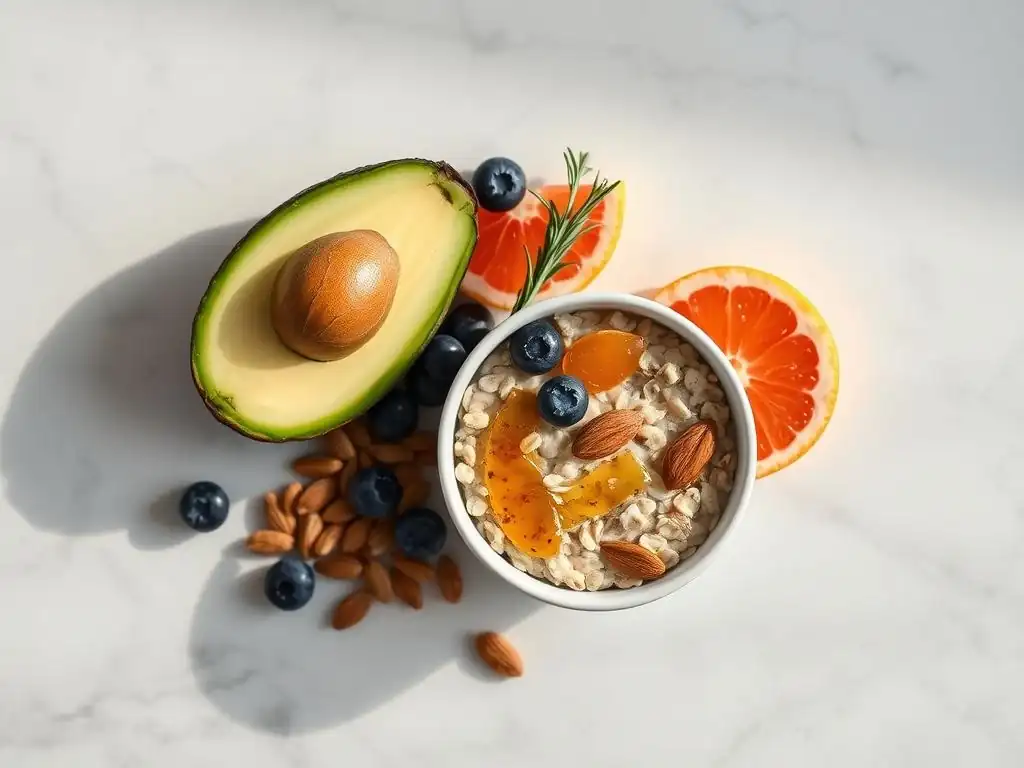
Building a plate designed to boost brain function and mood involves prioritizing specific foods known for their high concentration of beneficial nutrients. While variety is key, certain foods stand out due to their potent positive effects on the brain. Incorporating these regularly can significantly enhance your intake of critical brain food for mental health.
This section highlights some of the most effective foods to include in your diet, explaining their specific benefits and why they deserve a place on your BrainBoosting Plate.
Fatty Fish: Salmon, Mackerel, and Sardines for Omega-3 Boost
Fatty fish are perhaps the most celebrated brain food, primarily due to their exceptionally high levels of omega-3 fatty acids, specifically EPA and DHA. These essential fats are crucial for building and repairing brain cell membranes, supporting communication between neurons, and reducing inflammation throughout the body, including the brain. Regular consumption is strongly linked to improved cognitive function and a lower risk of age-related cognitive decline.
A 3-ounce serving of wild-caught salmon can contain over 1.5 grams of combined EPA and DHA, exceeding the commonly recommended daily intake for general health. Research suggests that consuming fatty fish 2-3 times per week can significantly boost omega-3 levels in the body and brain. For example, a study published in the journal Neurology found that older adults with higher blood levels of omega-3s had larger brain volumes, equivalent to preserving one to two years of typical structural brain aging. Incorporating these fish into your diet is a direct way to provide your brain with vital building blocks.
Berries: Antioxidant Powerhouses for Brain Protection
Berries, such as blueberries, strawberries, raspberries, and blackberries, are bursting with antioxidants, particularly anthocyanins, which are responsible for their vibrant colors. These powerful compounds help protect brain cells from damage caused by oxidative stress and inflammation, processes implicated in cognitive decline and neurodegenerative diseases.
Studies have shown that regular consumption of berries can improve memory and executive function. For instance, research from Harvard suggests that women who consumed two or more servings of strawberries and blueberries per week experienced slower rates of cognitive decline compared to those who consumed fewer. The flavonoids in berries are thought to improve blood flow to the brain, further enhancing cognitive performance. Including a handful of mixed berries in your daily routine is a delicious way to support brain health and leverage the antioxidant power of brain food for mental health.
Nuts and Seeds: Healthy Fats and Nutrients for Cognitive Support
Nuts and seeds are nutritional powerhouses, offering a rich blend of healthy fats, protein, vitamins, and minerals that benefit the brain. Walnuts, in particular, are notable for their high alpha-linolenic acid (ALA) content, a plant-based omega-3 fatty acid. Other nuts and seeds like almonds, cashews, chia seeds, and flaxseeds provide vitamin E, magnesium, zinc, and B vitamins, all crucial for brain health.
Research indicates that regular nut consumption is associated with better cognitive function and a lower risk of cognitive decline. A study involving over 15,000 women over 70 found that those who ate at least five servings of nuts per week performed better on cognitive tests than those who ate fewer. The combination of healthy fats, antioxidants, and other nutrients in nuts and seeds helps protect brain cells, reduce inflammation, and support neurotransmitter function. A small handful (about a quarter cup) makes an excellent brain-boosting snack.
Leafy Greens: Vitamins and Minerals for Enhanced Brain Function
Leafy green vegetables like spinach, kale, collard greens, and broccoli are packed with brain-friendly nutrients, including folate (vitamin B9), vitamin K, lutein, and beta-carotene. Folate is essential for neurotransmitter synthesis and plays a role in reducing homocysteine levels, high levels of which have been associated with cognitive impairment and depression. Vitamin K is fat-soluble and is involved in synthesizing sphingolipids, a class of fats that are densely packed into brain cell membranes.
Studies have shown a strong link between higher consumption of leafy greens and slower cognitive decline. Research from Rush University found that older adults who ate about one serving of leafy greens per day had a rate of cognitive decline equivalent to individuals 11 years younger compared to those who rarely ate them. Incorporating leafy greens into salads, smoothies, or cooked dishes is a simple yet effective strategy for boosting your intake of vital brain food for mental health.
Eggs: A Complete Protein Source for Brain Health
Eggs are an excellent source of high-quality protein and contain several key nutrients important for brain health, including choline, B vitamins (especially B6, B12, and folate), and selenium. Choline is particularly significant as it is a precursor to acetylcholine, a neurotransmitter involved in memory and learning. Adequate choline intake is crucial, especially during critical periods of brain development.
One large egg contains about 147mg of choline, providing a significant portion of the recommended daily intake (425mg for women, 550mg for men). Research suggests that higher choline intake is associated with better cognitive function. Eggs also provide lutein and zeaxanthin, carotenoids that accumulate in the retina and the brain, and are linked to improved cognitive function and protection against age-related cognitive decline. Enjoying eggs for breakfast provides sustained energy and essential nutrients to kickstart your cognitive day.
Dark Chocolate: Flavonoids for Enhanced Blood Flow and Cognitive Function
Good news for chocolate lovers: dark chocolate (with a high cocoa content, typically 70% or more) can be considered a brain-friendly treat. It's rich in flavonoids, a type of antioxidant that has been shown to improve blood flow to the brain. Better blood flow means more oxygen and nutrients reaching brain cells, which is crucial for optimal function.
Studies have linked dark chocolate consumption to improved mood, attention, and memory. For instance, research has shown that consuming dark chocolate can enhance performance on cognitive tasks and reduce feelings of stress. A study published in The FASEB Journal found that eating dark chocolate with at least 70% cocoa improved brain plasticity, which is essential for learning and memory. While moderation is key due to its calorie content, a small piece of high-quality dark chocolate can be a beneficial addition to your brain food mental health strategy.
Avocados: Monounsaturated Fats for Brain Health and Cognitive Enhancement
Avocados are renowned for their high content of monounsaturated fats, particularly oleic acid, the same healthy fat found in olive oil. These fats contribute to healthy blood flow, which is essential for delivering oxygen and nutrients to the brain. Avocados also provide vitamin K, folate, vitamin C, vitamin E, and potassium, all of which support brain health.
The healthy fats in avocados help with the absorption of fat-soluble vitamins and antioxidants. Research suggests that regular avocado consumption is associated with improved cognitive function, particularly in older adults. A study published in Nutrients found that older adults who ate avocados regularly showed improved performance on tests measuring memory and problem-solving compared to those who didn't. Adding slices of avocado to salads, sandwiches, or smoothies is an easy way to boost your intake of these beneficial fats and nutrients, making them a valuable brain food for mental health.
Building Your Brain-Boosting Plate: Meal Planning for Mental Health
Knowing which foods are beneficial is one step; incorporating them consistently into your daily meals is another. Strategic meal planning can help ensure you are regularly fueling your brain with the nutrients it needs for optimal function and stable mood. It's about creating a dietary pattern rather than just isolated instances of eating "healthy."
This section provides practical ideas for structuring your meals and snacks throughout the day to support sustained focus, energy, and emotional balance, leveraging the power of brain food for mental health in a practical way.
Breakfast Ideas for Enhanced Focus and Energy
Starting your day with a nutrient-dense breakfast is crucial for providing your brain with the energy and building blocks needed for morning focus and cognitive tasks. A brain-boosting breakfast should ideally include a source of complex carbohydrates for sustained energy, protein for satiety and neurotransmitter support, and healthy fats.
- Option 1: Oatmeal topped with berries, walnuts, and a sprinkle of chia seeds. This provides complex carbs, omega-3s, fiber, and antioxidants.
- Option 2: Scrambled eggs with spinach and a slice of whole-grain toast with avocado. Offers high-quality protein, choline, folate, healthy fats, and fiber.
- Option 3: Greek yogurt with mixed berries, a handful of almonds, and a drizzle of honey. Provides protein, probiotics (if using live culture yogurt), antioxidants, and healthy fats.
Including protein and healthy fats helps stabilize blood sugar, preventing the energy crashes that can impair concentration and mood later in the morning. Aim for a balance that keeps you feeling full and focused.
Lunch Options for Sustained Mental Clarity
Lunch needs to provide sustained energy and nutrients without causing a post-meal slump that can hinder afternoon productivity and mental clarity. Focusing on lean protein, complex carbohydrates, and plenty of vegetables is key.
- Option 1: A large salad with mixed greens, grilled salmon or chicken breast, various colorful vegetables (bell peppers, carrots, tomatoes), and a dressing made with olive oil and lemon juice. Excellent source of omega-3s (if using salmon), lean protein, vitamins, minerals, and healthy fats.
- Option 2: Lentil soup with a side of whole-grain bread and a small avocado salad. Provides plant-based protein, fiber, iron, folate, and healthy fats.
- Option 3: Leftover lean protein (like turkey or tofu) with quinoa or brown rice and a generous portion of steamed broccoli or kale. Offers complex carbs, protein, and a wealth of vitamins and minerals.
Avoiding heavy, processed meals high in refined carbohydrates and unhealthy fats will help prevent the "afternoon brain fog" and keep your focus sharp throughout the rest of the workday.
Dinner Recipes to Promote Relaxation and Better Sleep
The evening meal can be tailored to support relaxation and prepare your body and brain for restful sleep, which is vital for cognitive function and mental health. Including nutrients that support neurotransmitters involved in relaxation and sleep can be beneficial.
- Option 1: Baked cod or halibut with roasted sweet potatoes and asparagus. Provides lean protein, omega-3s, complex carbs, and B vitamins. Sweet potatoes contain magnesium and vitamin B6, which can aid relaxation.
- Option 2: Chicken or lentil curry with plenty of vegetables and brown rice. Turmeric (often in curry powder) contains curcumin, which has anti-inflammatory properties and may support mood. Provides protein, complex carbs, and various vitamins/minerals from vegetables.
- Option 3: A large mixed bean chili with a dollop of Greek yogurt. Offers plant-based protein, fiber, iron, and magnesium.
Consider incorporating foods containing tryptophan (an amino acid precursor to serotonin and melatonin, which regulate sleep) like turkey, chicken, nuts, and seeds, alongside a complex carbohydrate source to facilitate its uptake into the brain.
Snack Strategies for Maintaining Stable Mood and Cognitive Performance
Snacks can be valuable tools for maintaining stable blood sugar levels, preventing energy dips, and providing a continuous supply of brain-boosting nutrients between meals. The key is to choose snacks that combine protein, healthy fats, or fiber to promote satiety and sustained energy.
- Option 1: A small handful of mixed nuts and seeds (almonds, walnuts, pumpkin seeds). Provides healthy fats, protein, fiber, magnesium, and zinc.
- Option 2: Apple slices with almond butter. Offers fiber, vitamins, healthy fats, and protein.
- Option 3: A small container of plain Greek yogurt with a few berries. Provides protein, potential probiotics, and antioxidants.
- Option 4: Carrot sticks or cucumber slices with hummus. Offers fiber, vitamins, and plant-based protein.
These types of snacks help prevent the blood sugar spikes and crashes that can lead to irritability, difficulty concentrating, and fatigue, supporting consistent brain food mental health benefits throughout the day.
Foods to Limit or Avoid for Optimal Mental Well-being

Just as certain foods nourish and support the brain, others can have detrimental effects on cognitive function, mood, and overall mental health. Reducing or eliminating these items is as crucial as increasing beneficial brain food for mental health.
Understanding which foods to limit and why can help you make informed choices to protect your brain from inflammation, oxidative stress, and energy imbalances that can negatively impact how you think and feel.
Processed Foods and Their Impact on Brain Function
Processed foods, particularly ultra-processed items high in refined sugars, unhealthy fats (like trans fats and excessive saturated fats), and artificial additives, are often low in essential nutrients and fiber. These foods can contribute to systemic inflammation, which is increasingly linked to mental health conditions like depression and anxiety.
Consuming a diet high in processed foods can also lead to rapid blood sugar fluctuations, causing energy crashes, irritability, and difficulty concentrating. Studies have shown a correlation between high intake of ultra-processed foods and an increased risk of developing depression. For example, research involving nearly 10,000 participants in Spain found that individuals consuming more than four servings per day of ultra-processed foods had a 48% increased risk of depression compared to those consuming fewer than two servings. Limiting items like sugary cereals, packaged snacks, fast food, and processed meats is a key step in protecting your brain.
Sugary Drinks and Their Effect on Mood and Energy Levels
Sugary drinks, including sodas, fruit juices with added sugar, and sweetened teas, provide a concentrated dose of sugar without fiber or other nutrients to slow absorption. This leads to rapid spikes and subsequent crashes in blood sugar levels, which can negatively impact mood and energy. These fluctuations can contribute to feelings of irritability, anxiety, and fatigue.
High intake of sugary drinks is also associated with inflammation and oxidative stress, both of which can harm brain cells and impair cognitive function over time. Furthermore, studies have linked regular consumption of sugary drinks to an increased risk of depression. For instance, research found that people who drank more than four cans of soda or sweetened beverages per day had a significantly higher risk of depression compared to those who avoided them. Opting for water, unsweetened tea, or naturally flavored water is a much healthier choice for your brain and mood.
Excessive Caffeine Consumption and Its Consequences on Mental Health
While moderate caffeine intake can temporarily boost alertness and focus for some individuals, excessive consumption can have negative consequences on mental health, particularly for those prone to anxiety or sleep disturbances. Caffeine is a stimulant that blocks adenosine, a neurotransmitter that promotes relaxation and sleepiness.
Too much caffeine can lead to increased anxiety, nervousness, jitters, and even panic attacks in sensitive individuals. It can also disrupt sleep patterns, and poor sleep is strongly linked to impaired cognitive function and mood disturbances. The definition of "excessive" varies, but consuming more than 400mg per day (equivalent to about four cups of coffee) is often considered high. Monitoring your own response to caffeine and adjusting intake accordingly is important for maintaining stable mood and sleep, essential components of overall brain food mental health.
The Gut-Brain Connection: Nourishing Your Microbiome for Mental Wellness
The trillions of microorganisms living in our gut, collectively known as the gut microbiome, play a far more significant role in our overall health, including mental well-being, than previously understood. This complex community communicates constantly with the brain through the gut-brain axis, influencing everything from mood and stress response to cognitive function.
Nourishing a diverse and healthy gut microbiome is a powerful strategy for supporting mental health. This involves consuming foods that promote the growth of beneficial bacteria and provide the compounds they need to thrive and produce beneficial metabolites.
Probiotics and Prebiotics: Supporting a Healthy Gut for Improved Mood
Probiotics are live beneficial bacteria that, when consumed in adequate amounts, can confer health benefits, including supporting a healthy gut microbiome. They can help restore balance after disturbances (like antibiotic use) and contribute to the production of neurotransmitters and short-chain fatty acids (SCFAs) that positively impact brain function and mood.
Prebiotics are types of dietary fiber that act as food for these beneficial gut bacteria. They are non-digestible by humans but are fermented by gut microbes, producing SCFAs like butyrate, which is a primary energy source for colon cells and has anti-inflammatory properties that can benefit the brain. Studies suggest that interventions with probiotics and prebiotics can influence mood and reduce symptoms of anxiety and depression.
For example, a meta-analysis found that probiotic supplementation had a small but significant effect in reducing symptoms of depression. Incorporating foods rich in both (like yogurt with live cultures, kefir, sauerkraut for probiotics; and garlic, onions, leeks, asparagus, bananas, oats for prebiotics) is a key strategy for supporting the gut-brain axis.
Fermented Foods: Enhancing Gut Health and Brain Function
Fermented foods are made through a process where microorganisms, like bacteria and yeasts, convert carbohydrates into other substances, often producing beneficial bacteria and compounds. Examples include yogurt, kefir, sauerkraut, kimchi, kombucha, and tempeh. These foods are natural sources of probiotics and can contribute to a more diverse and resilient gut microbiome.
Regular consumption of fermented foods has been associated with various health benefits, including improved digestion and potentially enhanced mental well-being. The beneficial bacteria in fermented foods can help strengthen the gut barrier, reduce inflammation, and influence the production of neurotransmitters and other signaling molecules that travel to the brain. While research is ongoing, including a variety of fermented foods in your diet is a promising way to support your gut health and, by extension, your mental health, reinforcing the concept of using brain food for mental health through the gut pathway.
Lifestyle Factors to Complement Your Brain-Boosting Diet
While nutrition is a cornerstone of mental well-being, it's most effective when integrated into a holistic approach that includes other healthy lifestyle factors. Diet, exercise, stress management, and sleep are interconnected pillars supporting optimal brain function and emotional resilience.
Addressing these areas in parallel with your dietary choices creates a powerful synergy that amplifies the benefits of a brain-boosting diet, contributing to a more robust and sustainable approach to mental health.
The Importance of Exercise for Cognitive Health and Mood
Regular physical activity is not just good for your body; it's incredibly beneficial for your brain. Exercise increases blood flow to the brain, delivering more oxygen and nutrients. It also stimulates the release of endorphins, natural mood elevators, and promotes the production of neurotrophic factors, like Brain-Derived Neurotrophic Factor (BDNF), which supports the growth and survival of brain cells.
Studies consistently show that exercise can reduce symptoms of depression and anxiety, improve cognitive function, including memory and attention, and protect against age-related cognitive decline. For instance, engaging in moderate-intensity aerobic exercise for just 30 minutes most days of the week can significantly impact mood and energy levels. Combining a brain food mental health diet with regular physical activity creates a powerful foundation for mental well-being.
Stress Management Techniques for Optimal Brain Function
Chronic stress can have detrimental effects on the brain, impacting structure, function, and increasing the risk of mental health issues. High levels of stress hormones like cortisol can impair memory, reduce brain volume in certain areas, and contribute to anxiety and depression.
Implementing effective stress management techniques is vital for protecting your brain. Practices such as mindfulness meditation, deep breathing exercises, yoga, spending time in nature, or engaging in hobbies can help regulate the body's stress response, lower cortisol levels, and promote feelings of calm. Just 10-15 minutes of mindfulness practice daily has been shown to reduce stress levels and improve emotional regulation. Managing stress alongside a nutrient-rich diet provides a comprehensive strategy for supporting brain health.
Prioritizing Sleep for Mental Well-being and Brain Recovery
Sleep is a critical period for brain recovery, consolidation of memories, and clearing metabolic waste products that build up during the day. Chronic sleep deprivation impairs cognitive function, reduces attention span, negatively impacts mood, and increases the risk of anxiety and depression.
Aiming for 7-9 hours of quality sleep per night is essential for optimal brain health. Establishing a consistent sleep schedule, creating a relaxing bedtime routine, ensuring your bedroom is dark, quiet, and cool, and avoiding caffeine and alcohol close to bedtime can significantly improve sleep quality. Prioritizing sleep allows your brain to perform vital restorative processes, complementing the benefits of brain food for mental health and supporting overall cognitive vitality.
Conclusion: Embracing Nutritional Strategies for a Healthier Mind
The journey to enhanced focus, better mood, and overall mental well-being is multifaceted, and the food we eat stands out as a powerful and accessible lever for positive change. By understanding the intricate connections between diet and the brain, we can make informed choices that nourish our minds from the inside out. The concept of brain food for mental health is not just theoretical; it's a practical guide to empowering ourselves through everyday eating habits.
Embracing a diet rich in the nutrients the brain craves – healthy fats, complex carbohydrates, lean proteins, essential vitamins, minerals, and antioxidants – provides the foundational support necessary for optimal cognitive function, stable mood, and increased resilience against stress and mental health challenges.
The Power of Food in Supporting Mental Health and Cognitive Function
Food is more than just fuel for the body; it is information for our cells, including those in our brain. The nutrients we consume directly influence the structure, function, and communication pathways of neurons. A diet centered around whole, unprocessed foods provides the brain with the necessary building blocks for neurotransmitter synthesis, energy production, cell maintenance, and protection against damage.
Conversely, a diet high in inflammatory compounds and low in essential nutrients can disrupt these vital processes, contributing to fatigue, poor concentration, mood swings, and increasing vulnerability to mental health conditions. Recognizing the profound power of food empowers us to view every meal as an opportunity to invest in our mental well-being, actively choosing brain food for mental health benefits.
Long-Term Benefits of a Brain-Boosting Diet for Overall Well-being
Adopting a brain-boosting dietary pattern offers far-reaching benefits that extend beyond immediate improvements in focus and mood. Consistently providing your brain with optimal nutrition supports long-term cognitive vitality, reduces the risk of age-related cognitive decline and neurodegenerative diseases, and contributes to overall resilience.
Furthermore, the same dietary principles that benefit the brain also support cardiovascular health, manage inflammation, stabilize blood sugar levels, and promote a healthy gut microbiome – all of which are interconnected with mental health. This holistic approach means that prioritizing brain food for mental health simultaneously enhances multiple aspects of your physical and emotional well-being, setting the stage for a healthier, more fulfilling life.
Take Action: Start Incorporating Brain-Boosting Foods into Your Daily Diet
Making changes to your diet doesn't require a complete overhaul overnight. Start small and gradually incorporate more brain-boosting foods into your daily routine.
- [ ] Choose one new brain food (like adding berries to your breakfast or swapping refined grains for quinoa at dinner) to include this week.
- [ ] Aim to include a source of omega-3s (like fatty fish or walnuts) at least twice a week.
- [ ] Increase your intake of colorful fruits and vegetables to boost antioxidant consumption.
- [ ] Swap sugary drinks for water or unsweetened tea.
- [ ] Plan your meals a few days in advance to ensure you have brain-friendly options readily available.
Remember, consistency is key. By making conscious choices to nourish your brain with the right foods, you are taking a powerful step towards enhancing your mental clarity, stabilizing your mood, and building a stronger, more resilient mind. Embrace the journey of fueling your mind with the best brain food for mental health.
Frequently Asked Questions
What is brain food and how does it relate to mental health?
Brain food refers to foods that provide the nutrients necessary for optimal brain function. These nutrients can improve focus, mood, and overall cognitive performance, directly impacting mental well-being.
Can diet really impact my mental health?
Yes, absolutely! Research shows a strong connection between diet and mental health. A diet rich in essential nutrients can positively influence neurotransmitter production and brain health, leading to improved mood and reduced risk of mental health issues.
What are some specific examples of brain foods I should include in my diet?
Focus on foods rich in omega-3 fatty acids like salmon, antioxidants found in berries, and complex carbohydrates from whole grains. Also, incorporate leafy greens and lean proteins for optimal brain function.
How much of these brain foods should I be eating to see a noticeable difference in my mental health?
There's no magic number, but aim for a balanced diet that incorporates a variety of brain foods daily. Start by making small changes and gradually increasing your intake of nutrient-rich foods to support cognitive health and mood regulation.
Where can I find more resources and support for improving my mental health through diet?
Websites like Mind Care Guide offer information, support, and resources on various mental health challenges. Consult with a registered dietitian or mental health professional for personalized advice and guidance.
Final Reflection: Nourishing the Mind, Transforming the Self
The pursuit of sharper focus and a better mood is not a fleeting trend; it's a fundamental human desire, deeply intertwined with our overall well-being. Understanding the profound connection between nutrition and mental health is no longer a niche concept, but a crucial element in navigating the complexities of modern life. The foods we consume directly impact our cognitive function, emotional stability, and resilience to stress – a powerful truth with far-reaching implications.
This exploration into the "BrainBoosting Plate" has underscored for me the often-overlooked power of dietary choices. We are constantly bombarded with information about quick fixes and miracle cures, but the simple act of nourishing our bodies with the right nutrients offers a sustainable and profoundly impactful path to improved mental health. You are what you eat,
is more than just a cliché; it's a fundamental truth that shapes our physical and mental landscapes. The ongoing conversation surrounding mental wellness must include a frank and open discussion about the integral role of nutrition.
Now, consider your own plate. What choices are you making today to fuel your mind and support your emotional well-being? This isn't about perfection; it's about conscious intention. Start small – incorporate one new brain-boosting food into your diet this week. Experiment with different recipes, discover new flavors, and most importantly, listen to your body. By making mindful choices about what we eat, we are not only improving our cognitive function and mood, but we are investing in a healthier, happier, and more vibrant future for ourselves.
Unlock Your Brain's Potential: Fuel Your Focus & Mood Today!
Thanks for taking the time to explore the power of food for brain health! You've learned how simple dietary changes can significantly impact your focus and mood. Now it's time to put this knowledge into action.
- Start your BrainBoosting meal plan today! Think about incorporating even one of the suggested brain-boosting foods into your next meal. Small changes can make a big difference.
- Share this article with a friend or family member who could benefit from these insights – let's spread the word about healthy brain habits!
- Leave a comment below: What's one brain-boosting food you're excited to try, and what changes are you hoping to see?
Ready to feel the difference a brain-boosting diet can make?