
Mind Care Guide Explores: The Intriguing Link Between Keto and Brain Health


Welcome to Mind Care Guide, where we understand the intricate connection between your mind and body. Feeling a little lost in the vast landscape of mental well-being? You're not alone. We're here to guide you.
Today, we're diving into a fascinating area: the potential of the keto diet to impact your brain health. Could this nutritional approach be a key to unlocking improved mental clarity and overall well-being? Join us as we explore the intriguing link between the keto diet and brain function, and discover what the latest research reveals. Prepare to be surprised, and perhaps even inspired, to rethink your approach to mental self-care.
Mind Care Guide Explores: The Intriguing Link Between Keto and Brain Health
- Introduction: Unveiling the Connection Between the Ketogenic Diet and Cognitive Function
- Understanding the Ketogenic Diet and Its Metabolic Effects
- Keto Diet Brain Health Benefits: Exploring the Science
- Potential Risks and Side Effects of Keto for Brain Health
- Optimizing Keto for Brain Health: A Practical Guide
- Keto Diet Brain Health: Real-World Examples and Case Studies
- Debunking Myths About Keto and Brain Function
- Keto Diet for Mental Health: Considerations and Precautions
- Conclusion: Is Keto Right for Your Brain Health?
-
Frequently Asked Questions
- ### How does the Keto diet potentially impact brain function?
- ### What are the potential benefits of the Keto diet for individuals with neurological disorders?
- ### Are there any risks or side effects associated with following a Keto diet for brain health?
- ### Can the Keto diet improve mood or reduce symptoms of mental health conditions like anxiety or depression?
- ### Where can I find more information and support about the Keto diet and brain health?
- Final Reflection: Unlocking the Ketogenic Brain
- Unlock Your Brain's Keto Potential!
Introduction: Unveiling the Connection Between the Ketogenic Diet and Cognitive Function
Mind Care Guide's Perspective on Holistic Brain Health
At Mind Care Guide, we believe in a comprehensive approach to mental wellness, recognizing that the health of the mind is deeply interconnected with the health of the body. This holistic perspective encourages exploring various factors that influence cognitive function, mood, and overall neurological well-being. Diet is a cornerstone of this connection, acting as the fundamental fuel source and building block for the brain. Understanding how different dietary patterns impact brain health is crucial for anyone seeking to optimize their mental state and resilience.
Our focus extends beyond traditional therapeutic approaches to encompass lifestyle interventions, including nutrition. The emerging research on the ketogenic diet and its potential effects on the brain aligns perfectly with this holistic view. While not a universal solution, investigating dietary strategies like keto for their impact on cognitive performance, neurological conditions, and general mental clarity offers valuable insights into the complex relationship between food and mind.
Why Keto is Gaining Attention in Mental Wellness Circles
The ketogenic diet, traditionally known for its role in managing epilepsy, has recently garnered significant interest within the broader mental wellness community. This surge in attention stems from anecdotal reports and preliminary studies suggesting potential benefits beyond seizure control, particularly concerning cognitive function and mood stability. Unlike typical diets that rely primarily on glucose for energy, keto shifts the body into a state of ketosis, where it predominantly burns fat, producing ketones as an alternative fuel source.
This metabolic shift is hypothesized to influence brain function in several ways, including providing a more stable energy supply, reducing neuroinflammation, and potentially altering neurotransmitter levels. As individuals increasingly seek non-pharmacological strategies to support their mental well-being and enhance cognitive performance, the potential of the keto diet for brain health has become a compelling area of exploration, prompting further scientific investigation and personal experimentation.
Understanding the Ketogenic Diet and Its Metabolic Effects
What is Ketosis? A Simple Explanation for Brain Health Enthusiasts
Ketosis is a natural metabolic state where the body, instead of relying on carbohydrates for energy, primarily burns fat. This occurs when carbohydrate intake is significantly reduced, typically below 50 grams per day, and fat intake is increased to make up the majority of calories. When glucose from carbohydrates is limited, the liver begins breaking down fats into molecules called ketones. These ketones, primarily beta-hydroxybutyrate (BHB), acetoacetate, and acetone, are then released into the bloodstream and can be used by various tissues, including the brain, for fuel.
Think of it as the body switching from its primary engine (burning glucose) to a backup or alternative engine (burning fat and ketones). For those interested in keto diet brain health, understanding ketosis is fundamental because it's this specific metabolic state that is believed to drive many of the potential neurological benefits associated with the diet. Achieving and maintaining nutritional ketosis is the goal for leveraging these metabolic effects.
How the Keto Diet Works: Fueling the Brain with Ketones
The ketogenic diet works by drastically altering the body's primary energy source. By severely restricting carbohydrates and consuming high amounts of fat, the body is prompted to deplete its glycogen stores (stored glucose). Once these stores are low, usually within a few days, the liver ramps up the production of ketones from fatty acids. These ketones then become the main circulating fuel. While the brain can use glucose, it is also remarkably efficient at utilizing ketones for energy, especially BHB.
This shift means the brain receives a steady supply of ketones, potentially offering a more stable energy source compared to the fluctuations in blood glucose levels that can occur with high-carbohydrate diets. The high fat intake provides the necessary substrate for ketone production, while moderate protein intake supports muscle maintenance without significantly interfering with ketosis. This metabolic flexibility, where the brain can effectively use both glucose (if available in small amounts) and ketones, is central to the proposed mechanisms behind the keto diet's impact on brain health.
The Role of Ketones as an Alternative Energy Source for the Brain
Ketones, particularly beta-hydroxybutyrate (BHB), play a significant role as an alternative and potentially superior energy source for the brain compared to glucose under certain conditions. While glucose is the brain's preferred fuel in a standard diet, it faces challenges in conditions where glucose metabolism is impaired or inefficient. Ketones, being small, water-soluble molecules, can easily cross the blood-brain barrier and be readily used by neurons for energy production through the Krebs cycle, similar to glucose.
Beyond simply providing energy, ketones also have signaling properties. BHB, for instance, has been shown to act as a signaling molecule that can influence gene expression, potentially increasing the production of brain-derived neurotrophic factor (BDNF), a protein crucial for neuronal growth, survival, and synaptic plasticity. This dual role – providing energy and acting as signaling molecules – makes ketones particularly interesting in the context of supporting brain health and potentially mitigating neurodegenerative processes.
Keto Diet Brain Health Benefits: Exploring the Science
Improved Cognitive Performance and Focus on Keto
Many individuals following a ketogenic diet report enhanced mental clarity, improved focus, and sustained energy levels throughout the day, which they attribute to their keto diet brain health benefits. While large-scale, long-term studies specifically on healthy populations are still developing, the proposed mechanisms suggest reasons for these subjective improvements. The steady supply of ketones provides a consistent energy source to the brain, potentially reducing the "crashes" or "brain fog" associated with fluctuating blood sugar levels often experienced on high-carbohydrate diets.
Furthermore, the reduction in glucose spikes and subsequent insulin responses may contribute to a more stable neurological environment. Some preliminary research, such as studies looking at cognitive function in older adults or those with mild cognitive impairment, has shown promising trends towards improved memory scores or executive function tests after adopting a ketogenic approach for several weeks or months. For example, a small study might observe participants showing modest improvements in tasks requiring sustained attention after 12 weeks on a well-formulated keto diet.
Keto for Neuroprotection: Potential Benefits for Brain Health
The concept of keto for neuroprotection revolves around the diet's potential to shield brain cells from damage and degeneration. Several mechanisms are hypothesized to contribute to this protective effect. Firstly, ketones, especially BHB, have been shown to reduce oxidative stress by increasing the production of antioxidant enzymes and reducing the generation of reactive oxygen species. Oxidative stress is a major contributor to neuronal damage in aging and neurodegenerative diseases.
Secondly, the ketogenic diet is known to reduce inflammation throughout the body, including neuroinflammation within the brain. Chronic low-grade inflammation is increasingly recognized as a key player in the development and progression of neurological disorders. By lowering inflammatory markers like C-reactive protein, the keto diet may create a more favorable environment for neuronal survival and function, thereby supporting long-term brain health.
Exploring the Impact of Ketones on Neurodegenerative Diseases
The potential impact of the keto diet on neurodegenerative diseases is a significant area of research, driven by the diet's historical use in epilepsy and the observed metabolic dysfunction in conditions like Alzheimer's and Parkinson's. While the keto diet is not a cure, studies are exploring its role as a potential therapeutic or supportive intervention. The rationale is that if the brain's ability to use glucose is compromised, providing an alternative, efficient fuel source like ketones could help maintain neuronal function and potentially slow disease progression.
For example, in conditions where glucose uptake in certain brain regions is impaired, such as in Alzheimer's disease, ketones might bypass this metabolic deficit, providing necessary energy. Research often involves animal models and small human trials, examining effects on cognitive decline, motor symptoms, and biomarkers of disease progression. The findings are complex and require much more investigation, but they highlight the potential of leveraging metabolic strategies for neurological health.
Keto and Alzheimer's Disease: Current Research and Future Directions
Research into the ketogenic diet and Alzheimer's disease (AD) is particularly active, focusing on the observation that the AD brain often exhibits reduced glucose metabolism, sometimes referred to as "brain insulin resistance." The hypothesis is that ketones can provide an alternative fuel source to compensate for this deficit, potentially improving cognitive function and slowing decline. Studies have investigated the effects of ketone supplementation (using MCT oil or ketone esters/salts) or dietary ketosis in individuals with mild cognitive impairment (MCI) or early AD.
Some small trials have shown promising results, with participants on a ketogenic diet or receiving ketone supplementation demonstrating improvements in certain cognitive tests, particularly memory and executive function, compared to control groups over periods ranging from a few weeks to several months. For instance, a study might show modest improvements in ADAS-Cog scores in a small cohort. Future directions include larger, longer-term randomized controlled trials to definitively assess the impact on disease progression, quality of life, and specific biomarkers, as well as understanding which individuals might benefit most.
Keto and Parkinson's Disease: Examining the Evidence
For Parkinson's disease (PD), research into the keto diet focuses on both motor and non-motor symptoms, including tremors, rigidity, and cognitive decline. PD is characterized by the degeneration of dopamine-producing neurons, and metabolic dysfunction may play a role. The potential benefits of keto for PD are thought to stem from its anti-inflammatory and neuroprotective effects, as well as providing an alternative energy source for neurons.
Limited studies and case reports have suggested that a ketogenic diet might help alleviate some PD symptoms. For example, some individuals have reported improvements in motor symptoms like tremors or gait, and non-motor symptoms such as fatigue, sleep disturbances, and cognitive function after adhering to the diet for several months. A small pilot study might observe a percentage of participants reporting subjective improvement in motor symptoms or a slight decrease in UPDRS scores. However, robust clinical trials are needed to confirm these observations and understand the underlying mechanisms specific to PD pathology.
Keto and Mental Clarity: Reducing Brain Fog
One of the most frequently reported non-epilepsy benefits of the ketogenic diet is a significant reduction in "brain fog" and an increase in mental clarity. Brain fog, characterized by feelings of confusion, forgetfulness, and lack of focus, can be debilitating. While the exact causes of brain fog vary, potential contributors include blood sugar fluctuations, inflammation, and insufficient energy supply to the brain. The keto diet addresses these areas directly.
By maintaining stable blood ketone levels, the brain receives a consistent energy source, avoiding the peaks and troughs associated with glucose metabolism. Furthermore, the anti-inflammatory effects of ketones and reduced systemic inflammation may help clear up some of the underlying physiological processes contributing to brain fog. Many individuals implementing a keto diet for brain health describe feeling more alert, focused, and mentally sharp after the initial adaptation period, often noting improvements within a few weeks to a couple of months.
Potential Risks and Side Effects of Keto for Brain Health
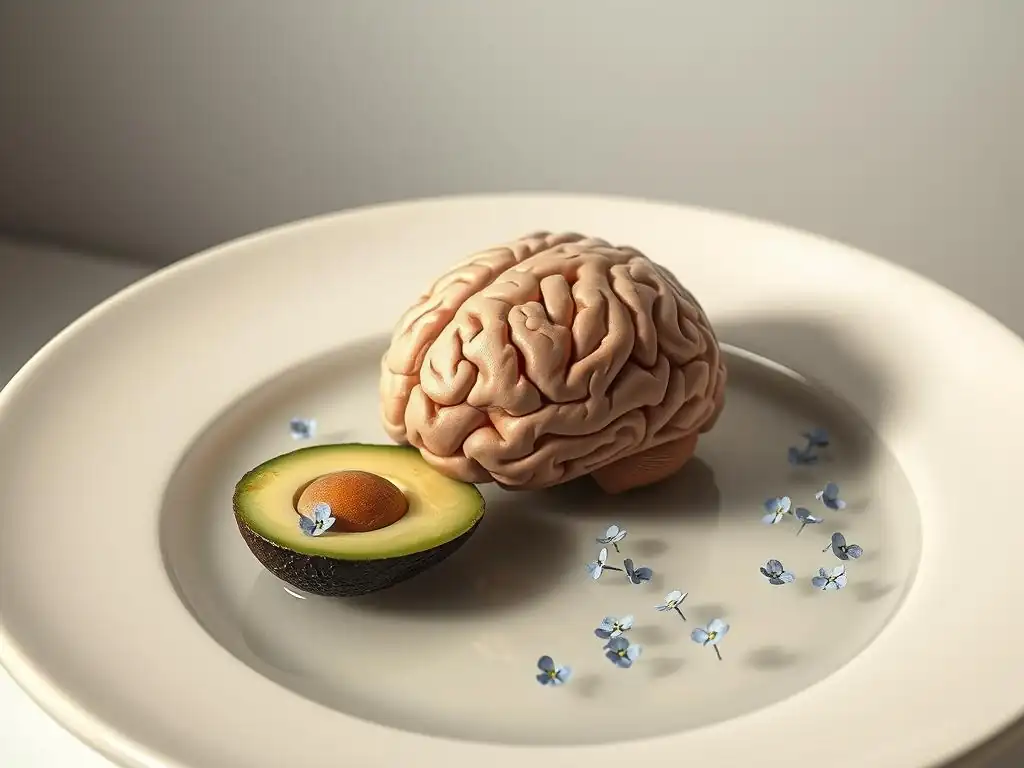
"Keto Flu" and Its Impact on Cognitive Function
The transition into ketosis can often lead to a cluster of temporary symptoms known as the "keto flu." These symptoms, which typically last a few days to a couple of weeks, can include fatigue, headache, irritability, nausea, and significantly, a temporary decline in cognitive function, including difficulty concentrating and brain fog. This occurs as the brain adapts from primarily using glucose to primarily using ketones for fuel. Neurons need time to upregulate the necessary metabolic machinery to efficiently utilize ketones.
During this adaptation phase, the brain may experience a temporary energy deficit or metabolic stress, leading to impaired cognitive performance. While often mild and short-lived, the keto flu can be disruptive. Ensuring adequate hydration, electrolyte intake (sodium, potassium, magnesium), and sufficient fat consumption can help mitigate these symptoms and potentially shorten the duration of cognitive impairment during the transition phase.
Nutrient Deficiencies on Keto and Their Effect on the Brain
A poorly planned ketogenic diet can potentially lead to nutrient deficiencies if not carefully managed, and these deficiencies can impact brain health. Restricting entire food groups, such as fruits, starchy vegetables, and grains, means eliminating common sources of certain vitamins, minerals, and fiber. For example, inadequate intake of magnesium can affect neurotransmitter function and contribute to headaches or fatigue, while B vitamin deficiencies can impact energy metabolism crucial for brain cells.
Ensuring a diverse intake of nutrient-dense, keto-friendly foods is essential. This includes consuming a wide variety of non-starchy vegetables, healthy fats from sources like avocados, nuts, seeds, and fatty fish (rich in omega-3s), and moderate protein. Supplementation with specific vitamins and minerals, such as magnesium, potassium, and omega-3 fatty acids, might be necessary for some individuals to prevent deficiencies that could negatively impact cognitive function and overall keto diet brain health.
Long-Term Effects of the Ketogenic Diet on Brain Health: What We Know So Far
While research on the long-term effects of the ketogenic diet on brain health is promising in certain areas like epilepsy, our understanding of its effects on the broader healthy population over many years is still evolving. Most studies on cognitive benefits or neuroprotection are relatively short-term, often lasting from a few months up to a year or two. We have substantial data from individuals with epilepsy who have followed the diet for years, showing sustained seizure control and sometimes cognitive improvements, but this population is different from healthy individuals or those with other neurological conditions.
Potential long-term considerations for general brain health include the sustained impact of high fat intake on cardiovascular health (although this is debated and depends heavily on the types of fats consumed) and the potential for nutrient deficiencies if not carefully monitored. While short-to-medium term studies offer encouraging insights into keto diet brain health, extensive, multi-decade research is needed to fully understand the cumulative effects, both positive and negative, on diverse populations across the lifespan.
Optimizing Keto for Brain Health: A Practical Guide
Choosing the Right Keto Foods for Optimal Brain Function
Selecting the right foods is paramount when following a ketogenic diet with the specific goal of enhancing brain function. It's not just about hitting macronutrient ratios; it's about nutrient density and quality. Prioritizing whole, unprocessed foods provides the vitamins, minerals, antioxidants, and healthy fats that are crucial for neuronal health. Simply eating large amounts of processed meats and dairy may technically keep you in ketosis but won't provide the same brain-boosting benefits as focusing on nutrient-rich options.
A brain-focused keto diet includes plenty of healthy fats, moderate protein, and a low intake of net carbohydrates sourced primarily from non-starchy vegetables. Think colorful vegetables like spinach, broccoli, bell peppers, and avocados, which provide fiber and micronutrients. Include fatty fish like salmon and sardines for omega-3s, eggs, and quality sources of meat and poultry. Nuts and seeds (in moderation due to carbs) offer healthy fats, vitamins, and minerals.
Prioritizing Healthy Fats: The Cornerstone of Keto Brain Food
Healthy fats are the primary fuel source and a vital component of cell membranes, including those in the brain. On a ketogenic diet aimed at brain health, the type of fat consumed matters significantly. Focus on monounsaturated fats found in avocados, olive oil, and nuts, and saturated fats from sources like coconut oil and grass-fed butter (though opinions vary on saturated fat intake, coconut oil's MCTs are readily converted to ketones).
Crucially, increase your intake of omega-3 fatty acids, particularly EPA and DHA, found abundantly in fatty fish. These fats are essential for brain structure and function, playing roles in reducing inflammation and supporting synaptic health. Aim to incorporate sources like salmon, mackerel, sardines, and anchovies regularly. Other healthy fat sources include nuts (like walnuts and almonds), seeds (chia, flax, hemp), and avocado oil. Avoiding processed trans fats and limiting excessive amounts of inflammatory omega-6 fats (common in many vegetable oils) is also important for optimizing keto diet brain health.
Incorporating Brain-Boosting Nutrients into Your Keto Diet
Beyond macronutrient ratios, a brain-healthy keto diet should actively incorporate micronutrients known to support cognitive function. Choline, found in egg yolks and liver, is a precursor to acetylcholine, a neurotransmitter important for memory and learning. B vitamins, plentiful in meat, fish, and leafy greens, are essential for energy metabolism in brain cells. Antioxidants like Vitamin E (from nuts and seeds) and Vitamin C (from non-starchy vegetables) help protect the brain from oxidative damage.
Minerals such as magnesium and potassium, which can be depleted on keto, are vital for nerve signaling and overall cellular function. Ensuring adequate intake through foods like leafy greens, avocados, nuts, and seeds, and potentially supplementing, is crucial. Incorporating foods rich in these nutrients supports overall brain health and can enhance the potential cognitive benefits of the ketogenic diet.
Hydration and Electrolyte Balance: Crucial for Cognitive Function on Keto
Maintaining proper hydration and electrolyte balance is absolutely critical for both managing keto flu symptoms and supporting optimal cognitive function on a ketogenic diet. When carbohydrate intake is significantly reduced, the body excretes more water and electrolytes, particularly sodium, potassium, and magnesium. Dehydration and electrolyte imbalances can directly impact brain function, leading to fatigue, headaches, confusion, and impaired concentration – symptoms often mistaken for persistent keto flu or simply attributed to the diet itself.
Ensuring adequate fluid intake throughout the day is fundamental. Supplementing with electrolytes is often necessary, especially in the initial weeks. This can involve adding salt to food, drinking bone broth, consuming electrolyte-rich foods like avocados and leafy greens, and potentially using electrolyte supplements. Staying well-hydrated and keeping electrolytes in balance helps support nerve signaling, muscle function, and overall cellular processes, which are all vital for maintaining sharp cognitive function while following a keto diet for brain health.
Monitoring Ketone Levels for Optimal Brain Health
While not strictly necessary for everyone, monitoring ketone levels can be a useful tool for individuals specifically using the keto diet for brain health purposes. It confirms that you are in a state of nutritional ketosis, which is the metabolic state believed to confer many of the neurological benefits. Monitoring can help identify if your diet is aligned with your goals and troubleshoot if you're experiencing unexpected symptoms or not seeing desired effects.
Ketone levels can be measured using urine strips (useful for initial stages, but less accurate long-term), breath meters, or blood meters. Blood ketone meters, which measure beta-hydroxybutyrate (BHB), are generally considered the most accurate method for tracking nutritional ketosis, with optimal ranges often cited between 0.5 mmol/L and 3.0 mmol/L for therapeutic benefits. Consistent monitoring can provide valuable feedback, helping you adjust your macronutrient intake to stay within the desired range for supporting your keto diet brain health goals.
Keto Diet Brain Health: Real-World Examples and Case Studies
While individual results vary, anecdotal reports and some clinical observations provide compelling, albeit non-definitive, examples of the potential impact of the keto diet on brain health. Consider the case of individuals with difficult-to-treat epilepsy who, in addition to reduced seizures, sometimes report unexpected improvements in alertness and focus after starting the diet. This observation was a significant driver for exploring keto in other neurological conditions.
In the context of cognitive decline, some individuals with early-stage Alzheimer's disease or mild cognitive impairment, participating in small studies or under clinical supervision, have reported subjective improvements in memory or ability to perform daily tasks after adhering to a ketogenic diet for several months. For instance, a case study might describe an individual showing a noticeable improvement in their ability to recall recent events or manage finances after 6 months on keto, alongside standard care.
These examples highlight the potential of the keto diet for brain health, but they are not substitutes for rigorous clinical trials and should always be considered alongside professional medical advice.
Debunking Myths About Keto and Brain Function

Several myths surround the ketogenic diet and its effects on the brain. One common myth is that the brain needs carbohydrates to function and that a low-carb diet will starve it of energy. This is incorrect; while the brain typically uses glucose, it is perfectly capable of utilizing ketones for a significant portion of its energy needs, often up to 70% or more after adaptation. In fact, ketones can provide a more stable and efficient energy source for many brain cells.
Another myth is that keto causes permanent cognitive damage or makes you "dumb" due to the initial keto flu. As discussed, the temporary cognitive dip during adaptation is usually short-lived and resolves as the brain becomes efficient at using ketones. Long-term studies in populations using keto therapeutically have not shown evidence of cognitive decline caused by the diet itself; in fact, some studies suggest the opposite. Understanding the metabolic shift and adaptation phase helps to debunk these misconceptions about the keto diet's impact on brain health.
Keto Diet for Mental Health: Considerations and Precautions
Consulting with a Healthcare Professional Before Starting Keto
Before embarking on a ketogenic diet, especially if you have existing health conditions, are taking medications, or are considering it for specific mental health or neurological concerns, it is absolutely essential to consult with a qualified healthcare professional. This could be your doctor, a registered dietitian, or a neurologist specializing in metabolic therapies. They can help determine if the diet is appropriate for your individual health status, discuss potential interactions with medications, and help monitor your health throughout the process.
A healthcare provider can assess your overall health profile, including kidney and liver function, lipid levels, and other relevant markers, to ensure the diet is safe for you. They can also provide personalized guidance on implementing the diet correctly and address any concerns that arise. Self-implementing a drastic dietary change like keto without professional oversight can be risky and may not yield the desired keto diet brain health benefits while potentially causing unintended negative effects.
Keto is Not a Replacement for Traditional Mental Health Treatments
It is crucial to understand that while the ketogenic diet shows promise in supporting brain health and potentially alleviating symptoms associated with certain neurological or mental health conditions, it is not a standalone cure or a replacement for traditional medical and psychological treatments. Conditions like depression, anxiety disorders, bipolar disorder, or neurodegenerative diseases require comprehensive care plans that may include medication, therapy (such as CBT or psychotherapy), and other evidence-based interventions.
The ketogenic diet should be viewed as a potential adjunctive therapy – something that might be used in addition to standard care, under professional supervision. Relying solely on diet to manage complex mental health conditions can be detrimental. Mind Care Guide emphasizes integrating dietary strategies like keto into a broader, professionally guided treatment plan for optimal mental and neurological well-being.
Individual Variability: How the Keto Diet Affects Different Brains
It's important to recognize that individual responses to the ketogenic diet can vary significantly, particularly concerning its effects on brain health. Factors such as genetics, metabolic health, gut microbiome composition, activity levels, and the specific composition of the diet (types of fats, micronutrient intake) can all influence how a person responds to ketosis. What works well for one person's cognitive function may not have the same effect on another.
Some individuals may experience profound improvements in mental clarity and focus relatively quickly, while others might notice minimal changes or even struggle with persistent side effects. This highlights the need for a personalized approach. Working with a healthcare professional can help tailor the diet to your specific needs and monitor your individual response, ensuring that the keto diet is a beneficial strategy for your particular brain health goals.
Conclusion: Is Keto Right for Your Brain Health?
Summarizing the Potential Benefits and Risks of Keto for Cognitive Function
The exploration into the link between the ketogenic diet and brain health reveals a fascinating area of emerging science. On the one hand, potential benefits include providing an alternative, stable energy source for the brain via ketones, reducing neuroinflammation and oxidative stress, and potentially offering neuroprotection. Anecdotal reports and preliminary studies suggest possible improvements in cognitive performance, focus, mental clarity, and potential supportive roles in conditions like Alzheimer's and Parkinson's diseases.
On the other hand, potential risks and considerations exist, including the temporary cognitive dip during the keto flu, the risk of nutrient deficiencies if the diet is not well-formulated, and the need for more long-term research in healthy populations. It is a powerful metabolic intervention that requires careful planning, execution, and monitoring. The decision to try a keto diet for brain health should weigh these potential benefits against the risks in the context of individual circumstances.
Mind Care Guide's Final Thoughts on the Keto Diet and Brain Health
At Mind Care Guide, we see the ketogenic diet as a promising area within the broader field of metabolic psychiatry and neurological health, but one that warrants cautious optimism and a science-informed approach. The concept of leveraging dietary strategies to influence brain metabolism and function aligns with our holistic view of mental wellness. While the evidence is compelling in certain therapeutic contexts, and intriguing for general cognitive enhancement, it's not a magic bullet.
We encourage individuals interested in keto diet brain health to approach it with realistic expectations, prioritize nutrient density, ensure adequate hydration and electrolytes, and critically, seek guidance from qualified healthcare professionals. It may be a powerful tool for some, particularly when integrated into a comprehensive health plan, but it requires careful consideration and individual assessment.
Further Research and Resources for Exploring Keto and Mental Wellness
The field of research into the ketogenic diet and its impact on brain health and mental wellness is rapidly expanding. Scientists are actively investigating the specific mechanisms by which ketones influence neuronal function, neurotransmitter systems, and brain structure. Ongoing clinical trials are exploring the diet's efficacy as an adjunctive therapy for various neurological and psychiatric conditions beyond epilepsy, including mood disorders, migraines, and traumatic brain injury.
For those wishing to delve deeper, reputable sources include peer-reviewed scientific journals publishing research on metabolic therapies, neurology, and nutrition. Organizations dedicated to specific neurological conditions often provide information on emerging dietary research. Consulting with healthcare professionals who are knowledgeable about therapeutic carbohydrate restriction and metabolic health can also provide access to current best practices and resources tailored to your specific needs and interests in the keto diet for brain health.
Frequently Asked Questions
### How does the Keto diet potentially impact brain function?
The Keto diet, being high in fat and low in carbohydrates, forces the body to use ketones for fuel instead of glucose. This shift can potentially offer neuroprotective benefits and improve cognitive function in some individuals.
### What are the potential benefits of the Keto diet for individuals with neurological disorders?
Some research suggests that the Keto diet may help manage symptoms of neurological disorders like epilepsy and Alzheimer's disease. This is because ketones can provide an alternative energy source for the brain, potentially improving neuronal health.
### Are there any risks or side effects associated with following a Keto diet for brain health?
Yes, potential side effects include the "keto flu" (fatigue, headaches), nutrient deficiencies, and constipation. It's crucial to consult with a healthcare professional before starting a Keto diet to monitor potential risks and ensure nutritional adequacy.
### Can the Keto diet improve mood or reduce symptoms of mental health conditions like anxiety or depression?
While some people report improved mood on the Keto diet, the evidence is still limited and inconsistent. More research is needed to determine its effectiveness in treating anxiety and depression, and it shouldn't replace conventional treatments.
### Where can I find more information and support about the Keto diet and brain health?
The Mind Care Guide website offers comprehensive resources, including articles, support groups, and links to healthcare professionals. Always consult with a qualified healthcare professional for personalized advice and guidance regarding your mental well-being and dietary changes.
Final Reflection: Unlocking the Ketogenic Brain
The ketogenic diet's impact on brain health is no longer a fringe theory; it's a rapidly expanding field of research with significant implications for neurological conditions and cognitive function. The evidence presented throughout this guide highlights the potential of this dietary approach to not only manage conditions like epilepsy but also to improve memory, focus, and overall cognitive performance in healthy individuals. This isn't just about weight loss; it's about optimizing the brain's potential.
The exploration of the ketogenic diet's influence on brain health has profoundly shifted my understanding of nutrition and its intricate relationship with neurological well-being. It's fascinating to witness how a simple change in macronutrient ratios can trigger such significant metabolic shifts within the brain, impacting everything from energy production to neurotransmitter synthesis. The brain is the most complex organ in the body, and its optimal functioning depends on a delicate balance of nutrients.
This quote underscores the importance of considering dietary choices as a crucial factor in maintaining brain health.
Now, it's your turn to consider the information presented. Don't just passively read; actively engage. Research the ketogenic diet further, consult with healthcare professionals to determine its suitability for your individual needs, and most importantly, listen to your body. This isn't a one-size-fits-all solution, but a potential pathway to unlocking your brain's full potential. Embrace the opportunity to explore this fascinating area of health and wellness, and embark on a journey towards a sharper, healthier mind.
Unlock Your Brain's Keto Potential!
Thanks for diving into the fascinating world of keto and brain health! We hope you gained valuable insights into how this dietary approach can positively impact your cognitive function. Ready to take the next step?
- Prioritize your brain's needs: Start planning your keto-friendly meals today. Even small changes can make a big difference! Consider tracking your food intake for a week to see how well you're meeting your macronutrient goals.
- Share your keto journey: Connect with our community on social media – let's inspire each other to achieve optimal brain health! Share your experiences, challenges, and successes using #MindCareKeto.
- Explore advanced brain-boosting strategies: Download our free guide on advanced keto techniques and discover even more ways to maximize your cognitive performance. (This would be a link in the real implementation but is omitted here as per the prompt)
What surprising benefits of a ketogenic diet have you experienced, or what are you most excited to explore further? Let's discuss!