
Your Gut's Second Brain: Unlocking Mood Secrets Through Digestion

Welcome to Mind Care Guide.
Are you feeling stuck in a cycle of low moods, despite your best efforts? You're not alone. We understand the frustration of battling mental health challenges, and we're here to offer a different perspective. Could the key to a brighter mood actually reside within your gut? Explore the fascinating gut-brain axis mood connection and discover how your digestive health profoundly impacts your emotional well-being. This is where your journey to understanding, and ultimately improving, your mental health truly begins. What if the answers you seek are closer than you think?
The Gut-Brain Connection: Unlocking Mood Secrets Through Digestion
- Understanding the Gut-Brain Axis and its Impact on Mood
- The Gut Microbiome: Your Mood's Hidden Ally
- Digestion and Emotional State: The Intricate Link
- Foods to Support a Healthy Gut and Improve Mood
- Lifestyle Factors that Influence the Gut-Brain Axis
- Identifying Gut-Related Mood Issues: Symptoms and Diagnosis
- Practical Strategies for Optimizing Your Gut-Brain Axis for Mood Improvement
- The Future of Gut-Brain Research and Mental Health Treatment
- Conclusion: Nurturing Your Gut for a Happier Mind
-
Frequently Asked Questions
- What is the gut-brain axis, and why is it important for mood?
- How does digestion influence mood, according to the gut-brain axis?
- What role does the gut microbiome play in the gut-brain axis mood connection?
- What are some practical steps I can take to improve my gut health and potentially boost my mood?
- Are there specific mental health conditions linked to gut health, according to the gut-brain axis?
- Final Reflection: Understanding the Gut-Brain Axis for a Healthier Mind
- Unlock Your Happiest Gut: Take Charge of Your Mood Today!
Understanding the Gut-Brain Axis and its Impact on Mood
The Gut-Brain Axis: A Two-Way Communication System
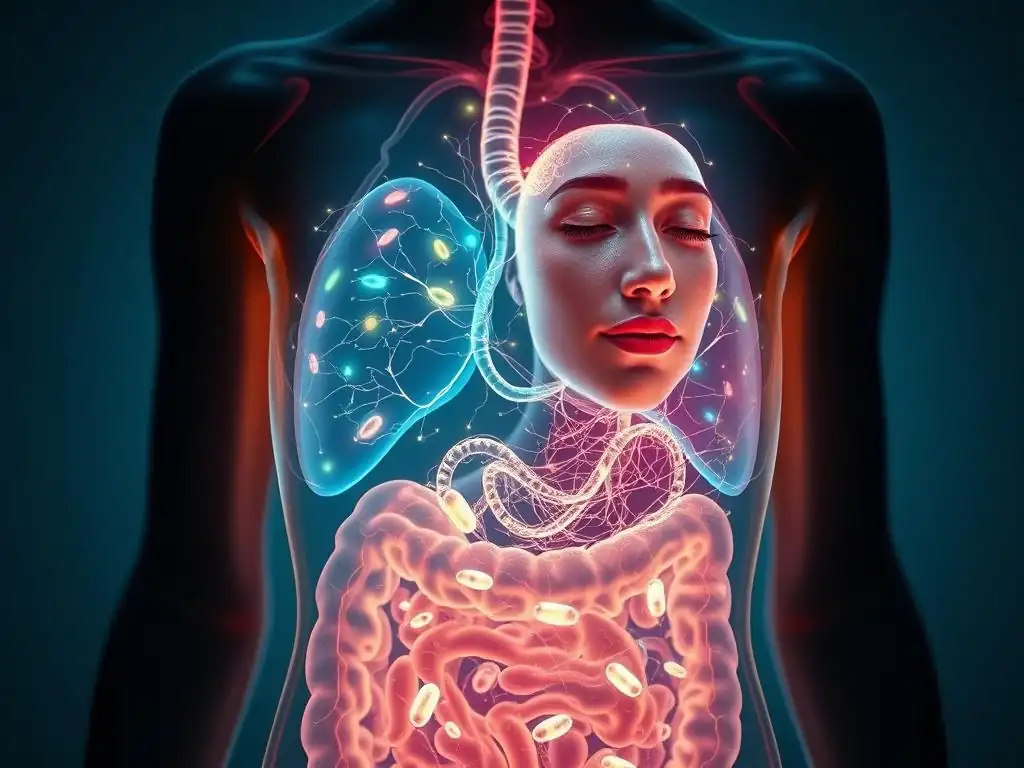
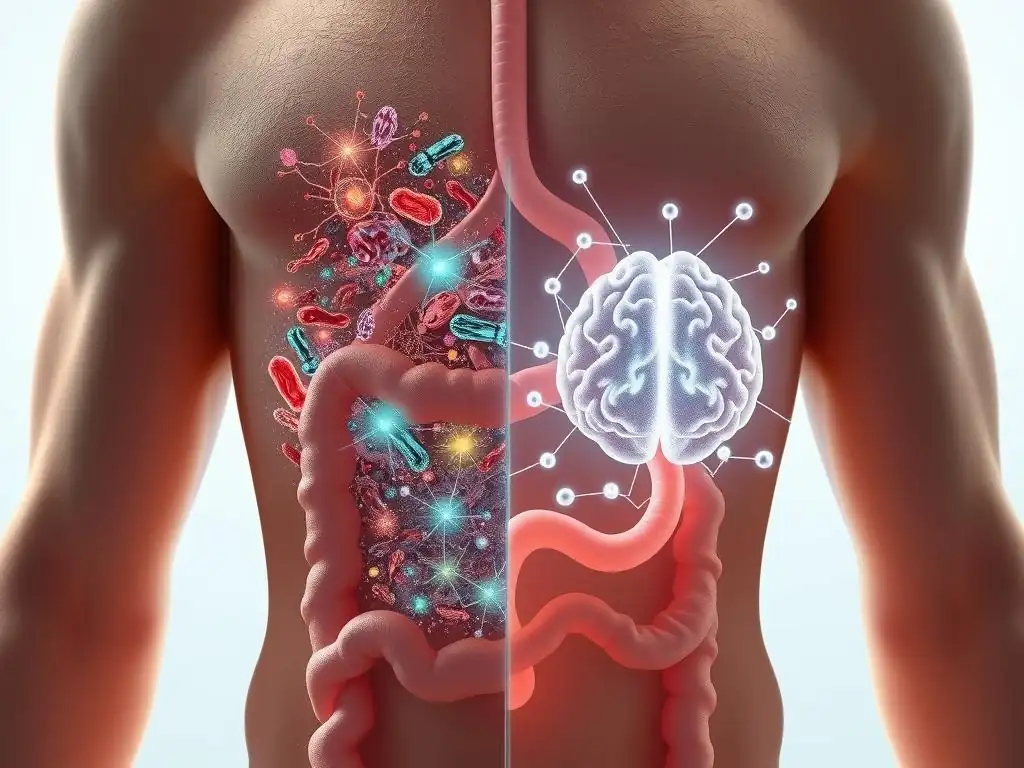
The concept of a gutbrain axis mood connection highlights the intricate, bidirectional communication pathway linking your digestive system and your brain. This complex network involves biochemical signaling between the central nervous system (CNS), which includes the brain and spinal cord, and the enteric nervous system (ENS), often referred to as the "second brain," which is embedded in the wall of the gastrointestinal tract. This constant dialogue influences not only digestion but also plays a significant role in regulating our emotions, stress responses, and overall mental state.
This vital communication highway utilizes various channels, including the vagus nerve, hormones, neurotransmitters, and immune pathways. For instance, signals originating in the gut can travel directly to the brain via the vagus nerve, influencing mood and behavior. Conversely, stress or anxiety in the brain can impact gut motility and secretion. This dynamic interplay underscores why digestive issues often coincide with mood disorders and vice versa, illustrating the profound impact of the gutbrain axis mood connection on our daily lives.
How Gut Health Influences Mental Well-being
The health of your gut significantly impacts your mental well-being through the gutbrain axis mood connection. A balanced gut environment, characterized by a diverse and thriving community of microorganisms (the gut microbiome), supports the production of essential compounds and neurotransmitters that affect brain function and mood. When this balance is disrupted, known as dysbiosis, it can lead to inflammation, impaired nutrient absorption, and altered production of mood-regulating chemicals, potentially contributing to feelings of anxiety, depression, and stress.
Research increasingly demonstrates the tangible link between gut health and mood. For example, studies have shown that individuals with depression often exhibit different gut microbial compositions compared to healthy individuals. Furthermore, interventions aimed at improving gut health, such as dietary changes or probiotic supplementation, have shown promise in alleviating symptoms of certain mood disorders. This evidence solidifies the understanding that nurturing gut health is a crucial component of a holistic approach to mental wellness, reinforcing the importance of the gutbrain axis mood connection.
The Role of the Vagus Nerve in the Gut-Brain Connection
The vagus nerve serves as a primary physical link in the gutbrain axis mood connection, acting as a superhighway for information exchange between the gut and the brain. This cranial nerve is the longest in the autonomic nervous system, extending from the brainstem down through the neck and chest to the abdomen, innervating organs like the stomach, intestines, and liver. It transmits signals about the physiological state of the gut directly to the brain, influencing everything from satiety signals to stress responses and emotional regulation.
Stimulation of the vagus nerve has been shown to have calming effects and is being explored as a therapeutic target for conditions like depression and anxiety. Conversely, signals from a distressed or inflamed gut can travel via the vagus nerve to the brain, potentially contributing to negative mood states. Understanding the vagus nerve's role highlights why practices that stimulate it, such as deep breathing or meditation, can benefit both digestion and mood, offering a practical way to influence the gutbrain axis mood connection.
What is the Gut Microbiome and Why Does It Matter?
The gut microbiome is a complex ecosystem of trillions of microorganisms, including bacteria, viruses, fungi, and other microbes, residing primarily in your large intestine. This vast community is not merely a passive inhabitant; it actively participates in numerous bodily functions vital for health, including digestion, nutrient absorption, immune system development, and protection against pathogens. The composition and diversity of this microbial community are unique to each individual and are constantly influenced by diet, lifestyle, environment, and medication.
The health and balance of your gut microbiome are critically important for your overall well-being, extending significantly to your mental health via the gutbrain axis mood connection. A diverse and balanced microbiome supports the production of beneficial compounds, such as short-chain fatty acids (SCFAs) like butyrate, which nourish gut cells and have anti-inflammatory properties.
It also influences the production of neurotransmitters and interacts with the immune system, all of which have downstream effects on brain function and mood. An imbalanced microbiome (dysbiosis) is increasingly linked to various health issues, including metabolic disorders, autoimmune diseases, and, importantly, mood and neurological conditions, underlining its significance in the gutbrain axis mood connection.
The Gut Microbiome's Influence on Neurotransmitter Production (Serotonin, GABA)
One of the most fascinating aspects of the gutbrain axis mood connection is the gut microbiome's ability to influence the production of neurotransmitters that regulate mood and behavior. It is estimated that about 90% of the body's serotonin, a key neurotransmitter involved in regulating mood, sleep, and appetite, is produced in the gut, not the brain.
Enterochromaffin cells in the gut lining, influenced by gut bacteria, are the primary producers of this serotonin. While most of this gut-produced serotonin doesn't cross the blood-brain barrier to directly affect brain function, it plays crucial roles locally in gut motility and sensation, and emerging research suggests it can influence the brain indirectly via the vagus nerve and other pathways.
Furthermore, gut bacteria can produce gamma-aminobutyric acid (GABA), the primary inhibitory neurotransmitter in the central nervous system, which helps reduce neuronal excitability and induce relaxation. Certain bacterial strains, like Lactobacillus and Bifidobacterium, are known producers of GABA. An imbalance in these GABA-producing bacteria might impact the body's overall GABA levels or signaling, potentially contributing to anxiety or stress. The gut microbiome's direct and indirect influence on these vital mood-regulating chemicals highlights its profound role in the gutbrain axis mood connection.
Dysbiosis and its Link to Mood Disorders (Anxiety, Depression)
Dysbiosis, an imbalance in the gut microbiome characterized by a reduction in beneficial bacteria and an increase in potentially harmful ones, is increasingly implicated in the development and exacerbation of mood disorders like anxiety and depression. This microbial imbalance can trigger a cascade of events that negatively impact the gutbrain axis mood connection.
For example, dysbiosis can lead to increased inflammation in the gut, which can then spread systemically and affect brain function. Inflammatory cytokines produced in the gut can cross the blood-brain barrier or signal the brain via the vagus nerve, contributing to neuroinflammation, which is often observed in individuals with depression.
Moreover, dysbiosis can impair the production of beneficial SCFAs, reduce the production of mood-influencing neurotransmitters like serotonin and GABA, and compromise the integrity of the gut barrier (leading to "leaky gut"), allowing toxins and inflammatory molecules to enter the bloodstream. These disruptions collectively contribute to altered brain chemistry, increased stress reactivity, and changes in behavior and mood. Studies in both animal models and humans have shown that altering the gut microbiome can influence anxiety- and depression-like behaviors, providing compelling evidence for the link between dysbiosis and these mental health challenges through the gutbrain axis mood connection.
Digestion and Emotional State: The Intricate Link
The Impact of Digestion on Neurochemical Balance
The process of digestion is far more than just breaking down food; it is intimately linked to our emotional state through its influence on neurochemical balance. The gut, with its extensive network of neurons (the ENS), produces and responds to many of the same neurotransmitters found in the brain, including serotonin, dopamine, and norepinephrine. The efficiency of digestion, nutrient absorption, and waste elimination directly impacts the availability of precursors needed to synthesize these neurotransmitters, not only in the gut but also potentially influencing their overall balance in the body, affecting the gutbrain axis mood connection.
For example, adequate digestion and absorption of amino acids, the building blocks of proteins, are essential for synthesizing neurotransmitters like tryptophan (a precursor to serotonin) and tyrosine (a precursor to dopamine and norepinephrine). If digestion is impaired, nutrient deficiencies can arise, potentially impacting neurotransmitter production and contributing to mood disturbances. Furthermore, the digestive process itself, influenced by the gut microbiome, can produce neuroactive compounds that signal the brain, directly affecting our feelings and emotional state.
Inflammation in the Gut: A Trigger for Mood Swings?
Chronic inflammation in the gut, often stemming from factors like dysbiosis, food sensitivities, or underlying digestive conditions such as Irritable Bowel Syndrome (IBS) or Inflammatory Bowel Disease (IBD), is increasingly recognized as a significant contributor to mood swings and instability. The gut wall contains a vast number of immune cells, and when the gut is inflamed, these cells release pro-inflammatory cytokines. These signaling molecules can travel through the bloodstream or via the vagus nerve to the brain, where they can induce neuroinflammation.
Neuroinflammation disrupts the function of brain regions involved in mood regulation, such as the prefrontal cortex and hippocampus. This can lead to altered neurotransmitter signaling, increased stress sensitivity, and impaired cognitive function, manifesting as symptoms like irritability, anxiety, and depressed mood. It's estimated that a significant percentage of individuals with chronic gut inflammation also experience mood disorders, highlighting how inflammation acts as a critical link in the gutbrain axis mood connection, potentially triggering pronounced shifts in emotional state.
Intestinal Permeability and its Potential Mental Health Consequences
Intestinal permeability, often referred to as "leaky gut," occurs when the tight junctions between the cells lining the intestinal wall become compromised, allowing undigested food particles, toxins, and bacteria to pass from the gut lumen into the bloodstream. This breach in the gut barrier triggers an immune response, leading to systemic inflammation. This increased permeability is linked to various health conditions, and growing evidence suggests it also has potential mental health consequences through the gutbrain axis mood connection.
Once inflammatory molecules and toxins enter the circulation, they can reach the brain, contributing to neuroinflammation and disrupting brain function. This can affect neurotransmitter systems and neural pathways involved in mood regulation, potentially increasing vulnerability to anxiety, depression, and other psychiatric symptoms. While research is ongoing, the association between increased intestinal permeability and mood disorders is a key area of study, emphasizing the critical role of a healthy gut barrier in maintaining both physical and mental well-being via the gutbrain axis mood connection.
Foods to Support a Healthy Gut and Improve Mood

Prebiotic-Rich Foods for Gut Health and Mental Well-being
Prebiotics are non-digestible fibers that serve as food for the beneficial bacteria in your gut microbiome. By selectively feeding these helpful microbes, prebiotics help them thrive, increase their numbers, and produce beneficial metabolites like short-chain fatty acids (SCFAs). SCFAs, particularly butyrate, provide energy for colon cells, strengthen the gut barrier, reduce inflammation, and have been shown to influence brain function and mood, thereby supporting the gutbrain axis mood connection.
Incorporating prebiotic-rich foods into your diet is a practical step towards improving gut health and, consequently, mood. Excellent sources include garlic, onions, leeks, asparagus, bananas (especially slightly green ones), oats, barley, flaxseeds, apples, and chicory root. Aiming for a diverse intake of these foods helps nourish a wide variety of beneficial gut bacteria. For instance, adding a serving of oats to your breakfast or incorporating onions and garlic into your meals can contribute significantly to fostering a healthier gut microbiome and supporting your mental well-being.
Probiotic Foods and Supplements: Boosting Your Mood from Within
Probiotics are live microorganisms, typically bacteria or yeasts, that, when consumed in adequate amounts, confer a health benefit to the host. These beneficial microbes can help restore balance to the gut microbiome, particularly after disturbances like antibiotic use or illness. By introducing or supporting populations of helpful bacteria, probiotics can improve digestion, enhance nutrient absorption, and modulate the immune system, all of which can positively impact the gutbrain axis mood connection.
Consuming probiotic-rich fermented foods is a natural way to introduce beneficial bacteria into your gut. Examples include yogurt with live and active cultures, kefir, sauerkraut, kimchi, tempeh, and kombucha. While the exact strains and amounts of probiotics in fermented foods can vary, regular consumption can contribute to a more diverse and resilient gut microbiome.
Probiotic supplements, which contain specific strains and measured quantities of microbes, are another option, often used to target specific health concerns. Some research suggests that certain probiotic strains, such as Lactobacillus helveticus and Bifidobacterium longum, may have psychobiotic effects, directly influencing mood and reducing anxiety, further highlighting their potential in the gutbrain axis mood connection.
Anti-Inflammatory Foods to Combat Gut Inflammation and Enhance Mood
Reducing inflammation in the gut is crucial for supporting a healthy gutbrain axis mood connection. Chronic low-grade inflammation can disrupt gut function, impair nutrient absorption, and signal the brain in ways that negatively impact mood. Adopting a diet rich in anti-inflammatory foods can help soothe the gut lining, reduce inflammatory cytokine production, and foster a healthier environment for beneficial gut bacteria.
Key components of an anti-inflammatory diet include omega-3 fatty acids found in fatty fish (like salmon, mackerel, sardines), flaxseeds, chia seeds, and walnuts. These fats are potent anti-inflammatory agents. Colorful fruits and vegetables, abundant in antioxidants and phytonutrients, also play a vital role. Berries, leafy greens (like spinach and kale), broccoli, turmeric, and ginger are particularly effective. Including these foods regularly can help calm gut inflammation, support the integrity of the gut barrier, and contribute to a more stable and positive emotional state by positively influencing the gutbrain axis mood connection.
Lifestyle Factors that Influence the Gut-Brain Axis
Stress Management Techniques for a Healthier Gut-Brain Connection
Chronic stress is a major disruptor of the gutbrain axis mood connection. When you experience stress, your body releases stress hormones like cortisol, which can alter gut motility, increase intestinal permeability, change the composition of the gut microbiome, and increase inflammation. These changes in the gut can, in turn, send distress signals back to the brain via the vagus nerve and other pathways, exacerbating feelings of anxiety and stress, creating a vicious cycle.
Implementing effective stress management techniques is therefore vital for nurturing a healthy gut-brain axis. Practices like mindfulness meditation, deep breathing exercises, yoga, spending time in nature, and engaging in hobbies you enjoy can help activate the parasympathetic nervous system, often called the "rest and digest" system. This counteracts the effects of the stress response, promoting healthier gut function and sending calming signals to the brain. Even short periods of relaxation, like 10-15 minutes of deep breathing daily, can have a positive impact on both your stress levels and your gut health, strengthening the gutbrain axis mood connection.
The Importance of Sleep for Gut Health and Mood Regulation
Adequate and quality sleep is another critical, yet often overlooked, lifestyle factor influencing the gutbrain axis mood connection. Sleep deprivation and irregular sleep patterns can negatively impact the gut microbiome composition and diversity. Studies have shown that even short-term sleep restriction can alter gut bacteria profiles, potentially increasing levels of less beneficial microbes and decreasing beneficial ones.
Poor sleep also increases inflammation and disrupts the body's circadian rhythms, including those that regulate gut function. This disruption can affect gut motility, digestion, and the permeability of the gut barrier. The negative effects of poor sleep on the gut can, in turn, contribute to mood disturbances like irritability, anxiety, and depression, further illustrating the complex interplay within the gutbrain axis mood connection. Prioritizing 7-9 hours of quality sleep per night supports both a healthy gut microbiome and stable mood regulation.
Exercise and its Positive Effects on the Gut Microbiome and Mental State
Regular physical activity is widely known for its benefits to mental health, but it also plays a significant role in supporting the gutbrain axis mood connection through its positive effects on the gut microbiome. Exercise appears to increase the diversity and abundance of beneficial bacteria in the gut, particularly those that produce SCFAs like butyrate. These SCFAs have anti-inflammatory properties and can positively influence gut barrier function and brain health.
Moderate, consistent exercise has been shown in some studies to increase specific bacterial genera associated with better metabolic health and reduced inflammation. For example, endurance athletes have sometimes shown higher levels of certain bacteria linked to improved energy metabolism compared to sedentary individuals.
Beyond its effects on the microbiome, exercise directly reduces stress, improves sleep, and releases endorphins, all of which benefit both the gut and the brain, reinforcing the positive feedback loop in the gutbrain axis mood connection. Aiming for at least 150 minutes of moderate-intensity aerobic activity per week, as recommended by many health guidelines, can be beneficial.
Recognizing the Signs of Gut Dysbiosis Affecting Mood
Recognizing that mood issues might have roots in gut health is crucial for addressing the gutbrain axis mood connection effectively. While mood disorders are complex and have multiple contributing factors, certain signs might suggest that gut dysbiosis or other gut issues are playing a role. These can include persistent or recurrent digestive symptoms such as bloating, gas, abdominal pain, constipation, or diarrhea that coincide with or exacerbate feelings of anxiety, depression, or irritability.
Other potential indicators include unexplained fatigue, brain fog, food sensitivities or intolerances that seem to affect mood, skin issues like eczema or acne, or frequent infections, which can all be downstream effects of an imbalanced gut microbiome and inflammation impacting the gutbrain axis mood connection. While these symptoms are not exclusive to gut-related mood issues, their presence alongside mood disturbances warrants considering the gut as a potential contributing factor.
Common Gut Disorders Linked to Mental Health Challenges
Several common gut disorders have established links to mental health challenges, providing clinical evidence for the gutbrain axis mood connection. Irritable Bowel Syndrome (IBS), characterized by symptoms like abdominal pain, bloating, and altered bowel habits, is strongly associated with anxiety and depression. Studies show that between 50% and 90% of individuals with IBS report experiencing psychological symptoms. While the relationship is bidirectional, gut dysfunction and altered gut microbiota are believed to contribute to the psychological distress in IBS patients.
Inflammatory Bowel Diseases (IBD), such as Crohn's disease and ulcerative colitis, which involve chronic inflammation of the digestive tract, also show a high comorbidity with anxiety and depression. The chronic inflammation, pain, and systemic effects of IBD significantly impact mental well-being via the gutbrain axis. Small Intestinal Bacterial Overgrowth (SIBO) is another condition linked to mood issues, potentially due to the production of gases and toxins by bacteria in the small intestine that can affect gut permeability and signal the brain. Recognizing these links is vital for a comprehensive approach to treatment that addresses both gut and mental health.
When to Seek Professional Help for Gut and Mood Issues
Given the intricate nature of the gutbrain axis mood connection, it is important to seek professional help when experiencing persistent gut symptoms or mood disturbances. If you notice a pattern where your digestive issues seem to trigger or worsen your anxiety or depression, or if conventional treatments for your mood symptoms are not fully effective, it may be beneficial to explore the gut connection with a healthcare provider.
Consulting with a general physician, a gastroenterologist, or a mental health professional who is knowledgeable about the gutbrain axis is a good first step. They can help evaluate your symptoms, rule out other causes, and recommend appropriate testing, such as stool tests to assess the gut microbiome or tests for inflammation or intestinal permeability. A holistic approach involving collaboration between different specialists can lead to a more accurate diagnosis and a tailored treatment plan that addresses both your gut health and your mental well-being, recognizing the profound impact of the gutbrain axis mood connection.
Practical Strategies for Optimizing Your Gut-Brain Axis for Mood Improvement
Creating a Personalized Gut-Friendly Diet Plan
Optimizing your gutbrain axis mood connection often starts with dietary changes tailored to your individual needs and sensitivities. A personalized gut-friendly diet focuses on nourishing beneficial gut bacteria while avoiding foods that trigger inflammation or dysbiosis for you. This typically involves increasing your intake of fiber-rich foods, including a wide variety of fruits, vegetables, legumes, and whole grains, which provide prebiotics.
Incorporating fermented foods like yogurt, kefir, sauerkraut, or kimchi can introduce beneficial probiotics. It's also important to stay well-hydrated and potentially reduce intake of processed foods, excessive sugar, and unhealthy fats, which can negatively impact gut health. Working with a registered dietitian or a nutritionist specializing in gut health can help you identify potential trigger foods through elimination diets or other methods and create a sustainable eating plan that supports both your digestive system and your mental state, recognizing the power of nutrition in the gutbrain axis mood connection.
Incorporating Stress-Reducing Practices into Your Daily Routine
As stress significantly impacts the gutbrain axis mood connection, integrating stress-reducing practices into your daily routine is a practical strategy for improving mood. Finding techniques that resonate with you is key, whether it's mindfulness meditation, deep breathing exercises, progressive muscle relaxation, yoga, tai chi, or simply spending time outdoors. Consistency is more important than intensity; even short, regular practice can make a difference.
For instance, starting or ending your day with 5-10 minutes of focused breathing can help regulate your nervous system. Taking short breaks throughout the day to stretch or walk can also be beneficial. These practices help shift your nervous system towards a more relaxed state, which positively influences gut motility, reduces inflammation, and sends calming signals to the brain, reinforcing a healthy gutbrain axis mood connection. Making stress management a non-negotiable part of your day can have profound effects on both your digestive comfort and your emotional resilience.
Supplementing with Probiotics and Prebiotics (if needed and under professional guidance)
While diet is the foundation for supporting the gutbrain axis mood connection, prebiotic and probiotic supplements can be beneficial for some individuals, but should ideally be used under the guidance of a healthcare professional. Supplements can provide targeted support, either by directly introducing specific strains of beneficial bacteria (probiotics) or by providing concentrated food for existing beneficial bacteria (prebiotics).
Different probiotic strains have varying effects; some are studied for their potential impact on mood (often called psychobiotics), while others are more focused on digestive health or immune support. A healthcare provider can help determine if supplementation is appropriate for your specific situation, recommend suitable strains or types based on your symptoms and health goals, and advise on dosage and duration.
For example, studies have explored specific multi-strain probiotic formulations for their effects on anxiety symptoms. Prebiotic supplements, such as inulin or FOS (fructooligosaccharides), can also be used but may cause digestive discomfort in some individuals, highlighting the need for personalized advice.
The Future of Gut-Brain Research and Mental Health Treatment
Emerging Therapies Targeting the Gut Microbiome for Mood Disorders
The growing understanding of the gutbrain axis mood connection is paving the way for exciting new therapies targeting the gut microbiome for the treatment of mood disorders. Fecal microbiota transplantation (FMT), which involves transferring fecal matter from a healthy donor to a recipient, is being explored for its potential to rebalance the gut microbiome in conditions like depression. While primarily used for recurrent Clostridioides difficile infection currently, research is underway to investigate its efficacy and safety for psychiatric indications.
Another promising area is the development of 'psychobiotics' – live organisms or substances that, when ingested, produce a health benefit in patients suffering from psychiatric illnesses. This includes specific probiotic strains or combinations of strains that have demonstrated mood-enhancing or anxiety-reducing effects in clinical trials. These targeted interventions represent a potential paradigm shift in mental health treatment, moving beyond traditional pharmaceuticals to harness the power of the gutbrain axis mood connection.
Personalized Nutrition Approaches for Optimizing the Gut-Brain Axis
Future research is focusing on personalized nutrition approaches to optimize the gutbrain axis mood connection. This involves tailoring dietary recommendations based on an individual's unique gut microbiome composition, genetic makeup, and metabolic profile. Advanced testing, such as detailed gut microbiome sequencing, is becoming more accessible, potentially allowing for highly specific dietary and lifestyle interventions.
Instead of general advice, future approaches might recommend specific types and amounts of fiber, prebiotics, or probiotics based on which beneficial bacteria are lacking or which metabolic pathways are suboptimal in an individual's gut. For example, if testing reveals low levels of butyrate-producing bacteria, recommendations might focus on specific types of resistant starch or prebiotics that selectively feed those microbes. This level of personalization holds the potential for significantly more effective interventions for both gut health and mental well-being.
Research into the Role of Specific Microbial Strains in Mental Health
Significant research efforts are dedicated to identifying the specific roles of individual microbial strains or consortia of strains in influencing mental health via the gutbrain axis mood connection. Scientists are working to understand precisely how certain bacteria produce neuroactive compounds, modulate inflammation, or interact with the nervous and immune systems to affect brain function and behavior.
For instance, studies are investigating strains like Bifidobacterium longum NCC3001, which has shown promise in reducing depression symptoms in IBS patients, or Lactobacillus rhamnosus (JB-1), which has demonstrated anxiety-reducing effects in animal models by influencing GABA receptors. Pinpointing these specific "psychobiotic" strains will enable the development of highly targeted probiotic therapies. This detailed understanding of strain-specific effects is crucial for translating the promise of the gutbrain axis into effective, evidence-based treatments for mood disorders.
Conclusion: Nurturing Your Gut for a Happier Mind
The journey through the gutbrain axis reveals a profound and intricate connection between your digestive system and your emotional landscape. Far from being separate entities, the gut and the brain are in constant dialogue, with the gut microbiome acting as a key intermediary. Understanding this gutbrain axis mood connection empowers us to recognize that nurturing our gut health is not just about digestive comfort but is a fundamental pillar of mental well-being.
By focusing on a nutrient-dense, fiber-rich diet, incorporating stress-reducing practices, prioritizing sleep, and engaging in regular physical activity, we can positively influence our gut microbiome and strengthen the gutbrain axis. While challenges like dysbiosis, inflammation, and intestinal permeability can disrupt this connection and contribute to mood issues, practical strategies exist, and emerging research offers exciting future possibilities. Embracing a holistic approach that cares for both the gut and the mind is key to unlocking a happier, more resilient emotional state, truly leveraging the power of the gutbrain axis mood connection.
Frequently Asked Questions
What is the gut-brain axis, and why is it important for mood?
The gut-brain axis is the bidirectional communication system between the gut and the brain. It's crucial because imbalances in the gut can directly influence brain function, impacting mood and mental health.
How does digestion influence mood, according to the gut-brain axis?
Digestion impacts mood through the production of neurotransmitters in the gut, like serotonin. These neurotransmitters travel along the gut-brain axis and can either positively or negatively affect mood.
What role does the gut microbiome play in the gut-brain axis mood connection?
The gut microbiome (the community of bacteria in your gut) produces substances that influence brain chemistry and function. A healthy microbiome is linked to better mood regulation, while an imbalanced one can contribute to anxiety and depression.
What are some practical steps I can take to improve my gut health and potentially boost my mood?
Focus on a diet rich in fiber and probiotics, found in fermented foods. Reducing stress and getting enough sleep are also crucial for supporting a healthy gut microbiome and improving mood.
Are there specific mental health conditions linked to gut health, according to the gut-brain axis?
Yes, research suggests a link between gut health and conditions like anxiety, depression, and irritable bowel syndrome (IBS). Addressing gut health may be a helpful component in managing these mental health challenges.
Final Reflection: Understanding the Gut-Brain Axis for a Healthier Mind
In today's fast-paced world, the connection between our gut and brain has never been more relevant. The gut-brain axis is not just a scientific concept; it is a vital link that influences our mood, mental health, and overall well-being. As we navigate through life’s challenges, recognizing the profound impact of our digestive health on our emotional state can empower us to make informed choices that enhance our quality of life.
The exploration of the gut-brain axis has reshaped our understanding of mental health, emphasizing that what we eat can significantly affect how we feel. This connection is not merely academic; it resonates deeply in our daily lives, influencing everything from our stress levels to our emotional resilience.
As Dr. Michael Greger wisely noted, "> The food you eat can either be the safest and most powerful form of medicine or the slowest form of poison." This underscores the importance of nurturing our gut health as a pathway to emotional stability and mental clarity, highlighting the ongoing dialogue between our physical and psychological well-being.
As we reflect on the insights shared in this article, I invite you to consider how you can cultivate a healthier relationship with your gut. Take a moment to assess your dietary choices and their impact on your mood. Are there small changes you can implement to support your gut health? Embrace this journey of self-discovery and empowerment, knowing that by nurturing your gut, you are also nurturing your mind. Let this be a call to action: prioritize your gut health, and unlock the potential for a happier, more balanced life.
Unlock Your Happiest Gut: Take Charge of Your Mood Today!
Thanks for diving into the fascinating world of your gut-brain connection! You've just learned how powerful your digestion is in shaping your mood and overall well-being. Now it's time to put this knowledge into action.
Here's how to start feeling the difference:
- Prioritize a gut-friendly diet: Begin by incorporating more fiber-rich foods and probiotics into your daily meals. This is the single biggest step you can take towards a happier, healthier gut. Think colorful fruits, vegetables, and fermented foods!
- Track your progress and note any changes in your mood. This might sound simple, but regular journaling can reveal surprising patterns between your diet and emotional state.
- Share your journey! Let your friends and family know about the incredible gut-mood connection – you might inspire them to embark on their own gut-health journey.
Ready to transform your mood from the inside out? What small change will you make to your diet today to support a happier gut?