
Yoga Nidra: Deep Relaxation for a Restful Mind


Welcome to Mind Care Guide, your sanctuary for navigating the landscape of mental well-being.
Feeling overwhelmed by anxiety and stress? You're not alone. Discover how Yoga Nidra can be a powerful tool to reclaim your inner peace. This ancient practice offers a pathway to deep relaxation and a more restful mind. Intrigued? Dive into our comprehensive guide and begin your journey towards a calmer, more balanced you. Explore how Yoga Nidra reduce anxiety stress and unlock its transformative potential.
Yoga Nidra: Deep Relaxation for a Restful Mind
- What is Yoga Nidra and How Does it Reduce Anxiety?
- Benefits of Yoga Nidra for Mental Well-being
- How to Practice Yoga Nidra: A Step-by-Step Guide
- Yoga Nidra vs. Traditional Meditation: What's the Difference?
- Tips for Maximizing Your Yoga Nidra Experience
- Integrating Yoga Nidra into Your Daily Routine for Sustained Anxiety Relief
- Resources for Learning More About Yoga Nidra
- Is Yoga Nidra Right for You? Considering Contraindications and Precautions
-
Frequently Asked Questions
- What is Yoga Nidra and how does it differ from regular yoga?
- Can Yoga Nidra really help reduce anxiety and stress levels?
- How often should I practice Yoga Nidra to see noticeable results in my anxiety and stress?
- Are there any specific types of Yoga Nidra sessions that are better for anxiety and stress reduction?
- Is Yoga Nidra safe for everyone, and are there any contraindications?
- Final Reflection: Unraveling the Calm Within Through Yoga Nidra
- Unlock Deeper Rest: Your Journey to Yoga Nidra Begins Now!
What is Yoga Nidra and How Does it Reduce Anxiety?
Understanding the Meaning of Yoga Nidra: Yogic Sleep
Yoga Nidra, often translated as "yogic sleep," is a powerful state of conscious deep relaxation. It is not about actually falling asleep, although practitioners often feel they are hovering on the edge of slumber. Instead, it is a systematic method of inducing complete physical, mental, and emotional relaxation. During a Yoga Nidra practice, the body rests completely while the mind remains inwardly aware, guided through various stages designed to progressively relax the different layers of one's being, known in yogic philosophy as the koshas.
This practice guides an individual away from the active, external focus of the waking state and the unconsciousness of the dream and deep sleep states, towards a unique state of profound rest and awareness. It involves lying down comfortably and following verbal instructions that lead through a sequence typically including body scanning, breath awareness, and visualization. This process helps to release deeply held tensions, both physical and psychological, setting the stage for Yoga Nidra to reduce anxiety stress and promote overall well-being.
The Science Behind Yoga Nidra's Anxiety-Reducing Effects
The effectiveness of Yoga Nidra in helping to reduce anxiety stress is rooted in its ability to influence the autonomic nervous system. The autonomic nervous system has two main branches: the sympathetic (responsible for the "fight or flight" response) and the parasympathetic (responsible for the "rest and digest" response). Chronic stress and anxiety often mean the sympathetic system is overactive. Yoga Nidra practice actively encourages the shift towards parasympathetic dominance.
Research, including studies involving physiological measurements, suggests that regular Yoga Nidra can lead to a decrease in stress hormones like cortisol and adrenaline. It can also help regulate heart rate variability (HRV), which is an indicator of the body's ability to adapt to stress – higher HRV is generally associated with better stress resilience. By systematically relaxing the body and calming the mind, Yoga Nidra creates a physiological environment conducive to reducing anxiety and stress, allowing the nervous system to find a state of balance and ease.
Benefits of Yoga Nidra for Mental Well-being
Stress Reduction and Improved Sleep Quality with Yoga Nidra
Yoga Nidra is widely recognized for its profound ability to reduce stress. The practice facilitates the release of muscular, emotional, and mental tension, which are significant contributors to stress accumulation. By guiding the practitioner into a state of deep relaxation, it helps to quiet the constant chatter of the mind and soothe the nervous system. Many individuals report feeling significantly calmer and more centered after just one session, experiencing a tangible reduction in feelings of overwhelm and tension.
This reduction in stress directly translates into improved sleep quality. When the mind is racing and the body is tense, falling asleep and staying asleep can be a significant challenge. By calming the nervous system and releasing tension, Yoga Nidra prepares the body and mind for restful sleep.
Practitioners often find it easier to drift off and experience more restorative sleep, reducing the impact of stress-related insomnia and improving overall energy levels throughout the day. The deep rest achieved during a session is often compared to hours of conventional sleep, making it a powerful tool for combating fatigue linked to chronic stress.
Yoga Nidra for Managing Anxiety and Panic Attacks
For individuals struggling with anxiety and panic attacks, Yoga Nidra offers a gentle yet effective approach to management. The practice cultivates a sense of safety and grounding within the body, which is crucial during moments of intense fear or panic. By systematically bringing awareness to different parts of the body and the breath, it helps to anchor the individual in the present moment, diverting attention away from anxious thought spirals and future worries that fuel anxiety.
Regular practice of Yoga Nidra can build resilience against anxiety triggers. By repeatedly guiding the nervous system into a relaxed state, it teaches the body and mind how to return to a state of calm more readily. Over time, this can reduce the frequency and intensity of anxiety episodes and panic attacks, helping individuals feel more in control and less overwhelmed by their symptoms. Using Yoga Nidra to reduce anxiety stress provides a non-pharmacological method for finding relief.
Enhancing Emotional Regulation Through Deep Relaxation
Yoga Nidra's deep relaxation state fosters a greater awareness of one's internal landscape, including emotions, without becoming overwhelmed by them. As tension is released and the mind settles, individuals may become more attuned to subtle emotional states. The practice encourages observing these emotions without judgment or the immediate need to react, creating a space between the feeling and the response.
This increased capacity for detached observation is key to improving emotional regulation. Instead of being swept away by intense feelings like anger, sadness, or fear, a regular practitioner can learn to acknowledge these emotions, understand their transient nature, and choose a more skillful response. This enhanced emotional intelligence contributes significantly to overall mental well-being and interpersonal relationships, helping individuals navigate challenging feelings with greater ease.
Yoga Nidra for Trauma Recovery: A Gentle Approach
Yoga Nidra is increasingly recognized as a valuable tool in trauma recovery due to its gentle and non-invasive nature. Unlike some practices that might involve physical postures that could trigger body memories or require active engagement with difficult emotions, Yoga Nidra allows the individual to remain passive and fully supported. The focus is on creating a sense of safety within the body and mind, which is paramount for trauma survivors.
The practice helps to release stored tension in the body, which is often a physical manifestation of trauma. By guiding awareness through the body without requiring movement or specific sensations, it allows for a gradual and safe unwinding of the nervous system. This can aid in reducing hypervigilance and the chronic stress response often present after trauma, facilitating a gentle path towards integration and healing without the risk of re-traumatization.
How to Practice Yoga Nidra: A Step-by-Step Guide
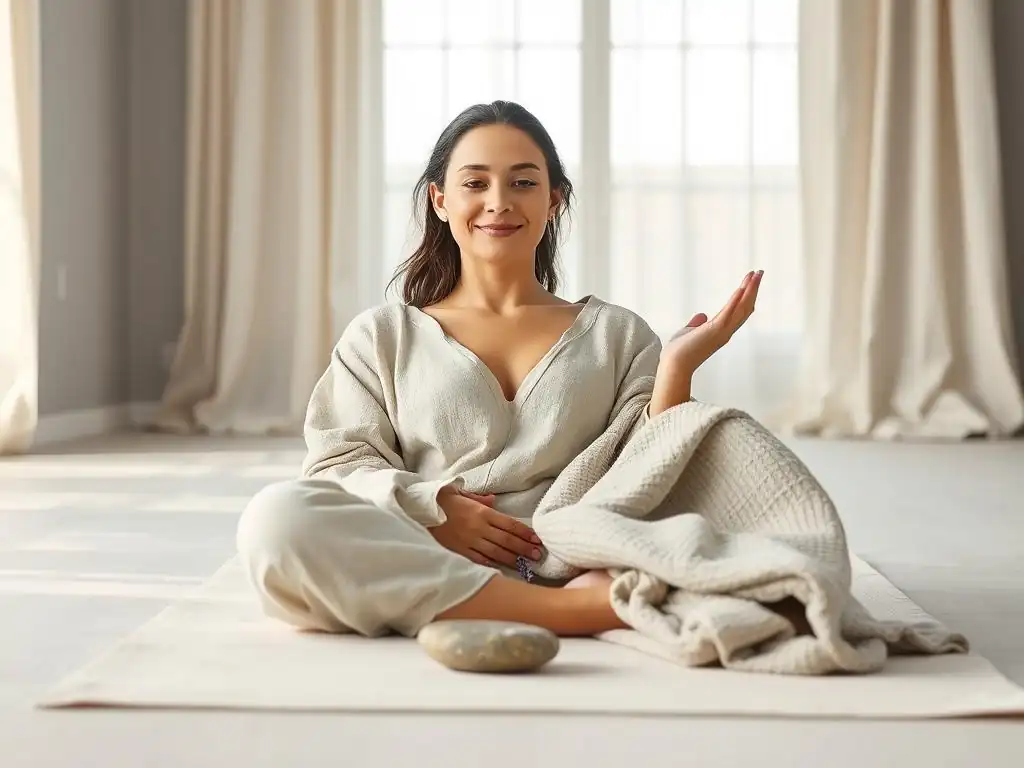
Preparing for Your Yoga Nidra Session: Setting the Stage
Creating the right environment is essential for a successful Yoga Nidra practice aimed at helping to reduce anxiety stress. Find a quiet space where you won't be disturbed for the duration of the session, typically 20 to 45 minutes. Turn off phones and minimize external noise. The practice is done lying down, usually in the Shavasana (corpse pose) position. Lie flat on your back with arms slightly away from your body and legs extended, feet relaxed outwards.
Comfort is paramount to allow for deep relaxation. Use props generously. A yoga mat or soft surface is recommended. Place a bolster or rolled blanket under your knees to support your lower back. A small pillow or folded blanket under your head can support your neck. Cover yourself with a blanket, as body temperature tends to drop during deep relaxation. You might also use an eye pillow or scarf to cover your eyes and block out light. The goal is to feel completely comfortable and supported so you can release all physical effort.
The Yoga Nidra Script: Key Elements and Techniques
A typical Yoga Nidra session follows a specific structure, guiding the practitioner through various stages designed to progressively deepen relaxation and awareness. While scripts vary, they generally include the following key elements, each contributing to the overall effect of Yoga Nidra reduce anxiety stress. The sequence is designed to systematically withdraw the senses and quiet the mind.
Intention Setting (Sankalpa): Defining Your Goal
A unique and powerful element of Yoga Nidra is the Sankalpa, which is a heartfelt intention or resolution. It is a short, positive statement stated mentally at the beginning and end of the practice. This isn't about setting a goal for achievement, but rather planting a seed for growth or healing. Your Sankalpa should be deeply meaningful to you, perhaps related to releasing a habit, cultivating a positive quality, or achieving inner peace.
For example, if you are practicing Yoga Nidra to reduce anxiety stress, your Sankalpa might be "I am calm and peaceful," or "I release stress and welcome ease." The Sankalpa is stated with full conviction and awareness, planting it in the fertile ground of the subconscious mind accessed during the deep relaxation state. Repeating it at the end reinforces its message.
Body Scan Meditation for Relaxation
The systematic rotation of consciousness through different parts of the body is a core technique in Yoga Nidra. The guide names specific body parts in a sequence, and the practitioner simply brings their awareness to that part, releasing any tension held there. This is not about feeling the body part, but simply acknowledging its existence with awareness.
This body scan helps to ground the mind in the present moment and release physical tension layer by layer. By systematically relaxing the muscles and bringing awareness inward, it helps to quiet the external senses and prepares the body for deeper states of rest. This process is highly effective in reducing physical manifestations of stress and anxiety.
Breath Awareness: Connecting with Your Inner Self
Following the body scan, attention is often directed to the breath. In Yoga Nidra, the focus is typically on observing the natural flow of breath without attempting to control or change it. You might be guided to notice the sensation of the breath entering and leaving the nostrils, or the rise and fall of the abdomen or chest. Sometimes, counting the breaths backward is introduced to help maintain focus.
Connecting with the breath is a powerful way to calm the nervous system. The breath is intimately linked to our state of mind and emotions; a calm breath reflects a calm mind. By simply observing the breath, the practitioner cultivates mindfulness and further deepens the state of relaxation, making it easier for Yoga Nidra to reduce anxiety stress.
Visualization Techniques: Creating Mental Imagery
Many Yoga Nidra scripts include guided visualizations. This might involve imagining walking through a peaceful landscape, encountering symbols, or experiencing specific sensations like warmth or coolness. The purpose of visualization is not to actively "see" the images, but to allow the mind to engage with them passively, bypassing the analytical thinking process.
Visualization can help to access deeper levels of consciousness and potentially process subconscious material. It can also be used to reinforce the Sankalpa or simply provide a calming and immersive experience that further promotes relaxation and mental quietude. Engaging the mind in this way helps to prevent it from wandering into anxious thoughts.
Guided Yoga Nidra vs. Self-Guided Practice
For beginners, starting with a guided Yoga Nidra session is highly recommended. A qualified teacher or a high-quality audio recording can lead you through the various stages systematically, ensuring you experience the full depth of the practice without needing to remember the sequence yourself. Guided sessions provide structure and support, making it easier to relax and let go.
Once you become familiar with the structure and stages, you might explore self-guided practice using a script or simply following the general sequence from memory. However, even experienced practitioners often prefer guided sessions as it allows the analytical mind to fully rest. Using guided Yoga Nidra to reduce anxiety stress is often more effective initially as it removes the cognitive load of self-direction.
Yoga Nidra vs. Traditional Meditation: What's the Difference?
Comparing Techniques: Yoga Nidra and Mindfulness Meditation
While both Yoga Nidra and traditional meditation practices like mindfulness aim to cultivate inner peace and awareness, they differ significantly in their approach and goals. Mindfulness meditation typically involves sitting upright and focusing attention on a single point, such as the breath, or observing thoughts and sensations non-judgmentally in the present moment. The goal is often to remain alert and fully present.
Yoga Nidra, in contrast, is practiced lying down and intentionally guides the practitioner towards a state between waking and sleeping. It follows a structured sequence involving body scan, breath awareness, feelings/sensations, and visualization, rather than simply observing whatever arises. While mindfulness cultivates focused attention and non-reactivity in the waking state, Yoga Nidra aims for a profound state of conscious relaxation and accessing deeper layers of consciousness through systematic withdrawal of the senses.
Choosing the Right Practice for Your Needs: Anxiety Relief and Stress Management
Both Yoga Nidra and mindfulness meditation can be beneficial for anxiety relief and stress management, but one might be more suitable depending on individual needs and preferences. If your primary challenges are severe stress, insomnia, physical tension related to anxiety, or if you find it difficult to sit still, Yoga Nidra's emphasis on deep physical and mental relaxation while lying down can be incredibly accessible and effective. Many find it provides a quicker path to profound rest and calming the nervous system.
Mindfulness meditation, on the other hand, is excellent for building moment-to-moment awareness, improving focus, and developing a non-reactive relationship with thoughts and emotions in daily life. It helps integrate awareness into everyday activities. For some, starting with Yoga Nidra to reduce anxiety stress by achieving deep rest first makes other practices like mindfulness more accessible later on. Ultimately, the best practice is the one you will do consistently.
Tips for Maximizing Your Yoga Nidra Experience
Creating a Consistent Practice Schedule
Consistency is key to unlocking the full benefits of Yoga Nidra, especially when using Yoga Nidra to reduce anxiety stress over the long term. Aim to practice regularly, ideally daily or several times a week. Even short sessions (20-30 minutes) can be highly beneficial. Find a time that works best for you – many people prefer practicing before bed to improve sleep, while others find a midday session helpful for releasing tension and resetting during the day.
Establishing a routine helps signal to your body and mind that it is time to relax and let go. Treat your practice time as sacred, minimizing interruptions. Just like physical exercise, the cumulative effects of regular Yoga Nidra build resilience and deepen the capacity for relaxation over time, leading to more sustained reductions in anxiety and stress.
Finding the Right Yoga Nidra Teacher or Audio Guide
The voice and guidance of the instructor play a significant role in the effectiveness of a Yoga Nidra session. A soothing, steady voice can help you relax and follow the instructions without distraction. There are various styles and scripts available, so it's worth exploring different teachers or audio guides to find one that resonates with you.
Look for certified instructors if seeking in-person guidance or reputable sources for audio recordings. Some guides might emphasize different aspects, such as therapeutic applications or spiritual exploration. Trying a few different options will help you determine whose voice and approach best support your journey towards deep relaxation and using Yoga Nidra to reduce anxiety stress.
Using Props and Modifications for Comfort
As mentioned earlier, comfort is paramount in Yoga Nidra. Do not hesitate to use props to support your body fully. A bolster or cushion under the knees helps release tension in the lower back. A folded blanket under the head ensures the neck is comfortable and the chin is slightly tucked, which helps lengthen the back of the neck. A blanket over the body prevents chilling, as body temperature can drop during deep relaxation.
An eye pillow is highly recommended to block out light and help the eyes relax. If lying flat on your back is uncomfortable due to physical limitations, you can explore modifications, such as lying on your side with a cushion between your knees, or even practicing in a reclined chair, as long as you can find a position where your body feels completely supported and at ease.
Addressing Challenges and Obstacles in Your Practice
It's common to encounter challenges when starting Yoga Nidra, such as falling asleep completely, the mind wandering excessively, or feeling restless. If you fall asleep, don't worry; your subconscious mind is still receptive, and you are still receiving some benefits of rest. With regular practice, you may find you can remain in the conscious relaxation state more consistently.
If your mind wanders, gently acknowledge the thoughts without judgment and simply bring your awareness back to the instruction being given, whether it's a body part, the breath, or an image. Restlessness can sometimes arise as tension is released; try to observe it without engaging with it, focusing on the intention to relax. Be patient and compassionate with yourself; the practice itself is the journey, not just the destination of perfect stillness.
Integrating Yoga Nidra into Your Daily Routine for Sustained Anxiety Relief
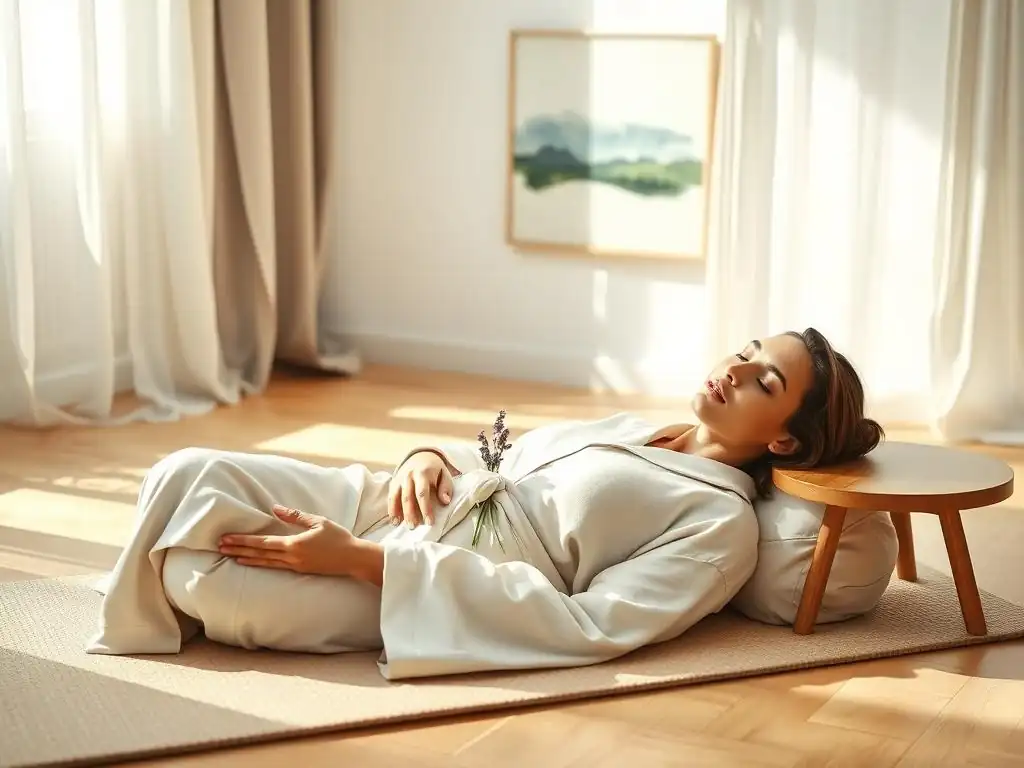
Combining Yoga Nidra with Other Mental Wellness Practices
Yoga Nidra can be a powerful standalone practice for managing stress and anxiety, but its benefits are often amplified when integrated with other mental wellness tools. Consider combining your Yoga Nidra practice with gentle physical activity like walking or restorative yoga, which can help release physical tension before settling into relaxation. Breathwork exercises (pranayama) can also complement Yoga Nidra by further calming the nervous system.
Integrating Yoga Nidra with practices like journaling, talk therapy, or mindfulness meditation creates a holistic approach to mental well-being. For instance, journaling after a session can help process insights that arose during the relaxation. Discussing your experience with a therapist can provide valuable support, especially when using Yoga Nidra for trauma recovery or significant anxiety.
Long-Term Benefits of Regular Yoga Nidra Practice for Mental Health
Consistent practice of Yoga Nidra yields cumulative long-term benefits for mental health beyond immediate relaxation. Over time, practitioners often report increased emotional resilience, finding themselves less reactive to stressors and better equipped to navigate challenging situations. The sustained reduction in stress hormone levels contributes to improved physical health as well.
Regular Yoga Nidra helps cultivate a deeper sense of self-awareness and inner peace. It can improve concentration, enhance creativity, and foster a more positive outlook on life. By consistently returning the nervous system to a state of rest and balance, using Yoga Nidra to reduce anxiety stress becomes a sustainable lifestyle choice that supports overall mental and emotional flourishing.
Resources for Learning More About Yoga Nidra
Recommended Books and Websites on Yoga Nidra
To deepen your understanding of Yoga Nidra, explore resources that delve into its philosophy, techniques, and benefits. Many classic texts on yogic philosophy provide context for the practice. Numerous contemporary authors have written extensively on the modern application of Yoga Nidra for health and well-being.
Reputable websites dedicated to yoga, meditation, and mental health often feature articles, guides, and audio recordings of Yoga Nidra sessions. Look for resources that explain the different stages of the practice and offer insights into its historical roots and psychological effects. While specific links cannot be provided here, a search for established yoga and mindfulness platforms will yield valuable educational content.
Finding Certified Yoga Nidra Instructors
Learning from a certified Yoga Nidra instructor can significantly enhance your practice, especially if you are new or working with specific challenges like trauma or chronic anxiety. Certified instructors have undergone training to understand the nuances of the practice and can offer guidance on positioning, address questions, and sometimes offer personalized support.
Many yoga studios, wellness centers, and online platforms offer classes or one-on-one sessions with certified instructors. Exploring directories from recognized yoga or meditation organizations can help you find qualified teachers in your area or online. Learning from an experienced guide ensures you are practicing safely and effectively to maximize the benefits of Yoga Nidra reduce anxiety stress.
Is Yoga Nidra Right for You? Considering Contraindications and Precautions
Who Should Avoid Yoga Nidra?
While Yoga Nidra is generally considered safe and accessible for most people, there are certain situations where caution is advised or modifications may be necessary. Individuals experiencing acute psychosis or severe dissociative episodes may find the practice challenging, as it involves accessing deeper states of consciousness. In such cases, it is crucial to practice only under the guidance of a mental health professional familiar with both the individual's condition and therapeutic applications of Yoga Nidra.
Similarly, individuals with severe physical pain that prevents them from lying comfortably for an extended period may find the practice difficult. Exploring modified positions or other forms of relaxation might be more suitable initially. It is always wise to listen to your body and stop if you experience any discomfort.
Consulting with a Healthcare Professional Before Starting Yoga Nidra
As with any new health or wellness practice, especially when dealing with existing mental or physical health conditions, it is advisable to consult with a healthcare professional before starting Yoga Nidra. This is particularly important if you have a history of severe mental health issues, trauma, or chronic physical pain.
A doctor or therapist can help you determine if Yoga Nidra is a suitable addition to your current treatment plan and can offer insights on how to integrate it safely. While Yoga Nidra is a powerful tool for self-care and can significantly help to reduce anxiety stress, it is not a substitute for professional medical or psychological treatment.
Frequently Asked Questions
What is Yoga Nidra and how does it differ from regular yoga?
Yoga Nidra is a form of guided meditation that induces a state of deep relaxation. Unlike regular yoga, which involves physical postures, Yoga Nidra focuses on conscious relaxation and doesn't require any physical exertion. It's often referred to as "yogic sleep."
Can Yoga Nidra really help reduce anxiety and stress levels?
Yes, studies suggest Yoga Nidra can be effective in reducing anxiety and stress. The practice helps regulate the nervous system, promoting a state of calm and reducing the body's stress response.
How often should I practice Yoga Nidra to see noticeable results in my anxiety and stress?
Consistency is key. Practicing Yoga Nidra 2-3 times per week is generally recommended to experience noticeable benefits in reducing anxiety and stress. More frequent practice can also be beneficial.
Are there any specific types of Yoga Nidra sessions that are better for anxiety and stress reduction?
While all Yoga Nidra sessions promote relaxation, those specifically designed to address anxiety and stress often incorporate positive affirmations and visualizations to help calm the mind and reduce negative thought patterns.
Is Yoga Nidra safe for everyone, and are there any contraindications?
Yoga Nidra is generally considered safe, but individuals with severe mental health conditions should consult with a healthcare professional before starting. It's also important to listen to your body and modify the practice as needed.
Final Reflection: Unraveling the Calm Within Through Yoga Nidra
The pervasive anxiety and stress of modern life demand effective coping mechanisms, and Yoga Nidra offers a powerful, accessible solution. Its ability to deeply relax the nervous system, reducing both the physical and mental symptoms of stress, is more relevant now than ever before. In a world constantly demanding our attention, finding moments of profound stillness and inner peace is not a luxury, but a necessity for well-being.
The transformative power of Yoga Nidra has resonated deeply with me throughout my research and practice. It's not simply a relaxation technique; it's a journey inward, a pathway to accessing the subconscious mind and releasing deeply held tensions. The profound impact on mental clarity and emotional regulation is undeniable. As the ancient yogic proverb states: You cannot always control what goes on outside. But you can always control what goes on inside.
This rings especially true when considering the profound influence Yoga Nidra has on cultivating inner peace amidst external chaos.
Now, I invite you to explore the potential of Yoga Nidra for yourself. Begin with just a few minutes each day, allowing yourself to sink into the guided practice and experience the gentle unwinding of your mind and body. Observe the subtle shifts in your stress levels, your sleep quality, and your overall sense of well-being. This is not just about reducing anxiety and stress; it's about cultivating a deeper connection with yourself, fostering resilience, and embracing a more peaceful, present existence. Embrace the journey inward; the calm you seek is already within you, waiting to be discovered.
Unlock Deeper Rest: Your Journey to Yoga Nidra Begins Now!
Thanks for taking the time to explore the world of Yoga Nidra with us! We hope you gained valuable insights into this powerful relaxation technique. Ready to experience its transformative benefits?
Here's how you can dive deeper:
- Begin your personal Yoga Nidra practice today. Find a quiet space, get comfortable, and try one of the guided meditations mentioned in the article. Even 10 minutes can make a difference!
- Share this article with a friend who could also benefit from learning about this stress-reducing practice. Help them discover the peace and calm you've found.
- Explore different guided meditations online (not necessarily on our site - we just want you to find what works for you!) to discover your preferred style and deepen your understanding.
So, what will your first step towards a more restful mind be?