
SelfCare Strategies for Anxiety: Practical Relief Techniques

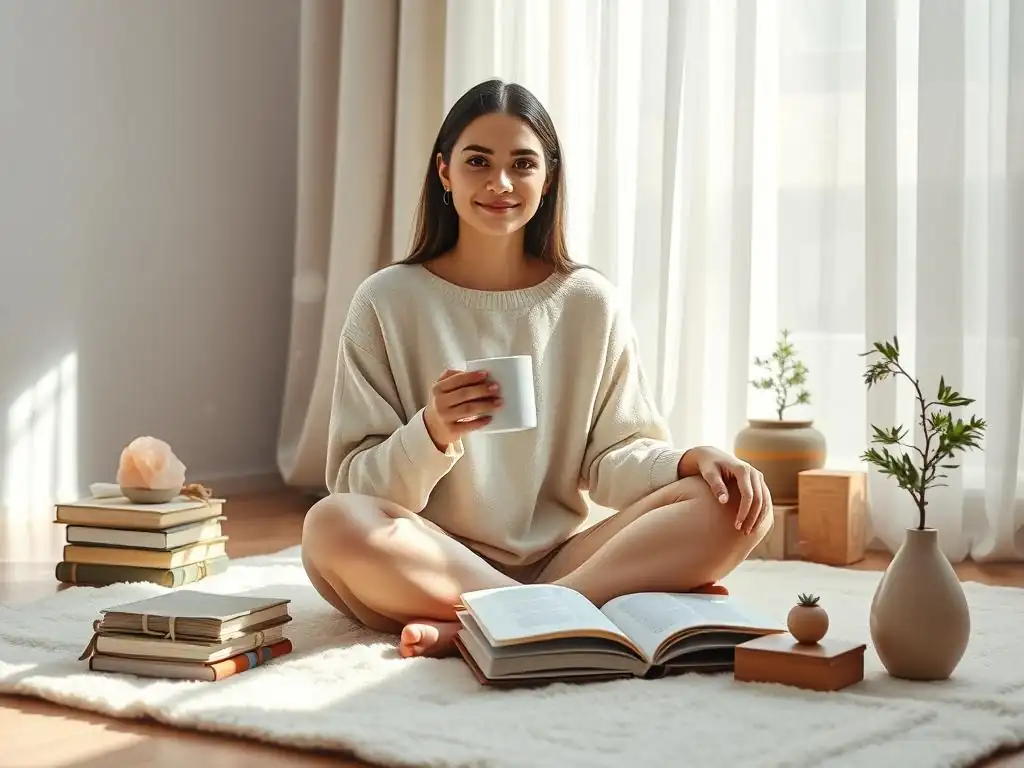
Welcome to Mind Care Guide, a space dedicated to nurturing your mental well-being. Feeling overwhelmed by anxiety? You're not alone. In this guide, we delve into practical anxiety relief techniques strategies that can help you reclaim your peace of mind. Curious to discover simple yet powerful tools to manage your anxiety and cultivate a more balanced life? Let's begin your journey toward calmer days, starting now...
Self-Care Strategies for Anxiety: Practical Relief Techniques
- Understanding Anxiety and the Importance of Self-Care
- Anxiety Relief Techniques: A Comprehensive Guide to Self-Care
- Cognitive Strategies for Managing Anxiety and Stress
- Lifestyle Adjustments for Long-Term Anxiety Management
- Building a Support System for Anxiety Relief
- Creating a Personalized Self-Care Plan for Anxiety
-
Frequently Asked Questions
- What are some practical self-care strategies I can use for anxiety relief?
- How can I identify the triggers that cause my anxiety?
- Are there any specific breathing exercises that can help calm anxiety in the moment?
- When should I consider seeking professional help for my anxiety?
- What resources does Mind Care Guide offer for individuals struggling with anxiety?
- Final Reflection: Cultivating Resilience Through Self-Care
- Unlock Your Calm: Start Practicing Self-Care Today!
Understanding Anxiety and the Importance of Self-Care
Anxiety is a common human experience, characterized by feelings of worry, nervousness, or unease, often about an imminent event or something with an uncertain outcome. While a certain level of anxiety can be adaptive, helping us stay alert and motivated, persistent and overwhelming anxiety can significantly impair daily functioning and quality of life. Fortunately, there are numerous effective anxiety relief techniques strategies that individuals can adopt to manage their symptoms.
This article serves as a comprehensive guide to practical self-care strategies designed to help you navigate the challenges of anxiety. We will explore various techniques, from mindfulness and physical activity to cognitive strategies and lifestyle adjustments, all aimed at providing tangible relief and promoting long-term mental well-being. Implementing these strategies is not a one-size-fits-all solution, but rather a journey of discovering what works best for you in building resilience against anxiety.
Defining Anxiety: Symptoms and Triggers
Anxiety manifests differently in individuals, but common symptoms include excessive worry, restlessness, fatigue, difficulty concentrating, irritability, muscle tension, and sleep disturbances. Physical symptoms can also be prominent, such as a racing heart, sweating, trembling, shortness of breath, or digestive issues. For some, anxiety might present as panic attacks – sudden episodes of intense fear accompanied by severe physical symptoms.
Triggers for anxiety are highly personal and can range from external stressors like work pressure, financial concerns, or relationship issues, to internal factors such as negative thought patterns or underlying health conditions. Understanding your specific symptoms and identifying common triggers is a crucial first step in developing effective anxiety relief techniques strategies.
For instance, recognizing that public speaking or social gatherings consistently provoke anxiety allows you to prepare using targeted self-care methods beforehand. Studies suggest that trigger identification is a key component in managing conditions like Generalized Anxiety Disorder (GAD), which affects millions globally, often starting in adolescence or early adulthood.
The Crucial Role of Self-Care in Managing Anxiety
Self-care is not a luxury; it is a fundamental necessity, especially when dealing with anxiety. It involves actively taking steps to maintain or improve one's own health, particularly mental health. Engaging in regular self-care practices provides individuals with tools to cope with daily stressors, build emotional resilience, and reduce the frequency and intensity of anxiety symptoms.
Implementing consistent self-care routines empowers individuals by giving them a sense of control over their well-being, which can be particularly beneficial when feeling overwhelmed by anxiety. Simple acts like ensuring adequate sleep, eating nutritious meals, or taking short breaks throughout the day can have a cumulative positive effect. Research indicates that individuals who prioritize self-care often report lower stress levels and improved mood compared to those who neglect these basic needs. These fundamental anxiety relief techniques strategies lay the groundwork for more advanced coping mechanisms.
Why Self-Care is Essential for Long-Term Mental Well-being
While medication and therapy are vital for many, self-care provides the ongoing foundation for managing anxiety and fostering long-term mental well-being. It's about creating sustainable habits that support a healthy mind and body over time. This proactive approach helps prevent the escalation of symptoms and builds resilience against future stressors.
Long-term mental well-being is not just the absence of anxiety, but the presence of positive emotional states, strong coping skills, and a sense of purpose. Self-care practices contribute to this by promoting balance, fostering self-compassion, and enhancing overall life satisfaction. For example, consistently incorporating activities like spending time in nature or engaging in hobbies can significantly boost mood and reduce rumination, proving to be powerful anxiety relief techniques strategies that endure beyond immediate symptom management. Data from wellness programs often shows that participants who maintain self-care routines over several months experience sustained improvements in reported stress and anxiety levels.
Anxiety Relief Techniques: A Comprehensive Guide to Self-Care
Navigating anxiety requires a diverse toolkit of coping mechanisms. The most effective approach often involves combining various techniques to address different aspects of the experience – from the immediate physical sensations to the underlying thought patterns. This section explores several widely recognized and effective anxiety relief techniques strategies that you can integrate into your daily life.
Finding the right combination of techniques is a personal journey. What works wonders for one person might be less effective for another. The key is to experiment with different methods, observe their impact on your anxiety levels, and gradually build a repertoire of go-to strategies that you can rely on when needed. Consistency in practice is often more important than the intensity of any single technique.
Mindfulness and Meditation for Anxiety Reduction
Mindfulness is the practice of bringing one's attention to the present moment without judgment. Meditation is a formal practice of mindfulness, often involving focusing on breath, bodily sensations, or sounds. Both techniques are powerful anxiety relief techniques strategies because they help train the mind to observe thoughts and feelings without getting swept away by them, thereby reducing the intensity of anxious rumination.
Regular practice of mindfulness and meditation can literally change your brain over time. Studies using fMRI scans have shown that consistent meditation can lead to increased gray matter density in areas associated with self-awareness, compassion, and introspection, while potentially reducing activity in the amygdala, the brain's fear center. This neurological shift provides a biological basis for their effectiveness in reducing anxiety symptoms and improving emotional regulation.
Practicing Mindfulness: A Step-by-Step Guide
Practicing mindfulness doesn't require hours of dedicated time; it can be integrated into everyday activities. Start small, perhaps with just a few minutes each day.
- Step 1: Choose an activity.: This could be eating a meal, walking, or even washing dishes.
- Step 2: Engage your senses.: Pay attention to the sights, sounds, smells, tastes, and textures involved in the activity. For example, when eating, notice the colors of the food, the aroma, the texture as you chew, and the flavor.
- Step 3: Observe your thoughts.: As your mind wanders (which it will), gently notice where it went without judgment. Don't criticize yourself for getting distracted.
- Step 4: Gently redirect your attention.: Bring your focus back to the sensory experience of the activity you chose. Repeat this as many times as needed.
This simple practice, done consistently, helps build your capacity to stay present and less reactive to anxious thoughts. Even five minutes of mindful breathing or walking daily can contribute significantly to your overall peace of mind and serve as effective anxiety relief techniques strategies.
Benefits of Meditation for Calming Anxiety
Meditation offers a structured way to cultivate mindfulness and provides numerous benefits for calming anxiety. Regular meditation practice can lower heart rate, reduce blood pressure, and decrease levels of stress hormones like cortisol. It trains the mind to observe thoughts and emotions from a distance, creating space between you and your anxious feelings.
Beyond the immediate calming effect, long-term meditation helps improve emotional regulation, enhances self-awareness, and increases psychological flexibility. A meta-analysis published in JAMA Internal Medicine in 2014 reviewed 47 trials involving over 3,500 participants and found that mindfulness meditation programs had moderate evidence of improving anxiety symptoms. This makes meditation a well-supported component of effective anxiety relief techniques strategies. Consistent practice, even for 10-15 minutes daily, can lead to noticeable improvements in managing anxious feelings over time.
Physical Activity as an Anxiety Coping Mechanism
Exercise is a powerful antidote to anxiety and stress. When you engage in physical activity, your body releases endorphins, natural mood elevators that can help reduce stress and promote a sense of well-being. Exercise also helps reduce tension, improve sleep, and can even distract you from anxious thoughts.
Incorporating regular physical activity into your routine is one of the most accessible and effective anxiety relief techniques strategies available. It doesn't require joining a gym or becoming a competitive athlete; simple, consistent movement can make a significant difference. Aim for activities you enjoy, making it more likely you'll stick with them in the long run.
The Connection Between Exercise and Mental Health
The link between physical activity and mental health is well-established. Exercise not only improves physical health but also has profound positive effects on the brain. It increases blood flow to the brain, which can improve cognitive function and mood. It also promotes the release of neurotransmitters like serotonin, dopamine, and norepinephrine, which are associated with regulating mood and reducing anxiety.
Beyond the biochemical effects, exercise provides a sense of accomplishment and can improve self-esteem, both of which are important for managing anxiety. A study published in the Journal of Anxiety Disorders found that regular aerobic exercise significantly reduced anxiety sensitivity in participants. This highlights how physical activity is not just a distraction, but a fundamental element among effective anxiety relief techniques strategies. Aiming for about 150 minutes of moderate-intensity exercise per week, as recommended for general health, can yield significant mental health benefits.
Simple Exercises for Anxiety Relief
You don't need complex routines to benefit from exercise. Simple activities can be incredibly effective anxiety relief techniques strategies.
- Walking: A brisk walk for 20-30 minutes can clear your head and reduce tension. Walking outdoors in nature can amplify the anxiety-reducing effects.
- Yoga: Combines physical postures, breathing exercises, and meditation, making it excellent for both body and mind. Even a short 15-minute yoga session can promote relaxation.
- Dancing: Putting on your favorite music and dancing freely is a fun way to release energy and boost your mood.
- Stretching: Gentle stretching can release muscle tension often held during periods of anxiety.
Even short bursts of activity, like taking the stairs instead of the elevator or doing a few jumping jacks, can help shift your state and provide immediate relief. The key is to find something you can do regularly.
Breathing Exercises for Immediate Anxiety Relief
When anxiety strikes, your breathing often becomes shallow and rapid, which can exacerbate feelings of panic and distress. Focusing on and regulating your breath is one of the quickest and most powerful anxiety relief techniques strategies for immediate symptom management. Breathing exercises help activate the body's relaxation response, counteracting the fight-or-flight response triggered by anxiety.
Learning and practicing a few simple breathing techniques means you have a portable tool you can use anywhere, anytime you feel anxiety starting to build. Consistent practice, even when you're not feeling anxious, helps you become more proficient and makes the techniques more effective when you need them most.
Diaphragmatic Breathing: The Power of Deep Breathing
Diaphragmatic breathing, also known as abdominal or belly breathing, is a fundamental technique for calming the nervous system. It involves consciously engaging the diaphragm, a large muscle located below the lungs, to facilitate deep, slow breaths. This type of breathing maximizes the amount of oxygen that enters the bloodstream and slows the heart rate, promoting relaxation.
To practice diaphragmatic breathing:
- Find a comfortable position, sitting or lying down.
- Place one hand on your upper chest and the other just below your rib cage, allowing you to feel the movement of your diaphragm.
- Inhale slowly through your nose, feeling your abdomen expand as your diaphragm pulls air into your lungs. The hand on your chest should remain relatively still.
- Exhale slowly through pursed lips (as if whistling), gently tightening your abdominal muscles to push air out. Again, the hand on your chest should move very little.
- Repeat for several minutes, focusing on the sensation of your belly rising and falling.
Practicing this for just 5-10 minutes can significantly reduce feelings of anxiety and stress, making it a core component of effective anxiety relief techniques strategies.
Box Breathing Technique for Stress Reduction
Box breathing, also known as square breathing, is another simple yet highly effective technique for calming the nervous system and reducing stress and anxiety. It involves equalizing the duration of inhales, pauses, and exhales, creating a rhythmic pattern that promotes relaxation. It's called "box breathing" because you visualize tracing the sides of a box as you breathe.
To practice box breathing:
- Exhale completely, emptying your lungs.
- Inhale slowly through your nose for a count of four.
- Hold your breath for a count of four.
- Exhale slowly through your mouth for a count of four.
- Hold your breath (lungs empty) for a count of four.
- Repeat the cycle.
This technique helps regulate your breathing pattern, bringing a sense of control and calm when you feel overwhelmed. It's one of the simplest and most immediate anxiety relief techniques strategies to deploy in stressful situations. Many individuals find focusing on the counting helps distract the mind from anxious thoughts.
Creating a Calming Environment for Anxiety Management
Your physical surroundings can significantly impact your mental state. A cluttered, chaotic, or overly stimulating environment can exacerbate anxiety, while a calm, organized, and peaceful space can promote relaxation and reduce stress. Taking steps to optimize your environment is an often-overlooked but powerful element of anxiety relief techniques strategies.
Creating a personal sanctuary, whether it's your entire home, a specific room, or even just a corner, provides a retreat where you can feel safe and grounded. This doesn't require a major renovation; small changes can make a big difference in fostering a sense of calm and control.
Optimizing Your Surroundings for Relaxation
Making conscious choices about your living or working space can actively reduce anxiety. Consider the following adjustments:
- Declutter: A tidy space often leads to a clearer mind. Spend a few minutes each day tidying up to prevent clutter buildup.
- Lighting: Harsh or dim lighting can affect mood. Opt for natural light whenever possible, or use soft, warm artificial lighting. Dimming lights in the evening can signal to your body it's time to relax.
- Color: Colors can influence mood. Soft blues, greens, and neutrals are generally considered calming.
- Sound: Minimize disruptive noises. Use earplugs if necessary, or introduce calming sounds like white noise, nature sounds, or gentle music.
These environmental tweaks are practical anxiety relief techniques strategies that create a supportive backdrop for your mental well-being. Making your space a haven can significantly reduce ambient stress.
Using Aromatherapy and Sensory Inputs for Anxiety
Engaging your senses in a calming way can provide immediate anxiety relief. Aromatherapy, using essential oils, is a popular method. Scents like lavender, chamomile, bergamot, and frankincense are often associated with relaxation and stress reduction.
Other sensory inputs can also be incorporated:
- Sight: Look at calming images, nature scenes, or simply close your eyes.
- Sound: Listen to calming music, nature sounds, or guided meditations.
- Touch: Wrap yourself in a soft blanket, hold a smooth stone, or engage in tactile activities like knitting or molding clay.
- Taste: Sip a calming herbal tea like chamomile or peppermint.
Using these sensory inputs is an effective way to ground yourself in the present moment and divert attention away from anxious thoughts. Integrating these sensory experiences into your environment enhances its calming effect, making it a more effective tool among your anxiety relief techniques strategies. For instance, diffusing lavender oil while practicing deep breathing combines two potent strategies.
Cognitive Strategies for Managing Anxiety and Stress
Anxiety is often fueled by thought patterns – worrying about the future, dwelling on the past, or interpreting ambiguous situations negatively. Cognitive strategies focus on identifying, challenging, and changing these unhelpful thought patterns. These techniques are powerful anxiety relief techniques strategies because they address the mental component of anxiety.
Developing awareness of your thoughts is the first step. Many of our thoughts are automatic and unchecked. By learning to observe them, we gain the ability to question their validity and choose more helpful perspectives. This process takes practice but can significantly reduce the power of anxious thinking.
Challenging Negative Thoughts: Cognitive Restructuring
Cognitive restructuring is a core technique in Cognitive Behavioral Therapy (CBT) and is highly effective for managing anxiety. It involves identifying distorted or negative thought patterns and replacing them with more balanced and realistic ones. Anxious thoughts often involve catastrophizing (assuming the worst), overgeneralization (seeing a single negative event as a pattern), or mind reading (assuming you know what others are thinking, usually negatively).
To challenge a negative thought:
- Identify the thought: What specific thought is making you anxious? Write it down. Example: "I'm going to fail this presentation, and everyone will think I'm incompetent."
- Gather evidence for and against the thought: What facts support this thought? What facts contradict it? Example: Against: I've given presentations before and done well. I've prepared thoroughly. My colleagues are generally supportive. For: I felt nervous during my last presentation opening.
- Identify cognitive distortions: Which thinking error am I making (e.g., catastrophizing, all-or-nothing thinking)? Example: Catastrophizing and mind reading.
- Develop a balanced thought: Create a more realistic and helpful thought. Example: "I feel nervous, but I am well-prepared. I've succeeded before, and even if I make a mistake, it's unlikely to be a complete failure, and people will likely be understanding."
Regularly practicing this process weakens the hold of negative thoughts and strengthens more rational perspectives, making it a fundamental part of effective anxiety relief techniques strategies. It's estimated that practicing thought challenging regularly can reduce the frequency of automatic negative thoughts by a significant percentage over time.
Practicing Gratitude to Shift Your Focus
Anxiety often pulls your focus towards potential threats, problems, and what's going wrong. Practicing gratitude is a simple yet profound cognitive shift that intentionally directs your attention towards the positive aspects of your life. This change in focus can significantly reduce anxious rumination and improve overall mood.
Gratitude isn't about ignoring problems, but about acknowledging the good things that exist despite challenges. Research consistently shows that cultivating gratitude is linked to increased happiness, reduced stress, and improved resilience. Keeping a gratitude journal, where you list 3-5 things you are grateful for each day, is a popular and effective method. These can be small things, like a good cup of coffee, or larger things, like supportive friends. This simple daily practice is among the most accessible anxiety relief techniques strategies for altering your perspective.
Journaling for Emotional Processing and Anxiety Relief
Journaling is a powerful tool for processing emotions, gaining clarity, and reducing the intensity of anxious thoughts. Writing down your thoughts and feelings provides an outlet for them, preventing them from swirling endlessly in your mind. It can also help you identify patterns in your anxiety, such as specific triggers or recurring negative thoughts.
There's no right or wrong way to journal. You can write freely about whatever comes to mind, focus on specific anxious thoughts, or use prompts.
- Free writing: Simply write for a set amount of time (e.g., 10-15 minutes) without censoring yourself.
- Anxiety log: Note down when you felt anxious, what the situation was, what thoughts you had, and how you coped.
- Thought challenging through writing: Use the cognitive restructuring steps described above within your journal.
Studies have shown that expressive writing can lead to reduced stress and anxiety over time. It provides a structured way to confront and process difficult emotions, making it an invaluable addition to your anxiety relief techniques strategies. Aiming for even 5-10 minutes of journaling a few times a week can be beneficial.
Lifestyle Adjustments for Long-Term Anxiety Management
While specific techniques can provide immediate relief, managing anxiety effectively in the long term requires looking at your overall lifestyle. Habits related to sleep, diet, and substance consumption play a significant role in regulating your mood and energy levels, and addressing these areas can significantly impact your anxiety.
Making sustainable lifestyle changes isn't about perfection, but about making conscious choices that support your mental and physical health consistently. These adjustments are foundational anxiety relief techniques strategies that build resilience from the inside out.
The Importance of Sleep Hygiene for Mental Wellness
Sleep deprivation is a major contributor to anxiety and stress. When you don't get enough quality sleep, your body's ability to regulate stress hormones is impaired, and your emotional reactivity increases. Prioritizing sleep hygiene – practices that promote consistent, restful sleep – is critical for managing anxiety.
Aim for 7-9 hours of quality sleep per night. Establishing a regular sleep schedule, even on weekends, helps regulate your body's internal clock. Creating a relaxing bedtime routine, ensuring your bedroom is dark, quiet, and cool, and avoiding screens and caffeine before bed are all vital components of good sleep hygiene. Improving sleep quality is one of the most impactful anxiety relief techniques strategies you can adopt for overall mental wellness. Studies show that even one night of poor sleep can significantly increase anxiety levels the following day.
Nutrition and Diet for Anxiety Reduction
What you eat can affect your mood and energy levels. While diet isn't a cure for anxiety, making informed food choices can support your mental health and reduce symptoms. Focusing on a balanced diet rich in whole foods provides the nutrients your brain needs to function optimally.
Maintaining stable blood sugar levels is also important, as crashes can sometimes mimic or exacerbate anxiety symptoms. Eating regular meals and snacks that combine protein, healthy fats, and complex carbohydrates can help. Thinking about nutrition as a supportive element in your anxiety relief techniques strategies can empower you to make healthier choices.
Foods to Include and Avoid in Your Diet
Certain foods are known to support brain health and mood, while others can potentially worsen anxiety symptoms.
- Include:
- Omega-3 Fatty Acids: Found in fatty fish (salmon, mackerel), flaxseeds, chia seeds, and walnuts. These are linked to reduced inflammation and improved mood.
- Complex Carbohydrates: Whole grains, fruits, and vegetables provide sustained energy and help regulate serotonin levels.
- Lean Proteins: Chicken, turkey, beans, and lentils provide amino acids necessary for neurotransmitter production.
- Probiotic-Rich Foods: Yogurt with live cultures, kefir, sauerkraut. Gut health is increasingly linked to mental health.
- Magnesium-Rich Foods: Leafy greens, nuts, seeds, whole grains. Magnesium plays a role in nerve function and stress response.
- Avoid/Limit:
- Refined Sugars and Processed Foods: Can lead to blood sugar spikes and crashes, potentially worsening mood swings and anxiety.
- Excessive Caffeine: A stimulant that can trigger or exacerbate anxiety symptoms in many people.
- Excessive Alcohol: While it might seem to relieve anxiety initially, it disrupts sleep, affects brain chemistry, and can worsen anxiety in the long run.
Focusing on nutrient-dense foods and limiting inflammatory or stimulating substances is a practical approach within your anxiety relief techniques strategies.
Limiting Caffeine and Alcohol Consumption
Caffeine and alcohol are common substances that can significantly impact anxiety levels. Caffeine is a stimulant that increases alertness but can also trigger nervousness, restlessness, and a racing heart – symptoms that mimic or worsen anxiety. Many people with anxiety find that reducing or eliminating caffeine helps significantly.
Alcohol, while often used as a way to "self-medicate" anxiety, actually disrupts brain chemistry and sleep patterns, ultimately making anxiety worse in the long run. The initial calming effect is often followed by rebound anxiety as the alcohol wears off. Limiting or avoiding both caffeine and alcohol is a crucial lifestyle adjustment for effectively managing anxiety and enhancing the effectiveness of other anxiety relief techniques strategies. Pay attention to how these substances affect you personally.
Building a Support System for Anxiety Relief
You don't have to manage anxiety alone. Connecting with others who understand and care can provide immense emotional support and practical help. Building a strong support system is a vital component of comprehensive anxiety relief techniques strategies.
This support system can include family, friends, colleagues, support groups, and mental health professionals. Knowing you have people you can turn to during difficult times can significantly reduce feelings of isolation and helplessness often associated with anxiety.
Connecting with Loved Ones for Emotional Support
Sharing your feelings with trusted family members or friends can provide validation and comfort. Simply talking about what you're experiencing can make it feel less overwhelming. Loved ones can offer a listening ear, practical assistance, or just their reassuring presence.
It can be challenging to open up about anxiety, but remember that those who care about you want to help. Be specific about how they can support you, whether it's joining you for a walk, helping with a task that feels overwhelming, or simply listening without judgment. Nurturing these relationships is a foundational aspect of effective anxiety relief techniques strategies. Studies show that strong social connections are linked to lower rates of anxiety and depression.
Connecting with others who are also navigating anxiety can be incredibly empowering. Support groups, whether in-person or online, offer a safe space to share experiences, learn coping strategies from peers, and feel understood. Hearing from others facing similar challenges can reduce feelings of isolation and provide hope.
Support groups often provide practical advice and encouragement based on real-life experience. They can also introduce you to new anxiety relief techniques strategies that others have found helpful. Organizations like the Anxiety & Depression Association of America (ADAA) or the National Alliance on Mental Illness (NAMI) often list local and online support group options. Participating in a group can reinforce that you are not alone in your struggles.
Seeking Professional Help: When to Consult a Therapist
While self-care strategies are powerful, sometimes anxiety requires professional intervention. If your anxiety is severe, persistent, significantly interfering with your daily life, or if you are experiencing panic attacks or suicidal thoughts, it is essential to seek help from a qualified mental health professional.
Therapists, psychologists, and psychiatrists can provide diagnosis, therapy (like CBT or exposure therapy), and potentially medication that can be highly effective in managing anxiety disorders. Therapy provides tools and strategies tailored to your specific needs and helps you address the root causes of your anxiety. Combining professional help with self-care practices often yields the best long-term outcomes, creating a robust set of anxiety relief techniques strategies. Don't view seeking help as a sign of weakness, but as a courageous step towards healing and well-being.
Creating a Personalized Self-Care Plan for Anxiety
Effective anxiety management is highly personal. What works for one person may not work for another. Therefore, developing a personalized self-care plan is crucial. This involves identifying your specific needs and triggers, selecting the anxiety relief techniques strategies that resonate with you, and incorporating them into a sustainable routine.
Your plan should be flexible and adaptable. Anxiety levels can fluctuate, and your needs may change over time. Regularly reviewing and adjusting your plan ensures it remains relevant and effective in supporting your mental well-being.
Identifying Your Specific Anxiety Triggers
Understanding what triggers your anxiety is a critical first step in creating a personalized plan. Triggers can be situations, places, people, thoughts, or even physical sensations. Keeping an anxiety journal can be very helpful in identifying these patterns. Note down when you feel anxious, what was happening before and during the anxiety, and what your thoughts and physical sensations were.
Common triggers include social situations, work deadlines, financial stress, health concerns, specific locations (like crowded places), or even internal states like fatigue or hunger. Once you identify your triggers, you can develop specific anxiety relief techniques strategies to use proactively before encountering a trigger, or reactively when you do. For example, if public speaking is a trigger, your plan might include deep breathing exercises and positive affirmations before a presentation.
Developing a Daily Self-Care Routine
Consistency is key to managing anxiety with self-care. Developing a daily routine that incorporates your chosen anxiety relief techniques strategies helps make them habitual and ensures you're regularly investing in your well-being. Your routine doesn't need to be rigid or overwhelming; even adding a few minutes of mindfulness or a short walk can make a difference.
Consider scheduling specific self-care activities into your day, just like you would schedule meetings or appointments. This could include morning meditation, a lunchtime walk, an evening journaling session, or ensuring you go to bed at a consistent time. A structured routine can provide a sense of predictability and control, which is often helpful for reducing anxiety. Think of your routine as your personal toolbox of anxiety relief techniques strategies, ready to be used daily.
Tracking Your Progress and Adjusting Your Plan
Once you've implemented your self-care plan, it's important to track your progress and make adjustments as needed. Pay attention to how different techniques affect your anxiety levels. Are there certain strategies that seem particularly effective? Are others not providing the relief you hoped for?
You can track your progress informally by simply noticing how you feel, or more formally using a journal or a mood tracking app. If you find that a particular technique isn't working or that your anxiety is worsening, don't be discouraged. This is an opportunity to adjust your plan. Perhaps you need to try different anxiety relief techniques strategies, increase the frequency or duration of certain practices, or seek professional guidance. Self-care is an ongoing process of learning and adaptation. Be patient and compassionate with yourself as you navigate this journey.
Frequently Asked Questions
What are some practical self-care strategies I can use for anxiety relief?
There are many! Some effective strategies include practicing mindfulness meditation, engaging in regular physical activity, and ensuring you get adequate sleep.
How can I identify the triggers that cause my anxiety?
Keeping a journal can be very helpful. Note down situations, thoughts, and feelings leading up to an anxiety episode to identify recurring patterns and potential triggers.
Are there any specific breathing exercises that can help calm anxiety in the moment?
Yes, diaphragmatic breathing (belly breathing) and box breathing are excellent techniques. These exercises help regulate your nervous system and promote a sense of calm and relaxation.
When should I consider seeking professional help for my anxiety?
If your anxiety is interfering with your daily life, causing significant distress, or if self-care strategies aren't enough, it's time to consult a mental health professional. Therapy and/or medication can be very effective.
What resources does Mind Care Guide offer for individuals struggling with anxiety?
Mind Care Guide provides a wealth of information, including articles on anxiety relief techniques strategies, links to support groups, and a directory of mental health professionals.
Final Reflection: Cultivating Resilience Through Self-Care
The pervasive nature of anxiety in our modern world demands a proactive approach to well-being, and the strategies discussed in this article offer a crucial pathway to managing and mitigating its effects. The techniques presented – from mindful breathing to establishing healthy boundaries – are not merely fleeting solutions, but foundational elements of a resilient and fulfilling life. Ignoring the need for self-care in the face of anxiety is akin to ignoring a warning sign; proactive self-care is the key to unlocking a calmer, more empowered existence.
The journey towards managing anxiety is deeply personal, a continuous process of self-discovery and adaptation. It's a journey I've undertaken myself, and the insights gained have profoundly shaped my understanding of mental well-being. The impact of consistent self-care practices extends far beyond the immediate relief of anxiety; it fosters a stronger sense of self-awareness, improved relationships, and increased capacity to navigate life's inevitable challenges. Self-care is not selfish. You cannot serve from an empty vessel.
This quote perfectly encapsulates the importance of prioritizing our own well-being before attempting to support others.
Now, consider your own journey. What resonates most deeply from the strategies outlined? Which techniques feel most accessible and empowering for you to integrate into your daily life? I encourage you to select even one practice – be it a mindful walk in nature, a calming breathing exercise, or a commitment to setting healthy boundaries – and begin incorporating it into your routine. Remember, the path to managing anxiety is a marathon, not a sprint. Be patient with yourself, celebrate small victories, and embrace the transformative power of self-care. Your well-being is worth the effort.
Unlock Your Calm: Start Practicing Self-Care Today!
Thanks for taking the time to explore practical self-care strategies for managing anxiety. We hope you found valuable tools to navigate those challenging moments. Now, let's put this knowledge into action!
- Prioritize one self-care technique: Choose just one of the methods discussed – whether it's mindful breathing, a calming ritual, or a simple change in your routine – and commit to practicing it daily this week. Even 5 minutes a day can make a difference!
- Share your experience: Connect with others and share your self-care journey. What technique resonated most with you? What challenges did you face? Let's build a supportive community!
- Explore additional resources: Consider journaling your experiences and discovering further relaxation techniques tailored to your needs. Even small steps contribute to a calmer mind.
What small change will you make today to prioritize your mental wellbeing?