
Battling Depression with Your Fork: An AntiInflammatory Diet Strategy


Welcome to Mind Care Guide, a space dedicated to nurturing your mental well-being.
Are you feeling weighed down by depression and searching for a natural path toward healing? It's okay to feel this way, and you're not alone. This week, we delve into a powerful connection you might not expect: Antiinflammatory diet depression relief. Discover how the food you eat can significantly impact your mood and unlock a brighter, healthier you. Intrigued? Let's explore how to nourish your mind, one delicious bite at a time...
Battling Depression with Diet: An Anti-Inflammatory Approach
- Introduction: Inflammation and Depression
- Understanding the Anti-Inflammatory Diet
- The Science: Diet, Brain, and Mood
- Implementing the Diet: A Practical Guide
- Recipes for Depression: Nutritious and Delicious
- Complementary Lifestyle Factors
- Challenges and Solutions
- Success Stories
- Conclusion: A Brighter Future Through Diet
-
Frequently Asked Questions
- What is an anti-inflammatory diet and how does it relate to depression?
- Which foods should I prioritize on an anti-inflammatory diet for depression?
- Are there any foods I should avoid on an anti-inflammatory diet for depression relief?
- How long does it take to see results from adopting an anti-inflammatory diet for depression?
- Is an anti-inflammatory diet a replacement for traditional depression treatments?
- Final Reflection: Nourishing the Mind, Body, and Soul
- Unleash Your Inner Radiance: Nourish Your Mind & Body
Introduction: Inflammation and Depression
The Link Between Inflammation and Mental Health
Emerging research has shed light on a significant connection between chronic low-grade inflammation and various mental health conditions, including depression. Unlike the acute inflammation that occurs when you sprain an ankle, this is a subtle, persistent immune response occurring throughout the body. Studies have shown that individuals experiencing depression often exhibit elevated levels of inflammatory markers in their blood, such as C-reactive protein (CRP) and pro-inflammatory cytokines like Interleukin-6 (IL-6) and Tumor Necrosis Factor-alpha (TNF-α).
For instance, a meta-analysis published in Molecular Psychiatry looking at data from thousands of participants found that elevated CRP levels were consistently associated with an increased risk of developing depression and greater symptom severity. This suggests that inflammation isn't just a consequence of stress or lifestyle factors often associated with depression, but may actively contribute to its development and persistence by affecting brain function and neurotransmitter activity.
This subtle inflammatory process can disrupt the delicate balance of neurochemicals in the brain that regulate mood, such as serotonin, dopamine, and norepinephrine. It can also impact neuroplasticity, the brain's ability to adapt and form new connections, which is often impaired in depression. Furthermore, inflammation can affect the blood-brain barrier, potentially allowing inflammatory molecules to enter the brain and directly influence neuronal function.
While the exact mechanisms are still being fully understood, the evidence strongly indicates that addressing inflammation is a promising avenue for exploring new strategies for depression relief. This biological link provides a scientific basis for considering dietary interventions, particularly those focused on reducing inflammation, as part of a comprehensive approach to mental well-being.
Anti-Inflammatory Diet for Depression: A Promising Strategy
Given the compelling evidence linking inflammation to depression, adopting an anti-inflammatory diet emerges as a promising, accessible strategy for managing symptoms. This dietary pattern focuses on consuming foods rich in antioxidants, omega-3 fatty acids, fiber, and polyphenols, all of which have known anti-inflammatory properties. Conversely, it limits foods that are known to promote inflammation, such as processed sugars, refined grains, and unhealthy fats. The potential benefits of an Antiinflammatory diet depression relief strategy lie in its ability to lower systemic inflammation, which in turn may help normalize brain chemistry, improve neuroplasticity, and support overall brain health.
Research investigating the impact of dietary patterns on mental health supports this approach. For example, the SMILES trial, a landmark study, demonstrated that participants with moderate to severe depression who received dietary support to adopt a modified Mediterranean diet (which is inherently anti-inflammatory) showed significantly greater improvements in their depressive symptoms compared to a control group receiving social support.
Nearly one-third of participants in the dietary intervention group achieved remission, compared to only 8% in the control group. While not a standalone cure, these findings highlight the significant potential of using an Antiinflammatory diet for depression relief as a powerful complementary tool, working alongside conventional treatments to improve mood and enhance overall quality of life.
Understanding the Anti-Inflammatory Diet
Principles and Guidelines
The core principles of an anti-inflammatory diet revolve around prioritizing whole, unprocessed foods and minimizing items known to fuel inflammation in the body. At its heart, this way of eating emphasizes abundance in fruits, vegetables, whole grains, lean proteins, and healthy fats.
Think vibrant colors on your plate, reflecting a wide array of vitamins, minerals, antioxidants, and fiber. The guidelines typically suggest consuming multiple servings of vegetables and fruits daily, opting for whole grains over refined ones (like brown rice instead of white rice, whole wheat bread instead of white bread), incorporating sources of lean protein such as poultry, fish, and legumes, and choosing healthy fats primarily from sources like olive oil, avocados, nuts, and seeds.
Portion control and mindful eating are also implicit in this approach, encouraging awareness of what and how much you eat. Regularity in meals helps maintain stable blood sugar levels, avoiding spikes and crashes that can contribute to inflammation and mood swings.
While there isn't one single rigid "anti-inflammatory diet," patterns like the Mediterranean diet or the DASH (Dietary Approaches to Stop Hypertension) diet closely align with these principles and have been associated with lower levels of inflammation and better mental health outcomes in various studies. The emphasis is on creating a sustainable, enjoyable eating pattern rather than a restrictive short-term diet, making it a viable strategy for long-term Antiinflammatory diet depression relief.
Foods to Include
Loading your plate with specific nutrient-dense foods is key to an Antiinflammatory diet depression relief strategy. Fatty fish like salmon, mackerel, sardines, and anchovies are superstars due to their high content of omega-3 fatty acids, particularly EPA and DHA, which are potent inflammation fighters and crucial for brain health. Aiming for at least two to three servings per week can make a significant difference.
Berries (blueberries, strawberries, raspberries) are packed with antioxidants called anthocyanins, which combat oxidative stress and inflammation; a daily handful is a great addition. Leafy green vegetables such as spinach, kale, and collard greens are rich in vitamins A, C, and K, as well as antioxidants and fiber, all contributing to reduced inflammation.
Nuts and seeds, including almonds, walnuts, chia seeds, and flaxseeds, provide healthy fats, fiber, and antioxidants; walnuts, in particular, offer omega-3s. Extra virgin olive oil, especially cold-pressed, is a cornerstone, containing monounsaturated fats and polyphenols with strong anti-inflammatory effects – using it as a primary cooking oil and in dressings is recommended. Finally, incorporating herbs and spices like turmeric (containing curcumin), ginger, garlic, and cinnamon adds flavor while providing powerful anti-inflammatory compounds. Including a variety of these foods consistently helps build a robust defense against inflammation and supports overall well-being, aiding in Antiinflammatory diet depression relief.
Foods to Avoid
Just as important as knowing which foods to include is understanding which ones to limit or avoid when pursuing an Antiinflammatory diet depression relief strategy. The primary culprits are highly processed foods, which often contain a combination of refined sugars, unhealthy fats, and artificial additives that promote inflammation.
Sugary drinks, including sodas and fruit juices with added sugar, cause rapid spikes in blood sugar and contribute significantly to systemic inflammation. Refined carbohydrates, found in white bread, pasta made from white flour, pastries, and many snacks, are quickly converted to sugar in the body and lack the fiber and nutrients found in whole grains.
Excessive consumption of red and processed meats (like bacon, sausages, and deli meats) has also been linked to increased inflammation, potentially due to their saturated fat content and the way they are processed. Trans fats, often found in fried foods, fast food, and some baked goods, are particularly detrimental and should be avoided entirely.
Limiting saturated fats, primarily found in fatty meats and full-fat dairy, is also generally recommended, although the role of saturated fat is still an area of ongoing research. By reducing your intake of these pro-inflammatory foods, you decrease the burden on your body's immune system and create a more favorable environment for reducing inflammation, which can be crucial for achieving Antiinflammatory diet depression relief.
The Science: Diet, Brain, and Mood
Diet's Impact on Brain Health
The food we eat directly impacts the structure and function of our brain, influencing everything from cognitive abilities to emotional regulation. The brain is a highly metabolic organ, consuming a significant portion of the body's energy and nutrient supply. Nutrients from food cross the blood-brain barrier and serve as building blocks for neurotransmitters, support the health of brain cells (neurons), and influence neuroplasticity.
An anti-inflammatory diet, rich in omega-3 fatty acids, antioxidants, and B vitamins, provides the essential components needed for optimal brain function. Omega-3s, especially EPA and DHA, are integral parts of brain cell membranes and play a critical role in reducing neuroinflammation, which is inflammation occurring specifically within the brain. Chronic neuroinflammation has been implicated in the pathology of various neurological and psychiatric disorders, including depression.
Furthermore, antioxidants found abundantly in fruits, vegetables, and spices help protect brain cells from damage caused by oxidative stress, a process linked to aging and disease. Studies using MRI scans have shown that individuals who adhere to dietary patterns rich in anti-inflammatory foods tend to have better preservation of brain volume and improved cognitive function as they age compared to those with diets high in processed foods.
For example, research suggests that a higher intake of omega-3s is associated with larger gray matter volume in brain regions linked to mood and cognition. By providing the necessary nutrients and reducing harmful inflammation and oxidative stress, an anti-inflammatory diet creates a healthier environment for brain cells to function effectively, which is vital for managing mood and supporting Antiinflammatory diet depression relief.
The Gut-Brain Axis
A fascinating area of research highlighting the connection between diet and mood is the gut-brain axis, a complex bidirectional communication system linking the digestive system to the central nervous system. Our gut is home to trillions of microorganisms, collectively known as the gut microbiome, which plays a crucial role in digestion, nutrient absorption, and immune function. The composition and health of this microbiome are profoundly influenced by our diet.
A diet rich in fiber (found in fruits, vegetables, and whole grains) and fermented foods (like yogurt with live cultures, sauerkraut, kimchi) promotes a diverse and beneficial microbiome. These microbes produce short-chain fatty acids (SCFAs), such as butyrate, which have anti-inflammatory properties and can positively influence brain health and mood.
Conversely, a diet high in sugar, unhealthy fats, and processed foods can lead to an imbalance in the gut microbiome, promoting the growth of pro-inflammatory bacteria and potentially increasing gut permeability ("leaky gut"). This can allow inflammatory molecules to enter the bloodstream and travel to the brain, contributing to neuroinflammation and disrupting neurotransmitter balance.
Research has found differences in the gut microbiome composition of individuals with depression compared to healthy controls. While the exact causal relationship is still being explored, it's clear that nurturing a healthy gut microbiome through an anti-inflammatory diet can positively influence the gut-brain axis, potentially reducing inflammation and impacting mood, offering a significant pathway for Antiinflammatory diet depression relief.
Key Nutrients
Several key nutrients found in an anti-inflammatory diet are particularly important for brain function and mood regulation, contributing directly to Antiinflammatory diet depression relief. Omega-3 fatty acids, specifically EPA (eicosapentaenoic acid) and DHA (docosahexaenoic acid), are perhaps the most well-known. They are essential structural components of brain cell membranes and have potent anti-inflammatory effects.
Studies have shown that lower levels of omega-3s are often observed in individuals with depression, and supplementation or increased dietary intake has shown promise in improving symptoms, sometimes comparable to the effects seen with antidepressant medication in certain populations. Excellent sources include fatty fish, flaxseeds, chia seeds, and walnuts.
B vitamins, including B6, B12, and folate, are crucial for the synthesis of neurotransmitters like serotonin, dopamine, and norepinephrine, which are vital for mood regulation. Deficiencies in these vitamins have been linked to increased risk of depression. Consuming a variety of whole grains, leafy greens, legumes, and lean proteins ensures adequate intake.
Vitamin D, often associated with bone health, also plays a role in brain function and mood; low levels are frequently observed in depressed individuals. Getting sunlight exposure and incorporating sources like fatty fish, fortified foods, or potentially supplements (under guidance) is important. Magnesium is involved in over 300 enzymatic reactions, including those related to stress response and neurotransmitter function; sources include nuts, seeds, leafy greens, and whole grains.
Antioxidants and polyphenols found in colorful fruits, vegetables, and green tea protect against cellular damage and inflammation, further supporting brain health and mood stability. Ensuring adequate intake of these key nutrients through a balanced anti-inflammatory diet provides the brain with the tools it needs to function optimally and supports the journey towards Antiinflammatory diet depression relief.
Implementing the Diet: A Practical Guide
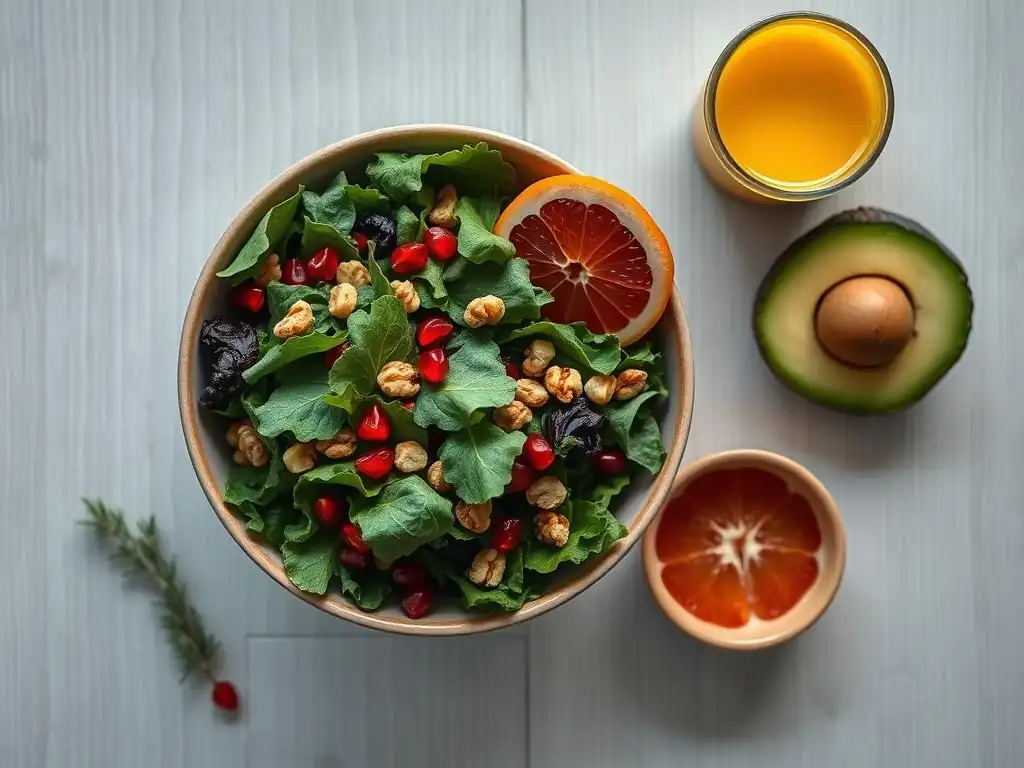
Step-by-Step Approach
Embarking on an Antiinflammatory diet depression relief strategy doesn't require an overnight overhaul; a gradual, step-by-step approach is often more sustainable and less overwhelming. Start by making small, manageable changes.
- Step 1: Assess Your Current Diet: Keep a food diary for a few days to identify areas where you can make the biggest impact. Are you consuming a lot of sugary drinks, processed snacks, or refined grains?
- Step 2: Identify Key Swaps: Choose one or two easy swaps to begin with. For example, replace white bread with whole wheat, switch from soda to water or unsweetened tea, or swap a sugary breakfast cereal for oatmeal with berries and nuts.
- Step 3: Increase Fruits and Vegetables: Make a conscious effort to add an extra serving of vegetables to your lunch and dinner, and have fruit as a snack. Aim for a variety of colors.
- Step 4: Incorporate Healthy Fats: Start using olive oil for cooking, add avocado to salads or sandwiches, and snack on a small handful of nuts or seeds daily.
- Step 5: Plan Ahead: Dedicate some time each week to plan your meals and snacks. This reduces impulse decisions and helps you stick to your anti-inflammatory goals.
Making these changes gradually allows you to build new habits without feeling deprived. Focus on adding nutrient-dense foods rather than just restricting, which makes the process more positive and enjoyable.
It's also helpful to tackle one meal at a time. Perhaps focus on making your breakfast anti-inflammatory for the first week, then move on to lunch the next. This segmented approach breaks down the larger goal into smaller, achievable tasks. For instance, if you typically have pastries for breakfast, try switching to Greek yogurt with berries and chia seeds. Once that feels comfortable, look at your lunch choices.
Are you eating a lot of fast food? Try packing a salad with grilled chicken or legumes. Remember that progress isn't linear, and occasional slips are normal. The goal is consistency over time, building a foundation for lasting Antiinflammatory diet depression relief through sustainable dietary habits.
Sample Meal Plan
Creating a sample meal plan can help visualize what an anti-inflammatory day of eating looks like. This is just an example, and can be adapted based on your preferences and dietary needs, keeping the principles of Antiinflammatory diet depression relief in mind.
- Breakfast: Oatmeal cooked with water or unsweetened plant milk, topped with a handful of mixed berries (blueberries, raspberries), a sprinkle of chopped walnuts or almonds, and a dash of cinnamon.
- Mid-Morning Snack: A small apple with a tablespoon of almond butter.
- Lunch: Large salad with mixed greens, spinach, cucumber, tomatoes, bell peppers, chickpeas or lentils, and grilled chicken or canned salmon. Dress with extra virgin olive oil and lemon juice.
- Afternoon Snack: A small container of plain Greek yogurt (if dairy is tolerated) or coconut yogurt with a sprinkle of chia seeds.
- Dinner: Baked salmon fillet seasoned with herbs and lemon, served with a generous portion of roasted broccoli and sweet potatoes drizzled with olive oil.
- Evening Snack (Optional): A small handful of unsalted mixed nuts or a cup of herbal tea.
This sample plan incorporates a variety of anti-inflammatory foods throughout the day: omega-3s from salmon, antioxidants from berries and vegetables, fiber from oats and legumes, and healthy fats from nuts and olive oil. It limits refined sugars and processed items, providing sustained energy and nutrients to support both physical and mental health. Following such a plan consistently provides the body with the tools it needs to combat inflammation and support the brain, making it a practical strategy for Antiinflammatory diet depression relief.
Task List for Meal Planning:

- [ ] Write down 3-5 breakfast ideas
- [ ] Write down 3-5 lunch ideas
- [ ] Write down 5-7 dinner ideas
- [ ] List healthy snack options
- [ ] Create a grocery list based on planned meals
- [ ] Schedule time for grocery shopping
- [ ] Schedule time for meal prepping (chopping veggies, cooking grains)
Tips for Success
Making sustainable dietary changes for Antiinflammatory diet depression relief requires more than just knowing what to eat; it involves adopting strategies to navigate challenges and maintain motivation. One crucial tip is to focus on hydration. Drinking plenty of water throughout the day is essential for overall health, including metabolic processes and gut function, both of which influence inflammation and mood.
Aim for at least 8 glasses of water daily, and more if you're active or in a warm climate. Another key strategy is mindful eating – paying attention to your hunger and fullness cues, savoring your food, and being present during meals. This can help you make healthier choices and improve your relationship with food.
Dealing with cravings for pro-inflammatory foods can be tough, especially when you're feeling low. Instead of complete restriction, try strategies like finding healthier alternatives (e.g., dark chocolate instead of milk chocolate, roasted chickpeas instead of potato chips), practicing delay (waiting 10-15 minutes before giving in to a craving), or distracting yourself with an activity. Social situations involving food can also be challenging. Plan ahead by looking at restaurant menus online, offering to bring a healthy dish to gatherings, or eating a small healthy snack before you go to avoid arriving overly hungry. Remember that consistency is more important than perfection. Don't let a single slip-up derail your efforts; simply acknowledge it and get back on track with your next meal. Building a supportive environment, perhaps by cooking with a friend or family member, can also make the process more enjoyable and sustainable, bolstering your efforts toward Antiinflammatory diet depression relief.
Recipes for Depression: Nutritious and Delicious
Embracing an Antiinflammatory diet depression relief strategy doesn't mean sacrificing flavor or enjoyment. Cooking simple, nutritious meals at home is a powerful way to ensure you're getting the right nutrients and avoiding inflammatory ingredients. Here are a few recipe ideas focusing on anti-inflammatory powerhouses.
Salmon with Roasted Vegetables
This simple recipe combines omega-3 rich salmon with antioxidant-packed roasted vegetables, making it a perfect anti-inflammatory meal for depression relief.
Ingredients:
- 2 salmon fillets (about 4-6 oz each)
- 1 head of broccoli, cut into florets
- 1 red bell pepper, chopped
- 1 zucchini, chopped
- 2 tablespoons extra virgin olive oil
- 1 teaspoon dried herbs (like thyme or oregano)
- Salt and black pepper to taste
- Lemon wedges (optional)
Instructions: Preheat oven to 400°F (200°C). Toss the chopped vegetables with 1 tablespoon of olive oil, herbs, salt, and pepper on a baking sheet. Spread in a single layer. Place the salmon fillets on the same baking sheet or a separate one.
Drizzle the remaining 1 tablespoon of olive oil over the salmon and season with salt and pepper. Roast for 15-20 minutes, or until salmon is cooked through and vegetables are tender and slightly caramelized. Serve immediately with lemon wedges if desired. This dish provides essential fatty acids, fiber, and a wide range of vitamins, all contributing to reducing inflammation and supporting brain health, crucial for Antiinflammatory diet depression relief.
Turmeric Ginger Smoothie
Start your day or refuel with this vibrant smoothie packed with powerful anti-inflammatory ingredients. Turmeric and ginger are renowned for their potent anti-inflammatory properties, making this a great addition to an Antiinflammatory diet depression relief plan.
Ingredients:
- 1 cup unsweetened almond milk (or other plant milk)
- 1/2 frozen banana (for creaminess)
- 1/2 inch fresh ginger, peeled and chopped
- 1/2 teaspoon ground turmeric (or 1 inch fresh turmeric, peeled)
- Pinch of black pepper (enhances turmeric absorption)
- 1 tablespoon chia seeds or flaxseeds
- Optional: small handful of spinach (you won't taste it!)
Instructions: Combine all ingredients in a blender. Blend until smooth and creamy. If the smoothie is too thick, add a little more milk. Enjoy immediately. This simple drink delivers a concentrated dose of inflammation-fighting compounds, healthy fats, and fiber, providing a quick and delicious way to support your body's anti-inflammatory efforts and contribute to Antiinflammatory diet depression relief.
Lentil Soup
Hearty, affordable, and incredibly nutritious, lentil soup is a staple of many anti-inflammatory dietary patterns. Lentils are a fantastic source of fiber, plant-based protein, and various vitamins and minerals, making this soup excellent for gut health and overall Antiinflammatory diet depression relief.
Ingredients:
- 1 tablespoon extra virgin olive oil
- 1 onion, chopped
- 2 carrots, chopped
- 2 celery stalks, chopped
- 2 cloves garlic, minced
- 1 teaspoon dried thyme
- 1/2 teaspoon dried rosemary
- 1 cup brown or green lentils, rinsed
- 6 cups vegetable broth
- 1 (14.5 ounce) can diced tomatoes, undrained
- Salt and black pepper to taste
- Optional: a handful of spinach stirred in at the end
Instructions: Heat olive oil in a large pot or Dutch oven over medium heat. Add onion, carrots, and celery and cook until softened, about 5-7 minutes. Add garlic, thyme, and rosemary and cook for another minute until fragrant. Stir in the rinsed lentils, vegetable broth, and diced tomatoes.
Bring to a boil, then reduce heat, cover, and simmer for 25-30 minutes, or until lentils are tender. Season with salt and pepper. If using, stir in the spinach until wilted. This soup is not only comforting but also provides sustained energy and supports a healthy gut microbiome, contributing significantly to an Antiinflammatory diet depression relief strategy.
Complementary Lifestyle Factors
While focusing on an Antiinflammatory diet depression relief strategy is powerful, it's most effective when integrated into a holistic approach to mental well-being that includes other crucial lifestyle factors. Diet is a foundational element, but managing stress, ensuring adequate sleep, and incorporating regular exercise work synergistically to reduce inflammation and improve mood. Ignoring these other pillars can significantly undermine the benefits gained from dietary changes alone.
Stress Management
Chronic stress is a major contributor to inflammation in the body. When we are stressed, our bodies release hormones like cortisol, which in the short term are helpful, but chronic elevation can lead to increased systemic inflammation. This inflammatory response can then exacerbate symptoms of depression, creating a vicious cycle. Incorporating stress management techniques into your daily routine is therefore essential for complementing your Antiinflammatory diet depression relief efforts. Simple practices like deep breathing exercises, meditation, yoga, or spending time in nature for just 15-20 minutes a day can significantly lower stress hormone levels and reduce inflammation.
Finding healthy ways to cope with stress, rather than turning to comfort foods high in sugar and unhealthy fats (which are pro-inflammatory), reinforces your dietary goals. Building resilience to stress through practices like mindfulness not only helps manage the inflammatory response but also improves emotional regulation and overall mental fortitude. Consider incorporating a stress-reducing activity that you genuinely enjoy, whether it's reading, listening to music, or pursuing a hobby. Consistently practicing stress management techniques alongside your anti-inflammatory eating pattern provides a two-pronged attack against the physiological drivers of depression.
Importance of Sleep
Sleep is a vital restorative process for both the body and the brain. Chronic sleep deprivation or poor sleep quality is strongly linked to increased inflammation. Studies have shown that even a few nights of insufficient sleep can elevate inflammatory markers like CRP and IL-6. This increased inflammation can negatively impact mood, cognitive function, and stress resilience, making it harder to cope with depressive symptoms. Prioritizing 7-9 hours of quality sleep per night is therefore a critical component of an Antiinflammatory diet depression relief strategy.
Establishing a consistent sleep schedule, creating a relaxing bedtime routine, ensuring your bedroom is dark, quiet, and cool, and avoiding screens before bed are all practices that can improve sleep hygiene. Just as diet fuels the body, sleep allows the brain to repair and consolidate information, including processing emotions. When sleep is compromised, the brain's ability to regulate mood and handle stress is impaired, potentially amplifying depressive feelings. By optimizing your sleep, you support your body's natural anti-inflammatory processes and enhance the brain's capacity for emotional regulation, making your dietary efforts more effective in achieving Antiinflammatory diet depression relief.
Exercise
Regular physical activity is a powerful tool for reducing inflammation and improving mood, working hand-in-hand with an Antiinflammatory diet depression relief plan. Exercise helps lower inflammatory markers in the body and promotes the release of endorphins, natural mood boosters. It also improves circulation, which benefits brain health, and can help regulate sleep and reduce stress, creating positive feedback loops with the other lifestyle factors. Aiming for at least 150 minutes of moderate-intensity aerobic exercise or 75 minutes of vigorous-intensity exercise per week, as recommended by health guidelines, can significantly impact both physical and mental health.
Finding an activity you enjoy, whether it's walking, jogging, swimming, dancing, or cycling, makes it easier to stick with. Even short bursts of activity throughout the day can be beneficial. For instance, taking a brisk 10-minute walk can help reduce stress and boost mood.
Exercise also helps combat the fatigue and low energy often associated with depression, making it easier to adhere to dietary changes and engage in other self-care activities. By combining the anti-inflammatory power of diet with the mood-boosting and inflammation-reducing effects of exercise, you create a comprehensive approach to support your journey towards Antiinflammatory diet depression relief.
Challenges and Solutions
Adopting an Antiinflammatory diet depression relief strategy can present challenges, but with awareness and proactive solutions, these obstacles can be navigated effectively.
Common Obstacles
One significant barrier can be the perceived cost of healthy foods. Fresh produce, quality proteins, and healthy fats can sometimes be more expensive than processed alternatives. Time constraints are another common obstacle; preparing meals from scratch takes more time than grabbing fast food or ready-made meals.
Social situations can also pose difficulties, as eating out or attending gatherings often involves limited healthy options and pressure to consume less healthy foods. Lastly, dealing with cravings for sugary, fatty, or processed foods, especially when feeling down, can be a major hurdle. The low motivation and energy levels associated with depression can make it particularly hard to initiate and maintain dietary changes.
Addressing Deficiencies
While a well-planned anti-inflammatory diet is nutrient-dense, individuals may still have specific nutrient deficiencies, especially if they have underlying health conditions or restricted diets. It's important not to guess. If you suspect a deficiency, or before starting any significant dietary changes, consulting a healthcare professional or registered dietitian is recommended. They can order blood tests to check levels of key nutrients like Vitamin D, B12, folate, and iron.
If deficiencies are identified, the professional can recommend targeted dietary changes or appropriate supplementation. It's generally preferable to obtain nutrients from whole foods as they provide a complex matrix of vitamins, minerals, fiber, and antioxidants that work synergistically. Supplements should be considered a complement, not a replacement, for a healthy diet, especially when aiming for comprehensive Antiinflammatory diet depression relief.
Working with Professionals
Integrating an Antiinflammatory diet depression relief strategy is best done in collaboration with healthcare professionals. Your primary care physician can rule out any underlying medical conditions contributing to your symptoms and provide overall guidance. A mental health professional, such as a therapist or psychiatrist, can provide essential support for managing depression symptoms, developing coping strategies, and addressing the psychological aspects of dietary changes.
A registered dietitian or nutritionist specializing in mental health can provide personalized dietary advice, help you create a meal plan tailored to your needs and preferences, and offer practical tips for implementation. They can also help you navigate potential challenges and ensure your diet is balanced and meeting all your nutritional needs.
Remember that dietary changes are a complementary approach to conventional treatments for depression, not a substitute. Working with a team of professionals ensures you receive comprehensive care addressing all facets of your well-being on your journey towards Antiinflammatory diet depression relief.
Success Stories
Hearing about real-life experiences can be incredibly motivating when considering an Antiinflammatory diet depression relief strategy. While individual results vary, many people have found significant improvements in their mood and overall well-being by changing their eating habits.
Case Study: Improved Mood with Dietary Changes
Consider Sarah, a 35-year-old woman who had struggled with persistent low mood, fatigue, and lack of motivation for several years, consistent with mild to moderate depression. She was receiving therapy but felt she needed more support. After learning about the link between inflammation and mood, she decided to try an Antiinflammatory diet depression relief approach with the guidance of a nutritionist.
She started by eliminating sugary drinks and processed snacks, replacing them with water, herbal tea, fruits, and nuts. She began incorporating fatty fish like salmon twice a week, increased her intake of leafy greens and colorful vegetables, and switched to whole grains.
Within about three months of consistently following this dietary pattern, Sarah reported a noticeable improvement in her energy levels and a reduction in feelings of sadness. She found it easier to get out of bed in the morning and felt more engaged in her therapy sessions. While she still had challenging days, the intensity and duration of her low moods decreased significantly.
She attributed much of this positive shift to feeling physically better and knowing she was actively nourishing her body and brain. Her experience highlights how dietary changes can be a tangible and empowering step towards improving mood and achieving Antiinflammatory diet depression relief.
Case Study: Reduced Anxiety Through Nutrition
Mark, a 42-year-old man, experienced significant anxiety alongside depressive symptoms, often manifesting as excessive worry, restlessness, and difficulty sleeping. He decided to focus on nutrition as part of his overall mental health plan, specifically targeting gut health within an anti-inflammatory framework for depression relief. He increased his intake of fiber-rich foods like legumes, vegetables, and whole grains, and started incorporating fermented foods like kimchi and yogurt with live cultures daily. He also reduced his consumption of refined sugars and processed foods, which he noticed seemed to worsen his anxiety.
Over several months, Mark observed a significant reduction in his anxiety levels. He felt calmer, his worrying became less intrusive, and his sleep quality improved. He also noticed fewer digestive issues, which he hadn't initially realized were connected to his mood.
His nutritionist explained how the changes in his diet likely improved his gut microbiome balance, positively influencing the gut-brain axis and reducing systemic inflammation, thereby contributing to both Antiinflammatory diet depression relief and anxiety reduction. Mark's story illustrates the interconnectedness of physical and mental health and the potential of targeted nutrition to alleviate not just depression but co-occurring anxiety symptoms.
Conclusion: A Brighter Future Through Diet
Long-Term Benefits
Adopting an Antiinflammatory diet depression relief strategy offers far more than just potential improvements in mood. The long-term benefits of consistently following an anti-inflammatory eating pattern extend to numerous aspects of physical health, which are often intertwined with mental well-being. This way of eating is strongly associated with a reduced risk of chronic diseases linked to inflammation, including heart disease, type 2 diabetes, certain cancers, and neurodegenerative conditions like Alzheimer's. By reducing systemic inflammation, you are investing in the health of your cardiovascular system, maintaining healthier blood sugar levels, and supporting overall cellular health.
Furthermore, a diet rich in fiber supports digestive health and a balanced gut microbiome, which, as we've seen, has profound implications for mood and brain function. The sustained energy levels, improved sleep, and enhanced physical health that often accompany this diet can create a positive feedback loop, making it easier to maintain healthy habits and fostering a greater sense of well-being over time. Embracing an anti-inflammatory diet is not a temporary fix but a sustainable lifestyle change that lays the groundwork for a healthier, more resilient future, offering long-term Antiinflammatory diet depression relief alongside broader health advantages.
Taking Control
The journey towards Antiinflammatory diet depression relief can feel daunting, but focusing on diet is an empowering step within your control. While depression is a complex condition influenced by many factors, choosing to nourish your body with anti-inflammatory foods is a tangible action you can take today to positively impact your brain health and mood. It's not about perfection, but about progress and making consistent, positive choices most of the time. Start small, focus on adding beneficial foods rather than just restricting, and celebrate your successes along the way.
Remember that you are not alone, and seeking support from healthcare professionals, dietitians, and mental health specialists can provide invaluable guidance and encouragement. Combining an Antiinflammatory diet depression relief strategy with other healthy lifestyle practices like stress management, adequate sleep, and exercise creates a powerful synergistic effect. By taking conscious steps to improve your nutrition, you are actively participating in your own healing process, building resilience, and paving the way for a brighter future. Your fork can indeed be a powerful tool in your battle against depression.
Frequently Asked Questions
What is an anti-inflammatory diet and how does it relate to depression?
An anti-inflammatory diet focuses on consuming foods that reduce inflammation in the body. Emerging research suggests a link between chronic inflammation and depression, indicating that dietary changes could offer depression relief.
Which foods should I prioritize on an anti-inflammatory diet for depression?
Prioritize foods rich in antioxidants and omega-3 fatty acids, such as fruits, vegetables, fatty fish, and nuts. These foods help combat inflammation and support brain health, potentially easing depressive symptoms.
Are there any foods I should avoid on an anti-inflammatory diet for depression relief?
Yes, you should limit or avoid processed foods, sugary drinks, and excessive amounts of red meat. These foods are known to promote inflammation and can potentially worsen depressive symptoms, hindering your progress.
How long does it take to see results from adopting an anti-inflammatory diet for depression?
The timeline varies, but most people need several weeks or months of consistent adherence to the diet to notice significant improvements. Combining this diet with other mental health strategies can enhance the results.
Is an anti-inflammatory diet a replacement for traditional depression treatments?
No, an anti-inflammatory diet is not a replacement for professional medical advice or treatment. It is best used as a complementary strategy alongside therapy, medication, or other interventions prescribed by a healthcare professional for comprehensive mental well-being.
Final Reflection: Nourishing the Mind, Body, and Soul
The connection between inflammation and mental health, specifically depression, is no longer a fringe theory; it's a burgeoning field of research with profound implications for how we approach treatment. Understanding the role of diet in managing inflammation offers a powerful, accessible tool in the ongoing battle against depression, a tool that empowers individuals to take proactive steps towards healing.
This journey of exploring the anti-inflammatory diet's impact on depression has been deeply personal. Witnessing the transformative power of food in managing mental health challenges underscores the importance of holistic approaches to well-being. The doctor of the future will give no medicine, but will interest his patients in the care of the human frame, in diet and in the cause and prevention of disease.
- Thomas Edison. This quote, though from a time before our current understanding of inflammation, resonates profoundly with the message of this article: that true health is a holistic endeavor, encompassing not just physical well-being, but mental and emotional health as well.
Now, consider your own relationship with food. Are you nourishing your body and mind with anti-inflammatory foods, or are you inadvertently fueling the flames of inflammation? This article isn't just about recipes and meal plans; it's a call to action. Take the time to reflect on your diet, make conscious choices to incorporate more anti-inflammatory foods, and explore the potential for positive change. Your mental and physical health will thank you for it. Begin your journey towards a healthier, happier you, one mindful bite at a time.
Unleash Your Inner Radiance: Nourish Your Mind & Body
Thank you for taking the time to explore the power of anti-inflammatory eating in combating depression! We hope this article provided valuable insights into how your diet can significantly impact your mental well-being. Now it's time to put this knowledge into action.
Here are a few ways to begin your journey towards a happier, healthier you:
- Prioritize anti-inflammatory foods: Start small! This week, focus on adding just one new anti-inflammatory food to your diet—whether it's colorful berries, leafy greens, or fatty fish. Track how you feel!
- Share your journey: Connect with others facing similar challenges by discussing your experiences and recipes in the comments below. Let's build a supportive community!
- Explore Mind Care Guide's resources: Dive deeper into the topic with more articles, recipes, and mindfulness techniques designed to support your overall well-being.
What's one anti-inflammatory food you're excited to add to your diet this week, and why?