
The GutBrain Connection: How an AntiInflammatory Diet Heals Your Mind

Welcome to Mind Care Guide.
Are you struggling with persistent brain fog, anxiety, or low mood? Perhaps the answer lies closer than you think – in your gut. We understand the profound impact your diet can have on your mental well-being. This article explores the powerful connection between your gut and your brain, focusing on how embracing an antiinflammatory diet can be a game-changer for your mental health. Discover how simple dietary changes can unlock a brighter, clearer, and more balanced you. Intrigued? Let's dive in and explore the antiinflammatory diet mental health link.
The Gut-Brain Connection: How Diet Impacts Mental Well-being
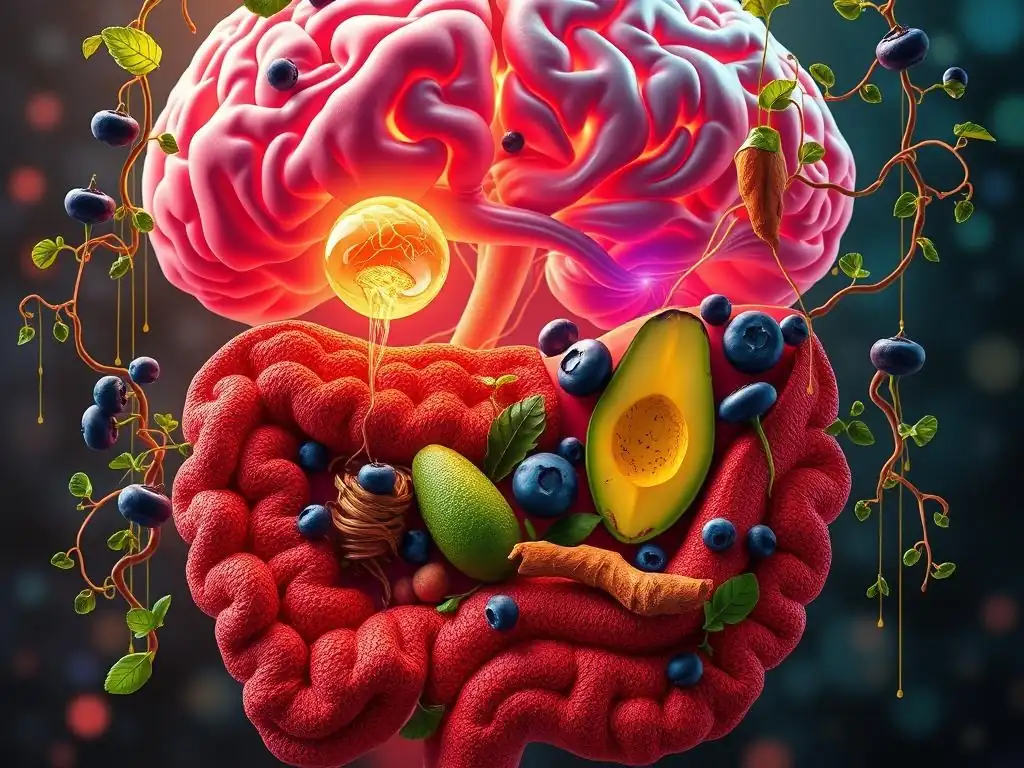
Understanding the intricate link between your gut and your brain is fundamental to appreciating how what you eat profoundly influences your mental state. This connection, often referred to as the gut-brain axis, is a complex communication network that involves nerves, hormones, and the immune system. Recognizing this axis is the first step in leveraging the power of an anti-inflammatory diet for mental health improvement.
This powerful link means that irritation in your gastrointestinal system can send signals to the central nervous system, potentially triggering mood changes or exacerbating mental health challenges. Conversely, stress and emotional states can also affect gut motility and function. It's a two-way street where the health of one significantly impacts the other.
- Understanding the Gut-Brain Axis and Mental Health
- An Elimination Diet for Mental Health: A Practical Guide
- Foods to Reintroduce: Building a Personalized Diet for a Healthy Mind
- The Benefits of Dietary Changes on Mental Health Conditions
- Implementing Dietary Changes: Practical Tips and Strategies
- Beyond Diet: Holistic Approaches to Support Gut-Brain Health
- Scientific Evidence: Research Supporting Dietary Interventions and Mental Health
- Is an Elimination Diet Right for You? Consulting a Professional
- The Path to a Healthier Mind Starts with Your Gut
-
Frequently Asked Questions
- What is the Gut-Brain Connection and why is it important for mental health?
- How does an anti-inflammatory diet specifically benefit mental health?
- What are some key foods to include in an anti-inflammatory diet for mental health?
- Are there specific foods that should be avoided when following an anti-inflammatory diet for mental health?
- How long does it typically take to see improvements in mental health after starting an anti-inflammatory diet?
- Final Reflection: Nourishing the Mind, One Gut at a Time
- Unlock Your Brain's Potential: Nourish Your Mind, Body, and Gut!
Understanding the Gut-Brain Axis and Mental Health
The gut-brain axis is a fascinating area of research, revealing how interconnected our physical and mental health truly are. It's not just about digestion; it's about a constant dialogue that shapes everything from our mood and cognitive function to our stress response.
This axis is a complex system involving multiple pathways, including the vagus nerve, the endocrine system (hormones), the immune system, and the gut microbiota. These pathways work in concert to relay information between the gut and the brain, influencing various physiological and psychological processes. Disruptions in this communication can have far-reaching consequences.
The Bidirectional Communication System
The gut and the brain are in constant conversation, sending signals back and forth. The vagus nerve, the longest cranial nerve, serves as a major highway for this communication, transmitting information directly from the gut to the brain and vice versa. For instance, signals related to satiety or discomfort originate in the gut and travel via the vagus nerve to the brain, influencing appetite and mood.
Beyond the vagus nerve, chemical messengers play a crucial role. The gut produces numerous neurotransmitters and hormones, some of which are identical to those found in the brain. Serotonin, often dubbed the "feel-good" neurotransmitter, is a prime example; approximately 90% of the body's serotonin is produced in the gut. These substances can enter the bloodstream and influence brain function, directly impacting mood, sleep, and cognitive processes.
The Role of Gut Microbiota in Neurotransmitter Production
The trillions of microorganisms residing in our gut, collectively known as the gut microbiota, are incredibly influential players in the gut-brain axis. These microbes are not just passive residents; they are active metabolic factories that produce a wide array of compounds, including neurotransmitters and short-chain fatty acids (SCFAs). SCFAs like butyrate, propionate, and acetate are produced when gut bacteria ferment dietary fiber and have been shown to positively impact brain function and reduce inflammation.
Furthermore, the gut microbiota plays a significant role in the production of crucial neurotransmitters like GABA (gamma-aminobutyric acid) and dopamine. GABA is an inhibitory neurotransmitter that helps calm the nervous system, while dopamine is associated with reward and motivation. An imbalance in the gut microbiota, often referred to as dysbiosis, can disrupt the production of these vital chemicals, potentially contributing to feelings of anxiety, depression, or irritability. Research has shown that certain probiotic strains can influence GABA levels and improve mood in animal models, highlighting the potential for dietary interventions focused on the anti-inflammatory diet mental health connection.
Inflammation as a Key Factor in Gut-Brain Dysfunction
Chronic, low-grade inflammation is increasingly recognized as a major contributor to many health issues, including mental health disorders. The gut is a primary site where inflammation can originate, often triggered by factors like poor diet, stress, or infections. When the gut barrier becomes compromised (a condition sometimes called "leaky gut"), inflammatory molecules and bacterial products can cross into the bloodstream, potentially reaching the brain.
This neuroinflammation can disrupt neurotransmitter function, impair neuronal communication, and contribute to symptoms of depression, anxiety, and cognitive decline. An anti-inflammatory diet for mental health aims to reduce systemic inflammation by eliminating trigger foods and promoting the growth of beneficial gut bacteria. Studies have indicated that markers of inflammation, such as C-reactive protein (CRP), are often elevated in individuals with depression, and dietary changes focused on reducing inflammation can lead to a decrease in these markers and an improvement in mood symptoms.
An Elimination Diet for Mental Health: A Practical Guide
Given the strong link between gut health, inflammation, and mental well-being, an elimination diet can be a powerful tool. It's a structured approach designed to identify specific foods that may be contributing to inflammation or other issues impacting your mental state.
This process involves temporarily removing certain foods or food groups from your diet that are commonly associated with sensitivities or inflammatory responses. After a period of elimination, foods are systematically reintroduced to observe their effect on your symptoms. This personalized approach goes beyond a general anti-inflammatory diet mental health plan by pinpointing individual triggers.
Understanding Elimination Diets and Their Mechanisms
An elimination diet works on the principle that certain foods, even if not causing overt allergic reactions, might be causing subtle inflammatory or immune responses in your body. These responses can irritate the gut lining, disrupt the microbiome, and contribute to systemic inflammation that impacts the brain. By removing these potential culprits, the body gets a chance to calm down, and inflammation can subside.
The mechanism involves reducing the exposure to compounds that might be perceived as threats by the immune system or that feed problematic gut bacteria. For instance, removing foods high in refined sugars or processed fats starves pro-inflammatory bacteria and reduces the overall inflammatory load. The reintroduction phase is critical as it allows you to directly observe how your body reacts to specific foods, providing valuable data for building a sustainable, personalized anti-inflammatory diet for mental health.
Core Principles of an Elimination Diet for Mental Well-being
The core principles of an elimination diet for mental health focus on simplicity, nutrient density, and observation. The initial phase involves eating a limited range of foods that are generally considered hypoallergenic and nutrient-rich, such as certain vegetables, fruits, lean proteins, and healthy fats. This phase typically lasts for a few weeks, allowing enough time for any inflammatory responses to settle.
During this time, meticulous tracking of symptoms is essential. This includes noting changes in mood, energy levels, sleep patterns, digestive issues, and cognitive function. Following the elimination phase, foods are reintroduced one at a time, with a few days in between each reintroduction. This allows you to isolate the effects of each food and identify potential triggers that negatively impact your mental well-being or cause physical discomfort. This systematic process is key to tailoring an effective anti-inflammatory diet mental health strategy.
Identifying Common Trigger Foods for Improved Mood
While individual triggers vary, several food groups are commonly identified in elimination diets as potential contributors to inflammation and negative mood states. These often include gluten (found in wheat, barley, and rye), dairy products, soy, corn, eggs, sugar, and processed foods. These items can sometimes promote gut dysbiosis or trigger immune responses in susceptible individuals.
For example, refined sugar is known to fuel pro-inflammatory bacteria in the gut and cause rapid blood sugar spikes and crashes, which can negatively impact mood and energy. Gluten and dairy are common sensitivities that can lead to gut inflammation in some people. By temporarily removing these items, you can assess if they were contributing to symptoms like brain fog, irritability, or anxiety. Identifying and reducing intake of these triggers is a fundamental step in adopting an effective anti-inflammatory diet mental health plan.
Foods to Reintroduce: Building a Personalized Diet for a Healthy Mind
After the elimination phase, the reintroduction process is where you build your sustainable eating plan. The goal is to identify the foods you tolerate well and those that cause adverse reactions, thereby creating a personalized anti-inflammatory diet mental health strategy that supports your well-being long-term.
This phase is about carefully testing foods and observing your body's response. It's not about permanently restricting everything, but about understanding your unique physiology and building a diet rich in nutrients that nourish both your gut and your brain.
Nutrient-Dense Foods for Gut Health and Cognitive Function
Once you've identified your specific triggers, focus on building your diet around nutrient-dense foods that support gut health and cognitive function. This includes a wide variety of colorful vegetables and fruits, which are packed with vitamins, minerals, and antioxidants that combat inflammation. Leafy greens, berries, and cruciferous vegetables are particularly beneficial.
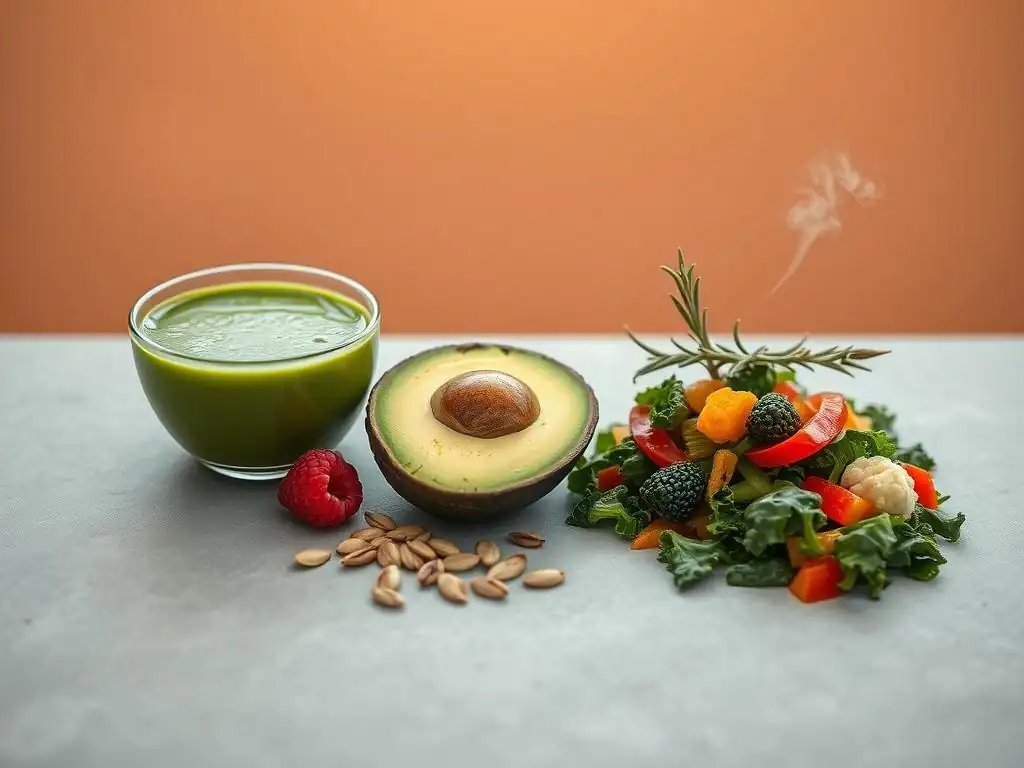
Healthy fats, such as those found in avocados, nuts, seeds, and olive oil, are crucial for brain health and reducing inflammation. Lean proteins from sources like fish (especially fatty fish rich in omega-3s, like salmon and mackerel), poultry, and legumes provide the building blocks for neurotransmitters and support overall bodily function. Incorporating these foods forms the foundation of an effective anti-inflammatory diet for mental health.
Incorporating Fermented Foods and Fiber for Optimal Gut-Brain Communication
Fermented foods are excellent sources of probiotics, beneficial bacteria that can help restore balance to the gut microbiome. Examples include yogurt (dairy or non-dairy with live active cultures), kefir, sauerkraut, kimchi, and kombucha. Introducing these foods can help replenish beneficial bacteria populations, improving gut barrier function and supporting the production of beneficial compounds like SCFAs.
Dietary fiber is equally critical. It acts as a prebiotic, providing nourishment for beneficial gut bacteria. Good sources of fiber include whole grains (if tolerated), legumes, fruits, vegetables, nuts, and seeds. A high-fiber diet promotes a diverse and healthy gut microbiome, which in turn supports robust gut-brain communication and contributes to the positive effects of an anti-inflammatory diet mental health approach. Aim for a variety of fiber sources to feed different types of beneficial bacteria.
Sample Meal Plans for Mental Well-being
Creating meal plans based on your personalized findings from the elimination diet can simplify healthy eating. A sample day on an anti-inflammatory diet for mental health might look like this: Breakfast could be a smoothie with berries, spinach, plant-based protein powder, and almond milk. Lunch might consist of a large salad with grilled chicken or chickpeas, mixed greens, various vegetables, and an olive oil-based dressing.
Dinner could be baked salmon with roasted broccoli and quinoa (if tolerated). Snacks might include a handful of nuts, an apple with almond butter, or some vegetable sticks with hummus. This structure emphasizes whole, unprocessed foods, incorporates healthy fats and fiber, and avoids common inflammatory triggers, providing a practical template for maintaining an anti-inflammatory diet mental health focus.
The Benefits of Dietary Changes on Mental Health Conditions
Adopting an anti-inflammatory diet for mental health is not just about physical well-being; it has tangible benefits for various psychological conditions. By reducing inflammation and promoting a healthy gut, you can positively impact mood, cognitive function, and stress resilience.
Numerous studies and anecdotal reports highlight the positive impact of dietary interventions on symptoms associated with common mental health challenges. This approach addresses potential root causes of symptoms, offering a complementary strategy alongside traditional treatments.
Reducing Symptoms of Anxiety and Depression
Research strongly suggests a link between inflammation and the severity of anxiety and depression symptoms. By following an anti-inflammatory diet, individuals can potentially reduce systemic inflammation, which may alleviate these symptoms. For instance, a meta-analysis published in Translational Psychiatry in 2019 reviewed several studies and found that dietary interventions, particularly those emphasizing fruits, vegetables, fish, and whole grains, were associated with a significant reduction in depressive symptoms.
Anecdotally, many individuals report feeling less anxious and experiencing improved mood after removing inflammatory foods like sugar and processed items and increasing their intake of nutrient-dense, gut-supportive foods. While not a cure, an anti-inflammatory diet mental health strategy can be a powerful tool in managing these conditions, potentially reducing symptom severity and improving overall emotional regulation.
Improving Focus and Memory
Brain fog, difficulty concentrating, and memory issues are often associated with inflammation and poor gut health. The gut-brain axis plays a critical role in cognitive function, and inflammation in the gut can impair communication with the brain, affecting areas responsible for focus and memory.
An anti-inflammatory diet, rich in omega-3 fatty acids, antioxidants, and fiber, provides the necessary nutrients to support optimal brain function. Omega-3s, found abundantly in fatty fish, are essential building blocks for brain cell membranes and have anti-inflammatory properties. Antioxidants, plentiful in fruits and vegetables, protect brain cells from damage. Improving gut health through fiber and probiotics can also enhance the production of SCFAs, which have been shown to support cognitive function. Many people adopting an anti-inflammatory diet mental health plan report improved clarity, focus, and reduced brain fog within weeks.
Managing Stress and Promoting Emotional Regulation
Chronic stress can negatively impact the gut microbiome and increase inflammation, creating a vicious cycle that further affects mood and stress response. Conversely, a healthy gut can help buffer the effects of stress on the brain. The gut microbiome influences the hypothalamic-pituitary-adrenal (HPA) axis, the body's primary stress response system.
By adopting an anti-inflammatory diet, you can support a healthier gut microbiome, which in turn can help regulate the HPA axis and improve your body's ability to manage stress. Reducing inflammatory foods also reduces the physiological stress burden on the body. This holistic approach, focusing on the anti-inflammatory diet mental health connection, can lead to improved emotional regulation, making it easier to cope with daily stressors and maintain a more stable mood.
Implementing Dietary Changes: Practical Tips and Strategies
Making significant dietary changes can feel daunting, but with the right approach, it's a manageable and rewarding process. Focusing on small, sustainable steps can lead to lasting positive changes in your gut health and mental well-being.
Patience and consistency are key when implementing an anti-inflammatory diet for mental health. It's a journey, and there will be learning curves, but the potential benefits for your mood and cognitive function make it well worth the effort.
Gradual Introduction of New Foods
If you're starting with an elimination diet, the reintroduction phase should be slow and deliberate. Introduce one new food group at a time, waiting 2-3 days before introducing the next. This allows you to clearly observe any reactions, such as digestive upset, changes in energy, or shifts in mood or anxiety levels. Keep a food and symptom journal to track your responses.
If you're not doing a full elimination diet but simply transitioning to a more anti-inflammatory way of eating, start by gradually incorporating more nutrient-dense foods while reducing inflammatory ones. For example, swap sugary drinks for water or herbal tea, replace refined grains with whole grains (if tolerated), or add an extra serving of vegetables to your meals. Small, consistent changes are more likely to stick and contribute to your anti-inflammatory diet mental health goals.
Meal Planning and Preparation for a Healthy Lifestyle
Meal planning and preparation are essential for successfully maintaining an anti-inflammatory diet. Taking time each week to plan your meals and snacks helps ensure you have healthy options readily available, reducing the temptation to grab processed or inflammatory foods when you're busy or stressed.
Batch cooking components like grains, roasted vegetables, or lean proteins can save significant time during the week. Preparing healthy snacks in advance, such as chopped vegetables, portioned nuts, or homemade trail mix, helps you stay on track between meals. This proactive approach makes following an anti-inflammatory diet mental health plan much more sustainable and less overwhelming.
Addressing Potential Challenges and Roadblocks
Embarking on a new diet can come with challenges, such as social situations, cravings, or feeling restricted. It's important to anticipate these and develop strategies to navigate them.
- Social Events: Plan ahead. Offer to bring an anti-inflammatory dish to share, or check the menu beforehand to identify suitable options. Don't be afraid to politely decline foods that you know are triggers.
- Cravings: Cravings for sugar or processed foods are common initially. Focus on incorporating satisfying, nutrient-dense foods into your meals to minimize cravings. Having healthy snacks on hand can also help. Understanding that cravings often subside as your gut health improves can be motivating.
- Feeling Restricted: Focus on the abundance of delicious, healthy foods you can eat rather than the few you might be limiting. Experiment with new recipes and ingredients to keep things exciting. Remember that the goal is improved mental well-being, which can help reframe feelings of restriction.
Beyond Diet: Holistic Approaches to Support Gut-Brain Health
While diet is a cornerstone of supporting the gut-brain connection and implementing an anti-inflammatory diet mental health strategy, it's part of a larger picture. Other lifestyle factors significantly influence gut health and overall mental well-being.
Incorporating holistic practices alongside dietary changes can create a synergistic effect, amplifying the benefits for both your gut and your mind. These practices address stress, promote physical health, and support the intricate balance of your internal systems.
The Role of Exercise in Modulating the Gut Microbiome
Regular physical activity has a profound impact on gut health. Exercise can increase the diversity of the gut microbiome, which is associated with better overall health and resilience. Studies have shown that individuals who exercise regularly tend to have a more diverse and beneficial gut bacterial composition compared to sedentary individuals.
Exercise can also reduce inflammation throughout the body, including in the gut. Furthermore, physical activity is a well-known stress reliever, and reducing stress directly benefits the gut-brain axis. Aim for consistent movement, whether it's brisk walking, jogging, yoga, or strength training, as part of your comprehensive approach to supporting your anti-inflammatory diet mental health journey.
Mindfulness and Meditation for a Healthier Gut and Mind
The mind's influence on the gut is powerful. Stress, anxiety, and negative emotions can directly impact gut motility, permeability, and the composition of the gut microbiome. Practices like mindfulness and meditation can help regulate the stress response, reducing the negative impact of stress on the gut-brain axis.
Mindfulness involves paying attention to the present moment without judgment, which can reduce rumination and anxiety. Meditation techniques can calm the nervous system, lowering cortisol levels (a stress hormone) that can disrupt gut function. Incorporating just a few minutes of mindfulness or meditation daily can support a healthier gut environment and enhance the benefits derived from an anti-inflammatory diet mental health plan.
The Importance of Sleep for Gut Microbiome Diversity and Mental Well-being
Sleep is crucial for almost every bodily function, including the health of your gut microbiome. Poor sleep or sleep deprivation can negatively impact the diversity and balance of gut bacteria. Disruptions to the body's circadian rhythms, often caused by inconsistent sleep schedules, can also affect gut function and increase inflammation.
Ensuring adequate, quality sleep (typically 7-9 hours per night for adults) supports a healthy gut microbiome and is essential for optimal brain function and emotional regulation. Prioritizing sleep is a vital component of a holistic approach to the anti-inflammatory diet mental health connection, allowing the body and gut to rest, repair, and maintain balance.
Scientific Evidence: Research Supporting Dietary Interventions and Mental Health
The concept of using diet to influence mental health is not merely anecdotal; it is supported by a growing body of scientific research. Nutritional psychiatry is an emerging field dedicated to understanding the complex relationship between diet, the gut microbiome, and mental well-being.
This research provides a strong foundation for the recommendations made regarding an anti-inflammatory diet for mental health, offering hope and evidence-based strategies for individuals seeking complementary approaches to mental wellness.
Citing Key Studies and Research Findings
Numerous studies highlight the impact of diet on mental health outcomes. The "SMILES" trial, published in BMC Medicine in 2017, is a landmark study that demonstrated the effectiveness of a dietary intervention (specifically, a modified Mediterranean diet) in reducing symptoms of major depressive disorder. Participants who received dietary support were significantly more likely to achieve remission from depression compared to those in a social support control group.
Another area of focus is the impact of specific nutrients. Research has shown that adequate intake of omega-3 fatty acids is associated with lower rates of depression and anxiety. Similarly, studies on the gut microbiome have linked specific bacterial profiles to different mood states, suggesting that interventions like probiotics or dietary changes can influence mental health outcomes by altering the microbial composition. These findings underscore the potential of an anti-inflammatory diet mental health approach.
The Future of Nutritional Psychiatry: Gut-Brain Focused Therapies
Nutritional psychiatry is a rapidly evolving field, with ongoing research exploring the intricate mechanisms by which diet and the gut microbiome influence brain function and mental health. Future therapies are likely to be highly personalized, potentially involving targeted dietary recommendations based on an individual's gut microbiome composition.
Research is exploring the use of specific probiotic strains, prebiotics, and postbiotics (compounds produced by gut bacteria) as therapeutic agents for mental health conditions. Understanding the anti-inflammatory diet mental health link is paving the way for innovative treatments that address the biological underpinnings of mood disorders, offering new avenues for prevention and treatment.
Is an Elimination Diet Right for You? Consulting a Professional
While exploring an anti-inflammatory diet for mental health can be incredibly beneficial, undertaking a strict elimination diet should ideally be done under the guidance of a qualified healthcare professional. This ensures the process is safe, effective, and tailored to your specific health needs and history.
A professional can help you navigate the complexities, interpret your results, and ensure you maintain adequate nutrition throughout the process.
When to Seek Guidance from a Healthcare Provider or Registered Dietitian
It is highly recommended to consult with a healthcare provider (like your doctor or a psychiatrist) or a registered dietitian before starting a restrictive elimination diet, especially if you have pre-existing health conditions, a history of disordered eating, or are taking medications.
A registered dietitian specializing in functional nutrition or mental health can provide personalized guidance, help you design a safe and effective elimination and reintroduction plan, and ensure you are meeting your nutritional needs. They can also help interpret your results and build a sustainable, balanced anti-inflammatory diet mental health plan for the long term.
Personalizing Your Dietary Plan
Working with a professional allows for a truly personalized approach. They can consider your unique symptoms, health history, lifestyle, and dietary preferences when developing your plan. This goes beyond a generic anti-inflammatory diet and focuses on identifying the specific foods and nutrients that will best support your gut-brain axis and mental well-being.
A professional can also help you troubleshoot challenges, adjust the plan as needed, and provide ongoing support, making the journey towards an anti-inflammatory diet mental health goal much smoother and more effective. They can help differentiate between temporary reactions and true sensitivities, ensuring your long-term diet is sustainable and beneficial.
The Path to a Healthier Mind Starts with Your Gut
Embracing the connection between your gut and your brain opens up powerful new possibilities for improving your mental well-being. Recognizing that food is not just fuel but information that impacts your mood, energy, and cognitive function is a transformative perspective.
By focusing on nourishing your gut, you are taking direct steps towards fostering a healthier mind. An anti-inflammatory diet for mental health is a cornerstone of this approach, offering a tangible way to influence your internal environment for better psychological outcomes.
Embracing the Power of Food for Mental Well-being
Viewing food as a tool for mental wellness empowers you to make conscious choices that support your brain and mood. Every meal is an opportunity to nourish your gut microbiome, reduce inflammation, and provide your brain with the nutrients it needs to function optimally.
This perspective shifts the focus from restrictive dieting to abundant nourishment. It's about choosing foods that make you feel vibrant, both physically and mentally, and understanding how these choices contribute to your overall resilience and emotional balance. Embracing an anti-inflammatory diet mental health approach is a proactive step in self-care.
Long-Term Benefits and Sustainability of a Personalized Diet
The goal is not a temporary fix but a sustainable lifestyle change. The insights gained from exploring the anti-inflammatory diet mental health connection and potentially undertaking an elimination diet allow you to build a dietary pattern that supports your well-being for years to come.
The long-term benefits can include reduced symptoms of anxiety and depression, improved cognitive function, better energy levels, and greater emotional stability. By understanding your body's unique needs and sensitivities, you can maintain a personalized diet that is both enjoyable and deeply supportive of your gut-brain health, leading to lasting improvements in your mental well-being.
Frequently Asked Questions
What is the Gut-Brain Connection and why is it important for mental health?
The Gut-Brain Connection refers to the bidirectional communication between the digestive system and the brain. It's crucial because an unhealthy gut can lead to inflammation that impacts mental well-being.
How does an anti-inflammatory diet specifically benefit mental health?
An anti-inflammatory diet reduces systemic inflammation, which can improve mood, reduce anxiety, and alleviate symptoms of depression by supporting a healthy gut microbiome.
What are some key foods to include in an anti-inflammatory diet for mental health?
Focus on foods rich in omega-3 fatty acids, like fatty fish; fiber-rich foods such as fruits, vegetables, and whole grains; and probiotic-rich fermented foods like yogurt and kefir.
Are there specific foods that should be avoided when following an anti-inflammatory diet for mental health?
Yes, limit or avoid processed foods, sugary drinks, and excessive amounts of red meat as they can promote inflammation in the gut and negatively affect mental health.
How long does it typically take to see improvements in mental health after starting an anti-inflammatory diet?
While individual results vary, some may experience noticeable improvements in mood and energy levels within a few weeks, though long-term adherence is key for sustained benefits.
Final Reflection: Nourishing the Mind, One Gut at a Time
The connection between gut health and mental well-being is no longer a fringe theory; it's a rapidly expanding field of research with profound implications for our understanding of mental health. The overwhelming evidence presented in this article demonstrates the powerful impact an anti-inflammatory diet can have on reducing symptoms of anxiety, depression, and even neurological disorders. This isn't just about feeling better physically; it's about unlocking a deeper, more resilient mental state.
The journey towards understanding the gut-brain axis has been transformative, not only in my own life but also in the growing awareness surrounding the intricate relationship between our digestive system and our minds. This interconnectedness challenges the traditional, often siloed, approach to mental healthcare. It highlights the importance of considering the whole person, not just the symptoms. The gut is the second brain,
a phrase often repeated, underscores the profound influence of our gut microbiome on our cognitive function and emotional regulation. This understanding shifts the paradigm from solely focusing on pharmaceutical interventions to embracing a holistic approach that prioritizes nutrition and lifestyle choices.
Now, consider your own relationship with food. What are you nourishing your body and mind with? I invite you to reflect on your diet and explore the potential of an anti-inflammatory approach. Start small – incorporate more fruits, vegetables, and healthy fats into your daily routine. Experiment with eliminating processed foods, sugar, and inflammatory agents. The journey to better mental health often begins with a conscious choice to nourish your gut, and in doing so, nourish your mind. This is not just about treating symptoms; it's about building a foundation for lasting well-being.
Unlock Your Brain's Potential: Nourish Your Mind, Body, and Gut!
Thanks for taking the time to explore the powerful connection between your gut and brain health! We hope you've gained valuable insights into how an anti-inflammatory diet can transform your well-being. Now it's time to put this knowledge into action.
- Prioritize anti-inflammatory foods: Start incorporating gut-friendly foods like leafy greens, berries, and fatty fish into your daily meals. This is the single most impactful step you can take today.
- Share your journey: Tell your friends and family about the amazing benefits of an anti-inflammatory diet for brain health – you might inspire someone to make a life-changing shift!
- Experiment with new recipes: Explore exciting new recipes focusing on anti-inflammatory ingredients. Challenge yourself to create a delicious and healthy meal this week that supports both your gut and brain.
Ready to experience the transformative power of gut-brain connection? What small change will you implement today to nourish your mind and body?