
Unlock Your Mind: How AntiInflammatory Eating Boosts Mental Wellbeing


Welcome to Mind Care Guide.
Feeling weighed down, disconnected, or simply not quite yourself? You're not alone. We understand the profound impact that inflammation can have on your mental state. Explore our comprehensive guide to understanding the connection between food and mood, and discover how adopting an antiinflammatory diet can unlock a brighter, more balanced you. Curious to learn more about the power of an antiinflammatory diet for mental health? Let's begin.
Unlock Your Mind: How Anti-Inflammatory Eating Boosts Mental Wellbeing
- Introduction: The Powerful Connection Between Diet and Mental Health
- What is an Anti-Inflammatory Diet for Mental Health?
- Top Anti-Inflammatory Foods for a Healthier Mind
- Foods to Avoid on an Anti-Inflammatory Diet for Mental Wellness
- Implementing an Anti-Inflammatory Diet: A Step-by-Step Guide
- The Science Behind Anti-Inflammatory Eating and Mental Health
- Benefits Beyond Mental Wellbeing: The Holistic Impact of Anti-Inflammatory Eating
- Potential Challenges and How to Overcome Them
- Conclusion: Embrace Anti-Inflammatory Eating for a Brighter Mental Future
-
Frequently Asked Questions
- How does an anti-inflammatory diet impact mental health?
- What are some key foods to include in an anti-inflammatory diet for mental health?
- Are there specific mental health conditions that can benefit most from an anti-inflammatory diet?
- How quickly can I expect to see improvements in my mental well-being after starting an anti-inflammatory diet?
- Is an anti-inflammatory diet a substitute for traditional mental health treatment, such as therapy or medication?
- Final Reflection: Nourishing the Mind, Transforming the Self
- Unleash Your Brain's Potential: Start Eating for a Sharper Mind Today!
Introduction: The Powerful Connection Between Diet and Mental Health
Understanding the Gut-Brain Axis and its Impact on Wellbeing
The human body is a complex network, and one of the most fascinating connections is the gut-brain axis. This bidirectional communication pathway links the central nervous system (brain and spinal cord) and the enteric nervous system (the nervous system of the gut).
It involves various mechanisms, including nerves like the vagus nerve, hormones, and the immune system, but a significant player is the gut microbiome – the trillions of microorganisms living in our digestive tract. These microbes produce various neuroactive compounds, such as short-chain fatty acids (SCFAs) like butyrate, propionate, and acetate, which can influence brain function, mood, and behavior.
Research highlights the profound impact of the gut microbiome on mental wellbeing. For instance, studies in both animals and humans have shown that disruptions to the gut flora, often caused by poor diet, stress, or antibiotics, can be associated with increased anxiety, depression, and cognitive issues.
Conversely, a healthy and diverse gut microbiome, fostered by a diet rich in fiber and beneficial compounds, appears to support positive mental states and cognitive health. The gut truly acts like a "second brain," constantly sending signals that affect how we feel and think, underscoring why focusing on an antiinflammatory diet for mental health is crucial.
Inflammation's Role in Mental Health Disorders
Chronic low-grade inflammation is increasingly recognized as a significant contributor to the development and exacerbation of various mental health conditions. Unlike acute inflammation, which is the body's necessary response to injury or infection, chronic inflammation persists over time and can damage tissues throughout the body, including the brain. Pro-inflammatory cytokines, signaling molecules released by immune cells, can cross the blood-brain barrier and interfere with neurotransmitter function, neurogenesis (the creation of new neurons), and synaptic plasticity, all of which are vital for healthy mood and cognitive function.
Studies have found elevated levels of inflammatory markers like C-reactive protein (CRP) and interleukin-6 (IL-6) in individuals diagnosed with depression, anxiety disorders, and even neurodegenerative conditions. This suggests a direct link between systemic inflammation and the biological processes underlying these mental health challenges. Adopting an antiinflammatory diet for mental health aims to reduce this chronic inflammation, potentially mitigating some of these detrimental effects and supporting a more stable and resilient brain environment.
What is an Anti-Inflammatory Diet for Mental Health?
Defining Anti-Inflammatory Eating: A Guide to Reducing Inflammation Through Food
Anti-inflammatory eating is not a strict diet plan with rigid rules, but rather a dietary pattern focused on consuming foods known to reduce inflammation in the body while limiting those that promote it. The core principle is to prioritize nutrient-dense, whole foods rich in antioxidants, omega-3 fatty acids, fiber, and various phytonutrients. This approach emphasizes fresh produce, lean proteins, healthy fats, and complex carbohydrates.
The goal is to create a dietary environment that calms the body's immune response and supports overall cellular health. For example, incorporating foods high in antioxidants helps neutralize free radicals, unstable molecules that can cause cellular damage and trigger inflammation. Similarly, ample fiber intake supports a healthy gut microbiome, which in turn produces anti-inflammatory compounds. Following an antiinflammatory diet for mental health means making conscious food choices that actively work to reduce inflammatory processes throughout the body, including in the brain.
Key Principles of an Anti-Inflammatory Diet
An effective anti-inflammatory diet for mental health is built upon several foundational principles. Firstly, it emphasizes a high intake of fruits and vegetables, aiming for a wide variety of colors to ensure a broad spectrum of vitamins, minerals, and antioxidants. Secondly, it prioritizes healthy fats, particularly monounsaturated and polyunsaturated fats found in sources like olive oil, avocados, nuts, seeds, and fatty fish, while limiting saturated and trans fats.
Thirdly, it encourages consuming lean protein sources, including fish, poultry, legumes, and plant-based options, which provide essential amino acids for neurotransmitter synthesis without contributing excess saturated fat often found in red and processed meats. Fourthly, it focuses on complex carbohydrates like whole grains, legumes, and vegetables, providing sustained energy and fiber, rather than refined grains and simple sugars that can spike blood sugar and promote inflammation. Finally, it includes incorporating anti-inflammatory spices and herbs like turmeric, ginger, and garlic regularly into meals. These principles collectively create a dietary pattern that actively combats inflammation.
Why Choose an Antiinflammatory Diet for Mental Health?
Choosing an antiinflammatory diet for mental health offers a proactive and empowering way to support brain function and emotional wellbeing. Given the growing evidence linking chronic inflammation to conditions like depression, anxiety, and cognitive decline, dietary interventions present a tangible pathway for improvement. By reducing inflammatory load, this eating pattern can help modulate neurotransmitter balance, protect neurons from damage, and improve overall brain resilience.
Beyond the direct impact on inflammation, an antiinflammatory diet for mental health provides essential nutrients vital for brain health, such as omega-3 fatty acids, B vitamins, and magnesium, which are often deficient in standard Western diets. Furthermore, improving gut health through increased fiber and beneficial compounds can positively influence the gut-brain axis, potentially leading to improved mood and reduced stress responses. It offers a holistic approach, addressing the biological underpinnings of some mental health challenges through sustainable and nourishing food choices.
Top Anti-Inflammatory Foods for a Healthier Mind
Fruits and Vegetables: Nature's Anti-Inflammatory Powerhouses
Fruits and vegetables are cornerstones of an anti-inflammatory diet, packed with vitamins, minerals, fiber, and an array of phytonutrients like polyphenols and carotenoids that possess potent anti-inflammatory and antioxidant properties. Consuming a wide variety daily helps ensure you receive a diverse range of these beneficial compounds. For instance, a single cup of spinach contains over 15 different vitamins and minerals, alongside numerous antioxidants.
Aiming for at least 5-9 servings of colorful fruits and vegetables each day is a practical target. This high intake provides the body with the tools it needs to fight oxidative stress and chronic inflammation. The fiber content also feeds beneficial gut bacteria, further supporting the antiinflammatory diet for mental health connection. Incorporating them into every meal, from berries in your breakfast to leafy greens in your salad and roasted vegetables for dinner, is a simple yet powerful strategy.
Berries: Antioxidant-Rich Brain Boosters
Berries, such as blueberries, strawberries, raspberries, and blackberries, are exceptionally rich in antioxidants, particularly anthocyanins, which give them their vibrant colors. These compounds have been shown to cross the blood-brain barrier and exert protective effects on brain cells, combating oxidative stress and inflammation. For example, studies have linked regular blueberry consumption to improved cognitive function and memory in older adults.
A study involving older adults found that consuming the equivalent of one cup of blueberries daily for 12 weeks improved memory performance compared to a placebo group. The high antioxidant capacity of berries, measured by the ORAC (Oxygen Radical Absorbance Capacity) scale, consistently ranks them among the top fruits. Including a handful of mixed berries in your daily routine is a delicious way to support your antiinflammatory diet for mental health.
Leafy Greens: Packed with Nutrients for Mental Clarity
Dark leafy greens like spinach, kale, collard greens, and Swiss chard are nutritional powerhouses, loaded with vitamins A, C, and K, folate, magnesium, and various antioxidants. Folate, a B vitamin, is particularly important for mental health as it plays a role in the synthesis of neurotransmitters like serotonin and dopamine. Low levels of folate have been associated with increased risk of depression.
A single cup of cooked spinach provides about 66% of the daily recommended intake for folate and a significant amount of magnesium, a mineral crucial for nerve function and stress regulation. The nitrates in leafy greens can also be converted into nitric oxide in the body, which helps improve blood flow, including to the brain. Incorporating leafy greens into salads, smoothies, or cooked dishes is a fundamental step in an antiinflammatory diet for mental health.
Broccoli: Sulforaphane for Brain Protection
Broccoli and other cruciferous vegetables like cauliflower, Brussels sprouts, and kale contain sulforaphane, a potent phytochemical with significant anti-inflammatory and antioxidant properties. Sulforaphane has been shown to activate the body's natural detoxification pathways and protect brain cells from damage. Research suggests it may also play a role in supporting brain health by reducing inflammation in neural tissue.
Animal studies have indicated that sulforaphane can help reduce inflammation in the brain and improve behavioral outcomes in models of neurological conditions. While human research is ongoing, including broccoli in your diet provides a good source of fiber, vitamins C and K, and this promising compound. Steaming or lightly cooking broccoli helps preserve its sulforaphane content, making it a smart addition to an antiinflammatory diet for mental health.
Healthy Fats: Essential for Brain Function and Reducing Inflammation
Not all fats are created equal when it comes to inflammation. Healthy fats, particularly unsaturated fats and omega-3 fatty acids, are crucial components of cell membranes, including those in the brain, and play vital roles in reducing inflammation. They are essential for proper brain structure, function, and communication between neurons.
Conversely, diets high in saturated and trans fats, often found in processed foods and fried items, can promote inflammation. Focusing on incorporating sources of healthy fats while limiting unhealthy ones is a key strategy for supporting an antiinflammatory diet for mental health. These fats also help with the absorption of fat-soluble vitamins (A, D, E, K) found in other anti-inflammatory foods.
Omega-3 Fatty Acids: The Brain's Best Friend
Omega-3 fatty acids, particularly EPA (eicosapentaenoic acid) and DHA (docosahexaenoic acid), are polyunsaturated fats renowned for their powerful anti-inflammatory effects and their critical role in brain health. DHA is a major structural component of brain cell membranes, and adequate intake is essential for optimal cognitive function throughout life. These fats help regulate neurotransmitter activity and reduce inflammation in the brain.
Numerous studies have linked higher intakes of omega-3 fatty acids, often from fatty fish, to a lower risk of depression and anxiety. For example, a meta-analysis published in the Journal of Clinical Psychiatry found that omega-3 supplementation was effective in reducing depressive symptoms. Aiming for at least two servings of fatty fish per week is recommended, providing approximately 500-1000 mg of combined EPA and DHA. Plant-based sources like flaxseeds and chia seeds provide ALA, which the body can convert to EPA and DHA, though less efficiently.
Olive Oil: A Monounsaturated Fat with Anti-Inflammatory Properties
Extra virgin olive oil (EVOO) is a staple of the Mediterranean diet, which is often cited as an excellent example of an anti-inflammatory eating pattern. EVOO is rich in monounsaturated fats and contains polyphenols, powerful antioxidants and anti-inflammatory compounds like oleocanthal. Oleocanthal has been shown to have anti-inflammatory effects similar to ibuprofen, a common anti-inflammatory drug.
Consuming EVOO regularly has been associated with a reduced risk of chronic diseases linked to inflammation. A study published in BMC Medicine found that adherence to a Mediterranean diet, rich in olive oil, was associated with a lower risk of depression. Using extra virgin olive oil as your primary cooking oil and for dressings is a simple way to incorporate its benefits into your antiinflammatory diet for mental health.
Avocados: Healthy Fats and Antioxidants for Cognitive Function
Avocados are unique fruits, high in monounsaturated fats, fiber, and a range of vitamins and minerals, including potassium, vitamin K, folate, and vitamins C, E, and B6. Their healthy fat content supports brain health and helps with the absorption of other fat-soluble nutrients. Avocados also contain carotenoids and polyphenols, contributing to their antioxidant and anti-inflammatory properties.
The combination of healthy fats, fiber, and micronutrients in avocados makes them an excellent food for supporting both physical and mental wellbeing. A standard avocado contains about 15 grams of monounsaturated fats and 13.5 grams of fiber, contributing significantly to daily intake goals. Adding avocado to salads, sandwiches, or making guacamole are delicious ways to integrate this brain-boosting food into your antiinflammatory diet for mental health.
Lean Proteins: Supporting Neurotransmitter Production
Protein is essential for overall health, and lean protein sources are particularly important for mental wellbeing. Amino acids, the building blocks of protein, are necessary for the synthesis of neurotransmitters like serotonin, dopamine, and norepinephrine, which play crucial roles in regulating mood, motivation, and focus. Choosing lean protein sources helps ensure you get these essential building blocks without excessive saturated fat, which can contribute to inflammation.
Incorporating a source of lean protein at each meal helps maintain stable blood sugar levels, preventing crashes that can negatively impact mood and energy. Aiming for sources rich in tryptophan, an amino acid precursor to serotonin, like turkey, fish, and legumes, can be particularly beneficial. Prioritizing lean proteins is a key element of an effective antiinflammatory diet for mental health.
Fish: A Great Source of Omega-3s and Protein
Fatty fish like salmon, mackerel, herring, sardines, and anchovies are exceptional sources of both high-quality lean protein and the crucial anti-inflammatory omega-3 fatty acids EPA and DHA. These nutrients work synergistically to support brain health and reduce inflammation. The protein provides the amino acids needed for neurotransmitter synthesis, while the omega-3s build healthy brain cell membranes and calm inflammatory processes.
Consuming fatty fish regularly has been linked to lower rates of depression and anxiety. For example, observational studies suggest populations with high fish consumption tend to have lower prevalence of mood disorders. A 3-ounce serving of cooked salmon can provide over 1500 mg of combined EPA and DHA, exceeding the generally recommended daily intake for mental health benefits. Including fish in your antiinflammatory diet for mental health two to three times per week is highly beneficial.
Poultry: A Versatile and Healthy Protein Option
Lean poultry, such as chicken and turkey breast, provides high-quality protein and is a good source of tryptophan, an amino acid that the body converts into serotonin, a neurotransmitter linked to mood regulation. Choosing skinless options helps minimize saturated fat intake, aligning with anti-inflammatory principles. Poultry is also a source of B vitamins, including B6 and B12, which are important for brain function and energy production.
A 3-ounce serving of cooked chicken breast contains about 26 grams of protein and is relatively low in fat. Its versatility makes it easy to incorporate into various anti-inflammatory dishes, such as salads, stir-fries, and soups. Including lean poultry as part of your protein rotation supports essential nutrient intake for brain health within an antiinflammatory diet for mental health framework.
Legumes: Fiber and Protein for Stable Mood
Legumes, including beans, lentils, chickpeas, and peas, are nutritional powerhouses in an anti-inflammatory diet. They are excellent sources of plant-based protein, complex carbohydrates, fiber, and a variety of micronutrients like folate, magnesium, potassium, and iron. Their high fiber content is particularly beneficial for feeding the gut microbiome, promoting the production of beneficial SCFAs.
The combination of protein and fiber in legumes helps stabilize blood sugar levels, which can prevent mood swings and energy crashes. A cup of cooked lentils provides about 18 grams of protein and 16 grams of fiber, contributing significantly to daily needs. Regularly incorporating legumes into meals – in soups, stews, salads, or as a meat substitute – is a fantastic way to boost fiber and nutrient intake within an antiinflammatory diet for mental health.
Spices and Herbs: Natural Anti-Inflammatory Agents
Many common spices and herbs are not just flavor enhancers; they are potent sources of antioxidants and compounds with significant anti-inflammatory properties. Incorporating them generously into your cooking is a simple yet effective way to boost the anti-inflammatory potential of your meals. These natural agents can help calm inflammatory pathways throughout the body, including those affecting the brain.
Using a variety of spices and herbs also allows you to reduce reliance on salt and unhealthy fats for flavor, further supporting a healthy dietary pattern. From the vibrant yellow of turmeric to the aromatic scent of rosemary, these plant powerhouses add both flavor and therapeutic benefits to an antiinflammatory diet for mental health.
Turmeric: The Golden Spice with Powerful Benefits
Turmeric, a bright yellow spice commonly used in curries, contains curcumin, a compound with exceptionally strong anti-inflammatory and antioxidant effects. Curcumin has been studied extensively for its potential benefits in various conditions, including those related to brain health. It is thought to cross the blood-brain barrier and may help reduce neuroinflammation.
Research suggests that curcumin may help improve symptoms of depression and anxiety. For example, a study published in the Journal of Affective Disorders found that curcumin was effective in reducing depressive symptoms in patients already taking antidepressants. Combining turmeric with black pepper enhances the absorption of curcumin significantly due to a compound called piperine in black pepper. Regularly using turmeric in cooking or as a supplement (with physician consultation) is a powerful component of an antiinflammatory diet for mental health.
Ginger: Soothing Inflammation and Boosting Brain Function
Ginger is another widely used spice with potent anti-inflammatory and antioxidant properties, primarily due to compounds like gingerols. It has a long history of use in traditional medicine for treating various inflammatory conditions. Ginger can help reduce systemic inflammation and may offer protective effects for brain health.
Studies have indicated that ginger extract may help improve cognitive function and reduce inflammation markers in older adults. Its soothing properties can also help with digestive issues, further supporting the gut-brain connection that is central to an antiinflammatory diet for mental health. Adding fresh or ground ginger to stir-fries, soups, smoothies, or making ginger tea are excellent ways to reap its benefits.
Rosemary: Enhancing Memory and Cognitive Function
Rosemary is an aromatic herb rich in antioxidants, particularly rosmarinic acid and carnosic acid, which have anti-inflammatory and neuroprotective properties. These compounds can help protect brain cells from damage caused by free radicals and inflammation. Rosemary has also been traditionally associated with improving memory and concentration.
Research suggests that the aroma of rosemary may improve cognitive performance, including speed and accuracy. While more studies are needed, incorporating rosemary into your cooking adds beneficial compounds that support brain health. Using fresh or dried rosemary in roasted vegetables, meats, or stews is a simple addition to an antiinflammatory diet for mental health.
Foods to Avoid on an Anti-Inflammatory Diet for Mental Wellness

Processed Foods: The Culprits Behind Inflammation
Processed foods are often high in unhealthy fats (saturated and trans fats), refined sugars, refined carbohydrates, and artificial additives, all of which can contribute significantly to chronic inflammation in the body. These foods are typically low in the fiber, vitamins, and antioxidants found in whole, anti-inflammatory foods. Regular consumption of processed foods can disrupt gut health and promote systemic inflammation, negatively impacting mental wellbeing.
Examples include packaged snacks, fast food, processed meats (sausages, bacon), sugary cereals, and ready-to-eat meals. A diet high in these items creates an environment that fuels inflammation, working against the goals of an antiinflammatory diet for mental health. Limiting or eliminating these items is a crucial step in reducing inflammatory load.
Sugary Drinks and Snacks: A Recipe for Mental Health Problems
Sugary drinks like soda, fruit juices with added sugar, and sweet snacks such as candies, cakes, and pastries are major sources of added sugars. High sugar intake leads to rapid spikes in blood sugar levels, which can trigger an inflammatory response in the body. Chronic high sugar consumption is linked to increased levels of inflammatory markers.
Beyond inflammation, sugar crashes following a sugar high can negatively impact mood and energy levels. Studies have shown a correlation between high consumption of sugary foods and drinks and an increased risk of depression and anxiety. Avoiding these items is essential for managing inflammation and supporting stable mood as part of an antiinflammatory diet for mental health.
Refined Carbohydrates: Fueling Inflammation in the Body
Refined carbohydrates, found in white bread, white rice, pasta made from refined flour, and many baked goods, have had their fiber and nutrient-rich outer layers removed. This makes them quickly digested and absorbed, leading to rapid spikes in blood sugar similar to those caused by sugar. These blood sugar fluctuations can promote inflammation.
Unlike complex carbohydrates found in whole grains, fruits, and vegetables, refined carbs lack the fiber needed to support a healthy gut microbiome and slow sugar absorption. Shifting from refined carbohydrates to whole-grain alternatives like brown rice, whole wheat bread, and oats is a key principle of an antiinflammatory diet for mental health, helping to regulate blood sugar and reduce inflammation.
Artificial Sweeteners: Potential Impact on Gut Health and Mood
While often used as alternatives to sugar, some artificial sweeteners may also have negative effects, particularly on the gut microbiome. Research suggests that certain artificial sweeteners can alter the composition of gut bacteria, potentially disrupting the balance of beneficial microbes. Given the strong link between gut health and mental health via the gut-brain axis, this disruption could indirectly impact mood and cognitive function.
The long-term effects of artificial sweeteners on inflammation and mental health are still being studied, but opting for natural sweetness from fruits or using minimal amounts of natural sweeteners like honey or maple syrup in moderation is often preferred in an antiinflammatory diet for mental health. Paying attention to how your body reacts to different sweeteners is also important.
Implementing an Anti-Inflammatory Diet: A Step-by-Step Guide
Successfully adopting an antiinflammatory diet for mental health begins with planning. Taking time each week to plan your meals helps ensure you have the necessary ingredients and reduces the likelihood of resorting to processed or unhealthy options. Start by identifying anti-inflammatory foods you enjoy and brainstorm simple meals around them.
- Choose breakfast options rich in fiber and healthy fats (e.g., oatmeal with berries and nuts, avocado toast on whole-grain bread).
- Plan lunches that include plenty of vegetables and lean protein (e.g., large salads with grilled chicken or legumes, vegetable soups).
- Select dinners featuring fatty fish, lean poultry, or plant-based proteins alongside plenty of colorful vegetables.
- Think about healthy snacks like fruits, nuts, seeds, or vegetable sticks with hummus.
Creating a visual meal plan can also help you see if you are incorporating a wide variety of anti-inflammatory foods throughout the week. This structured approach makes the transition smoother and more sustainable.
Stocking Your Pantry: Essential Ingredients for Mental Wellbeing
Having the right ingredients on hand is crucial for maintaining an antiinflammatory diet for mental health. Stock your pantry, fridge, and freezer with staples that make preparing anti-inflammatory meals easy and convenient.
- Pantry:
- Whole grains: Oats, brown rice, quinoa, whole wheat pasta
- Legumes: Canned or dried beans, lentils, chickpeas
- Nuts and seeds: Almonds, walnuts, chia seeds, flaxseeds, pumpkin seeds
- Healthy oils: Extra virgin olive oil, avocado oil
- Canned fish: Salmon, sardines (packed in water or olive oil)
- Spices and herbs: Turmeric, ginger, cinnamon, rosemary, garlic powder, onion powder
- Vinegars: Apple cider vinegar, balsamic vinegar
- Natural sweeteners (use sparingly): Honey, maple syrup
- Fridge:
- Fresh fruits and vegetables (aim for variety and color)
- Leafy greens: Spinach, kale, romaine lettuce
- Lean proteins: Chicken breast, turkey breast, eggs
- Plant-based milk alternatives (unsweetened): Almond milk, oat milk
- Yogurt (plain, unsweetened): Greek yogurt or plant-based
- Freezer:
- Frozen fruits and vegetables (just as nutritious as fresh)
- Frozen fatty fish fillets: Salmon, cod
- Frozen lean poultry or plant-based protein
Keeping these items readily available minimizes excuses and makes healthy choices the default.
Sample Anti-Inflammatory Meal Ideas for Mental Health
Here are a few simple meal ideas that fit within an antiinflammatory diet for mental health framework:
Breakfast options
- Oatmeal made with rolled oats, unsweetened almond milk, topped with berries, walnuts, and a sprinkle of cinnamon.
- Scrambled eggs with spinach, mushrooms, and a side of avocado slices on whole-grain toast.
- Greek yogurt (plain) with chia seeds, flaxseeds, and a handful of mixed berries.
Lunch options
- Large salad with mixed greens, grilled chicken or chickpeas, cucumber, bell peppers, cherry tomatoes, and an olive oil and lemon juice dressing.
- Lentil soup or vegetable soup with a slice of whole-grain bread.
- Tuna or salmon salad (made with Greek yogurt or avocado instead of mayonnaise) served on lettuce wraps or whole-grain crackers.
Dinner options
- Baked salmon with roasted broccoli and sweet potato.
- Chicken or chickpea and vegetable stir-fry with brown rice, flavored with ginger, garlic, and turmeric.
- Beef and bean chili (using lean ground beef or entirely plant-based with beans and lentils) served with a small side of quinoa.
These examples highlight how easy it is to combine anti-inflammatory ingredients into delicious and satisfying meals.
Tips for Staying Consistent with Your Anti-Inflammatory Diet
Sticking to an antiinflammatory diet for mental health requires consistency. It's a lifestyle change, not a short-term fix.
Track your progress- Focus on how you feel, not just what you eat.Be perfect- Allow for occasional flexibility; focus on the overall pattern.- Focus on adding: Instead of dwelling on what you can't have, focus on incorporating more anti-inflammatory foods you love.
- Prepare ahead: Batch cook grains, roasted vegetables, or lean proteins on weekends to make weekday meals easier.
- Read labels: Be mindful of added sugars, unhealthy fats, and refined ingredients in packaged foods.
- Stay hydrated: Drink plenty of water throughout the day.
- Manage stress: Stress can increase inflammation; incorporate stress-reducing activities like meditation or yoga.
- Get enough sleep: Poor sleep is linked to increased inflammation. Aim for 7-9 hours per night.
Making gradual changes and celebrating small victories can help maintain motivation. Remember that implementing an antiinflammatory diet for mental health is a journey towards better overall wellbeing.
The Science Behind Anti-Inflammatory Eating and Mental Health
Research Studies Supporting the Benefits of an Anti-Inflammatory Diet
A growing body of scientific evidence supports the positive impact of an anti-inflammatory diet on mental health. Numerous observational studies have found associations between dietary patterns high in inflammatory foods (like processed items, red meat, and refined grains) and an increased risk of depression and anxiety. Conversely, diets rich in anti-inflammatory foods, such as the Mediterranean diet, are consistently linked to a lower prevalence of these conditions.
More rigorous research, including randomized controlled trials, is starting to demonstrate causal links. For instance, the SMILES trial (Supporting the Modification of lifestyle In Lowered Emotional States) in Australia was a landmark study. It found that participants with moderate to severe depression who received dietary support to transition to a modified Mediterranean diet experienced significant improvements in their depressive symptoms compared to a control group who received social support.
After 12 weeks, 32% of the dietary intervention group met the criteria for remission, compared to just 8% in the control group. This provides strong clinical evidence for the efficacy of an antiinflammatory diet for mental health.
How Anti-Inflammatory Foods Affect Brain Chemistry
Anti-inflammatory foods influence brain chemistry through multiple pathways. Firstly, they reduce the levels of pro-inflammatory cytokines in the bloodstream and brain, which can interfere with neurotransmitter synthesis and function. By calming inflammation, these foods help create a more favorable environment for neurons to communicate effectively.
Secondly, the nutrients provided by anti-inflammatory foods are essential building blocks for neurotransmitters. For example, omega-3 fatty acids are incorporated into neuronal cell membranes, influencing their fluidity and signaling. B vitamins, found abundantly in whole grains, legumes, and leafy greens, are cofactors in the enzymatic processes that produce serotonin, dopamine, and norepinephrine. Magnesium, present in nuts, seeds, and greens, is involved in regulating NMDA receptors, which play a role in mood and cognitive function. By supplying these crucial nutrients and reducing inflammatory interference, an antiinflammatory diet for mental health directly supports healthy brain chemistry.
Addressing Mental Health Symptoms Through Dietary Changes
While diet is not a standalone cure for mental health conditions, adopting an antiinflammatory diet for mental health can be a powerful complementary strategy for addressing and potentially mitigating symptoms. By reducing the underlying inflammation that may contribute to depression, anxiety, fatigue, and cognitive fog, individuals may experience improvements in mood stability, energy levels, and mental clarity.
For example, individuals struggling with depressive symptoms often report experiencing low energy and difficulty concentrating. As documented in studies like the SMILES trial, shifting to an anti-inflammatory eating pattern can lead to significant reductions in symptom severity. Participants in the intervention group not only saw improved mood but also reported better sleep and overall vitality. This highlights how dietary changes, particularly an antiinflammatory diet for mental health, can target the biological underpinnings of symptoms and support recovery and resilience.
Benefits Beyond Mental Wellbeing: The Holistic Impact of Anti-Inflammatory Eating
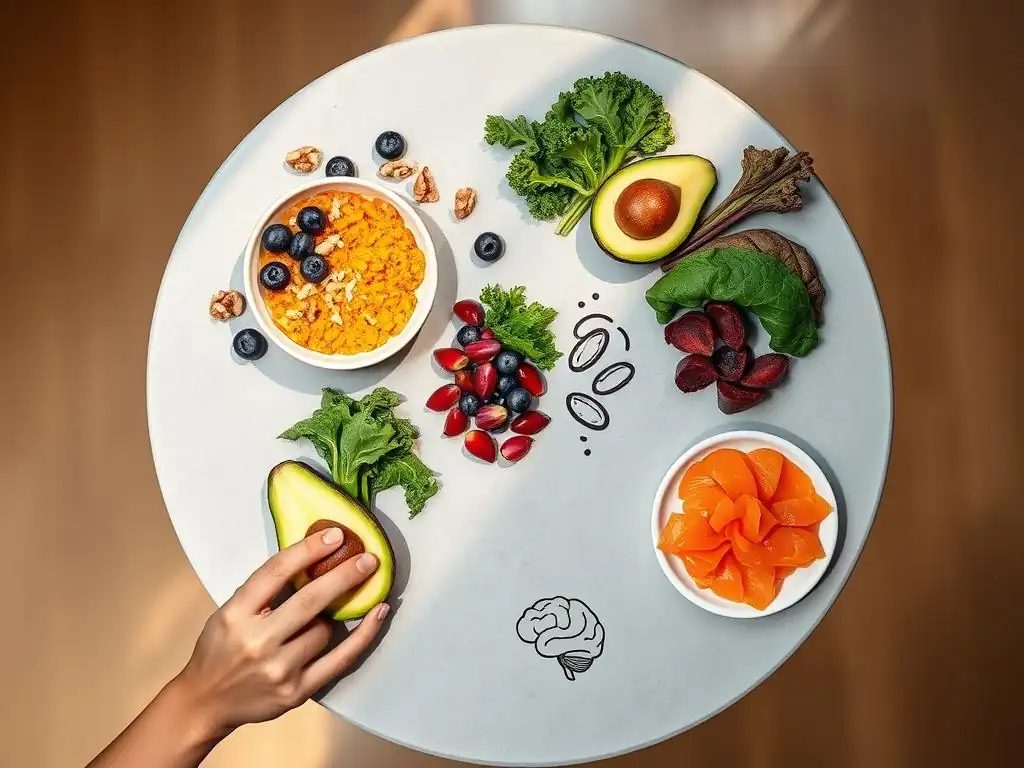
Improved Physical Health and Reduced Risk of Chronic Diseases
The benefits of an anti-inflammatory diet extend far beyond mental health. This eating pattern is widely recognized for its positive impact on physical health and its role in preventing numerous chronic diseases. By reducing systemic inflammation, which is a common factor in many chronic conditions, an anti-inflammatory diet helps protect the body's cells and tissues from long-term damage.
Following an antiinflammatory diet for mental health naturally aligns with dietary recommendations for cardiovascular health, type 2 diabetes prevention, and certain cancers. For instance, diets rich in fiber, healthy fats, and antioxidants help lower cholesterol levels, improve blood pressure, and enhance insulin sensitivity. Research consistently shows that individuals who adhere to dietary patterns like the Mediterranean diet have a significantly reduced risk of heart disease, stroke, and developing type 2 diabetes – often cited as a 20-30% reduction compared to standard Western diets.
Enhanced Energy Levels and Overall Vitality
Chronic inflammation can be a significant drain on the body's energy resources, contributing to feelings of fatigue and lethargy. By adopting an antiinflammatory diet for mental health and reducing this inflammatory burden, the body can allocate energy more efficiently to essential functions. Furthermore, prioritizing whole, nutrient-dense foods provides sustained energy release, unlike the rapid spikes and crashes associated with refined sugars and carbohydrates.
Consuming foods rich in B vitamins, iron, and magnesium – common in anti-inflammatory diets – is also crucial for energy production at the cellular level. Many individuals who switch to an anti-inflammatory eating pattern report feeling more energetic, less fatigued, and experiencing a greater sense of overall vitality. This boost in physical energy can also have a positive ripple effect on mood and motivation, further supporting mental wellbeing.
Better Sleep Quality and Regulation
There is a strong bidirectional relationship between sleep and inflammation; poor sleep can increase inflammation, and inflammation can disrupt sleep. Adopting an antiinflammatory diet for mental health can help break this cycle by reducing inflammatory markers in the body. Certain nutrients found in anti-inflammatory foods, such as magnesium, potassium, and tryptophan, also play direct roles in promoting relaxation and regulating sleep cycles.
For example, magnesium is known for its calming effects on the nervous system, and tryptophan is a precursor to serotonin and melatonin, hormones that regulate sleep. By providing these nutrients and reducing inflammatory disruption, an anti-inflammatory diet can contribute to improved sleep quality and duration. Better sleep, in turn, positively impacts mood, cognitive function, and overall resilience, reinforcing the holistic benefits of this dietary approach.
Potential Challenges and How to Overcome Them
Common Obstacles to Adopting an Anti-Inflammatory Diet
Transitioning to an antiinflammatory diet for mental health, or any significant dietary change, can come with challenges. Common obstacles include dealing with cravings for familiar, often pro-inflammatory, foods like sugary snacks or processed items. Social situations, such as eating out or attending gatherings, can also be difficult when trying to stick to specific food choices.
Lack of time for meal planning and preparation is another frequent hurdle. Additionally, the perceived cost of buying fresh produce, lean proteins, and healthy fats can sometimes feel prohibitive compared to cheaper, processed alternatives. Understanding these common difficulties is the first step in developing strategies to overcome them and maintain consistency with your antiinflammatory diet for mental health goals.
Strategies for Dealing with Cravings and Temptations
Cravings are a normal part of changing eating habits, but they can be managed effectively.
- Identify triggers: Pay attention to when and why you crave certain foods (e.g., stress, boredom, specific times of day).
- Delay and distract: When a craving hits, wait 10-15 minutes and engage in a distracting activity. Often, the craving will pass.
- Find healthy swaps: Have anti-inflammatory alternatives ready (e.g., fruit instead of candy, nuts instead of chips).
- Ensure you're not just thirsty: Sometimes thirst is mistaken for hunger or a craving. Drink a glass of water.
- Address underlying needs: Are you truly hungry, stressed, or bored? Find non-food ways to address these feelings.
- Focus on satisfaction: Ensure your anti-inflammatory meals are balanced and satisfying with protein, fat, and fiber to prevent excessive hunger.
Managing cravings is a skill that improves with practice, crucial for sustaining an antiinflammatory diet for mental health.
Seeking Support: Connecting with a Nutritionist or Therapist
Making significant dietary changes, especially when linked to mental health goals, can be more successful with professional support.
- [ ] Consult a Registered Dietitian or Nutritionist: They can provide personalized meal plans, address specific nutrient needs, and offer practical strategies for implementing an antiinflammatory diet for mental health based on your individual circumstances and preferences.
- [ ] Connect with a Mental Health Professional: A therapist or counselor can help you explore the emotional aspects of eating, address any underlying eating behaviors, and provide coping strategies for managing stress or other mental health challenges that might impact your dietary choices.
Combining nutritional guidance with mental health support offers a holistic approach to using an antiinflammatory diet for mental health, addressing both the physiological and psychological factors involved. Don't hesitate to seek help if you feel overwhelmed or need expert guidance.
Conclusion: Embrace Anti-Inflammatory Eating for a Brighter Mental Future
The Long-Term Benefits of an Anti-Inflammatory Diet for Mental Health
Committing to an antiinflammatory diet for mental health offers profound and lasting benefits. It's not a quick fix, but a sustainable lifestyle that supports the intricate connection between your gut, brain, and overall wellbeing. Over time, consistently reducing inflammation through food can lead to more stable moods, improved cognitive function, increased resilience to stress, and a reduced risk of developing or worsening mental health conditions.
Beyond mental health, this dietary pattern lays the foundation for robust physical health, protecting against chronic diseases and boosting energy levels. The cumulative effect of nourishing your body with anti-inflammatory foods is a stronger, healthier brain and a more vibrant life. Embracing an antiinflammatory diet for mental health is an investment in your long-term health and happiness.
Start Your Journey to Mental Wellbeing Today.
Frequently Asked Questions
How does an anti-inflammatory diet impact mental health?
An anti-inflammatory diet can reduce inflammation in the body, including the brain. This reduction can positively affect neurotransmitter function and cognitive processes, potentially improving mood and reducing symptoms of mental health conditions.
What are some key foods to include in an anti-inflammatory diet for mental health?
Focus on incorporating foods rich in omega-3 fatty acids (like salmon and flaxseeds), antioxidants (berries and leafy greens), and fiber (whole grains and beans). These nutrients help combat inflammation and support brain health.
Are there specific mental health conditions that can benefit most from an anti-inflammatory diet?
Research suggests that conditions like depression, anxiety, and cognitive decline may benefit significantly. These conditions are often linked to chronic inflammation, which an anti-inflammatory diet aims to address.
How quickly can I expect to see improvements in my mental well-being after starting an anti-inflammatory diet?
Results vary, but many people report experiencing initial benefits such as improved mood and increased energy levels within a few weeks. However, consistent adherence to the diet is crucial for long-term effects.
Is an anti-inflammatory diet a substitute for traditional mental health treatment, such as therapy or medication?
No, an anti-inflammatory diet should be viewed as a complementary approach to traditional treatments. It can support overall well-being, but it is not a replacement for professional mental health care, therapy or medication.
Final Reflection: Nourishing the Mind, Transforming the Self
The connection between what we eat and how we feel is undeniable, and the power of an anti-inflammatory diet to boost mental wellbeing is a revelation transforming our understanding of mental health. This isn't just about managing symptoms; it's about proactively nurturing a healthy mind, capable of resilience and joy. The research presented highlights a powerful, accessible path to improved mental clarity, emotional stability, and overall cognitive function.
The impact of this dietary approach extends far beyond individual well-being; it's reshaping our understanding of preventative mental healthcare. We're moving away from a solely pharmaceutical approach towards a holistic model that recognizes the profound influence of nutrition. This shift is crucial, and its implications are far-reaching. The food we eat can either be the safest and most powerful form of medicine or the slowest form of poison.
- Ann Wigmore. This quote underscores the responsibility we have to fuel our bodies and minds with intention.
Now, consider your own relationship with food. What steps can you take today to incorporate more anti-inflammatory foods into your diet? Perhaps it's adding a vibrant salad to your lunch, swapping processed snacks for nutrient-rich alternatives, or simply taking the time to mindfully savor each bite. This isn't about perfection; it's about progress. Embrace the journey towards a healthier, happier you, one mindful meal at a time. Unlock your mind's potential through the nourishment it deserves.
Unleash Your Brain's Potential: Start Eating for a Sharper Mind Today!
Thanks for taking the time to explore the powerful connection between anti-inflammatory eating and mental wellbeing! We hope you gained valuable insights into nourishing your brain for optimal cognitive function. Now it's time to put that knowledge into action.
- Prioritize anti-inflammatory foods: Begin incorporating more fruits, vegetables, nuts, and fatty fish into your diet this week. Even small changes can make a big difference!
- Experiment with new recipes: Try searching online for "anti-inflammatory meal plans" or "brain-boosting recipes" to discover delicious and healthy ways to fuel your mind.
- Share your journey: Tell us (and others!) about your experience with anti-inflammatory eating and how it impacts your mental clarity. What's your favorite anti-inflammatory meal?
So, what delicious anti-inflammatory dish will you be trying first to boost your mental wellbeing?