
Fight Depression & Anxiety with Food: Your Guide to an AntiInflammatory Diet


Welcome to Mind Care Guide.
Are you feeling overwhelmed by anxiety or battling the shadows of depression? It's time to explore a powerful, often overlooked ally: your diet. Discover how harnessing the power of an antiinflammatory diet can be a game-changer in your journey to mental well-being. Could the key to a calmer, more resilient you be found on your plate? Dive in to learn how simple food choices can dramatically impact your mental health, offering a path towards a brighter, more balanced life.
Fight Depression & Anxiety with Food: Your Guide to an Anti-Inflammatory Diet
- The Connection Between Inflammation, Anxiety, and Depression
- What is an Anti-Inflammatory Diet for Anxiety and Depression?
- Foods to Embrace on Your Anti-Inflammatory Journey for Mental Well-being
- Foods to Avoid: Inflammatory Culprits Worsening Anxiety & Depression
- Creating Your Anti-Inflammatory Meal Plan for Anxiety Relief
- Lifestyle Factors to Enhance Your Anti-Inflammatory Diet's Effects
- Supplementing Your Anti-Inflammatory Diet for Optimal Mental Health
- Monitoring Your Progress and Adjusting Your Diet
-
Frequently Asked Questions
- How can an anti-inflammatory diet help with anxiety?
- What types of foods should I prioritize on an anti-inflammatory diet for anxiety?
- What foods should I avoid on an anti-inflammatory diet to reduce anxiety?
- How long does it typically take to notice a difference in anxiety levels after starting an anti-inflammatory diet?
- Is an anti-inflammatory diet a replacement for traditional anxiety treatments like therapy or medication?
- Final Reflection: Nourishing the Mind, Body, and Soul
- Unleash Your Inner Radiance: Nourish Your Way to Wellbeing
The Connection Between Inflammation, Anxiety, and Depression
Understanding the Inflammatory Response in the Body
Inflammation is a natural process your body uses to protect itself from infection and injury. When you stub your toe or catch a cold, your immune system dispatches inflammatory cells and chemicals to the site of the problem, causing redness, swelling, and pain. This is acute inflammation – a temporary, beneficial response crucial for healing. However, sometimes this response doesn't switch off, leading to chronic inflammation, which is a low-grade, persistent activation of the immune system throughout the body.
Chronic inflammation is often silent, simmering beneath the surface without obvious symptoms like swelling or pain. It's driven by factors like poor diet, chronic stress, lack of sleep, and environmental toxins. Unlike acute inflammation, which is localized and protective, chronic inflammation is systemic and damaging. It can affect various organs and systems, contributing to the development of numerous chronic diseases over time.
How Chronic Inflammation Impacts Mental Health
Research increasingly points to chronic inflammation as a significant factor in the development and exacerbation of mental health conditions, including anxiety and depression. The inflammatory chemicals, known as cytokines, released during chronic inflammation can cross the blood-brain barrier and directly impact brain function. These cytokines can interfere with neurotransmitters like serotonin, dopamine, and norepinephrine, which are crucial for regulating mood, motivation, and cognitive function.
Furthermore, chronic inflammation can impair neurogenesis (the creation of new brain cells) and damage existing brain cells, particularly in areas like the hippocampus, which is vital for memory and emotional regulation. Studies have shown that individuals with depression often exhibit higher levels of inflammatory markers like C-reactive protein (CRP) and pro-inflammatory cytokines in their blood compared to those without depression. This suggests a biological link between the body's inflammatory state and mood disorders.
Anxiety and Depression: Are They Linked to Inflammation?
Yes, a growing body of evidence suggests a strong link between inflammation and both anxiety and depression. While not everyone experiencing these conditions will have high levels of inflammation, it appears to be a significant contributing factor for many. Inflammatory processes in the brain can lead to symptoms commonly associated with depression, such as fatigue, loss of interest, and difficulty concentrating. Similarly, neuroinflammation can disrupt neural circuits involved in fear and worry, potentially contributing to anxiety symptoms.
For instance, conditions known to involve chronic inflammation, such as irritable bowel syndrome (IBS), autoimmune diseases, and cardiovascular disease, often have a high comorbidity rate with anxiety and depression. This overlap further supports the idea that inflammation plays a role in these mental health challenges. Addressing inflammation through lifestyle changes, including adopting an antiinflammatory diet for anxiety and depression, is becoming a recognized strategy in a holistic approach to mental well-being.
What is an Anti-Inflammatory Diet for Anxiety and Depression?
Defining the Anti-Inflammatory Diet
An anti-inflammatory diet isn't a strict, short-term regimen but rather a long-term eating pattern focused on foods that help reduce chronic inflammation in the body. It emphasizes whole, unprocessed foods rich in antioxidants, healthy fats, and fiber, while limiting foods known to promote inflammation. The goal is to provide the body with the nutrients it needs to function optimally and keep the immune response balanced, thereby potentially alleviating symptoms of anxiety and depression linked to inflammation.
This dietary approach doesn't rely on calorie counting or restrictive rules but rather on making informed choices about the types of foods you consume regularly. It's about building a plate filled with colorful fruits and vegetables, lean proteins, healthy fats, and complex carbohydrates. Think of it as a lifestyle shift towards nourishing your body in a way that supports both physical and mental health, aiming to make the antiinflammatory diet for anxiety a sustainable and enjoyable way of eating.
Key Principles of an Anti-Inflammatory Eating Plan
The core principles of an anti-inflammatory eating plan revolve around balance, variety, and nutrient density. First and foremost is increasing the intake of foods rich in antioxidants and phytochemicals, found abundantly in fruits, vegetables, and herbs. These compounds help neutralize free radicals and reduce oxidative stress, a key driver of inflammation. Secondly, prioritizing healthy fats, particularly omega-3 fatty acids found in fatty fish, flaxseeds, and walnuts, is crucial, as omega-3s have potent anti-inflammatory properties.
Another key principle is incorporating plenty of fiber from whole grains, legumes, fruits, and vegetables. Fiber supports a healthy gut microbiome, which is intimately connected to immune function and mental health via the gut-brain axis. Conversely, the diet limits foods associated with increased inflammation, such as processed sugars, refined grains, unhealthy trans fats, and excessive amounts of red and processed meats. Adhering to these principles lays the foundation for an effective antiinflammatory diet for anxiety and overall well-being.
How Diet Can Influence Brain Health and Mood
The food we eat has a profound impact on the structure and function of our brain, and consequently, our mood and mental state. The brain is a metabolically active organ, requiring a steady supply of nutrients to function correctly. An anti-inflammatory diet provides the necessary building blocks and protective compounds. For example, omega-3 fatty acids are essential components of brain cell membranes, playing a vital role in cell signaling and communication. Deficiencies in these fats have been linked to an increased risk of mood disorders.
Moreover, the gut-brain axis highlights the intricate connection between our digestive system and our brain. The gut microbiome, the trillions of bacteria living in our intestines, influences inflammation, nutrient absorption, and even the production of neurotransmitters. A diet rich in fiber and fermented foods (in moderation, if tolerated) supports a diverse and healthy microbiome, which in turn can positively impact mood and reduce anxiety. By reducing systemic inflammation, an anti-inflammatory diet for anxiety helps create a healthier environment for brain cells and neurotransmitter function, supporting better mood regulation and cognitive resilience.
Foods to Embrace on Your Anti-Inflammatory Journey for Mental Well-being
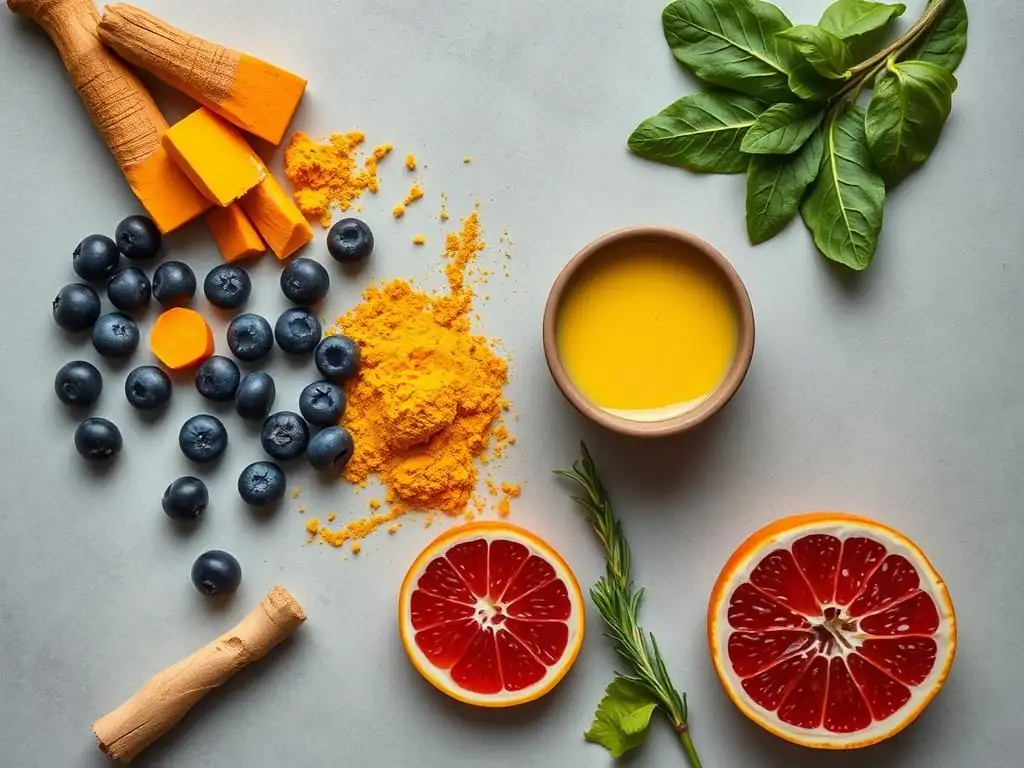
Powerhouse Anti-Inflammatory Foods: A Detailed List
Adopting an anti-inflammatory diet involves focusing on incorporating specific foods known for their potent inflammation-fighting properties. These foods are typically rich in vitamins, minerals, antioxidants, healthy fats, and fiber. Making these items staples in your kitchen is a fundamental step towards leveraging your diet to support your mental health and combat symptoms of anxiety and depression. Building meals around these ingredients ensures you're consistently nourishing your body and brain.
Think of your grocery list as a toolkit for fighting inflammation. Filling your cart with vibrant produce, healthy proteins, and beneficial fats provides the raw materials your body needs to reduce inflammatory markers and support neurological function. Transitioning to an antiinflammatory diet for anxiety is not about deprivation, but about abundance – discovering delicious and nutritious foods that actively work to improve how you feel, both physically and emotionally.
Fatty Fish: Omega-3s for Brain Function
Fatty fish like salmon, mackerel, sardines, and herring are superstars in an anti-inflammatory diet primarily due to their high content of omega-3 fatty acids, specifically EPA (eicosapentaenoic acid) and DHA (docosahexaenoic acid). These essential fats are critical components of cell membranes throughout the body, including brain cells. They are known for their ability to reduce the production of inflammatory molecules and promote the synthesis of anti-inflammatory compounds.
Research consistently shows that higher intake of omega-3 fatty acids is associated with a lower risk of depression and anxiety. For example, some studies suggest that regular consumption of fatty fish or omega-3 supplements can lead to improvements in mood symptoms. Aiming for at least two servings of fatty fish per week is a practical goal to ensure you're getting a beneficial dose of these brain-boosting, inflammation-reducing fats as part of your antiinflammatory diet for anxiety.
Leafy Green Vegetables: Nutrient-Rich Mood Boosters
Leafy green vegetables such as spinach, kale, collard greens, and Swiss chard are nutritional powerhouses packed with vitamins, minerals, and antioxidants. They are particularly rich in vitamins A, C, and K, as well as folate and various phytochemicals. These nutrients work synergistically to protect cells from damage, support immune function, and reduce oxidative stress and inflammation throughout the body, including the brain.
Folate, abundant in leafy greens, is essential for the synthesis of neurotransmitters like serotonin and dopamine. Low levels of folate have been linked to an increased risk of depression. Including a generous portion of leafy greens in your daily meals provides valuable nutrients that support not only physical health but also contribute directly to better mood regulation and cognitive function, making them a cornerstone of an antiinflammatory diet for anxiety relief.
Berries: Antioxidants to Combat Inflammation
Berries like blueberries, strawberries, raspberries, and blackberries are vibrant sources of antioxidants, particularly anthocyanins and flavonoids, which give them their rich colors. These compounds are potent inflammation fighters, helping to neutralize free radicals and reduce the production of pro-inflammatory cytokines. Their high antioxidant capacity makes them excellent allies in protecting brain cells from inflammatory damage.
Studies have shown that regular berry consumption can improve cognitive function and protect against age-related cognitive decline, effects attributed partly to their anti-inflammatory and antioxidant properties. Incorporating a cup or two of mixed berries into your daily routine – whether in smoothies, yogurt, or simply as a snack – is a delicious way to load up on inflammation-reducing compounds vital for supporting mental well-being on an antiinflammatory diet for anxiety.
Nuts and Seeds: Healthy Fats and Minerals for Mental Clarity
Nuts and seeds (such as walnuts, almonds, chia seeds, flaxseeds, and pumpkin seeds) are excellent sources of healthy fats, fiber, protein, vitamins, and minerals. Walnuts and flaxseeds are notable for their alpha-linolenic acid (ALA), a plant-based omega-3 fatty acid. Other nuts and seeds provide beneficial monounsaturated and polyunsaturated fats, magnesium, zinc, and vitamin E – all nutrients that play roles in brain health and inflammation regulation.
Magnesium, for instance, is involved in hundreds of biochemical reactions in the body, including nerve function and stress response. Many individuals with anxiety and depression have been found to have suboptimal magnesium levels. A handful of nuts or a sprinkle of seeds daily provides essential nutrients that support neurological health and help manage inflammation, contributing positively to an antiinflammatory diet for anxiety and overall mood stability.
Olive Oil: A Cornerstone of the Anti-Inflammatory Diet
Extra virgin olive oil is a staple of the Mediterranean diet, renowned for its health benefits, particularly its anti-inflammatory properties. Its primary fat is oleic acid, a monounsaturated fat, but its powerful anti-inflammatory effects are largely attributed to its rich content of polyphenols and other antioxidants. These compounds act similarly to non-steroidal anti-inflammatory drugs (NSAIDs) in inhibiting inflammatory pathways in the body, though in a gentler, systemic way.
Using extra virgin olive oil as your primary cooking oil and in salad dressings is an easy way to incorporate potent anti-inflammatory compounds into your daily meals. Choose high-quality extra virgin olive oil, as it contains the highest concentration of beneficial polyphenols. Including this healthy fat generously in your cooking is a fundamental aspect of maintaining an effective antiinflammatory diet for anxiety and supporting long-term health.
Turmeric: Powerful Anti-Inflammatory and Antioxidant Properties
Turmeric is a vibrant yellow spice widely used in Indian cuisine and traditional medicine. Its main active compound, curcumin, is a powerful antioxidant and anti-inflammatory agent. Curcumin has been shown to block the action of molecules known to play a major role in inflammation. Its anti-inflammatory effects are comparable to some anti-inflammatory medications, but without the side effects.
Beyond its anti-inflammatory action, curcumin may also support brain health by increasing levels of Brain-Derived Neurotrophic Factor (BDNF), a protein that promotes the growth and survival of nerve cells and is often low in individuals with depression and anxiety. Incorporating turmeric into your cooking (perhaps with black pepper, which enhances curcumin absorption) or considering a supplement (after consulting a professional) can significantly boost the anti-inflammatory potential of your diet, making it a potent addition to your antiinflammatory diet for anxiety management.
Foods to Avoid: Inflammatory Culprits Worsening Anxiety & Depression
Common Inflammatory Foods to Eliminate
Just as certain foods help reduce inflammation, others actively promote it. Identifying and minimizing these inflammatory culprits is just as important as increasing beneficial foods when adopting an anti-inflammatory diet for anxiety and depression. These foods often contribute to gut dysbiosis, blood sugar imbalances, and increased oxidative stress, all of which can fuel chronic inflammation and negatively impact mental health.
Eliminating or significantly reducing your intake of these foods can help lower systemic inflammation, stabilize blood sugar levels, and support a healthier gut microbiome. This can, in turn, lead to improvements in mood, energy levels, and overall resilience against anxiety and depressive symptoms. Making conscious choices to avoid these items is a crucial step in harnessing the power of an antiinflammatory diet for anxiety relief.
Processed Foods: The Ultimate Enemy of Mental Wellness
Highly processed foods are typically loaded with unhealthy fats, added sugars, refined carbohydrates, and artificial additives, while being low in fiber and essential nutrients. Items like packaged snacks, sugary cereals, fast food, and pre-made meals are designed for convenience and taste but are potent drivers of inflammation. The combination of inflammatory ingredients creates a perfect storm for disrupting metabolic health and increasing inflammatory markers in the body.
Regular consumption of processed foods is linked to a higher risk of numerous chronic diseases, including obesity, type 2 diabetes, and cardiovascular disease, all of which are associated with increased inflammation. Furthermore, diets high in processed foods have been correlated with poorer mental health outcomes, including higher rates of anxiety and depression. Steering clear of these factory-made items is perhaps the most impactful step you can take when starting an antiinflammatory diet for anxiety.
Sugary Drinks and Foods: Fueling Inflammation and Mood Swings
Added sugars, particularly in the form of high-fructose corn syrup and sucrose found in sodas, fruit juices, candy, and baked goods, are major contributors to inflammation. When consumed in excess, sugar can lead to rapid spikes in blood sugar, which trigger an inflammatory response. Chronic high sugar intake can also promote weight gain and insulin resistance, further fueling systemic inflammation.
Beyond inflammation, sugar crashes following a blood sugar spike can directly impact mood, leading to irritability, fatigue, and exacerbating feelings of anxiety or depression. Reducing or eliminating sugary drinks and foods is one of the most effective ways to lower your inflammatory load and stabilize your mood, making it a critical component of any successful antiinflammatory diet for anxiety management. Opt for natural sweetness from whole fruits instead.
Refined Carbohydrates: A Quick Route to Inflammation
Refined carbohydrates, such as white bread, white rice, pastries, and pasta made from refined flour, have had most of their fiber and nutrients stripped away. Like added sugars, they are rapidly digested, leading to quick spikes in blood sugar and insulin levels. This glycemic response can trigger inflammatory pathways in the body. Diets high in refined grains are consistently linked to higher levels of inflammatory markers.
Choosing whole grains (like brown rice, quinoa, oats, and whole wheat bread) over refined grains is a simple yet effective switch. Whole grains retain their fiber, vitamins, and minerals, leading to a slower, more stable blood sugar response and providing beneficial nutrients that support overall health. Limiting refined carbohydrates is essential when adopting an antiinflammatory diet for anxiety and aiming for better metabolic and mental health.
Red Meat and Processed Meats: Limiting Your Intake
While lean cuts of red meat can be part of a balanced diet in moderation, high consumption of red meat, and especially processed meats like bacon, sausages, and deli meats, has been associated with increased inflammation. This is often linked to the saturated fat content and compounds formed during high-temperature cooking or processing (like nitrates and nitrites in processed meats).
Studies suggest that diets high in red and processed meats are correlated with higher levels of inflammatory markers and an increased risk of chronic diseases. While you don't necessarily need to eliminate red meat entirely, reducing your intake and choosing leaner cuts when you do consume it, alongside avoiding processed meats altogether, can help lower your inflammatory burden. This adjustment is important when structuring your antiinflammatory diet for anxiety support.
Gluten: Potential Inflammatory Effects in Sensitive Individuals
For individuals with celiac disease, a severe autoimmune reaction to gluten, consuming even small amounts causes significant inflammation and damage to the small intestine and can impact neurological health. However, even in the absence of celiac disease, some people experience non-celiac gluten sensitivity (NCGS), which can cause digestive issues, fatigue, headaches, and potentially contribute to systemic inflammation and mood symptoms.
If you suspect gluten might be contributing to your inflammation or mental health symptoms, an elimination trial under the guidance of a healthcare professional or dietitian might be beneficial. While gluten isn't inherently inflammatory for everyone, for those with sensitivity, removing it can significantly reduce inflammation and improve symptoms. This is a more individualized consideration within the broader framework of an antiinflammatory diet for anxiety.
Creating Your Anti-Inflammatory Meal Plan for Anxiety Relief
Sample Anti-Inflammatory Meal Plan for a Week
Developing a meal plan can help make adopting an anti-inflammatory diet feel less overwhelming and more sustainable. It provides structure and ensures you're consistently incorporating beneficial foods while avoiding inflammatory ones. Remember that this is just a sample, and you can adjust it based on your preferences, dietary needs, and what's seasonally available. The key is variety and consistency in choosing inflammation-fighting ingredients.
Planning your meals ahead of time reduces the likelihood of resorting to convenient, processed options when you're hungry or short on time. It also allows you to shop efficiently and make sure you have all the necessary ingredients on hand. A well-structured antiinflammatory diet for anxiety involves thinking proactively about nourishing yourself throughout the day.
Breakfast Ideas for a Calm Mind
Starting your day with an anti-inflammatory breakfast helps set a positive tone for your blood sugar levels and energy. Instead of sugary cereals or pastries, opt for nutrient-dense options. A common choice is oatmeal made with rolled oats (a whole grain) topped with berries (antioxidants) and a handful of nuts or seeds (healthy fats, fiber, minerals).
Another excellent option is a smoothie blended with leafy greens (like spinach), a source of healthy fat (like avocado or chia seeds), a scoop of protein powder (if desired), and some berries. Scrambled eggs with sautéed vegetables like spinach and mushrooms, cooked in olive oil, also provide protein and nutrients without inflammatory culprits.
Lunch Options to Combat Inflammation
Lunch is an opportunity to refuel with foods that sustain energy and support focus without causing an inflammatory crash. A large salad packed with mixed greens, colorful vegetables, lean protein (like grilled chicken, salmon, or lentils), and healthy fats (like avocado, nuts, or olive oil dressing) is a fantastic choice.
Leftovers from an anti-inflammatory dinner make an easy and healthy lunch. Alternatively, a hearty bowl of lentil or vegetable soup with a side of whole-grain bread provides fiber and nutrients. Aim to include a source of protein and plenty of non-starchy vegetables in your midday meal.
Dinner Recipes for Anxiety and Depression Support
Dinner can be a cornerstone of your anti-inflammatory diet, focusing on lean proteins or plant-based options, plenty of vegetables, and healthy fats. Baked or grilled fatty fish (like salmon) with a side of roasted Brussels sprouts or broccoli is a classic anti-inflammatory meal.
Chicken or turkey stir-fry with a rainbow of vegetables and a sauce made with ginger, garlic, and a little soy sauce (or tamari for gluten-free) served over brown rice or quinoa is another versatile option. Plant-based dinners could include a chickpea and vegetable curry made with coconut milk and plenty of turmeric, or a quinoa bowl with black beans, corn, and avocado.
Snack Ideas for Sustained Energy and Mood
Healthy snacks are important for keeping blood sugar stable and preventing energy dips throughout the day, which can sometimes exacerbate anxiety. Avoid processed snack foods like chips, cookies, and candy.
Opt for snacks that combine fiber, healthy fats, and protein. Examples include a small handful of mixed nuts and seeds, a piece of fruit with a tablespoon of nut butter, Greek yogurt (plain, unsweetened) with berries, or vegetable sticks (carrots, celery, bell peppers) with hummus.
Recipe Ideas for Anti-Inflammatory Meals
Having a few go-to recipes can make sticking to your anti-inflammatory diet easier and more enjoyable. These recipes highlight key anti-inflammatory ingredients and are simple to prepare. Experiment with different herbs and spices, many of which also have anti-inflammatory properties, to add flavor without relying on sugar or excessive salt.
Cooking at home gives you control over the quality of your ingredients and avoids hidden inflammatory components often found in restaurant or pre-packaged meals. Embracing cooking as part of your antiinflammatory diet for anxiety can be a rewarding and empowering process.
Salmon with Roasted Vegetables: Rich in Omega-3s and Antioxidants
This simple recipe is packed with anti-inflammatory power. Preheat your oven to around 400°F (200°C). Toss chopped vegetables like broccoli florets, Brussels sprouts, bell peppers, and red onion with extra virgin olive oil, salt, pepper, and herbs like rosemary or thyme on a baking sheet. Roast for 15-20 minutes until tender-crisp.
Place salmon fillets on the same baking sheet or a separate one. Drizzle with olive oil, season with salt, pepper, and maybe some lemon slices. Roast for 10-15 minutes, depending on thickness, until cooked through. Serve the salmon alongside the roasted vegetables for a complete, nutrient-dense meal high in omega-3s and antioxidants.
Quinoa Salad with Chickpeas and Avocado: Plant-Based Protein and Healthy Fats
This vibrant salad is perfect for lunch or a light dinner, offering complete protein, fiber, and healthy fats. Cook quinoa according to package directions and let it cool. In a large bowl, combine the cooked quinoa with rinsed canned chickpeas, chopped cucumber, cherry tomatoes, red onion, and bell peppers.
For the dressing, whisk together extra virgin olive oil, lemon juice, minced garlic, chopped parsley or cilantro, salt, and pepper. Pour the dressing over the salad and toss to combine. Just before serving, gently mix in diced avocado. This salad is a great example of how plant-based meals can be incredibly satisfying and contribute significantly to an antiinflammatory diet for anxiety.
Turmeric Ginger Tea: Soothing and Anti-Inflammatory Beverage
This warm beverage is a simple way to incorporate turmeric and ginger, two potent anti-inflammatory ingredients. In a small saucepan, combine about 2 cups of water, 1-2 teaspoons of ground turmeric (or a 1-inch piece of fresh, peeled ginger, sliced), and a pinch of black pepper (to enhance curcumin absorption).
Bring the mixture to a boil, then reduce heat and simmer for about 10-15 minutes. Strain the tea into a mug. You can add a squeeze of lemon juice or a touch of honey (in moderation) for flavor if desired. Enjoying this tea regularly can be a comforting and beneficial practice within your antiinflammatory diet for anxiety.
Lifestyle Factors to Enhance Your Anti-Inflammatory Diet's Effects
The Importance of Regular Exercise
While diet plays a crucial role in managing inflammation, lifestyle factors significantly amplify its effects. Regular physical activity is a powerful anti-inflammatory tool. Exercise helps reduce systemic inflammation by decreasing the production of pro-inflammatory cytokines and increasing the release of anti-inflammatory molecules. It also helps manage weight, improves insulin sensitivity, and reduces stress, all of which contribute to lower inflammation levels.
Aim for at least 150 minutes of moderate-intensity aerobic exercise or 75 minutes of vigorous-intensity exercise per week, as recommended by health guidelines. Incorporating strength training a couple of times a week is also beneficial. Finding an activity you enjoy is key to consistency, whether it's walking, running, swimming, cycling, or dancing. Combining regular exercise with an antiinflammatory diet for anxiety creates a synergistic approach to improving mental and physical health.
Stress Management Techniques for Reducing Inflammation
Chronic stress is a known contributor to chronic inflammation. When you're stressed, your body releases hormones like cortisol, which, while helpful in acute situations, can promote inflammation when elevated chronically. Learning and practicing effective stress management techniques is therefore vital for reducing your inflammatory load and supporting your mental well-being alongside dietary changes.
Techniques such as mindfulness meditation, deep breathing exercises, yoga, tai chi, spending time in nature, and engaging in hobbies you enjoy can help activate the body's relaxation response and lower cortisol levels. Even short periods of stress reduction practice daily can make a difference. Integrating stress management into your routine complements the antiinflammatory diet for anxiety by addressing another key root cause of inflammation.
The Role of Sleep in Combating Inflammation and Anxiety
Adequate, quality sleep is fundamental for overall health and plays a critical role in regulating inflammation. During sleep, the body repairs itself and regulates various biological processes, including immune function. Chronic sleep deprivation or poor sleep quality has been shown to increase inflammatory markers in the body, potentially contributing to the development or worsening of conditions like anxiety and depression.
Aim for 7-9 hours of uninterrupted sleep per night. Establishing a regular sleep schedule, creating a relaxing bedtime routine, ensuring your bedroom is dark, quiet, and cool, and avoiding caffeine and alcohol before bed can all help improve sleep quality. Prioritizing sleep is an essential pillar supporting the benefits you gain from an antiinflammatory diet for anxiety.
Hydration: Keeping Your Body and Mind Hydrated
Staying adequately hydrated is simple yet essential for numerous bodily functions, including helping the body flush out toxins and maintain overall cellular health. Dehydration can sometimes contribute to increased inflammation and can also impact mood and cognitive function, potentially exacerbating feelings of anxiety or fatigue.
While individual needs vary, a general guideline is to drink enough water so that your urine is pale yellow. Carry a water bottle with you throughout the day as a reminder to sip regularly. Herbal teas are also a good option for hydration. Ensuring you're well-hydrated supports your body's natural processes and complements the positive effects of an antiinflammatory diet for anxiety.
Supplementing Your Anti-Inflammatory Diet for Optimal Mental Health
Key Supplements to Consider
While a nutrient-dense anti-inflammatory diet should be the foundation of your approach, certain supplements might be considered to further support your mental health and reduce inflammation, especially if you have specific deficiencies or dietary limitations. However, it is crucial to approach supplementation thoughtfully and always consult with a healthcare professional before adding any new supplements to your routine. Supplements are intended to supplement a healthy diet, not replace it.
Discussing potential supplements with a doctor or a registered dietitian ensures they are appropriate for your individual needs, won't interact with any medications you're taking, and are sourced from reputable manufacturers. They can also help determine the correct dosage. Supplementation can be a helpful addition to your antiinflammatory diet for anxiety when guided by professional advice.
Omega-3 Fatty Acids Supplements
If you don't regularly consume fatty fish or other sources of omega-3s like flaxseeds and walnuts, an omega-3 supplement (fish oil, algal oil for vegetarians/vegans) might be beneficial. As discussed earlier, omega-3s, particularly EPA and DHA, have significant anti-inflammatory effects and are crucial for brain health.
Studies have shown that omega-3 supplementation can help reduce symptoms of depression and anxiety in some individuals, especially when the supplement contains a higher ratio of EPA to DHA. Dosages vary depending on the product and individual needs, but common therapeutic doses range from 1000-2000 mg of combined EPA and DHA per day.
Vitamin D Supplements
Vitamin D, often called the "sunshine vitamin," plays a role in immune function and mood regulation. Many people, especially those living in northern climates or who spend a lot of time indoors, have suboptimal vitamin D levels. Low vitamin D levels have been associated with an increased risk of both depression and inflammation.
Supplementing with Vitamin D, particularly during months with limited sun exposure, may help improve mood and reduce inflammation. A blood test can determine your current vitamin D status, and a healthcare provider can recommend an appropriate dosage, often ranging from 1000-4000 IU per day, though higher doses may be prescribed for deficiency.
Probiotics for Gut Health and Mental Well-being
The gut microbiome's influence on the brain is increasingly recognized. An imbalance of gut bacteria (dysbiosis) can contribute to inflammation and affect neurotransmitter production, potentially impacting mood and anxiety. Probiotic supplements introduce beneficial bacteria into the gut, aiming to restore balance and support a healthier gut-brain axis.
While research is ongoing, some studies suggest that certain probiotic strains may help improve symptoms of anxiety and depression. Choosing a high-quality, multi-strain probiotic or focusing on dietary sources like fermented foods (yogurt with live cultures, sauerkraut, kimchi, kefir) can be beneficial for supporting gut health as part of your antiinflammatory diet for anxiety.
Magnesium Supplements: Supporting Nerve Function and Relaxation
Magnesium is a mineral involved in over 300 enzymatic reactions in the body, including those related to nerve and muscle function, blood sugar control, and blood pressure regulation. It also plays a role in stress response and relaxation. Magnesium deficiency is common and has been linked to increased anxiety and stress.
Supplementing with magnesium might help improve symptoms of anxiety and promote relaxation. Different forms of magnesium exist (e.g., magnesium citrate, glycinate, threonate), each with slightly different absorption rates and potential benefits. Consult with a professional to determine if a magnesium supplement is right for you and which form and dosage are most suitable.
Consulting with a Healthcare Professional
Before making significant changes to your diet, starting a new exercise program, or adding supplements, it is highly recommended to consult with a healthcare professional, such as your doctor or a registered dietitian. They can provide personalized advice based on your individual health status, existing medical conditions, and any medications you are currently taking.
A doctor can help rule out other potential causes for your symptoms and ensure that dietary changes are part of a comprehensive treatment plan. A registered dietitian specializing in mental health or inflammatory conditions can provide tailored guidance on implementing an antiinflammatory diet for anxiety effectively, creating meal plans, and addressing any specific nutritional concerns you may have.
Monitoring Your Progress and Adjusting Your Diet
Keeping a Food Journal to Track Your Intake and Mood
As you implement an anti-inflammatory diet for anxiety, keeping a food journal can be an invaluable tool for tracking your progress and identifying patterns. Record everything you eat and drink, along with how you feel physically and emotionally throughout the day. Note changes in your mood, energy levels, sleep quality, digestive symptoms, and anxiety or depression symptoms.
Over time, reviewing your journal can help you identify which foods seem to trigger negative symptoms and which make you feel better. This personalized feedback is crucial for refining your diet and making adjustments. It also provides concrete evidence of how your dietary choices are impacting your well-being, reinforcing positive habits.
Working with a Registered Dietitian or Nutritionist
Collaborating with a registered dietitian (RD) or a qualified nutritionist can provide expert guidance and support throughout your journey. They can help you create a personalized anti-inflammatory meal plan that meets your nutritional needs, fits your lifestyle and preferences, and specifically targets inflammation and mental health support.
An RD can offer practical tips for meal preparation, grocery shopping, and eating out while following the diet. They can also help you navigate challenges, ensure you're getting all necessary nutrients, and make adjustments as needed based on your progress and how you feel. Their expertise can make adhering to an antiinflammatory diet for anxiety much more manageable and effective.
Long-Term Strategies for Maintaining an Anti-Inflammatory Lifestyle for Mental Health.
Adopting an anti-inflammatory diet for anxiety and depression is not a temporary fix but a long-term lifestyle commitment. Consistency is key to reaping the sustained benefits of reduced inflammation and improved mental well-being. Focus on making gradual, sustainable changes rather than drastic overhauls that are difficult to maintain.
Build a repertoire of simple, go-to anti-inflammatory recipes you enjoy. Continuously explore new healthy foods and cooking methods to keep things interesting. Stay mindful of how different foods make you feel and adjust accordingly. Combine your dietary efforts with regular exercise, stress management, and adequate sleep for a holistic approach to managing inflammation and supporting your mental health over the long haul. This integrated approach offers the best chance for lasting relief and improved quality of life.
Frequently Asked Questions
How can an anti-inflammatory diet help with anxiety?
An anti-inflammatory diet focuses on reducing inflammation in the body, which can directly impact brain function and mood. Studies suggest chronic inflammation is linked to increased anxiety symptoms. Reducing inflammation can potentially lessen anxiety and improve overall mental well-being.
What types of foods should I prioritize on an anti-inflammatory diet for anxiety?
Focus on foods rich in omega-3 fatty acids, like fatty fish and flaxseeds, and antioxidants, found in colorful fruits and vegetables. Also, include fiber-rich foods such as whole grains and legumes to promote a healthy gut microbiome.
What foods should I avoid on an anti-inflammatory diet to reduce anxiety?
Limit or avoid processed foods, sugary drinks, refined carbohydrates, and excessive amounts of red meat. These foods tend to promote inflammation in the body, potentially worsening anxiety symptoms. Also, be mindful of individual food sensitivities.
How long does it typically take to notice a difference in anxiety levels after starting an anti-inflammatory diet?
The timeframe varies from person to person. Some individuals may experience improvements within a few weeks, while others may require several months to notice significant changes. Consistency and patience are key.
Is an anti-inflammatory diet a replacement for traditional anxiety treatments like therapy or medication?
No, an anti-inflammatory diet should be considered a complementary approach to traditional treatments. It's crucial to consult with a healthcare professional or therapist to determine the best course of action for managing your anxiety. It should not be used to replace prescribed medications or therapy.
Final Reflection: Nourishing the Mind, Body, and Soul
The connection between our gut and our mental well-being is undeniable, and understanding this link is crucial in our fight against depression and anxiety. The rising prevalence of these conditions demands a holistic approach, and an anti-inflammatory diet offers a powerful, accessible tool in our arsenal. It's not a magic bullet, but a vital step towards reclaiming mental and physical health.
The journey towards better mental health is deeply personal, and for me, exploring the impact of food on anxiety has been transformative. Learning about the intricate relationship between inflammation, gut health, and mental clarity has shifted my perspective on self-care. It's not just about medication or therapy, but about actively nurturing my body from the inside out. The food you eat can be either the safest and most powerful form of medicine or the slowest form of poison.
– Ann Wigmore. This quote encapsulates the profound responsibility we have in choosing what we consume and its impact on our overall well-being.
Now, I invite you to reflect on your own relationship with food and your mental health. Consider incorporating more anti-inflammatory foods into your diet – not as a restrictive diet, but as a loving act of self-care. Experiment, listen to your body, and discover the nourishing power of food in your journey towards a calmer, happier, and healthier you. Remember, small changes can lead to significant improvements, and your well-being is worth the effort.
Unleash Your Inner Radiance: Nourish Your Way to Wellbeing
Thanks for taking the time to explore the power of food in combating depression and anxiety! We hope you found practical strategies to build a vibrant, anti-inflammatory diet. Now, it's time to put your newfound knowledge into action.
- Prioritize your plate: Start incorporating at least three anti-inflammatory foods from the article into your meals this week. Notice how you feel, both physically and mentally!
- Share your journey: Tell us (or a friend!) about your experience with these changes. Sharing your success inspires others!
- Explore further: Dive deeper into anti-inflammatory recipes and meal planning resources online – we're confident you'll discover even more ways to thrive.
What small change will you make today to nourish your mind and body towards a brighter, healthier you?