
Alcohol and Your Mood: Understanding the Depressive Effects


Welcome to Mind Care Guide, a sanctuary for your mental well-being. Feeling lost in the shadows of alcohol's impact on your mood? You're not alone. Understanding the connection between alcohol and depression is the first step toward healing. Our guide, focusing on alcohol depression symptoms treatment options, offers insights and support to help you navigate this challenging path. Ready to explore a brighter future? Let's begin.
- Alcohol and Mood Disorders: Understanding the Connection
- The Link Between Alcohol Consumption and Mood Disorders
- Identifying Symptoms of Alcohol-Related Mood Changes
- Understanding the Causes of Alcohol-Related Mood Changes
- Treatment Options for Alcohol-Related Mood Changes
- Coping Strategies for Managing Alcohol-Related Mood Swings
- Preventing Alcohol-Related Mood Disorders: A Proactive Approach
- The Long-Term Effects of Alcohol on Mental Health
- Resources for Alcohol Use Disorder and Mental Health Support
- Mental Health Guide's Commitment to Your Well-being
-
Frequently Asked Questions
- What is the relationship between alcohol and depression?
- How does alcohol affect mental well-being in the long term?
- What are the specific symptoms of alcohol-related depression?
- What treatment options are available for alcohol-induced depression?
- Where can I find resources and support for dealing with alcohol-related depression?
- Final Reflection: The Unseen Shadow of Alcohol: From Symptom to Solution
- Unleash Your Mood's Potential: Take Control Now!
Alcohol and Mood Disorders: Understanding the Connection
Alcohol is a widely consumed substance often used in social settings or as a way to relax. However, its profound impact on the brain and body extends significantly to psychological well-being. Many people are unaware of how regular or heavy alcohol use can directly influence their mood, exacerbating existing mental health challenges or even inducing new ones. This section serves as a comprehensive mental health guide, exploring the intricate relationship between alcohol consumption and various mood disorders, shedding light on how this seemingly simple substance can complicate the complex landscape of human emotions and mental states.
Understanding the specific ways alcohol interacts with our psychological processes is crucial for anyone concerned about their mental health or that of a loved one. It’s not just about the immediate feelings experienced while drinking; the lasting effects on brain chemistry and emotional regulation can contribute to chronic issues like persistent sadness, anxiety, irritability, and even severe depressive episodes. This guide aims to provide clarity on these connections, offering insights into recognizing the signs, understanding the underlying mechanisms, and exploring effective strategies for managing or preventing alcohol-related mood issues.
The Link Between Alcohol Consumption and Mood Disorders
How Alcohol Affects Brain Chemistry and Emotional Regulation
Alcohol is a central nervous system depressant, meaning it slows down brain function. Upon consumption, it rapidly enters the bloodstream and travels to the brain, where it interacts with various neurotransmitter systems. One significant impact is on the gamma-aminobutyric acid (GABA) system, the brain's primary inhibitory neurotransmitter. Alcohol enhances GABA's effects, leading to feelings of relaxation and sedation, which is why some people initially use alcohol to cope with stress or anxiety. However, this disruption of the delicate balance can impair the brain's ability to regulate mood and emotions effectively over time.
Beyond GABA, alcohol also influences excitatory neurotransmitters like glutamate and impacts the dopamine and serotonin systems, which are critical for pleasure, motivation, and mood stability. Chronic alcohol use can lead to a downregulation or imbalance in these systems.
For instance, the brain may produce less dopamine or become less sensitive to it, contributing to feelings of anhedonia (inability to feel pleasure) and low mood often seen in alcohol-related depression symptoms. Similarly, disrupting serotonin pathways can exacerbate feelings of sadness and anxiety, creating a vicious cycle where individuals drink more to feel better, only worsening their underlying mood issues and making alcohol depression symptoms treatment options more complex.
Defining Alcohol-Induced Mood Disorders
Alcohol-induced mood disorder is a specific diagnostic category characterized by a prominent and persistent disturbance in mood that develops during or within a month of alcohol intoxication or withdrawal. This diagnosis applies when the mood symptoms are severe enough to cause significant distress or impairment in social, occupational, or other important areas of functioning, and evidence suggests alcohol use is the primary cause, rather than an underlying, independent mental illness. The symptoms can manifest as depressive episodes, manic episodes, hypomanic episodes, or a mixed presentation.
It's important to distinguish between feeling down after a night of drinking (the "hangover blues") and a clinically significant alcohol-induced mood disorder. The latter involves symptoms that are more severe, persistent, and directly attributable to the physiological effects of alcohol intoxication or the neurochemical rebound during withdrawal. For example, someone might experience a major depressive episode only during periods of heavy drinking or withdrawal, with symptoms resolving or significantly improving after a period of abstinence, suggesting the alcohol is the direct trigger for these alcohol depression symptoms.
Recognizing the Signs of Alcohol's Impact on Mental Health
Recognizing the signs that alcohol is negatively impacting mental health can be challenging, as the effects can be subtle at first or mimic symptoms of other conditions. Often, individuals may not connect their low mood, increased anxiety, or irritability to their drinking habits, especially if they view their consumption as moderate or social.
A key indicator is noticing a pattern where mood fluctuations consistently align with alcohol use – perhaps feeling okay or even elevated during drinking, but experiencing significant drops in mood, heightened anxiety, or increased agitation in the hours or days after drinking, or during periods of attempting to cut back.
Pay attention to changes in typical behavior and emotional responses. Are you finding yourself more easily frustrated? Do minor setbacks feel overwhelming? Has your interest in activities you once enjoyed diminished? These could be early indicators that alcohol is interfering with your emotional regulation. Keeping a mood diary alongside tracking alcohol consumption can help reveal patterns and connections. Identifying these signs early is crucial for seeking appropriate alcohol depression symptoms treatment options before the issues become more entrenched.
Differentiating Alcohol-Induced Mood Disorders from Primary Mental Illnesses
Distinguishing between an alcohol-induced mood disorder and a primary, independent mental illness (like major depressive disorder or bipolar disorder) is a critical step in diagnosis and treatment planning. Alcohol-induced mood disorders typically have a clear temporal relationship with alcohol use or withdrawal; the mood symptoms appear shortly after starting heavy drinking or attempting to stop and tend to improve or resolve with sustained abstinence (often within weeks to months). In contrast, a primary mood disorder exists independently of substance use, although substance use can certainly worsen its symptoms.
A thorough clinical evaluation by a mental health professional is essential for accurate diagnosis. This involves a detailed history of both substance use patterns and mood symptoms, including their onset, duration, and severity. Information from family members or close friends can also be invaluable. Sometimes, a period of monitored abstinence from alcohol is necessary to see if the mood symptoms remit. If depressive or manic symptoms persist long after alcohol has cleared the system, it strongly suggests an underlying primary mood disorder that requires its own specific treatment, alongside addressing any co-occurring alcohol use issues.
Alcohol's impact on mood can manifest in various ways, often mimicking symptoms of classic mood disorders. Recognizing these specific manifestations is key to understanding the scope of the problem.
Increased Anxiety and Irritability Following Alcohol Consumption
Alcohol might temporarily reduce anxiety while intoxicated due to its GABA-enhancing effects, but it often causes a rebound effect as it leaves the system. This leads to increased anxiety, restlessness, and irritability in the hours or days following drinking. This phenomenon, sometimes called "hangxiety," can be quite severe, involving racing thoughts, nervousness, and heightened sensitivity to stress. Chronic alcohol use can alter the brain's stress response system, making individuals more prone to experiencing intense anxiety even when not drinking. This constant state of heightened arousal contributes significantly to overall mood instability and distress.
One study involving hundreds of participants found that even moderate alcohol consumption was associated with increased negative affect, including anxiety and irritability, on the day after drinking. For individuals already prone to anxiety, alcohol can severely worsen symptoms, creating a cycle where they drink to alleviate anxiety, only to experience more intense anxiety later, driving further alcohol use.
Feelings of Sadness, Guilt, or Shame Related to Alcohol Use
Alcohol is a depressant, and while initial effects might include euphoria, the overall impact on mood, especially with regular use, is often negative. Many individuals experience profound feelings of sadness, hopelessness, or despair related to their alcohol consumption. This can stem from alcohol's direct chemical effects on the brain, disrupting neurotransmitters vital for mood regulation. Additionally, the consequences of problematic drinking—such as damaged relationships, financial problems, or poor performance at work or school—can naturally lead to feelings of guilt, shame, and regret, further deepening depressive symptoms.
For example, someone struggling with alcohol dependence might consistently miss commitments, leading to conflict with loved ones. The realization of the harm caused by their drinking fuels intense feelings of guilt and worthlessness, which are core symptoms of depression. This combination of chemical imbalance and the negative life consequences of alcohol use makes alcohol-related depression symptoms particularly challenging to navigate without professional help.
Sleep Disturbances and Fatigue Associated with Drinking
While alcohol might make you feel sleepy initially, it significantly disrupts sleep architecture, particularly the REM stage, which is crucial for cognitive function and mood regulation. Drinking alcohol before bed can lead to fragmented sleep, frequent awakenings, and less restful sleep overall. Chronic alcohol use further impairs sleep patterns, often resulting in insomnia or other sleep disorders. Poor sleep, in turn, is strongly linked to negative mood states, including irritability, difficulty concentrating, and exacerbated feelings of depression and anxiety.
Persistent fatigue is a common complaint among individuals with alcohol use disorder. This fatigue isn't just physical tiredness; it's a pervasive lack of energy and motivation that contributes to the overall feeling of being down. This can make it harder to engage in activities that support mental well-being, like exercise or social interaction, creating a barrier to recovery and effective alcohol depression symptoms treatment options.
Changes in Appetite or Weight Due to Alcohol Consumption
Alcohol contains calories but offers little nutritional value, and heavy drinking can interfere with nutrient absorption. Individuals with alcohol use disorder often experience significant changes in appetite and weight. Some may lose weight due to poor nutrition and reduced appetite, while others may gain weight from the caloric content of alcohol and poor dietary choices made while intoxicated. These changes in physical health and appearance can negatively impact self-esteem and contribute to depressive feelings.
Furthermore, alcohol can disrupt the body's metabolic processes and hormonal balance, including hormones that regulate appetite and mood, such as leptin and ghrelin. This disruption can lead to irregular eating patterns, further contributing to nutritional deficiencies that are known to impact mental health. Addressing these physical symptoms through improved nutrition is a key component of recovery and supporting mood stabilization during alcohol depression symptoms treatment.

The Biological Mechanisms Behind Alcohol's Effects on the Brain
Alcohol's impact on mood is rooted in its complex interactions with the brain's neurobiological systems. As a small molecule, ethanol can easily cross the blood-brain barrier and influence numerous targets within the central nervous system. Its primary action as a depressant stems from enhancing inhibitory neurotransmission, particularly through the GABA-A receptor, and inhibiting excitatory neurotransmission, primarily by blocking NMDA receptors (a type of glutamate receptor). This dual action slows down overall brain activity, leading to the sedative and anxiolytic effects initially experienced.
However, the brain attempts to counteract these effects to maintain homeostasis. With chronic alcohol exposure, the brain adapts by becoming less sensitive to GABA and increasing the activity of excitatory systems like glutamate. This adaptation contributes to tolerance, requiring more alcohol to achieve the same effects. When alcohol is withdrawn, the brain is left in a state of heightened excitability with insufficient inhibitory control, leading to withdrawal symptoms that include anxiety, agitation, and often, severe mood disturbances like depression and irritability.
Alcohol's Impact on Neurotransmitters: Serotonin, Dopamine, and GABA
As mentioned, alcohol significantly disrupts the balance of key neurotransmitters involved in mood regulation. GABA, the main inhibitory neurotransmitter, is initially boosted by alcohol, causing relaxation. However, chronic use leads to reduced GABA sensitivity and function, contributing to anxiety during withdrawal and potentially persistent anxiety even in sobriety. Dopamine, associated with pleasure and reward, is released during alcohol consumption, reinforcing drinking behavior. Yet, long-term use can impair the dopamine system, leading to anhedonia and contributing to depressive symptoms.
Serotonin, crucial for mood, sleep, and appetite, is also affected. Alcohol initially increases serotonin release, but chronic exposure can deplete serotonin levels or disrupt its signaling pathways. Low serotonin is strongly linked to depression and anxiety, further explaining the prevalence of these alcohol depression symptoms. The combined dysregulation of these neurotransmitter systems creates a neurochemical environment in the brain that is highly conducive to mood instability and the development of alcohol-induced mood disorders.
The Role of Alcohol Withdrawal in Triggering Mood Changes
Alcohol withdrawal is a period of significant physiological and psychological stress that occurs when a heavy drinker suddenly stops or significantly reduces their alcohol intake. The severity of withdrawal symptoms varies depending on the level and duration of alcohol dependence, but psychological symptoms are almost universally present. These can include intense anxiety, irritability, restlessness, and significant depressive symptoms. This rebound effect is a direct consequence of the brain attempting to re-regulate after being suppressed by alcohol for an extended period.
During withdrawal, the brain's excitatory systems become overactive while inhibitory systems are still suppressed, leading to a state of hyperarousal. This neurochemical imbalance manifests as acute mood disturbances. While some withdrawal symptoms subside within days or weeks, mood disturbances, particularly anxiety and depression, can persist for much longer, sometimes for months, in a condition known as post-acute withdrawal syndrome (PAWS). Recognizing withdrawal as a significant trigger for alcohol depression symptoms is vital for appropriate treatment planning, which often includes medically supervised detoxification.
The Influence of Co-Occurring Mental Health Conditions
It is common for individuals with alcohol use disorder to also have co-occurring mental health conditions, such as major depressive disorder, anxiety disorders, or bipolar disorder. In fact, studies suggest that over half of individuals seeking treatment for alcohol dependence also meet criteria for a mood disorder. This relationship is complex; sometimes, the mood disorder exists first, and individuals use alcohol to self-medicate their symptoms, inadvertently worsening both conditions. Other times, chronic alcohol use directly induces a mood disorder, as discussed.
The presence of co-occurring conditions significantly complicates both diagnosis and treatment. It requires a comprehensive, integrated approach that addresses both the alcohol use disorder and the mental health condition simultaneously. Treating only one issue often leads to poor outcomes for both. For example, treating depression without addressing alcohol dependence is unlikely to be effective, as continued drinking will undermine efforts to stabilize mood. Similarly, treating alcohol dependence without addressing underlying or alcohol-induced depression leaves the individual vulnerable to relapse due to persistent low mood or anxiety. Effective alcohol depression symptoms treatment options must consider this dual diagnosis.
Acknowledging that alcohol is negatively impacting your mood is the first critical step. The next, and arguably most important, step is seeking professional help. Alcohol-related mood disorders, especially when co-occurring with alcohol dependence, require specialized treatment that addresses both issues concurrently. Attempting to manage these complex conditions alone can be overwhelming and often unsuccessful. Mental health professionals, addiction specialists, and medical doctors are equipped to provide accurate diagnosis, develop a comprehensive treatment plan, and offer the necessary support.
A professional assessment will help determine if the mood symptoms are alcohol-induced or indicate a co-occurring primary mood disorder. This distinction is crucial for tailoring the most effective treatment strategy. Treatment approaches often involve a combination of therapies, medication, and support groups, all aimed at achieving and maintaining sobriety while stabilizing mood and addressing underlying psychological factors. Seeking help early can significantly improve outcomes and quality of life.
Therapy Options for Alcohol Use and Co-Occurring Mental Health Issues
Therapy is a cornerstone of treatment for alcohol-related mood changes and co-occurring disorders. Various therapeutic modalities have proven effective in helping individuals understand the relationship between their alcohol use and mood, develop coping skills, and address underlying issues.
Cognitive Behavioral Therapy (CBT) for Alcohol Use and Mood Regulation
Cognitive Behavioral Therapy (CBT) is a highly effective therapy for both alcohol use disorder and mood disorders. CBT helps individuals identify and challenge negative thought patterns and beliefs that contribute to alcohol use and low mood. It teaches skills to cope with cravings, manage difficult emotions without alcohol, and develop healthier behaviors. For instance, a CBT therapist might work with someone to identify triggers for drinking when feeling down and develop alternative coping strategies, such as calling a supportive friend or engaging in a pleasant activity.
Research consistently shows that CBT can reduce alcohol consumption and improve depressive and anxious symptoms in individuals with co-occurring disorders. A typical course of CBT might involve weekly sessions over several months, focusing on setting goals, practicing new skills, and tracking progress. It empowers individuals by providing concrete tools to manage their alcohol use and regulate their mood more effectively, making it a key component of alcohol depression symptoms treatment.
Dialectical Behavior Therapy (DBT) for Managing Emotions and Impulsivity
Dialectical Behavior Therapy (DBT), originally developed for individuals with borderline personality disorder, has shown significant promise in treating individuals with complex co-occurring disorders, including substance use disorders and mood dysregulation. DBT focuses on teaching skills in four key areas: mindfulness, distress tolerance, emotion regulation, and interpersonal effectiveness. These skills are particularly valuable for individuals who experience intense mood swings, struggle with impulsivity (including impulsive alcohol use), and have difficulty managing overwhelming emotions.
DBT helps individuals learn to tolerate uncomfortable feelings without resorting to destructive behaviors like drinking. It provides strategies for understanding and changing intense emotions and improving relationships. For someone struggling with alcohol-induced mood swings and difficulty controlling drinking impulses when distressed, DBT skills can provide a powerful framework for managing these challenges and building a life worth living free from the grip of alcohol and debilitating mood states.
Group Therapy and Support Groups for Shared Experiences
Group therapy and support groups offer invaluable benefits for individuals recovering from alcohol-related mood disorders. Sharing experiences with others facing similar challenges can reduce feelings of isolation, shame, and stigma. Group settings provide a sense of community, mutual support, and shared learning. Facilitated group therapy sessions often focus on topics like relapse prevention, coping skills, emotional processing, and building healthy relationships.
Support groups, such as Alcoholics Anonymous (AA) or SMART Recovery, offer ongoing peer support based on mutual aid principles. While not clinical therapy, they provide a crucial network for maintaining sobriety and navigating the emotional challenges of recovery. Hearing others share their struggles with alcohol depression symptoms and successful coping strategies can be incredibly validating and motivating. These groups reinforce the understanding that recovery is possible and that individuals are not alone in their journey.
Medication can be a helpful component of treatment, particularly for managing withdrawal symptoms, reducing cravings, and stabilizing mood, especially when a co-occurring primary mood disorder is present. However, the use of medication must be carefully managed, especially considering potential interactions with alcohol and the risks of dependence.
Antidepressants and Alcohol: Considerations and Risks
Antidepressants, such as selective serotonin reuptake inhibitors (SSRIs), are often prescribed for individuals with co-occurring major depressive disorder or persistent alcohol-induced depression that doesn't fully resolve with abstinence and therapy. However, combining alcohol and antidepressants is generally not recommended. Alcohol can worsen depressive symptoms and make antidepressants less effective. It can also increase the side effects of some antidepressants, such as drowsiness, dizziness, and impaired coordination.
For individuals actively drinking, prescribing antidepressants needs careful consideration. Often, a period of abstinence is recommended before starting antidepressants to assess if mood symptoms improve on their own and to ensure the medication is safe and effective. When prescribed, strict adherence to abstinence is crucial. The decision to use antidepressants as part of alcohol depression symptoms treatment should always be made in consultation with a healthcare provider who can weigh the risks and benefits and monitor the individual closely.
Anti-Anxiety Medications and Alcohol: Potential Interactions
Benzodiazepines are sometimes used short-term to manage acute alcohol withdrawal symptoms, particularly severe anxiety and agitation. However, due to their addictive potential and the risk of dangerous interactions with alcohol (both being central nervous system depressants), long-term use of benzodiazepines for anxiety in individuals with alcohol use disorder or a history of it is generally avoided. Combining alcohol and benzodiazepines can lead to severe respiratory depression, overdose, and even death.
For managing chronic anxiety associated with alcohol use disorder, safer alternatives are typically preferred, such as SSRIs (which treat both depression and anxiety), buspirone, or non-pharmacological approaches like therapy and mindfulness. Any medication for anxiety as part of alcohol depression symptoms treatment should be prescribed and closely monitored by a physician who is aware of the individual's full substance use history.
Lifestyle Changes to Support Mental Well-being During Recovery
Beyond formal therapy and potential medication, adopting healthy lifestyle changes is fundamental to supporting mental well-being and preventing relapse during recovery from alcohol-related mood disorders. These changes help repair the body and brain, stabilize mood, and build resilience.
The Importance of Nutrition and Hydration for Mood Stabilization
Alcohol misuse often leads to poor nutrition and dehydration, both of which negatively impact brain function and mood. Nutritional deficiencies, particularly in B vitamins (like thiamine), can contribute to cognitive impairment and mood disturbances. Dehydration can worsen anxiety and fatigue. Focusing on a balanced diet rich in fruits, vegetables, lean proteins, and whole grains provides the brain with the necessary nutrients to recover and function optimally.
Staying adequately hydrated is also crucial. Replacing sugary drinks and alcohol with water, herbal teas, and other non-alcoholic beverages helps restore the body's fluid balance. Eating regular meals helps stabilize blood sugar levels, preventing mood swings associated with hypoglycemia. Addressing nutritional deficiencies and maintaining hydration are simple yet powerful steps in supporting mood stabilization during alcohol depression symptoms treatment and recovery.
Exercise and its Role in Reducing Anxiety and Improving Mood
Regular physical activity is a potent tool for improving mood and reducing anxiety. Exercise releases endorphins, natural mood elevators, and helps regulate stress hormones like cortisol. It can also improve sleep quality and boost energy levels, counteracting common alcohol depression symptoms like fatigue and poor sleep. Even moderate exercise, such as a brisk walk for 30 minutes most days of the week, can have significant positive effects.
Incorporating exercise into a daily or weekly routine provides a healthy coping mechanism for stress and difficult emotions, reducing the urge to turn to alcohol. It also offers a sense of accomplishment and improves physical health, further supporting overall mental well-being. Finding an enjoyable form of exercise makes it more sustainable as a long-term recovery strategy.
Mindfulness and Meditation Techniques for Stress Management
Mindfulness and meditation practices teach individuals how to be present in the moment, observe their thoughts and feelings without judgment, and manage stress more effectively. These techniques can be particularly helpful for individuals dealing with anxiety, racing thoughts, and emotional reactivity common in alcohol-related mood issues. Regular practice can help calm the nervous system, reduce rumination, and increase self-awareness regarding triggers and emotional states.
Learning mindfulness or meditation can provide a non-pharmacological way to cope with discomfort and cravings, offering an alternative to using alcohol to escape difficult feelings. Simple practices like deep breathing exercises or a short guided meditation can be incorporated into daily routines to build resilience and support emotional regulation, complementing other alcohol depression symptoms treatment strategies.
Developing Healthy Coping Mechanisms for Stress and Anxiety
Learning healthy ways to cope with stress, anxiety, and other difficult emotions is fundamental to preventing relapse and maintaining stable mood in recovery. Alcohol is often used as a maladaptive coping strategy, providing temporary relief but ultimately worsening problems. Developing a repertoire of healthy coping skills provides alternatives when faced with challenges. This might include journaling, engaging in hobbies, spending time in nature, listening to music, practicing relaxation techniques, or engaging in creative activities.
Identifying personal triggers for negative mood states or urges to drink is also key. Once triggers are identified, specific coping strategies can be planned in advance. For example, if social anxiety is a trigger, practicing social skills or using relaxation techniques before social events can be helpful. Building a toolkit of diverse coping mechanisms ensures that individuals have options available when facing different stressors, supporting long-term recovery from alcohol depression symptoms.
Building a Strong Support System for Recovery
Recovery from alcohol-related mood disorders is rarely successful in isolation. Building and utilizing a strong support system is vital. This network can include understanding family members, supportive friends, fellow individuals in recovery (through support groups), sponsors, therapists, and other healthcare providers. A support system provides encouragement, accountability, and a sense of belonging.
Knowing there are people to turn to during difficult times, whether for a listening ear or practical help, can make a significant difference in navigating challenges without resorting to alcohol. Sharing struggles and successes within a supportive community reinforces positive behaviors and provides motivation to continue on the path to recovery and stable mental health.
Identifying and Avoiding Triggers for Alcohol Use and Mood Changes
Understanding what triggers alcohol use and associated mood changes is a crucial step in prevention and recovery. Triggers can be internal (like feelings of stress, loneliness, or sadness) or external (like certain people, places, or situations associated with past drinking). Once identified, strategies can be developed to either avoid triggers or cope with them effectively if avoidance isn't possible.
For instance, if socializing with certain friends who heavily drink is a trigger, it might be necessary to temporarily limit contact or meet in alcohol-free settings. If stress from work consistently leads to cravings and low mood, developing stress management techniques or seeking support from colleagues or supervisors becomes important. Proactively identifying and planning for triggers reduces the likelihood of impulsive alcohol use and helps maintain stable mood, reinforcing the benefits of alcohol depression symptoms treatment.
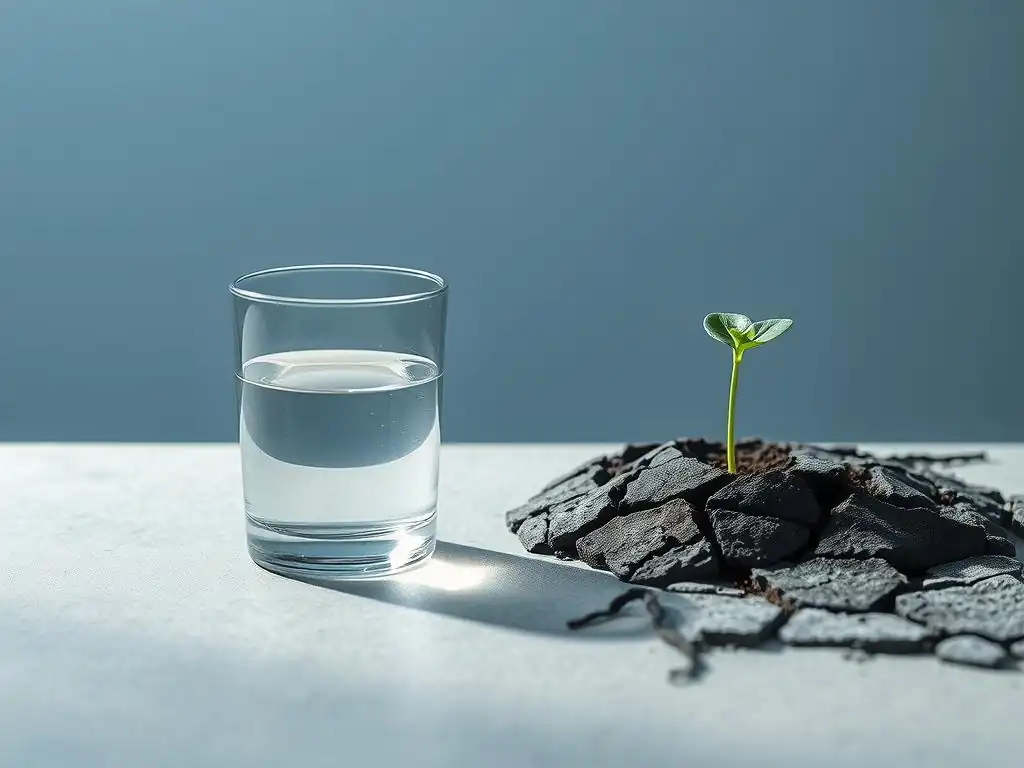
Moderating Alcohol Consumption for Better Mental Health
For individuals who choose to drink, practicing moderation is a key strategy for protecting mental health. The National Institute on Alcohol Abuse and Alcoholism (NIAAA) defines moderate drinking as up to one drink per day for women and up to two drinks per day for men. Consuming alcohol within these limits is generally associated with lower risks, although any amount of alcohol carries some risk, and for some individuals (e.g., those with certain medical conditions or taking certain medications), even moderate drinking may be harmful.
Understanding recommended guidelines and being mindful of personal consumption levels can help prevent the negative effects of alcohol on brain chemistry and mood. If you find yourself regularly exceeding these limits or using alcohol to cope with stress or emotions, it's a sign that your drinking may be putting your mental health at risk and warrants examination.
Understanding Your Personal Risk Factors for Alcohol Use Disorder
Several factors can increase an individual's risk of developing alcohol use disorder, which in turn increases the risk of alcohol-related mood disorders. These include a family history of addiction, personal history of trauma, co-occurring mental health conditions (like anxiety or depression), starting drinking at an early age, and experiencing high levels of stress. Understanding your personal risk factors can empower you to make informed decisions about alcohol consumption and seek help proactively if needed.
If you have several risk factors, being particularly cautious about alcohol use and prioritizing mental health becomes even more important. This might involve choosing not to drink at all or being very strict about moderation and monitoring your consumption and mood closely.
Seeking Early Intervention for Problematic Alcohol Use
If you notice signs of problematic alcohol use – such as drinking more than intended, difficulty cutting back, spending a significant amount of time drinking or recovering from drinking, or experiencing negative consequences from drinking – seeking help early is crucial. Early intervention can prevent the progression to severe alcohol use disorder and the development of more entrenched alcohol-related mood disorders.
Primary care physicians, mental health professionals, or addiction specialists can provide assessments and guidance. brief interventions, counseling, or outpatient programs can be very effective in the early stages. Addressing problematic use before it becomes a severe disorder significantly improves the chances of successful recovery and minimizes the negative impact on mental health, including preventing or mitigating severe alcohol depression symptoms.
The Long-Term Effects of Alcohol on Mental Health
The Impact of Chronic Alcohol Use on Brain Function and Mood
Chronic, heavy alcohol use has pervasive and long-lasting effects on brain structure and function, impacting cognitive abilities, memory, and mood regulation. Prolonged exposure to high levels of alcohol can cause damage to various brain regions, including the prefrontal cortex (involved in decision-making and impulse control), the hippocampus (involved in memory), and the cerebellum (involved in coordination and balance). These structural changes can contribute to cognitive deficits and persistent mood disturbances.
The neurochemical imbalances caused by chronic alcohol use can take a significant amount of time to normalize even after abstinence. This is why individuals in recovery may experience protracted withdrawal symptoms, including persistent anxiety, depression, and sleep disturbances, sometimes lasting for months. Long-term recovery involves not only abstaining from alcohol but also allowing the brain time to heal and rewire itself, often with the support of therapy and healthy lifestyle practices.
The Connection Between Alcohol Use Disorder and Increased Risk of Suicide
There is a strong and concerning link between alcohol use disorder and an increased risk of suicide. Individuals with alcohol dependence are estimated to be at a significantly higher risk of suicide compared to the general population, with some studies suggesting the risk is up to 10 times greater. This elevated risk is multifactorial, stemming from the direct effects of alcohol on mood and judgment, the presence of co-occurring depression or other mental health conditions, and the negative life consequences often associated with severe alcohol problems.
Alcohol can impair judgment and increase impulsivity, making individuals more likely to act on suicidal thoughts. The depressive effects of alcohol, especially during withdrawal or in the context of chronic use, can deepen feelings of hopelessness and despair. If you or someone you know is struggling with alcohol use disorder and expressing suicidal thoughts, please seek immediate help. This is a mental health emergency requiring urgent professional intervention.
Resources for Alcohol Use Disorder and Mental Health Support
Navigating the challenges of alcohol use disorder and co-occurring mood issues requires access to reliable information and support. Fortunately, numerous organizations are dedicated to providing resources, guidance, and help.
National Institute on Alcohol Abuse and Alcoholism (NIAAA)
The National Institute on Alcohol Abuse and Alcoholism (NIAAA) is a leading U.S. authority on alcohol research and health. Their website offers extensive information on the effects of alcohol, including its impact on mental health, the signs of alcohol problems, and resources for finding treatment. They provide data-driven insights and publications for both the public and professionals.
Substance Abuse and Mental Health Services Administration (SAMHSA)
The Substance Abuse and Mental Health Services Administration (SAMHSA) is a U.S. government agency that leads public health efforts to advance the behavioral health of the nation. SAMHSA provides a National Helpline offering confidential free help, from public health agencies, to find substance use and mental health treatment facilities and programs. Their website is a valuable resource for finding treatment locators, publications, and information on various mental health and substance use topics, including alcohol depression symptoms treatment options.
Mental Health Guide's Commitment to Your Well-being
Finding Support and Guidance for Alcohol and Mental Health Concerns
Mind Care Guide is committed to providing comprehensive, empathetic, and informative resources to help you navigate mental health challenges. We understand the complex interplay between alcohol and mood and aim to offer clear, actionable information. While this article provides a detailed overview of alcohol depression symptoms treatment options and related issues, it is not a substitute for professional medical or psychological advice.
If you are concerned about your alcohol use or its impact on your mood, we strongly encourage you to reach out to a healthcare professional, therapist, or addiction specialist. They can provide a personalized assessment and guide you toward the most appropriate support and treatment pathways tailored to your specific needs. Remember, seeking help is a sign of strength, and recovery is possible.
Frequently Asked Questions
What is the relationship between alcohol and depression?
Alcohol is a depressant, and its consumption can significantly worsen or even trigger depressive symptoms. This is due to its impact on brain chemistry and neurotransmitters.
How does alcohol affect mental well-being in the long term?
Chronic alcohol use can lead to long-term brain changes, making individuals more susceptible to depression and other mental health disorders. It can also negatively impact relationships and overall life satisfaction.
Symptoms can include persistent sadness, loss of interest in activities, fatigue, changes in appetite or sleep, and feelings of hopelessness, often exacerbated after drinking.
What treatment options are available for alcohol-induced depression?
Treatment usually involves addressing both alcohol dependence and depression simultaneously. This may include therapy, medication, and support groups, often used in conjunction.
Resources include mental health professionals, support groups like Alcoholics Anonymous, and online platforms like Mind Care Guide that offer information and guidance on mental well-being.
Final Reflection: The Unseen Shadow of Alcohol: From Symptom to Solution
The pervasive link between alcohol consumption and depression is not merely a correlation; it's a complex interplay demanding urgent attention. Millions grapple with the debilitating effects of alcohol-induced depression, often unaware of the insidious nature of this connection. Understanding this relationship is the first crucial step towards breaking free from its grip.
The societal normalization of alcohol use often masks the devastating consequences for mental health. We've explored the subtle ways alcohol can exacerbate existing depressive symptoms and even trigger new ones, highlighting the crucial need for accurate diagnosis and effective treatment. The only way to do great work is to love what you do.
- Steve Jobs. While seemingly unrelated, this quote speaks to the importance of self-care and mental well-being, which are often compromised by alcohol abuse. Choosing to prioritize mental health is a powerful act of self-love, crucial for breaking the cycle of alcohol-induced depression.
Now, consider your own relationship with alcohol. Do you recognize any of the symptoms discussed? Are you ready to take the first step towards a healthier, happier you? This article is not just information; it's a call to action. Seek professional help if you need it. Reach out to friends, family, or support groups. Remember, acknowledging the problem is the bravest first step towards reclaiming your mental well-being and building a life free from the shadow of alcohol-induced depression. Your journey to a brighter future starts now.
Unleash Your Mood's Potential: Take Control Now!
Thanks for taking the time to explore the connection between alcohol and mood. We hope you gained valuable insights into managing your mental well-being. Now, let's put that knowledge into action!
- Prioritize your mental health: Identify one small step you can take today to improve your emotional well-being, whether it's limiting alcohol consumption, scheduling a relaxing activity, or reaching out to a support system. This is the crucial first step.
- Share your thoughts: Have you discovered helpful strategies for managing mood related to alcohol? Share your experience and support others in the comments below. Let's create a supportive community!
- Explore further: Discover additional resources on managing alcohol consumption and mood disorders through mindful practices and healthy lifestyle choices. You could try a guided meditation or journaling session.
What simple change will you make today to cultivate a more positive and balanced emotional state?