
Building the Perfect Plate for Anxiety Reduction.

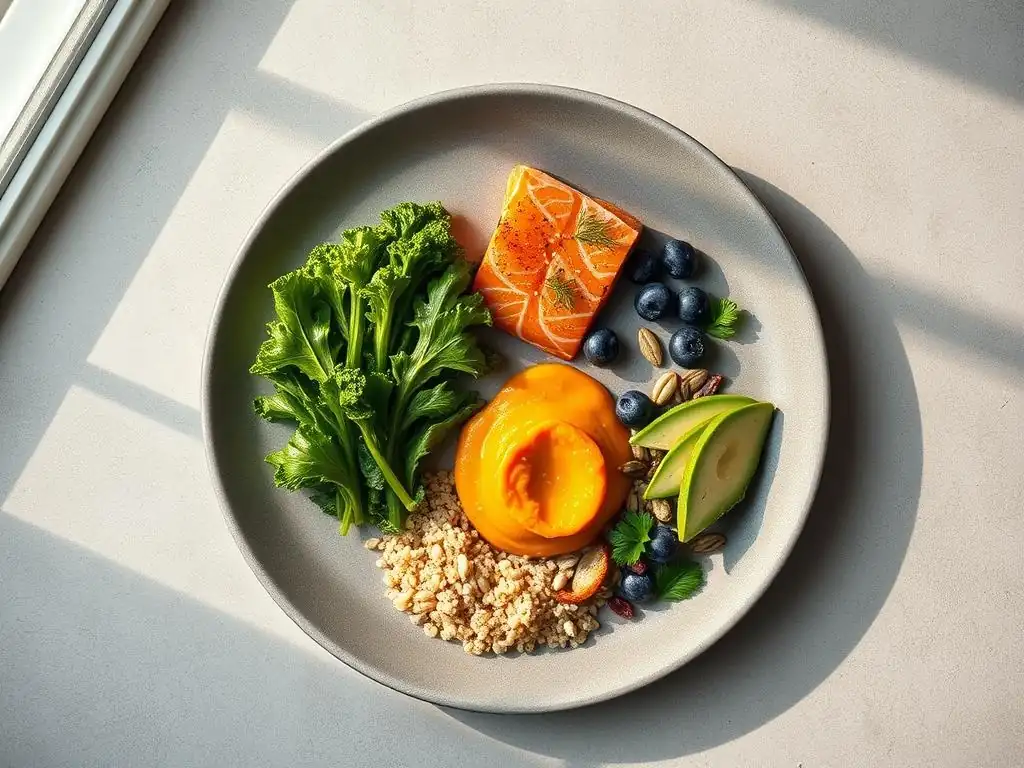
Welcome to Mind Care Guide, a sanctuary for your mental well-being.
Are you looking for a natural way to ease the weight of anxiety? Perhaps you've heard that what you eat can impact how you feel. Intrigued? This month, we delve into the powerful connection between your diet and your mental state, revealing how nutrient-rich foods reduce anxiety. Discover how building the perfect plate can be a powerful step towards a calmer, more balanced you. Explore the article below to unlock the secrets hidden within your daily meals and begin your journey to a brighter, more peaceful tomorrow.
Building the Perfect Plate for Anxiety Reduction: A Mind Care Guide
- Understanding the Link Between Diet and Anxiety
- Key Nutrients for Anxiety Reduction: Your Shopping List
- Foods to Include in Your Anti-Anxiety Plate
- Foods to Limit or Avoid to Reduce Anxiety
- Creating Your Personalized Anti-Anxiety Meal Plan
- Beyond Diet: Lifestyle Factors that Complement Nutritional Strategies for Anxiety
- Seeking Professional Help: When to Consult a Dietitian or Therapist
-
Frequently Asked Questions
- How can nutrient-rich foods specifically help reduce anxiety?
- What are some examples of nutrient-rich foods that are beneficial for anxiety?
- How quickly can I expect to see results after incorporating nutrient-rich foods into my diet?
- Is it possible to completely eliminate anxiety solely through diet changes with nutrient-rich foods?
- Are there any nutrient-rich foods I should avoid if I'm prone to anxiety?
- Final Reflection: Nourishing the Mind, Calming the Soul
- Unleash Your Inner Calm: Craft Your Anxiety-Reducing Plate
Understanding the Link Between Diet and Anxiety
How Nutrient-Rich Foods Impact Anxiety Levels
The food we consume directly influences our brain chemistry and overall physiological state, which in turn significantly impacts our mood and anxiety levels. A diet lacking essential vitamins, minerals, and healthy fats can disrupt neurotransmitter function, increase inflammation, and destabilize blood sugar, all factors known to exacerbate anxiety symptoms. Conversely, focusing on nutrient-rich foods can provide the building blocks necessary for optimal brain function and resilience against stress.
Incorporating a variety of nutrient-dense options, such as leafy greens, fatty fish, nuts, and seeds, supplies the body with crucial elements like magnesium, omega-3 fatty acids, and B vitamins. These nutrients play vital roles in processes ranging from nerve signal transmission to energy production within brain cells. For instance, adequate magnesium intake is often associated with lower anxiety scores in observational studies, suggesting its calming effect. Prioritizing nutrient-rich foods helps create a stable internal environment, reducing the physiological triggers that can contribute to feeling overwhelmed or anxious.
The Gut-Brain Connection: A Key to Anxiety Management
Emerging research highlights the profound connection between the gut and the brain, often referred to as the gut-brain axis. The gut microbiome, a complex community of trillions of microorganisms living in our digestive tract, communicates with the brain through neural, hormonal, and immunological pathways. An imbalance in the gut microbiome (dysbiosis), often caused by a poor diet high in processed foods and sugar, can negatively impact this communication, potentially contributing to anxiety and other mood disorders.
A diet rich in fiber from fruits, vegetables, and whole grains, along with fermented foods containing probiotics, supports a diverse and healthy gut microbiome. These beneficial bacteria produce short-chain fatty acids (SCFAs) like butyrate, which nourish gut cells, reduce inflammation, and can influence brain function and mood. Focusing on a diet that supports gut health is a critical, yet often overlooked, strategy in utilizing nutrient-rich foods to reduce anxiety. Addressing gut health is not just about digestion; it's a fundamental step in promoting mental well-being.
Why a Balanced Diet is Crucial for Mental Well-being
While focusing on specific nutrient-rich foods that reduce anxiety is important, the overall pattern of your diet holds significant weight. A balanced diet, encompassing a wide variety of food groups in appropriate proportions, ensures that the body receives a spectrum of nutrients necessary for optimal physiological and psychological functioning. Relying on just one or two "superfoods" will likely not provide the comprehensive support needed to effectively manage anxiety.
A balanced approach helps maintain stable blood sugar levels, preventing the spikes and crashes that can trigger anxiety-like symptoms. It provides sustained energy, supports hormone balance, and ensures adequate hydration, all foundational elements for mental stability. Furthermore, the act of preparing and enjoying balanced, nutrient-rich meals can itself be a calming and grounding practice, contributing positively to mental well-being beyond just the nutritional content.
Key Nutrients for Anxiety Reduction: Your Shopping List
Magnesium: The Calming Mineral for Anxiety Relief
Magnesium is often referred to as nature's tranquilizer due to its crucial role in regulating the nervous system. It helps activate GABA receptors, a neurotransmitter system that calms nerve activity, making it a key nutrient when considering how nutrient-rich foods reduce anxiety. Studies have linked magnesium deficiency to increased anxiety and stress susceptibility.
The recommended daily allowance for magnesium is around 400-420 mg for adult men and 310-320 mg for adult women, though many individuals may not meet this target through diet alone. Incorporating foods like spinach (about 157 mg per cooked cup), almonds (about 76 mg per ounce), black beans (about 120 mg per cooked cup), and pumpkin seeds (about 150 mg per ounce) can significantly boost your intake and support your efforts to reduce anxiety through diet.
Vitamin D: Sunlight and Anxiety – What's the Connection?
Vitamin D, often synthesized through sun exposure, plays a role in brain health and mood regulation. Receptors for Vitamin D are present in areas of the brain associated with mood and behavior. Low levels of Vitamin D have been observed in individuals experiencing anxiety and depression, suggesting a potential link, although the exact mechanisms are still being explored.
While sunlight is a primary source, dietary sources include fatty fish like salmon (approx. 400-800 IU per 3.5 oz serving), fortified foods like milk and orange juice (amounts vary), and egg yolks (approx. 40 IU per large egg). Aiming for adequate Vitamin D levels, potentially through a combination of safe sun exposure, diet, and supplementation under guidance, is part of a holistic approach to using nutrient-rich foods and lifestyle factors to reduce anxiety.
Omega-3 Fatty Acids: Essential Fats for Brain Health and Mood
Omega-3 fatty acids, particularly EPA (eicosapentaenoic acid) and DHA (docosahexaenoic acid), are critical components of brain cell membranes and play a significant role in reducing inflammation throughout the body, including the brain. Chronic low-grade inflammation is increasingly recognized as a contributor to mood disorders like anxiety.
Research consistently shows that higher intake of omega-3s is associated with lower rates of anxiety and depression. Fatty fish like salmon, mackerel, and sardines are the best dietary sources, providing significant amounts of EPA and DHA (e.g., wild salmon can provide over 1000 mg of combined EPA and DHA per 3.5 oz serving). Plant-based sources like flaxseeds, chia seeds, and walnuts contain ALA (alpha-linolenic acid), which the body can convert to EPA and DHA, though less efficiently. Ensuring adequate intake of these essential fats is a cornerstone of using nutrient-rich foods to support brain health and reduce anxiety.
B Vitamins: Powering Your Nervous System for Stress Resistance
The B vitamins, including B1 (thiamine), B3 (niacin), B6 (pyridoxine), B9 (folate), and B12 (cobalamin), are essential for nerve function, energy metabolism, and the synthesis of neurotransmitters like serotonin and dopamine, which regulate mood. Deficiencies in B vitamins, particularly B12 and folate, have been linked to increased risk of mood disturbances, including anxiety.
Ensuring adequate B vitamin intake supports the nervous system's ability to cope with stress and maintain stable mood. Good sources include whole grains, lean meats, poultry, eggs, legumes, nuts, seeds, and leafy green vegetables. For example, a cup of cooked lentils provides roughly 350 mcg of folate, and a 3 oz serving of chicken breast offers about 0.6 mg of Vitamin B6. Focusing on a diverse diet ensures you get a full spectrum of these crucial vitamins, leveraging the power of nutrient-rich foods to reduce anxiety.
Zinc: An Essential Mineral for Anxiety Control
Zinc is a trace mineral involved in numerous enzymatic processes in the body, including those related to neurotransmitter function and immune response. It plays a role in regulating brain signaling pathways and protecting against oxidative stress, which can contribute to anxiety. Studies have shown that individuals with anxiety disorders may have lower zinc levels compared to healthy controls.
Increasing zinc intake through diet can be a supportive measure. Good sources include oysters (very high), beef, chicken, pumpkin seeds (about 2.2 mg per ounce), lentils (about 2.5 mg per cooked cup), and chickpeas (about 2.5 mg per cooked cup). While the recommended daily intake is around 11 mg for adult men and 8 mg for adult women, incorporating these nutrient-rich foods regularly helps ensure adequate levels to support neurological health and potentially reduce anxiety.
Foods to Include in Your Anti-Anxiety Plate

Leafy Greens: Packed with Magnesium and Folate
Dark leafy greens like spinach, kale, and Swiss chard are powerhouses of nutrients beneficial for mental health. They are particularly rich in magnesium and folate (Vitamin B9), two key nutrients discussed earlier for their roles in calming the nervous system and neurotransmitter synthesis. Including a generous portion of leafy greens in your daily meals provides a significant boost of these anxiety-reducing compounds.
A single cup of cooked spinach can offer nearly 40% of the daily recommended intake for magnesium and a substantial amount of folate. Adding these greens to salads, smoothies, stir-fries, or omelets is a simple yet effective way to incorporate nutrient-rich foods that reduce anxiety into your diet. Their high antioxidant content also helps combat oxidative stress, further supporting brain health.
Fatty Fish: A Rich Source of Omega-3s for Anxiety Relief
As mentioned, fatty fish are outstanding sources of EPA and DHA omega-3 fatty acids, which are vital for reducing inflammation and supporting brain structure and function. Regular consumption is strongly linked to improved mood and reduced anxiety symptoms.
Aiming for two to three servings of fatty fish like salmon, mackerel, sardines, or herring per week can provide significant amounts of these essential fats. For those who don't eat fish, high-quality algae-based omega-3 supplements can be a good alternative, but incorporating the whole food sources is often preferred for the synergistic benefits of other nutrients present. Adding fatty fish to your menu is a direct way to utilize nutrient-rich foods for anxiety relief.
Nuts and Seeds: Healthy Fats and Magnesium Powerhouses
Nuts and seeds are convenient and nutrient-dense snacks that offer a wealth of benefits for mental well-being. They are excellent sources of healthy monounsaturated and polyunsaturated fats, including some ALA omega-3s (especially walnuts and chia seeds), and are particularly rich in magnesium and zinc.
Almonds, cashews, walnuts, pumpkin seeds, and chia seeds are great additions to an anti-anxiety diet. A small handful (about an ounce) provides valuable nutrients. For example, an ounce of pumpkin seeds offers a notable amount of magnesium and zinc, while walnuts are celebrated for their omega-3 content. Incorporating a variety of nuts and seeds into your diet, whether as snacks, in salads, or blended into smoothies, contributes to your intake of nutrient-rich foods that reduce anxiety.
Berries: Antioxidant-Rich Foods for Mental Wellness
Berries like blueberries, strawberries, raspberries, and blackberries are not only delicious but also packed with antioxidants, particularly flavonoids. These compounds help protect brain cells from damage caused by oxidative stress and inflammation, processes implicated in the development and severity of anxiety.
Research suggests that diets high in antioxidants are associated with better mental health outcomes. The vibrant colors of berries indicate their rich phytonutrient content. Adding a cup of mixed berries to your breakfast, yogurt, or simply enjoying them as a snack provides a sweet, low-sugar way to boost your intake of nutrient-rich foods that support mental wellness and help reduce anxiety.
Complex Carbohydrates: Stable Energy and B Vitamins for Anxiety Management
Choosing complex carbohydrates over refined ones is essential for maintaining stable blood sugar levels, which is crucial for managing anxiety. Complex carbs, found in whole grains, legumes, and starchy vegetables, are digested slowly, providing a steady release of glucose into the bloodstream. This prevents the rapid spikes and crashes that can trigger stress hormones and anxiety symptoms.
Foods like oats, quinoa, brown rice, lentils, beans, sweet potatoes, and whole-wheat bread are excellent sources of complex carbohydrates. Many of these also provide valuable B vitamins and fiber, further supporting nerve function and gut health. Building meals around these foundational nutrient-rich foods helps create a stable metabolic environment that supports your efforts to reduce anxiety.
Foods to Limit or Avoid to Reduce Anxiety
Processed Foods: The Impact on Gut Health and Anxiety
Highly processed foods, often laden with unhealthy fats, added sugars, and artificial additives, are detrimental to both physical and mental health. They are typically low in essential nutrients and fiber while being high in inflammatory compounds. Consuming these foods can disrupt the balance of the gut microbiome, increase inflammation, and contribute to blood sugar dysregulation.
Studies indicate a correlation between high consumption of processed foods and increased risk of anxiety and depression. Limiting or avoiding items like sugary cereals, packaged snacks, fast food, and excessive amounts of processed meats is crucial for supporting a healthy gut-brain axis and reducing physiological triggers for anxiety. Focusing instead on nutrient-rich foods is a fundamental shift for mental well-being.
Sugary Drinks and Foods: Blood Sugar Spikes and Anxiety
Excessive consumption of added sugars, particularly from sugary drinks and sweets, leads to rapid fluctuations in blood sugar levels. These sharp rises and subsequent crashes can trigger the release of adrenaline and cortisol, stress hormones that mimic or intensify anxiety symptoms like jitters, nervousness, and irritability.
While the immediate "sugar rush" might feel like a temporary lift, the subsequent crash often leaves individuals feeling worse. Reducing intake of sodas, fruit juices with added sugar, candies, cakes, and pastries is a key step in stabilizing mood and energy levels. Prioritizing naturally sweet foods like fruits in moderation offers nutrients without the dramatic blood sugar roller coaster.
Excessive Caffeine: A Stimulant That Can Worsen Anxiety Symptoms
Caffeine is a stimulant that affects the central nervous system. While moderate amounts may be fine for some, excessive caffeine intake can exacerbate anxiety symptoms in sensitive individuals. It can increase heart rate, induce nervousness, and disrupt sleep patterns – all factors that contribute to anxiety.
What constitutes "excessive" varies greatly from person to person. Some individuals may find even a single cup of coffee triggers anxiety, while others can tolerate more. Pay attention to how caffeine affects you personally. If you notice increased anxiety after consuming coffee, energy drinks, or even certain teas, consider reducing your intake or switching to decaffeinated options.
Alcohol: A Temporary Relief That Can Lead to Long-Term Anxiety
Many people turn to alcohol to self-medicate anxiety symptoms, experiencing a temporary sense of relaxation. However, alcohol is a central nervous system depressant that disrupts brain chemistry. While it initially slows down brain activity, its effects wear off, often leading to a rebound effect where anxiety returns, sometimes even more intensely (often called "hangxiety").
Chronic alcohol use can also disrupt sleep, deplete B vitamins (crucial for nerve function), and negatively impact gut health, all of which worsen anxiety in the long run. Limiting or avoiding alcohol is often recommended as part of a strategy to manage anxiety effectively. Seeking healthier coping mechanisms, like focusing on nutrient-rich foods reduce anxiety and engaging in calming activities, is more beneficial.
Creating Your Personalized Anti-Anxiety Meal Plan
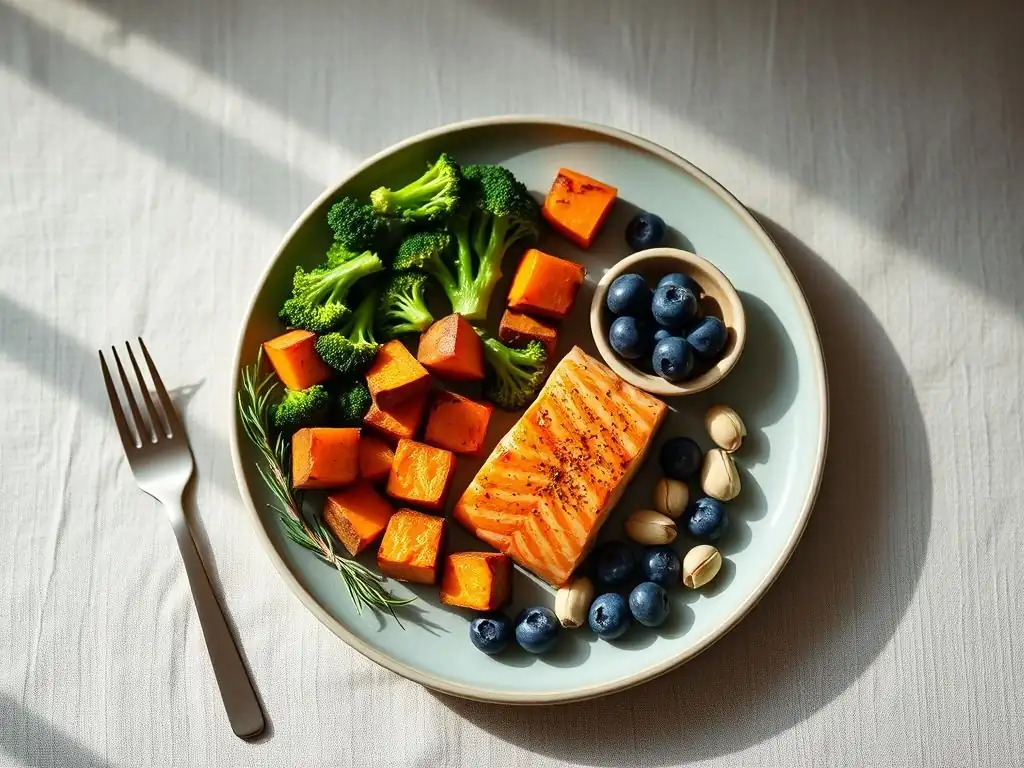
Sample Meal Ideas for Anxiety Reduction: Breakfast, Lunch, and Dinner
Building an anti-anxiety meal plan doesn't have to be complicated. The goal is consistency in incorporating nutrient-rich foods that reduce anxiety throughout the day. Here are some sample ideas:
- Breakfast: Oatmeal topped with berries, nuts, and a sprinkle of chia seeds (complex carbs, fiber, omega-3s, magnesium, antioxidants). Or, scrambled eggs with spinach and a side of avocado (protein, B vitamins, healthy fats, magnesium).
- Lunch: Large salad with mixed greens, grilled salmon or chickpeas, cucumber, bell peppers, walnuts, and an olive oil-based dressing (omega-3s, magnesium, zinc, B vitamins, fiber, antioxidants). Or, lentil soup with a side of whole-grain bread.
- Dinner: Baked chicken or tofu with roasted sweet potatoes and steamed broccoli (lean protein, complex carbs, B vitamins, magnesium). Or, a simple stir-fry with plenty of colorful vegetables, brown rice, and shrimp or tempeh.
Sample Daily Structure:
- Morning: Hydration (Water)
- Breakfast: Nutrient-dense meal (Complex Carb + Protein/Healthy Fat)
- Mid-morning: Optional Snack (Nuts, Seeds, Fruit)
- Lunch: Balanced meal (Protein + Veggies + Complex Carb/Legumes)
- Afternoon: Optional Snack (Yogurt, Veggies with Hummus)
- Dinner: Balanced meal (Protein + Veggies + Complex Carb)
- Evening: Optional calming tea (Chamomile)
Portion Control: Eating Mindfully for Anxiety Management
Beyond what you eat, how much you eat is also relevant for managing anxiety. Overeating or eating too little can both cause physical stress that exacerbates anxiety. Overeating, especially foods high in fat and sugar, can lead to digestive discomfort and blood sugar fluctuations. Undereating can result in low blood sugar, causing shakiness and irritability.
Practicing mindful eating involves paying attention to hunger and fullness cues, savoring your food, and being present during meals. Using appropriate portion sizes helps maintain stable energy levels and prevents physical discomfort. This mindful approach to consuming nutrient-rich foods complements their physiological benefits in reducing anxiety.
Hydration: The Importance of Water for Mental Clarity
Dehydration, even mild, can negatively impact mood, concentration, and energy levels, potentially worsening anxiety symptoms. Feeling thirsty is often a sign that you are already slightly dehydrated. Maintaining adequate hydration throughout the day is a simple yet crucial step in supporting overall mental well-being.
Aim to drink plenty of water throughout the day. Individual needs vary, but a general guideline is around 8 cups (64 ounces), though this can increase with activity level or warm weather. Herbal teas (like chamomile, known for its calming properties) and water-rich fruits and vegetables also contribute to hydration. Proper hydration supports all bodily functions, including those in the brain, helping nutrient-rich foods reduce anxiety more effectively.
The Role of Probiotics in Gut Health and Anxiety Reduction
As discussed with the gut-brain connection, supporting a healthy gut microbiome is key. Probiotics are beneficial bacteria that can be introduced into the gut through fermented foods or supplements. They may help improve the balance of gut flora, reduce inflammation, and influence neurotransmitter production within the gut.
Including probiotic-rich foods like yogurt with live and active cultures, kefir, sauerkraut, kimchi, and kombucha in your diet can be beneficial. When choosing these foods, look for labels indicating "live and active cultures." While research is ongoing, incorporating these foods alongside a fiber-rich diet supports gut health, which in turn supports the brain and aids in using nutrient-rich foods to reduce anxiety.
Beyond Diet: Lifestyle Factors that Complement Nutritional Strategies for Anxiety
Exercise: Physical Activity for Stress Reduction
Regular physical activity is a powerful tool for managing anxiety. Exercise releases endorphins, natural mood boosters, and helps reduce levels of stress hormones like cortisol. It can also improve sleep quality and provide a distraction from anxious thoughts.
Aim for consistent movement, whether it's brisk walking, jogging, yoga, dancing, or strength training. Even short bursts of activity can make a difference. Combining the benefits of exercise with a focus on nutrient-rich foods provides a robust strategy to reduce anxiety.
Sleep Hygiene: Prioritizing Rest for Mental Well-being
Lack of sleep or poor sleep quality significantly impacts mood and increases anxiety. Sleep is crucial for brain restoration and emotional regulation. Establishing a consistent sleep schedule and creating a relaxing bedtime routine can improve sleep quality.
Ensure your bedroom is dark, quiet, and cool. Avoid screens and heavy meals close to bedtime. Prioritizing 7-9 hours of quality sleep per night allows your brain and body to recover, making you more resilient to stress and anxiety.
Mindfulness and Meditation: Techniques for Calming the Mind
Mindfulness and meditation practices help train your mind to stay present, observe thoughts without judgment, and cultivate a sense of calm. Regular practice can reduce the reactivity to anxious thoughts and feelings, lowering overall stress levels.
Even a few minutes of daily meditation, deep breathing exercises, or mindful awareness during daily activities can make a difference. These practices complement the physical benefits derived from nutrient-rich foods and exercise, offering a mental component to your anxiety management strategy.
Seeking Professional Help: When to Consult a Dietitian or Therapist
Recognizing the Signs of Severe Anxiety
While dietary and lifestyle changes can significantly help manage mild to moderate anxiety, it's crucial to recognize when anxiety is severe or persistent and requires professional intervention. Signs might include:
- Anxiety that is constant or overwhelming, interfering with daily life (work, relationships, social activities).
- Intense fear or worry that feels uncontrollable.
- Physical symptoms like panic attacks, chronic fatigue, or persistent digestive issues not resolving with basic changes.
- Avoidance of situations due to fear.
- Thoughts of self-harm or hopelessness.
If you experience these symptoms, it's essential to seek professional help.
The Importance of a Holistic Approach to Anxiety Management
Managing anxiety is often most effective when approached holistically, addressing multiple factors that contribute to it. While focusing on how nutrient-rich foods reduce anxiety is a powerful step, it is often just one piece of the puzzle.
A comprehensive approach may involve therapy (such as Cognitive Behavioral Therapy or Acceptance and Commitment Therapy), and in some cases, medication prescribed by a doctor. Dietary changes, exercise, sleep hygiene, and mindfulness are complementary strategies that enhance the effectiveness of professional treatments.
Partnering with Healthcare Professionals for Personalized Guidance
Navigating anxiety can be challenging, and personalized guidance is invaluable. A registered dietitian can provide tailored advice on incorporating nutrient-rich foods into your diet, addressing potential nutrient deficiencies, and creating a sustainable eating plan that supports your mental health goals.
A therapist or counselor can help you explore the root causes of your anxiety, develop coping mechanisms, and work through challenging thoughts and behaviors. A medical doctor can rule out underlying physical conditions contributing to anxiety and discuss potential medication options if needed. Partnering with these professionals ensures you receive comprehensive support tailored to your specific needs, integrating the power of nutrient-rich foods with other evidence-based strategies to effectively reduce anxiety and build lasting well-being.
Frequently Asked Questions
How can nutrient-rich foods specifically help reduce anxiety?
Nutrient-rich foods provide essential vitamins and minerals that support healthy brain function. Deficiencies in these nutrients can exacerbate anxiety symptoms.
What are some examples of nutrient-rich foods that are beneficial for anxiety?
Foods rich in omega-3 fatty acids (like salmon), magnesium (like spinach), and antioxidants (like berries) are excellent choices. They help regulate mood and reduce inflammation.
How quickly can I expect to see results after incorporating nutrient-rich foods into my diet?
Results vary, but many people notice a gradual improvement in their anxiety levels within a few weeks. Consistency and combining dietary changes with other mental health strategies are key.
Is it possible to completely eliminate anxiety solely through diet changes with nutrient-rich foods?
While nutrient-rich foods can significantly reduce anxiety, they are often most effective when combined with therapy, exercise, and other coping mechanisms. It's a holistic approach.
Are there any nutrient-rich foods I should avoid if I'm prone to anxiety?
Limit or avoid processed foods, excessive caffeine, and sugary drinks. These can cause blood sugar fluctuations and worsen anxiety symptoms.
Final Reflection: Nourishing the Mind, Calming the Soul
The connection between what we eat and how we feel is undeniable, and the power of nutrient-rich foods to reduce anxiety is a revelation increasingly supported by scientific research. This isn't just about fleeting mood boosts; it's about building a resilient foundation for mental well-being, a proactive approach to managing stress and anxiety in our increasingly demanding world. We've explored the specific foods that contribute to this resilience, highlighting the crucial role of vitamins, minerals, and healthy fats in supporting brain function and emotional regulation.
The journey towards understanding the profound impact of nutrition on mental health is a deeply personal one. For me, researching this topic has been transformative, highlighting the interconnectedness of physical and mental well-being. It's reinforced the importance of mindful eating, not just as a diet, but as a practice of self-care. Take care of your body. It's the only place you have to live.
– Jim Rohn. This quote resonates deeply, emphasizing that nurturing our physical selves is an act of profound self-respect that directly impacts our mental and emotional states.
Now, I invite you to consider your own relationship with food and anxiety. What changes can you make to your diet, even small ones, to better support your mental well-being? Experiment with incorporating more of the nutrient-rich foods we've discussed, pay attention to how you feel, and remember that building a "perfect plate" for anxiety reduction is an ongoing journey of self-discovery and mindful nourishment. Start small, be patient with yourself, and celebrate every step you take towards a healthier, happier you.
Unleash Your Inner Calm: Craft Your Anxiety-Reducing Plate
Thanks for taking the time to explore how mindful eating can ease anxiety! You've now learned powerful techniques to build a plate that nourishes both your body and mind. Ready to put this knowledge into action?
- Design your ideal anxiety-reducing meal: Spend 15 minutes today planning a balanced meal focusing on the ingredients and principles discussed. Include a note on what emotions you hope this meal will help you manage.
- Share your creation!: Post a picture of your anxiety-reducing plate on social media – use #MindfulEatingForCalm and tag us! Let's inspire each other.
- Explore complementary practices: Try incorporating a short mindful meditation before or after your meal to enhance the calming effect.
What's one small change you can make to your diet today to support your mental wellbeing?