
Reclaiming Your Peace: Yoga for PTSD and Anxiety

Welcome to Mind Care Guide.
Feeling overwhelmed by PTSD and anxiety? You're not alone. We understand the challenges you face, and we're here to offer a path toward healing and peace. Discover how Yoga for PTSD anxiety can be a powerful tool in reclaiming your inner calm and building resilience. Ready to explore gentle movements and mindful breathing techniques that can transform your well-being? Let's begin.
Reclaiming Your Peace: Yoga for PTSD and Anxiety - A Mind Care Guide
- Understanding PTSD, Anxiety, and the Mind-Body Connection
- Yoga for PTSD Anxiety: A Path to Healing
- Specific Yoga Poses and Techniques for PTSD Anxiety Relief
- Creating a Safe and Supportive Yoga Practice for Trauma Survivors
- Benefits of Yoga Therapy for PTSD and Anxiety: What to Expect
- Integrating Yoga with Other Therapies for Holistic Healing
- Precautions and Considerations When Practicing Yoga for PTSD Anxiety
- Resources for Yoga and Mental Health Support
- Embracing Yoga as a Tool for Healing and Resilience in PTSD and Anxiety
-
Frequently Asked Questions
- How can yoga help with PTSD and anxiety?
- What types of yoga are most beneficial for PTSD and anxiety?
- How often should I practice yoga to experience its benefits for PTSD and anxiety?
- Are there any specific yoga poses that are particularly helpful for managing PTSD and anxiety symptoms?
- Where can I find qualified yoga instructors who specialize in working with individuals with PTSD and anxiety?
- Final Reflection: Finding Peace in the Present Moment
- Unwind and Flourish: Your Next Steps to Inner Peace
Understanding PTSD, Anxiety, and the Mind-Body Connection
What is Post-Traumatic Stress Disorder (PTSD)?
Post-Traumatic Stress Disorder (PTSD) is a complex mental health condition that can develop in individuals who have experienced or witnessed a traumatic event. These events can range from military combat and natural disasters to serious accidents, physical or sexual assault, and other life-threatening situations. Symptoms often include intrusive memories, flashbacks, nightmares, avoidance of reminders of the trauma, negative changes in thinking and mood, and significant alterations in arousal and reactivity, such as being easily startled or having difficulty concentrating.
The impact of PTSD can be profound, disrupting daily life, relationships, and overall well-being. It's not simply 'getting over' something; it's a persistent state of hyperarousal and re-experiencing that the nervous system struggles to regulate.
The prevalence of PTSD varies depending on the population studied and the type of trauma. For example, approximately 7-8% of the U.S. population will experience PTSD at some point in their lives. Military veterans, first responders, and survivors of severe violence often have higher rates.
The condition affects the brain, particularly areas like the amygdala (involved in fear processing), the hippocampus (involved in memory), and the prefrontal cortex (involved in regulation and executive function). Understanding these neurological changes helps explain why traditional talk therapy alone may not fully address the somatic (body-based) symptoms of trauma, paving the way for complementary practices like yoga for PTSD anxiety.
Anxiety Disorders: A Closer Look
Anxiety disorders represent a group of mental health conditions characterized by excessive fear, worry, or nervousness that is persistent and often disproportionate to the actual threat. Common types include Generalized Anxiety Disorder (GAD), Panic Disorder, Social Anxiety Disorder, and specific phobias. While anxiety is a normal human emotion in response to stress, in anxiety disorders, it becomes debilitating, interfering with daily activities, work, and relationships. Symptoms can manifest physically as restlessness, fatigue, difficulty concentrating, irritability, muscle tension, and sleep disturbances. Emotionally, individuals may experience a sense of impending doom, panic, or constant worry.
Anxiety disorders are among the most common mental health challenges globally. According to the Anxiety & Depression Association of America, anxiety disorders affect approximately 40 million adults in the United States, which is about 18.1% of the population, making them highly prevalent. These disorders often co-occur with other conditions, including depression, substance use disorders, and, significantly, PTSD. The overlap in symptoms, particularly hypervigilance, difficulty relaxing, and physical tension, highlights why interventions that address both mind and body can be particularly effective for individuals struggling with yoga for PTSD anxiety.
The Powerful Link Between Mind and Body in Trauma Recovery
Trauma is not just an event that happens to the mind; it deeply impacts the body and the nervous system. When a person experiences trauma, the body's stress response system, including the sympathetic nervous system (responsible for "fight or flight") and the hypothalamic-pituitary-adrenal (HPA) axis, goes into overdrive. In PTSD, this system can become dysregulated, leading to chronic states of hyperarousal or hypoarousal (feeling numb or disconnected).
Physical symptoms like chronic pain, digestive issues, fatigue, and muscle tension are common manifestations of unresolved trauma stored in the body. The mind and body are inextricably linked, and trauma disrupts this connection, often causing individuals to feel unsafe or disconnected from their physical sensations.
Effective trauma recovery requires addressing both psychological and physiological responses. Traditional talk therapy can help process the narrative of the trauma and challenge negative thought patterns, but it may not fully address the ingrained somatic responses. Practices like yoga for PTSD anxiety work directly with the body, helping individuals gently and safely reconnect with physical sensations, regulate the nervous system, and release stored tension. This mind-body approach acknowledges that healing involves restoring a sense of safety and control within one's own body, alongside processing the emotional and cognitive aspects of the trauma.
Yoga for PTSD Anxiety: A Path to Healing
How Yoga Addresses PTSD and Anxiety Symptoms
Yoga offers a multi-faceted approach to addressing the complex symptoms of PTSD and anxiety. At its core, yoga practice involves physical postures (asanas), breathing techniques (pranayama), and often meditation or mindfulness. For individuals with trauma, the emphasis is typically on creating a sense of safety, grounding, and body awareness, rather than on achieving advanced poses.
The gentle movement and focus on breath can help regulate the dysregulated nervous system, moving individuals out of chronic fight-or-flight or freeze states. By paying attention to physical sensations in a controlled and safe environment, practitioners can gradually rebuild a sense of connection and trust with their bodies, which is often fractured by trauma.
Furthermore, yoga provides tools for managing the intrusive thoughts, flashbacks, and hypervigilance common in PTSD and anxiety. Techniques like focusing on the breath or a simple physical sensation can help ground an individual in the present moment, pulling them out of overwhelming memories or worries about the future. The rhythmic nature of some yoga practices can be soothing, while the emphasis on mindful movement encourages present-moment awareness without judgment.
This capacity to stay present and tolerate difficult sensations is a crucial skill for trauma recovery. Implementing a regular yoga for PTSD anxiety practice can therefore serve as a powerful coping mechanism and therapeutic tool.
The Science Behind Yoga's Therapeutic Effects on Mental Health
Research provides growing evidence supporting the therapeutic effects of yoga for conditions like PTSD and anxiety. Studies have shown that regular yoga practice can lead to measurable physiological changes. For instance, research indicates that yoga can help lower cortisol levels, the primary stress hormone, which is often elevated and dysregulated in individuals with chronic stress, PTSD, and anxiety disorders.
One study published in the Journal of Clinical Psychiatry found that women with chronic, treatment-resistant PTSD experienced a significant reduction in symptoms after participating in a 10-week Kripalu yoga program specifically adapted for trauma survivors. Participants reported decreased severity of symptoms, including intrusive thoughts, avoidance, and hyperarousal.
Beyond hormonal regulation, yoga impacts the nervous system. It helps shift dominance from the sympathetic nervous system (fight or flight) to the parasympathetic nervous system (rest and digest), promoting a state of calm and relaxation.
Neuroimaging studies have shown changes in brain structure and function associated with yoga practice, including increased gray matter volume in areas related to self-awareness, emotional regulation, and fear modulation, such as the insula, prefrontal cortex, and hippocampus. While more research is needed, the existing evidence strongly suggests that yoga works through a combination of physiological, neurological, and psychological mechanisms to support healing and resilience in those managing yoga for PTSD anxiety.
Specific Yoga Poses and Techniques for PTSD Anxiety Relief
Grounding Poses for Anxiety Reduction
Grounding poses are particularly beneficial for individuals experiencing anxiety or dissociation, common in PTSD. These postures emphasize connection with the earth and awareness of the body's contact points, helping to anchor the mind in the present moment. By focusing on physical sensations like the soles of the feet on the floor or the weight of the body, practitioners can interrupt the cycle of anxious thoughts or dissociative feelings. These poses are often simple and accessible, making them suitable for beginners and those who may feel uncomfortable in more complex postures. They provide a sense of stability and presence.
Mountain Pose (Tadasana): Finding Stability
Mountain Pose might seem simple, but it is a powerful grounding posture. Standing with feet hip-width apart or together, distribute your weight evenly through all four corners of your feet. Gently lift your toes and spread them before placing them back down. Feel the connection between your feet and the earth. Lengthen your spine upwards, tuck your tailbone slightly, and let your arms hang naturally by your sides with palms facing forward or towards your body.
This pose cultivates a sense of rootedness and stability. Focus on the feeling of being supported by the ground beneath you. Hold for several breaths, noticing the sensations in your feet and legs. This simple act of standing mindfully can help reduce feelings of unsteadiness or panic associated with anxiety and trauma.
Child's Pose (Balasana): Cultivating Safety and Calm
Child's Pose is a deeply comforting and restorative posture that can evoke feelings of safety and retreat. Kneel on the floor with your big toes touching and knees wide apart or together, depending on what feels comfortable. Lower your torso between or on your thighs and rest your forehead on the mat or on a stacked fist or block. Extend your arms forward or bring them back alongside your body, palms facing down.
This pose provides a sense of being held and protected. It can be particularly helpful during moments of heightened anxiety or overwhelm. Focus on the gentle pressure of your forehead on the support and the feeling of your body being supported by the floor. The inward focus and gentle compression can be incredibly soothing for the nervous system, making it a staple for yoga for PTSD anxiety.
Breathing Exercises (Pranayama) for PTSD Management
Conscious breathing is a cornerstone of yoga and an incredibly effective tool for regulating the nervous system, which is often dysregulated in PTSD and anxiety. Pranayama techniques teach individuals to control their breath, influencing physiological states such as heart rate, blood pressure, and stress hormone levels. By shifting attention to the breath, practitioners can interrupt cycles of anxious rumination or hypervigilance and cultivate a sense of calm. Simple breathing exercises can be done anywhere, providing an accessible coping mechanism during moments of distress.
Diaphragmatic Breathing: Calming the Nervous System
Diaphragmatic breathing, also known as belly breathing, is a fundamental technique for activating the parasympathetic nervous system. Sit or lie down comfortably. Place one hand on your chest and the other on your belly, just below your rib cage. Inhale slowly through your nose, feeling your belly rise as your diaphragm expands. Your chest should remain relatively still.
Exhale slowly through your mouth or nose, feeling your belly gently fall. Aim for longer, slower exhales than inhales. Practice this for several minutes, focusing on the sensation of your belly moving with each breath. This simple practice can significantly lower heart rate and blood pressure, reducing the physical symptoms of anxiety and promoting a state of relaxation. Regular practice builds resilience against stress.
Ujjayi Breath (Victorious Breath): Focusing the Mind
Ujjayi breath involves a slight constriction in the back of the throat, creating a soft ocean-like sound during both the inhale and the exhale. This audible breath helps to focus the mind, drawing attention away from distracting thoughts and grounding awareness in the present moment. It also creates a gentle internal heat and can help regulate the flow of energy. To practice Ujjayi breath, sit comfortably and begin to breathe deeply.
On the exhale, gently constrict the back of your throat as if you were fogging a mirror. On the inhale, maintain that gentle constriction, creating the same subtle sound. This rhythmic, audible breath serves as an anchor for the mind, providing a point of focus that can be particularly helpful for managing racing thoughts or dissociation often present in yoga for PTSD anxiety practice.
Gentle Movement and Restorative Yoga for Trauma Recovery
Gentle movement and restorative yoga focus on slow, deliberate postures often held for longer durations with the support of props like blankets, bolsters, and blocks. This approach prioritizes relaxation, healing, and nervous system regulation over physical exertion. It allows the body to deeply rest and release tension that may be held unconsciously as a result of trauma or chronic stress. Restorative yoga is non-strenuous and aims to create a sense of safety and ease, making it highly suitable for individuals who may feel vulnerable or disconnected from their bodies.
Supported Bridge Pose: Releasing Tension
Supported Bridge Pose is a gentle inversion that can help calm the nervous system and release tension in the chest, neck, and spine. Lie on your back with your knees bent and feet flat on the floor, hip-width apart. Pressing into your feet, lift your hips slightly and slide a block or firm bolster underneath your sacrum (the bony area at the base of your spine). Rest your weight onto the support.
Allow your arms to rest by your sides. This supported variation allows the body to fully relax in the pose without muscular effort. It can help alleviate anxiety, fatigue, and mild back pain. The gentle lift of the hips can also be subtly empowering, providing a sense of openness in the front of the body.
Legs-up-the-Wall Pose (Viparita Karani): Promoting Relaxation
Legs-up-the-Wall Pose is a deeply relaxing and restorative posture that promotes venous return, calms the nervous system, and can alleviate anxiety, stress, and fatigue. Sit with one hip close to a wall. Swing your legs up the wall as you lie back on the floor, positioning your body so your sitting bones are close to the wall (they don't have to be touching). Rest your arms comfortably by your sides or on your belly.
You can place a folded blanket or bolster under your lower back for added comfort. Stay in this pose for 5-15 minutes, focusing on your breath and allowing your body to release tension. The inversion can help shift your physiological state towards relaxation, making it an excellent pose for winding down or managing acute anxiety. It is a simple yet profound practice for promoting peace and recovery when practicing yoga for PTSD anxiety.
Creating a Safe and Supportive Yoga Practice for Trauma Survivors
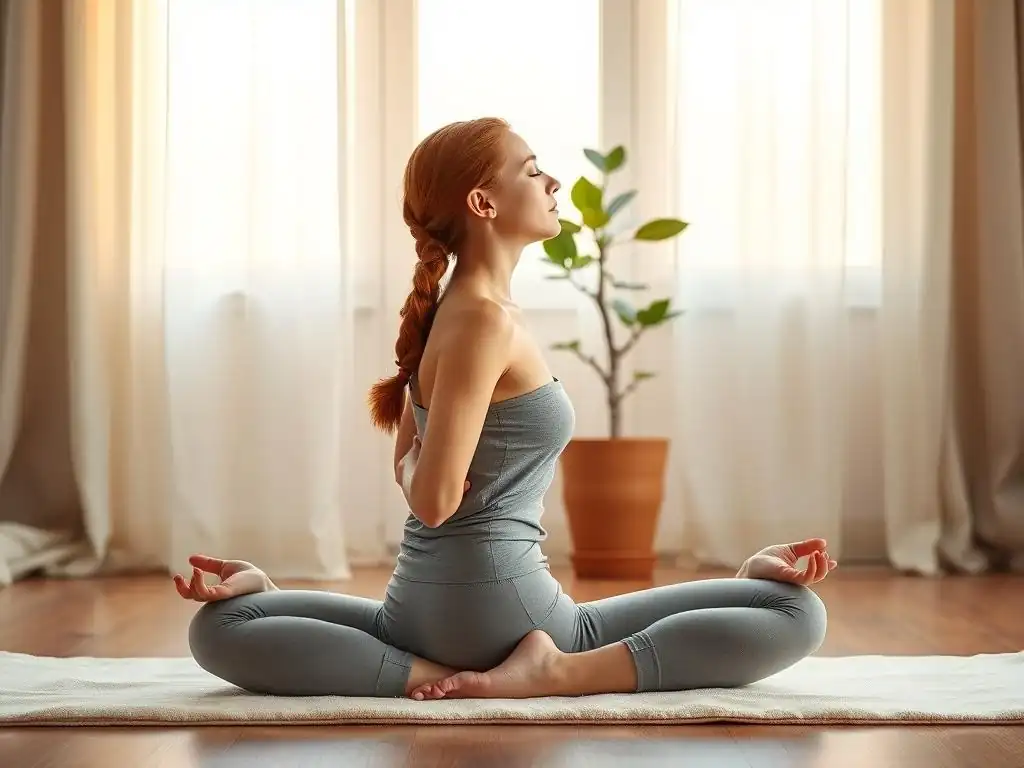
Finding a Trauma-Informed Yoga Instructor
For individuals with PTSD or significant anxiety, finding a yoga instructor who understands the complexities of trauma is paramount. A trauma-informed yoga instructor has received specialized training that goes beyond standard yoga teacher certification. They are knowledgeable about how trauma affects the brain and body and how to create a safe, predictable, and empowering environment. They understand the importance of offering choices, avoiding hands-on adjustments without explicit consent, using sensitive language, and being mindful of potential triggers. They prioritize the practitioner's agency and comfort above all else.
Seeking out instructors with certifications or training in trauma-sensitive yoga, such as the model developed by the Trauma Center at Justice Resource Institute, is highly recommended. These instructors are skilled at modifying poses, explaining the purpose of practices in terms of nervous system regulation, and holding space for emotional responses that may arise. They create a container where individuals can explore their body sensations in a way that feels empowering and safe, rather than overwhelming. Connecting with such an instructor is a critical step in ensuring that a yoga for PTSD anxiety practice is healing and beneficial.
Modifications and Adaptations for Individual Needs
A truly trauma-informed yoga practice is highly adaptable to individual needs and comfort levels. There is no one-size-fits-all approach. Instructors should offer variations for poses, allowing practitioners to choose what feels safest and most comfortable in their bodies on any given day. This includes offering options for sitting, standing, or lying down, using props extensively for support, and suggesting alternatives for poses that might feel vulnerable (like inversions or backbends) or triggering (like poses that involve being on one's knees or stomach). The focus is always on internal experience and sensation rather than external form.
Emphasis is placed on interoception – the ability to sense internal bodily cues – and proprioception – the sense of the body's position in space. Practices encourage practitioners to notice sensations without judgment and to make choices based on what feels right for them in the moment. This might mean resting when needed, opting out of a pose, or choosing a more supported variation.
The goal is to empower the individual to make decisions about their own body and practice, rebuilding a sense of control that trauma often diminishes. This flexibility and focus on personal agency are key components of effective yoga for PTSD anxiety.
Establishing a Consistent Yoga Routine for Mental Wellbeing
Consistency is key to experiencing the therapeutic benefits of yoga for PTSD and anxiety. While even a single session can offer temporary relief, regular practice helps to rewire the nervous system, build resilience, and cultivate lasting changes in emotional regulation and body awareness. Aiming for a regular routine, whether it's a few times a week or even daily short sessions, can significantly impact mental wellbeing. Starting small, perhaps with just 10-15 minutes of gentle movement or breathing exercises, can make the practice feel more accessible and sustainable.
Finding a time and place that feels safe and conducive to practice is important. This might be a quiet corner of your home, a specific studio class, or even practicing outdoors if that feels comfortable. It's also helpful to view the practice not as another chore, but as an act of self-care and a commitment to healing. Tracking your progress, perhaps through journaling about how you feel before and after practice, can provide motivation and highlight the positive changes occurring. Establishing this routine is an investment in long-term recovery and managing yoga for PTSD anxiety.
Benefits of Yoga Therapy for PTSD and Anxiety: What to Expect
Reduced Anxiety and Stress Levels
One of the most immediate and commonly reported benefits of yoga for PTSD and anxiety is a reduction in overall anxiety and stress levels. The combination of focused breathing, gentle movement, and mindful awareness helps to downregulate the sympathetic nervous system and activate the parasympathetic nervous system, leading to a tangible sense of calm. Regular practice trains the body and mind to respond to stressors more effectively, preventing the escalation of anxiety responses.
Participants in trauma-sensitive yoga programs often report feeling less tense, less restless, and more able to relax. For example, a study involving veterans with PTSD found that participation in a yoga program led to significant reductions in perceived stress and anxiety scores. This is attributed to the physiological changes induced by yoga, such as lower heart rate variability and decreased cortisol levels, as well as the psychological benefits of increased self-awareness and coping skills. The cumulative effect of these changes contributes to a more settled and less reactive state.
Improved Emotional Regulation and Self-Awareness
Trauma can significantly impair the ability to regulate emotions, leading to intense mood swings, irritability, or emotional numbness. Yoga, particularly when practiced mindfully, helps individuals become more aware of their emotional states without being overwhelmed by them. By paying attention to physical sensations associated with different emotions, practitioners can learn to recognize feelings as they arise and develop healthier ways of responding rather than reacting impulsively.
This increased self-awareness, or interoceptive awareness, is crucial for emotional regulation. As individuals become more attuned to their internal landscape in a safe environment, they can learn to tolerate difficult emotions and physical sensations. They develop the capacity to pause, notice what is happening within, and choose a response rather than being swept away by intense feelings. This process builds emotional resilience and empowers individuals to navigate their inner world with greater confidence. Building this capacity is a core benefit of yoga for PTSD anxiety.
Enhanced Body Awareness and Connection
Trauma often leads to a disconnection from the body. The body may be perceived as unsafe, a source of pain, or something to be avoided. PTSD symptoms like dissociation involve feeling detached from one's physical self. Yoga provides a gentle and structured way to safely re-inhabit the body and rebuild a positive relationship with it. Through mindful movement and attention to sensation, practitioners can gradually reclaim their physical space.
Practicing yoga helps to improve proprioception (awareness of the body's position) and interoception (awareness of internal sensations). This enhanced body awareness allows individuals to feel more grounded, present, and connected to themselves. It can also help in recognizing early signs of stress or anxiety in the body before they become overwhelming. Re-establishing this mind-body connection is a fundamental aspect of healing from trauma and is a significant outcome of consistent yoga for PTSD anxiety practice.
Increased Feelings of Safety and Empowerment
A key principle of trauma-informed yoga is creating a sense of safety and empowering the practitioner. By offering choices, respecting boundaries, and emphasizing self-regulation, the practice itself becomes an experience of safety and control, which is often lost in trauma. Learning to self-soothe through breath or movement, and successfully navigating challenging sensations within the practice, builds confidence and self-efficacy.
As individuals become more comfortable in their bodies and more skilled at managing their internal states, they experience an increased sense of personal power and agency. They learn that they have tools within themselves to navigate difficult feelings and sensations. This feeling of empowerment extends beyond the mat, impacting their ability to cope with challenges in daily life. The journey of reclaiming one's body and inner peace through yoga for PTSD anxiety is inherently empowering.
Integrating Yoga with Other Therapies for Holistic Healing
Yoga and Psychotherapy: A Complementary Approach
Yoga therapy is often most effective when integrated with other forms of mental health treatment, particularly psychotherapy. While yoga can help regulate the nervous system and improve body awareness, traditional talk therapies like Cognitive Behavioral Therapy (CBT) or Dialectical Behavior Therapy (DBT) can provide tools for processing thoughts, challenging negative beliefs, and developing coping strategies for interpersonal challenges. Eye Movement Desensitization and Reprocessing (EMDR) specifically targets the processing of traumatic memories.
Combining yoga with psychotherapy allows for a holistic approach that addresses both the physiological and psychological impacts of trauma and anxiety. Yoga can help prepare the body and mind for the sometimes challenging work of processing trauma in therapy, making individuals more resourced and less likely to become overwhelmed. Conversely, insights gained in therapy can inform and deepen the yoga practice, helping individuals understand the connection between their emotional states and physical sensations. This integrated approach often leads to more comprehensive and sustainable healing outcomes for those utilizing yoga for PTSD anxiety.
Mindfulness Meditation and Yoga for PTSD
Mindfulness meditation is a practice of bringing non-judgmental awareness to the present moment. It is a core component of many yoga traditions and is also practiced independently. For individuals with PTSD and anxiety, mindfulness can be challenging initially, as bringing attention inward might feel unsafe or trigger difficult memories or sensations. However, when introduced gently and incrementally, mindfulness cultivated through yoga or meditation can be profoundly healing.
Mindfulness helps individuals observe their thoughts, feelings, and sensations without getting caught up in them. This skill is crucial for managing flashbacks, intrusive thoughts, and panic attacks. By practicing mindfulness during yoga postures or breathing exercises, individuals learn to stay present even when experiencing discomfort. This builds tolerance for difficult internal experiences and reduces reactivity. Integrating formal mindfulness meditation practices alongside yoga for PTSD anxiety can further enhance emotional regulation and the ability to stay grounded.
Eye Movement Desensitization and Reprocessing (EMDR) and Yoga
EMDR is a psychotherapy approach specifically designed to help people heal from the symptoms and emotional distress that are the result of disturbing life experiences. It involves processing traumatic memories while engaging in bilateral stimulation, such as eye movements. EMDR helps to desensitize the individual to the traumatic memory and reprocess it in a way that reduces its emotional intensity.
Yoga can serve as a valuable adjunct to EMDR therapy. The grounding and nervous system regulation techniques learned in yoga can help individuals stay within their window of tolerance during EMDR sessions, preventing them from becoming overwhelmed. Practicing yoga between sessions can also help integrate the processing that occurs in therapy and manage any residual activation. Both EMDR and yoga for PTSD anxiety work with the body's innate capacity to heal, making them powerful complementary modalities in trauma recovery.
Precautions and Considerations When Practicing Yoga for PTSD Anxiety
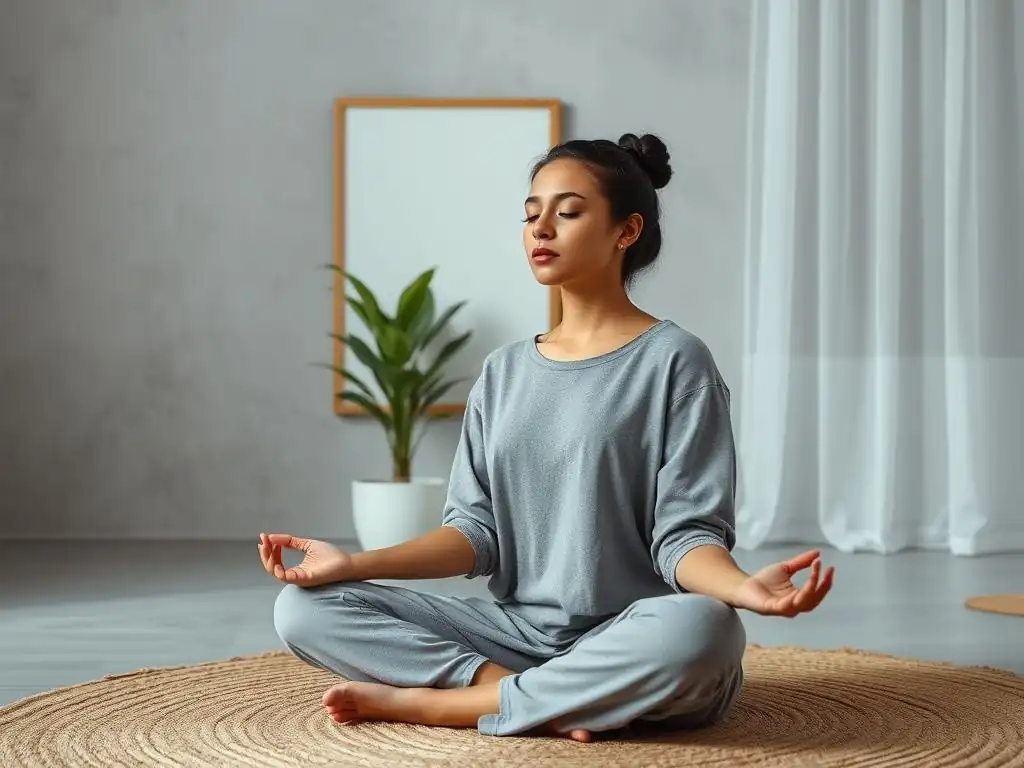
Listening to Your Body and Avoiding Re-Traumatization
The most important precaution when practicing yoga for PTSD and anxiety is to listen deeply to your body and prioritize your sense of safety above all else. Trauma can disrupt the ability to sense and respond to bodily cues, so rebuilding this connection is key. Avoid pushing yourself into poses that feel uncomfortable, triggering, or unsafe. It is crucial to understand that yoga is a practice, not a performance, and there is no pressure to achieve a certain shape or depth in a pose.
A trauma-informed approach emphasizes choice and agency. If a pose or breathing technique feels overwhelming or brings up intense distress, it is perfectly acceptable and encouraged to modify, rest, or opt out entirely. The goal is never to recreate the feeling of being trapped or out of control. Working with a trauma-informed instructor can provide guidance on how to navigate these moments safely and avoid re-traumatization. The practice should feel empowering and supportive, not demanding or invasive. Prioritizing self-compassion and patience is vital in yoga for PTSD anxiety.
Managing Triggers and Emotional Release
Yoga practice can sometimes bring suppressed emotions or memories to the surface. While this can be a part of the healing process, it's important to be prepared for the possibility and have strategies for managing intense emotional release. Certain postures, breathing techniques, or even the quiet introspection of the practice can act as triggers for some individuals.
Having grounding techniques readily available, such as focusing on the feet, the breath, or a specific object in the room, can help if you start to feel overwhelmed. It's also helpful to know that it's okay to pause, step out of the room, or simply lie down in a supported resting pose if needed. A trauma-informed instructor can provide support and guidance if emotional release occurs during a class.
Having a safety plan or a trusted person to contact after practice can also be beneficial. Approaching yoga for PTSD anxiety with awareness and preparation for potential emotional shifts is key.
Seeking Professional Guidance When Needed
While yoga can be a powerful tool for managing PTSD and anxiety symptoms, it is not a substitute for professional mental health treatment. If you are experiencing severe symptoms, including suicidal ideation, intense flashbacks, or significant difficulty functioning, it is crucial to seek help from a qualified mental health professional, such as a therapist, counselor, or psychiatrist.
Yoga can be a valuable complementary practice alongside therapy, medication, or other forms of treatment. Discussing your yoga practice with your therapist can also be helpful, as they can provide additional support and guidance on how to integrate it into your overall treatment plan. Working with a team of professionals who understand trauma can provide comprehensive care and ensure that you receive the support you need on your healing journey. Using yoga for PTSD anxiety should be part of a broader, integrated approach to mental wellness.
Resources for Yoga and Mental Health Support
Yoga Studios and Instructors Specializing in Trauma-Informed Yoga
Finding qualified resources is essential for a safe and effective yoga for PTSD anxiety practice. Many yoga studios now offer trauma-sensitive classes or have instructors with specialized training. Websites and directories dedicated to trauma-informed yoga can help locate practitioners in your area. Look for instructors who have completed programs specifically focused on trauma, such as those offered by the Trauma Center at Justice Resource Institute or similar organizations. Don't hesitate to contact studios and ask about their instructors' training and approach to working with trauma survivors.
Some non-profit organizations are also dedicated to bringing trauma-informed yoga to specific populations, such as veterans, survivors of domestic violence, or refugees. These organizations often offer specialized classes or programs that are specifically designed to meet the unique needs of trauma survivors. Seeking out these resources can provide access to knowledgeable instructors and a supportive community environment.
Mental Health Organizations and Support Groups
Navigating PTSD and anxiety can feel isolating, but connecting with others who understand can be incredibly healing. Numerous mental health organizations offer resources, information, and support groups for individuals and families affected by these conditions. Organizations like the Anxiety & Depression Association of America (ADAA), the National Alliance on Mental Illness (NAMI), and the National Center for PTSD (for veterans and their families) provide valuable information, helplines, and connections to local support groups.
Support groups, whether in-person or online, offer a space to share experiences, learn coping strategies, and receive validation from peers. While yoga can be a powerful personal practice, connecting with a community can also contribute significantly to recovery. These organizations often have resources on integrating complementary practices like yoga into a broader mental health plan. Leveraging these resources alongside yoga for PTSD anxiety can enhance the healing journey.
Books and Online Resources on Yoga for PTSD and Anxiety
A wealth of information is available in books and online resources for those interested in learning more about yoga for PTSD and anxiety. Several books are specifically dedicated to trauma-sensitive yoga, offering guidance on gentle practices, understanding the mind-body connection in trauma, and creating a safe personal practice. Authors like David Emerson and Elizabeth Hopper, who developed the Trauma Center Trauma-Sensitive Yoga (TCTSY) model, have published foundational texts in this area.
Numerous reputable websites and blogs also offer articles, videos, and practice sequences tailored for trauma survivors. When using online resources, it's important to ensure they are from credible sources, preferably created or reviewed by trauma-informed yoga professionals or mental health experts. These resources can provide valuable guidance for developing a personal yoga for PTSD anxiety practice or deepening your understanding of its therapeutic benefits.
Embracing Yoga as a Tool for Healing and Resilience in PTSD and Anxiety
The Journey of Self-Discovery Through Yoga
Embarking on a yoga practice for PTSD and anxiety is a journey of self-discovery. It's not about achieving perfect poses, but about exploring your inner landscape with curiosity and compassion. Through gentle movement, breath awareness, and mindfulness, you can begin to notice patterns in your thoughts, emotions, and bodily sensations without judgment. This increased awareness allows you to understand your triggers, recognize your coping mechanisms (both helpful and unhelpful), and connect with your inner resources for healing.
Yoga offers a pathway to rediscover parts of yourself that may have felt lost or inaccessible due to trauma. It encourages a compassionate relationship with your body and mind, fostering self-acceptance and self-care. This journey is personal and unfolds at its own pace. There will be days when practice feels easy and others when it feels challenging, and all of it is part of the process. Embracing this path of self-discovery through yoga for PTSD anxiety is a powerful step towards reclaiming your life.
Building a Stronger, More Resilient You.
Consistent yoga practice for PTSD and anxiety helps build physical, mental, and emotional resilience. Physically, it can help release chronic tension, improve sleep, and regulate the nervous system. Mentally, it can enhance focus, reduce rumination, and cultivate a sense of calm amidst internal storms. Emotionally, it improves regulation, increases tolerance for difficult feelings, and fosters self-compassion.
By providing tools for grounding, self-soothing, and present-moment awareness, yoga empowers you to navigate the challenges of PTSD and anxiety with greater strength and capacity. It's not about erasing the past or eliminating all difficult feelings, but about building the ability to move through them with greater ease and less reactivity. The resilience cultivated on the mat translates into everyday life, helping you face challenges with more confidence and stability. Committing to yoga for PTSD anxiety is an investment in building a stronger, more resilient you, capable of reclaiming peace and well-being.
Frequently Asked Questions
How can yoga help with PTSD and anxiety?
Yoga integrates physical postures, breathing exercises, and mindfulness, which can help regulate the nervous system, reduce stress hormones, and promote a sense of calm and well-being.
What types of yoga are most beneficial for PTSD and anxiety?
Gentle forms of yoga like Hatha, Restorative, and Trauma-Sensitive Yoga are often recommended. These emphasize mindful movement, self-compassion, and creating a safe and supportive environment.
How often should I practice yoga to experience its benefits for PTSD and anxiety?
Consistency is key. Aim for at least 2-3 times per week, even for short sessions. Listen to your body and adjust the frequency and intensity as needed.
Are there any specific yoga poses that are particularly helpful for managing PTSD and anxiety symptoms?
Poses that promote grounding and relaxation, such as Child's Pose, Legs-Up-the-Wall Pose, and gentle twists, can be beneficial. Focus on connecting to your breath and feeling present in your body.
Where can I find qualified yoga instructors who specialize in working with individuals with PTSD and anxiety?
Look for instructors who have specialized training in Trauma-Sensitive Yoga or who have experience working with individuals with mental health challenges. Check online directories or ask for recommendations from mental health professionals.
Final Reflection: Finding Peace in the Present Moment
The practice of yoga, once considered esoteric, is increasingly recognized as a powerful tool for managing the debilitating effects of PTSD and anxiety. Its ability to ground us in the present, to cultivate self-awareness, and to foster resilience offers a tangible path towards healing and a more peaceful existence in a world often characterized by chaos and uncertainty. This is not simply a trend; it's a vital shift in how we approach mental health.
The journey towards reclaiming inner peace is deeply personal, and the impact of yoga on my own experience with anxiety has been profound. It's not about achieving perfect poses or mastering complex sequences; it's about the subtle shifts in perspective, the increased body awareness, and the cultivation of a mindful approach to life's challenges. As Thich Nhat Hanh wisely said, Peace is every step. Every breath. Every moment.
This resonates deeply with the core principles of yoga and its ability to help us find solace in the present, rather than being consumed by past trauma or future anxieties.
You, the reader, are now equipped with a deeper understanding of how yoga can be a valuable tool in your own journey towards healing and well-being. Consider incorporating even a few minutes of mindful movement and breathwork into your daily routine. Explore different styles of yoga, find a teacher who resonates with you, and allow yourself the space to discover the transformative power of this ancient practice. Your peace awaits; take the first step towards reclaiming it today.
Unwind and Flourish: Your Next Steps to Inner Peace
Thank you for taking the time to explore the powerful connection between yoga and managing PTSD and anxiety. We hope this article equipped you with valuable insights and tools. Now, it's time to put them into practice!
- Embrace a gentle yoga flow: Start with just 10 minutes today. Focus on breathwork and mindful movement to ease tension and find your center. This is your primary step towards cultivating inner calm.
- Share your journey: Connect with others on a similar path. Share your experience and encourage others to explore the benefits of yoga for mental well-being.
- Explore a guided meditation: Many free resources are available online. Experiment with different styles to find what resonates with you and further enhance your relaxation practice.
Ready to discover the transformative power of yoga for yourself? What small step will you take today to prioritize your mental wellbeing?