
Choosing the Right Psychiatric Treatment: Factors to Consider with Your Doctor


Welcome to Mind Care Guide, your trusted companion on the path to mental well-being.
Feeling overwhelmed by the sheer number of options available when it comes to mental health? You're not alone. Choosing the right path can feel daunting, but understanding the different approaches is the first step towards healing. This guide dives deep into psychiatric treatment options explained, offering clarity and empowering you to make informed decisions in partnership with your doctor. Explore the world of mood disorders and discover the support you need to reclaim your peace of mind. Ready to learn more and find the right fit for you?
- Mood Disorder Treatment: A Comprehensive Guide
-
Key Factors to Discuss with Your Doctor About Treatment Options
- 1. Accurate Diagnosis: The Foundation for Effective Treatment
- 2. Symptom Evaluation: Tailoring Treatment to Your Needs
- 3. Medical History: Considering Underlying Health Conditions
- 4. Medication Side Effects: Understanding Potential Risks
- 5. Treatment Preferences: Aligning Treatment with Your Goals
- 6. Therapy Options: Integrating Psychotherapy with Medication
- 7. Treatment Effectiveness: Monitoring Progress and Making Adjustments
- 8. Cost and Accessibility: Navigating Treatment Logistics
- Medication Options for Mood Disorders: A Detailed Overview
- Electroconvulsive Therapy (ECT) for Mood Disorders: Understanding the Process
- Alternative and Complementary Treatments for Mood Disorders
- The Importance of Ongoing Monitoring and Support
-
Frequently Asked Questions
- What are some common types of psychiatric treatment options available?
- How can I decide which psychiatric treatment is right for me?
- What role does medication play in psychiatric treatment?
- What is psychotherapy, and how can it help with mental well-being?
- Where can I find reliable information and support for mental health challenges?
- Final Reflection: Navigating the Path to Mental Wellness
- Unlock Your Path to Better Mental Wellness
Mood Disorder Treatment: A Comprehensive Guide
What are Mood Disorders and How Can Treatment Help?
Mood disorders represent a category of mental health conditions characterized by significant disturbances in a person's emotional state, often impacting their overall functioning, behavior, and thought processes. Conditions like Major Depressive Disorder, Bipolar Disorder (including Bipolar I and Bipolar II), Persistent Depressive Disorder (Dysthymia), and Cyclothymic Disorder fall under this umbrella. These disorders can cause debilitating symptoms ranging from persistent sadness, loss of interest, and fatigue to extreme mood swings involving periods of elevated mood (mania or hypomania) and depression. The impact extends beyond emotional distress, affecting physical health, relationships, work, and daily activities.
Fortunately, effective psychiatric treatment options explained by mental health professionals are available and can significantly alleviate symptoms, improve quality of life, and help individuals regain stability. Treatment approaches are often multimodal, combining psychotherapy (talk therapy) with medication, and sometimes incorporating other interventions like lifestyle adjustments or advanced therapies. The goal is not just symptom reduction but also fostering resilience, developing coping strategies, and enabling individuals to live fulfilling lives. Understanding the various psychiatric treatment options explained by your doctor is the first step towards recovery and long-term well-being.
Exploring Different Types of Treatment
Addressing mood disorders typically involves a tailored approach, considering the specific diagnosis, symptom severity, individual history, and preferences. The primary pillars of treatment often include pharmacological interventions and various forms of psychotherapy. Medications like antidepressants, mood stabilizers, and sometimes antipsychotics are frequently used to correct chemical imbalances believed to contribute to mood dysregulation. These medications work in different ways within the brain's complex network of neurotransmitters.
Beyond medication, psychotherapy provides essential tools and strategies for managing symptoms, understanding the roots of the disorder, and building healthier coping mechanisms. Cognitive Behavioral Therapy (CBT), Interpersonal Therapy (IPT), Dialectical Behavior Therapy (DBT), and Family-Focused Therapy are just a few examples of evidence-based psychotherapies used effectively for mood disorders. In more severe or treatment-resistant cases, other psychiatric treatment options explained by specialists, such as Electroconvulsive Therapy (ECT) or Transcranial Magnetic Stimulation (TMS), may be considered. A comprehensive treatment plan often integrates several of these approaches for optimal results.
Key Factors to Discuss with Your Doctor About Treatment Options

1. Accurate Diagnosis: The Foundation for Effective Treatment
Receiving an accurate diagnosis is the absolute cornerstone of effective treatment for any mood disorder. Different mood disorders have distinct symptom profiles, trajectories, and require specific treatment approaches. For instance, treating bipolar depression solely with antidepressants without also using a mood stabilizer can potentially trigger manic or hypomanic episodes. A thorough diagnostic evaluation typically involves a detailed clinical interview covering symptom history, duration, severity, impact on functioning, family history of mental illness, and ruling out other potential causes like medical conditions or substance use.
Your doctor, often a psychiatrist or other qualified mental health professional, will use standardized diagnostic criteria, such as those outlined in the Diagnostic and Statistical Manual of Mental Disorders (DSM-5), to arrive at a diagnosis. This process might take time and require multiple sessions. It is crucial to be open and honest about all your symptoms, even those that seem minor or embarrassing.
Providing a complete picture allows your doctor to differentiate between conditions like major depression and bipolar disorder, or between different types of anxiety disorders that can co-occur with mood disorders. An accurate diagnosis ensures that the psychiatric treatment options explained to you are appropriate for your specific condition.
2. Symptom Evaluation: Tailoring Treatment to Your Needs
While a diagnosis provides a framework, effective treatment requires a detailed evaluation of your specific symptoms, their severity, and how they impact your daily life. Two individuals with the same diagnosis, say Major Depressive Disorder, might experience vastly different symptom profiles. One might struggle primarily with low energy, fatigue, and difficulty concentrating, while another might be plagued by severe insomnia, agitation, and suicidal thoughts. Treatment needs to be tailored to address these specific, prominent symptoms.
Discussing the nuances of your symptoms helps your doctor select the most appropriate psychiatric treatment options explained, whether it's choosing a particular antidepressant known to help with sleep disturbances or prioritizing a therapy approach that focuses on managing irritability. Be prepared to describe:
- The nature of your symptoms (e.g., persistent sadness, racing thoughts, panic attacks).
- The severity (e.g., mild, moderate, severe, causing significant impairment).
- The duration and frequency (e.g., daily, weekly, episodic).
- The triggers or patterns you've noticed.
- How symptoms affect your sleep, appetite, energy levels, concentration, and relationships.
This detailed picture allows for a much more personalized and potentially more effective treatment plan.
3. Medical History: Considering Underlying Health Conditions
Your overall medical history plays a critical role in determining safe and effective psychiatric treatment options. Many physical health conditions can mimic symptoms of mood disorders or exacerbate them. For example, thyroid problems (hypothyroidism or hyperthyroidism) can cause symptoms resembling depression or anxiety. Chronic pain, neurological conditions, and hormonal imbalances can also significantly impact mood. It's essential to inform your doctor about all existing medical conditions you have.
Furthermore, the medications you are currently taking for other health issues can interact with psychiatric medications. Some drug interactions can reduce the effectiveness of either medication, while others can cause dangerous side effects. For instance, certain antidepressants can interact with blood thinners or medications for heart conditions. Always provide your doctor with a complete list of all prescription drugs, over-the-counter medications, supplements, and herbal remedies you are taking. This allows your doctor to choose psychiatric treatment options explained that are safe and won't negatively interact with your existing health regimen.
4. Medication Side Effects: Understanding Potential Risks
Like all medications, psychiatric drugs can have side effects. Understanding these potential risks is a crucial part of the shared decision-making process with your doctor when exploring psychiatric treatment options explained. Side effects vary depending on the specific medication, dosage, and individual physiology. Common side effects for antidepressants might include nausea, insomnia, weight gain, or sexual dysfunction, though these often subside after the first few weeks. Mood stabilizers can have different profiles, potentially affecting kidney or liver function, or causing tremors.
It is vital to have an open conversation with your doctor about the potential side effects of any medication they recommend. Ask about the likelihood of experiencing specific side effects, how severe they might be, and how they can be managed. Knowing what to expect can help you identify side effects early and report them promptly. Remember that not everyone experiences every side effect, and the benefits of treatment in alleviating debilitating mood disorder symptoms often outweigh the temporary discomfort of mild side effects.
Managing Side Effects: Open Communication is Key
Managing medication side effects is an ongoing process that requires open and honest communication with your prescribing doctor. If you experience any side effects, mild or severe, contact your doctor. Do not suddenly stop taking your medication without consulting them, as this can lead to withdrawal symptoms or a return of your mood disorder symptoms. Your doctor can assess the severity of the side effect and determine the best course of action.
Strategies for managing side effects might include adjusting the dosage, changing the timing of the medication (e.g., taking a sedating medication at night), prescribing a different medication, or offering strategies to mitigate the side effect (e.g., taking medication with food to reduce nausea). For example, if a patient experiences insomnia on a new antidepressant, the doctor might suggest taking it in the morning or temporarily prescribing a mild sleep aid.
Clinical data suggests that proactively addressing side effects leads to better adherence to treatment and improved outcomes. Approximately 50% of patients may experience some side effects when starting a new antidepressant, but less than 10% typically discontinue treatment due to side effects when managed properly.
5. Treatment Preferences: Aligning Treatment with Your Goals
Your personal values, lifestyle, and preferences are incredibly important factors when choosing among psychiatric treatment options explained by your doctor. Treatment for mood disorders is not a one-size-fits-all approach, and what works well for one person may not be the best fit for another. For example, some individuals may have a strong preference for starting with therapy before considering medication, while others may feel that medication is necessary to manage severe symptoms enough to engage in therapy effectively.
Discuss your comfort level with medication, your willingness to commit to regular therapy sessions, your schedule constraints, and any past experiences (positive or negative) you've had with mental health treatment. Do you prefer exploring non-pharmacological approaches first? Are you concerned about potential long-term medication use? Sharing these preferences helps your doctor recommend psychiatric treatment options explained that align with your personal goals and values, increasing the likelihood that you will stick with the treatment plan and achieve better results.
6. Therapy Options: Integrating Psychotherapy with Medication
For most mood disorders, the combination of medication and psychotherapy (talk therapy) is considered the gold standard of care and often yields the best long-term outcomes. While medication can help regulate brain chemistry and alleviate severe symptoms like persistent low mood or intense anxiety, therapy provides tools to understand the underlying patterns of thought and behavior that contribute to the disorder, develop coping strategies, and address interpersonal difficulties.
There are various types of psychotherapy effective for mood disorders, each with a different focus. CBT, for example, helps identify and change negative thought patterns and behaviors. IPT focuses on improving relationships and social functioning, which are often impacted by mood disorders. DBT teaches skills for managing intense emotions and improving relationships, often used for individuals with severe mood dysregulation or co-occurring conditions. Discussing which type of therapy might be most beneficial for your specific symptoms and situation is an essential part of exploring psychiatric treatment options explained.
The Role of Psychotherapy in Mood Disorder Treatment
Psychotherapy plays a vital and distinct role from medication in treating mood disorders. While medication can help manage symptoms, therapy empowers individuals to make lasting changes in their lives. It provides a safe space to process difficult emotions, understand the triggers for mood episodes, and build resilience against future challenges. For instance, someone with depression might learn techniques in CBT to challenge negative self-talk, or someone with bipolar disorder might use DBT skills to regulate intense emotions and prevent risky behaviors during hypomanic phases.
Research consistently shows that combining medication and psychotherapy is more effective than either treatment alone for many individuals with moderate to severe mood disorders. A large study, the STAR*D trial (Sequenced Treatment Alternatives to Relieve Depression), found that patients who did not achieve remission with initial antidepressant treatment often benefited significantly from adding or switching to different medications or adding cognitive therapy. Psychotherapy equips individuals with lifelong skills, reducing the risk of relapse and improving overall functioning and well-being.
7. Treatment Effectiveness: Monitoring Progress and Making Adjustments
Once a treatment plan is initiated, it is crucial to monitor its effectiveness diligently. Treatment for mood disorders is rarely a "set it and forget it" process. It often requires adjustments based on how your symptoms respond, whether side effects emerge, and changes in your life circumstances. Your doctor will schedule follow-up appointments to assess your progress. Be prepared to discuss how you are feeling, which symptoms have improved, which have not, and any new symptoms or side effects you are experiencing.
It's important to be patient, as it can take time for both medication and therapy to show full effect. For example, antidepressants often take 4-8 weeks to reach their full therapeutic potential. During this period, initial side effects might occur before symptom improvement is noticeable. Keep track of your mood, sleep, energy levels, and other key symptoms between appointments – a mood diary or journal can be helpful. This data provides valuable information for your doctor to evaluate the efficacy of the current psychiatric treatment options explained and make informed decisions about adjustments.
Monitoring Progress: Adapting Treatment for Optimal Results
Regular monitoring allows your doctor to adapt your treatment plan for optimal results. If symptoms are not improving sufficiently after a reasonable period, or if side effects are intolerable, your doctor might consider several adjustments.
These could include increasing the dosage of the current medication, switching to a different medication within the same class, switching to a medication from a different class, or adding another medication (like an augmentation agent or a mood stabilizer). For example, if a patient with depression responds partially to an SSRI but still has residual symptoms, the doctor might add a low dose of an atypical antipsychotic or switch to an SNRI.
Similarly, the therapeutic approach might be adjusted. If one type of therapy isn't proving effective, a different modality might be explored. If progress stalls, the frequency of sessions might be increased, or the therapist might incorporate new techniques. Data from clinical practice shows that finding the right treatment often involves a process of trial and error. Approximately 30-40% of patients with depression may not achieve remission with the first antidepressant they try, necessitating adjustments. This highlights why ongoing monitoring and flexibility are essential components of effective psychiatric treatment options explained and implemented.
Practical considerations like the cost of treatment and accessibility of services are significant factors that must be discussed openly with your doctor. Mental health treatment can be expensive, involving costs for doctor's appointments (psychiatrists, therapists), medication, and potentially specialized procedures. Insurance coverage varies widely depending on your plan and location. Some plans may cover a significant portion of costs, while others have high deductibles or limited networks.
Discussing these logistical factors helps your doctor recommend psychiatric treatment options explained that are not only clinically appropriate but also realistically accessible to you. They may be able to suggest:
- Generic versions of medications, which are typically less expensive than brand names.
- Patient assistance programs offered by pharmaceutical companies.
- Community mental health centers that offer services on a sliding scale based on income.
- Therapists who accept your specific insurance or offer lower fees.
- Telehealth options, which can reduce travel time and costs.
Being upfront about financial constraints or difficulties accessing appointments (e.g., transportation issues, work schedule conflicts) allows your doctor to help you navigate these barriers and find a sustainable treatment plan.
Medication Options for Mood Disorders: A Detailed Overview
Antidepressants: Types, Mechanisms, and Considerations
Antidepressants are a class of medications primarily used to treat depression, but they are also effective for certain anxiety disorders, chronic pain conditions, and sometimes in combination with mood stabilizers for bipolar disorder. While the exact mechanisms are complex and not fully understood, most antidepressants work by affecting neurotransmitters in the brain, such as serotonin, norepinephrine, and dopamine, which are thought to play a role in regulating mood. There are several different types of antidepressants, each with a different chemical structure and mechanism of action, leading to variations in effectiveness for certain symptoms and potential side effects.
Choosing the right antidepressant involves considering the specific symptoms being treated, potential side effects, interactions with other medications, past response to antidepressants (if any), and individual preferences. It's important to understand that antidepressants are not "happy pills" and do not change your personality; they work to restore a more balanced mood and alleviate debilitating symptoms like persistent sadness, low energy, and loss of interest. They typically take several weeks to start working, and it's crucial to take them consistently as prescribed. Among the psychiatric treatment options explained, antidepressants are often the first-line approach for moderate to severe depression.
SSRIs (Selective Serotonin Reuptake Inhibitors)
SSRIs are currently the most commonly prescribed type of antidepressant. They work by blocking the reabsorption (reuptake) of serotonin in the brain, making more serotonin available in the synaptic cleft. Increased serotonin activity is associated with improved mood and reduced anxiety. Examples of common SSRIs include fluoxetine (Prozac), sertraline (Zoloft), paroxetine (Paxil), escitalopram (Lexapro), and citalopram (Celexa).
SSRIs are generally well-tolerated compared to older classes of antidepressants, although they can still cause side effects. Common initial side effects might include nausea, diarrhea, insomnia or drowsiness, and headache. Some individuals may also experience sexual side effects. While these side effects often lessen over time, persistent or bothersome effects should be discussed with your doctor. SSRIs are often the first choice due to their favorable side effect profile and effectiveness for a wide range of depressive and anxiety symptoms.
SNRIs (Serotonin-Norepinephrine Reuptake Inhibitors)
SNRIs work by blocking the reuptake of both serotonin and norepinephrine, increasing the levels of both neurotransmitters in the brain. This dual action can be particularly effective for individuals experiencing symptoms related to both mood and energy levels, as well as certain types of pain. Examples of SNRIs include venlafaxine (Effexor), duloxetine (Cymbalta), and desvenlafaxine (Pristiq).
SNRIs can be effective for major depression, generalized anxiety disorder, panic disorder, and social anxiety disorder. Duloxetine is also approved for the treatment of chronic musculoskeletal pain and fibromyalgia. Side effects can be similar to SSRIs, but may also include increased blood pressure and heart rate due to the effect on norepinephrine. Like SSRIs, it can take several weeks to determine the full effectiveness of an SNRI. They represent another important category among psychiatric treatment options explained for depression and anxiety.
MAOIs (Monoamine Oxidase Inhibitors)
MAOIs are one of the oldest classes of antidepressants, working by inhibiting the enzyme monoamine oxidase, which breaks down neurotransmitters like serotonin, norepinephrine, and dopamine. This leads to increased levels of these neurotransmitters in the brain. Examples include phenelzine (Nardil), tranylcypromine (Parnate), and isocarboxazid (Marplan).
While highly effective for some individuals, particularly those with atypical depression or treatment-resistant depression, MAOIs are prescribed less frequently now due to significant dietary restrictions and potential interactions with other medications. Individuals taking MAOIs must avoid foods high in tyramine (like aged cheeses, cured meats, certain fermented foods) to prevent a potentially dangerous spike in blood pressure (hypertensive crisis). They also have serious interactions with many other prescription and over-the-counter drugs. Due to these risks, their use is typically reserved for cases where other antidepressant options have not been successful.
Tricyclic Antidepressants (TCAs)
TCAs are another older class of antidepressants that work by blocking the reuptake of norepinephrine and, to a lesser extent, serotonin. Examples include amitriptyline (Elavil), imipramine (Tofranil), and nortriptyline (Pamelor). Like MAOIs, TCAs are generally not the first choice for depression due to a higher risk of side effects compared to SSRIs and SNRIs, and they can be more dangerous in overdose.
Common side effects of TCAs include dry mouth, blurred vision, constipation, urinary retention, dizziness, and drowsiness. They can also affect heart rhythm in some individuals. Despite these drawbacks, TCAs can be very effective for certain types of depression, chronic pain, and some anxiety disorders. They are sometimes used when newer antidepressants haven't worked or for specific symptom profiles where their side effect profile is manageable or even beneficial (e.g., sedating effects for insomnia).
Mood Stabilizers: Managing Bipolar Disorder and Mood Swings
Mood stabilizers are a class of medications primarily used to treat Bipolar Disorder, a condition characterized by significant and often dramatic shifts in mood, energy, and activity levels, cycling between periods of elevated mood (mania or hypomania) and depression. These medications help to prevent or reduce the severity and frequency of both manic and depressive episodes. While the exact mechanisms vary by medication, they generally work to regulate neuronal activity in the brain.
Lithium is one of the oldest and most effective mood stabilizers, particularly for preventing manic episodes and reducing suicide risk in Bipolar Disorder. Other common mood stabilizers include anticonvulsant medications that were found to have mood-stabilizing properties, such as valproate (Depakote), carbamazepine (Tegretol), and lamotrigine (Lamictal). Side effects and monitoring requirements vary significantly among these medications.
For instance, Lithium requires regular blood tests to monitor levels and kidney/thyroid function, while valproate requires monitoring of liver function and blood counts. Approximately 60-80% of individuals with Bipolar I disorder may experience a significant reduction in episode frequency and severity with appropriate mood stabilizer treatment.
Antipsychotics: When and Why They Are Used in Mood Disorder Treatment
While primarily used to treat psychotic disorders like schizophrenia, certain antipsychotic medications, particularly the newer "atypical" antipsychotics, are also effective in treating mood disorders, especially Bipolar Disorder and treatment-resistant depression. In Bipolar Disorder, they can be used to treat acute manic or mixed episodes, bipolar depression, and as maintenance therapy, often in combination with a mood stabilizer. Examples include quetiapine (Seroquel), olanzapine (Zyprexa), aripiprazole (Abilify), and lurasidone (Latuda).
In the context of depression, low doses of certain atypical antipsychotics may be used as an "augmentation" strategy – added to an antidepressant when the antidepressant alone hasn't fully relieved symptoms. This approach is typically reserved for moderate to severe or treatment-resistant cases of major depression.
Antipsychotics carry different side effect profiles than antidepressants or traditional mood stabilizers, including potential for weight gain, metabolic changes (like increased blood sugar and cholesterol), and movement disorders, though the risk varies significantly by medication. Their use in mood disorders is a specialized area of psychiatric treatment options explained by your doctor when standard treatments are insufficient.
Electroconvulsive Therapy (ECT) for Mood Disorders: Understanding the Process
What is ECT and How Does It Work?
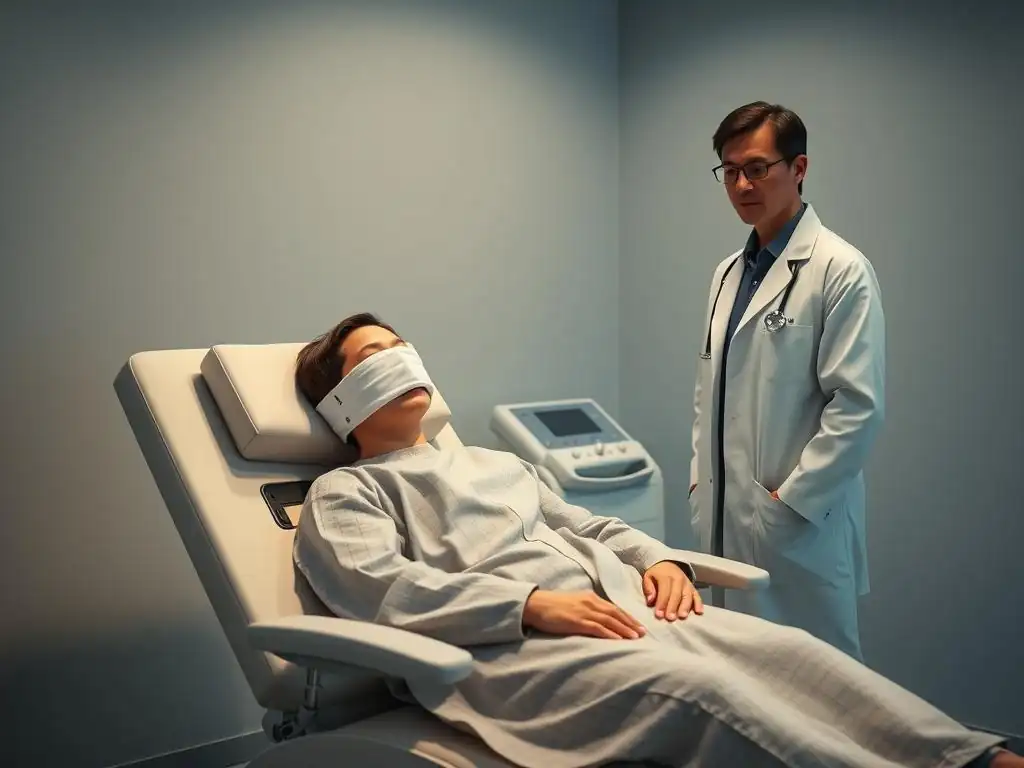
Electroconvulsive Therapy (ECT) is a medical procedure involving a brief electrical stimulation of the brain while the patient is under general anesthesia. This stimulation intentionally triggers a brief generalized seizure. Despite historical misconceptions, modern ECT is a safe and highly effective treatment, particularly for severe, treatment-resistant depression, severe mania, and catatonia. It is administered by a team of trained medical professionals, including a psychiatrist, an anesthesiologist, and a nurse.
The exact mechanism by which ECT works is not fully understood, but research suggests it causes complex neurobiological changes in the brain. These changes include altering levels of neurotransmitters like serotonin, norepinephrine, and dopamine, similar to antidepressants, but in a more rapid and possibly more robust way. It also appears to affect brain connectivity and growth factors, potentially helping to restore normal brain function in areas affected by severe mood disorders. A typical course of ECT involves treatments administered 2-3 times per week for several weeks.
Who is ECT Recommended For?
ECT is typically considered when other psychiatric treatment options explained, such as medication and psychotherapy, have not been effective, or when a rapid response is medically necessary. It is considered a first-line treatment in certain severe situations, such as:
- Severe depression with psychotic features (hallucinations or delusions).
- Severe depression leading to catatonia (a state of immobility and unresponsiveness).
- Severe mania that is unresponsive to medication.
- When a patient is unable to eat or drink due to severe depression, posing a significant health risk.
- When a patient has a history of responding well to ECT in the past.
- When medication use is too risky due to other medical conditions or pregnancy.
ECT is not a punitive measure or a last resort for all cases of treatment resistance, but rather a highly effective medical procedure appropriate for specific, often severe presentations of mood disorders. Its effectiveness rate for severe depression is remarkably high, with remission rates reported between 70% and 90% in appropriate candidates, often providing relief much faster than medication.
Understanding the Risks and Benefits of ECT
The decision to undergo ECT involves weighing its significant potential benefits against potential risks. The primary benefit is its high rate of effectiveness in rapidly alleviating severe symptoms of mood disorders, often in cases where other treatments have failed. This can be life-saving for individuals with severe depression, particularly those with suicidal ideation or inability to care for themselves. The speed of response is also a major advantage in acute, severe episodes.
Potential risks and side effects of ECT include temporary confusion and disorientation immediately following the procedure, and more significantly, memory problems. Memory loss associated with ECT typically involves difficulty recalling events that occurred shortly before or during the course of treatment (retrograde amnesia) and sometimes difficulty learning new information immediately after treatment (anterograde amnesia). While usually temporary and improving over weeks to months, some individuals may experience persistent gaps in memory.
Other risks are associated with the general anesthesia, though serious medical complications are rare with modern techniques. Discussing these risks and benefits thoroughly with your doctor and the ECT treatment team is essential.
Alternative and Complementary Treatments for Mood Disorders
Transcranial Magnetic Stimulation (TMS) for Depression
Transcranial Magnetic Stimulation (TMS) is a non-invasive procedure that uses magnetic fields to stimulate nerve cells in the brain. It is primarily used for treating major depressive disorder in adults who have not responded well to at least one antidepressant medication. Unlike ECT, TMS does not require anesthesia or induce a seizure. During a TMS session, an electromagnetic coil is placed against the scalp, typically near the forehead, which delivers magnetic pulses that stimulate specific areas of the brain involved in mood regulation.
A typical course of TMS treatment involves daily sessions, five days a week, for about 4 to 6 weeks. Sessions usually last between 20 and 40 minutes. Side effects are generally mild and localized, often including headache or discomfort at the site of stimulation, which usually subside after the first week.
Serious side effects like seizures are rare. TMS is considered one of the psychiatric treatment options explained for moderate to severe treatment-resistant depression and offers an alternative for those who haven't found relief with medication or prefer to avoid systemic drug treatments or ECT. Studies suggest approximately 50-60% of individuals who haven't responded to antidepressants may respond to TMS, with about one-third achieving remission.
Light Therapy for Seasonal Affective Disorder (SAD)
Light therapy, also known as phototherapy, is a treatment specifically effective for Seasonal Affective Disorder (SAD), a type of depression that occurs during specific seasons, most commonly in the fall and winter months when there is less natural sunlight. The therapy involves daily exposure to a special light box that emits a bright light, simulating natural outdoor light. It is believed to affect brain chemicals linked to mood and sleep, specifically regulating the body's internal clock (circadian rhythm) and potentially increasing serotonin and regulating melatonin.
Treatment typically involves sitting near the light box for 20-60 minutes each morning, ideally within the first hour of waking up. The light box should emit 10,000 lux and filter out harmful ultraviolet (UV) light. Light therapy is often effective within a few days to two weeks. Side effects are usually mild and can include eyestrain, headache, nausea, or irritability, which can often be managed by adjusting the distance from the light source or the duration of sessions. For individuals with SAD, light therapy is a highly recommended and often first-line psychiatric treatment option explained.
Mindfulness-Based Cognitive Therapy (MBCT)
Mindfulness-Based Cognitive Therapy (MBCT) is a psychological therapy designed specifically to help people who have suffered from recurrent episodes of depression. It combines elements of Cognitive Behavioral Therapy (CBT) with mindfulness practices, such as meditation and gentle yoga. The core principle is to teach individuals to become more aware of their thoughts, feelings, and bodily sensations without judgment, allowing them to observe negative thought patterns (often precursors to depressive relapse) as merely mental events rather than absolute truths.
MBCT helps individuals recognize the signs of relapse and develop a different relationship with the negative thinking styles that can trigger depressive episodes. By practicing mindfulness, individuals learn to interrupt the automatic negative thought cycles that can spiral into depression. It is typically delivered in a group format over eight weekly sessions, with daily home practice.
Research indicates that MBCT can significantly reduce the risk of relapse in individuals who have experienced multiple episodes of depression, proving to be as effective as maintenance antidepressant medication for some individuals. It's a valuable complementary approach among the psychiatric treatment options explained for long-term management.
The Importance of Ongoing Monitoring and Support
Building a Strong Support System for Mental Wellness
Managing a mood disorder is an ongoing journey, and building a robust support system is crucial for long-term mental wellness. This support system can include family, friends, partners, support groups, and mental health professionals. Having people you trust to talk to, who understand (or are willing to learn about) your condition, and who can offer practical or emotional support can make a significant difference, especially during challenging times or periods of adjustment to psychiatric treatment options explained.
Support groups, whether in-person or online, offer a space to connect with others who share similar experiences, reducing feelings of isolation and providing valuable insights and coping strategies. Organizations dedicated to mental health, like the National Alliance on Mental Illness (NAMI) or the Depression and Bipolar Support Alliance (DBSA), offer resources, education, and peer support programs. Encouraging loved ones to learn about mood disorders and how they can help can also strengthen relationships and provide a foundation for resilience.
Recognizing Signs That Your Treatment May Need Adjustment
Even with an effective treatment plan in place, it's important to remain vigilant and recognize signs that your mood disorder symptoms may be worsening or that your current psychiatric treatment options explained might need adjustment. Relapse is a possibility for many mood disorders, but early recognition of warning signs can allow for prompt intervention and prevent a full-blown episode. Warning signs are often specific to the individual but can include:
- Return of core symptoms (e.g., persistent low mood, loss of interest, increased irritability, changes in sleep or appetite).
- Increased anxiety or agitation.
- Difficulty concentrating or making decisions.
- Withdrawal from social activities.
- Changes in energy levels (significant fatigue or sudden bursts of restless energy).
- Increased use of alcohol or substances.
- Thoughts of hopelessness or self-harm.
Keeping a mood journal can help you track these subtle changes over time. Sharing these observations with your doctor is essential.
Recognizing Signs That Your Treatment May Need Adjustment checklist:
- [ ] Persistent low mood or sadness returning
- [ ] Significant changes in sleep patterns (too much or too little)
- [ ] Changes in appetite or weight
- [ ] Loss of interest or pleasure in activities
- [ ] Increased fatigue or low energy
- [ ] Feeling restless or agitated
- [ ] Difficulty concentrating or making decisions
- [ ] Increased irritability or anger
- [ ] Withdrawal from friends and family
- [ ] Increase in risky behaviors (if applicable to bipolar disorder)
- [ ] Thoughts of hopelessness or self-harm
- [ ] New or worsening physical symptoms without a clear medical cause
If you notice several of these signs, it's time to contact your doctor to discuss if your current psychiatric treatment options explained need to be re-evaluated or adjusted.
Long-Term Management of Mood Disorders
Long-term management of mood disorders is a process that often involves a combination of continued treatment (medication, therapy, or both), healthy lifestyle practices, and ongoing self-monitoring. For many individuals with recurrent or chronic mood disorders like Bipolar Disorder or recurrent Major Depressive Disorder, maintenance treatment with medication is recommended to prevent future episodes.
The duration of maintenance treatment varies depending on the diagnosis, number of past episodes, and severity. For example, guidelines often recommend maintenance medication for at least 6-12 months after remission from a first episode of major depression, and potentially longer or indefinitely after multiple episodes or for Bipolar Disorder.
Beyond medication and therapy, lifestyle factors play a significant role. Regular exercise, a balanced diet, consistent sleep hygiene, stress management techniques (like mindfulness or meditation), and avoiding substance use can all support mood stability and overall well-being. Developing a relapse prevention plan with your doctor or therapist is also a key component of long-term management.
This plan outlines your personal warning signs and the steps to take if they appear, ensuring you can seek help promptly and maintain stability. Effective long-term management, incorporating appropriate psychiatric treatment options explained and lifestyle strategies, empowers individuals to live full and meaningful lives despite a mood disorder diagnosis.
Frequently Asked Questions
What are some common types of psychiatric treatment options available?
Common options include medication, psychotherapy, and brain stimulation therapies. Often, a combination of these approaches is used for optimal results.
How can I decide which psychiatric treatment is right for me?
It's crucial to have an open discussion with your doctor. Factors like your specific diagnosis, symptom severity, and personal preferences all play a role.
What role does medication play in psychiatric treatment?
Medications can help manage symptoms like depression or anxiety. They work by balancing brain chemicals, but often require monitoring for potential side effects.
What is psychotherapy, and how can it help with mental well-being?
Psychotherapy, or talk therapy, involves working with a therapist to understand and address underlying issues. It can improve coping skills and promote emotional healing.
Where can I find reliable information and support for mental health challenges?
Mind Care Guide offers comprehensive resources and information. Additionally, consider consulting with a qualified mental health professional for personalized guidance and support.
Choosing the right psychiatric treatment is not a one-size-fits-all journey, but a deeply personal process requiring careful consideration and open communication with your doctor. The sheer number of options available, from medication to therapy to alternative approaches, can feel overwhelming. This article aimed to demystify the process, providing a framework for understanding the various factors that influence treatment selection and empowering you to actively participate in your own care.
The impact of mental health on individuals and society is undeniable, and the ongoing evolution of psychiatric treatment reflects this growing awareness. We've moved beyond a simplistic view of mental illness, recognizing the complex interplay of biological, psychological, and social factors. This necessitates a personalized approach, one that respects individual needs and preferences. As Carl Rogers eloquently stated, The curious paradox is that when I accept myself just as I am, then I can change.
This acceptance, both of oneself and the complexities of mental health treatment, is crucial for successful navigation of this path.
You are the architect of your own well-being. This article provided tools; now it's time to build. Reflect on your own experiences, your unique needs, and the information presented here. Don't hesitate to ask questions, advocate for yourself, and explore different avenues until you find the treatment plan that resonates with you and supports your journey toward a healthier, more fulfilling life. Your mental health deserves this level of care and attention. Start the conversation today.
Unlock Your Path to Better Mental Wellness
Thanks for taking the time to learn more about choosing the right psychiatric treatment. We hope this article provided valuable insights into the process and empowered you to engage more actively in your mental healthcare. Now, let's take the next steps:
- Schedule a consultation with your doctor or psychiatrist to discuss your treatment options. This is the most crucial step towards finding the right path for you. Be prepared to ask questions and actively participate in the decision-making process.
- Share this article with a friend or family member who might benefit from learning about psychiatric treatment options. Supporting each other is a key component of mental wellness.
- Consider joining a support group or online community focused on mental health. Connecting with others who understand your experience can be incredibly beneficial.
What specific questions do you have about your psychiatric treatment plan that you'll discuss with your doctor at your next appointment?