
The AntiInflammatory Diet: A Powerful Tool Against Mood Swings


Welcome to Mind Care Guide.
Are you tired of mood swings that seem to control your life? Imagine a world where food empowers you, not dictates your emotions. Here, we understand the frustration and the yearning for stability. Our comprehensive guide dives deep into how an antiinflammatory diet can be a powerful ally in your journey to mental well-being. Could the key to a more balanced mood be right on your plate? Read on to discover the connection and unlock a healthier, happier you.
The AntiInflammatory Diet: A Powerful Tool Against Mood Swings
- Introduction: Understanding the Link Between Inflammation and Mood
- What is the AntiInflammatory Diet and How Does it Work?
- The Science Behind AntiInflammatory Foods and Mental Health
- Implementing an AntiInflammatory Diet to Manage Mood Swings
- AntiInflammatory Diet Recipes for Mood Enhancement
- Beyond Food: Lifestyle Factors to Complement Your AntiInflammatory Diet
- Potential Benefits and Considerations of an AntiInflammatory Diet for Mood
- Long-Term Strategies for Maintaining an AntiInflammatory Lifestyle
- Conclusion: The AntiInflammatory Diet as a Holistic Approach to Mood Management
-
Frequently Asked Questions
- What is an anti-inflammatory diet, and how does it relate to mood swings?
- How does the anti-inflammatory diet differ from a standard diet?
- What types of foods should I prioritize on an anti-inflammatory diet for mood stability?
- How long does it typically take to see an improvement in mood swings after starting an anti-inflammatory diet?
- Are there any potential risks or side effects associated with adopting an anti-inflammatory diet?
- Final Reflection: Harnessing the Power of Food for Emotional Wellbeing
- Unlock Your Mood's Potential: Take Control Now!
Introduction: Understanding the Link Between Inflammation and Mood
Chronic inflammation, often referred to as "silent inflammation," is a low-grade, persistent immune response that doesn't always present with obvious symptoms like swelling or redness. While acute inflammation is a necessary protective mechanism, chronic inflammation can quietly wreak havoc throughout the body, including the brain. Emerging research strongly suggests a significant link between this type of inflammation and various mental health conditions, including mood disorders characterized by mood swings.
The brain, once thought to be immune-privileged, is now understood to be deeply interconnected with the immune system. Inflammatory molecules, such as cytokines, can cross the blood-brain barrier and affect brain function, neurotransmitter balance, and neural pathways involved in mood regulation. This connection highlights why managing inflammation isn't just crucial for physical health but is also a vital strategy for supporting mental well-being and potentially mitigating the severity or frequency of mood swings.
What is the AntiInflammatory Diet and How Does it Work?
An anti-inflammatory diet is an eating pattern focused on consuming foods that help reduce inflammation throughout the body and limiting foods that can promote it. It's not a strict, short-term diet but rather a sustainable lifestyle approach centered around whole, unprocessed foods rich in antioxidants, omega-3 fatty acids, and fiber. This dietary strategy works by providing the body with the nutrients it needs to combat inflammation, modulate the immune response, and support overall cellular health, including brain health.
The mechanism involves several pathways. For instance, omega-3 fatty acids (like EPA and DHA) found in fatty fish are potent anti-inflammatory agents that can reduce the production of pro-inflammatory molecules. Antioxidants, abundant in fruits and vegetables, neutralize free radicals that can cause cellular damage and trigger inflammation. Fiber supports a healthy gut microbiome, which in turn influences the immune system and can reduce systemic inflammation. By consistently choosing anti-inflammatory foods, you create an internal environment less conducive to the inflammatory processes that can negatively impact mood.
Core Principles of an AntiInflammatory Eating Plan
The foundation of an anti-inflammatory eating plan is built upon nutrient-dense, whole foods. A primary principle is to prioritize plant-based foods, aiming for a wide variety of colorful fruits and vegetables daily – perhaps targeting 7-9 servings. These foods are packed with vitamins, minerals, fiber, and antioxidants that work synergistically to lower inflammation. Another core principle is to choose healthy fats, focusing on monounsaturated and polyunsaturated fats found in sources like olive oil, avocados, nuts, and seeds, while minimizing saturated and trans fats.
Furthermore, an anti-inflammatory diet emphasizes lean protein sources, particularly fatty fish rich in omega-3s, and includes whole grains over refined grains. Limiting added sugars and processed foods is paramount, as these are significant drivers of inflammation. The goal is to shift the balance from pro-inflammatory foods to anti-inflammatory powerhouses, creating a dietary pattern that supports long-term health and contributes positively to managing conditions like mood swings by addressing the underlying inflammatory component.
Key Foods to Include in Your AntiInflammatory Diet for Mood Stabilization
Incorporating specific foods known for their anti-inflammatory properties is central to using this diet for mood stabilization. Fatty fish like salmon, mackerel, and sardines are top contenders due to their high levels of EPA and DHA omega-3 fatty acids. Research, such as a 2014 meta-analysis published in Molecular Psychiatry, has shown that omega-3 supplementation can have a positive effect on depressive symptoms, which often co-occur with or contribute to mood swings. Aiming for at least two servings of fatty fish per week is a good target.
Fruits and vegetables, especially berries (like blueberries and strawberries), leafy greens (spinach, kale), and cruciferous vegetables (broccoli, cauliflower), are loaded with antioxidants and flavonoids. For example, a cup of blueberries contains approximately 14 mg of Vitamin C, a potent antioxidant, alongside other beneficial compounds. Nuts and seeds, including walnuts, almonds, and chia seeds, provide healthy fats, fiber, and antioxidants. Olive oil, particularly extra virgin, is rich in oleocanthal, a compound with anti-inflammatory effects similar to ibuprofen. Including these foods regularly can build a strong defense against inflammation and support stable mood.
Foods to Avoid to Reduce Inflammation and Improve Mood
Just as important as including beneficial foods is limiting or avoiding those that actively promote inflammation. Highly processed foods, often laden with refined carbohydrates, unhealthy fats, and additives, are major culprits. Examples include processed snacks, sugary cereals, and fast food. A 2017 study in the British Journal of Psychiatry found a link between a diet high in processed foods and an increased risk of depression, highlighting their negative impact on mental health, which can exacerbate mood swings.
Added sugars and sugary drinks are particularly inflammatory. Consuming excessive sugar can lead to spikes in blood sugar, triggering inflammatory responses. Red and processed meats, like bacon and sausage, have also been linked to increased inflammation due to their saturated fat content and processing methods. Refined grains, found in white bread, pasta, and pastries, lack the fiber and nutrients of whole grains and can contribute to inflammation. Minimizing these foods is crucial for creating an anti-inflammatory environment in the body and supporting a more stable mood.
The Science Behind AntiInflammatory Foods and Mental Health
Inflammation and the Brain: A Direct Connection to Mood Disorders
The connection between inflammation and the brain is increasingly clear, particularly concerning mood disorders. Pro-inflammatory cytokines, such as IL-6 and TNF-alpha, produced by the immune system in response to inflammation, can cross the blood-brain barrier. Once in the brain, these molecules can interfere with neurotransmitter synthesis and function, disrupt synaptic plasticity, and even impair neurogenesis (the birth of new neurons), particularly in areas critical for mood regulation like the hippocampus and prefrontal cortex.
Research indicates that individuals experiencing mood swings or depression often exhibit elevated levels of these inflammatory markers. For instance, a systematic review published in Molecular Psychiatry in 2010 found that patients with major depression had significantly higher levels of inflammatory cytokines compared to healthy controls. This suggests that inflammation is not just a consequence of mood disorders but may actively contribute to their development and severity, including the unpredictable shifts associated with mood swings.
How the AntiInflammatory Diet Affects Neurotransmitters and Brain Function
The anti-inflammatory diet can positively influence neurotransmitters and overall brain function through several mechanisms. By reducing systemic inflammation, it minimizes the disruption caused by inflammatory cytokines to neurotransmitter pathways, particularly those involving serotonin, dopamine, and norepinephrine – chemicals crucial for mood regulation. A diet rich in omega-3 fatty acids, for example, supports the fluidity of cell membranes in the brain, which is essential for effective communication between neurons and proper neurotransmitter signaling.
Furthermore, the gut-brain axis plays a significant role. An anti-inflammatory diet, high in fiber and diverse plant foods, promotes a healthy gut microbiome. The gut microbiome produces various neuroactive compounds and influences the production of neurotransmitters, with approximately 90% of the body's serotonin being produced in the gut. By fostering a balanced gut environment, the anti-inflammatory diet indirectly supports balanced neurotransmitter levels and overall brain health, contributing to a more stable mood and reducing the intensity of mood swings.
Research Supporting the AntiInflammatory Diet for Mood Swing Management
A growing body of research supports the efficacy of dietary interventions, particularly anti-inflammatory eating patterns, in improving mood and potentially managing mood swings. While direct studies specifically on "anti-inflammatory diet for mood swings" are still emerging, studies on depression and general mood improvement provide strong indirect evidence. A landmark study published in BMC Medicine in 2017, known as the "SMILES trial," demonstrated that a dietary intervention based on Mediterranean-style eating (which is inherently anti-inflammatory) significantly improved depressive symptoms in participants with moderate to severe depression.
This trial showed that nearly a third of participants in the dietary support group achieved remission of their depressive symptoms after 12 weeks, compared to only 8% in the control group who received social support. While depression is distinct from mood swings, this study highlights the power of dietary changes in impacting complex mood states.
Other studies have found that adherence to anti-inflammatory dietary patterns is associated with a lower risk of depression and anxiety. For instance, a 2018 review in Nutrients concluded that diets high in fruits, vegetables, fish, and whole grains are linked to better mental health outcomes, reinforcing the potential benefits of an anti-inflammatory diet mood swings strategy.
Implementing an AntiInflammatory Diet to Manage Mood Swings
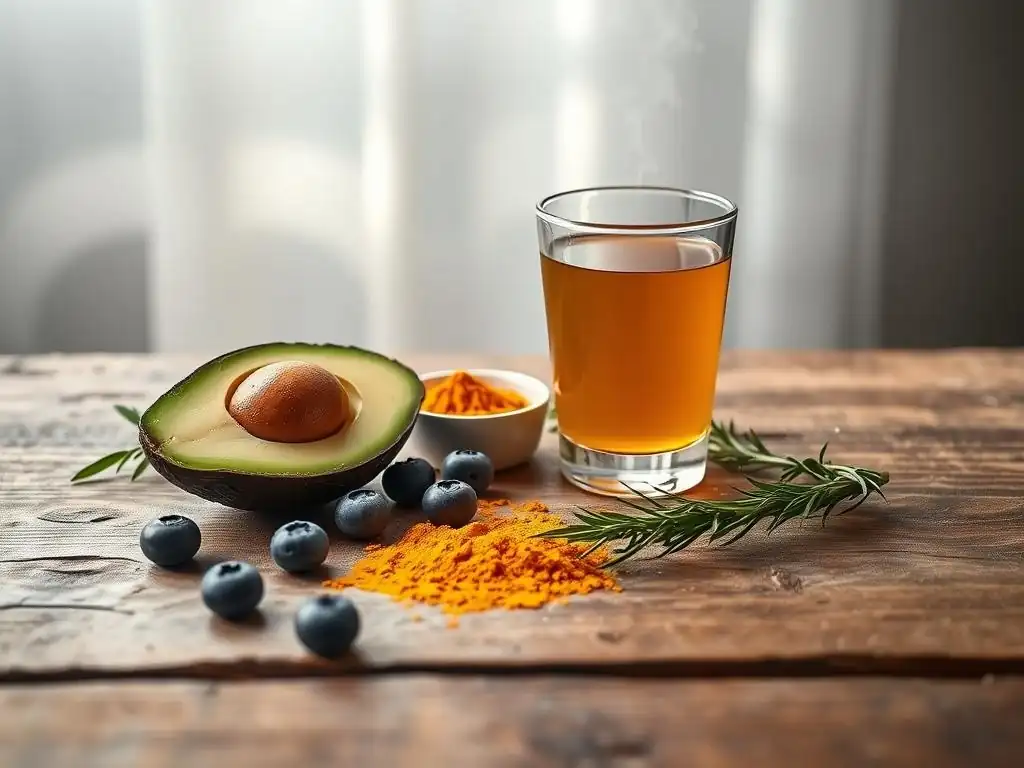
Step-by-Step Guide to Transitioning to an AntiInflammatory Diet
Transitioning to an anti-inflammatory diet to manage mood swings can feel daunting, but taking small, manageable steps makes it achievable. Start by assessing your current eating habits. Keep a food diary for a few days to identify areas where you consume pro-inflammatory foods like sugary drinks, processed snacks, or excessive red meat. The first step is often to make simple swaps: replace sugary sodas with water or herbal tea, switch from white bread to whole-grain bread, or swap processed snacks for fruits and nuts.
Next, gradually increase your intake of anti-inflammatory powerhouses. Aim to add one extra serving of vegetables to your dinner, include berries in your breakfast, or swap your usual cooking oil for extra virgin olive oil. Focus on consistency rather than perfection. Instead of trying to change everything overnight, commit to incorporating one or two new anti-inflammatory habits each week. This gradual approach is more sustainable and allows you to build confidence as you go, making the shift to an anti-inflammatory diet mood swings strategy feel less overwhelming.
Creating a Weekly Meal Plan for Mood Stability
Creating a weekly meal plan is a practical strategy for consistently following an anti-inflammatory diet and supporting mood stability. Start by planning your meals and snacks for the week ahead, focusing on incorporating key anti-inflammatory foods. For example, you might plan to have oatmeal with berries and walnuts for breakfast, a large salad with grilled salmon or chickpeas for lunch, and baked chicken or lentils with roasted vegetables and quinoa for dinner.
Include planned snacks like an apple with almond butter, a handful of mixed nuts, or plain yogurt with fruit. Planning helps ensure you have the necessary ingredients on hand, reducing the likelihood of resorting to less healthy, pro-inflammatory options when you're hungry or short on time. It also allows you to balance your meals throughout the week, ensuring a consistent intake of anti-inflammatory nutrients crucial for managing mood swings. Consider batch cooking components like grains or roasted vegetables to save time during the week.
Practical Tips for Sticking to an AntiInflammatory Lifestyle
Sticking to an anti-inflammatory lifestyle for managing mood swings requires sustained effort, but several practical tips can help. First, make it enjoyable! Explore new recipes using anti-inflammatory ingredients and discover flavors you love. Cooking at home gives you control over ingredients and preparation methods, allowing you to minimize added sugars, unhealthy fats, and excessive sodium found in many restaurant or convenience foods.
Second, build a supportive environment. Inform your family and friends about your dietary goals and explain how an anti-inflammatory diet mood swings strategy can help you. Their understanding and support can make a big difference, perhaps even inspiring them to make healthier choices alongside you. Finally, be patient and compassionate with yourself. There will be times when you deviate from the plan; acknowledge it without judgment and simply get back on track at your next meal. Consistency over time is what yields results in managing inflammation and improving mood stability.
AntiInflammatory Diet Recipes for Mood Enhancement
Breakfast Recipes to Kickstart Your Day with AntiInflammatory Power
Starting your day with an anti-inflammatory breakfast sets a positive tone for your mood and energy levels. A great option is a bowl of rolled oats topped with a variety of berries (like blueberries, raspberries, and strawberries), a sprinkle of chia seeds or flaxseeds, and a handful of walnuts. Oats provide complex carbohydrates for sustained energy, berries are packed with antioxidants, and the seeds and nuts offer omega-3s and healthy fats. This combination helps stabilize blood sugar and provides essential nutrients to support brain function.
Another excellent choice is a smoothie made with leafy greens (like spinach or kale), a source of healthy fat (like avocado or almond butter), a protein source (such as plant-based protein powder or Greek yogurt), and anti-inflammatory fruits (like pineapple or ginger). For example, a spinach, banana, almond butter, and ginger smoothie provides fiber, healthy fats, and potent anti-inflammatory compounds from the ginger, helping to reduce inflammation from the start of the day and potentially mitigating morning mood swings.
Lunch Recipes for Sustained Energy and Mood Balance
Lunch is crucial for maintaining stable energy and mood throughout the afternoon, avoiding the dreaded post-lunch slump that can exacerbate mood swings. A large, colorful salad is a fantastic anti-inflammatory option. Combine dark leafy greens with various vegetables like bell peppers, cucumbers, and carrots. Add a protein source like grilled chicken, baked salmon, lentils, or chickpeas. Include healthy fats from avocado, nuts, or seeds and dress with an olive oil and lemon juice vinaigrette.
Alternatively, consider leftovers from an anti-inflammatory dinner, such as lentil soup or chicken and vegetable stir-fry with brown rice. A simple yet effective choice is a wrap made with a whole-grain tortilla filled with hummus, plenty of vegetables, and a source of lean protein. These lunch options provide a balanced mix of complex carbohydrates, protein, and healthy fats, ensuring sustained energy release and providing the nutrients needed to support brain health and maintain mood balance.
Dinner Recipes for Relaxation and Improved Sleep Quality
Dinner should be nourishing and support relaxation and potentially improve sleep quality, which is vital for mood management. Fatty fish like salmon or cod baked with herbs and lemon, served alongside roasted broccoli and a small portion of quinoa, makes an excellent anti-inflammatory dinner. The omega-3s in the fish are beneficial for brain health, while the vegetables and quinoa provide fiber and complex carbohydrates that can help promote a sense of calm.
Another option is a hearty lentil or bean soup with plenty of vegetables. Legumes are rich in fiber and plant-based protein and have been shown to have anti-inflammatory effects. Serving it with a side of whole-grain bread can add to the fiber content. For variety, a lean chicken or turkey stir-fry with a colorful array of vegetables (like bell peppers, snap peas, and broccoli) and a light soy-ginger sauce, served over brown rice, offers a flavorful and anti-inflammatory meal that supports overall well-being and can contribute to a more stable mood.
Snack Ideas to Curb Cravings and Maintain Stable Blood Sugar Levels
Smart snacking is key to avoiding blood sugar spikes and crashes that can trigger or worsen mood swings. Choose snacks that combine fiber, protein, and healthy fats for sustained energy and satiety. A small handful (about a quarter cup) of mixed nuts like almonds, walnuts, and pistachios is a convenient and nutrient-dense option, providing healthy fats and some protein.
Apple slices with a tablespoon or two of almond butter offer fiber and healthy fats, helping to stabilize blood sugar. Plain Greek yogurt with a few berries is another excellent choice, providing protein and antioxidants. Hard-boiled eggs are a simple protein-rich snack. These anti-inflammatory snack options help bridge the gap between meals, prevent excessive hunger that can lead to poor food choices, and contribute to maintaining stable blood sugar levels, which is crucial for managing mood swings effectively.
Beyond Food: Lifestyle Factors to Complement Your AntiInflammatory Diet
The Role of Exercise in Reducing Inflammation and Improving Mood
Exercise is a powerful complement to an anti-inflammatory diet for managing mood swings. Regular physical activity has been shown to reduce levels of pro-inflammatory markers in the body. Even moderate exercise, such as brisk walking for 30 minutes most days of the week, can have a significant anti-inflammatory effect. Exercise also stimulates the release of endorphins, natural mood boosters, and can improve blood flow to the brain, supporting overall brain health.
Beyond its direct anti-inflammatory benefits, exercise helps regulate sleep patterns, reduce stress, and improve self-esteem, all of which are crucial for managing mood swings. A 2013 review published in Frontiers in Psychiatry highlighted the strong evidence supporting exercise as an effective strategy for improving mood and reducing symptoms of depression and anxiety. Incorporating regular physical activity into your routine alongside an anti-inflammatory diet mood swings plan creates a synergistic effect for better mental well-being.
Stress Management Techniques for Enhanced Mental Wellbeing
Chronic stress is a significant contributor to inflammation and can exacerbate mood swings. Therefore, integrating stress management techniques into your lifestyle is essential when adopting an anti-inflammatory diet for mood management. Techniques such as mindfulness meditation, deep breathing exercises, yoga, or spending time in nature can help lower stress hormones like cortisol, which, when elevated chronically, can increase inflammation.
Finding healthy ways to cope with stress is vital. This could involve engaging in hobbies, spending time with loved ones, journaling, or seeking support from a therapist. A study published in Psychoneuroendocrinology in 2012 demonstrated that chronic stress was associated with higher levels of inflammatory markers. By actively managing stress alongside your anti-inflammatory diet, you address another key factor that influences both inflammation and mood, creating a more robust strategy for navigating mood swings.
Sleep Hygiene for Optimal Brain Function and Mood Regulation
Adequate, quality sleep is fundamental for both physical and mental health and plays a critical role in reducing inflammation and regulating mood. Poor sleep is associated with increased levels of inflammatory markers and can significantly worsen mood swings and emotional reactivity. Aiming for 7-9 hours of uninterrupted sleep per night is crucial for allowing the brain to perform essential functions, including processing emotions and consolidating memories.
Practicing good sleep hygiene involves establishing a consistent sleep schedule, creating a relaxing bedtime routine, ensuring your bedroom is dark, quiet, and cool, and avoiding caffeine and alcohol close to bedtime. Limiting screen time before bed can also improve sleep quality. By prioritizing sleep alongside an anti-inflammatory diet and stress management, you create a comprehensive approach that supports optimal brain function, reduces inflammation, and significantly contributes to stabilizing your mood and reducing the impact of mood swings.
Potential Benefits and Considerations of an AntiInflammatory Diet for Mood

Expected Timeline for Seeing Results on an AntiInflammatory Diet
The timeline for experiencing benefits from an anti-inflammatory diet for mood swings can vary significantly from person to person. Some individuals might notice subtle improvements in energy levels or digestive comfort within a few weeks of consistently adhering to the diet. More significant changes in mood stability and the frequency or intensity of mood swings typically take longer, potentially several months (e.g., 3-6 months or more) of consistent effort.
Factors influencing the timeline include the severity of underlying inflammation, individual metabolic differences, the degree of dietary change implemented, and consistency. It's important to view the anti-inflammatory diet as a long-term lifestyle shift rather than a quick fix. While initial benefits might be modest, sustained adherence is key to achieving lasting improvements in inflammation levels and, consequently, more stable mood over time. Patience and consistency are paramount when using an anti-inflammatory diet mood swings strategy.
Addressing Potential Challenges and Side Effects
Transitioning to an anti-inflammatory diet can present some challenges. Initially, you might experience cravings for sugary or processed foods, especially if your previous diet was high in these items. Some individuals might also experience temporary digestive changes as their fiber intake increases. Planning meals and snacks, finding healthy substitutes for favorite comfort foods, and gradually increasing fiber intake can help mitigate these issues.
Another challenge is the social aspect of dieting. Eating out or attending social gatherings can be tricky. Researching menus in advance or offering to bring a dish you've prepared can help navigate these situations. While the anti-inflammatory diet is generally safe and beneficial, it's essential to ensure you are getting adequate nutrients, especially if eliminating entire food groups. For example, if significantly reducing red meat, ensure you have alternative sources of iron and B12. Being prepared for these challenges increases your likelihood of success with an anti-inflammatory diet mood swings plan.
Consulting with a Healthcare Professional or Registered Dietitian
Before making significant changes to your diet, especially if you have existing health conditions or are taking medications, it is highly recommended to consult with a healthcare professional or a registered dietitian. They can provide personalized guidance based on your specific health needs, dietary preferences, and any potential nutrient deficiencies.
A registered dietitian specializing in mental health or inflammatory conditions can help you create a tailored anti-inflammatory eating plan that ensures you meet all your nutritional requirements. They can also help you identify potential food sensitivities or allergies that might contribute to inflammation and mood issues. Their expertise can be invaluable in safely and effectively implementing an anti-inflammatory diet mood swings strategy and maximizing its potential benefits for your mental well-being.
Long-Term Strategies for Maintaining an AntiInflammatory Lifestyle
Adapting the Diet to Your Individual Needs and Preferences
Maintaining an anti-inflammatory lifestyle for the long term requires flexibility and personalization. What works perfectly for one person might not work for another. Pay attention to how different foods make you feel – some anti-inflammatory foods might still cause digestive upset or other issues for you individually. It's okay to adapt the general principles to fit your specific needs and preferences while staying true to the core goal of reducing inflammation.
Experiment with different anti-inflammatory foods and recipes to find what you enjoy and can consistently incorporate into your routine. If you find certain foods difficult to access or too expensive, look for more readily available or budget-friendly alternatives that offer similar nutritional benefits. The key is to make the anti-inflammatory diet sustainable and enjoyable as a long-term strategy for managing mood swings and supporting overall health.
Staying Motivated and Tracking Your Progress
Staying motivated over the long haul requires setting realistic expectations and finding ways to track your progress, both dietary and related to mood. Instead of focusing solely on weight (which may or may not change significantly), track how you feel. Keep a journal noting your mood, energy levels, sleep quality, and any changes in the frequency or intensity of your mood swings. Reflecting on positive changes can be incredibly motivating.
Consider tracking your food intake occasionally to ensure you're consistently incorporating anti-inflammatory foods and limiting pro-inflammatory ones. Celebrate small victories, whether it's successfully preparing a new healthy recipe or managing a challenging social situation while sticking to your plan. Connecting with online communities or support groups focused on anti-inflammatory eating or mental wellness can also provide encouragement and shared experiences, helping you stay committed to your anti-inflammatory diet mood swings journey.
The Importance of Consistency for Sustainable Mood Improvement
Consistency is arguably the most critical factor in achieving sustainable mood improvement through an anti-inflammatory diet. While occasional deviations are normal and shouldn't lead to discouragement, regular adherence to the principles of anti-inflammatory eating is necessary for consistently lowering inflammation levels in the body and brain. Sporadic efforts are unlikely to yield significant or lasting changes in mood stability or the management of mood swings.
Think of it like building a habit or training for a marathon – it requires repeated, consistent effort over time to see results. By consistently providing your body with anti-inflammatory nutrients and avoiding inflammatory triggers, you create a stable internal environment that supports better brain function and more balanced mood regulation. This steady, consistent approach is the most effective path to leveraging the anti-inflammatory diet mood swings connection for lasting mental well-being.
Conclusion: The AntiInflammatory Diet as a Holistic Approach to Mood Management
The anti-inflammatory diet offers a powerful, evidence-backed approach to managing mood swings by addressing the underlying connection between inflammation and brain health. By prioritizing whole, nutrient-dense foods rich in antioxidants, omega-3s, and fiber, and limiting processed foods, added sugars, and unhealthy fats, you can significantly reduce systemic inflammation. This dietary shift supports healthier neurotransmitter function, improves gut health, and contributes to a more stable internal environment conducive to balanced mood.
Coupled with complementary lifestyle factors like regular exercise, effective stress management, and good sleep hygiene, the anti-inflammatory diet forms a holistic strategy for enhancing mental well-being. While not a standalone cure, it is a fundamental piece of the puzzle for many individuals struggling with mood swings. Embracing an anti-inflammatory lifestyle is an empowering step towards taking control of your health and fostering greater mood stability and resilience.
Frequently Asked Questions
What is an anti-inflammatory diet, and how does it relate to mood swings?
An anti-inflammatory diet focuses on consuming foods that reduce inflammation in the body. This is important because inflammation has been linked to mood dysregulation and can potentially trigger or worsen mood swings.
How does the anti-inflammatory diet differ from a standard diet?
Unlike a standard diet that may include processed foods and sugary drinks, the anti-inflammatory diet emphasizes whole, unprocessed foods like fruits, vegetables, and healthy fats. It aims to minimize inflammatory foods such as refined sugars and processed meats.
What types of foods should I prioritize on an anti-inflammatory diet for mood stability?
Focus on foods rich in omega-3 fatty acids (like salmon), antioxidants (berries), and fiber (whole grains). Incorporate leafy green vegetables, nuts, and healthy fats like olive oil to promote a stable mood.
How long does it typically take to see an improvement in mood swings after starting an anti-inflammatory diet?
It varies from person to person, but many individuals report experiencing noticeable improvements in their mood within a few weeks of consistently following the diet. Consistency is key for seeing significant benefits.
Are there any potential risks or side effects associated with adopting an anti-inflammatory diet?
Generally, an anti-inflammatory diet is safe, but it's always best to consult with a healthcare professional or registered dietitian, especially if you have existing health conditions. Sudden dietary changes may cause temporary digestive discomfort.
Final Reflection: Harnessing the Power of Food for Emotional Wellbeing
The connection between diet and mood is undeniable, and the anti-inflammatory diet emerges as a powerful tool in navigating the unpredictable landscape of mood swings. Understanding the intricate relationship between gut health, inflammation, and mental wellbeing is no longer a niche concept; it's a vital piece of the puzzle in achieving lasting emotional stability. This knowledge empowers us to take proactive steps towards better mental health, moving beyond reactive coping mechanisms.
The anti-inflammatory diet's influence extends far beyond simply managing symptoms; it's a journey towards a deeper understanding of our bodies and their inherent capacity for self-healing. It challenges the simplistic view of mental health, prompting us to consider the profound impact of our daily choices. The food you eat can be either the safest and most powerful form of medicine or the slowest form of poison.
This quote, often attributed to Hippocrates, rings truer than ever in the context of managing mood swings through dietary intervention. The shift towards mindful eating, focusing on nutrient-dense, anti-inflammatory foods, is a cultural shift that deserves wider recognition and adoption.
Now, consider your own relationship with food. What role does it play in your emotional wellbeing? Are you ready to explore the transformative potential of an anti-inflammatory approach? This isn't about restrictive dieting; it's about cultivating a mindful and nourishing relationship with your body and mind. Take the first step today – research anti-inflammatory foods, experiment with new recipes, and listen to your body's signals. The journey towards emotional balance begins with a single, conscious bite.
Unlock Your Mood's Potential: Take Control Now!
Thanks for taking the time to explore the powerful connection between diet and mood! You've now learned how to harness the anti-inflammatory power of food to manage mood swings. Ready to put this knowledge into action?
- Start your personalized anti-inflammatory journey today! Begin by identifying just one food you can easily swap for a healthier, anti-inflammatory alternative this week. (Think swapping white bread for whole wheat, or sugary drinks for herbal tea.)
- Share your progress (or challenges!) with our community. We'd love to hear your experiences and offer support! Let's build a healthier, happier community together.
- Explore simple, delicious anti-inflammatory recipes designed to boost your mood! Look for some online resources – maybe experiment this weekend with a new recipe.
What small change will you make today to prioritize your mental wellness through food?