
Probiotics and Prebiotics: Feeding Your Gut for a Happier Mind

Welcome to Mind Care Guide, your sanctuary for understanding and nurturing your mental well-being.
Ever feel like your mind and body are disconnected? Discover how the surprising connection between your gut health benefits mental health in our latest article. We delve into the fascinating world of probiotics and prebiotics, exploring how feeding your gut can actually feed your mind, potentially offering relief and support for mood disorders. Intrigued? Let's explore how a happier gut can lead to a happier you...
- Probiotics and Prebiotics: Feeding Your Gut for a Happier Mind - A Mind Care Guide
- Probiotics: Cultivating a Healthy Gut for Mental Clarity
- Prebiotics: Fueling Probiotic Growth for Enhanced Mental Wellness
- Gut Health and Mood Disorders: Scientific Evidence and Research
- Lifestyle Changes to Support Gut Health and Mental Well-being
- Potential Side Effects and Precautions When Taking Probiotics and Prebiotics
- The Future of Gut Health and Mental Health Research: What's Next?
-
Frequently Asked Questions
- How are gut health and mental health connected, according to Mind Care Guide?
- What are probiotics and prebiotics, and how do they contribute to gut health?
- How can incorporating probiotics and prebiotics into my diet potentially improve my mental well-being?
- What are some examples of foods rich in probiotics and prebiotics that I can include in my diet?
- Are there any potential side effects or considerations when taking probiotic or prebiotic supplements for mental health?
- Final Reflection: Cultivating a Symbiotic Relationship Between Gut and Mind
- Unleash Your Inner Radiance: Nurture Your Gut, Nurture Your Mind
Probiotics and Prebiotics: Feeding Your Gut for a Happier Mind - A Mind Care Guide
The Gut Microbiome: Your Second Brain and Mental Health
The human gut is home to trillions of microorganisms, collectively known as the gut microbiome. This complex community, primarily composed of bacteria, fungi, and viruses, plays a crucial role far beyond digestion. Often referred to as the body's "second brain," the gut microbiome significantly influences various physiological processes, including immune function, metabolism, and critically, brain health and mental well-being. Research consistently highlights how imbalances in this microbial ecosystem can have profound effects on mood, cognition, and behavior, illustrating the strong connection between gut health benefits mental health.
The diversity and composition of the gut microbiome are shaped by factors like diet, lifestyle, antibiotic use, and stress. A healthy, diverse microbiome is associated with resilience and overall wellness, while dysbiosis—an imbalance favoring harmful microbes—has been linked to a range of health issues, including mood disorders. Understanding this intricate relationship is key to appreciating how nurturing your gut can be a powerful strategy for supporting your mental state. The microbes in your gut produce various compounds, some of which can directly or indirectly affect brain function and emotional regulation.
Exploring the Gut-Brain Axis: A Two-Way Communication System
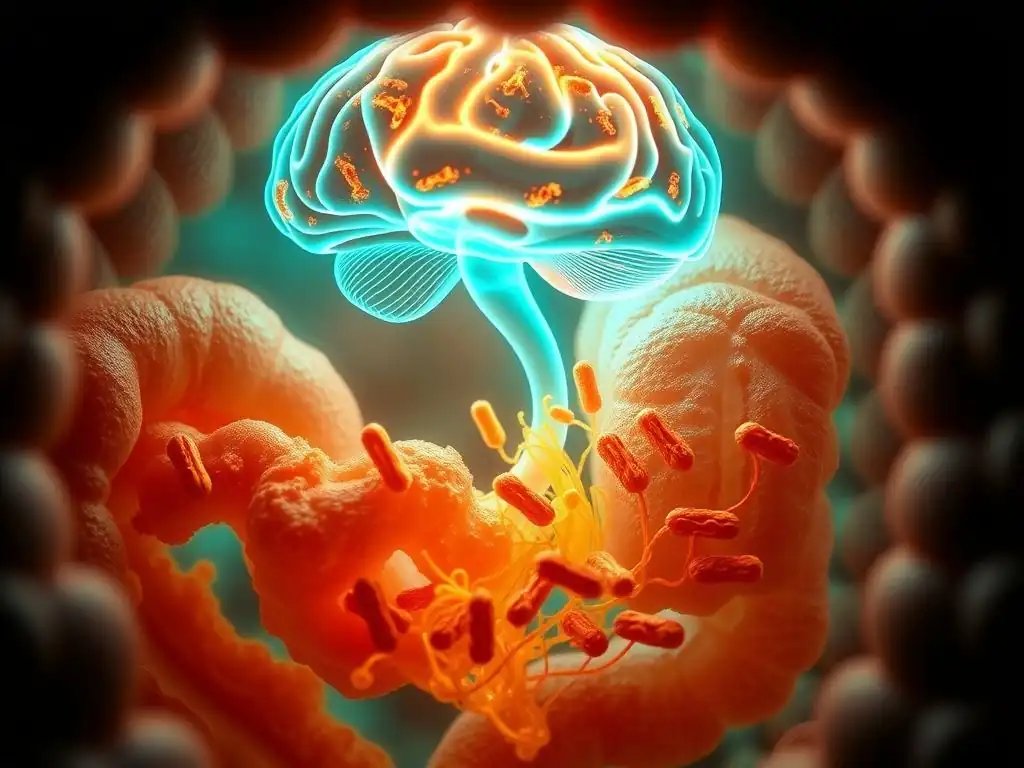
The gut and the brain are in constant communication through a complex network known as the gut-brain axis. This bidirectional highway involves the nervous system, endocrine system, and immune system. The vagus nerve, a major nerve connecting the gut and brain, serves as a primary communication pathway, allowing signals to travel in both directions.
This means that not only can your brain influence gut function (think of stress causing stomach upset), but signals from your gut can also impact your brain, including areas that regulate mood and emotions. This two-way street is fundamental to understanding how gut health benefits mental health.
Beyond the nervous system, the gut microbiome communicates with the brain via chemical messengers. Gut microbes produce neurotransmitters like serotonin and gamma-aminobutyric acid (GABA), which are crucial for mood regulation. In fact, a significant portion of the body's serotonin is produced in the gut. Microbes also produce short-chain fatty acids (SCFAs) like butyrate, propionate, and acetate, which can cross the blood-brain barrier and influence brain function, reduce inflammation, and nourish gut cells. Disruptions in this communication axis, often stemming from an unhealthy gut microbiome, can contribute to psychological distress and mood imbalances.
The Role of Inflammation in Gut Health and its Impact on Mood
Chronic low-grade inflammation is increasingly recognized as a contributing factor to various health issues, including mood disorders like depression and anxiety. The gut plays a central role in regulating inflammation throughout the body. A healthy gut lining acts as a barrier, preventing harmful substances (like bacterial toxins) from entering the bloodstream. When this barrier is compromised, a condition sometimes referred to as "leaky gut," these substances can leak out, triggering an inflammatory response that can affect the entire body, including the brain. This inflammatory cascade can disrupt neurotransmitter balance and impair brain function, directly impacting mental well-being.
An imbalanced gut microbiome can also directly contribute to inflammation. Certain types of bacteria are pro-inflammatory, while beneficial bacteria often have anti-inflammatory properties. Dysbiosis can lead to an overgrowth of pro-inflammatory bacteria or a reduction in beneficial, anti-inflammatory species. This imbalance can sustain chronic inflammation in the gut and systemically. Reducing gut inflammation through dietary changes, probiotics, and prebiotics is a key strategy being explored for its potential to improve mood and alleviate symptoms associated with depression and anxiety, highlighting another pathway through which gut health benefits mental health.
Probiotics: Cultivating a Healthy Gut for Mental Clarity

What are Probiotics? Defining Beneficial Bacteria for Gut Health
Probiotics are live microorganisms, typically bacteria, that, when administered in adequate amounts, confer a health benefit on the host. Essentially, they are beneficial bacteria similar to those naturally found in a healthy gut. These tiny allies can help restore balance to the gut microbiome, especially after disruptions caused by antibiotics, illness, or poor diet.
By introducing or supporting populations of helpful bacteria, probiotics can improve digestion, enhance nutrient absorption, and strengthen the gut barrier. Their role in modulating the gut microbiome makes them a significant area of interest for their potential impact on overall well-being, including how gut health benefits mental health.
The world of probiotics is vast, encompassing numerous strains and species, each with potentially different effects. Common probiotic genera include Lactobacillus and Bifidobacterium. The specific health benefits are often strain-specific, meaning that a probiotic product containing Lactobacillus acidophilus might have different effects than one containing Bifidobacterium longum. Understanding that not all probiotics are the same is important when considering them for specific health goals, such as supporting mental health. They work by competing with harmful bacteria, producing beneficial compounds, and interacting with the host's immune and nervous systems.
Key Strains of Probiotics for Anxiety and Depression
Research into the specific strains of probiotics and their effects on mental health is ongoing, but some strains have shown promising results in studies related to anxiety and depression. For example, Lactobacillus rhamnosus GG has been studied for its effects on stress-related behaviors and anxiety. Another notable strain is Bifidobacterium longum 1714, which has been investigated for its potential to improve stress response and cognitive function in healthy individuals. These studies, often conducted in animal models or small human trials, suggest that certain microbial strains may have psychotropic effects, influencing mood and stress levels.
Other strains that have garnered attention include Lactobacillus helveticus and Bifidobacterium longum (often studied in combination), which have been associated with reduced anxiety and depression-like behaviors in some research. Lactobacillus plantarum and Lactobacillus casei are also being explored for their potential mental health benefits. While the evidence is still accumulating, these specific strains highlight the potential for targeted probiotic interventions to support mental well-being by influencing the gut-brain axis and modulating the gut microbiome, further underscoring how gut health benefits mental health.
Probiotic Foods for Improved Mood: A Delicious Path to Mental Wellness
Incorporating probiotic-rich foods into your diet is a natural and enjoyable way to support your gut microbiome. Fermented foods are excellent sources of beneficial bacteria. Including a variety of these foods can contribute to a more diverse and robust gut ecosystem, which in turn can have positive ripple effects on your mental state. While the exact number and types of bacteria in fermented foods can vary, regular consumption is generally considered beneficial for overall gut health.
Yogurt: A Probiotic Powerhouse
Yogurt, made by fermenting milk with bacterial cultures, is perhaps the most well-known probiotic food. Look for yogurts that explicitly state "live and active cultures" on the label, as some processing methods can destroy the beneficial bacteria. While many yogurts contain Lactobacillus bulgaricus and Streptococcus thermophilus (required for fermentation), products with additional, specific probiotic strains like Bifidobacterium animalis subsp. lactis or Lactobacillus acidophilus may offer broader health benefits. Regular consumption of live-culture yogurt can help populate the gut with beneficial bacteria, contributing to better gut health and potentially supporting mental well-being.
Kefir: Fermented Milk for Gut and Mental Health
Kefir is a fermented milk drink, similar to yogurt but typically containing a wider variety of bacteria and yeasts. Made using kefir grains (a symbiotic culture of bacteria and yeasts), it offers a potent dose of probiotics. Kefir has been linked to improved digestion and immune function in various studies. Its diverse microbial profile makes it a valuable addition to a gut-healthy diet, and some individuals report feeling better overall, including mood improvements, after incorporating kefir regularly. It's a tangy, slightly effervescent drink that can be consumed plain or added to smoothies.
Sauerkraut: Tangy Probiotic Benefits
Sauerkraut, traditionally made from fermented cabbage, is another excellent source of probiotics, provided it is unpasteurized. The fermentation process relies on naturally occurring lactic acid bacteria, which proliferate and preserve the cabbage while creating its distinctive tangy flavor. Like other fermented vegetables such as kimchi, unpasteurized sauerkraut introduces a range of beneficial bacteria into the gut. Choosing refrigerated, raw sauerkraut is key, as pasteurization kills the beneficial microbes. Adding a serving of sauerkraut to your meals is a simple way to boost your probiotic intake and support the link between gut health benefits mental health.
Probiotic Supplements: Choosing the Right One for Mental Health Support
While probiotic foods are beneficial, supplements can offer a more concentrated and targeted approach, especially when seeking specific strains studied for mental health benefits. The supplement market is vast, and choosing the right one requires careful consideration. Supplements provide a controlled dose of specific strains, which can be advantageous if you are targeting particular issues related to gut health and its benefits for mental health. However, quality and efficacy can vary significantly between products.
Factors to Consider When Selecting a Probiotic Supplement
When selecting a probiotic supplement, consider the specific strains included and whether they have research supporting their use for mental health or stress reduction (e.g., Bifidobacterium longum 1714, Lactobacillus helveticus). Look for products with a high number of Colony Forming Units (CFUs), typically in the billions, as this indicates the number of live, active microbes per dose. The packaging is also important; some probiotics require refrigeration to maintain viability.
Check the expiration date and ensure the product is from a reputable manufacturer with good quality control. Also, consider if the supplement contains prebiotics (synbiotic), which can help nourish the probiotics.
Dosage Recommendations for Probiotics and Mental Health
Dosage for probiotics is typically measured in CFUs (Colony Forming Units). While there are no universally established dosage guidelines specifically for mental health, studies investigating the impact of probiotics on mood and stress often use doses ranging from 1 billion to 100 billion CFUs per day. It's crucial to follow the dosage instructions on the product label or, ideally, consult with a healthcare professional. They can provide personalized recommendations based on your individual needs, health status, and the specific strains you are considering. Starting with a lower dose and gradually increasing can help manage any initial digestive discomfort.
Prebiotics: Fueling Probiotic Growth for Enhanced Mental Wellness
What are Prebiotics? Defining the Food for Good Bacteria
Prebiotics are non-digestible fibers and compounds that selectively feed beneficial bacteria in the gut. Unlike probiotics, which introduce new bacteria, prebiotics act as fertilizer for the existing good bacteria in your microbiome, helping them to grow and thrive. Think of probiotics as planting seeds and prebiotics as providing the nutrient-rich soil and water. These dietary fibers pass undigested through the upper part of the gastrointestinal tract and reach the colon, where they are fermented by beneficial bacteria, primarily Bifidobacteria and Lactobacilli.
This fermentation process produces beneficial compounds, including short-chain fatty acids (SCFAs) like butyrate, which are vital for gut health and have systemic effects, including influencing brain function and mood. By selectively promoting the growth of beneficial microbes, prebiotics help shift the balance of the microbiome towards a healthier state. This supportive role is crucial for maintaining a diverse and resilient gut ecosystem, which is strongly linked to the positive impact gut health benefits mental health.
Why Prebiotics are Essential for a Healthy Gut Microbiome
Prebiotics are essential for maintaining a healthy and balanced gut microbiome because they provide the necessary fuel for beneficial bacteria to flourish. Without adequate prebiotics, populations of helpful microbes may decline, potentially allowing less beneficial or harmful bacteria to gain dominance. A diet rich in prebiotics supports microbial diversity and activity, which in turn contributes to a robust gut barrier, improved nutrient absorption, and reduced inflammation. This creates an environment where the gut-brain axis can function more effectively, positively influencing mental well-being.
Moreover, the SCFAs produced during prebiotic fermentation, particularly butyrate, are the primary energy source for the cells lining the colon. A healthy gut lining is crucial for preventing "leaky gut" and reducing systemic inflammation, which, as discussed, impacts brain health and mood. By nourishing the gut lining and supporting beneficial bacteria, prebiotics play a foundational role in promoting overall gut health and unlocking the full potential of how gut health benefits mental health. They are a critical, often overlooked, component of a gut-healthy diet.
Prebiotic-Rich Foods for a Happier Mind: Nourishing Your Gut
Incorporating prebiotic-rich foods into your daily diet is an effective way to nourish your beneficial gut bacteria and support mental wellness. Many common fruits, vegetables, and grains are excellent sources of prebiotics. Including a variety of these foods ensures you're feeding a diverse range of beneficial microbes in your gut. Unlike probiotic foods, which contain live bacteria, prebiotic foods contain specific types of fiber that your gut microbes love to eat.
Onions and Garlic: Prebiotic Staples
Onions and garlic are culinary staples that are also fantastic sources of prebiotics, particularly fructans and inulin. These compounds pass undigested into the large intestine, where they are fermented by Bifidobacteria and other beneficial microbes. Regular consumption of onions and garlic can help increase the population of these health-promoting bacteria. While the exact amount of prebiotics can vary depending on the type and preparation, including them regularly in cooking is a simple way to boost your prebiotic intake and support gut health benefits mental health.
Asparagus: A Fiber-Rich Prebiotic Source
Asparagus is another vegetable rich in inulin, a well-known prebiotic fiber. This dietary fiber helps stimulate the growth of beneficial gut bacteria. Just one cup of cooked asparagus contains a significant amount of fiber, contributing to your daily prebiotic intake. Including asparagus in your meals can help nourish your gut microbiome, supporting the production of beneficial SCFAs and contributing to a healthier gut environment.
Bananas: A Convenient Prebiotic Snack
Bananas, especially slightly unripe ones, contain resistant starch, a type of prebiotic fiber. As bananas ripen, the resistant starch converts into simple sugars, so greener bananas offer more prebiotic benefits. Resistant starch passes through the digestive system undigested until it reaches the large intestine, where it is fermented by gut bacteria. Bananas are a convenient and portable source of prebiotics, making it easy to incorporate them into your diet to support gut health and potentially improve mood.
Combining Probiotics and Prebiotics for Synergistic Mental Health Benefits
The concept of combining probiotics and prebiotics has led to the development of "synbiotics." Synbiotics are products that contain both live beneficial bacteria (probiotics) and the specific fibers that feed them (prebiotics). The idea is that the prebiotics help the probiotics survive and thrive in the gut, enhancing their beneficial effects. Research suggests that this synergistic approach may offer greater benefits for gut health and potentially for mental well-being compared to using either probiotics or prebiotics alone.
By providing both the beneficial microbes and their preferred food source, synbiotics create an optimal environment for a healthy gut microbiome. This enhanced support for the gut ecosystem can strengthen the gut barrier, improve microbial diversity, increase the production of beneficial SCFAs, and modulate the gut-brain axis more effectively. While research is still exploring the optimal combinations and dosages, incorporating both probiotics (through food or supplements) and prebiotics (primarily through diet) is a promising strategy for maximizing the positive impact of gut health benefits mental health.
Gut Health and Mood Disorders: Scientific Evidence and Research
Studies Linking Gut Microbiome Imbalance to Anxiety and Depression
A growing body of scientific research highlights the intricate link between the gut microbiome and mood disorders. Studies using techniques like fecal microbiota transplantation (FMT) in animal models have shown that transferring gut microbes from depressed or anxious humans to germ-free animals can induce depression- or anxiety-like behaviors in the animals. Conversely, transferring microbes from healthy individuals can sometimes alleviate these behaviors. These findings provide compelling evidence that the gut microbiome plays a causal role in influencing mood and behavior, demonstrating how gut health benefits mental health.
Observational studies in humans have also found differences in the gut microbiome composition of individuals with depression and anxiety compared to healthy controls. Typically, individuals with these conditions show reduced microbial diversity and altered levels of certain bacterial species. While these studies show correlation and not necessarily causation in humans, they strongly suggest that gut dysbiosis is associated with mood disorders. Research continues to explore the specific microbial signatures associated with different mental health conditions.
The Impact of Probiotics and Prebiotics on Serotonin Production
Serotonin, often called the "feel-good" neurotransmitter, plays a crucial role in regulating mood, sleep, and appetite. While it's primarily known for its function in the brain, approximately 90% of the body's serotonin is produced in the gut, largely by specialized cells and influenced by gut microbes. Certain gut bacteria can directly produce serotonin or influence the host cells that do. An unhealthy gut microbiome can disrupt this process, potentially leading to lower serotonin availability.
Research suggests that probiotics and prebiotics can positively influence serotonin levels. By promoting the growth of beneficial bacteria, prebiotics can enhance the production of SCFAs, which in turn can stimulate the release of serotonin from gut cells. Similarly, some probiotic strains have been shown to directly produce serotonin or influence its metabolism. For instance, certain Lactobacillus and Bifidobacterium strains have been implicated in modulating serotonin pathways. This influence on a key neurotransmitter is one of the primary ways researchers believe gut health benefits mental health, specifically by impacting mood regulation.
Exploring the Potential of Gut-Directed Therapies for Mental Health
Given the strong link between gut health and mental well-being, researchers and clinicians are increasingly exploring gut-directed therapies as potential complementary or alternative treatments for mood disorders. These therapies aim to restore balance to the gut microbiome and improve gut-brain axis communication. This includes dietary interventions focused on increasing fiber and fermented foods, as well as the use of targeted probiotics and prebiotics.
Fecal microbiota transplantation (FMT), although still largely experimental for mental health conditions and primarily used for severe Clostridioides difficile infection, is also being investigated for its potential to rapidly reset the gut microbiome in individuals with mood disorders. While more large-scale, rigorous clinical trials are needed to confirm efficacy and establish protocols, the focus on the gut represents a promising new frontier in mental health treatment. This shift acknowledges the powerful connection and highlights how optimizing gut health benefits mental health outcomes.
Lifestyle Changes to Support Gut Health and Mental Well-being
Dietary Recommendations for a Healthy Gut Microbiome
Adopting a diet rich in diverse plant-based foods is one of the most effective ways to cultivate a healthy gut microbiome. Aim for a high intake of fiber from fruits, vegetables, whole grains, legumes, nuts, and seeds. This provides essential prebiotics to nourish your beneficial bacteria. Incorporating fermented foods like yogurt, kefir, sauerkraut, kimchi, and kombucha (in moderation) can introduce beneficial probiotics. Limit processed foods, refined sugars, and artificial sweeteners, as these can negatively impact the gut microbiome and promote the growth of less beneficial bacteria.
Staying adequately hydrated by drinking plenty of water is also important for digestive health. Consider reducing intake of saturated and trans fats, which can contribute to inflammation. While individual tolerance varies, some people find that reducing or eliminating dairy or gluten improves their gut health. Overall, focusing on a varied, whole-foods diet rich in fiber and fermented items creates a supportive environment for a thriving gut microbiome, contributing significantly to how gut health benefits mental health.
Stress Management Techniques for Improved Gut Health
Stress has a profound impact on the gut-brain axis and can negatively alter the composition and function of the gut microbiome. Chronic stress can slow down digestion, increase gut permeability ("leaky gut"), and reduce microbial diversity. Therefore, managing stress is a crucial component of supporting both gut health and mental well-being. Techniques that activate the parasympathetic nervous system, the body's "rest and digest" mode, are particularly helpful.
- Practice mindfulness meditation or deep breathing exercises regularly.
- Engage in gentle exercise like yoga or walking.
- Ensure you get enough quality sleep.
- Spend time in nature.
- Pursue hobbies and social connections.
Implementing stress-reducing practices helps calm the nervous system, which can improve gut motility, reduce inflammation, and create a more favorable environment for beneficial bacteria. This reciprocal relationship means that improving stress management not only directly benefits your mental state but also reinforces the positive cycle of gut health benefits mental health.
The Importance of Sleep for Gut Health and Mental Clarity
Sleep is another fundamental pillar of both physical and mental health, and its connection to the gut microbiome is increasingly recognized. Disruptions to the circadian rhythm, such as inconsistent sleep schedules or insufficient sleep, can negatively impact the gut microbiome composition and diversity. Studies have shown that sleep deprivation can lead to unfavorable changes in gut bacteria, potentially increasing gut permeability and inflammation.
Ensuring consistent, quality sleep (typically 7-9 hours per night for adults) supports a healthier gut environment. A well-rested state also improves stress resilience, which, as mentioned, indirectly benefits the gut. Prioritizing sleep helps regulate the gut-brain axis and supports the overall function of the digestive system. Just as poor sleep can harm your gut, improving sleep hygiene is a vital lifestyle change that can positively influence your gut microbiome and contribute to enhanced mental clarity and emotional stability, further illustrating how gut health benefits mental health.
Potential Side Effects and Precautions When Taking Probiotics and Prebiotics
Common Side Effects of Probiotics and How to Manage Them
While generally considered safe for most healthy individuals, probiotics can sometimes cause mild, temporary digestive side effects, especially when first starting supplementation. These may include gas, bloating, or mild abdominal discomfort. These symptoms are often a sign that the gut microbiome is adjusting to the new bacteria and usually subside within a few days or weeks as your system adapts.
To minimize side effects, consider starting with a lower dose of probiotics and gradually increasing it. Taking probiotics with food can also help. If side effects persist or are severe, discontinue use and consult a healthcare professional. Individuals with compromised immune systems or serious underlying health conditions should be particularly cautious and seek medical advice before starting probiotics.
Precautions for Individuals with Specific Health Conditions
Certain individuals need to exercise caution or avoid probiotics altogether. People with severely weakened immune systems, such as those undergoing chemotherapy, organ transplant recipients, or individuals with conditions like HIV, should consult their doctor before taking probiotics, as there's a theoretical risk of infection from the live bacteria. Similarly, individuals with conditions affecting the gut barrier, like Short Bowel Syndrome, or those with pancreatitis should seek medical guidance.
People with Small Intestinal Bacterial Overgrowth (SIBO) may find that probiotics worsen their symptoms, although specific strains are being researched for potential use in SIBO management. Anyone with a history of adverse reactions to probiotics or who is taking medications that could interact should consult with a healthcare provider. It's always best to discuss any new supplement regimen, including probiotics and prebiotics, with a doctor, especially if you have pre-existing health conditions, to ensure safety and appropriateness for your specific situation and how gut health benefits mental health might apply to you.
Consulting with a Healthcare Professional for Personalized Gut Health Guidance
Given the complexity of the gut microbiome and its interactions with the rest of the body, including the brain, seeking personalized guidance from a qualified healthcare professional is highly recommended before making significant changes to your diet or starting supplementation with probiotics or prebiotics, particularly if you are addressing mental health concerns. This could be a doctor, a registered dietitian, or a gastroenterologist.
A healthcare provider can help you assess your individual needs, identify potential underlying gut issues, and recommend the most appropriate strategies, including specific probiotic strains or prebiotic sources, based on the latest evidence and your personal health profile. They can also ensure that any gut-focused interventions integrate safely with other treatments or medications you may be using for mental health or other conditions. Personalized guidance ensures that your efforts to improve gut health benefits mental health are targeted, safe, and effective.
The Future of Gut Health and Mental Health Research: What's Next?
Emerging Research on the Gut Microbiome and Mental Illness
Research into the gut microbiome's role in mental illness is a rapidly expanding field. Scientists are delving deeper into the specific mechanisms by which gut microbes influence brain function, including the production of neuroactive compounds, modulation of the immune system, and direct signaling via the vagus nerve. Advanced sequencing technologies are allowing researchers to identify specific microbial signatures associated with different mental health conditions, such as bipolar disorder, schizophrenia, and even neurodevelopmental disorders like autism spectrum disorder.
Future research is expected to clarify causal relationships, identify specific microbial metabolites that impact the brain, and understand how early life factors like birth mode, infant feeding, and antibiotic exposure shape the microbiome and influence later mental health outcomes. This ongoing exploration promises to uncover more precise ways in which gut health benefits mental health across the lifespan.
The Potential of Personalized Probiotics for Targeted Mental Health Support
The understanding that different probiotic strains have varying effects opens the door to the potential of personalized probiotic interventions for mental health. Instead of general probiotic blends, the future may involve analyzing an individual's unique gut microbiome composition and recommending specific probiotic strains or combinations tailored to address their particular microbial imbalances and associated mental health symptoms.
This personalized approach, often referred to as precision probiotics, could involve stool testing to identify missing or underrepresented beneficial bacteria and then prescribing probiotics designed to reintroduce or boost those specific populations. While still largely in the research phase, the concept of using targeted microbial therapies based on an individual's unique gut signature holds significant promise for more effective and individualized strategies to leverage how gut health benefits mental health in the future.
Staying Informed about the Latest Advances in Gut-Brain Research
The field of gut-brain research is dynamic and constantly evolving. New studies are published regularly, shedding more light on the complex interactions between the gut microbiome, diet, lifestyle, and mental well-being. For individuals interested in supporting their mental health through gut-focused strategies, staying informed about the latest scientific findings is important.
Follow reputable sources of health information, look for research from academic institutions, and be critical of sensationalized claims. While the potential of gut health benefits mental health is exciting, it's crucial to rely on evidence-based information. Consulting with healthcare professionals who are knowledgeable about the gut-brain axis can also help you navigate the evolving landscape and make informed decisions about your health journey.
Frequently Asked Questions
How are gut health and mental health connected, according to Mind Care Guide?
The Mind Care Guide highlights the gut-brain axis, a communication network linking the gut and brain. Disruptions in the gut microbiome can influence brain function and contribute to mental health challenges.
What are probiotics and prebiotics, and how do they contribute to gut health?
Probiotics are live beneficial bacteria that can improve the gut's microbial balance. Prebiotics are non-digestible fibers that feed these beneficial bacteria, promoting their growth.
How can incorporating probiotics and prebiotics into my diet potentially improve my mental well-being?
By supporting a healthy gut microbiome, probiotics and prebiotics may influence neurotransmitter production and reduce inflammation. This can lead to improvements in mood, anxiety, and overall cognitive function.
What are some examples of foods rich in probiotics and prebiotics that I can include in my diet?
Probiotic-rich foods include yogurt, kefir, sauerkraut, and kimchi. Prebiotic-rich foods include onions, garlic, asparagus, bananas, and oats.
Are there any potential side effects or considerations when taking probiotic or prebiotic supplements for mental health?
Some people may experience mild digestive discomfort when starting probiotic or prebiotic supplements. It's always best to consult with a healthcare professional before starting any new supplement regimen, especially if you have underlying health conditions or are taking other medications, to determine the right dosage and avoid any negative interactions.
Final Reflection: Cultivating a Symbiotic Relationship Between Gut and Mind
The intricate connection between gut health and mental well-being is no longer a fringe theory; it's a burgeoning field of research with profound implications for our understanding of overall health. The evidence presented throughout this article strongly suggests that nurturing our gut microbiome through a balanced diet rich in probiotics and prebiotics can significantly impact our mental state, potentially mitigating symptoms of anxiety, depression, and even neurological disorders. This is not just about digestive comfort; it's about cultivating a healthier, happier mind.
The journey into understanding the gut-brain axis has been a fascinating one, revealing the subtle yet powerful influence our gut bacteria exert on our emotional landscape. This exploration has underscored the importance of viewing our bodies as interconnected ecosystems, rather than isolated systems. The more we learn, the more we realize the profound impact of seemingly small choices – the foods we eat, the lifestyle we adopt – on our mental and physical health. The gut is the second brain,
a phrase often used, truly encapsulates the complex interplay between these two vital systems. It's a reminder that holistic well-being requires a holistic approach.
Consider the power you hold in shaping your own gut microbiome. You are not a passive recipient of your gut health; you are an active participant in its cultivation. By consciously incorporating probiotic-rich foods like yogurt and kefir, and prebiotic-rich foods like fruits and vegetables, into your diet, you are actively investing in your mental and physical well-being. Start small, make informed choices, and observe the positive changes that unfold. Embrace this opportunity to nurture a symbiotic relationship between your gut and your mind, paving the way for a healthier, happier, and more resilient you.
Unleash Your Inner Radiance: Nurture Your Gut, Nurture Your Mind
Thanks for taking the time to explore the fascinating connection between gut health and mental wellbeing! We hope you've gained valuable insights into how nourishing your gut can positively impact your mind. Ready to take the next step?
- Prioritize probiotic-rich foods: Start incorporating more fermented foods like yogurt, kefir, kimchi, or sauerkraut into your daily diet. This is the easiest way to begin supporting your gut microbiome.
- Dive deeper into prebiotic power: Explore different prebiotic-rich foods like bananas, onions, and garlic to further enhance your gut bacteria's growth. Try a new recipe this week!
- Share your gut health journey: Connect with others in our community by sharing your experience and tips in the comments below. Let's build a supportive network of gut health enthusiasts!
What’s one small change you'll make today to nurture your gut and boost your mood?