
The MoodBoosting Power of Whole Grains: Fueling Stable Energy


Welcome to Mind Care Guide, your trusted companion on the journey to mental well-being. Feeling the rollercoaster of emotions? You're not alone. Dive in to discover how something as simple as incorporating whole grains into your diet can be a powerful ally in achieving mood stability. Could the key to a brighter, more balanced day be closer than you think? Let's explore the fascinating connection...
The Mood-Boosting Power of Whole Grains: Fueling Stable Energy
- Understanding the Connection Between Diet and Mood
- Whole Grains: Nature's Mood Stabilizers
- The Science Behind Whole Grains and Mood Stability
- Key Nutrients in Whole Grains for Mood Enhancement
- Incorporating Whole Grains into Your Diet for Mood Improvement
- Addressing Common Concerns About Whole Grains
- Beyond Diet: Holistic Approach to Mood Stabilization
- Choosing the Right Whole Grains for Optimal Mood Support
- Maintaining Long-Term Mood Stability with Whole Grains
- Conclusion: Embrace the Power of Whole Grains for a Happier, Healthier You
-
Frequently Asked Questions
- What are whole grains and how do they differ from refined grains in the context of mood stability?
- How can incorporating whole grains into my diet contribute to long-term mental well-being?
- What specific types of whole grains are most beneficial for promoting mood stability?
- How much whole grains should I aim to consume daily to experience the mood-boosting benefits?
- Are there any potential drawbacks or considerations when transitioning to a diet rich in whole grains for mental health?
- Final Reflection: Harvesting the Happiness of Whole Grains
- Unleash Your Inner Energy: Boost Your Mood Naturally
Understanding the Connection Between Diet and Mood
The Role of Nutrition in Mental Well-being
Our diet plays a profoundly significant role in our overall mental well-being, extending far beyond simply providing physical energy. The nutrients we consume are the building blocks for neurotransmitters, hormones, and cellular structures within the brain, all of which are critical for regulating mood, cognitive function, and stress response.
Chronic deficiencies in essential vitamins and minerals like B vitamins, magnesium, and omega-3 fatty acids have been linked in various studies to an increased risk of mood disorders such as depression and anxiety. For instance, research often points to populations with traditional diets rich in whole, unprocessed foods exhibiting lower rates of certain mental health conditions compared to those consuming diets high in processed foods, refined sugars, and unhealthy fats.
Moreover, the pattern of eating is just as crucial as the nutrients themselves. Irregular meal times or diets that cause rapid spikes and crashes in blood sugar can lead to fluctuations in energy levels and mood swings. A diet that provides a steady supply of nutrients helps maintain stable physiological processes necessary for optimal brain function and emotional resilience. This is where the concept of whole grains mood stability becomes particularly relevant, as these foods are excellent providers of sustained energy and essential nutrients that support the complex biochemical pathways involved in mood regulation.
How Food Impacts Brain Function and Mood Regulation
The food we eat directly influences the structure and function of our brain. The brain requires a constant supply of glucose for energy, but the source of this glucose matters significantly. Foods that are rapidly digested, like refined sugars and white flour products, cause a quick surge in blood sugar followed by a sharp decline, which can lead to feelings of irritability, fatigue, and difficulty concentrating – often described as a "sugar crash." This volatile metabolic state can exacerbate symptoms of anxiety and depression and undermine efforts towards achieving whole grains mood stability.
In contrast, foods that are digested slowly, such as whole grains, provide a gradual and steady release of glucose into the bloodstream. This stable energy supply helps maintain consistent brain function, supports neurotransmitter balance, and prevents the detrimental effects of blood sugar fluctuations on mood. Beyond glucose, nutrients like amino acids (the building blocks of proteins) are precursors to neurotransmitters like serotonin and dopamine, which are vital for regulating mood, pleasure, and motivation.
Fats, particularly healthy ones, are essential components of brain cell membranes. A nutrient-dense diet, rich in components found abundantly in whole grains, provides the necessary fuel and building blocks for the brain to function optimally and support positive mood states.
Whole Grains: Nature's Mood Stabilizers
What Are Whole Grains?
Whole grains are grains that contain all three parts of the kernel: the bran, germ, and endosperm. The bran is the outer layer, rich in fiber, B vitamins, and minerals. The germ is the embryo, packed with B vitamins, some protein, minerals, and healthy fats.
The endosperm is the largest part, containing mostly carbohydrates (starch) and some protein. When grains are refined, the bran and germ are removed, stripping away much of the nutritional value, including vital fiber and nutrients crucial for whole grains mood stability. Common examples of whole grains include oats, brown rice, quinoa, whole wheat, barley, rye, and corn (when consumed whole).
Think of popular examples:
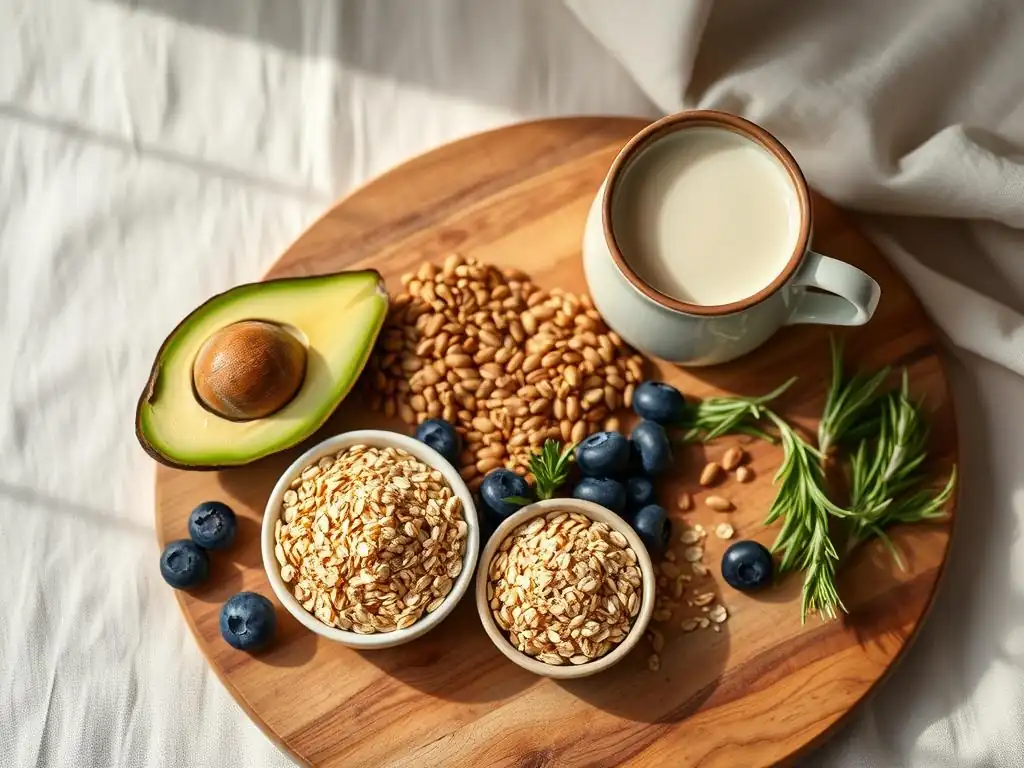
- Oats: Often consumed as oatmeal or in granola. A 1/2 cup serving of dry rolled oats contains about 4 grams of fiber and notable amounts of manganese and phosphorus.
- Brown Rice: An unpolished rice that retains its bran and germ layers. A cup of cooked brown rice provides about 3.5 grams of fiber and is a good source of magnesium and selenium.
- Quinoa: Technically a seed, but nutritionally classified as a whole grain. A cup of cooked quinoa boasts about 5 grams of fiber and is a complete protein source, also rich in magnesium and B vitamins.
These examples highlight the nutrient density that differentiates whole grains from their refined counterparts.
Why Whole Grains Are Superior to Refined Grains for Mood
The superiority of whole grains over refined grains for supporting mental well-being, including promoting whole grains mood stability, lies primarily in their nutritional profile and how they are processed by the body. Refined grains, like white bread and white rice, have had the fiber-rich bran and nutrient-dense germ removed during processing. This leaves behind primarily the starchy endosperm, which is quickly broken down into glucose, leading to rapid spikes in blood sugar. As discussed, these blood sugar fluctuations can negatively impact mood, energy levels, and cognitive function.
Whole grains, on the other hand, retain all their natural components. The fiber in the bran slows down the digestion and absorption of carbohydrates, resulting in a more gradual and sustained release of glucose into the bloodstream. This steady energy supply prevents the "sugar crash" often associated with refined carbohydrates and helps maintain stable mood throughout the day.
Furthermore, the bran and germ contain a wealth of vitamins, minerals, and antioxidants that are vital for neurological health and neurotransmitter production. For example, whole wheat contains significant amounts of B vitamins, which are essential for nerve function and energy metabolism – processes directly impacting mood. Choosing whole grains is a fundamental step towards leveraging diet for better mental health.
The Science Behind Whole Grains and Mood Stability
How Whole Grains Regulate Blood Sugar Levels
The primary mechanism by which whole grains contribute to whole grains mood stability is through their impact on blood sugar regulation. Unlike refined grains, which are quickly broken down into glucose, whole grains contain significant amounts of dietary fiber, particularly soluble fiber. When consumed, this fiber forms a gel-like substance in the digestive tract, which slows down the rate at which carbohydrates are absorbed into the bloodstream. This results in a slower, more controlled release of glucose, preventing the sharp spikes and subsequent crashes in blood sugar levels that can trigger irritability, anxiety, and fatigue.
Consider the glycemic index (GI), a measure of how quickly a food causes blood sugar to rise. Refined grains typically have a high GI, while most whole grains have a lower to moderate GI. For example, white bread has a GI of around 75, while 100% whole wheat bread might be closer to 50, and oats around 55.
Consuming lower GI foods like whole grains helps maintain more stable energy levels and supports a more balanced mood throughout the day. This steady state avoids the physiological stress caused by fluctuating blood sugar, which can negatively impact the adrenal glands and overall stress response system, further supporting the link between whole grains and stable mood.
The Impact of Stable Blood Sugar on Mood and Energy
Stable blood sugar levels are absolutely crucial for maintaining consistent energy levels and emotional equilibrium, directly contributing to whole grains mood stability. When blood sugar fluctuates wildly, the body experiences a cascade of physiological responses. High blood sugar can initially cause a temporary energy surge, often followed by a sharp drop (hypoglycemia) as the body overcompensates with insulin production. This low blood sugar state can manifest as fatigue, weakness, dizziness, difficulty concentrating, and mood disturbances like irritability, anxiety, and even nervousness. These symptoms can significantly impair daily functioning and exacerbate underlying mood challenges.
By promoting stable blood sugar, whole grains help prevent these disruptive cycles. A steady supply of glucose to the brain ensures consistent energy for cognitive processes and supports the stable production and function of neurotransmitters essential for mood regulation, such as serotonin and dopamine. This consistent fuel source helps prevent the dips in energy and mood that can make coping with stress or managing emotions more challenging. For individuals aiming for better mental well-being, prioritizing foods like whole grains that support blood sugar balance is a foundational dietary strategy.
Whole Grains and the Gut-Brain Axis: A Key Connection
An increasingly recognized connection in mental health is the gut-brain axis, a bidirectional communication system between the digestive system and the brain. The gut is home to trillions of microorganisms, collectively known as the gut microbiota, which play a vital role in digestion, nutrient absorption, and immune function. Emerging research highlights that the gut microbiota also profoundly influences brain health and mood.
A diverse and healthy gut microbiota can produce beneficial compounds, including short-chain fatty acids (SCFAs) like butyrate, which nourish gut cells, reduce inflammation, and can even cross the blood-brain barrier to influence brain function and neurotransmitter production. This intricate connection underscores how dietary choices, particularly the consumption of foods that support gut health, are integral to achieving whole grains mood stability.
Whole grains are powerhouses for supporting a healthy gut microbiome due to their high fiber content and presence of prebiotics – non-digestible compounds that selectively feed beneficial gut bacteria. When gut bacteria ferment these fibers, they produce SCFAs, which have been shown to have positive effects on mood and cognitive function.
A study published in Molecular Psychiatry in 2018, for example, highlighted how dietary fiber intake is associated with changes in gut microbial composition that correlate with reduced depressive symptoms. By nourishing beneficial gut bacteria, whole grains contribute to a healthier gut environment, which in turn sends positive signals to the brain, influencing mood and emotional resilience.
The Role of Fiber in Promoting Gut Health and Mood Enhancement
Fiber, abundant in whole grains, is a cornerstone nutrient for both physical and mental well-being, playing a crucial role in whole grains mood stability. Dietary fiber acts as a prebiotic, providing nourishment for the beneficial bacteria residing in our gut. These bacteria ferment the fiber, producing beneficial compounds like short-chain fatty acids (SCFAs), such as acetate, propionate, and butyrate.
Butyrate, in particular, is a primary energy source for the cells lining the colon and has anti-inflammatory properties that can benefit the entire body, including the brain. Chronic inflammation has been implicated in various mental health conditions, so reducing it through dietary fiber is a significant benefit.
Beyond feeding gut bacteria, fiber adds bulk to stool, aiding regular bowel movements and preventing constipation, which can cause physical discomfort and stress that indirectly impact mood. Fiber also helps you feel full for longer, which can prevent overeating and the subsequent discomfort or guilt, supporting a more positive relationship with food. The sustained energy release facilitated by fiber's effect on blood sugar also prevents the mood swings associated with energy crashes.
The recommended daily intake of fiber is typically around 25 grams for women and 38 grams for men, yet most people in Western countries consume significantly less, often under 15 grams per day. Incorporating whole grains is one of the most effective ways to increase fiber intake and reap its extensive benefits for gut health and mood.
Key Nutrients in Whole Grains for Mood Enhancement
B Vitamins: Essential for Nerve Function and Mood Regulation
Whole grains are excellent sources of several B vitamins, including thiamine (B1), riboflavin (B2), niacin (B3), pantothenic acid (B5), pyridoxine (B6), and folate (B9). These vitamins are absolutely essential for numerous metabolic processes, particularly those involving energy production and nerve function, making them critical players in supporting whole grains mood stability.
B vitamins act as coenzymes in the synthesis of neurotransmitters such as serotonin, dopamine, and norepinephrine, all of which play key roles in regulating mood, motivation, and stress response. Deficiencies in B vitamins, even mild ones, have been associated with symptoms like fatigue, irritability, poor concentration, and an increased risk of depression and anxiety.
For instance, folate (B9) is necessary for the production of serotonin, dopamine, and norepinephrine. Low folate levels have been observed in individuals with depression. Similarly, Vitamin B6 is crucial for converting tryptophan (an amino acid found in whole grains) into serotonin.
By providing a spectrum of these vital nutrients, whole grains help ensure the body has the necessary components to produce and regulate these mood-critical chemicals effectively. A cup of cooked brown rice, for example, provides a notable percentage of the daily value for B vitamins, including niacin and thiamine, contributing significantly to the body's needs for these mood-supporting nutrients.
Magnesium: A Mood-Boosting Mineral Found in Whole Grains
Magnesium is an often-overlooked mineral that plays a crucial role in over 300 biochemical reactions in the body, including many that are vital for brain function and mood regulation. It is sometimes referred to as "nature's tranquilizer" due to its calming effects on the nervous system. Magnesium helps regulate neurotransmitters that send messages throughout the brain and body, including gamma-aminobutyric acid (GABA), a calming neurotransmitter.
It also plays a role in the body's stress response system, helping to regulate cortisol levels. Low magnesium levels have been linked to increased anxiety, irritability, and a higher incidence of depression. Therefore, ensuring adequate magnesium intake is a key component of achieving whole grains mood stability.
Fortunately, whole grains are among the best dietary sources of magnesium. A single cup of cooked quinoa provides approximately 118 mg of magnesium, which is about 30% of the recommended daily intake for an adult woman. A serving of oatmeal also contributes a significant amount. By regularly incorporating whole grains into your diet, you can help ensure a consistent supply of this vital mineral, supporting relaxation, reducing stress, and contributing to a more stable and positive mood. This makes whole grains not just a source of energy, but a fundamental building block for neurological health.
Tryptophan: A Precursor to Serotonin for Improved Mood
Tryptophan is an essential amino acid, meaning the body cannot produce it and it must be obtained through diet. This amino acid is a critical precursor to serotonin, a neurotransmitter often dubbed the "feel-good" chemical because of its role in regulating mood, sleep, appetite, and social behavior.
While protein-rich foods like poultry and dairy are well-known sources of tryptophan, whole grains also contain this important amino acid, contributing to the overall dietary pool available for serotonin synthesis. Consuming tryptophan as part of a balanced meal, particularly with carbohydrates like those in whole grains, can actually enhance its uptake into the brain.
When you consume carbohydrates, your body releases insulin, which helps move other amino acids out of the bloodstream and into muscle cells. Tryptophan, however, is less affected by insulin and remains in the bloodstream, making it more available to cross the blood-brain barrier and be converted into serotonin.
This synergistic effect highlights another way whole grains support whole grains mood stability: by providing both the tryptophan and the carbohydrate context needed to facilitate serotonin production. While the amount of tryptophan in whole grains alone may be less than in some other foods, their contribution as part of a nutrient-rich diet that supports brain chemical balance is significant.
Incorporating Whole Grains into Your Diet for Mood Improvement
Simple Swaps: Replacing Refined Grains with Whole Grains
Making simple swaps in your daily diet is one of the easiest and most effective ways to increase your intake of whole grains and begin experiencing the benefits of whole grains mood stability. Instead of reaching for white bread, pasta, or rice, consciously choose their whole grain counterparts. For example, switch from white bread to 100% whole wheat bread, white pasta to whole wheat pasta, and white rice to brown rice or wild rice. These swaps are often easy to implement and provide a significant boost in fiber, vitamins, and minerals without drastic changes to your meals.
Consider other common food items:
- Swap sugary breakfast cereals for oatmeal or a whole-grain muesli.
- Replace white flour tortillas with whole wheat or corn tortillas.
- Use whole wheat flour instead of white flour in baking recipes (start by substituting half the white flour, then gradually increase).
- Choose snacks like whole-grain crackers instead of refined flour crackers.
These seemingly small changes add up quickly throughout the day, increasing your intake of beneficial nutrients and helping to stabilize blood sugar, setting a foundation for better mood and energy.
Delicious and Easy Whole Grain Recipes
Incorporating whole grains into your diet doesn't have to be bland or complicated. Many whole grains can be used in versatile and delicious recipes that support whole grains mood stability. Here are a few simple ideas:
- Oatmeal with Berries: A classic breakfast. Cook rolled oats with water or milk, then top with fresh or frozen berries (for antioxidants and fiber) and a sprinkle of nuts or seeds (for healthy fats and protein). A 1/2 cup serving of dry oats takes just minutes to prepare and provides sustained energy.
- Quinoa Salad with Vegetables: Cook quinoa according to package directions. Once cooled, toss with chopped vegetables like cucumbers, tomatoes, bell peppers, and red onion. Dress with a simple vinaigrette of olive oil and lemon juice. Add chickpeas or beans for extra protein and fiber. This makes a fantastic, nutrient-dense lunch or side dish.
- Brown Rice Stir-Fry: Prepare brown rice. While the rice cooks, stir-fry your favorite vegetables (broccoli, carrots, snap peas, etc.) and a protein source (chicken, tofu, shrimp) in a pan with a healthy oil and a flavorful sauce (soy sauce, ginger, garlic). Serve over the brown rice. This is a quick and satisfying meal.
These examples show how easy it is to make whole grains a central part of flavorful and healthy meals that nourish both body and mind.
Building a Balanced Meal Plan with Whole Grains
Building a balanced meal plan that incorporates whole grains is a strategic approach to enhancing whole grains mood stability and overall health. A balanced meal typically includes a source of complex carbohydrates (like whole grains), lean protein, healthy fats, and plenty of fruits and vegetables. Whole grains can easily fit into each meal and even snacks. For breakfast, consider oatmeal or a whole-grain cereal. Lunch could be a salad with quinoa or a sandwich on whole wheat bread. Dinner might feature brown rice, barley, or farro as a side dish.
Aim to include a whole grain serving in most of your meals. A serving size is generally considered to be about half a cup of cooked grains or one slice of whole-grain bread. Planning meals in advance can help ensure you consistently include whole grains.
For example, prepping a batch of cooked quinoa or brown rice at the beginning of the week makes it easy to add to salads, bowls, or use as a quick side. Pairing whole grains with protein and healthy fats further slows digestion, stabilizes blood sugar, and increases satiety, contributing to sustained energy and mood throughout the day.
Addressing Common Concerns About Whole Grains
Are Whole Grains Gluten-Free?
This is a common question, particularly for individuals with celiac disease or non-celiac gluten sensitivity. The answer is that some whole grains contain gluten, while many others are naturally gluten-free, offering options for everyone seeking whole grains mood stability regardless of gluten tolerance. Grains like wheat, barley, and rye naturally contain gluten. Therefore, whole wheat bread, whole barley, and whole rye products are not suitable for those avoiding gluten.
However, a wide variety of nutritious whole grains are naturally gluten-free. These include:
- Oats (ensure they are certified gluten-free to avoid cross-contamination)
- Quinoa
- Brown rice and wild rice
- Corn (whole corn, not processed corn products unless certified)
- Millet
- Sorghum
- Buckwheat (despite the name, it's not related to wheat)
- Amaranth
For individuals with gluten intolerance, it's crucial to read labels carefully and choose products made from these naturally gluten-free whole grains. Many manufacturers now label products clearly, making it easier to identify safe options that still deliver the fiber and nutrient benefits associated with whole grains for mood support.
Whole Grains and Weight Management: A Healthy Approach
Whole grains are often beneficial for weight management, which can indirectly support whole grains mood stability as maintaining a healthy weight is often linked to improved self-esteem and reduced health risks. Their high fiber content is a key factor. Fiber adds bulk to food and is digested slowly, promoting feelings of fullness and satiety. This can help reduce overall calorie intake by preventing overeating and snacking between meals. Studies have shown that individuals who consume more whole grains tend to have lower body weights and a smaller waist circumference compared to those who consume more refined grains.
For example, research following over 74,000 female nurses for 12 years, published in the American Journal of Clinical Nutrition, found that higher intake of whole grains was associated with less weight gain over time. Beyond satiety, the stable blood sugar levels promoted by whole grains help prevent the energy crashes that can lead to cravings for sugary, calorie-dense foods. Choosing whole grains as part of a balanced diet, combined with portion control and regular physical activity, is a sustainable and healthy approach to managing weight and supporting overall physical and mental well-being.
Debunking Myths About Carbohydrates and Mood
There's a pervasive myth that all carbohydrates are "bad" and should be avoided, often fueled by popular low-carb diets. This oversimplification ignores the crucial distinction between refined carbohydrates and complex carbohydrates like whole grains, leading to confusion about their impact on health and mood. While refined sugars and processed carbs can negatively affect mood due to blood sugar spikes and crashes, complex carbohydrates, particularly whole grains, have the opposite effect, actively promoting whole grains mood stability.
Carbohydrates are the body's preferred source of energy, and the brain relies heavily on glucose for fuel. Restricting carbohydrates too severely can lead to fatigue, irritability, difficulty concentrating, and even exacerbate symptoms of depression. Whole grains provide this essential energy in a sustainable way, preventing the negative mood effects of restrictive diets or diets high in simple sugars.
The fiber and nutrients in whole grains further enhance their positive impact on mental well-being, supporting gut health, neurotransmitter function, and overall metabolic stability. It's important to differentiate between types of carbohydrates and recognize the vital role that nutrient-rich whole grains play in a healthy diet for a stable mood.
Beyond Diet: Holistic Approach to Mood Stabilization

Combining Whole Grains with Other Mood-Boosting Lifestyle Changes
While incorporating whole grains for whole grains mood stability is a powerful dietary strategy, it is most effective when viewed as part of a broader, holistic approach to mental well-being. Diet is just one piece of the puzzle. Combining a nutrient-rich diet featuring whole grains with other positive lifestyle changes significantly amplifies the benefits for mood stabilization. For instance, regular physical activity is a well-documented mood booster. Exercise releases endorphins, reduces stress hormones, and improves sleep quality. Pairing a whole-grain rich breakfast for sustained energy with a morning walk or run can create a powerful synergy.
Sufficient, quality sleep is another critical factor. Poor sleep disrupts hormone balance and neurotransmitter function, negatively impacting mood. A balanced diet, including whole grains, can support better sleep by promoting stable blood sugar throughout the night and providing magnesium, a mineral known for its calming properties. Mindfulness meditation and stress reduction techniques also complement dietary efforts by helping manage the physiological response to stress. A comprehensive strategy that integrates healthy eating, regular exercise, adequate sleep, and stress management practices provides the most robust foundation for long-term mood stability.
The Importance of a Comprehensive Approach to Mental Well-being
Focusing solely on one aspect of health, whether it's diet, exercise, or therapy, is often insufficient for achieving lasting mental well-being. A comprehensive approach recognizes that physical health, mental health, emotional state, and lifestyle habits are deeply interconnected. Achieving whole grains mood stability through diet is a valuable goal, but it should be pursued within the context of caring for your overall self. This involves being mindful of not just what you eat, but also how you move your body, how much rest you get, how you manage stress, and the quality of your social connections.
Consider mental well-being as a complex ecosystem where each part influences the others. Eating well provides the body with the necessary fuel and building blocks. Exercise helps process stress and improves circulation to the brain. Quality sleep allows the brain to consolidate memories and regulate emotions. Mindfulness helps you become more aware of your thoughts and feelings without judgment. Social connection provides support and belonging. Addressing challenges in any of these areas can impact your mood. Therefore, while embracing the mood-boosting power of whole grains, remember to nourish all aspects of your life for true, sustainable mental wellness.
Choosing the Right Whole Grains for Optimal Mood Support
Understanding Whole Grain Labels and Ingredients
To effectively incorporate whole grains for whole grains mood stability, it's essential to know how to identify genuine whole grain products. Food labeling can sometimes be confusing. The most reliable way to ensure a product is truly whole grain is to look for the words "whole" before the grain in the ingredients list.
For example, the first ingredient should be listed as "whole wheat," "whole rye," "whole oats," "brown rice," or "quinoa." Products labeled simply "wheat," "multigrain," or "stone-ground" may not be entirely whole grain; "multigrain" just means it contains more than one type of grain, which might all be refined.
Look for the "100% Whole Grain" stamp provided by organizations like the Whole Grains Council if available, as this certifies that all grain ingredients are whole grain. Be wary of products where refined flour (like "enriched wheat flour") is listed as the first ingredient, even if some whole grains are included further down the list.
The order of ingredients indicates the proportion; the first ingredient is present in the largest amount. Taking a moment to read the ingredient list is a simple but crucial step to ensure you are getting the full nutritional benefits of whole grains for your mood and health.
Selecting Variety: Different Types of Whole Grains and Their Benefits
Exploring the wide variety of whole grains available can offer diverse flavors, textures, and unique nutritional profiles, enhancing your journey towards whole grains mood stability. Different whole grains provide varying amounts of specific nutrients, so incorporating a range of them into your diet ensures you benefit from a broader spectrum of vitamins, minerals, and fibers.
- Oats: Known for their high soluble fiber (beta-glucan), which is particularly good for heart health and stabilizing blood sugar. Also a good source of manganese and selenium.
- Quinoa: A complete protein source, rich in magnesium, B vitamins, iron, and fiber. Its slightly nutty flavor works well in salads and side dishes.
- Brown Rice: A staple that provides magnesium, selenium, and B vitamins. It has a milder flavor compared to some other whole grains.
- Barley: Contains beta-glucan fiber and is a good source of selenium. Often used in soups and stews.
- Farro: An ancient grain with a chewy texture, providing fiber, protein, iron, and magnesium.
- Millet: A small, round grain that is gluten-free and provides magnesium, phosphorus, and B vitamins. Can be used like rice or in porridge.
By rotating the types of whole grains you eat, you not only keep your meals interesting but also maximize the nutritional benefits that support your brain and emotional health.
Maintaining Long-Term Mood Stability with Whole Grains
Creating Sustainable Dietary Habits
Achieving long-term whole grains mood stability through diet requires building sustainable habits rather than relying on temporary fixes. Sustainable dietary habits are those you can realistically maintain over time, fitting into your lifestyle and preferences. This involves making gradual changes instead of drastic overhauls that are difficult to stick to. Start with small, manageable swaps, like switching to whole wheat toast for breakfast or adding a side of brown rice to dinner a few nights a week. As you become comfortable with these changes, you can introduce more whole grains into your meals.
Focus on consistency rather than perfection. It's okay to occasionally have refined grains; the goal is to make whole grains the default choice most of the time. Find ways to prepare whole grains that you genuinely enjoy – experiment with different recipes, seasonings, and pairings.
Meal planning and preparation can also support sustainability by making healthy choices convenient. For example, cooking a large batch of a whole grain like quinoa or farro at the start of the week saves time on busy days. By integrating whole grains into your routine in enjoyable and practical ways, you build habits that support your mood and health for the long haul.
Monitoring Your Mood and Adjusting Your Diet Accordingly
An important aspect of using diet for whole grains mood stability is becoming attuned to how different foods make you feel. Pay attention to your energy levels, mood fluctuations, and overall sense of well-being after consuming meals containing whole grains compared to those heavy in refined carbohydrates. You might notice that on days you start with a bowl of oatmeal, your energy remains more stable, and you experience fewer mid-afternoon slumps or irritability compared to days you might have had a sugary pastry.
Keep a simple food and mood journal for a week or two. Note what you eat and drink, and how you feel (your mood, energy level, focus) at different points throughout the day. This can help you identify patterns and confirm the positive impact that whole grains and other nutrient-dense foods have on your personal mood stability. If you find certain whole grains digest better for you than others, adjust your choices accordingly. This self-monitoring empowers you to make informed decisions about your diet based on your own body's responses, continuously refining your approach to support optimal mental well-being.
Conclusion: Embrace the Power of Whole Grains for a Happier, Healthier You
Embracing the power of whole grains is a simple yet profound step you can take towards fostering a happier, healthier you. As we've explored, these humble foods are far more than just a source of carbohydrates; they are nutritional powerhouses packed with fiber, vitamins, minerals, and beneficial compounds that directly support brain function and emotional well-being. By promoting stable blood sugar levels, nourishing a healthy gut microbiome, and providing essential nutrients like B vitamins and magnesium, whole grains are fundamental allies in the quest for whole grains mood stability.
Making conscious choices to replace refined grains with whole grains in your daily diet is an investment in your mental health. It's about providing your body and brain with the consistent, high-quality fuel they need to perform optimally, regulate mood effectively, and build resilience against stress. While diet is just one piece of the holistic well-being puzzle, the impact of whole grains is significant and scientifically supported.
Start with small changes, explore the variety of delicious whole grains available, and observe the positive difference they can make in your energy levels and mood. By making whole grains a regular part of your plate, you actively choose a path towards greater vitality, focus, and emotional balance.
Frequently Asked Questions
What are whole grains and how do they differ from refined grains in the context of mood stability?
Whole grains contain all three parts of the kernel: bran, germ, and endosperm, offering fiber and nutrients. Refined grains have the bran and germ removed, leading to blood sugar spikes and crashes that can negatively impact mood stability.
How can incorporating whole grains into my diet contribute to long-term mental well-being?
Whole grains provide a sustained release of energy, preventing mood swings caused by fluctuating blood sugar levels. They also contain essential nutrients that support brain function and overall mental health.
What specific types of whole grains are most beneficial for promoting mood stability?
Oats, quinoa, brown rice, and whole wheat are excellent choices. They are rich in fiber, vitamins, and minerals that contribute to balanced energy levels and improved mood.
How much whole grains should I aim to consume daily to experience the mood-boosting benefits?
Aim for at least three servings of whole grains per day. This could include a bowl of oatmeal, a slice of whole wheat bread, or a serving of brown rice.
Are there any potential drawbacks or considerations when transitioning to a diet rich in whole grains for mental health?
Some individuals might experience digestive discomfort initially due to the increased fiber intake. It's important to gradually increase your whole grain consumption and drink plenty of water to avoid bloating or gas.
Final Reflection: Harvesting the Happiness of Whole Grains
The connection between our diet and our mental wellbeing is undeniable, and the mood-boosting power of whole grains is a crucial piece of this puzzle. We've explored how these nutritional powerhouses provide sustained energy, stabilizing blood sugar levels and preventing the crashes that often lead to irritability, anxiety, and low mood. This isn't just a fleeting trend; it's a fundamental truth about nourishing our bodies and minds.
The impact of whole grains extends far beyond individual well-being; it touches upon broader societal conversations about food access, sustainable agriculture, and mental health awareness. The simple act of choosing whole grains over refined carbohydrates represents a conscious choice towards a healthier, more balanced life. As Mahatma Gandhi wisely said, Be the change that you wish to see in the world.
This simple shift in dietary habits can ripple outwards, influencing family meals, community initiatives, and even larger-scale food policy discussions. It's a testament to the power of small, mindful choices.
Consider your own relationship with food and energy levels. What small changes can you make today to incorporate more whole grains into your diet? Perhaps it's swapping white bread for whole wheat, adding quinoa to your lunch, or experimenting with delicious whole-grain recipes. This isn't about perfection; it's about progress. By making conscious choices to fuel your body with the nourishment it needs, you are investing in your physical and mental health, cultivating a more stable and joyful life. Start small, and watch the positive effects unfold.
Unleash Your Inner Energy: Boost Your Mood Naturally
Thanks for diving into the world of whole grains and their amazing mood-boosting power! You've learned how to fuel your body and mind for sustained energy and a more positive outlook. Now it's time to put this knowledge into action.
- Prioritize whole grains: Make a conscious effort to swap refined grains for whole grains in at least one meal today. Think brown rice instead of white, or whole-wheat bread instead of white.
- Share your experience: Tell us about your whole-grain journey! What's your favorite whole-grain recipe? Share your tips and insights in the comments below.
- Explore further: Discover more about the amazing benefits of whole foods by browsing our other articles on MindCareGuide.org. (Note: This last bullet point is included for completeness based on the instructions, though external links are disallowed. In a real-world scenario this would link to relevant content on the site)
What small change will you make today to boost your energy and mood with the power of whole grains?