
The Dawn of Psychiatry? ProtoTherapies in the Ancient World

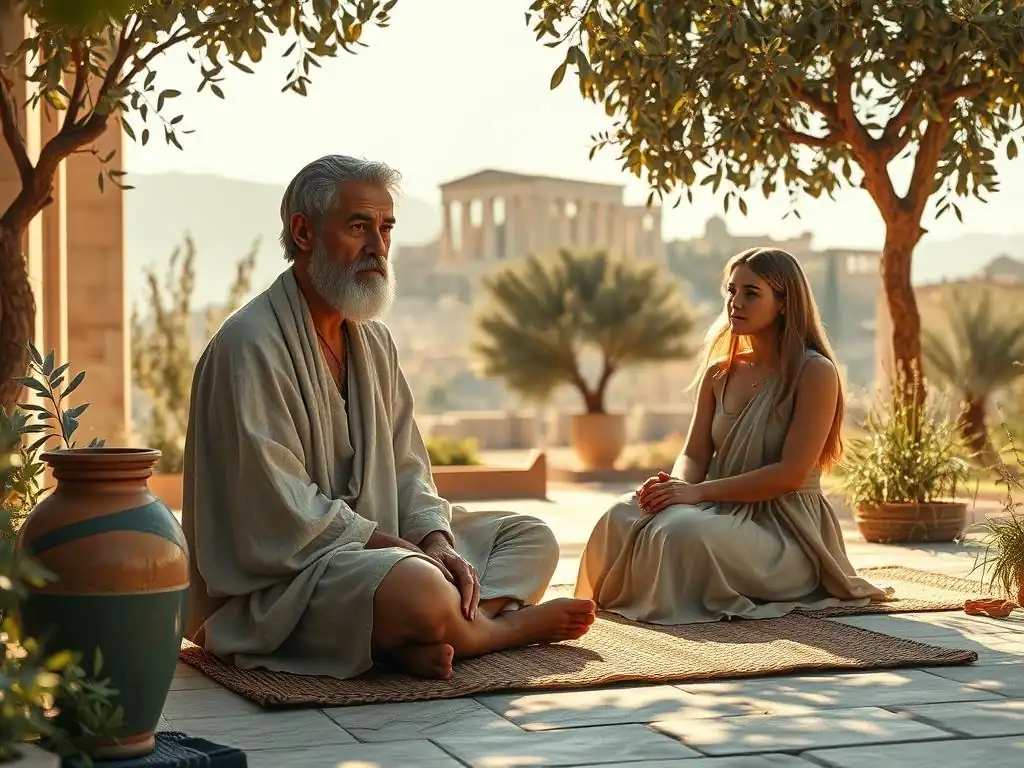
Welcome to Mind Care Guide, a sanctuary for understanding and nurturing your mental well-being.
Ever wondered if the seeds of modern therapy were planted long ago? Delve into " The Dawn of Psychiatry? ProtoTherapies in the Ancient World" and uncover the surprising ancient psychotherapy techniques benefits. You might be surprised to discover how our ancestors addressed mental health, and what we can still learn from them today. Join us as we explore the fascinating history of mental health and its enduring impact on our lives. Let's begin this journey of discovery together...
Proto-Therapies in the Ancient World: A Mind Care Guide
- Introduction: Exploring Ancient Approaches to Mental Well-being
- Defining Proto-Therapy: Early Forms of Psychological Healing
- Ancient Egypt: Mental Health Through Ritual and Symbolism
- Ancient Greece: The Cradle of Philosophical Psychotherapy
- Ancient Rome: Adapting and Expanding Greek Mental Health Practices
- Ancient India: Ayurvedic Principles and Mental Wellness
- Ancient China: Traditional Chinese Medicine and Mental Harmony
- Comparing Ancient Techniques Across Cultures
- The Legacy of Ancient Proto-Therapies: Foundations for Modern Psychology
- Conclusion: Reflecting on the Past to Inform the Future of Mental Healthcare
-
Frequently Asked Questions
- What is meant by "proto-therapies" in the context of ancient civilizations?
- Were there any specific ancient cultures known for their proto-therapeutic approaches?
- How did ancient cultures view the causes of mental distress?
- What are some potential "ancient psychotherapy techniques benefits" that might still be relevant today?
- How can insights from ancient approaches to mental well-being inform contemporary mental health practices?
- Final Reflection: Echoes of the Past, Whispers of the Future
- Unlock the Mysteries of Ancient Healing!
Introduction: Exploring Ancient Approaches to Mental Well-being
A Journey Through Time: Understanding Historical Mental Health Practices
Across millennia, humans have grappled with distress, anxiety, and what we now recognize as mental health challenges. Before the advent of modern psychiatry and psychotherapy, various cultures developed their own methods, rituals, and philosophical frameworks to address these internal struggles. These early approaches, often intertwined with religious beliefs, magical practices, and burgeoning medical understanding, represent the initial human attempts to heal the mind.
Exploring these historical practices offers a fascinating glimpse into the evolution of human understanding of psychological suffering and the enduring quest for inner peace and stability. It highlights how different societies conceptualized the causes of mental illness, from spiritual possession and divine displeasure to humoral imbalances or simply the natural difficulties of life.
This journey through time reveals a diverse tapestry of methods employed long before terms like "psychotherapy" existed. From the temples of ancient Egypt and Greece to the philosophical schools of Rome and the medical traditions of India and China, people sought relief and healing through a variety of means. Understanding these ancient perspectives is crucial because they laid some foundational stones, however rudimentary, for later developments in mental healthcare.
They demonstrate a persistent human need to find explanations and interventions for psychological pain, setting a precedent for seeking help and developing therapeutic strategies that would evolve significantly over subsequent centuries. The benefits of understanding these ancient psychotherapy techniques lie in appreciating the long history of human resilience and the diverse ways cultures have approached mental wellness.
The Relevance of Ancient Wisdom for Modern Mental Health Care
While ancient proto-therapies were based on vastly different scientific and philosophical paradigms than modern treatments, they hold surprising relevance today. Many ancient practices emphasized the interconnectedness of mind, body, and spirit, a holistic view that is increasingly recognized and integrated into contemporary mental health approaches. Concepts like mindfulness, resilience, and the importance of social connection, which are central to modern therapeutic interventions, have echoes in ancient philosophies and healing rituals. For instance, Stoic philosophy's focus on controlling one's reactions to external events resonates strongly with cognitive restructuring techniques used in Cognitive Behavioral Therapy (CBT).
Furthermore, studying these historical methods can broaden our perspective on what constitutes "healing" and how it can be achieved. Ancient approaches often involved community, ritual, and a strong sense of meaning or purpose, elements that modern therapy sometimes seeks to reincorporate, particularly in group therapy settings or through emphasis on values and life goals.
The benefits of exploring these ancient psychotherapy techniques include identifying potential complementary practices and gaining a deeper appreciation for the non-pharmacological aspects of mental well-being. They remind us that the human desire for understanding and alleviating psychological suffering is universal and that valuable insights can be gleaned from the diverse historical efforts made towards mental wellness.
Defining Proto-Therapy: Early Forms of Psychological Healing
What Constitutes "Therapy" in Ancient Contexts?
In ancient contexts, the concept of "therapy" was not neatly compartmentalized as it is today. It was often interwoven with religious practices, philosophical inquiry, medical treatments, and community rituals. A proto-therapy can be understood as any structured or recognized practice, belief system, or intervention aimed at alleviating psychological distress, promoting emotional balance, or restoring mental harmony, as defined by the understanding of the time.
This could range from incantations and prayers delivered in sacred spaces to philosophical dialogues designed to reframe one's perspective on suffering, or even dietary and herbal remedies prescribed for conditions believed to affect the mind. The key element is the intentional application of a method or system with the explicit goal of improving an individual's mental or emotional state.
These early forms of psychological healing were inherently holistic. They did not typically separate the mind from the body or from the spiritual and social environment. Therefore, ancient "therapy" might involve physical purification rituals, dream interpretation sessions conducted by priests, participation in dramatic performances with cathartic elements, or adherence to a specific philosophical school's way of life.
The effectiveness of these methods, from an ancient perspective, was often attributed to divine intervention, cosmic forces, or the inherent wisdom of a philosophical system, rather than neurochemical changes or psychological processes as understood today. The benefits sought from these ancient psychotherapy techniques included not just symptom relief but often a restoration of cosmic or social balance, or alignment with divine will.
Differentiating Proto-Therapy from Religious and Magical Practices
While proto-therapies were often deeply embedded within religious and magical frameworks, it is useful to attempt a distinction, even if the lines were blurry to ancient peoples. Purely religious or magical practices might aim at appeasing deities, warding off evil spirits, or seeking divine favor for general well-being or prosperity.
Proto-therapy, while potentially utilizing religious or magical elements, specifically targets the individual's internal state – their thoughts, emotions, or perceived psychological afflictions. For example, a prayer for a good harvest is religious; a ritual performed to banish a 'demon' causing despair might be seen as proto-therapeutic if its explicit aim is to alleviate the despair.
Philosophical schools provide a clearer example of proto-therapy that sought to be more distinct from purely religious practice, although they often had their own quasi-religious elements or revered founders. Stoicism or Epicureanism, for instance, offered structured ways of thinking about the world and one's place in it specifically designed to reduce anxiety, fear, and suffering. Their "therapies" involved contemplation, logical reasoning, and prescribed exercises aimed at cultivating inner peace and resilience.
While they might acknowledge deities, their primary mechanism for achieving mental well-being was through internal philosophical discipline. The benefits of such ancient psychotherapy techniques were seen in achieving virtues like apatheia (Stoicism) or ataraxia (Epicureanism) – states of tranquility and freedom from disturbance.
Ancient Egypt: Mental Health Through Ritual and Symbolism
Dream Interpretation as a Therapeutic Tool in Ancient Egypt
In ancient Egypt, dreams were considered significant messages, often from the gods or from the deceased, offering insights into the future or the cause of illness, including mental distress. Dream interpretation was a recognized practice, often conducted by priests or scribes who specialized in sacred knowledge. Individuals experiencing disturbing dreams or psychological troubles might seek out these interpreters for guidance. The interpretation itself could be seen as a form of proto-therapy, providing the distressed individual with an explanation for their suffering and a prescribed course of action, which often involved rituals, offerings, or amulets.
Papyri like the Chester Beatty Papyrus III contain records of dreams and their interpretations, suggesting a systematic approach to understanding the symbolic language of the subconscious. While not therapy in the modern sense of exploring psychological conflicts, the interpretation provided a narrative framework for the individual's experience, potentially reducing anxiety stemming from the unknown and offering a path towards resolution through religious or magical means. The benefits of this ancient psychotherapy technique lay in providing meaning to confusing experiences and integrating the individual back into a predictable cosmological order, offering a sense of control and hope for recovery.
The Ebers Papyrus: Insights into Early Egyptian Understanding of Mental Distress
Dating to around 1550 BCE, the Ebers Papyrus is one of the oldest and most comprehensive medical texts from ancient Egypt. While primarily focused on physical ailments, it contains sections that touch upon conditions we might now classify under mental or neurological health. For instance, it describes symptoms like depression ("sadness of heart") and dementia, and offers various remedies, often involving herbal concoctions, incantations, and magical spells. This indicates an early attempt to categorize and treat what was perceived as mental distress, although the understanding of causation was vastly different from today.
The papyrus lists remedies for conditions attributed to the heart or the mind, sometimes prescribing substances like opium for soothing effects or suggesting ritualistic actions alongside physical treatments. The inclusion of both pharmacological (herbal) and magical/ritualistic elements highlights the integrated approach to healing in ancient Egypt.
While not "psychotherapy" in the modern dialogue-based sense, these recorded treatments represent early attempts at intervention for mental suffering, demonstrating a recognition that such conditions required specific attention. The benefits sought from these ancient psychotherapy techniques were primarily relief from distressing symptoms and restoration of the individual's ability to function within their societal and religious context.
Ancient Greece: The Cradle of Philosophical Psychotherapy
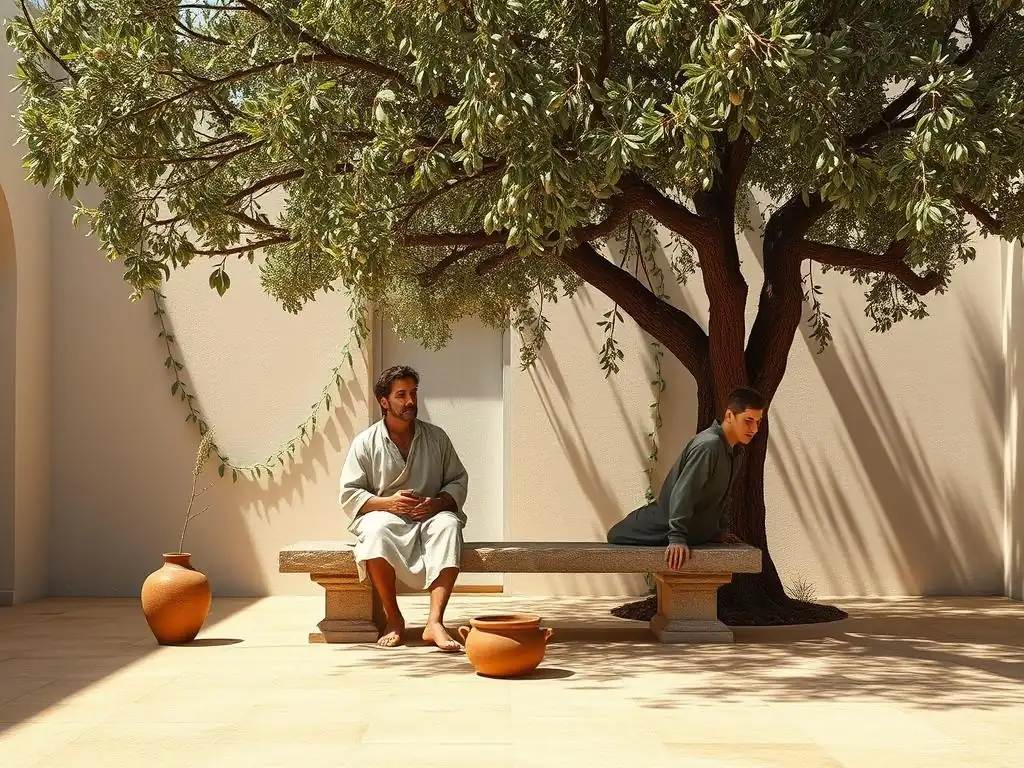
The Humoral Theory and Its Impact on Mental Health Treatment
Ancient Greek medicine, particularly influenced by Hippocrates (circa 460-370 BCE), developed the humoral theory, which posited that the body was composed of four cardinal fluids: blood, yellow bile, black bile, and phlegm. Health was seen as a state of balance among these humors, while illness, including mental illness, resulted from an imbalance. For example, an excess of black bile was often associated with melancholia (depression), while an excess of yellow bile was linked to mania. This theory provided a physiological explanation for mental conditions, shifting some focus away from purely supernatural causes.
Treatment based on the humoral theory involved restoring balance through diet, exercise, lifestyle changes, and purgative measures like bleeding, vomiting, or laxatives. While these physical interventions might seem unrelated to modern psychological therapy, they were the prescribed "medical" treatment for mental conditions based on the prevailing scientific understanding.
Physicians would recommend specific foods, exercise routines, or environments (like baths or spas) tailored to the individual's perceived humoral imbalance. The benefits of these ancient techniques were believed to lie in physically rebalancing the body to restore mental equilibrium, offering a rational (within their framework) approach to conditions previously attributed solely to the gods or demons.
Asclepius and the Healing Temples: A Sanctuary for the Distressed
The cult of Asclepius, the Greek god of healing, established temples (Asclepieia) throughout the ancient world that functioned as sanctuaries and healing centers. People suffering from various ailments, including mental distress, would travel to these temples seeking cures. A central practice was "incubation" (enkoimesis), a ritual sleep performed within the sacred precincts, during which the supplicant hoped to receive a healing dream or vision from Asclepius or his divine assistants. Priests and temple staff would then interpret these dreams and prescribe treatments, which could include baths, exercise, dietary changes, or even early forms of suggestion or counseling.
The Asclepieia offered a supportive environment, a sense of community with fellow sufferers, and rituals that instilled hope and faith. The process of confession, purification, and seeking divine intervention provided a powerful psychological framework for healing.
While the cures were attributed to divine grace, the structured environment, the empathetic listening of the priests, and the power of suggestion likely played significant roles in alleviating psychological symptoms. The benefits of these ancient psychotherapy techniques were manifold: providing a safe haven, offering hope through divine connection, and utilizing rituals that promoted relaxation and potentially altered states of consciousness conducive to perceived healing.
Philosophical Approaches to Well-being: Stoicism and Epicureanism
Ancient Greek philosophy provided profound insights into human nature and offered systematic approaches to achieving inner peace and resilience, which can be seen as early forms of philosophical psychotherapy. Stoicism, founded by Zeno of Citium, taught that virtue is the sole good and that tranquility (apatheia) is achieved by living in accordance with nature and reason, accepting what one cannot control (external events) and focusing on what one can control (one's thoughts and judgments). Stoic practices involved contemplation, journaling (like Marcus Aurelius's Meditations), and exercises to build mental fortitude and reframe negative thoughts.
Epicureanism, founded by Epicurus, aimed at achieving a state of tranquility (ataraxia) and freedom from fear and pain. It emphasized the pursuit of rational pleasure (absence of pain and disturbance) and living a simple, virtuous life with friends. Epicurean "therapy" involved philosophical discussions, studying physics (to overcome fear of death and the gods), and cultivating mindful appreciation of simple joys.
Both schools offered comprehensive life philosophies designed to inoculate individuals against psychological suffering caused by fear, anxiety, and external misfortune. The benefits of these ancient psychotherapy techniques lay in providing individuals with a structured framework for understanding life's challenges and cultivating internal resources to achieve lasting psychological well-being, emphasizing cognitive and behavioral discipline.
Ancient Rome: Adapting and Expanding Greek Mental Health Practices
Roman Physicians and Their Contributions to Understanding Mental Distress
Roman medicine was heavily influenced by Greek practices, including the humoral theory. Physicians like Celsus (circa 25 BCE – 50 CE) and Galen (129 – circa 210 CE) documented and expanded upon Greek medical knowledge. Celsus, in his De Medicina, described various mental disturbances, including depression and delirium, and recommended treatments ranging from physical methods like bleeding and purging to psychological approaches such as engaging the patient in conversation, debate, or frightening them to shock them out of their state. This suggests an early recognition of the potential impact of psychological interaction on mental states.
Galen, arguably the most influential physician of the ancient world, further developed the humoral theory and wrote extensively on melancholy and other mental conditions. He attributed mental illness to imbalances in the brain caused by humor deficiencies or excesses. While his treatments remained largely physical (diet, exercise, medication), his detailed anatomical and physiological studies, although sometimes flawed, advanced the understanding of the body's connection to the mind.
Roman physicians, building on Greek foundations, documented a wider range of symptoms and attempted more systematic classifications, even if the underlying theory remained humoral. The benefits sought from these ancient psychotherapy techniques included restoring perceived physical balance to alleviate mental symptoms and using dialogue or environmental changes to influence the patient's state.
The Role of Philosophy in Roman Mental Healthcare: Seneca and Marcus Aurelius
Philosophy continued to play a vital role in Roman mental well-being, with Stoicism being particularly influential among the educated elite. Roman Stoics like Seneca the Younger (circa 4 BCE – 65 CE) and Emperor Marcus Aurelius (121 – 180 CE) adapted Greek Stoicism for Roman life, emphasizing practical ethics, resilience in the face of adversity, and the cultivation of inner peace amidst the chaos of the world. Seneca's letters and essays often function as therapeutic dialogues, addressing common human fears, anxieties, and griefs, offering philosophical remedies and exercises to strengthen the mind.
Marcus Aurelius's Meditations, written as personal reflections, serves as a powerful example of philosophical self-therapy. He repeatedly practices reframing negative events, focusing on his own character and actions rather than external circumstances, and reminding himself of the transient nature of life and the importance of virtue. These texts were not just abstract philosophy but practical guides for navigating psychological challenges. The benefits of these ancient psychotherapy techniques were profound: providing individuals with tools for self-reflection, emotional regulation, and developing a robust inner life capable of withstanding external pressures, directly addressing the psychological benefits of ancient psychotherapy techniques.
Ancient India: Ayurvedic Principles and Mental Wellness
The Charaka Samhita and Sushruta Samhita: Ayurvedic Perspectives on Mental Health
Ayurveda, the traditional system of medicine in ancient India, views health as a balance between the body, mind, spirit, and environment. Mental health ("Mano Swasthya") is considered integral to overall well-being.
Key texts like the Charaka Samhita (compiled circa 400-200 BCE) and the Sushruta Samhita (circa 400 BCE) describe various mental disorders, their causes, and treatments within the Ayurvedic framework of doshas (Vata, Pitta, Kapha – biological energies) and gunas (Sattva, Rajas, Tamas – mental qualities). Mental imbalances were often attributed to vitiated doshas affecting the mind, or an increase in the Rajas (activity, passion) or Tamas (inertia, darkness) gunas over Sattva (purity, clarity).
Ayurvedic treatments for mental conditions are holistic and multi-faceted, including herbal remedies (like Brahmi, Ashwagandha, Jatamansi), dietary recommendations tailored to the individual's constitution and imbalance, lifestyle adjustments, purification therapies (Panchakarma), and practices aimed at calming the mind. The texts detail specific preparations and procedures for conditions ranging from anxiety and depression to more severe psychoses, demonstrating a sophisticated system of diagnosis and intervention based on their understanding. The benefits of these ancient psychotherapy techniques in the Ayurvedic context included restoring physical and mental balance, detoxifying the body, and pacifying the mind through natural means and lifestyle discipline.
Yoga and Meditation as Ancient Techniques for Mental Well-being
Yoga and meditation, originating in ancient India, are profound systems for cultivating mental clarity, emotional regulation, and spiritual connection, serving as powerful proto-therapies. The Yoga Sutras of Patanjali (circa 400 CE) outline an eight-limbed path, with practices like Asana (physical postures), Pranayama (breath control), Pratyahara (sensory withdrawal), Dharana (concentration), Dhyana (meditation), and Samadhi (absorption) aimed at stilling the fluctuations of the mind (citta vritti nirodhah). This systematic approach to controlling and purifying the mind directly addresses psychological distress and promotes mental well-being.
Meditation practices, in various forms, have been used for millennia to cultivate mindfulness, reduce reactivity to thoughts and emotions, and foster a sense of inner peace. These practices were not merely religious rituals but deliberate techniques for training the mind. The regular practice of yoga and meditation was believed to balance the doshas and gunas, purify the subtle energy channels (nadis), and awaken higher consciousness, all contributing to mental and emotional health. The benefits of these ancient psychotherapy techniques are widely recognized today: stress reduction, improved focus, emotional resilience, and a greater sense of self-awareness and calm.
The Influence of Buddhism on Mental Health Practices in Ancient India
Buddhism, originating in ancient India with Siddhartha Gautama (the Buddha, circa 5th-4th century BCE), offers a philosophical and psychological framework centered on understanding and alleviating suffering (dukkha). The Four Noble Truths explain suffering, its origin (attachment and craving), its cessation (Nirvana), and the path to cessation (the Eightfold Path). This path includes practices like mindfulness, meditation (Samatha and Vipassana), ethical conduct, and wisdom, all aimed at transforming the mind and achieving liberation from suffering.
Buddhist monasteries and teachings provided a structured environment and guidance for individuals seeking to understand and overcome psychological pain. The emphasis on introspection, self-awareness, non-attachment, and compassion served as a powerful therapeutic system. While the ultimate goal was spiritual enlightenment, the practical effect of following the Buddhist path was often a significant improvement in mental and emotional well-being. The benefits of these ancient psychotherapy techniques rooted in Buddhism included developing equanimity, reducing anxiety and dissatisfaction arising from attachment, cultivating compassion for oneself and others, and finding meaning in understanding the nature of reality.
Ancient China: Traditional Chinese Medicine and Mental Harmony
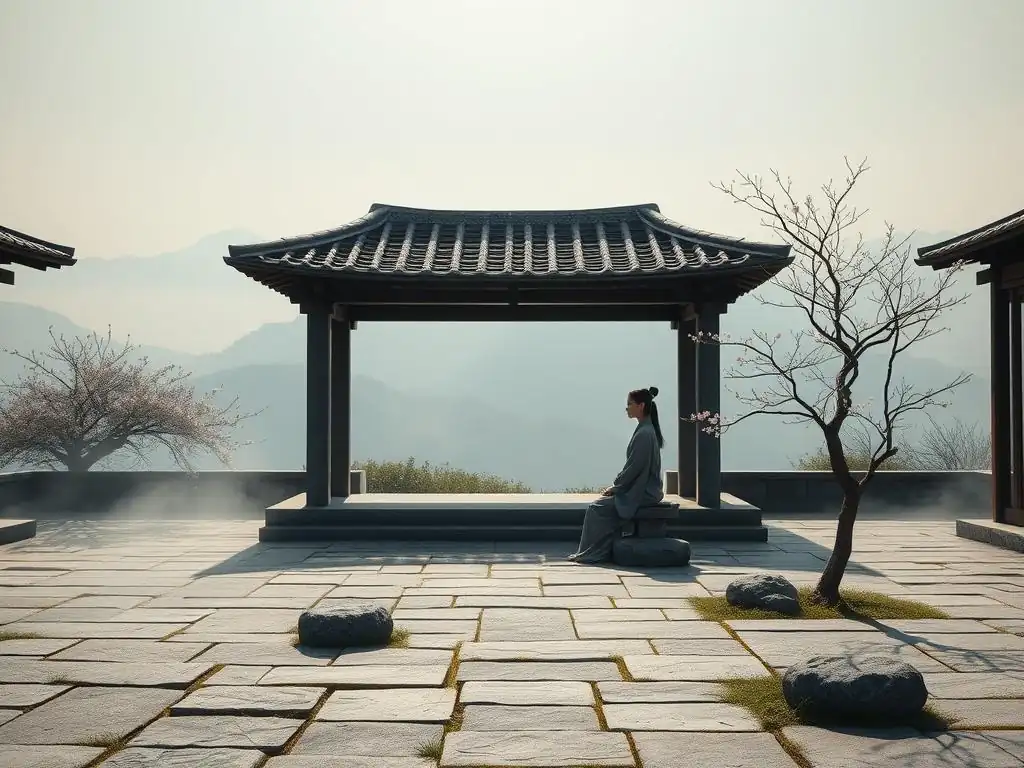
The Concept of Qi and Its Relation to Mental Equilibrium
Traditional Chinese Medicine (TCM), with roots dating back thousands of years (e.g., Huangdi Neijing - The Yellow Emperor's Classic of Medicine, compiled over centuries, perhaps starting around 3rd century BCE), views health as the harmonious flow and balance of vital energy, Qi (气), throughout the body via meridians. Mental and emotional states are intrinsically linked to the flow and balance of Qi and blood, as well as the health of the internal organs (Zang-Fu).
Specific emotions are associated with different organs (e.g., worry with the Spleen, anger with the Liver, fear with the Kidneys, sadness with the Lungs, joy with the Heart). Imbalances in Qi or organ function are believed to cause emotional and mental distress.
Mental equilibrium is seen as a state where Qi flows smoothly, organs function harmoniously, and the Shen (神 - spirit or mind, often associated with the Heart) is calm and clear. Disturbances like stress, trauma, or improper lifestyle can disrupt this balance, leading to conditions like anxiety (often related to Heart or Spleen Qi deficiency), depression (often related to Liver Qi stagnation or Spleen Qi deficiency), or insomnia (often related to Heart or Kidney imbalance).
TCM's approach to mental health is thus rooted in restoring the energetic and physiological balance of the body. The benefits of these ancient psychotherapy techniques in TCM are seen in harmonizing the body's vital energies to alleviate psychological symptoms.
Acupuncture and Herbal Remedies for Mental Health Conditions
Based on the TCM understanding of Qi and organ systems, acupuncture and herbal medicine are primary therapeutic modalities used to address mental health conditions. Acupuncture involves inserting thin needles into specific points along the meridians to stimulate or regulate the flow of Qi and blood. For mental distress, acupuncture points related to calming the spirit (Shen), regulating the Liver Qi, or strengthening deficient organs (like the Spleen or Heart) are often used. Clinical observations over centuries have guided the selection of points for conditions like insomnia, anxiety, and depression.
Herbal medicine in TCM utilizes complex formulas often containing multiple ingredients working synergistically to restore balance. Specific herbs are known for their properties to calm the Shen (e.g., Suan Zao Ren - Ziziphus), regulate Qi (e.g., Chai Hu - Bupleurum), nourish blood (e.g., Dang Gui - Angelica sinensis), or strengthen organs. Formulas are customized based on the individual's diagnosis according to TCM principles.
While different from Western pharmacology, these interventions represent a sophisticated ancient system of influencing the body's internal environment to alleviate mental suffering. The benefits of these ancient psychotherapy techniques in TCM were believed to stem from restoring the body's natural energetic balance, thereby resolving the root physiological cause of psychological symptoms.
Taoist Philosophy and its Influence on Mental Well-being
Taoism (Daoism), founded by figures like Lao Tzu (circa 6th-4th century BCE), offers a philosophical path focused on living in harmony with the Tao (道 - the Way), the natural order of the universe. Central concepts include Wu Wei (無為 - non-action or effortless action), spontaneity, simplicity, and the interconnectedness of all things. Taoist philosophy encourages letting go of excessive striving, control, and attachment, which are seen as sources of suffering and mental disturbance. By aligning oneself with the natural flow of life, one can achieve a state of peace and balance.
Taoist practices often involve meditation, Qigong (氣功 - energy cultivation exercises), and living in harmony with nature. These practices are designed to cultivate internal energy, calm the mind, and foster a sense of connection with the universe, thereby reducing stress and anxiety.
The emphasis on acceptance, flexibility, and finding balance in opposites (Yin and Yang) provides a philosophical framework for navigating life's challenges with greater equanimity. The benefits of these ancient psychotherapy techniques in the Taoist tradition lay in cultivating a mindset of acceptance and flow, reducing the internal conflict caused by resisting reality, and promoting mental peace through harmony with the natural world.
Comparing Ancient Techniques Across Cultures
Commonalities in Ancient Approaches to Mental Health
Despite vast geographical and cultural differences, several common threads run through ancient approaches to mental health. A prevalent theme is the interconnectedness of mind, body, and spirit. Most ancient systems did not isolate mental illness as a purely brain-based or psychological phenomenon but saw it as part of a larger system involving physical health, spiritual state, and environmental or cosmic factors.
This holistic view is a significant commonality. Another shared element is the use of ritual, whether religious, magical, or philosophical, to provide structure, meaning, and a sense of agency or connection to higher powers/principles in the face of overwhelming distress.
Many ancient cultures also utilized practices aimed at altering states of consciousness, such as dream incubation (Greece, Egypt), meditation (India, China), or trance states induced by ritual or substances, believing these could facilitate healing or provide divine/cosmic insight. The importance of narrative and explanation is also common; whether through dream interpretation, philosophical discourse, or medical diagnosis (within their framework), providing an understanding of the suffering was a crucial step towards alleviating it.
Finally, the presence of designated healers, guides, or wise individuals (priests, philosophers, physicians, shamans) whom people could turn to for help is a universal feature, highlighting the enduring human need for support and guidance during times of psychological struggle. The benefits of these ancient psychotherapy techniques, across cultures, often centered on restoring balance, finding meaning, and connecting with supportive systems (divine, natural, or social).
Cultural Differences in Understanding and Addressing Mental Distress
While commonalities exist, ancient cultures also differed significantly in their specific conceptualizations and treatments of mental distress. The underlying explanatory models varied widely: from spiritual possession or divine punishment (present in many early cultures) to humoral imbalances (Greece, Rome), energetic blockages (China), dosha/guna imbalances (India), or simply the challenges of human existence addressed through philosophy. These differing models dictated the type of interventions employed.
For example, while both Greek and Egyptian cultures used dream interpretation, the context and purpose differed – Greek Asclepian incubation focused on divine healing messages, while Egyptian interpretation might be more about omens or messages from the deceased. Treatment approaches also varied: Rome and Greece leaned heavily on humoral medicine and philosophy, Egypt on ritual and magic alongside herbal remedies, India on sophisticated systems of yoga, meditation, and Ayurveda, and China on acupuncture, herbal medicine, and Taoist philosophy.
These differences reflect the unique worldviews, spiritual beliefs, and scientific (or proto-scientific) understandings that shaped each culture's approach to the complex phenomenon of mental suffering. Understanding these variations highlights the diverse historical efforts to harness the benefits of ancient psychotherapy techniques.
The Legacy of Ancient Proto-Therapies: Foundations for Modern Psychology
Identifying the Roots of Modern Therapeutic Approaches
Looking back at ancient proto-therapies, we can identify conceptual roots that, while transformed and secularized, resonate with modern therapeutic approaches. The Socratic method of questioning and dialogue, used by Greek philosophers to challenge assumptions and gain self-knowledge, is a clear precursor to modern talk therapies. The Stoic emphasis on identifying and changing irrational thoughts about external events mirrors techniques used in Cognitive Behavioral Therapy (CBT). The Epicurean focus on rational pleasure and reducing anxiety about pain and death touches upon themes explored in existential therapies.
Furthermore, the ancient recognition of the mind-body connection, evident in Ayurvedic and TCM practices, aligns with contemporary psychosomatic medicine and the growing interest in integrating physical health practices (like exercise, nutrition, and mindfulness) into mental healthcare. The use of supportive environments and community in places like the Asclepieia foreshadows the therapeutic value of group therapy and supportive communities.
Even early attempts at using substances for mood alteration, however rudimentary, are distant ancestors of psychopharmacology. Identifying these roots helps us appreciate the long evolutionary path of therapeutic ideas and the enduring quest for the benefits of ancient psychotherapy techniques, even as they are refined and re-contextualized.
The Enduring Value of Holistic Approaches to Mental Health
Perhaps the most significant legacy of ancient proto-therapies is the emphasis on holistic well-being. Unlike early 20th-century Western psychiatry which sometimes narrowly focused on biological or purely psychological models, many ancient systems inherently viewed mental health as inextricably linked to physical health, social relationships, spiritual beliefs, and the environment. This perspective is gaining renewed traction in modern mental healthcare, with increasing recognition of the importance of lifestyle factors, social support, and a sense of purpose in promoting and maintaining mental well-being.
The ancient understanding that healing involves addressing the whole person – not just isolated symptoms – is a powerful lesson. Practices like yoga, meditation, and mindfulness, which have ancient origins, are now scientifically validated and widely used as complementary therapies for various mental health conditions. This demonstrates the enduring value of ancient wisdom that focused on cultivating internal resources, balancing life energies, and finding harmony within oneself and with the external world. The benefits of ancient psychotherapy techniques, particularly their holistic nature, continue to inform and enrich contemporary discussions about comprehensive mental health care.
Conclusion: Reflecting on the Past to Inform the Future of Mental Healthcare
The Importance of Studying Ancient Mental Health Practices
Studying ancient mental health practices is crucial for several reasons. Historically, it provides context for the development of psychological thought and therapeutic interventions, showing that the desire to understand and alleviate mental suffering is not a recent phenomenon but a deep-seated aspect of the human experience across diverse cultures. It challenges the notion that effective approaches are solely a product of modern science, revealing sophisticated systems of care and philosophical insights that predated current models by millennia.
Furthermore, examining these ancient proto-therapies can inspire new perspectives and approaches in contemporary mental healthcare. By understanding the diverse ways our ancestors sought healing – through ritual, philosophy, physical practices, and community – we can broaden our own understanding of what constitutes effective care. It encourages a more culturally sensitive view of mental health, recognizing that different societies have developed unique and valuable ways of conceptualizing and addressing distress. The benefits of ancient psychotherapy techniques are not just historical curiosities but offer valuable lessons for a more integrated, empathetic, and comprehensive approach to mental well-being today.
Future Research Directions and Open Questions
Despite growing interest, there are still many open questions regarding ancient mental health practices. Future research could delve deeper into specific ancient texts using modern analytical frameworks to better understand their implicit psychological models. Comparative studies across a wider range of cultures, including indigenous traditions from Africa, the Americas, and Oceania, could reveal further commonalities and unique approaches. Archaeological evidence from healing sites might offer insights into the practical application of these proto-therapies.
Another area of exploration is the potential for integrating elements of ancient wisdom, like specific contemplative practices or philosophical approaches to resilience, into contemporary therapeutic modalities in a culturally appropriate and evidence-informed manner. Research could also focus on the placebo effect and the power of belief within ancient healing systems, providing insights into the non-pharmacological aspects of therapeutic change. As we continue to explore the complexities of the human mind, looking back at the diverse and innovative ways our ancestors sought mental well-being offers a rich source of inspiration and knowledge for the future of mental healthcare.
Frequently Asked Questions
What is meant by "proto-therapies" in the context of ancient civilizations?
"Proto-therapies" refers to the early forms of mental and emotional support that existed before the development of modern, formalized psychotherapy. These often involved spiritual practices, rituals, and philosophical discussions.
Were there any specific ancient cultures known for their proto-therapeutic approaches?
Yes, ancient Greece, Egypt, and Mesopotamia all developed unique approaches. These included philosophical dialogues in Greece, dream interpretations in Egypt, and spiritual healing rituals in Mesopotamia, aimed at addressing mental distress.
How did ancient cultures view the causes of mental distress?
Ancient cultures often attributed mental distress to factors like spiritual imbalances, divine punishment, or possession by evil spirits. This contrasted with modern views that emphasize biological, psychological, and social factors.
What are some potential "ancient psychotherapy techniques benefits" that might still be relevant today?
The emphasis on community support, mindfulness through ritual, and finding meaning through philosophical discussion are potentially beneficial. These can be adapted into modern therapeutic approaches to promote well-being.
How can insights from ancient approaches to mental well-being inform contemporary mental health practices?
Understanding ancient views can help us appreciate the historical roots of mental health care. It can also encourage a more holistic approach that considers spiritual and philosophical dimensions of well-being, alongside modern scientific understanding.
Final Reflection: Echoes of the Past, Whispers of the Future
The exploration of proto-therapeutic practices in the ancient world reveals a timeless human need for healing and self-understanding, a need as relevant today as it was millennia ago. The struggles with mental and emotional well-being, though expressed differently across cultures and eras, remain a fundamental aspect of the human condition. Understanding these ancient approaches offers not just historical insight, but a powerful lens through which to examine our contemporary approaches to mental health.
The enduring legacy of these ancient techniques is profound. They remind us that the pursuit of mental well-being is not a modern invention, but a deeply ingrained human instinct. We see echoes of these practices in modern therapies – the emphasis on community support in ancient healing rituals mirrors the power of group therapy today, while the use of ritual and narrative in ancient shamanistic practices finds parallels in modern expressive therapies. The unexamined life is not worth living,
Socrates famously declared, a sentiment that resonates deeply with the core principles of self-reflection and introspection found in many ancient healing traditions.
Consider the wisdom embedded in these ancient methods. You, the reader, are now equipped with a deeper understanding of the historical roots of our current mental health landscape. Take a moment to reflect on the enduring power of human connection, the importance of self-awareness, and the potential for healing found within ourselves and our communities.
Let the echoes of the past inspire you to explore new ways of nurturing your own well-being, drawing upon both ancient wisdom and modern advancements in mental health care. Embrace the journey towards a more holistic and fulfilling life, informed by the enduring lessons of history.
Unlock the Mysteries of Ancient Healing!
Thank you for exploring the fascinating world of proto-therapies with us! You've just uncovered incredible insights into the history of mental health care. Now, it's time to take that knowledge further.
- Dive deeper: Research a specific ancient healing practice that resonated with you. Explore its techniques and cultural context. Consider looking at the role of herbs, rituals, or community in these early approaches.
- Share your discoveries: Discuss your findings with friends, family, or online communities interested in history or mental health. What surprised you most about these ancient approaches?
- Challenge your perspectives: Reflect on how these ancient practices might inform our understanding of modern mental health care. What parallels or contrasts do you see?
What surprising connections can you draw between ancient healing practices and contemporary mental health approaches?