
When Gods and Demons Ruled the Mind: Supernatural Causes in Antiquity

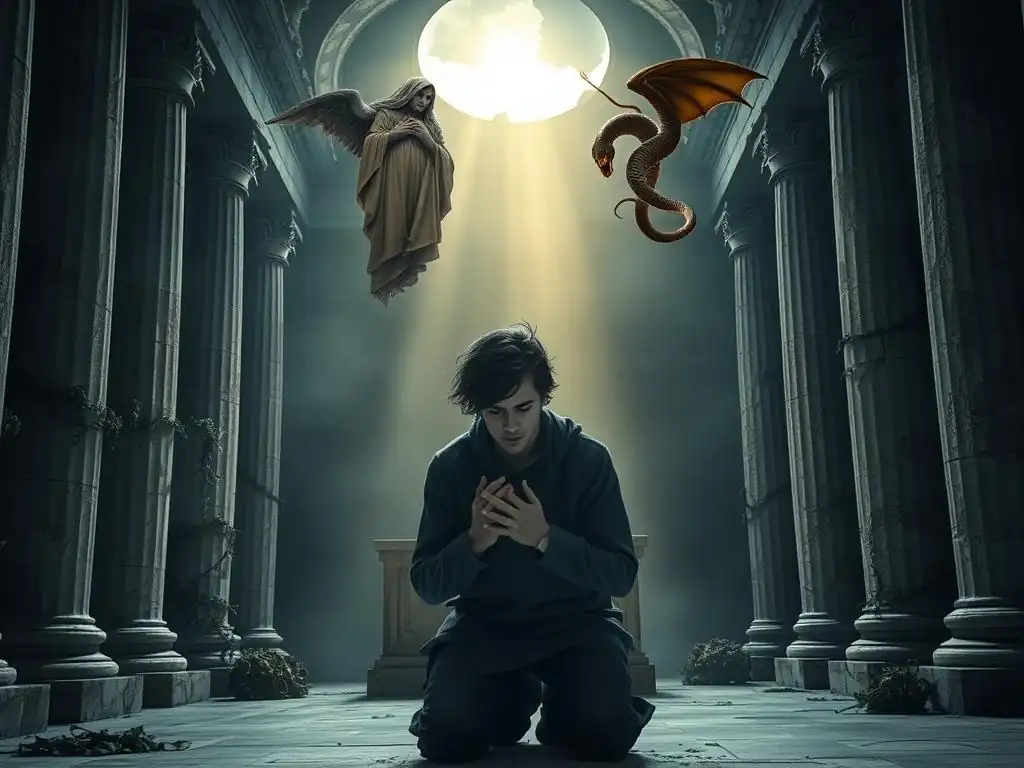
Welcome to Mind Care Guide, a sanctuary for understanding and nurturing your mental well-being. Ever wondered how our ancestors perceived the struggles we face today? Dive into the fascinating world of mental health history with our exploration of Ancient mental illness supernatural causes. Discover how gods, demons, and the unseen world were once believed to hold the key to understanding the human mind, and perhaps, gain a new perspective on our own journey. Let's unravel the mysteries together...
- When Gods and Demons Ruled the Mind: Supernatural Causes in Antiquity
- Supernatural Causes of Mental Illness in Ancient Mesopotamia
- Mental Health in Ancient Egypt: Gods, Spirits, and the Afterlife
- Ancient Greece: From Divine Wrath to Emerging Medical Perspectives
- The Roman Empire: Superstition, Magic, and Mental Instability
- Common Supernatural Explanations Across Ancient Cultures
- The Legacy of Supernatural Explanations in Modern Perspectives
- Conclusion: Understanding the Historical Context of Ancient Mental Illness
-
Frequently Asked Questions
- What is the main focus of the article "When Gods and Demons Ruled the Mind: Supernatural Causes in Antiquity"?
- How did ancient cultures typically explain mental illness?
- What types of treatments were common for mental illness in ancient times based on supernatural beliefs?
- Did the belief in supernatural causes of mental illness completely disappear as societies advanced?
- How can understanding ancient perspectives on mental illness be relevant today?
- Final Reflection: The Enduring Shadow of Supernatural Explanations
- Unveil Your Inner Myth: Explore Ancient Perspectives on the Mind
When Gods and Demons Ruled the Mind: Supernatural Causes in Antiquity
The Prevalence of Supernatural Explanations for Mental Disorders in Antiquity
Across diverse ancient civilizations, from the fertile crescent of Mesopotamia to the philosophical hubs of Greece and the vast expanse of the Roman Empire, the understanding of mental illness was deeply interwoven with the supernatural. Before the advent of systematic medical theories, inexplicable behaviors, mood swings, and cognitive disturbances were frequently attributed to forces beyond human comprehension.
This perspective was not marginal; it was often the dominant framework through which societies attempted to make sense of conditions we now recognize as mental health challenges. The concept of ancient mental illness supernatural causes was a cornerstone of many cultural belief systems, influencing everything from diagnosis to attempted remedies.
This widespread belief in supernatural origins shaped societal reactions to individuals exhibiting symptoms of mental distress. Rather than viewing them through a lens of biological or psychological dysfunction, they were often seen as being under the influence of external, powerful entities – either divine or malevolent. This perspective could lead to a range of responses, including reverence (if seen as divine inspiration), fear, isolation, or attempts at intervention through religious or magical means. The lack of empirical understanding meant that supernatural explanations filled the void, providing a seemingly logical framework within the prevailing worldview.
Key Concepts: Divine Intervention and Demonic Possession
Two primary concepts dominated the supernatural understanding of ancient mental illness: divine intervention and demonic possession. Divine intervention could manifest in various ways. Sometimes, mental states were seen as gifts or curses from deities, perhaps as a reward for piety, punishment for transgression, or even as a form of prophetic inspiration. An individual might be considered touched by a god, leading to altered consciousness or behavior interpreted within a religious context. This view often carried a degree of awe or respect, depending on the perceived nature of the divine influence.
More often, however, ancient mental illness supernatural causes were linked to malevolent forces, most notably demonic possession. This concept held that evil spirits, demons, or ghosts could invade the body and mind, causing a wide array of physical and psychological symptoms. Fits, delusions, erratic behavior, and personality changes were frequently interpreted as signs that a person was being controlled by an external entity. This belief spurred the development of elaborate rituals, incantations, and exorcism practices aimed at expelling the unwanted spirits and restoring the individual to health, reflecting a deep-seated fear of unseen forces impacting human well-being.
Supernatural Causes of Mental Illness in Ancient Mesopotamia
Mesopotamian Deities and Their Influence on Mental Health
In ancient Mesopotamia, a complex pantheon of gods and goddesses governed all aspects of life, including health and illness. While some medical texts existed, many ailments, particularly those affecting the mind, were often attributed to divine displeasure or the actions of specific deities associated with chaos or the underworld. For instance, the goddess Lamashtu was feared as a demoness who could cause illness, especially in vulnerable individuals. Sickness, including what might be interpreted as mental distress, could be seen as a consequence of offending a god or goddess, failing to perform religious duties, or being targeted by divine wrath.
Beyond direct punishment, deities were also believed to allow malevolent spirits to afflict humans. The world was perceived as being populated by numerous demons and ghosts (like the utukku or gallu) who could cause sickness, misfortune, and mental anguish. Preventing these afflictions involved appeasing the gods through prayer and offerings, as the gods were ultimately seen as having the power to protect individuals from such supernatural attacks or to remove them if they occurred. Understanding which deity was offended or which demon was responsible was crucial for determining the appropriate course of action.
The Role of Priests and Exorcists in Treating Mental Ailments
Given the prevalent belief in ancient mental illness supernatural causes, the primary practitioners for such conditions were often not physicians in the modern sense, but priests and specialized exorcists known as āšipu. These individuals were highly respected figures who possessed knowledge of religious rituals, incantations, and magic. Their role was to diagnose the supernatural cause of the illness, which might involve divination techniques like examining animal livers or observing celestial phenomena, and then perform rituals to appease the gods or expel the offending spirits.
Treatments often involved elaborate ceremonies conducted in temples or the patient's home. These could include chanting specific incantations, using protective amulets, applying poultices made of herbs with symbolic significance, and performing symbolic acts intended to trick or force the demon out of the body. For example, rituals might involve creating effigies of the demon or the patient to transfer the illness. While some empirical remedies were also used for physical ailments, conditions perceived as affecting the mind were firmly within the domain of the āšipu, highlighting the deeply entrenched supernatural view of ancient mental illness.
Examples of Supernatural Explanations for Mental Disorders in Mesopotamian Texts
Mesopotamian cuneiform tablets provide fascinating, albeit challenging to interpret, insights into their understanding of illness. Texts like the Sakikkū (a diagnostic handbook) list symptoms and link them to potential divine or demonic causes. For instance, symptoms that might suggest psychosis or severe depression today could be described as the result of being seized by a specific demon or ghost. A tablet might describe a person who "cries out like a ghost," "has no rest," or "speaks incoherently," attributing these states to supernatural invasion.
Another example comes from incantation texts designed to ward off or expel demons. These texts explicitly name various demons and describe the afflictions they cause, which often include mental disturbances. The incantations themselves are prayers or commands directed at the supernatural entity, demanding its departure, sometimes with the assistance of protective deities like Marduk or Ea. The focus is clearly on addressing an external, spiritual intruder rather than an internal biological or psychological imbalance, underscoring the pervasive belief in ancient mental illness supernatural causes in Mesopotamian society.
Mental Health in Ancient Egypt: Gods, Spirits, and the Afterlife

Egyptian Gods and Their Association with Psychological Distress
In ancient Egypt, the pantheon of gods played a significant role in health and illness, including conditions affecting the mind. While the Egyptians developed sophisticated medical practices, particularly for physical ailments, psychological distress could still be attributed to divine influence or interference. Some gods were associated with healing, like Sekhmet (who could also bring plague) or Thoth (god of knowledge and magic), and could be petitioned for relief. Conversely, negative states could be seen as punishments or trials sent by the gods.
Furthermore, the Egyptian belief system heavily emphasized the balance ( maat) and cosmic order. Disruptions to this order, whether through personal sin, ritual impurity, or external malevolent forces, could manifest as illness, including mental suffering. The dead, particularly those who died violently or were not properly buried, were also feared as potential sources of affliction, capable of harassing the living and causing distress. The concept of ancient mental illness supernatural causes was thus linked not only to the gods but also to the complex relationship between the living and the spirit world, including restless dead.
Rituals and Remedies for Spirit Possession in Ancient Egypt
If an individual's mental distress or unusual behavior was suspected to be caused by spirit possession or the influence of a malevolent entity (like a ghost or demon), specific rituals and remedies were employed. These practices often blended religious invocations with magical elements, performed by priests, scribes, or specialized healers. The goal was to appease the offended deity, protect the individual from negative influences, or explicitly exorcise the possessing spirit.
Remedies could involve a combination of incantations, prayers to protective deities (such as Bes or Taweret), the use of amulets inscribed with protective symbols or spells, and the preparation of specific concoctions or fumigations believed to be repugnant to spirits. For instance, some texts describe using foul-smelling substances or creating loud noises to drive away unwelcome entities. The Edwin Smith Papyrus, primarily surgical, and the Ebers Papyrus, covering various ailments, do mention conditions with psychological symptoms, sometimes offering empirical treatments, but also include magical spells, indicating a blend of approaches where supernatural explanations were common for ancient mental illness.
The Influence of Egyptian Beliefs About the Soul on Understanding Mental Illness
Egyptian beliefs about the soul and its various components (like the ka, ba, and akh) also influenced their understanding of conditions affecting the mind. The ba, often depicted as a human-headed bird, represented a person's personality or spiritual essence that could travel after death. Illness, including mental states, might sometimes be interpreted as a disruption to the integrity of the ba or its connection to the body. If the ba was disturbed or restless, it could potentially affect the individual's state of mind in the living world.
Moreover, the concept of the afterlife and judgment (weighed against maat) meant that past actions and spiritual purity were seen as impacting present well-being. Guilt, fear of divine judgment, or unresolved issues with the dead could manifest as psychological distress. While not always framed purely as possession, these beliefs underscore how deeply intertwined the Egyptian understanding of the mind and well-being was with their complex spiritual and cosmological views, where ancient mental illness supernatural causes were a plausible explanation for suffering.
Ancient Greece: From Divine Wrath to Emerging Medical Perspectives
Mental Derangement as Punishment from the Gods in Greek Mythology
In ancient Greek mythology and early thought, mental derangement was frequently depicted as a direct consequence of divine intervention, often as punishment or vengeance from the gods. Figures in myths, such as Ajax driven to madness by Athena, or the Bacchantes experiencing ecstatic frenzy inspired by Dionysus, illustrate how altered states of mind were attributed to powerful deities. Madness ( mania) could be a curse for hubris, a test from the gods, or even a form of divine inspiration, particularly associated with prophecy or poetic fervor.
The plays of Greek tragedians are replete with examples where characters suffer from delusions, hallucinations, or uncontrollable emotions explicitly linked to divine wrath. Orestes, pursued by the Furies (Erinyes) after killing his mother, suffers intense psychological torment and hallucinations, a direct consequence of his actions and perceived divine retribution. This perspective firmly placed ancient mental illness supernatural causes within the realm of divine power and cosmic justice, influencing how such conditions were perceived and explained within society.
The Role of Oracles and Seers in Diagnosing Supernatural Afflictions
Before the rise of medical philosophy, individuals afflicted by what might be considered mental illness often sought help from religious figures, including priests, seers, and oracles. Oracles, like the famous Oracle at Delphi, were believed to be conduits for divine communication. People would consult them not only for guidance on future events but also to understand the cause of their suffering, including inexplicable physical or mental ailments. The diagnosis received might attribute the condition to an offended deity, a curse, or the influence of malevolent spirits.
Seers and other religious practitioners would perform rituals, sacrifices, and purifications aimed at appeasing the gods or cleansing the individual of negative supernatural influences. Sanctuaries dedicated to healing deities, such as Asclepius, also played a role. While these sanctuaries often incorporated empirical treatments like diet and exercise, they were fundamentally religious centers where healing was sought through divine favor. The practices in these settings further highlight the pervasive belief in ancient mental illness supernatural causes and the reliance on religious means for treatment.
The Transition from Supernatural to Naturalistic Explanations: Hippocrates and the Hippocratic Corpus
While supernatural explanations for ancient mental illness remained prevalent, ancient Greece also witnessed the beginnings of a shift towards naturalistic understanding, most notably associated with Hippocrates (c. 460 – c. 370 BC) and the collection of medical texts attributed to him, the Hippocratic Corpus. These texts proposed that illnesses, including those affecting the mind, had natural causes rooted in imbalances within the body, specifically the four humors: blood, phlegm, yellow bile, and black bile.
The treatise On the Sacred Disease (often attributed to Hippocrates, though possibly by a follower) is a landmark text challenging the supernatural view of epilepsy, a condition often seen as a divine affliction. The author argues forcefully that epilepsy has a natural cause, like any other disease, and is not caused by gods or demons.
This marked a significant departure, proposing that conditions with dramatic symptoms could be explained by physiological processes. Although this naturalistic view didn't immediately replace supernatural beliefs, it laid the groundwork for future medical science and offered an alternative framework for understanding ancient mental illness beyond divine or demonic influence.
The Roman Empire: Superstition, Magic, and Mental Instability
Roman Deities and Their Perceived Impact on Mental Well-being
The Romans, heavily influenced by Greek culture but with their own distinct beliefs, also attributed mental instability to divine forces, though perhaps with a greater emphasis on fate and individual piety. Roman deities, like their Greek counterparts, could bestow favor or inflict punishment. Mental distress or erratic behavior might be interpreted as a sign of divine displeasure, a test, or the influence of gods associated with specific domains that might impact the mind or emotions.
Beyond the major gods of the pantheon, the Romans also believed in numerous minor deities and spirits associated with specific places, activities, and even aspects of human life. Neglecting these spirits or violating sacred spaces could potentially lead to misfortune or illness, including mental ailments. While less personified than Greek divine wrath, the concept of offending the divine order and facing consequences remained a plausible explanation for ancient mental illness supernatural causes within the Roman worldview.
The Use of Amulets and Charms to Ward Off Evil Spirits Affecting the Mind
Roman society was steeped in superstition and the use of magic, both protective and malevolent. Alongside seeking help from temples or more medically-inclined healers, people frequently resorted to amulets, charms, and spells to protect themselves from illness, including conditions affecting the mind, which were often attributed to evil spirits, curses, or the "evil eye." These objects and rituals were seen as tangible ways to invoke protective forces or repel negative supernatural influences.
Amulets made of various materials, often inscribed with symbols, magical words ( charaktēres), or images of protective deities (like Hercules or Egyptian gods whose cults spread to Rome), were worn or placed in homes. Charms and incantations, recorded on lead tablets ( defixiones) or papyri, could be used to curse others or, conversely, to break curses believed to be causing illness. This widespread practice underscores the popular belief that ancient mental illness supernatural causes were a real threat that could be countered through magical means.
The Blending of Roman and Foreign Beliefs Regarding Mental Disorders
As the Roman Empire expanded, it absorbed various foreign cults and belief systems, leading to a syncretism that further enriched and complicated explanations for ancient mental illness. Egyptian, Persian, and other Eastern beliefs, including those related to demons, astrology, and magic, became integrated into the Roman understanding of the supernatural. This blending meant that a Roman citizen experiencing mental distress might seek explanations not just from traditional Roman deities but also from imported concepts of demons, astrological influences, or the effects of foreign curses.
For instance, the growing popularity of mystery cults and Eastern religions introduced new pantheons and spiritual frameworks through which suffering could be interpreted. The concept of demonic possession, already present in some form, gained further prominence through contact with Near Eastern and later, early Christian beliefs. This cultural exchange meant that explanations for ancient mental illness supernatural causes in the Roman Empire were incredibly diverse, reflecting the multi-ethnic and multi-religious nature of the empire itself.
Common Supernatural Explanations Across Ancient Cultures
Demonic Possession: A Universal Explanation for Mental Disturbance
Across the ancient world, despite vast geographical and cultural distances, the concept of demonic possession stands out as a remarkably consistent explanation for mental disturbance. From the utukku of Mesopotamia and the restless spirits of Egypt to the demons mentioned in early Greek magical papyri and the widespread belief in evil spirits in the Roman world and ancient Israel (as seen in biblical accounts), the idea that malevolent entities could inhabit or influence a person's mind and body was pervasive.
Symptoms like convulsions, speaking in unknown voices, exhibiting strength beyond normal, or displaying knowledge they shouldn't possess were often cited as evidence of possession. This belief provided a framework for understanding inexplicable behavior that deviated significantly from societal norms. It also offered a path to potential treatment through exorcism – a ritualistic expulsion of the invading entity – which was practiced in various forms across these cultures, highlighting demonic possession as a near-universal ancient mental illness supernatural cause.
Divine Punishment: The Consequences of Sin and Transgression
Another recurring theme in ancient societies was the belief that mental illness, alongside other forms of suffering, could be a form of divine punishment. This was often linked to perceived sins, moral transgressions, breaking taboos, or failing to honor the gods appropriately. If a person fell ill, particularly with a chronic or debilitating condition that seemed to defy natural explanation, it was common to introspect or seek divine guidance to determine if they had offended a deity or broken a sacred law.
This perspective is evident in Greek myths of divine vengeance, Mesopotamian texts linking illness to divine displeasure, and the concept of divine retribution in various religious traditions. It placed a moral dimension on suffering, suggesting that ancient mental illness supernatural causes were often tied to an individual's spiritual or ethical standing. Seeking forgiveness, performing penance, or making offerings were considered ways to appease the offended deity and potentially alleviate the suffering.
The Influence of Astrology and Celestial Events on Mental Health
In several ancient cultures, particularly Mesopotamia and later Greece and Rome, the movements and positions of celestial bodies were believed to exert a powerful influence on human affairs, including health and temperament. Astrology developed as a system to interpret these celestial influences. While not strictly "divine" or "demonic" in the same sense, the influence of stars and planets falls under a supernatural or fatalistic category, as it attributes human conditions to cosmic forces beyond human control.
Certain planetary alignments or the influence of specific constellations were thought to predispose individuals to certain temperaments or even specific types of madness or melancholy. The term "lunacy," derived from luna (the moon), reflects an ancient belief, persistent into later periods, that the moon's phases could affect mental states. While not as universally cited for ancient mental illness supernatural causes as possession or divine punishment, astrological influences were a significant factor in the broader ancient understanding of human susceptibility to various conditions, including those affecting the mind.
The Legacy of Supernatural Explanations in Modern Perspectives
The Persistence of Supernatural Beliefs in Contemporary Society
While modern medicine and psychology offer scientific explanations for mental illness, supernatural beliefs as a cause of mental health conditions have not entirely disappeared. In many parts of the world, and even within segments of Western societies, mental distress, particularly severe symptoms like psychosis or dissociation, is still sometimes interpreted through a lens of demonic possession, curses, or spiritual attack. This persistence reflects the deep roots of these ancient mental illness supernatural causes in human culture and the comfort or framework they provide when faced with frightening and inexplicable phenomena.
Contemporary examples can be found in various religious or spiritual communities where exorcism rituals are still performed on individuals believed to be possessed. Folk beliefs in curses or the evil eye causing misfortune, including illness, also endure. This continuation highlights a tension between scientific understanding and traditional or spiritual worldviews, demonstrating that the historical legacy of attributing ancient mental illness to supernatural causes remains a factor in how mental health is perceived and addressed by some today.
The Impact of Ancient Views on the Stigmatization of Mental Illness
The historical prevalence of supernatural explanations for ancient mental illness has had a lasting and largely negative impact on the stigmatization of mental health conditions. When mental illness was viewed as a result of divine punishment or demonic influence, it often carried a heavy burden of shame, guilt, and fear. Individuals were not just sick; they were potentially seen as sinful, cursed, or dangerous because they were associated with malevolent forces.
This stigma led to isolation, ostracization, and sometimes brutal treatment, as attempts were made to purify or expel the perceived supernatural cause. While modern understanding has shifted dramatically, the echoes of this historical perspective contribute to the enduring stigma surrounding mental illness today. People may internalize feelings of shame, fear judgment, or face discrimination, partly because of the historical association of these conditions with forces considered evil or shameful, a direct legacy of viewing ancient mental illness through a supernatural lens.
Reinterpreting Ancient Accounts Through a Modern Psychological Lens
Studying ancient accounts of mental illness, even those framed entirely in supernatural terms, offers valuable insights when reinterpreted through a modern psychological lens. While the ancient explanations differ vastly from contemporary diagnoses, the descriptions of symptoms – agitation, withdrawal, delusions, hallucinations, changes in speech or behavior – provide historical documentation of mental health challenges experienced by humans across millennia.
By analyzing these historical descriptions, researchers can gain a better understanding of the phenomenology of mental illness throughout history and across cultures. For example, descriptions of individuals speaking in tongues or experiencing visions might be reinterpreted as potential instances of dissociative states or psychotic symptoms. This reinterpretation does not validate the supernatural explanations but rather uses the ancient narratives as a form of historical data to trace the human experience of mental distress, helping to destigmatize it by showing its long history, even when ancient mental illness supernatural causes were the only framework available.
Conclusion: Understanding the Historical Context of Ancient Mental Illness
Understanding the historical perspective on ancient mental illness, particularly the pervasive belief in supernatural causes like divine intervention and demonic possession, is crucial for appreciating the journey of human understanding of the mind. These ancient views were not simply superstitions but rational frameworks within the cultural and religious contexts of the time, offering explanations for phenomena that defied empirical understanding.
While modern science has moved towards biological and psychological models, the legacy of these ancient beliefs continues to influence societal perceptions and the stigma associated with mental health. By examining how ancient civilizations grappled with mental distress through the lens of the supernatural, we gain empathy for the challenges faced by individuals and societies in the past and a deeper appreciation for the progress made in understanding and treating mental illness today, while also recognizing the areas where historical stigma still needs to be overcome.
Frequently Asked Questions
What is the main focus of the article "When Gods and Demons Ruled the Mind: Supernatural Causes in Antiquity"?
The article primarily explores how ancient civilizations attributed mental illness to supernatural forces such as gods, demons, and curses, rather than biological or psychological factors. It examines the historical context of these beliefs.
How did ancient cultures typically explain mental illness?
Ancient cultures largely attributed mental illness to divine intervention, demonic possession, or the result of angered spirits. These explanations shaped their treatment approaches.
What types of treatments were common for mental illness in ancient times based on supernatural beliefs?
Common treatments included exorcism rituals, appeasement offerings to deities, and various forms of spiritual healing aimed at removing the perceived supernatural cause.
Did the belief in supernatural causes of mental illness completely disappear as societies advanced?
No, while scientific understanding has progressed, the belief in supernatural influences on mental health persists in some cultures and belief systems even today. It is often intertwined with traditional healing practices.
How can understanding ancient perspectives on mental illness be relevant today?
Understanding these historical views provides context for the evolution of mental health care and highlights the impact of cultural beliefs on how mental illness is perceived and treated, even in contemporary times.
Final Reflection: The Enduring Shadow of Supernatural Explanations
The ancient world's understanding of mental illness, steeped in the belief of divine intervention and demonic possession, continues to cast a long shadow over our modern approaches to mental health. While we've advanced significantly in our scientific understanding, the lingering societal stigma surrounding mental illness echoes the fear and misunderstanding prevalent in antiquity. This highlights the crucial need for continued education and empathy in our approach to mental health challenges.
Exploring the historical context of supernatural explanations for mental illness reveals a profound truth: the struggle with mental health is a timeless human experience. The anxieties and uncertainties surrounding the unknown, so vividly expressed in ancient texts and practices, resonate even today. Madness, then, was not merely a disease, but a disruption of the cosmic order, a reflection of the chaotic forces at play in the world.
This quote encapsulates the deep-seated fear and the lack of understanding that characterized ancient perceptions, a fear that, though expressed differently, still subtly influences our modern perspectives.
Consider the implications of this historical perspective. How does understanding the past inform our present actions? You have the power to challenge stigma, to advocate for better mental health resources, and to foster a culture of compassion and understanding. By acknowledging the historical roots of our current attitudes, we can actively work towards a future where mental illness is treated with the respect, dignity, and effective care it deserves. Let us learn from the past to build a more enlightened and supportive future for all.
Unveil Your Inner Myth: Explore Ancient Perspectives on the Mind
Thanks for exploring the fascinating world of ancient understandings of mental health! You've now gained insights into how our ancestors viewed the mind's struggles. Ready to delve deeper?
- Dive into further research: Explore related articles on our site to uncover more about the history of mental health. Perhaps you'll discover surprising parallels with modern perspectives!
- Share your thoughts: Join the conversation! Let us know in the comments which ancient explanation resonated most with you and why. Did any perspectives challenge your preconceived notions?
- Consider a creative exploration: Write a short poem or story inspired by the mythology of mental illness in antiquity.
What unexpected connections can you draw between ancient beliefs and modern understandings of the mind?