
The Black Bile: Understanding Melancholy in the Ancient World


Welcome to Mind Care Guide.
Have you ever felt like your sadness was something more, something ancient and deeply rooted? Dive into "The Black Bile: Understanding Melancholy in the Ancient World" and uncover the surprising ways our ancestors grappled with what we now know as depression. Discover how ancient melancholy symptoms treatment shaped early understandings of mental well-being and what echoes of those beliefs still resonate today. Ready to explore the historical roots of our emotional landscape?
The Black Bile: Understanding Melancholy in the Ancient World
- Introduction to Ancient Melancholy: A Historical Perspective
- Humoral Theory and the Black Bile: The Foundation of Ancient Understanding
- Symptoms of Melancholy in Ancient Texts: Recognizing the Affliction
- Causes of Melancholy According to Ancient Physicians
- Ancient Melancholy Treatment: Approaches to Restoration
- Prominent Figures and Melancholy: Case Studies from Antiquity
- The Legacy of Black Bile: Influence on Later Mental Health Understanding
- Conclusion: Reflecting on Ancient Melancholy and Modern Mental Health
-
Frequently Asked Questions
- What was the ancient understanding of melancholy and its root cause?
- How did ancient physicians diagnose melancholy based on symptoms?
- What were some common ancient treatments for melancholy?
- Did ancient cultures recognize different types or severities of melancholy?
- How does the ancient understanding of melancholy compare to modern understandings of depression?
- Final Reflection: Echoes of Melancholy Across Time
- Unlock the Mysteries of Melancholy: Your Journey Begins Now!
Introduction to Ancient Melancholy: A Historical Perspective
The Concept of Melancholy in Antiquity
In the ancient world, particularly within the framework of Greek and Roman medicine, melancholy was not simply a fleeting mood but a recognized affliction, often severe and persistent. It was understood as a distinct state of being, characterized by deep sadness, fear, and sometimes hallucinations. Unlike modern conceptions of depression, the ancient understanding of melancholy was intrinsically linked to the physical body, specifically the balance of bodily fluids known as humors. This perspective shaped how ancient melancholy symptoms were identified and how ancient melancholy treatment was approached.
Physicians like Hippocrates and later Galen meticulously documented observations of individuals exhibiting what they termed melancholia. Their writings describe a condition far more complex than mere sadness, encompassing a range of physical and psychological disturbances. The term itself, derived from Greek words meaning "black bile," pointed directly to the perceived underlying cause. This humoral explanation provided a systematic way for ancient practitioners to diagnose and attempt to alleviate suffering, forming the basis of ancient melancholy symptoms treatment for centuries.
Exploration of Historical Mental Health
Examining historical perspectives on mental health, such as the ancient understanding of melancholy, offers valuable insights into how societies have grappled with psychological distress throughout time. Before the advent of modern psychiatry and neuroscience, cultures developed frameworks based on their prevailing scientific, philosophical, and religious beliefs to explain altered states of mind. The humoral theory, dominant for over a thousand years, was one of the most influential of these frameworks in the Western world, providing a comprehensive model for both physical and mental illness.
Studying ancient mental health practices, including ancient melancholy symptoms treatment methods, reveals a fascinating blend of empirical observation, philosophical speculation, and practical interventions. While some ancient treatments may seem crude by today's standards, they represent rational attempts within their historical context to restore balance and alleviate suffering. Understanding this history helps us appreciate the evolution of mental health care and recognize that the search for effective ways to support well-being is a long-standing human endeavor.
Humoral Theory and the Black Bile: The Foundation of Ancient Understanding
The Four Humors: Blood, Phlegm, Yellow Bile, and Black Bile
The cornerstone of ancient medicine, particularly associated with Hippocrates (c. 460 – c. 370 BCE) and later elaborated by Galen (c. 129 – c. 210 CE), was the humoral theory. This theory posited that the human body contained four primary fluids or humors: blood, phlegm, yellow bile (or choler), and black bile (or melancholer). Each humor was associated with specific qualities, elements, seasons, and temperaments.
Blood was linked to air, spring, and a sanguine temperament; phlegm to water, winter, and a phlegmatic temperament; yellow bile to fire, summer, and a choleric temperament; and black bile to earth, autumn, and a melancholic temperament. Health was believed to be a state of balance among these humors, while illness, including specific ancient melancholy symptoms, resulted from an imbalance – either an excess, deficiency, or corruption of one or more humors.
This intricate system provided ancient physicians with a diagnostic map. By observing a patient's physical appearance, temperament, diet, lifestyle, and environment, a practitioner could attempt to determine which humor was out of balance. For instance, symptoms like fever or irritability might point to an excess of yellow bile, while lethargy or paleness could indicate an excess of phlegm. The specific constellation of ancient melancholy symptoms was consistently linked to an excess or corruption of black bile, guiding the subsequent ancient melancholy treatment plan.
Black Bile's Association with Earth and Autumn
Black bile, the humor most closely associated with melancholy, was characterized as cold and dry. It was linked to the element of earth and the season of autumn, a time perceived as cool, dry, and often associated with decay and decline.
This elemental and seasonal connection reinforced the understanding of black bile as a humor tending towards heaviness, stagnation, and a downward pull, mirroring the perceived state of mind in melancholy. The qualities of black bile were thought to manifest in the physical constitution and temperament of a melancholic individual, often described as introverted, thoughtful, and prone to fear and sadness.
The ancient texts suggested that black bile was produced in the spleen and stomach, distinct from the other biles produced in the liver and gallbladder. Its presence was considered necessary for certain bodily functions, but an excess was problematic. This excess was believed to lead to a range of physical and mental symptoms. Understanding this specific association of black bile with earth and autumn was crucial for ancient physicians in both diagnosing the specific ancient melancholy symptoms and devising appropriate ancient melancholy treatment strategies aimed at counteracting these cold and dry qualities.
The Role of Imbalance in Ancient Illness
The core principle of humoral theory was that imbalance caused illness. This wasn't just about the absolute amount of a humor, but also its quality and location in the body. An excess of black bile, for example, could manifest differently depending on where it settled or if it became "burnt" or corrupted. This sophisticated view allowed ancient practitioners to explain the varied presentation of ancient melancholy symptoms. An excess of cold, dry black bile could potentially cool and dry other parts of the body, affecting digestion, sleep, and even leading to skin conditions.
Therefore, ancient melancholy treatment was fundamentally about restoring humoral balance. This could involve reducing the excess humor, altering its quality, or helping the body expel it. Methods ranged from dietary adjustments, herbal medicines, and physical therapies to more invasive procedures like bloodletting or purging. The specific approach to ancient melancholy symptoms treatment depended on the physician's assessment of the individual's unique humoral constitution (temperament) and the perceived nature of the imbalance causing their affliction.
Symptoms of Melancholy in Ancient Texts: Recognizing the Affliction
Physical Manifestations of Black Bile Excess
Ancient physicians meticulously documented the physical signs they associated with an excess of black bile. These were considered key ancient melancholy symptoms. Patients might exhibit a sallow or dark complexion, cold extremities, poor digestion, flatulence, and constipation. Sleep disturbances, ranging from insomnia to restless sleep filled with fearful dreams, were commonly reported. Galen, for instance, described the pulse of a melancholic patient as typically slow and weak. Some accounts also mentioned specific physical ailments believed to be linked to solidified or "burnt" black bile, such as hemorrhoids, varicose veins, and certain skin conditions.
These physical symptoms were not seen as separate from the mental state but as direct consequences of the humoral imbalance. A cold and dry excess of black bile was thought to literally cool and dry the body, affecting metabolic processes and circulation. Therefore, when assessing ancient melancholy symptoms for treatment, practitioners paid close attention to these bodily signs, believing they offered direct clues about the severity and nature of the underlying humoral disturbance.
Emotional and Psychological Signs of Ancient Melancholy
Beyond the physical, the emotional and psychological ancient melancholy symptoms were central to the diagnosis. The defining characteristics were deep sadness, despondency, and profound fear or anxiety, often without apparent external cause. Ancient texts describe patients consumed by irrational fears, such as fear of death, fear of being alone, or fear of imaginary threats. Suspiciousness, irritability, and a lack of interest in usual activities were also noted. Some accounts mention hallucinations or delusions, particularly those involving dark or frightening imagery, consistent with the "blackness" of the humor.
Aretaeus of Cappadocia, a physician from the 1st century CE, provided vivid descriptions of melancholic individuals: "They are weary of life, but are afraid to die." He noted their "dejection, quietness, pusillanimity [cowardice], love of solitude, sick headache, diminished sleep, and weak digestion." These detailed observations underscore the ancient recognition of the complex psychological landscape of melancholy, forming a crucial part of the assessment for ancient melancholy treatment.
Differentiating Melancholy from Other Ancient Ailments
Ancient physicians attempted to differentiate melancholy from other conditions based on the specific constellation of ancient melancholy symptoms and their presumed humoral origin. While many illnesses were seen as humoral imbalances, the type of imbalance determined the diagnosis. For example, frenitis (an acute fever often accompanied by delirium) was typically linked to an excess of yellow bile or blood in the brain, characterized by agitation and fever rather than the despondency and coldness of melancholy. Epilepsy, often attributed to phlegm or black bile disturbances affecting the brain, presented with seizures, distinct from the pervasive mood and fear of melancholy.
The persistence and specific nature of the symptoms – the chronic sadness, unfounded fears, and characteristic physical signs like coldness and digestive issues – were key differentiators. While some overlap existed (e.g., sleep disturbances could occur in various conditions), the overall pattern of ancient melancholy symptoms pointed towards an excess of black bile. This diagnostic effort, though based on a different physiological model than modern medicine, highlights the ancient physicians' systematic approach to classifying and understanding different forms of suffering to guide ancient melancholy treatment.
Causes of Melancholy According to Ancient Physicians
Dietary Influences on Black Bile Production
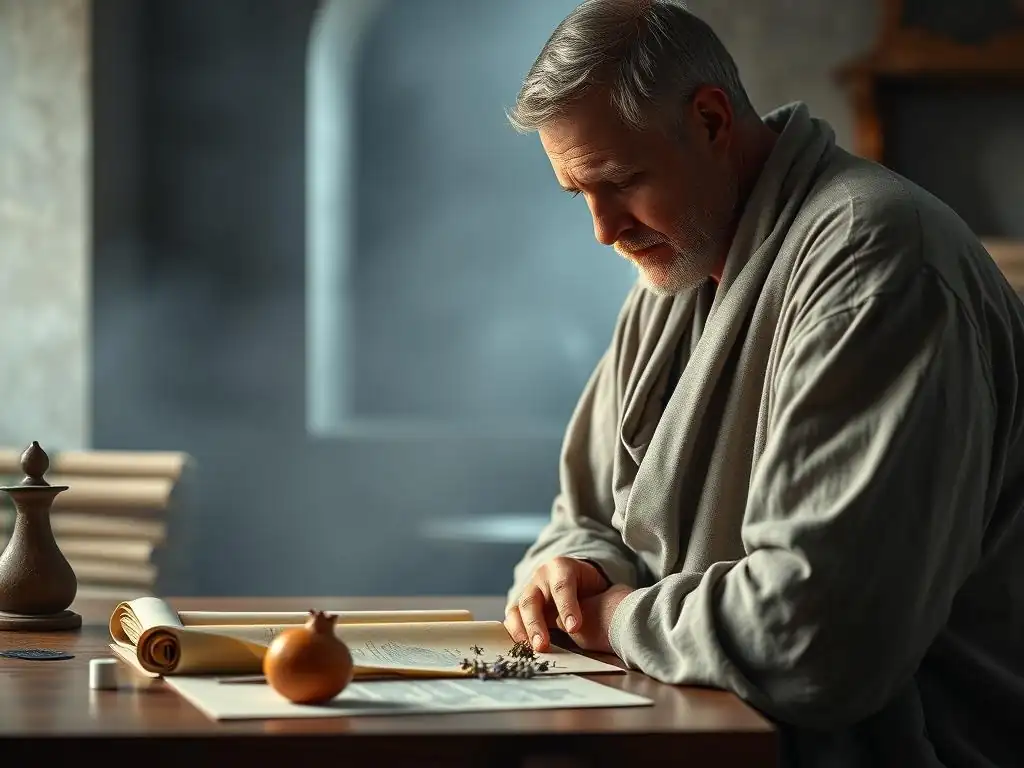
Diet was considered a significant factor influencing humoral balance and, consequently, a potential cause of melancholy according to ancient physicians. Certain foods were believed to generate black bile or exacerbate its cold, dry qualities. Red meat, especially beef, and heavy, rich foods were often implicated. Lentils, cabbage, and other vegetables considered "windy" or difficult to digest were also viewed with suspicion. Foods that were burnt, smoked, or aged excessively were thought to increase the risk of "burnt" black bile, leading to more severe ancient melancholy symptoms.
Conversely, a diet of easily digestible foods, moderation in eating and drinking, and avoidance of substances believed to promote black bile were central to preventing and treating the condition. Fish, poultry, and certain fruits and vegetables considered "moist" or "warming" might be recommended. This focus on diet was not merely supplementary but a fundamental component of ancient melancholy treatment, reflecting the belief that what was consumed directly impacted the body's internal humoral environment.
Environmental Factors Contributing to Melancholy
Ancient medical texts also acknowledged the influence of the environment on humoral balance. Climate, season, and even geographic location were thought to play a role in the development of melancholy. Regions known for being cold, dry, or damp might be considered more conducive to black bile excess. The season of autumn, as previously mentioned, was specifically associated with black bile and a time when melancholy might worsen. Exposure to cold or damp conditions was also seen as potentially aggravating.
Furthermore, ancient physicians considered factors like the quality of air and water. Stagnant water or air in marshy areas was sometimes linked to ill health, potentially including humoral imbalances. This recognition of environmental causality highlights a holistic aspect of ancient medicine, where the individual's health was seen as intricately connected to their surroundings. Addressing these external factors was therefore a potential part of ancient melancholy treatment.
Philosophical and Existential Roots of Melancholy
While grounded in humoral theory, ancient thinkers also recognized that psychological and philosophical factors could contribute to melancholy. Aristotle, in a famous passage (often attributed to his followers), pondered why "all those who have become eminent in philosophy or politics or poetry or the arts are clearly melancholics." This suggests an awareness that intense intellectual or creative pursuits, deep contemplation, or grappling with profound questions could somehow be linked to the melancholic temperament.
Furthermore, life events such as loss, grief, and prolonged stress were acknowledged as potential triggers or exacerbators of melancholy, although these were often interpreted through the lens of how they might disrupt humoral balance. For example, intense fear or sadness might be seen as "cooling" the body, promoting the qualities of black bile. This dual perspective, acknowledging both physical (humoral) and non-physical (psychological, existential) influences, adds a layer of complexity to the ancient understanding of melancholy and informed the broader scope of ancient melancholy symptoms treatment.
Ancient Melancholy Treatment: Approaches to Restoration
Dietary Modifications: Balancing the Humors Through Food
Dietary modifications were a primary and often initial step in ancient melancholy treatment. The goal was to counteract the cold and dry nature of excess black bile by introducing warming and moistening foods, while avoiding those believed to generate or worsen the humor. A typical regimen might involve consuming easily digestible meats like chicken and fish, avoiding beef and pork, and favoring cooked vegetables over raw ones. Foods like honey, wine (in moderation), and certain fruits were often recommended for their warming or moistening properties.
Galen, for example, provided specific dietary advice for melancholics, emphasizing light, nourishing foods and avoiding those that were hard to digest or known to produce "thick" humors. He might recommend warm drinks and baths to help dispel the coldness associated with black bile. This emphasis on diet reflects the core humoral principle: since illness stemmed from internal imbalance, adjusting what went into the body was a logical way to attempt to restore equilibrium as part of ancient melancholy symptoms treatment.
Herbal Remedies and Medicinal Preparations for Melancholy
Ancient physicians extensively used herbal remedies as part of ancient melancholy treatment. Plants were chosen based on their perceived qualities (heating, cooling, drying, moistening) and their supposed effects on the humors. Hellebore, in both its white and black varieties, was famously used, although it is highly toxic. It was believed to have strong purgative properties, capable of expelling black bile from the body. Other herbs, such as borage (Borago officinalis), were used for their perceived uplifting or calming effects, thought to counteract the fear and sadness.
Preparations often involved complex mixtures of herbs, animal products, and minerals, administered as decoctions, electuaries (pastes), or pills. For instance, a physician might prescribe a warming herbal blend to counter the coldness of black bile or a laxative preparation containing hellebore to induce purging. The selection and dosage of these remedies were tailored to the individual patient's constitution and specific ancient melancholy symptoms, representing a sophisticated, albeit empirically derived, pharmacological approach within ancient medicine.
Bloodletting and Purging: Restoring Humoral Harmony
More aggressive interventions aimed at directly removing excess humors included bloodletting and purging. Bloodletting involved opening a vein to drain a quantity of blood, while purging used strong laxatives or emetics to induce vomiting or bowel movements. These practices were based on the belief that removing the offending humor would restore balance. While seemingly drastic today, these were standard medical procedures across various ancient illnesses, including ancient melancholy.
The choice of which humor to target depended on the diagnosis. For melancholy, treatments might focus on purging the bowels to expel black bile, which was thought to accumulate there. Bloodletting might be used if the melancholy was believed to be complicated by an excess of blood, or to divert humors away from a problematic area like the brain. These methods were often applied cautiously, with the amount removed depending on the patient's strength and the severity of their ancient melancholy symptoms, forming a significant part of ancient melancholy treatment protocols.
The Role of Exercise and Rest in Melancholy Treatment
Lifestyle factors like exercise and rest were also considered important components of ancient melancholy treatment. Moderate exercise was often recommended. Physical activity was thought to warm the body, improve circulation, and help dispel stagnant humors, including black bile. Walking, gentle gymnastics, and other forms of moderate movement were preferred over strenuous exertion, which might be seen as depleting vital energy.
Conversely, adequate rest and sleep were also deemed crucial. Sleep disturbances were recognized as a symptom, and restoring restful sleep was a goal of treatment. Physicians might recommend specific environments conducive to rest or use mild sedatives derived from herbs. The balance between activity and rest was seen as essential for maintaining overall humoral equilibrium and supporting the body's natural healing processes in individuals experiencing ancient melancholy symptoms.
Psychological and Philosophical Interventions: The Influence of Stoicism
Beyond physical treatments, ancient physicians and philosophers also recognized the importance of addressing the mind. While not separate from the body in their humoral model, interventions aimed at the patient's thoughts and emotions were part of ancient melancholy treatment. This included encouraging activities that brought pleasure, such as listening to music, bathing, or social interaction. Travel and changes of scenery were also sometimes recommended to lift the spirits and break cycles of negative thinking.
Philosophical schools, particularly Stoicism, offered frameworks for managing distress, fear, and negative emotions, which resonated with the psychological ancient melancholy symptoms. Stoic principles emphasized virtue, reason, and accepting what cannot be controlled, aiming to cultivate inner tranquility. While not a medical "treatment" per se, engaging with philosophical ideas could be seen as a way to strengthen the mind against the disturbances associated with melancholy, offering a form of ancient melancholy symptoms treatment that addressed the intellectual and emotional aspects of the condition.
Prominent Figures and Melancholy: Case Studies from Antiquity
Melancholy in the Writings of Hippocrates
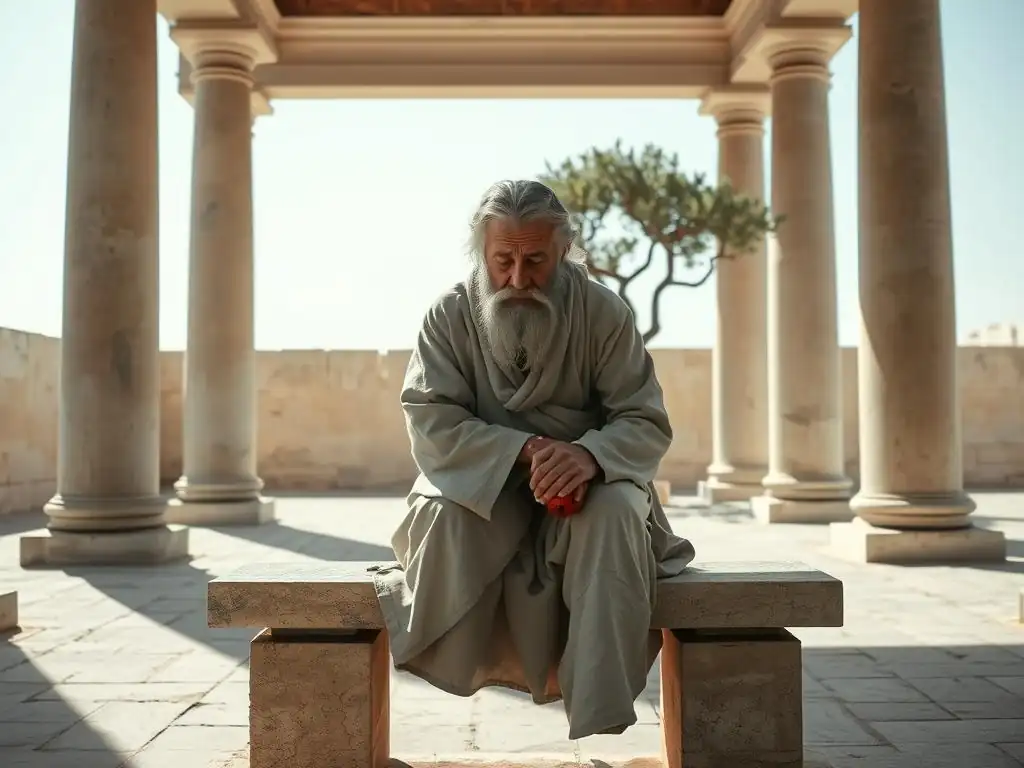
Hippocrates, often called the "father of Western medicine," and the collection of texts attributed to him (the Hippocratic Corpus, dating from the late 5th to 4th centuries BCE) laid the groundwork for the humoral understanding of melancholy. While no single treatise is solely dedicated to melancholy, descriptions and discussions of the condition appear throughout the Corpus. These texts describe individuals suffering from persistent sadness, fear, and aversion to food, linking these symptoms directly to the presence of black bile.
The Hippocratic approach to ancient melancholy treatment was holistic, emphasizing the importance of diet, lifestyle, climate, and purgation to restore humoral balance. They noted variations in how melancholy presented, suggesting different kinds of black bile or different areas of the body affected. For instance, On Airs, Waters, Places discusses how environment can influence temperament and health, implicitly connecting geographical factors to predispositions for conditions like melancholy. These early writings provided the foundational diagnostic criteria and therapeutic principles for understanding ancient melancholy symptoms treatment for centuries.
Galen's Perspective on Melancholy
Galen of Pergamon (c. 129 – c. 210 CE) was arguably the most influential physician of antiquity after Hippocrates, and his extensive writings significantly elaborated on the humoral theory, including the understanding of melancholy. Galen provided detailed descriptions of the production and circulation of humors and refined the classification of temperaments. He distinguished different types of melancholy based on whether the black bile was "natural" (though in excess) or "burnt" (corrupted), and whether it affected the whole body or was localized, particularly in the brain.
Galen's approach to ancient melancholy treatment was highly systematic. He recommended specific dietary regimens tailored to the individual's temperament and the perceived quality of their black bile. He detailed the use of various herbal remedies, emphasizing their humoral properties (e.g., warming, drying, moistening). He also provided guidelines for bloodletting and purging, specifying when and how these procedures should be performed based on the patient's condition and ancient melancholy symptoms. Galen's work consolidated and expanded the humoral understanding, making his texts the standard reference for ancient melancholy symptoms treatment for over a millennium.
Aristotle's Reflections on Genius and Melancholy
While primarily a philosopher, Aristotle (384–322 BCE) contributed a unique perspective on melancholy, particularly in the Problemata, a collection of questions and answers often attributed to him or his school. Problem 30.1 famously asks why exceptional individuals – philosophers, poets, artists, statesmen – tend to be melancholics. This question moves beyond the purely medical model to explore a potential link between a specific temperament (the melancholic constitution, associated with black bile) and intellectual or creative intensity.
Aristotle's discussion suggests that while an excess of black bile could lead to illness, a certain proportion or quality of it might confer unique characteristics, including depth of thought, seriousness, and perhaps even flashes of insight or passion. This perspective offered a more nuanced view of the melancholic temperament, seeing it not only as a potential source of affliction requiring ancient melancholy symptoms treatment but also as potentially linked to genius. This idea persisted for centuries, influencing later cultural perceptions of melancholy.
The Legacy of Black Bile: Influence on Later Mental Health Understanding
The Persistence of Humoral Theory in Medieval and Renaissance Medicine
The humoral theory, with its understanding of black bile and melancholy, remained the dominant medical paradigm throughout the Medieval and Renaissance periods (roughly 5th to 17th centuries CE). Physicians largely followed the principles laid down by Galen, incorporating them into their own medical texts and practices. Treatises from this era continued to describe ancient melancholy symptoms using the humoral framework and recommended similar ancient melancholy treatment methods, including dietary regulation, herbal remedies, purgation, and bloodletting.
During the Renaissance, there was a renewed interest in classical texts, including those of Hippocrates and Galen, further solidifying the humoral explanation for melancholy. Figures like Robert Burton, in his monumental work The Anatomy of Melancholy (1621), extensively discussed the condition using the humoral model, while also incorporating philosophical, religious, and social factors. This demonstrates the remarkable longevity of the black bile concept and its central role in understanding mental distress for well over 2000 years, shaping approaches to ancient melancholy symptoms treatment and beyond.
The Evolution of Melancholy into Modern Depression
As scientific understanding advanced, particularly with the rise of anatomy, physiology, and later chemistry in the 17th and 18th centuries, the humoral theory gradually began to be questioned and eventually superseded. The concept of black bile as a distinct bodily fluid causing melancholy lost scientific credibility. However, the term "melancholy" persisted for centuries, evolving to describe a state of profound sadness and listlessness, even as its supposed physiological basis changed.
By the late 19th and 20th centuries, the term "melancholy" began to be replaced by modern diagnostic categories, most notably "depression." While modern medicine understands depression through neurobiological, genetic, and psychological lenses, some historical echoes remain. The recognition of distinct symptoms (sadness, fatigue, sleep and appetite changes) and the understanding of internal, biological factors contributing to the condition can be seen as distant descendants of the ancient focus on ancient melancholy symptoms and their physical causes, even if the specific "cause" (black bile) was discarded.
Lessons from Ancient Approaches to Mental Well-being
Despite the scientific inaccuracies of humoral theory, the ancient approach to melancholy offers some enduring lessons relevant to modern mental health. The ancient focus on the interconnectedness of mind and body is particularly resonant today. Ancient physicians didn't separate mental symptoms from physical ones; they saw them as two sides of the same coin – an imbalance in the whole person. This holistic perspective, considering diet, exercise, environment, and even philosophical outlook alongside specific treatments, contrasts with approaches that might overly compartmentalize mental and physical health.
Furthermore, the ancient emphasis on lifestyle factors like diet, exercise, and sleep as crucial components of ancient melancholy treatment aligns with contemporary recommendations for managing depression and anxiety. While their rationale was based on humors, the practical advice often had beneficial effects. Reflecting on ancient melancholy symptoms treatment reminds us of the long human history of seeking understanding and relief from psychological suffering and highlights the potential value of integrative approaches that consider the whole person.
Conclusion: Reflecting on Ancient Melancholy and Modern Mental Health
The Enduring Relevance of Holistic Approaches to Mental Wellness
Examining the ancient understanding of melancholy, rooted in the concept of black bile and humoral imbalance, provides a fascinating historical perspective on mental health. While the specific scientific model of humors has been abandoned, the ancient physicians' holistic approach to ancient melancholy symptoms treatment holds enduring relevance.
They recognized that factors like diet, physical activity, environment, and even philosophical disposition played a role in well-being and incorporated these into their therapeutic strategies. This integrated view of mind and body resonates strongly with contemporary trends advocating for lifestyle interventions and a comprehensive approach to mental wellness that goes beyond medication alone.
The detailed documentation of ancient melancholy symptoms and the systematic attempts at ancient melancholy treatment, based on the best available knowledge of the time, underscore humanity's long-standing effort to understand and alleviate psychological distress. The evolution from black bile to neurochemistry reflects scientific progress, but the fundamental goal – restoring balance and function to a suffering individual – remains unchanged.
Seeking Help for Mental Health Challenges Today
While we no longer attribute sadness to an excess of black bile, the experience of profound sadness, fear, and loss of interest captured by the term "melancholy" is a real and significant challenge for many people today, now understood as clinical depression or other mood disorders. If you are experiencing symptoms such as persistent sadness, fatigue, changes in sleep or appetite, difficulty concentrating, or thoughts of hopelessness, it is crucial to seek professional help.
Modern mental health care offers evidence-based treatments, including therapy (such as cognitive behavioral therapy and interpersonal therapy), medication, and lifestyle interventions, tailored to individual needs. Just as ancient physicians sought to restore balance through their methods of ancient melancholy symptoms treatment, modern practitioners aim to help individuals regain their well-being using contemporary scientific understanding and therapeutic techniques. Reaching out to a doctor or mental health professional is the vital first step towards recovery and finding effective support.
Frequently Asked Questions
What was the ancient understanding of melancholy and its root cause?
Ancient thinkers, particularly Hippocrates, believed melancholy stemmed from an excess of black bile, one of the four humors. An imbalance in these humors, especially black bile, was thought to cause mental and physical distress.
How did ancient physicians diagnose melancholy based on symptoms?
Diagnosis relied heavily on observation of behavioral and physical signs. Symptoms like sadness, apathy, insomnia, indigestion, and a general lack of interest in life were considered indicative of melancholy.
What were some common ancient treatments for melancholy?
Treatments varied but often involved dietary changes to balance the humors, such as consuming foods considered to reduce black bile. Other approaches included bloodletting, purging, and rest and relaxation.
Did ancient cultures recognize different types or severities of melancholy?
While not as nuanced as modern classifications, ancient texts hinted at varying degrees. Some melancholic states were seen as temporary imbalances, while others were considered chronic and debilitating, requiring more intensive interventions.
How does the ancient understanding of melancholy compare to modern understandings of depression?
While the "black bile" theory is outdated, the observed symptoms of ancient melancholy share similarities with modern depression. Modern understanding is rooted in neurochemical and psychological factors, offering more targeted treatments.
Final Reflection: Echoes of Melancholy Across Time
The understanding and treatment of melancholy, as explored throughout this article, remains strikingly relevant today. While the ancient world lacked our modern diagnostic tools and pharmaceuticals, their observations on the symptoms and potential treatments of this pervasive condition offer a poignant reminder of the enduring human struggle with mental health. The persistent nature of melancholy, across millennia and cultures, underscores its profound impact on the human experience.
The exploration of ancient perspectives on melancholy has profoundly shifted my own understanding of mental illness. It highlights the importance of considering the historical context surrounding mental health struggles, moving beyond simplistic diagnoses to appreciate the complex interplay of physical, emotional, and societal factors. The body remembers what the mind forgets,
a phrase often used in trauma therapy, resonates deeply when considering the ancient emphasis on humoral imbalances and their connection to emotional states. This holistic approach, though rooted in a now-disproven medical system, offers valuable insights into the interconnectedness of mind and body, a concept often overlooked in modern, fragmented approaches to mental healthcare.
Consider the enduring power of melancholy in art, literature, and philosophy. It is not simply a disease to be eradicated, but a complex human experience that has shaped our creative expressions and our understanding of ourselves. You, the reader, are invited to reflect on your own relationship with sadness, grief, and contemplation.
How do you navigate these emotions? What tools, ancient or modern, do you find helpful in managing them? Let the echoes of ancient melancholy inspire you to seek a deeper understanding of your own inner landscape and to approach mental wellbeing with compassion, both for yourself and for others.
Unlock the Mysteries of Melancholy: Your Journey Begins Now!
Thanks for exploring the fascinating world of ancient understandings of melancholy! You've gained valuable insights into a complex emotion that continues to resonate today. Ready to delve deeper or share your newfound knowledge?
- Explore further: Research a specific figure from the article and uncover more details about their life and contributions to understanding melancholy. This might involve reading biographies or exploring relevant primary sources.
- Share your thoughts: Start a conversation in the comments below! What resonated most with you about this historical perspective on sadness? What parallels do you see with modern understandings?
- Craft your own reflection: Write a short poem or journal entry exploring your own feelings around melancholy in light of what you've learned.
What new perspectives on your own emotions has this exploration of ancient melancholy unveiled?