
Ancient Perspectives on Gendered Mental Afflictions

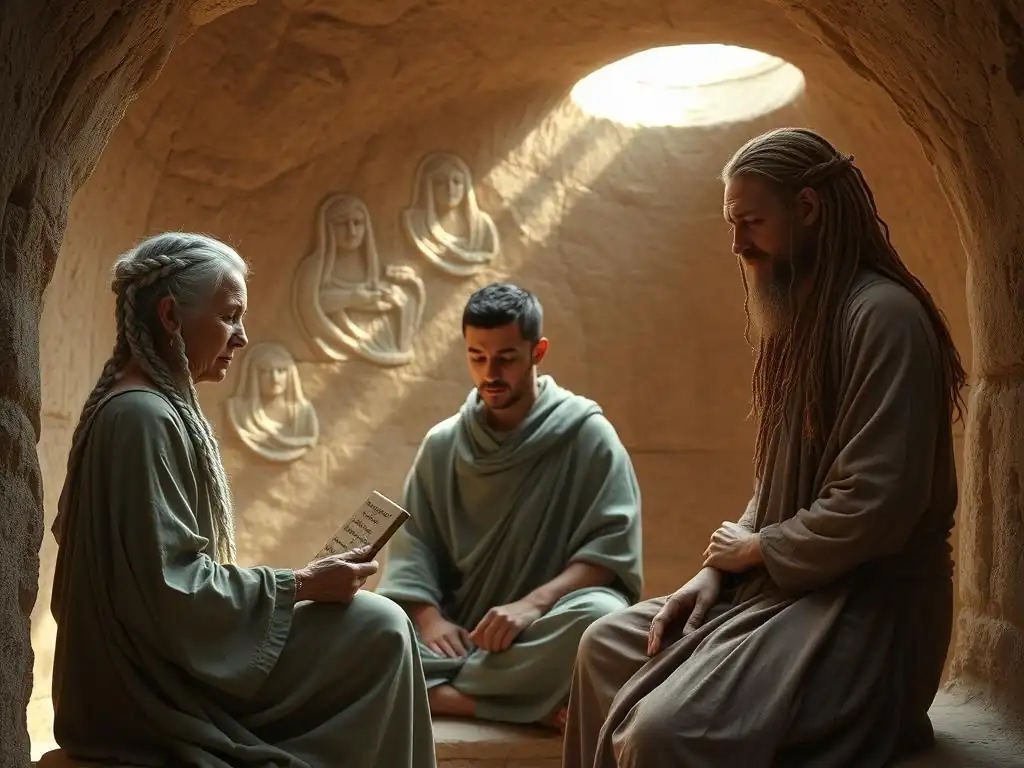
Welcome to Mind Care Guide, a haven for understanding mental well-being.
Ever wondered how ancient cultures perceived the unique mental health challenges faced by different genders? Delve into the fascinating, and often surprising, world of gendered mental health history as we uncover how our ancestors grappled with these complex issues. Prepare to have your perspectives challenged and your understanding deepened. What secrets will the past reveal about our present struggles?
Ancient Perspectives on Gendered Mental Afflictions
- Introduction: Exploring Gendered Mental Health History in Antiquity
- Gender and Mental Health in Ancient Greece: A Patriarchal Society's View
- Gender and Mental Health in Ancient Rome: Echoes of Greece and New Perspectives
- Ancient Egypt: Gender Roles and Mental Health Beliefs
- Ancient Mesopotamia: Gender, Demonology, and Mental Distress
- Comparing and Contrasting Ancient Perspectives on Gendered Mental Afflictions
- The Legacy of Ancient Views on Gendered Mental Health
- Conclusion: Reflecting on Ancient Perspectives and Modern Implications for Gendered Mental Health History
-
Frequently Asked Questions
- What is Gendered Mental Health History and why is it important to study?
- How did ancient societies view mental afflictions differently based on gender?
- What are some examples of ancient beliefs or practices related to Gendered Mental Health History?
- How can understanding Gendered Mental Health History improve modern mental healthcare?
- Where can I find more resources related to the history of gender and mental health?
- Final Reflection: Unraveling the Threads of Gender and Mental Illness Through Time
- Uncover Your Inner Strength: Practical Steps to Wellbeing
Introduction: Exploring Gendered Mental Health History in Antiquity
Setting the Stage: Understanding Mental Health Through a Gendered Lens in Ancient Times
Ancient civilizations grappled with the concept of mental distress, often attributing it to supernatural forces, imbalances within the body, or moral failings. What is striking when examining ancient texts and medical treatises is the frequent divergence in how these afflictions were perceived and explained based on whether the individual was male or female. This gendered lens profoundly shaped not only the diagnosis (or lack thereof) but also the treatment and societal response to mental health challenges.
Exploring this dimension is crucial for a comprehensive understanding of gendered mental health history, revealing deeply ingrained biases that persisted for centuries. The very language used to describe symptoms often differed, with terms for female distress frequently pathologizing natural emotional states or linking them directly to reproductive organs, while male distress might be framed within philosophical or hum moral frameworks.
These ancient perspectives were not monolithic; they varied significantly across cultures and time periods, but a common thread was the influence of prevailing gender roles and societal expectations. For instance, societies that confined women primarily to the domestic sphere might view their mental distress as an internal, physiological issue, isolated from external pressures. Conversely, in cultures where men were expected to be stoic warriors or engaged in public life, their emotional struggles might be interpreted through the lens of external failure or spiritual weakness.
Understanding this historical context is vital because these early ideas formed the bedrock upon which later medical and psychological theories were built, demonstrating the long shadow cast by ancient beliefs on the perception of gendered mental health history. The economic roles, legal rights, and social status assigned to men and women in ancient times directly impacted how their psychological well-being was understood and addressed.
The Importance of Examining Historical Gender Roles in Mental Health
Examining historical gender roles is paramount when studying ancient mental health because these roles dictated acceptable behaviors, emotional expressions, and societal expectations for men and women. In patriarchal societies prevalent throughout antiquity, women were often viewed through the lens of their reproductive capacity and perceived emotional fragility.
This led to medical theories, such as the widely accepted "wandering womb," that directly linked a woman's psychological state to her uterus, effectively medicalizing and pathologizing female experiences that might otherwise be understood as responses to societal constraints or physical ailments unrelated to reproduction. This focus meant that legitimate mental distress in women could be misattributed or dismissed as simply a consequence of their biological makeup, hindering accurate understanding and appropriate support.
Conversely, men in many ancient cultures were expected to embody strength, rationality, and control, particularly those of higher social standing. Expressions of vulnerability, sadness, or anxiety could be seen as weaknesses that undermined their societal position or masculine identity.
While certain forms of male distress, like melancholy, were recognized, they were often framed within intellectual or philosophical contexts rather than purely physiological ones, perhaps reflecting the higher value placed on male intellect and public life. This divergence highlights how gendered expectations shaped the very types of mental suffering that were acknowledged and the frameworks used to interpret them, making the study of gendered mental health history incomplete without a deep dive into the societal roles assigned to each sex.
Gender and Mental Health in Ancient Greece: A Patriarchal Society's View
Hysteria: A "Female" Affliction in Ancient Greek Medicine
In Ancient Greece, particularly within the Hippocratic corpus (dating from roughly the 5th to 4th centuries BCE), a prominent concept emerged that profoundly influenced the understanding of gendered mental health history: hysteria. This term, derived from the Greek word hystera meaning "womb," was used to describe a wide range of symptoms observed almost exclusively in women, including anxiety, irritability, fainting spells, shortness of breath, muscle spasms, and even paralysis or sensory disturbances.
These symptoms were not seen as originating in the brain or mind in the modern sense, but rather as a direct consequence of the uterus malfunctioning or moving throughout the body. The belief was that an idle or dry womb would wander in search of moisture, pressing on other organs and causing various physical and psychological disturbances.
This theory of hysteria served to medicalize and control female behavior that deviated from societal norms. A woman experiencing emotional distress, expressing frustration, or even having physical symptoms that baffled physicians might be labeled "hysterical."
The prescribed treatments often involved attempts to coax the womb back into place, frequently through strong-smelling substances (pleasant smells applied near the genitals to attract the womb, foul smells near the nose to repel it) or, controversially, through sexual activity, including marriage and childbearing, which were believed to "moisten" and settle the womb. This approach starkly illustrates how ancient Greek medicine viewed female mental distress primarily through a physiological and gendered lens, ignoring potential psychological or social causes and reinforcing the idea that women's health and behavior were intrinsically linked to their reproductive organs.
The Wandering Womb Theory and its Impact on Women's Mental Well-being
The theory of the wandering womb, central to the concept of hysteria in ancient Greek medicine, had a devastating impact on women's mental well-being. By attributing a wide array of physical and psychological symptoms solely to the movement or state of the uterus, this theory effectively dismissed the potential for genuine psychological suffering or distress arising from social conditions, trauma, or other physical illnesses.
Women experiencing anxiety, depression, or even conditions we might now recognize as neurological disorders could have their symptoms pathologized and attributed to a physiological process unique to their sex. This meant their subjective experience of distress was often invalidated or misinterpreted through a narrow, gender-specific biological framework.
Furthermore, the prescribed treatments, such as forced marriage or sexual activity, were not only ineffective for genuine psychological issues but could also be deeply harmful and coercive. A woman struggling with mental health challenges might be subjected to interventions aimed solely at her reproductive system, reinforcing the societal message that her value and health were tied to her ability to bear children.
This medical approach, steeped in gender bias, effectively silenced women's voices regarding their own health and perpetuated a cycle where female suffering was misunderstood and inadequately addressed, leaving a significant mark on the early history of gendered mental health.
Case Studies of "Hysterical" Women in Ancient Greek Texts
While specific, detailed patient records comparable to modern case studies are rare from ancient Greece, accounts within medical texts and philosophical writings provide glimpses into how "hysteria" was perceived and described. For instance, the Hippocratic text Diseases of Women describes symptoms like suffocation, palpitations, and dizziness, explicitly linking them to the uterus.
One passage might describe a woman experiencing sudden fits or periods of irrational behavior, attributed to the womb ascending and pressing on the diaphragm, blocking air flow or causing confusion. The proposed treatment often involved fumigation or pessaries to influence the womb's position, rather than addressing any potential emotional or environmental factors.
Another example can be inferred from philosophical discussions, such as those by Plato in Timaeus. He describes the uterus as an "animal within an animal," prone to becoming distressed and wandering if not settled by procreation, causing "all sorts of disorders" throughout the body and mind.
While not a clinical case study, this philosophical view reinforces the pervasive cultural belief in the mobile, problematic womb as the source of female affliction. These textual references, though lacking individual detail, consistently demonstrate the application of the wandering womb theory to explain diverse female symptoms, showcasing the dominant paradigm in ancient Greek gendered mental health history.
Male Melancholy: Exploring Male Mental Health in Ancient Greece
While women were largely confined to the diagnosis of "hysteria," men's mental distress in ancient Greece was often categorized differently, most notably under the concept of "melancholy." This term, derived from the Greek words for "black bile" ( melaina chole), was linked to one of the four humors in Hippocratic medicine. An excess of black bile was believed to cause a range of symptoms, including sadness, fear, irritability, sleeplessness, and even delusions or bizarre behaviors.
Crucially, melancholy was not inherently gendered in the same way hysteria was tied to the uterus; both men and women could theoretically suffer from humoral imbalances. However, societal expectations and the roles men occupied meant that male melancholy was often discussed and framed differently.
For men, particularly those of higher social standing or intellectual pursuits, melancholy was sometimes associated with genius or profound thought. Aristotle, for example, pondered why men of exceptional talent in philosophy, politics, poetry, or the arts were often melancholic. This perspective offered a more nuanced, and perhaps less stigmatizing, view of male distress compared to the purely physiological and reproductive-focused explanation for female hysteria. It allowed for the recognition of psychological depth and intellectual struggle as potential components of male suffering, contrasting sharply with the ancient Greek understanding of gendered mental health history as it applied to women.
Societal Expectations and the Expression of Male Depression
Ancient Greek society placed significant pressure on men, particularly citizens, to participate actively in public life, warfare, and intellectual pursuits. Virtues like courage, rationality, self-control, and civic duty were highly valued. These societal expectations profoundly influenced how male mental distress might be expressed and perceived.
Instead of overt emotional vulnerability, which might be seen as weak, male depression or anxiety could manifest as irritability, withdrawal from public life, excessive rumination, or even physical complaints attributed to humoral imbalances. A man failing to meet societal expectations in battle, politics, or business might experience profound distress, but expressing this as simple "sadness" could be difficult.
Melancholy, with its association with black bile, provided a framework that allowed for the acknowledgment of male suffering without necessarily undermining the ideal of masculine stoicism. It was a physical explanation for psychological pain, fitting within the broader medical theories of the time.
Furthermore, the philosophical exploration of melancholy by thinkers like Aristotle provided a space for discussing the inner turmoil of great men, linking their suffering to their intellectual depth rather than a fundamental flaw. This allowed for a more complex, albeit still limited, understanding of male mental health compared to the simplistic biological determinism applied to women in ancient Greek gendered mental health history.
The Role of Philosophy in Understanding Male Emotional Distress
Ancient Greek philosophy played a significant role in understanding and discussing male emotional distress, particularly melancholy. Philosophers like Aristotle and later Stoics explored the nature of emotions, reason, and the human condition. While not clinical psychology, these discussions provided frameworks for interpreting inner turmoil. As mentioned, Aristotle's query about the link between genius and melancholy in Problems, Section XXX, offered a perspective that viewed this state not merely as illness but potentially as an aspect of profound intellectual or creative intensity. This philosophical lens allowed for a non-pathological, or even elevated, interpretation of certain forms of male distress.
Stoic philosophy, while emphasizing virtue, reason, and emotional control, also implicitly acknowledged the reality of human suffering and the struggle to maintain inner peace amidst external challenges. Although Stoics aimed to minimize negative emotions ( pathē), their detailed analysis of these emotions provided a vocabulary and conceptual space for discussing states akin to anxiety or sadness, albeit with the goal of overcoming them through rational thought.
This philosophical engagement with the inner life, though focused on ethical and epistemological goals, contributed to a discourse around male emotional states that was distinct from the purely biological explanations applied to women, shaping a unique facet of ancient Greek gendered mental health history.
Gender and Mental Health in Ancient Rome: Echoes of Greece and New Perspectives
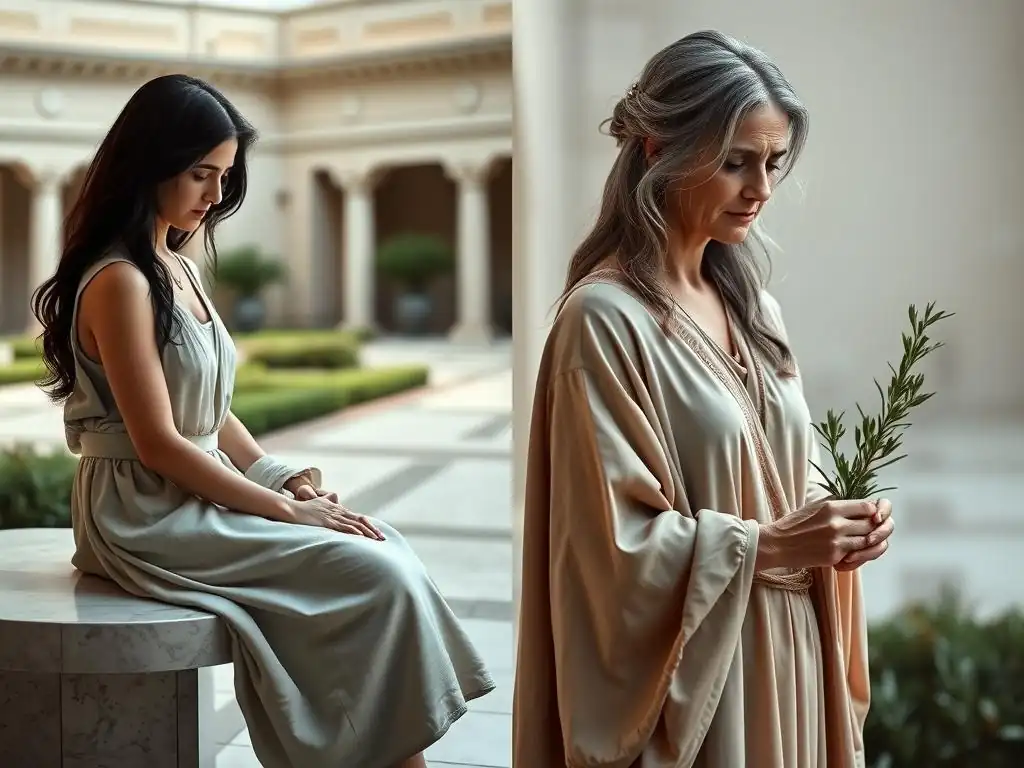
Roman Adaptations of Greek Medical Theories on Gendered Mental Illness
Ancient Roman medicine was heavily influenced by Greek medical traditions, particularly the humoral theory and concepts like hysteria and melancholy. Roman physicians and writers, including Celsus (1st century CE) and Soranus of Ephesus (1st-2nd century CE), adopted and adapted these ideas within the Roman context.
Soranus, a prominent gynecologist, wrote extensively on diseases of women and acknowledged the concept of the wandering womb as a cause of symptoms like suffocation and seizures, echoing Greek beliefs. However, Roman medicine also saw the integration of philosophy and a more pragmatic approach to health, though gendered biases persisted, contributing to the Roman chapter of gendered mental health history.
While the core Greek theories were influential, Roman physicians also developed their own observations and treatments. For instance, while still linking female distress to the uterus, Roman medical texts sometimes described a broader range of potential causes, including environmental factors or lifestyle.
However, the fundamental attribution of specific ailments primarily to one sex based on perceived biological differences remained deeply ingrained. Melancholy continued to be recognized as a humoral imbalance affecting both sexes, but its association with intellectual pursuits or high status remained more prominent in discussions related to men, reflecting the enduring influence of societal gender roles on medical understanding.
Influence of Galen on Understanding Gender Differences in Mental Health
The physician Galen of Pergamon (2nd century CE), working within the Roman Empire, became one of the most influential medical authorities for over a thousand years. He synthesized and expanded upon Hippocratic humoral theory, including ideas about gender differences.
Galen accepted the concept of hysteria and the role of the uterus, although he also posited that retained "seed" (semen in men, menstrual blood/secretions in women) could cause problems if not expelled, contributing to both physical and mental distress in both sexes, though often framed differently. For women, this could reinforce the idea that lack of sexual activity or procreation was detrimental to their health.
Galen also discussed melancholy within the humoral framework, detailing its symptoms and potential causes related to black bile. While he acknowledged it in both men and women, his broader physiological theories often reinforced gendered stereotypes. He described women as naturally colder and wetter than men, influencing their humoral balance and susceptibility to certain ailments.
This physiological framework, while seemingly neutral, could be used to justify inherent differences in health and behavior, including mental states. Galen's immense authority ensured that these gendered interpretations within the humoral system became deeply embedded in Western medical thought, significantly shaping the understanding of gendered mental health history for centuries to come.
Roman Societal Norms and Their Impact on Mental Well-being of Men and Women
Roman societal norms, though evolving over time, placed distinct pressures on men and women that influenced their mental well-being. For women, particularly those of higher status, life was often centered around the household, managing slaves, and raising children. While some women gained influence through their families or personal wealth, their legal rights were often limited, and they were expected to be modest, obedient, and focused on domestic duties.
These constraints, combined with the ever-present risk of childbirth and the potential for social isolation, could contribute to distress. The medical framing of female issues, like hysteria, as purely physiological and related to the uterus, meant that psychological suffering stemming from these social pressures was often ignored or misattributed, reinforcing the specific challenges faced in understanding female gendered mental health history in Rome.
Men in Roman society faced immense pressure related to their social status, political careers, military service, and family honor. Competition was fierce in public life, and failure could lead to significant loss of standing and financial ruin. Military campaigns were frequent and dangerous, exposing men to trauma and violence.
These external pressures could undoubtedly lead to anxiety, depression, or other forms of psychological distress. Roman philosophical schools, such as Stoicism and Epicureanism, offered coping strategies focused on inner resilience, virtue, or the pursuit of tranquility, indicating an awareness of the challenges to mental peace. While Roman medicine focused on humors, these philosophical traditions provided a cultural space for discussing and attempting to manage the psychological burdens placed on men by societal expectations, adding another layer to the exploration of gendered mental health history in antiquity.
Legal and Social Constraints on Women and Their Mental Health
Roman women, despite some variations over the centuries, generally faced significant legal and social constraints compared to men. In the early Republic, women were typically under the legal guardianship of their father or husband ( patria potestas), limiting their ability to own property, conduct business independently, or participate in public life. While guardianship laws became more flexible later, women still faced limitations.
Socially, their primary role was domestic, focused on managing the household and bearing legitimate children to continue the family line. Divorce, while possible, could be socially complex, and women often had less agency in initiating it or securing their future.
These constraints could significantly impact a woman's mental health. Lack of autonomy, dependency on male relatives, limited opportunities outside the home, and the pressure to fulfill specific domestic and reproductive roles could lead to frustration, anxiety, and feelings of powerlessness. While Roman physicians might attribute symptoms of distress to the uterus or humoral imbalances, the reality was that many women were likely experiencing psychological reactions to their restricted lives.
For example, a wealthy woman confined to her villa with little intellectual stimulation and no control over her finances might exhibit symptoms the Romans labeled hysteria, when the root cause was likely social and psychological. This highlights the critical need to view ancient medical concepts within their broader societal context when examining gendered mental health history.
The Impact of Warfare and Political Life on Men's Mental State
Roman men, especially those of the citizen class, were constantly engaged in public life, which frequently involved military service or intense political competition. Warfare was endemic throughout Roman history, exposing soldiers to brutal violence, trauma, and the constant threat of death or injury. Returning veterans likely experienced psychological distress akin to modern PTSD, though it would have been interpreted through the lens of ancient understanding. The physical and emotional toll of campaigns, separation from family, and the horrors of battle undoubtedly impacted their mental state, a crucial, though often overlooked, aspect of male gendered mental health history in Rome.
Political life in Rome was also fraught with anxiety and danger. Ambition, rivalry, public speaking, elections, and the constant risk of betrayal or assassination in certain periods created immense stress. Men striving for power or influence faced public scrutiny, potential failure, and the pressure to maintain a facade of strength and composure.
The philosophical interest in managing emotions and achieving tranquility (e.g., Epicureanism's focus on ataraxia, Stoicism's focus on apatheia) reflects an awareness of the psychological burdens of Roman life, particularly for those involved in public affairs. While not formally diagnosed as mental illness, the prevalence of stress-related conditions, anxiety, and potentially depression stemming from these intense societal demands was a significant factor in the mental well-being of Roman men.
Ancient Egypt: Gender Roles and Mental Health Beliefs
Mental Health in Ancient Egypt: A Brief Overview
Ancient Egyptian civilization, spanning millennia, developed a unique medical system that combined empirical observation with religious and magical beliefs. Disease, including mental afflictions, was often attributed to supernatural causes, such as the wrath of deities, the influence of demons, or the intrusion of evil spirits.
However, Egyptian physicians also recognized physical causes and employed a range of treatments, including herbal remedies, incantations, and rituals. Mental illness wasn't categorized with the same distinct labels as in Greece or Rome; rather, symptoms like irrational behavior, delusions, or severe depression might be seen as manifestations of spiritual problems or specific physical imbalances, adding a distinct cultural dimension to ancient gendered mental health history.
Medical papyri, such as the Edwin Smith Papyrus (primarily surgical, but shows anatomical knowledge) and the Ebers Papyrus (contains remedies for various ailments, including some potentially related to mental distress), provide insights into their understanding. While these texts offer prescriptions for physical ailments, they also include spells and incantations, reflecting the intertwined nature of medicine and magic.
Mental disturbances might be described in terms of being "possessed" or having a "sick heart" (heart being seen as the seat of intellect and emotion). Understanding gender differences in this context requires looking at how these broad beliefs were applied to men and women based on their societal roles and associations with specific deities or magical practices.
Gendered Divinities and Their Association with Mental Well-being
Ancient Egyptian religion featured a vast pantheon of deities, many of whom were associated with specific aspects of life, including health and well-being. While there wasn't always a strict gendered assignment of deities solely responsible for mental health, certain gods and goddesses were invoked for protection against illness or misfortune that could manifest as mental distress, reflecting gendered nuances in their roles.
For example, the goddess Isis was a powerful healer and magician, often invoked for protection and recovery from various ailments. Her association with motherhood and healing might have made her a particular focus for women seeking relief from suffering, including mental anguish related to childbirth, loss, or domestic stress.
Conversely, male deities like Thoth, associated with wisdom, magic, and writing, or Sekhmet, a fierce goddess of healing and destruction (often propitiated to avert plague and illness), were also invoked. While not exclusively linked to male mental health, a man facing challenges in his public role, suffering from anxiety related to his responsibilities, or experiencing what the Egyptians might perceive as a spiritual attack causing mental disturbance, might appeal to different deities based on the nature of his problem and the deity's specific domain.
The gender of the supplicant, the perceived cause of the affliction (e.g., a curse vs. an internal imbalance), and the specific deity's attributes likely influenced who was invoked, subtly shaping the religious dimension of gendered mental health history in Egypt.
Deities Associated with Mental Health and Gender Roles
Specific deities in the Egyptian pantheon held sway over aspects related to health, magic, and fate, which could be intertwined with mental well-being, often reflecting or reinforcing gender roles. As mentioned, Isis, the great mother goddess and magician, was widely revered for her healing powers. Women, in particular, might turn to her for protection during pregnancy and childbirth, periods of vulnerability that could profoundly impact mental state, or for help with afflictions seen as stemming from female-specific issues. Her role as a protector and nurturer resonated strongly with female experience.
Thoth, the ibis-headed or baboon god of writing, magic, wisdom, and the moon, was also associated with healing and the resolution of disputes, which could include internal turmoil. As the scribe of the gods and mediator, Thoth's influence might be sought by men (especially scribes or officials) facing complex decisions, intellectual challenges, or seeking understanding of mysterious afflictions, including those affecting the mind. Bes, a dwarf deity, was a protector of households, women, and children, often depicted warding off evil spirits.
His role suggests he might be invoked against malevolent forces believed to cause distress or nightmares, potentially serving as a gender-neutral or female-leaning protector against certain mental disturbances. These examples show how the divine landscape subtly mirrored and influenced the perception of gendered health and affliction in ancient Egypt.
Treatments and Practices for Mental Afflictions in Ancient Egypt
Treatments for mental afflictions in ancient Egypt were a blend of empirical remedies, magical spells, and religious rituals. Physicians, priests, and magicians all played roles in healing. Herbal remedies, poultices, and other physical treatments were prescribed for symptoms believed to have a bodily origin, even if that origin was linked to supernatural interference.
For conditions attributed to demons or angry spirits causing mental disturbance, incantations, amulets, and exorcism-like rituals were employed to appease the divine power or expel the malevolent force. Sleep temples, dedicated to deities like Serapis (in later periods, influenced by Greek culture), were places where individuals could seek divine healing through dreams, a practice potentially utilized for various ailments, including psychological distress.
The Ebers Papyrus, for example, contains remedies for a "sick heart," which could refer to emotional or mental distress, prescribing herbal mixtures or incantations. While the papyri don't explicitly detail different treatments based solely on gender for every condition, the application of treatments might have differed based on societal roles and the perceived cause.
A woman suffering from distress related to childbirth might receive remedies focused on reproductive health alongside incantations, while a man experiencing symptoms after a political setback might receive treatments aimed at restoring humoral balance or appeasing a deity associated with justice or fate. The lack of explicit gendered treatment protocols for specific mental illnesses (as understood today) makes a detailed comparison challenging, but the broader context of gender roles and associated vulnerabilities suggests subtle differences likely existed in the approach to gendered mental health history within Egyptian practice.
Differences in Treatment Based on Gender
While ancient Egyptian medical texts don't feature separate chapters titled "Treatments for Men's Mental Issues" and "Treatments for Women's Mental Issues," implicit differences in treatment likely arose from the gendered understanding of potential causes and vulnerabilities. For instance, as discussed, afflictions linked to the reproductive system were naturally treated differently for women than men. A woman experiencing symptoms potentially related to her menstrual cycle or pregnancy, which might include mood disturbances or anxiety, would receive treatments focused on balancing her body in ways specific to female physiology, potentially alongside magical interventions.
Conversely, a man suffering from distress related to his work as a farmer facing a poor harvest or a soldier returning from battle might be treated with remedies or rituals aimed at restoring his physical strength, appeasing deities associated with agriculture or warfare, or protecting him from malevolent forces encountered externally. While the underlying belief in supernatural or humoral causes might be similar, the specific rituals, prayers, or herbal remedies chosen could reflect the gendered nature of the individual's life and perceived source of affliction.
This nuanced application of treatments, though not always explicitly documented as purely gender-based for mental states, illustrates how gender roles influenced the practical approach to health and healing in ancient Egyptian gendered mental health history.
Ancient Mesopotamia: Gender, Demonology, and Mental Distress
The Role of Demons in Explaining Mental Illness in Ancient Mesopotamia
In Ancient Mesopotamia (covering civilizations like Sumer, Akkad, Assyria, and Babylonia), dating back to the 4th millennium BCE, the understanding of illness, including mental distress, was heavily intertwined with religion, magic, and the belief in demons. Afflictions were frequently attributed to the actions of malevolent spirits or demons who could invade the body, cause physical pain, or disturb the mind.
Unlike humoral theories, which focused on internal imbalances, Mesopotamian medicine often viewed illness as an external force imposed upon the individual. This demonological framework was central to explaining symptoms we might recognize today as mental illness, such as psychosis, depression, or anxiety disorders.
Priests and exorcists played a crucial role in diagnosing and treating these conditions. Diagnosis involved divination, examining omens, and interpreting dreams to identify the specific demon responsible for the affliction. Treatment focused on appeasing angered deities who might have allowed the demon to act or, more commonly, on expelling the demon through elaborate rituals, incantations, and the use of amulets or protective objects. This pervasive belief in demonic causation forms a significant aspect of Mesopotamian gendered mental health history, influencing how psychological suffering was understood and addressed.
Gendered Aspects of Demon Possession and Mental Health
While demons were believed to afflict both men and women in ancient Mesopotamia, there were often gendered aspects to which demons were associated with certain afflictions and how these possessions were interpreted. Women were sometimes seen as particularly vulnerable to certain types of demons, perhaps linked to beliefs about female susceptibility or specific life events like childbirth or menstruation.
Conversely, male distress might be attributed to demons that targeted their roles as warriors, providers, or public figures. This wasn't a strict division, but certain demons or types of possession might be described in ways that suggest a gendered understanding of vulnerability or manifestation, adding complexity to Mesopotamian gendered mental health history.
For example, specific incantations and rituals recorded on cuneiform tablets mention demons known to target women or cause ailments considered more common in women. Similarly, exorcism texts might specify rituals or protective measures tailored to the gender of the afflicted individual, reflecting the belief that the demon's nature or the person's vulnerability was influenced by their sex. This demonstrates that even within a primarily demonological model, gender roles and perceived biological differences played a role in shaping the understanding and treatment of mental distress.
Demons Associated with Female or Male Afflictions
Mesopotamian texts, particularly those related to exorcism and protective magic, hint at certain demons or types of demonic influence being associated more frequently with one gender or causing gender-specific symptoms. For instance, the demon Lamashtu was often depicted as a terrifying female demon who targeted pregnant women, newborns, and mothers, causing miscarriage, infant death, and diseases that could include postpartum depression or psychosis-like symptoms. Incantations against Lamashtu were specifically aimed at protecting women and children, highlighting a gendered fear and associated affliction.
Conversely, while less explicitly gendered, some demons or divine punishments might be linked to failures in male-dominated spheres. A man suffering from misfortune or illness after a business failure or military defeat might attribute his distress to a curse or a demon sent by an angered deity, with the specific demon or ritual potentially reflecting his status or the nature of his failure.
While the evidence is less clear-cut than the Lamashtu example for women, the broader context of Mesopotamian gender roles suggests that the interpretation of why a demon afflicted someone could implicitly involve their gender and societal position, influencing the approach to gendered mental health history in this region.
Rituals and Exorcisms: Addressing Gendered Mental Health Challenges
Treatments for mental distress in ancient Mesopotamia, rooted in the demonological framework, primarily involved rituals and exorcisms performed by ašipu (exorcist-priests). These rituals were complex, involving incantations, prayers to benevolent deities, purification rites, sympathetic magic (e.g., creating effigies of the demon to destroy), and the use of specific herbs or substances believed to have protective or expelling properties. The goal was to identify the offending demon and compel it to leave the afflicted person's body. This was the primary method for addressing what they perceived as mental illness caused by external forces.
While the core structure of exorcism rituals might be similar, details could be adapted based on the perceived demon and the afflicted individual. As noted, incantations against Lamashtu specifically targeted a female demon believed to harm women and children.
Protective amulets or rituals might also incorporate symbols or prayers relevant to the individual's gender or status. Although detailed scripts explicitly outlining gender-specific variations for every type of mental affliction are not abundant, the evidence suggests that the diagnosis (identifying the demon) and the specific magical technology employed could be influenced by whether the patient was male or female, subtly shaping the practical application of healing within Mesopotamian gendered mental health history.
Comparing and Contrasting Ancient Perspectives on Gendered Mental Afflictions
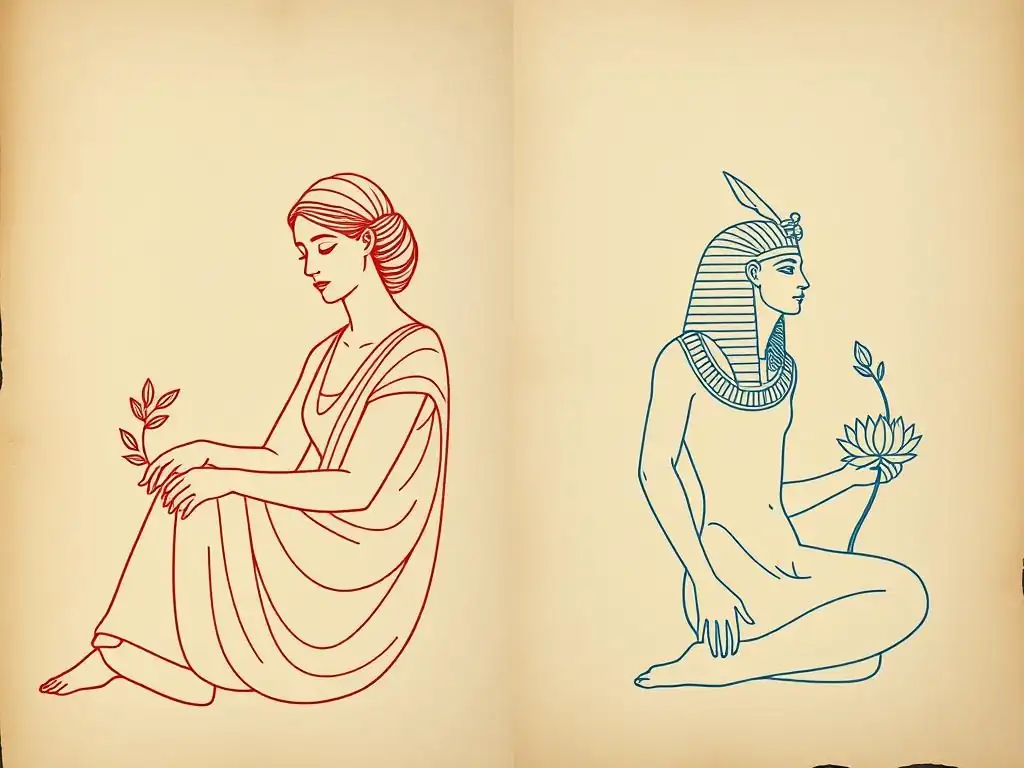
Commonalities in Gendered Mental Health Beliefs Across Ancient Cultures
Despite vast geographical and cultural differences, several commonalities emerge when comparing ancient perspectives on gendered mental afflictions across Greece, Rome, Egypt, and Mesopotamia. A pervasive theme is the tendency to attribute certain types of distress or specific symptoms predominantly to one sex, often linking them to perceived biological differences or societal roles.
Women's afflictions were frequently tied to their reproductive organs (Greece, Rome) or seen as stemming from vulnerabilities related to childbirth or domestic life (Egypt, Mesopotamia). This biological essentialism, viewing women's bodies as inherently prone to specific ailments that manifested psychologically, is a strong shared thread in ancient gendered mental health history.
Another commonality is the influence of supernatural or external forces on mental health. Whether through humoral imbalances seen as disruptions of natural order (Greece, Rome), divine wrath or demons (Egypt, Mesopotamia), ancient cultures often looked beyond purely psychological explanations.
While the nature of the external force differed (internal humor vs. external spirit), the idea that mental distress was often not solely a product of one's conscious mind or experiences was widespread. Furthermore, healing practices often involved religious or magical elements alongside empirical remedies, reflecting a holistic worldview where physical, mental, and spiritual well-being were interconnected, and where gender roles influenced access to or type of spiritual support sought.
The Role of Social Hierarchy and Gender Roles
Across these ancient civilizations, both social hierarchy and strict gender roles profoundly shaped the understanding and experience of mental health. The types of distress recognized, the explanations offered, and the treatments available often varied based on a person's status (free vs. enslaved, citizen vs. foreigner) and their gender. For instance, melancholy in Greece and Rome was sometimes associated with intellectual elites, primarily men, giving it a different valence than the widespread, often stigmatized diagnosis of hysteria applied to women across social strata.
Women's mental health was consistently viewed through the lens of their primary roles: wife, mother, manager of the household. Afflictions were often linked to disruptions in these roles or to their reproductive functions, reinforcing the idea that a woman's well-being was tied to her biological and domestic utility. Men's mental health, conversely, was often discussed in relation to their public roles: warrior, politician, philosopher, provider.
Distress might be framed as a consequence of external pressures, failure in public life, or intellectual struggle. This pervasive influence of social structure and gendered expectations on the interpretation and experience of mental suffering is a defining feature of ancient gendered mental health history.
Differences in Diagnoses and Treatments Based on Gender and Culture
Significant differences also existed across these cultures in how gender influenced specific diagnoses and treatments. Ancient Greece and Rome, with their focus on humoral theory, developed specific, gendered concepts like "hysteria" tied directly to female physiology. While they also recognized "melancholy," its application and interpretation often differed for men and women. Treatments for hysteria often involved interventions targeting the uterus.
Ancient Egypt and Mesopotamia, relying more on demonology and divine influence, didn't have direct equivalents to Greek hysteria or melancholy as primary diagnostic categories. Instead, mental distress was framed as possession or spiritual affliction, with treatments focusing on exorcism and appeasement.
While gender influenced which demons were feared or which deities were invoked, the core mechanism of illness (demonic invasion) and the type of treatment (exorcism/ritual) were conceptually applied to both sexes, albeit with potential variations in specific practices. This contrasts with the more distinct, physiologically gendered diagnostic categories found in Greco-Roman medicine, illustrating the diverse paths taken in ancient gendered mental health history.
Varying Cultural Approaches
The cultural context heavily influenced the specific manifestations and interpretations of gendered mental health challenges. In Greece and Rome, the rise of philosophical schools provided a non-medical, intellectual space for discussing male emotional states, particularly melancholy, which was largely absent in the more theurgic systems of Egypt and Mesopotamia. The emphasis on public life and rhetoric in the classical world also created specific stressors for men, leading to unique expressions of anxiety or distress.
In Egypt and Mesopotamia, where religion and magic were deeply integrated into daily life and medicine, mental distress was more likely to be interpreted through a spiritual lens. A woman experiencing postpartum depression in Egypt might be seen as afflicted by a malevolent spirit or divine displeasure, leading to treatment involving priestly intervention and magical protection, rather than a purely physiological explanation like the wandering womb.
These varying cultural approaches to understanding the source of suffering – internal imbalance vs. external spiritual force – led to fundamentally different frameworks for interpreting and responding to gendered mental health challenges throughout ancient history.
The Legacy of Ancient Views on Gendered Mental Health
How Ancient Theories Shaped Later Understandings of Mental Illness
The ancient perspectives on gendered mental health, particularly those from Greece and Rome, cast a long shadow over Western medical thought. The concept of hysteria, rooted in the wandering womb theory, persisted as a dominant explanation for a wide range of female physical and psychological symptoms well into the late 19th and even early 20th centuries. Physicians continued to attribute women's emotional distress, nervousness, and even conditions like epilepsy or paralysis to issues with their reproductive system.
This meant that for millennia, women's experiences of mental suffering were pathologized, often dismissed as biologically determined, and not taken seriously as genuine psychological or social issues. This enduring legacy profoundly impacted the development of clinical practice and research, delaying a more nuanced understanding of female mental health challenges.
Similarly, the humoral theory, including the concept of melancholy, influenced medical thinking for centuries. While melancholy was applied to both sexes, the ancient association of certain forms of deep thought or creativity with male melancholy subtly influenced how male depression might be perceived, sometimes granting it a degree of intellectual gravitas not afforded to female distress.
These ancient frameworks, disseminated through texts and medical education, became foundational, shaping how mental illness was classified, researched, and treated (or mistreated) for generation after generation. The study of gendered mental health history is crucial to understanding the deep roots of these persistent biases.
Critiques of Ancient Gendered Mental Health Concepts
Modern understanding of mental health offers significant critiques of ancient gendered mental health concepts. The most obvious is the lack of empirical evidence for theories like the wandering womb or the direct link between specific humors and mental states. These theories were based on speculation, observation filtered through cultural bias, and philosophical assumptions rather than rigorous scientific methodology. The attribution of complex psychological and physical symptoms to a single, simplistic biological cause (like the uterus moving) is scientifically unfounded.
Furthermore, ancient concepts like hysteria are heavily criticized for their role in pathologizing and controlling women. By labeling a vast array of female behaviors and symptoms as a single disease stemming from their reproductive organs, ancient medicine effectively medicalized female experience and reinforced patriarchal control. It ignored the potential impact of social conditions, trauma, or other non-gender-specific medical issues on women's health. These critiques highlight how ancient gendered mental health history was deeply intertwined with social prejudice and a limited scientific understanding, leading to harmful and discriminatory practices that persisted for centuries.
The Importance of Understanding the Historical Context of Gender and Mental Health
Understanding the historical context of gender and mental health is vital for several reasons. Firstly, it reveals the deep historical roots of gender bias in medicine and psychology. Recognizing that concepts like hysteria were products of specific cultural, social, and scientific limitations helps us critically evaluate how gender continues to influence the diagnosis, treatment, and experience of mental health today. Many historical biases, though perhaps expressed differently, still subtly shape societal perceptions and even clinical approaches to gendered mental health.
Secondly, studying ancient gendered mental health history reminds us that understandings of mental illness are culturally constructed. What is considered a "symptom" or a "disorder" is not universal but shaped by prevailing beliefs, social norms, and scientific paradigms. This historical perspective encourages humility and critical thinking about our current classifications and approaches, prompting us to consider how contemporary societal factors might be influencing our understanding of mental health in different genders. It underscores the importance of moving beyond biological essentialism and considering the complex interplay of biology, psychology, and social factors in mental well-being for everyone.
Conclusion: Reflecting on Ancient Perspectives and Modern Implications for Gendered Mental Health History
Lessons Learned from Ancient Approaches to Mental Well-being
Reflecting on ancient approaches to mental well-being, particularly through the lens of gendered mental health history, offers valuable lessons despite their scientific limitations and inherent biases. One key lesson is the long-standing human attempt to make sense of mental suffering, even with limited tools. Ancient cultures, whether through humoral theory, demonology, or divine intervention, sought explanations and developed practices aimed at alleviating distress. This underscores the fundamental human need to understand and address psychological pain, a need that transcends time and culture.
Another lesson is the powerful influence of societal structure and cultural beliefs on health paradigms. Ancient societies' views on gender roles, the body, and the cosmos directly shaped their understanding of mental illness. This highlights the importance of considering the broader social, cultural, and environmental context when examining mental health, rather than focusing solely on individual or biological factors. While ancient solutions were often flawed, their recognition of the connection between the individual and their world, however interpreted, holds relevance.
The Ongoing Relevance of Gender in Mental Health Research and Treatment.
The study of ancient gendered mental health history underscores the enduring relevance of gender in contemporary mental health research and treatment. While ancient theories were based on flawed science and societal biases, modern research continues to reveal complex interactions between biological sex, gender identity, societal gender roles, and mental health outcomes.
For instance, studies show significant differences in the prevalence rates of certain conditions, such as higher rates of depression and anxiety diagnoses in women and higher rates of substance use disorders and completed suicides in men, though these statistics are complex and influenced by many factors including reporting biases.
Furthermore, understanding the historical legacy of gendered biases in medicine helps us identify and challenge implicit assumptions that may still affect diagnosis and treatment today. It highlights the need for gender-sensitive approaches in therapy, recognizing the unique social pressures and experiences faced by individuals of different genders. The history demonstrates that gender is not merely a demographic category but a fundamental aspect of identity and social experience that profoundly impacts mental well-being, making its ongoing study and consideration vital for equitable and effective mental healthcare in the modern era.
Frequently Asked Questions
What is Gendered Mental Health History and why is it important to study?
Gendered Mental Health History examines how societal norms and expectations based on gender have shaped the understanding, diagnosis, and treatment of mental health conditions throughout history. Studying it helps us understand current biases and improve mental healthcare for all genders.
How did ancient societies view mental afflictions differently based on gender?
Ancient societies often attributed mental afflictions in women to biological factors, such as the uterus, while men were more likely to be seen as suffering from moral failings or external influences. These views significantly impacted treatment approaches.
Examples include the ancient Greek concept of "hysteria," believed to be caused by a "wandering womb," and the association of melancholia in men with excessive studying or intellectual pursuits, a privilege largely denied to women.
How can understanding Gendered Mental Health History improve modern mental healthcare?
By acknowledging the historical biases embedded in mental health practices, we can work towards more equitable and inclusive diagnostic criteria and treatment options that consider the unique experiences of individuals across the gender spectrum.
Resources can be found in academic journals focusing on medical history and women's studies, as well as through organizations dedicated to mental health advocacy and research with a focus on gender equity.
Final Reflection: Unraveling the Threads of Gender and Mental Illness Through Time
The historical lens through which we view mental health reveals a deeply ingrained bias, shaping not only diagnoses but also access to care and societal understanding. The disparities we see today in mental health outcomes between genders are not simply modern phenomena; they are the lingering echoes of centuries of misinterpretation and societal conditioning. Understanding this historical context is crucial to dismantling these inequalities and building a more equitable future.
The exploration of ancient perspectives on gendered mental afflictions has profoundly impacted my understanding of the complexities surrounding mental illness. It's striking how consistently women, throughout history, have been diagnosed with conditions reflecting societal expectations and anxieties rather than genuine clinical presentations. The history of madness is also the history of women's oppression.
This quote, while perhaps an oversimplification, highlights the pervasive influence of societal norms on the perception and treatment of mental illness in women. This historical context underscores the urgent need for a critical reevaluation of modern diagnostic criteria and treatment approaches, ensuring they are not inadvertently perpetuating past biases.
Now, consider your own perceptions of mental health. How have societal expectations, both past and present, influenced your understanding of mental illness, particularly in relation to gender? I urge you to engage in critical self-reflection, challenging preconceived notions and advocating for a more nuanced and compassionate approach to mental healthcare. By acknowledging the historical roots of gendered disparities in mental health, we can actively work towards a future where everyone has equal access to understanding, support, and effective treatment, regardless of gender.
Uncover Your Inner Strength: Practical Steps to Wellbeing
Thanks for taking the time to explore ancient perspectives on gendered mental health! We hope you found insightful approaches to understanding and addressing these complex issues. Now, let's take that knowledge further.
- Prioritize self-reflection: Identify one area from the article that resonates most strongly with your personal experience. Journal about it, focusing on how these ancient practices might help you navigate your unique challenges. This focused self-care is key.
- Share your insights: Discuss a key takeaway with a friend, family member, or in an online community. Sharing your journey helps normalize conversations about mental health.
- Explore complementary practices: Research one of the practices mentioned in the article (yoga, meditation, herbal remedies etc.) and find a local class or resource to begin your journey towards holistic wellbeing.
Ready to embark on your personal path to a stronger, healthier you? What resonates most with you from the article's exploration of ancient wisdom and how will you integrate it into your daily life?