
Casting Out Shadows: Magic and Exorcism in Ancient Mental Care

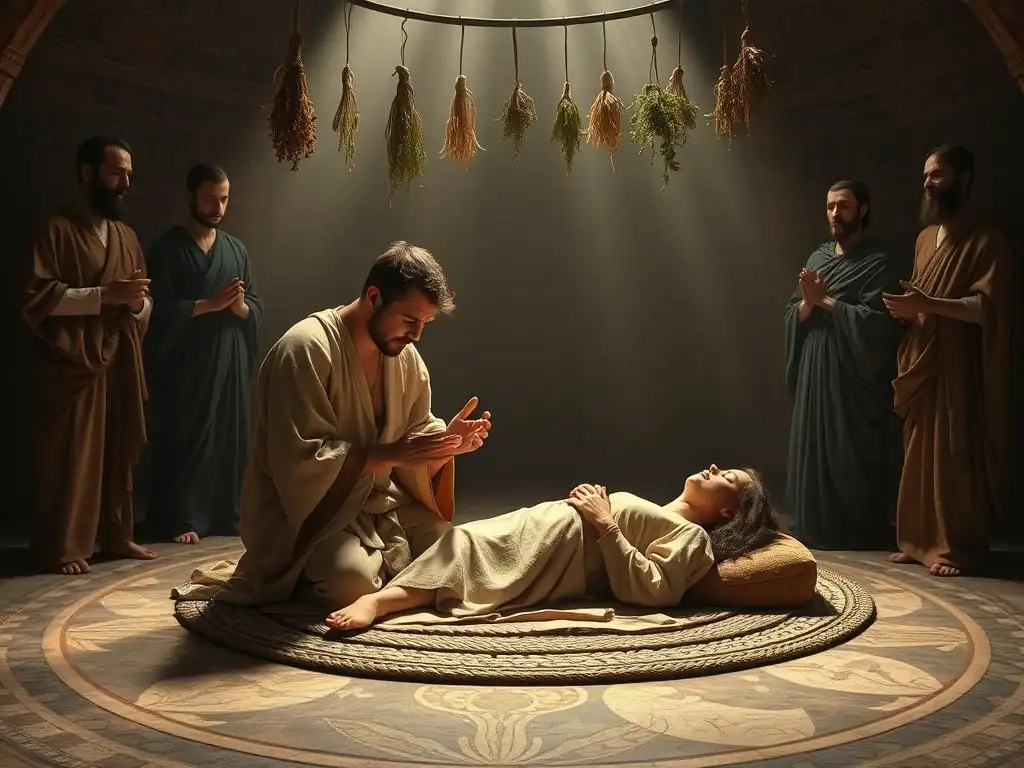
Welcome to Mind Care Guide.
Do you ever wonder how our ancestors coped with the invisible burdens of the mind? We do too. Delve into a fascinating, and perhaps surprising, exploration of ancient magic mental health care and its role in healing. Prepare to cast aside preconceived notions and discover the intriguing ways early civilizations addressed mental well-being, practices that might even hold echoes relevant to us today. Intrigued? Let's begin...
Casting Out Shadows: Magic and Exorcism in Ancient Mental Care
- Introduction: Exploring Ancient Perspectives on Mental Well-being
- Understanding Ancient Beliefs About Mental Illness
- The Role of Magic in Ancient Mental Health Care
- Exorcism as a Method of Ancient Mental Care
- Comparing Magic and Exorcism in Ancient Mental Health Approaches
- Case Studies: Examples of Magic and Exorcism in Ancient Mental Health Treatment
- Criticisms and Ethical Considerations of Ancient Magic and Exorcism
- The Legacy of Ancient Magic and Exorcism in Modern Mental Health
- Conclusion: Reflecting on Ancient Mental Care and its Relevance Today
-
Frequently Asked Questions
- What role did magic play in ancient approaches to mental health?
- How did exorcism practices relate to mental well-being in ancient cultures?
- Were there any limitations or dangers associated with using magical practices for mental health?
- How does the ancient view of mental illness differ from modern perspectives?
- Can any aspects of ancient magical practices be considered relevant to contemporary mental health care?
- Final Reflection: The Enduring Power of Ancient Healing Practices
- Unleash Your Inner Healer: Discover the Power of Ancient Practices
Introduction: Exploring Ancient Perspectives on Mental Well-being
The Intersection of Ancient Magic and Mental Health
In ancient civilizations, the understanding of what we now call mental illness was vastly different from contemporary psychiatric models. Rather than viewing distress solely through a biological or psychological lens, many cultures attributed significant power to supernatural forces, divine intervention, or malevolent spirits. This worldview naturally led to healing practices that incorporated elements of magic, ritual, and spiritual intervention. Ancient magic mental health care was deeply embedded within the religious and cosmological beliefs of the time, offering explanations and potential remedies for conditions that defied simple physical explanations.
These ancient approaches were not merely superstitions; they represented sophisticated systems of belief and practice developed over centuries. Healers, priests, and shamans employed a variety of techniques, from incantations and amulets to elaborate ceremonies, all aimed at restoring balance or driving out perceived harmful influences affecting the mind. The efficacy of these methods was judged within the cultural context of the time, often based on observed changes in behavior or reported feelings of relief, reinforcing the belief in the power of ancient magic for mental health.
Historical Context of Mental Health Treatment
Historically, the treatment of mental health conditions has undergone dramatic shifts, moving from predominantly spiritual and magical interpretations in antiquity to more medical and psychological models in modern times. In ancient Mesopotamia, for instance, mental afflictions were often seen as the work of specific demons, requiring the intervention of an Ashipu priest who specialized in exorcism and incantations documented in extensive cuneiform texts. Similarly, ancient Egypt combined practical medical treatments with spells and appeals to deities like Sekhmet or Thoth for healing.
Across various ancient cultures, including Greece and Rome, while figures like Hippocrates began to propose naturalistic explanations for illness, supernatural beliefs persisted, particularly regarding severe mental disturbances. Temples dedicated to healing gods, such as Asclepius in Greece, offered rituals that included dream interpretation and purification rites, integrating spiritual and physical healing. This historical backdrop highlights a continuum of care where what we categorize as ancient magic mental health care was a primary, often the only, available form of intervention for profound psychological suffering.
Understanding Ancient Beliefs About Mental Illness
Defining Mental Distress in Ancient Societies
Ancient societies did not have a unified concept equivalent to our modern "mental illness." Instead, various forms of distress, unusual behavior, and cognitive impairment were described using terms that often reflected their perceived cause or manifestation. Terms might translate to "madness," "melancholy," "frenzy," or descriptions tied to specific actions like self-harm, incoherent speech, or violent outbursts. These conditions were frequently interpreted as deviations from social norms or signs of internal or external imbalance.
For example, in ancient Greece, conditions like melancholia were sometimes linked to imbalances of bodily humors (a nascent medical theory), but acute "madness" ( mania) could still be attributed to divine wrath or demonic possession. Mesopotamian texts cataloged various symptoms, often linking them directly to the name of a demon thought to be responsible. This lack of a purely biological or psychological framework meant that distressing mental states were often defined and understood through the lens of their perceived non-physical origins.
Supernatural Explanations: Demons, Spirits, and Divine Influence
A pervasive belief across many ancient cultures was that mental suffering was caused by supernatural entities or forces. Demons were frequently blamed for invading the body or mind, causing torment, irrational thoughts, or loss of self-control. The Babylonian Lamashtu, for instance, was a female demon feared for harming infants and mothers, but also associated with causing nightmares and madness in adults. Similarly, ancient Egyptian texts reference malevolent spirits or the curses of enemies as sources of affliction.
Beyond demons, divine influence played a significant role. Mental states, including prophetic visions or fits of madness, could be seen as signs of possession by a god or as punishment for impiety. The Furies in Greek mythology, for example, were deities who could drive individuals mad as retribution for crimes. This understanding that deities or spirits could directly impact mental states provided a rationale for seeking remedies through religious rituals, appeasement, or the expulsion of the offending entity – practices central to ancient magic mental health care.
The Role of Magic in Ancient Mental Health Care
Ancient Magic Practices and Their Perceived Healing Powers
Ancient magic practices encompassed a wide array of techniques believed to influence the natural and supernatural worlds for desired outcomes, including healing. These practices often involved the use of specific words (incantations or spells), objects (amulets, talismans, herbs, stones), and actions (rituals, gestures, sacrifices). The power of these elements was thought to derive from their inherent magical properties, their connection to deities or spirits, or the skill and authority of the practitioner.
For conditions interpreted as mental distress, ancient magic might be employed to counteract curses, protect against evil eye, or attract benevolent influences. Amulets inscribed with protective symbols or divine names were commonly worn. Potions or fumigations made from specific herbs, believed to have magical as well as medicinal properties, were administered. The perceived healing power of these ancient magic mental health care methods lay in their ability to address the believed supernatural cause of the affliction, restoring harmony between the individual and the spiritual realm.
Rituals and Spells in Treating Mental Disturbances
Rituals and spells were central components of ancient magic used for mental health. Rituals often involved a sequence of actions performed at specific times or locations, sometimes incorporating music, dance, or dramatic reenactments. These could range from simple purification rites to elaborate ceremonies performed by priests or trained magicians. The repetition, symbolism, and sensory engagement of rituals were intended to create a potent environment for healing or expulsion.
Spells, or incantations, were verbal formulas believed to hold inherent power. These might be prayers, commands to spirits, or narratives recounting mythological events where a deity triumphed over chaos or illness. For example, a Babylonian incantation against a headache (potentially a symptom of broader distress) might invoke specific gods and recount a myth to bind the source of the pain. The precise wording and correct pronunciation were considered crucial for the spell's effectiveness in ancient magic mental health care.
Example structure of a simple protective spell (hypothetical, based on common ancient patterns):

Invoke divine protection:
    "[Name of Deity 1], protect me from harm!"
    "[Name of Deity 2], shield my mind!"

Identify the source of affliction (e.g., a spirit):
    "You, foul spirit, causing confusion and fear!"

Command the source to depart:
    "By the power of [Deity 3], I command you, leave this body!"
    "Go back to the darkness from which you came!"

Affirm the desired state:
    "May peace and clarity return!"
    "May my mind be sound and strong!"
Exorcism as a Method of Ancient Mental Care
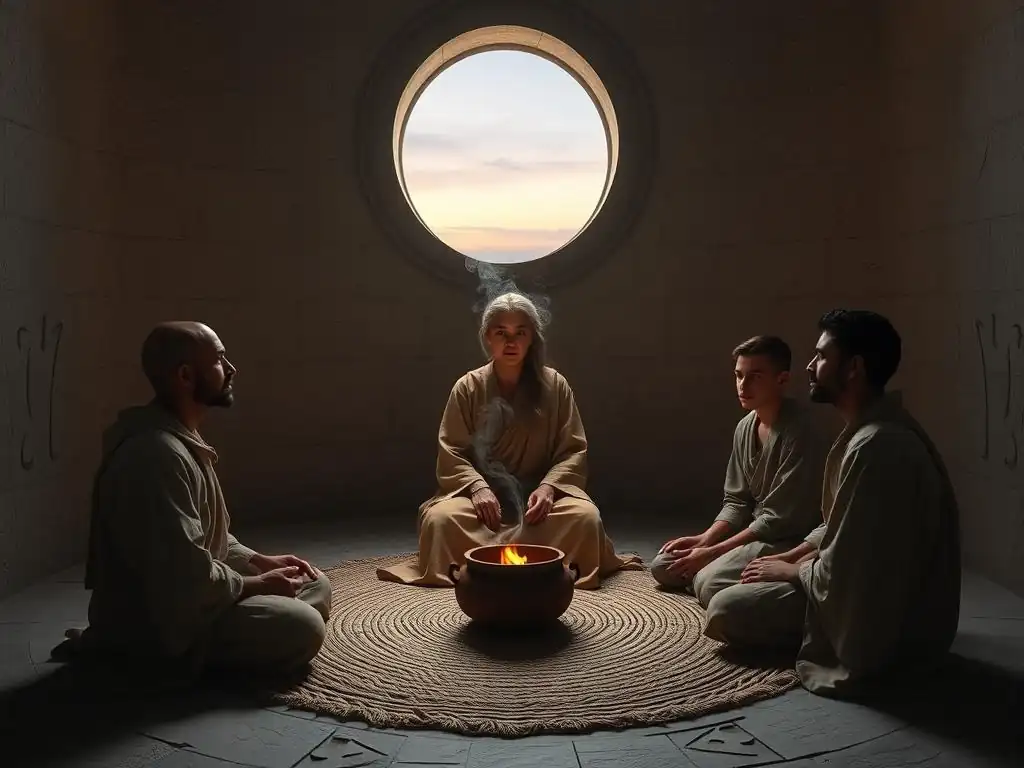
The Practice of Exorcism in Various Ancient Cultures
Exorcism, the ritualistic expulsion of evil spirits or demons from a person or place, was a widespread practice in ancient cultures, often overlapping significantly with magical healing rites. In Mesopotamia, exorcism was a highly developed profession, with Ashipu priests acting as spiritual physicians, using incantations, purifications, and sacrifices to combat the demons believed to cause illness, including what we might interpret as severe mental disorders. The extensive Maqlû series, a collection of incantations and rituals, was specifically designed for counteracting sorcery and demons.
Ancient Egypt also practiced exorcism, often involving appeals to powerful deities like Horus or Ra to drive out malevolent forces. In the Greco-Roman world, while philosophical and early medical theories existed, folk beliefs in possession persisted, and various practitioners, including priests of mystery cults or wandering holy men, performed exorcisms. Later, within early Christianity, exorcism became a significant practice, reflecting broader ancient beliefs about demonic influence on both physical and mental states. This prevalence across diverse societies highlights exorcism's central role in ancient magic mental health care.
Techniques and Rituals in Ancient Exorcism Practices
Ancient exorcism rituals varied but often shared common elements aimed at making the host uncomfortable for the spirit or asserting divine authority over the entity. Techniques included:
- Incantations: Loudly reciting powerful words, divine names, or spells directly at the afflicted person or the presumed location of the spirit.
- Aromatic Fumigation: Burning strong-smelling herbs, resins (like frankincense or myrrh), or other substances believed to be repugnant to demons.
- Physical Contact: Laying on of hands, sometimes accompanied by gestures or symbols believed to channel divine power or protection.
- Use of Objects: Applying amulets, sacred oils, holy water (where applicable culturally), or objects inscribed with protective symbols.
- Questioning the Spirit: Attempting to communicate with the possessing entity to learn its name, origin, or reason for affliction, believing that knowledge gave power over it.
- Isolation or Restraint: In some cases, isolating the afflicted person or using restraints, sometimes interpreted as part of the ritual to control the possessed individual or the spirit.
A Mesopotamian exorcism ritual might involve the Ashipu priest reciting incantations while applying poultices of specific herbs, washing the patient with ritually purified water, and performing symbolic acts like binding and burning effigies of the demon. These elaborate and often lengthy rituals were designed to be powerful spiritual confrontations, integral to ancient magic mental health care as practiced at the time.
Comparing Magic and Exorcism in Ancient Mental Health Approaches
Similarities in Belief Systems
Both ancient magic and exorcism, when applied to mental health, stemmed from a shared fundamental belief system: that non-physical forces could directly cause or influence human suffering, including distress and unusual behaviors. Both practices operated on the principle that addressing the perceived supernatural cause was necessary for healing. They often invoked the power of deities, spirits, or cosmic forces to achieve their goals, whether through supplication, command, or manipulation of these powers.
Furthermore, both approaches relied heavily on ritual, symbolism, and the authority of the practitioner (magician, priest, shaman). The effectiveness of ancient magic mental health care, whether through a general spell or a specific exorcism, was believed to be contingent upon performing the rites correctly, using the right words or objects, and possessing the necessary spiritual power or divine favor. They were integrated methods within a worldview where the spiritual and physical realms were deeply intertwined.
Differences in Application and Perceived Effects
While overlapping, magic and exorcism differed somewhat in their primary focus and application regarding mental health. Magic, in a broader sense, could be used for a variety of purposes related to mental well-being, including:
- Protection against future harm or negative influences.
- Attracting positive qualities like courage or clarity.
- Counteracting curses or spells cast by enemies.
- Restoring general balance or harmony.
Exorcism, on the other hand, was more specifically aimed at the removal of a perceived intrusive entity – a demon, spirit, or malevolent influence directly causing the affliction. It was typically employed when symptoms were interpreted as signs of possession or severe spiritual attack. While a magical ritual might seek to strengthen the individual's spiritual defenses, an exorcism sought to actively expel the perceived source of the problem. Thus, while both fall under the umbrella of ancient magic mental health care, exorcism represented a specific, confrontational form of intervention.
Case Studies: Examples of Magic and Exorcism in Ancient Mental Health Treatment
Ancient Egyptian Healing Rituals
Ancient Egyptian papyri, such as the Ebers Papyrus (circa 1550 BCE), contain a blend of empirical medical observations and magical remedies. For conditions that might be interpreted as mental distress, such as severe anxiety or depression, treatments could involve both herbal remedies and powerful incantations or amulets. For instance, spells existed to soothe a crying child, ward off nightmares, or protect against malevolent spirits believed to cause illness. A common practice involved writing an incantation on papyrus, dissolving it in water, and having the patient drink it, literally internalizing the magical words.
One specific example involves spells to soothe a troubled mind or expel malevolent influences from the body. These rituals often invoked the protection of powerful deities like Isis or Thoth, god of wisdom and magic. The practitioner might use fumigation with specific resins or herbs, apply protective amulets depicting powerful symbols like the Eye of Horus, and recite lengthy incantations describing the defeat of chaotic forces by the gods. These Egyptian practices demonstrate how ancient magic mental health care was integrated with religious belief and early medical knowledge.
Ancient Greek Exorcism Practices
While Hippocrates sought natural explanations, belief in demonic possession persisted in ancient Greece, particularly in folk religion and mystery cults. Accounts from later periods, reflecting earlier practices, describe rituals aimed at expelling malevolent spirits. For example, individuals exhibiting behaviors like fits, speaking in unknown tongues, or displaying unusual strength were sometimes believed to be possessed by a daimon (spirit), which could be benevolent or malevolent.
Practices recorded by figures like the physician Galen, while generally skeptical of purely magical cures, still mention the use of amulets and incantations by some practitioners. Accounts from the Hellenistic and Roman periods, and later in early Christian texts, describe exorcism rituals involving commanding the spirit to leave, using sacred names, applying symbolic substances like oil or saliva, and sometimes fasting and prayer. These Greek examples illustrate the continuation of spiritual interpretations of distress and the use of exorcism as a form of ancient magic mental health care alongside emerging medical theories.
Analyzing the Effectiveness of These Ancient Approaches
Analyzing the "effectiveness" of ancient magic and exorcism from a modern scientific perspective is complex. While they lacked empirical validation as understood today, these practices likely had significant psychological and social effects. The elaborate rituals, the authority of the practitioner, the belief system shared by the community, and the empathetic attention given to the suffering individual could provide comfort, hope, and a sense of agency in confronting the unknown cause of their distress.
For some individuals, the placebo effect, coupled with the powerful psychological impact of ritual and belief, may have led to genuine improvements in their symptoms or subjective experience of suffering. Even if the underlying cause (from a modern view) was not addressed, the process itself could be therapeutic within its cultural context. However, it is also crucial to acknowledge potential harms, such as exploitation by fraudulent practitioners, the use of dangerous substances, or the social stigmatization associated with being labeled as possessed or cursed, aspects that temper a purely positive view of ancient magic mental health care.
Criticisms and Ethical Considerations of Ancient Magic and Exorcism
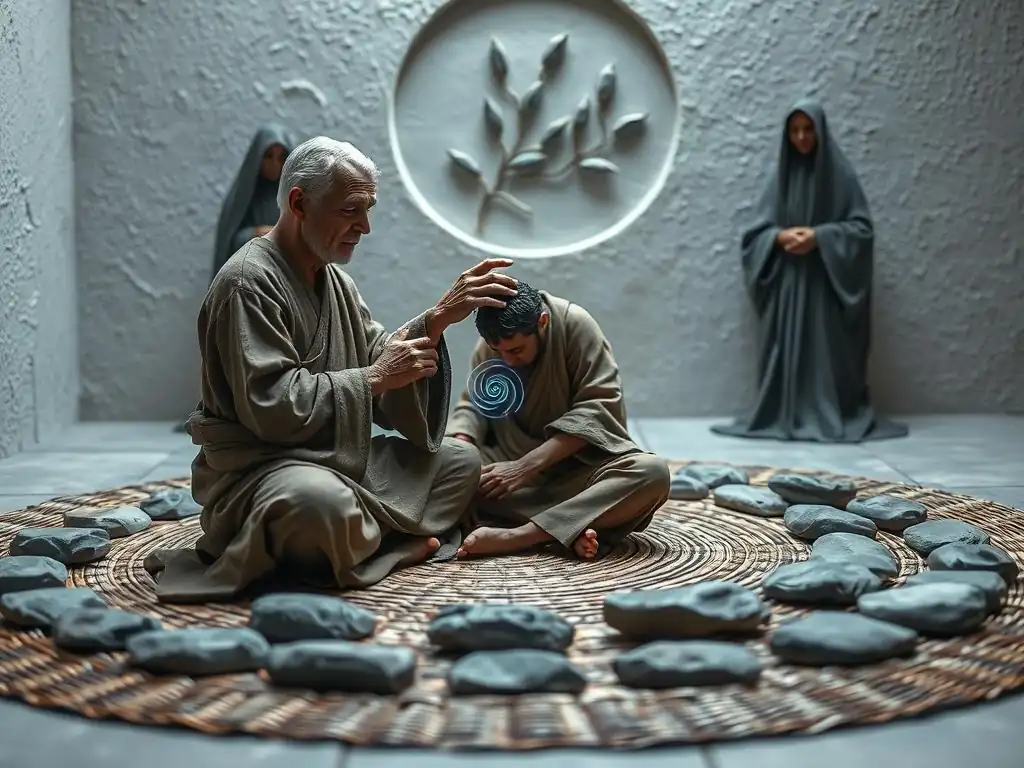
Potential Harms and Dangers
Despite the potentially positive psychological effects for some, ancient magic and exorcism practices also carried significant risks and ethical concerns. One major danger was the use of harmful substances in potions or fumigations, derived from plants or minerals with toxic properties. Without a scientific understanding of dosage or toxicity, these remedies could worsen the patient's condition or even be fatal.
Furthermore, the process of exorcism itself could be physically and psychologically traumatic. Techniques sometimes involved physical restraint, deprivation, or aggressive confrontation with the individual believed to be possessed, potentially causing injury or exacerbating psychological distress. There was also the risk of exploitation, where unscrupulous practitioners might prey on vulnerable individuals and their families, demanding exorbitant fees for ineffective or harmful rituals. These potential harms are critical to consider when evaluating the history of ancient magic mental health care.
Questioning the Validity of Ancient Interventions
From a modern, evidence-based perspective, the fundamental premise of ancient magic and exorcism – that mental illness is primarily caused by supernatural entities – is not supported by scientific understanding. While cultural and spiritual beliefs are valid aspects of human experience, attributing complex biological and psychological conditions solely to demons or curses lacks empirical evidence. This raises questions about the validity of these ancient interventions as true cures for the underlying conditions.
It is important to differentiate between the potential for psychological comfort or social support provided by these practices and their ability to address the biological or neurological factors now known to contribute to many mental illnesses. While they offered a framework for understanding and responding to distress within their time, the lack of efficacy against the root causes, coupled with potential harms, means these ancient magic mental health care methods are not considered valid medical treatments today.
The Legacy of Ancient Magic and Exorcism in Modern Mental Health
The Influence of Ancient Beliefs on Contemporary Views
While modern psychiatry and psychology are grounded in scientific principles, the echoes of ancient beliefs about mental health persist in various ways. Supernatural explanations for distress, though not dominant in clinical settings, still exist in some cultural and religious contexts globally. The idea of "fighting inner demons" is a common metaphor. Furthermore, alternative and complementary therapies sometimes draw on ancient traditions involving rituals, energy work, or spiritual healing, reflecting a continued human desire to address suffering through non-conventional means.
The historical trajectory from ancient magic mental health care to modern scientific approaches highlights a continuous human effort to understand and alleviate mental suffering. Examining this history helps us appreciate the cultural context of illness and healing and recognize how deeply ingrained beliefs about mind, body, and spirit can shape perceptions of distress and its treatment across millennia.
Lessons Learned from Ancient Approaches
Studying ancient magic and exorcism in the context of mental health offers valuable lessons, even as we reject their supernatural premises. One lesson is the importance of the therapeutic relationship and the power of belief. The trust placed in the ancient healer and the shared belief in the ritual's efficacy likely contributed significantly to perceived positive outcomes. This resonates with the modern understanding of the importance of the therapeutic alliance and patient expectations in treatment.
Another lesson is the recognition that suffering individuals need a framework for understanding their experience and a path toward hope and relief. Ancient practices, while scientifically inaccurate, provided this within their cultural context. This underscores the need for modern mental health care to be culturally sensitive and address not just symptoms but also the individual's subjective experience and search for meaning. Understanding ancient magic mental health care reminds us of the enduring human need for connection, explanation, and intervention in the face of profound distress.
Conclusion: Reflecting on Ancient Mental Care and its Relevance Today
The Enduring Human Desire to Alleviate Mental Suffering
Across time and cultures, the experience of mental distress has been a deeply challenging aspect of the human condition. From the earliest recorded civilizations, people have sought ways to understand, cope with, and alleviate suffering related to the mind. Whether attributed to demons, divine displeasure, or internal imbalances, the desire to cast out the shadows of confusion, despair, and fear has remained constant. Ancient magic mental health care, with its rituals, spells, and exorcisms, represents a profound historical testament to this enduring human struggle and the creative, culturally-bound ways people have sought healing.
These ancient practices, though vastly different from modern scientific methods, highlight the universal need for intervention, support, and a narrative that makes sense of distressing experiences. They underscore that mental well-being has always been a concern, even when the understanding of its causes was rooted in supernatural or spiritual beliefs rather than neurobiology or psychology.
Connecting Ancient Wisdom with Modern Mental Health Practices
While we do not perform exorcisms or rely on magical amulets in clinical settings today, the study of ancient magic mental health care can offer valuable insights. It reminds us of the power of belief, ritual, and the therapeutic relationship. It emphasizes the importance of cultural context in shaping perceptions of illness and recovery. Modern approaches, while scientifically grounded, can perhaps learn from the holistic way ancient systems attempted to integrate physical, mental, and spiritual well-being, even if their methods were based on different premises.
By understanding the history of ancient magic mental health care, we gain a deeper appreciation for the long and complex journey of human efforts to confront mental illness. It encourages empathy for those in the past who navigated profound suffering with the tools and knowledge available to them and informs our ongoing efforts to provide compassionate, effective care today that respects the multifaceted nature of human experience.
Frequently Asked Questions
What role did magic play in ancient approaches to mental health?
In ancient times, magic was often interwoven with medicine. It was used as a way to understand and treat mental health conditions, often attributed to spiritual or supernatural causes.
How did exorcism practices relate to mental well-being in ancient cultures?
Exorcism was a common practice believed to remove negative spirits or influences thought to be causing mental distress. It was seen as a way to restore balance and sanity to the affected individual.
Were there any limitations or dangers associated with using magical practices for mental health?
Yes, reliance on magic sometimes led to neglecting physical causes or medical interventions. Furthermore, certain practices could be harmful or exploitative, lacking the ethical considerations of modern mental health care.
How does the ancient view of mental illness differ from modern perspectives?
Ancient views often attributed mental illness to external forces, like gods or demons. Modern perspectives emphasize biological, psychological, and social factors, focusing on scientific understanding and evidence-based treatments.
Can any aspects of ancient magical practices be considered relevant to contemporary mental health care?
While not directly applicable, the emphasis on ritual, community support, and belief in healing found in some ancient practices, mirrors the importance of these elements in modern therapeutic approaches like mindfulness and support groups.
Final Reflection: The Enduring Power of Ancient Healing Practices
The intertwining of magic and mental healthcare in antiquity offers a potent reminder that our understanding of the mind and its ailments is constantly evolving, yet some fundamental human needs remain unchanged. The practices explored in this article, though seemingly disparate from modern approaches, highlight a persistent desire to alleviate suffering and find solace in the face of mental distress. The very act of seeking healing, whether through ritual, herbal remedies, or spiritual intervention, speaks to the enduring human spirit's resilience and its innate capacity for hope.
The legacy of these ancient practices continues to resonate in our modern world, subtly influencing our approaches to mental wellness. While we've moved beyond exorcism as a primary treatment, the underlying principles of community support, ritualistic comfort, and the power of belief remain relevant. The emphasis on holistic care, encompassing the mind, body, and spirit, is a recurring theme throughout history, echoing in contemporary approaches like mindfulness and integrative medicine. The greatest healing therapy is friendship and love.
– Hubert Humphrey. This quote underscores the importance of human connection, a crucial element in both ancient and modern mental healthcare.
Consider the parallels between ancient rituals and modern therapeutic techniques. The power of storytelling, the importance of symbolic gestures, and the creation of a safe and supportive environment – these elements transcend time and culture. You, the reader, are invited to reflect on the enduring human need for healing and the diverse ways we have sought to address mental distress throughout history.
What can we learn from these ancient practices? How can we integrate the wisdom of the past into our present-day approaches to mental wellness? Let the exploration of ancient magic and mental healthcare inspire you to seek out holistic approaches to well-being and to appreciate the enduring power of human connection in the face of adversity.
Unleash Your Inner Healer: Discover the Power of Ancient Practices
Thanks for exploring the fascinating world of ancient mental care with us! You've now gained valuable insights into the historical approaches to healing the mind. Ready to take the next step?
- Delve deeper: Research a specific ancient healing practice that resonated with you most. Explore its techniques and philosophy in greater detail. This could involve finding books, documentaries, or even local workshops.
- Share your thoughts: What surprised you most about these ancient methods? Did any resonate particularly strongly with your own understanding of mental wellbeing? Share your reflections in the comments below – let's spark a conversation!
- Try a mindful practice: Even a small daily act of self-care, inspired by ancient traditions (like meditation or herbal remedies), can make a big difference. Experiment and find what suits you best.
What ancient healing technique are you most eager to learn more about and potentially incorporate into your life?