
How Ancient Thinkers Understood Emotions and Mental State

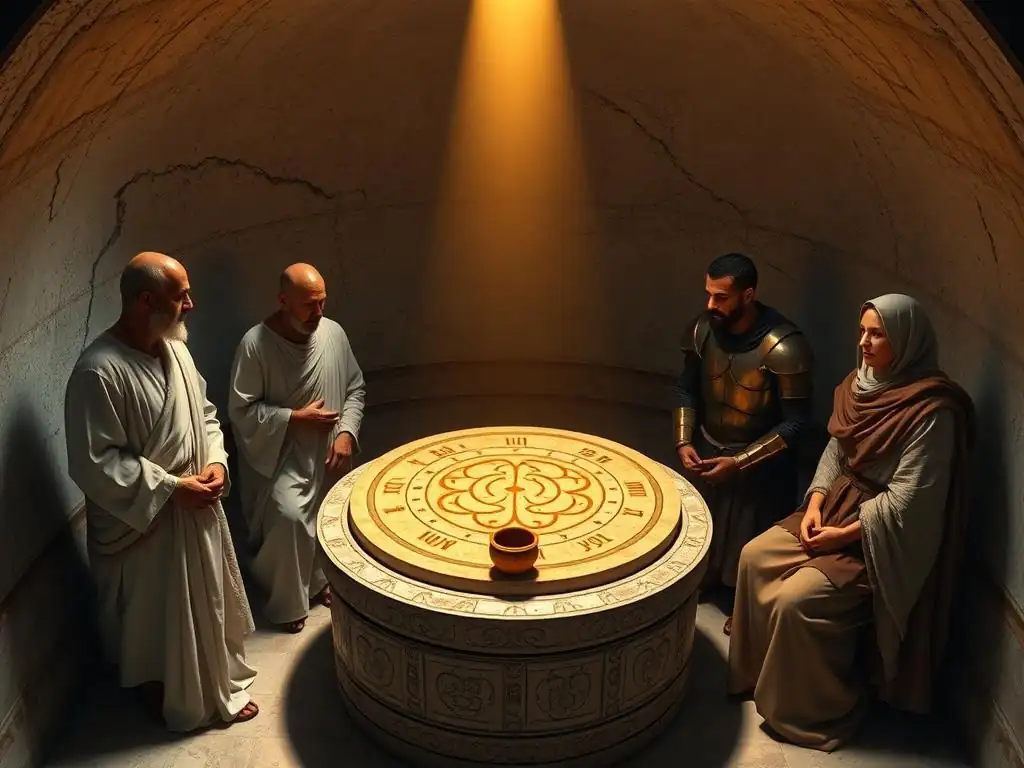
Welcome to Mind Care Guide, a sanctuary for understanding your mental well-being.
Have you ever wondered if the ancients grappled with the same anxieties and emotional turmoil we face today? Our new article, the " Ancient emotions mental health guide", delves into the fascinating perspectives of historical thinkers on emotions and mental state. Explore how their wisdom might offer surprising insights and practical tools for navigating your own inner landscape. Are you ready to uncover the timeless connection between past and present when it comes to mental health? Let's begin this journey together...
How Ancient Thinkers Understood Emotions and Mental State: An Ancient Emotions Mental Health Guide
- Introduction: Exploring Ancient Perspectives on Mental Well-being
- Ancient Egypt: Emotions and the Heart
- Ancient Mesopotamia: Demons, Gods, and Mental Distress
- Ancient Greece: The Dawn of Rational Thought and Emotional Balance
- Ancient Rome: Stoicism, Epicureanism, and Emotional Control
- Ancient China: Harmony, Balance, and Emotional Regulation in Traditional Chinese Medicine (TCM)
- Comparing and Contrasting Ancient Approaches to Mental Health and Emotions
- Conclusion: Lessons from the Ancients for Contemporary Mental Well-being
-
Frequently Asked Questions
- How did ancient philosophers, such as those in Greece, view the connection between emotions and mental health?
- Did ancient cultures have specific practices or techniques for managing emotions and promoting mental well-being?
- What is the relevance of studying ancient perspectives on emotions for modern mental health practices?
- How did ancient societies address mental health challenges, considering the absence of modern psychiatric treatments?
- In what ways did ancient thinkers differentiate between healthy and unhealthy emotional expressions?
- Final Reflection: Echoes of the Ancients in Our Modern Minds
- Unlock Your Emotional Wisdom: Practical Steps to Inner Peace
Introduction: Exploring Ancient Perspectives on Mental Well-being
The Importance of Understanding Historical Views on Emotional Health
Exploring how ancient thinkers viewed emotions and mental states offers invaluable insights into the long history of human attempts to understand the inner world. Long before modern psychology and neuroscience, various cultures developed sophisticated frameworks for conceptualizing feelings, thoughts, and behaviors.
Studying these historical perspectives helps us appreciate the evolution of mental health concepts and recognize that concerns about emotional well-being are not merely modern phenomena but have deep roots in human history. It also allows us to see how different societal structures, belief systems, and scientific understandings shaped approaches to mental distress, providing a broader context for our current understanding and practices.
Furthermore, examining ancient emotions mental health guide approaches can reveal alternative ways of thinking about the mind-body connection and the role of community, spirituality, and daily practices in maintaining balance. For instance, many ancient systems emphasized holistic well-being, integrating physical health, emotional states, and spiritual harmony. This contrasts with some modern tendencies to compartmentalize mental health. By understanding these historical viewpoints, we can gain a richer appreciation for the diverse ways humanity has sought emotional balance and resilience across millennia, potentially inspiring new perspectives on contemporary mental health challenges.
Setting the Stage: Defining "Emotions" and "Mental State" in an Ancient Context
Defining "emotions" and "mental state" in an ancient context requires careful consideration, as these terms did not always align precisely with modern psychological definitions. In many ancient cultures, emotions were often seen as powerful forces, sometimes external or divine in origin, that influenced behavior and well-being. Concepts like "soul," "spirit," or specific organs (like the heart or liver) were frequently considered the seat of feelings and thoughts, rather than the brain exclusively. A "mental state" might encompass not just cognitive function but also moral character, spiritual condition, and social harmony.
For example, while we might distinguish between depression (a mental state) and sadness (an emotion), ancient texts might describe a pervasive state of sorrow or melancholy linked to an imbalance of bodily humors, divine displeasure, or the influence of spirits. The ancient understanding was often more integrated, viewing emotions and mental states as intertwined with physical health, moral standing, and one's relationship with the cosmos. This ancient emotions mental health guide exploration will delve into how these integrated views manifested in different civilizations.
Ancient Egypt: Emotions and the Heart
The Egyptian Concept of the Heart as the Seat of Emotions and Intellect
In ancient Egypt, the heart, or ib, was considered the central organ of not only life but also emotion, intellect, will, and conscience. Unlike the modern focus on the brain, the Egyptians believed the heart was where thoughts were formed, feelings resided, and moral decisions were made. Texts from various periods emphasize the heart's critical role in guiding a person's actions and determining their fate in the afterlife. The ib was seen as a dynamic entity that could be influenced by external factors, experiences, and internal states.
This belief is vividly illustrated in the judgment scene depicted in the Book of the Dead. In this scene, the deceased's heart is weighed against the feather of Ma'at, the goddess of truth and justice. A heart heavy with wrongdoing would tip the scales, indicating a troubled moral and emotional state that would prevent entry into the afterlife. This ritual underscores the profound connection the Egyptians made between emotional integrity, moral character, and the physical organ of the heart, reflecting their unique ancient emotions mental health guide perspective.
Emotional Depictions in the Book of the Dead and Tomb Paintings
The Book of the Dead, a collection of spells and rituals to assist the deceased in the afterlife, contains numerous references to emotions and mental states. Spells often aimed to protect the heart, ensure its loyalty to the deceased's true self, and prevent it from testifying against them in the judgment. These texts reveal anxieties about fear, confusion, and the potential for a troubled ib to hinder the transition to the afterlife. The language used reflects a deep concern for maintaining a pure and stable emotional core.
Tomb paintings also offer glimpses into the emotional lives of Egyptians, depicting scenes of joy, sorrow, grief during funerals, and contentment in daily activities. While stylized, these depictions suggest an awareness of a range of human emotions. For instance, mourning scenes often show individuals expressing intense grief, tearing their clothes, and wailing. These visual records, combined with textual evidence, paint a picture of a society that recognized and expressed emotions, albeit within a framework centered on the heart and intertwined with spiritual beliefs, forming a part of their ancient emotions mental health guide understanding.
Implications for Understanding Mental Health in Ancient Egypt
Given the Egyptian understanding of the heart as the seat of mind and emotion, difficulties with emotional regulation or what we might call mental distress could have been interpreted through this lens. A troubled heart, perhaps afflicted by spirits, divine displeasure, or moral impurity, could manifest in various forms of suffering.
While specific medical texts focusing solely on mental illness are scarce compared to those on physical ailments, tomb inscriptions and religious texts suggest that states of anxiety, sorrow, or perhaps even more severe disturbances might have been addressed through religious rituals, spells, and attempts to appease deities or correct moral imbalances.
The emphasis on the heart's integrity in the afterlife suggests that maintaining a state of emotional and moral purity during life was crucial for well-being, both in this world and the next. While they lacked a biomedical model of mental illness, the Egyptians certainly recognized states of emotional suffering and sought ways to address them within their cosmological and physiological framework. This highlights how deeply embedded their ancient emotions mental health guide was within their broader worldview.
Ancient Mesopotamia: Demons, Gods, and Mental Distress

Attributing Mental Illness to Supernatural Forces in Mesopotamian Culture
In ancient Mesopotamia, particularly in Sumerian, Akkadian, and Babylonian cultures, mental distress and unusual behaviors were often attributed to supernatural causes. Demons, ghosts, or angry deities were frequently blamed for afflicting individuals with various forms of suffering, including what we might now classify as mental illness.
Texts describe conditions ranging from states of melancholy and confusion to more acute disturbances, often linked to the presence of malevolent spirits entering the body or mind. This perspective was deeply integrated into their understanding of illness in general, which was frequently seen as a punishment for sin or the result of negative supernatural influence.
The role of the ašipu (exorcist or healer) was crucial in diagnosing and treating these conditions. Diagnosis involved interpreting omens, dreams, and the patient's symptoms to identify the specific demon or deity responsible. Treatment focused on rituals, incantations, and amulets designed to expel the malevolent force, appease the offended deity, or protect the individual from further harm. This approach reflects a worldview where the boundaries between the physical, mental, and spiritual realms were fluid, and illness was often a sign of disharmony with the divine or supernatural world, shaping their ancient emotions mental health guide.
Ishtar and Nergal: Mesopotamian Deities Associated with Mental Health and Emotions
Mesopotamian mythology included numerous deities associated with different aspects of human life, including emotions, health, and illness. Ishtar (Inanna in Sumerian), the goddess of love, war, and sexuality, was also associated with powerful emotions and could be capricious, bringing both joy and sorrow. While not solely a deity of mental health, her domain encompassed the intense emotional experiences that could potentially lead to distress.
Nergal, a god associated with the underworld, plague, and death, was also linked to fevers and certain forms of illness, which might have included conditions with psychological manifestations. While specific deities dedicated solely to mental health in the modern sense are not clearly defined, the pantheon reflected an awareness of the forces that could impact human well-being, including emotional and psychological states. The interaction with these deities, through prayer, offerings, or appeasement rituals, was central to addressing suffering, including mental distress, within their ancient emotions mental health guide framework.
Rituals and Practices for Addressing Mental Distress in Ancient Mesopotamia
Mesopotamian cuneiform tablets describe various rituals and practices employed to alleviate mental distress attributed to supernatural causes. These often involved elaborate ceremonies conducted by the ašipu. Common practices included:
- Incantations: Chanting specific words or prayers believed to have magical power to ward off spirits or appease deities.
- Amulets and Charms: Wearing protective objects inscribed with symbols or texts to prevent supernatural affliction.
- Medicinal Poultices and Potions: While the primary cause was seen as supernatural, physical remedies were also used, often in conjunction with rituals, perhaps to soothe symptoms or make the body less hospitable to spirits.
- Confession and Purification: Rituals aimed at cleansing the individual of sin or impurity that might have attracted negative forces.
One notable example found in medical texts involves descriptions of bennu, a term used for conditions characterized by fits or seizures, which might have included certain neurological or psychological disturbances. Treatments for bennu involved complex rituals and incantations aimed at expelling the demon believed to be causing the affliction. These practices highlight a pragmatic approach that combined spiritual intervention with observed physical effects, characteristic of their ancient emotions mental health guide.
Ancient Greece: The Dawn of Rational Thought and Emotional Balance
The Philosophical Contributions of the Pre-Socratics to Understanding the Mind
The Pre-Socratic philosophers, active from the 6th century BCE onwards, began to shift from purely mythological explanations towards more rational inquiries into the nature of the cosmos and humanity. While their primary focus was often on the physical world, some touched upon the nature of the soul ( psyche) and its relationship to the body. Thinkers like Heraclitus emphasized constant change and the interconnectedness of all things, potentially influencing later ideas about the dynamic nature of the mind and emotions.
Anaxagoras proposed that the mind ( nous) was a separate entity that ordered the cosmos, suggesting a distinction between physical matter and mental principle. Alcmaeon of Croton, a physician, was one of the first to suggest that the brain, not the heart, was the center of sensation and thought based on anatomical observations. Although diverse in their views, the Pre-Socratics laid the groundwork for later philosophical and medical investigations into the nature of the mind and its relationship to the body, moving towards a more naturalistic ancient emotions mental health guide.
Plato's Theory of the Soul and Its Impact on Emotional Regulation
Plato (c. 428–348 BCE) developed a complex theory of the soul, which he divided into three parts:
- The Rational Soul: Located in the head, responsible for reason, intellect, and governing the other parts.
- The Spirited Soul: Located in the chest, associated with emotions like anger, courage, and honor.
- The Appetitive Soul: Located in the belly, associated with basic desires and appetites (hunger, thirst, lust).
Plato believed that mental and emotional health depended on the harmonious balance of these three parts, with the rational soul ruling over the spirited and appetitive parts. Emotional turmoil or mental distress could arise from the lower parts overpowering the rational soul. His philosophy emphasized the importance of reason, education, and self-discipline in achieving this balance and cultivating virtue. This tripartite model significantly influenced Western thought on the mind and emotional regulation for centuries, providing a framework for their ancient emotions mental health guide.
Aristotle's View on Emotions as Essential for Virtue and Well-being
Aristotle (384–322 BCE), a student of Plato, offered a different perspective on emotions. In his ethical works, particularly the Nicomachean Ethics, Aristotle argued that emotions ( pathē) were not merely irrational forces to be suppressed but were essential components of human life and crucial for cultivating virtue. He defined virtue as a mean between extremes, and this applied to emotions as well; the virtuous person experiences the right emotion, at the right time, towards the right people, for the right reason, and in the right amount.
For Aristotle, achieving emotional balance was not about eliminating emotions but about feeling them appropriately and being guided by reason. Anger, for example, could be virtuous if felt towards injustice in the right measure, or vicious if excessive or misplaced. Mental well-being, or eudaimonia (often translated as flourishing or living well), involved the harmonious integration of reason, emotion, and action. This view provided a more nuanced ancient emotions mental health guide, recognizing the positive role of emotions when properly regulated.
Emotional Turmoil in Greek Tragedies like Oedipus Rex and Medea
Greek tragedies offer powerful artistic explorations of intense human emotions and their consequences, providing a cultural lens on ancient emotions mental health guide. Plays like Sophocles' Oedipus Rex depict the devastating impact of hubris, fate, and the revelation of horrific truth, leading to Oedipus's despair, self-mutilation, and exile. His emotional journey from confident king to shattered outcast illustrates the profound psychological effects of trauma and self-discovery.
Euripides' Medea portrays the titular character consumed by rage and vengeance after being betrayed by Jason. Her extreme emotional state leads her to commit infanticide, a chilling depiction of how unchecked passion can result in horrifying acts and profound mental anguish. These tragedies, performed before large audiences, served not only as entertainment but also as a form of catharsis, allowing viewers to experience and reflect upon powerful emotions and their destructive potential, highlighting the ancient Greeks' awareness of the darker aspects of human psychology.
Ancient Rome: Stoicism, Epicureanism, and Emotional Control
Stoic Philosophy: Achieving Emotional Resilience Through Reason
Stoicism, a prominent philosophy in ancient Rome, placed great emphasis on reason and virtue as the path to a good life and emotional resilience. Stoics like Seneca, Epictetus, and Marcus Aurelius taught that external events are beyond our control, but our reactions to them are not. They aimed to cultivate apatheia, often misunderstood as apathy but more accurately meaning freedom from disturbing passions or emotional disturbances ( pathē).
The Stoic approach to emotions involved recognizing that negative emotions like fear, anger, and excessive desire stemmed from false judgments about the value of external things. By practicing virtue (wisdom, justice, courage, temperance) and focusing on what is within one's power (thoughts and actions), one could achieve inner tranquility ( ataraxia). This philosophy provided a practical ancient emotions mental health guide focused on cognitive restructuring and ethical living as means to manage emotional life and build resilience against adversity.
Epicureanism: Seeking Pleasure and Avoiding Pain for Emotional Harmony
Epicureanism, founded by Epicurus, offered a different path to emotional harmony, centered on the pursuit of pleasure and the avoidance of pain. However, Epicurean pleasure was not merely sensual indulgence but primarily ataraxia (tranquility) and aponia (freedom from physical pain). The highest pleasure was the absence of disturbance, achieved through moderation, self-sufficiency, and the cultivation of friendships.
Epicureans sought to alleviate anxiety, particularly the fear of death and the gods, through rational understanding. They believed that by understanding the natural world and limiting desires to those that are natural and necessary, one could minimize pain and achieve a state of calm contentment. While distinct from Stoicism, Epicureanism also offered a philosophical framework for managing emotional life and seeking a state of peace, forming another facet of the ancient emotions mental health guide approaches.
The Role of Roman Medicine in Understanding and Treating Mental Ailments
Roman medicine, heavily influenced by Greek medical traditions, particularly the humoral theory of Hippocrates, also addressed mental ailments. Physicians like Galen (129–c. 210 CE) elaborated on the idea that health, including mental health, depended on the balance of the four humors: blood, phlegm, yellow bile, and black bile. Imbalances in these humors were believed to cause various illnesses, including mental disturbances. For instance, an excess of black bile was associated with melancholy (depression), while an excess of yellow bile could lead to choleric temperaments (irritability, anger).
Treatment involved restoring the humoral balance through diet, exercise, bathing, purgatives (like laxatives or emetics), and sometimes bloodletting. Galen also recognized the influence of the brain on mental function and described different types of madness ( mania). While still rooted in physical explanations, Roman medicine attempted to provide a systematic, albeit humoral-based, approach to understanding and treating mental conditions, contributing a medical dimension to the ancient emotions mental health guide.
Ancient China: Harmony, Balance, and Emotional Regulation in Traditional Chinese Medicine (TCM)
The Concept of Qi and Its Influence on Emotional and Mental Health
Traditional Chinese Medicine (TCM), with roots stretching back thousands of years, views the body and mind as an integrated system where health depends on the harmonious flow of vital energy, or Qi (氣). Qi flows along pathways called meridians, connecting organs and influencing all bodily functions, including emotional and mental states. Disruptions, blockages, or deficiencies in the flow of Qi are believed to lead to illness, both physical and mental.
In TCM, specific emotions are associated with particular organs. For example, anger is linked to the Liver, fear to the Kidneys, joy to the Heart, worry to the Spleen, and grief to the Lungs. While these are seen as natural responses, excessive or prolonged emotional states can damage the associated organ and disrupt the flow of Qi, leading to physical symptoms and mental distress. Maintaining a balanced and smooth flow of Qi is therefore essential for emotional and mental well-being within this ancient emotions mental health guide framework.
The Five Elements Theory and Its Connection to Emotional States
The Five Elements Theory (Wu Xing - 五行) is a fundamental concept in TCM that describes the relationships and interactions between five phases: Wood, Fire, Earth, Metal, and Water. Each element is associated with specific organs, seasons, colors, tastes, and emotions. This theory provides a framework for understanding how imbalances in one area can affect others.
For instance, the Wood element is associated with the Liver and Gallbladder, the spring season, and the emotion of anger. An imbalance in the Wood element might manifest as irritability, frustration, or resentment, potentially leading to Liver Qi stagnation. The Fire element is linked to the Heart and Small Intestine, summer, and the emotion of joy. Excessive joy (e.g., over-excitement) or its opposite (depression) can affect the Heart. Understanding these relationships helps TCM practitioners diagnose and treat emotional imbalances by addressing the underlying organ system or elemental disharmony, central to their ancient emotions mental health guide.
TCM Practices for Addressing Emotional Imbalances: Acupuncture and Herbal Remedies
TCM utilizes various practices to restore balance and address emotional imbalances. Acupuncture involves inserting thin needles into specific points along the meridians to regulate the flow of Qi and blood, thereby influencing organ function and emotional states. For example, points associated with the Liver meridian might be needled to alleviate anger or frustration.
Herbal medicine is another cornerstone of TCM. Prescriptions are tailored to the individual's pattern of disharmony, often involving complex formulas of multiple herbs. Certain herbs are traditionally used to soothe the Liver, nourish the Heart, or calm the Spirit ( Shen), which is closely related to consciousness and mental stability. For instance, Chai Hu (Bupleurum root) is commonly used to move stagnant Liver Qi and alleviate irritability or depression. These practices represent a holistic ancient emotions mental health guide aimed at restoring the body's natural balance to promote emotional and mental health.
Comparing and Contrasting Ancient Approaches to Mental Health and Emotions
Despite vast geographical and temporal distances, several common themes emerge when examining ancient emotions mental health guide approaches. Across these cultures, belief systems played a profound role in shaping understandings of the mind and emotional distress. Whether attributing ailments to divine will, supernatural forces, or internal energetic imbalances, the prevailing cosmology and religious or philosophical views provided the framework for interpreting suffering.
Furthermore, the social context heavily influenced how emotional and mental states were perceived and managed. In many ancient societies, the individual was deeply embedded within family and community structures. Mental distress was not solely an individual problem but could be seen as affecting the social unit, requiring communal rituals or support. The role of priests, shamans, philosophers, and early physicians was crucial in providing explanations, rituals, or treatments that aligned with the societal understanding of the world.
Key Differences: Rational vs. Supernatural Explanations for Mental Distress
A significant difference lies in the primary explanations for mental distress: supernatural versus increasingly rational or naturalistic. Mesopotamian and early Egyptian views heavily relied on supernatural causes – demons, spirits, or displeased deities. Treatment focused on exorcism, appeasement, and protective rituals.
In contrast, ancient Greece, particularly from the Hippocratic school onwards, and later Roman medicine, began to seek naturalistic explanations, such as the humoral theory. Mental illness was increasingly seen as a physical ailment caused by imbalances within the body. Ancient China, while incorporating spiritual aspects like the Shen, primarily focused on the energetic and physiological balance of Qi and the Five Elements as the root cause of emotional and mental disharmony, offering a distinct blend of energetic and physical explanation in their ancient emotions mental health guide.
The Enduring Legacy of Ancient Wisdom on Modern Mental Health Perspectives
The legacy of these ancient approaches continues to influence modern perspectives on mental health, sometimes subtly. The Greek emphasis on reason and emotional regulation resonates in cognitive-behavioral therapies. The humoral theory, while scientifically outdated, was a precursor to biological explanations for mental illness. The Stoic focus on resilience and controlling one's reactions finds echoes in modern stress management techniques and mindfulness.
Traditional Chinese Medicine's holistic approach, viewing the mind and body as inseparable and emphasizing energy flow and balance, has gained traction in the West as people seek complementary and alternative therapies for emotional well-being. While modern science provides a much more detailed understanding of the brain and neurochemistry, the ancient recognition of the interconnectedness of mind, body, and environment, and the importance of balance and harmony, remains highly relevant to a comprehensive ancient emotions mental health guide and contemporary mental health care.
Conclusion: Lessons from the Ancients for Contemporary Mental Well-being
Reflecting on the Importance of Holistic Approaches to Emotional Health
The study of ancient emotions mental health guide perspectives underscores the long-standing human quest for emotional balance and mental well-being. A key takeaway is the pervasive ancient emphasis on holistic approaches. Whether through the Egyptian focus on the heart's integrity, the Greek pursuit of soul harmony, the Roman focus on humoral balance, or the Chinese concept of Qi flow, ancient cultures viewed the mind, body, and often spirit or environment as interconnected.
This contrasts with some modern tendencies to treat mental health solely as a brain disorder or a psychological issue divorced from physical health, lifestyle, or social context. The ancient wisdom reminds us that true well-being often requires addressing multiple facets of a person's life – physical health, emotional states, social relationships, and perhaps even a sense of purpose or connection to something larger than oneself. Embracing a more integrated, holistic view can enhance contemporary mental health strategies.
Future Research: Exploring the Intersection of Ancient Wisdom and Modern Psychology
There is fertile ground for future research exploring the intersection of ancient wisdom and modern psychology. For example, how do ancient techniques for emotional regulation, such as Stoic practices or TCM methods, compare in efficacy to modern therapies for specific conditions? Could ancient philosophical concepts of virtue, purpose, and community be integrated into modern therapeutic frameworks to promote resilience and flourishing?
Further investigation into historical texts and archaeological findings could also provide more nuanced data on the prevalence and treatment of mental distress in ancient societies. While precise diagnostic parallels are impossible, understanding how different cultures conceptualized and coped with suffering offers valuable cross-cultural insights. Research could also explore the potential neurobiological correlates of practices like acupuncture or meditation (which has roots in ancient contemplative traditions) that were historically used to influence emotional and mental states, adding a scientific layer to the ancient emotions mental health guide.
The Value of Understanding Ancient Perspectives on Mental Health in Today's World
Understanding ancient perspectives on mental health is invaluable in today's world for several reasons. Firstly, it provides historical context, showing that struggles with emotions and mental states are part of the human condition across millennia and cultures. This can help destigmatize mental health challenges by framing them within a broader historical narrative.
Secondly, it offers a diversity of approaches and frameworks that can broaden our thinking beyond current paradigms. The ancient focus on balance, harmony, and the interconnectedness of mind and body serves as a powerful reminder for contemporary integrated care. Finally, exploring the ancient emotions mental health guide allows us to appreciate the ingenuity and resilience of past societies in their attempts to understand and alleviate suffering, inspiring us to continue seeking comprehensive and compassionate approaches to mental well-being today.
Frequently Asked Questions
How did ancient philosophers, such as those in Greece, view the connection between emotions and mental health?
Ancient thinkers often saw emotions as powerful forces that could significantly impact rational thought and overall well-being. They believed in achieving emotional balance for eudaimonia (flourishing). Mastering emotions was key to a healthy mind.
Did ancient cultures have specific practices or techniques for managing emotions and promoting mental well-being?
Yes, many cultures practiced mindfulness-like techniques, meditation, and philosophical reflection. Stoicism, for example, emphasized acceptance and emotional regulation. These practices aimed to cultivate inner peace and resilience.
What is the relevance of studying ancient perspectives on emotions for modern mental health practices?
Understanding ancient approaches can provide valuable insights into the enduring nature of emotional challenges. It highlights the importance of holistic well-being and integrating mind-body practices, which are becoming increasingly relevant today.
How did ancient societies address mental health challenges, considering the absence of modern psychiatric treatments?
Ancient societies often relied on a combination of philosophical guidance, social support, and natural remedies. They emphasized the importance of community and social connection in maintaining mental stability, as well as the use of herbs and specific diets.
In what ways did ancient thinkers differentiate between healthy and unhealthy emotional expressions?
Ancient philosophers distinguished between emotions that were appropriate and proportionate to a given situation and those that were excessive or irrational. They valued self-control and moderation as key components of emotional health.
Final Reflection: Echoes of the Ancients in Our Modern Minds
The wisdom of ancient thinkers on emotions and mental states remains strikingly relevant today. We grapple with the same anxieties, joys, and sorrows as those who lived millennia ago, proving that the human experience transcends time. Understanding their approaches to mental well-being offers a powerful lens through which to examine our own struggles and aspirations.
The enduring influence of ancient philosophies on our understanding of the mind is undeniable. Their insights, often expressed through poetry, philosophy, and mythology, continue to shape our cultural narratives and inform modern therapeutic approaches. Know thyself,
the inscription at the Temple of Apollo at Delphi, remains a potent call to self-awareness that resonates deeply with contemporary psychological practices emphasizing introspection and self-compassion. The ancient Greeks' exploration of the four humors, while scientifically inaccurate, highlights their keen observation of the interconnectedness of physical and mental health, a concept central to holistic well-being today.
Consider the ancient perspectives presented in this article. How can you integrate their wisdom into your own life? Perhaps it's through mindful practices inspired by Stoic philosophy, or by cultivating a deeper understanding of your own emotional landscape, as the ancient Greeks encouraged. Take a moment to reflect on the echoes of the past within your present experience. By acknowledging the timeless nature of the human condition, we can find solace, strength, and a renewed appreciation for the enduring quest for mental well-being.
Unlock Your Emotional Wisdom: Practical Steps to Inner Peace
Thanks for taking the time to explore how ancient thinkers viewed emotions and mental well-being. You've now gained valuable insights into timeless wisdom that can transform your life. Let's put that knowledge into action!
- Start a daily reflection journal: Dedicate just 5 minutes each day to write down your emotions and how you manage them, drawing inspiration from the techniques discussed in the article. This is your key to understanding yourself better.
- Share your thoughts: Discuss a concept that resonated with you with a friend or family member. Sharing knowledge is a powerful way to deepen understanding and build stronger connections.
- Consider trying a guided meditation based on one of the philosophies discussed in this article. This is a surprising yet effective way to bring ancient wisdom into your modern life.
What practical step will you take today to cultivate a more mindful and emotionally balanced life?