
Spirits or Sickness? Mesopotamian Explanations for Mental Afflictions


Welcome to Mind Care Guide, a space dedicated to understanding and nurturing your mental well-being. Ever wondered how our ancestors perceived the struggles we face today? This week, we delve into the fascinating world of Mesopotamian mental health explanations, exploring whether they attributed afflictions to malevolent spirits or recognized them as genuine sicknesses. Prepare to be surprised – and perhaps find a new perspective on your own journey toward mental wellness. Let's explore together...
Spirits or Sickness? Mesopotamian Explanations for Mental Afflictions
- Introduction: Unveiling Mesopotamian Mental Health Beliefs
- The Mesopotamian Understanding of Illness: Divine Wrath and Demonic Influence
- Mesopotamian Mental Health Explanations: Specific Afflictions and Their Causes
- Diagnostic Practices in Ancient Mesopotamia: Identifying the Source of Mental Distress
- Treatment Approaches: Addressing Mental Afflictions in Mesopotamia
- The Legacy of Mesopotamian Mental Health Explanations
- Case Studies: Examining Specific Examples of Mental Afflictions and Treatments
- Comparing Mesopotamian Mental Health Explanations with Modern Understanding
- Conclusion: Reflecting on Mesopotamian Mental Health Beliefs and Their Significance
-
Frequently Asked Questions
- What were the primary causes of mental afflictions according to Mesopotamian beliefs?
- How did Mesopotamian healers diagnose mental health issues?
- What types of treatments were used in Mesopotamia for mental illnesses?
- Did Mesopotamians differentiate between different types of mental illnesses?
- How does the Mesopotamian understanding of mental health compare to modern perspectives?
- Final Reflection: Unraveling the Ancient Roots of Mental Health
- Unveil the Ancient Wisdom: Understanding Mesopotamian Mental Health
Introduction: Unveiling Mesopotamian Mental Health Beliefs
Setting the Stage: Mesopotamian Society and Worldview
Mesopotamian society, flourishing between the Tigris and Euphrates rivers from roughly the 4th millennium BCE, was deeply intertwined with its complex polytheistic religion and understanding of the cosmos. Life was perceived as vulnerable to the whims of powerful gods and goddesses, as well as the constant threat posed by malevolent demons and spirits.
This worldview fundamentally shaped their understanding of health and illness, including what we might today categorize as mental health conditions. Disease, whether physical or mental, was rarely seen as a purely natural phenomenon but rather as a disruption of the cosmic order, often caused by divine displeasure or demonic attack.
The daily lives of Mesopotamians, from farmers and artisans to kings and priests, were governed by rituals, omens, and attempts to appease the divine realm. Cuneiform texts, inscribed on clay tablets, provide a rich, albeit sometimes fragmented, picture of their beliefs. These texts include medical treatises, incantations, omen series, and prayers, all reflecting a holistic view where physical ailments, psychological distress, and spiritual well-being were inseparable. Understanding this deeply religious and supernatural framework is essential to grasping the nuances of Mesopotamian mental health explanations.
The Significance of Understanding Ancient Perspectives on Mental Illness
Examining ancient Mesopotamian mental health beliefs offers invaluable insights into the historical evolution of human understanding of the mind and its afflictions. It highlights the diverse ways cultures have conceptualized mental distress long before the advent of modern psychiatry and neuroscience. Studying these early perspectives helps us appreciate the cultural relativity of mental illness and the significant role that societal beliefs, religious frameworks, and available knowledge systems play in shaping how symptoms are interpreted, diagnosed, and treated. It moves beyond a purely biomedical model to consider the socio-cultural dimensions of health and illness.
Furthermore, exploring Mesopotamian mental health explanations reveals some surprisingly sophisticated observational skills in describing symptoms, even if the causal attributions differed vastly from ours. It underscores a universal human attempt to understand and alleviate suffering, regardless of the specific explanatory model used. By comparing their approaches to ours, we gain perspective on the progress made in mental healthcare while also recognizing enduring patterns in human experience with mental health challenges. This historical lens fosters empathy and a deeper appreciation for the complex journey of mental health understanding across millennia.
The Mesopotamian Understanding of Illness: Divine Wrath and Demonic Influence
The Role of Gods and Goddesses in Mesopotamian Health
In the Mesopotamian worldview, the gods and goddesses were not distant entities but active participants in human affairs, capable of bestowing blessings, health, and prosperity, or inflicting punishment, illness, and misfortune. Major deities like Marduk, Ishtar, Enlil, and Ea were believed to have influence over various aspects of life, including health.
Illness, both physical and mental, was frequently interpreted as a sign of divine wrath, a consequence of sin, breaking tab taboos, or neglecting religious duties. Cuneiform texts contain numerous prayers and laments where individuals confess perceived wrongdoings and plead with deities to remove their suffering, whether it manifested as physical pain or mental anguish.
For example, texts describe individuals afflicted with symptoms like despair, confusion, or erratic behavior, attributing these states to having angered a personal god or a major deity. The relief of symptoms was often sought through appeasement – offering sacrifices, performing specific rituals, or reciting penitential psalms ( šigû).
The belief was that by restoring harmony with the divine realm, the illness would dissipate. This strong link between piety, morality, and health meant that mental distress could carry significant social stigma, not just as an affliction but as evidence of divine disapproval or personal failing in the eyes of the community.
Demons and Spirits: The Primary Agents of Disease
While divine wrath explained illness as punishment, the more common day-to-day explanation for sudden or severe ailments, including many forms of mental affliction, was the direct intervention of malevolent demons and spirits. The Mesopotamian pantheon of demons was vast and terrifying, believed to lurk in liminal spaces, bringing disease, death, and misfortune. These entities were thought to attack humans, entering their bodies or minds and causing specific symptoms. Texts classify various demons associated with different types of illnesses, suggesting a rudimentary attempt to categorize afflictions based on perceived causal agents.
Prominent among these were the utukku (a general term for demon or spirit), the gallu (a type of demon associated with the underworld), and the asakkū (demons often linked to specific diseases, including some interpreted as affecting the mind). The Udug-hul series, a major collection of exorcistic texts, provides detailed descriptions of the symptoms attributed to various demons and the rituals required to expel them.
This belief system provided a framework for understanding unpredictable suffering and offered a means – through exorcism and protective magic – to combat these unseen enemies. The focus was often on identifying the specific demon responsible to apply the correct counter-ritual.
Mesopotamian Mental Health Explanations: Specific Afflictions and Their Causes
Asakku and Namtaru: Demons Associated with Mental Distress
The demon Asakku was frequently invoked in Mesopotamian medical texts, often associated with severe illnesses, including those that manifested with significant mental or behavioral changes. While Asakku could cause physical ailments like fever and headache, its association with afflictions affecting the head and potentially the mind suggests a link to what we might today consider neurological or severe psychiatric conditions. Texts describe Asakku causing symptoms like delirium, irrational speech, or loss of consciousness. The belief was that this demon directly invaded the body, particularly the head, causing profound disruption.
Namtaru, originally the vizier of the underworld goddess Ereshkigal and a bringer of death, was also associated with various forms of illness and misfortune, including those affecting one's vitality and mental state. While perhaps more broadly linked to fate and death than specific psychiatric symptoms, Namtaru's influence could encompass a general wasting away, including loss of spirit or will, which might align with certain presentations of severe depression or apathy in the Mesopotamian context. Both Asakku and Namtaru represented powerful, feared entities whose influence required the intervention of skilled exorcists and complex rituals to counteract.
Idta and Lilu: Demons Causing Nocturnal Emissions and Mental Confusion
The demon Idta was specifically associated with involuntary nocturnal emissions, a condition that could cause significant distress and anxiety in ancient Mesopotamia, linked to fears about loss of vital essence or demonic intrusion during sleep. While primarily a physical symptom, the anxiety, shame, and fear of demonic attack associated with Idta could certainly lead to psychological distress, including insomnia, nervousness, and a general sense of vulnerability. The explanations for this affliction centered squarely on demonic activity during the night.
Similarly, the Lilu family of demons ( Lilu, Lilitu, and Ardat Lili) were nocturnal entities associated with disturbing dreams, sexual temptation, and the seduction of sleepers. Lilu and Lilitu were sometimes linked to causing insomnia, nightmares, and a state of mental confusion or agitation upon waking. The fear of these demons and the disturbing experiences attributed to them could induce significant mental distress, including anxiety, paranoia, and sleep deprivation, which in turn exacerbate psychological symptoms. Mesopotamian mental health explanations often saw these nocturnal experiences as direct demonic assaults on the individual's physical and mental integrity.
Divine Punishment: Mental Illness as a Consequence of Sin
Beyond specific demonic attacks, a pervasive explanation for various misfortunes, including mental afflictions, was divine punishment for sin. Sin in Mesopotamia encompassed a wide range of actions, from ethical transgressions (like theft or slander) to ritual impurities, breaking oaths, or neglecting the gods.
When someone suffered from an inexplicable or persistent illness, priests and diviners would often explore the possibility that the individual had angered a god or goddess. Symptoms of mental distress – such as deep despair, uncontrollable weeping, or erratic behavior – could be interpreted as visible signs of a god's displeasure, a burden placed upon the individual as retribution.
Texts like the Ludlul bēl nēmeqi ("I Will Praise the Lord of Wisdom"), sometimes referred to as the Babylonian Job, vividly illustrate this belief. The protagonist suffers from a multitude of physical and mental torments, believing them to be the result of divine anger, despite proclaiming his righteousness. His despair, alienation, and physical decay are seen as a direct consequence of having somehow offended his god. This framework meant that addressing mental distress often involved not just medical or magical treatments but also acts of penitence, confession, and seeking divine forgiveness to lift the punitive burden.
Diagnostic Practices in Ancient Mesopotamia: Identifying the Source of Mental Distress
Divination Techniques: Seeking Answers from the Gods
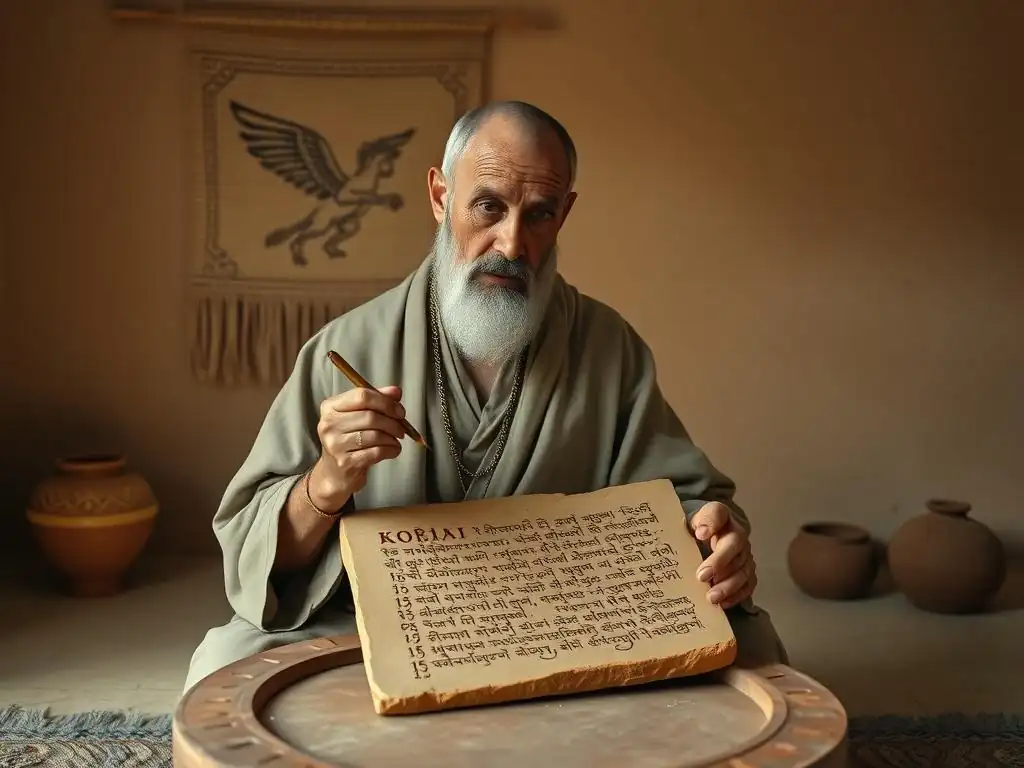
Diagnosing the cause of illness, particularly complex or persistent conditions including mental afflictions, often relied heavily on various forms of divination. Since illness was frequently attributed to divine displeasure or demonic influence, determining the specific god angered or the particular demon responsible was crucial for selecting the correct treatment. One of the most respected forms of divination was extispicy ( baru priesthood), the examination of animal entrails, particularly the liver of a sacrificed sheep. The patterns, marks, and anomalies observed were interpreted as omens revealing the will of the gods or the nature of the affliction.
Other forms of divination included interpreting celestial phenomena (astrology), observing the behavior of birds or animals, analyzing dreams, and interpreting involuntary bodily movements or sounds of the patient. For a person exhibiting symptoms of mental distress, a diviner might perform these rites to ascertain whether the cause was divine punishment for a specific sin, the attack of a known demon, or perhaps even sorcery inflicted by an enemy. The diagnosis was not based on identifying a disease entity within the body, but rather on identifying the external, supernatural agent responsible for the patient's suffering.
Examination of Symptoms: Recognizing Patterns of Mental Affliction
Despite the primary focus on supernatural causes, Mesopotamian healers and exorcists were keen observers of symptoms. Medical texts and diagnostic handbooks, such as the Sakikkū ("All Diseases"), describe a wide range of ailments and their manifestations. While these texts often attribute symptoms to specific demons or gods, they nonetheless provide detailed descriptions of physical signs, behavioral changes, and psychological states. For instance, they might describe symptoms like insomnia, nightmares, incoherent speech, agitation, withdrawal, loss of appetite, or inexplicable fears.
These observations were crucial for identifying which supernatural agent was likely at work. Certain constellations of symptoms were believed to be characteristic of particular demons; for example, a specific type of fever combined with delirium might point towards Asakku. While their diagnostic framework differed entirely from modern nosology, the process involved careful observation and pattern recognition to fit the patient's presentation into their existing explanatory model of divine and demonic causation. This empirical observation of symptoms formed a vital, practical component of their diagnostic process, complementary to the divinatory efforts.
The Role of Priests and Exorcists in Diagnosis
The diagnosis of mental afflictions in Mesopotamia was primarily the domain of two related, and often overlapping, types of religious professionals: the baru (diviner) and the āšipu (exorcist). The baru was responsible for performing divination rituals to determine the underlying supernatural cause of the illness, identifying the offended deity or the attacking demon. Their interpretation of omens provided the foundational diagnosis, guiding the subsequent course of action.
The āšipu, or exorcist-priest, was the specialist in identifying specific demons based on the patient's symptoms and applying the appropriate counter-measures. They possessed vast knowledge of incantations, rituals, and protective magic recorded in texts like the Udug-hul series. An āšipu would interview the patient (if possible) and their family, observe their behavior, consult diagnostic texts detailing symptoms associated with different demons, and work in tandem with the baru's divinatory findings to arrive at a diagnosis focused on identifying the malevolent entity or divine transgression responsible for the Mesopotamian mental health affliction.
Treatment Approaches: Addressing Mental Afflictions in Mesopotamia
Exorcism Rituals: Banishing Malevolent Spirits
Given that many mental afflictions were attributed to demonic possession or attack, exorcism rituals were a cornerstone of Mesopotamian treatment. These complex ceremonies were performed by āšipu priests and aimed to expel the malevolent spirit from the patient's body and mind. Rituals involved a combination of powerful incantations, prayers to benevolent deities for protection, symbolic actions (like washing the patient with special liquids or binding effigies of demons), and the use of specific materials believed to be abhorrent to demons.
The Udug-hul series provides detailed scripts for these exorcisms, specifying the exact words to be recited, the materials needed (such as water from specific sources, particular types of wood, or animal parts), and the sequence of actions. These rituals were not simple pronouncements but elaborate performances that could last for hours or even days, often involving multiple participants.
The goal was to create an environment hostile to the demon, compelling it to leave the afflicted person and return to the underworld or the wilderness. The success of the treatment was measured by the alleviation of the patient's symptoms, signifying the demon's expulsion.
Amulets and Incantations: Protective Measures Against Evil
Alongside active exorcism, protective magic played a vital role in preventing and treating mental afflictions believed to be caused by supernatural forces. Patients were often given amulets to wear, carry, or place in their homes. These objects, inscribed with protective symbols, images of benevolent deities or protective demons (like Pazuzu, paradoxically also a demon, but one invoked against other demons), or potent incantations, were believed to ward off evil spirits and prevent future attacks. Clay figurines of protective spirits were also placed around the house or under the threshold.
Incantations were not only part of exorcism rituals but were also used independently as a form of protective magic. These were formulaic spells, often invoking the power of benevolent gods or recounting mythological events where deities defeated demonic forces. They could be recited by the āšipu, the patient, or even inscribed on objects or clay tablets placed near the patient. The power of the spoken or written word, imbued with divine authority, was considered a potent weapon against the forces of evil contributing to Mesopotamian mental health problems.
Herbal Remedies and Medical Practices: A Complementary Approach
While supernatural explanations dominated, Mesopotamian medicine was not solely focused on magic and religion. There was also a significant tradition of empirical observation and the use of natural remedies. Medical texts list hundreds of plants, minerals, and animal substances used to treat various ailments. These remedies were often prepared as potions, salves, poultices, or suppositories. While their efficacy was understood within a framework that might involve purging a demon or correcting an internal imbalance influenced by external forces, the practical application involved physical substances.
For mental afflictions, herbal remedies might be used to alleviate symptoms like insomnia, agitation, or physical discomfort that accompanied the psychological distress. For example, substances with sedative properties might be used to calm an agitated patient. These medical practices were not seen as separate from the religious and magical treatments but were often integrated into the overall therapeutic process.
An āšipu might prescribe a herbal potion alongside an exorcism ritual, viewing both as necessary components to combat the supernatural cause and alleviate the resulting physical and mental symptoms. The Mesopotamian approach to mental health explanations and treatment was therefore a complex blend of empirical observation, religious belief, and magical practice.
The Legacy of Mesopotamian Mental Health Explanations
Influence on Subsequent Cultures and Medical Traditions
Mesopotamia's rich cultural and intellectual heritage had a profound impact on neighboring and subsequent civilizations. Their systems of writing, law, astronomy, and medicine were transmitted and adapted by cultures such as the Egyptians, Greeks, and Hebrews. While direct evidence specifically tracing the influence of Mesopotamian mental health explanations is complex, the general framework of understanding illness through divine and demonic causation certainly resonated throughout the ancient Near East and Mediterranean world.
The concept of illness as divine punishment or demonic possession is evident in ancient Egyptian medical papyri and later in some aspects of ancient Greek thought, particularly in pre-Hippocratic medicine and popular beliefs. The Jewish tradition, which spent time in Babylonian exile, also incorporated beliefs about demons ( shedim) capable of causing illness and madness, and the practice of exorcism existed.
Later, during the Middle Ages in Europe and the Middle East, the idea of demonic possession as a cause for mental illness persisted for centuries. Thus, while specific Mesopotamian demons faded, the underlying paradigm of supernatural causation for mental distress proved remarkably enduring, influencing the development of medical and religious approaches to mental health problems in numerous cultures.
Limitations of the Mesopotamian Approach
Despite their detailed observations and elaborate treatment systems, the Mesopotamian mental health explanations had significant limitations from a modern perspective. Primarily, their reliance on supernatural causes meant that treatments focused on appeasing gods or expelling demons rather than addressing potential biological, psychological, or social factors contributing to distress. This could lead to ineffective or even harmful interventions if the underlying issue was unrelated to spiritual forces.
- Lack of understanding of neurobiological processes: There was no concept of the brain's role in mental function.
- Limited psychological understanding: While they observed symptoms, they lacked a framework for understanding internal psychological states or trauma.
- Potential for misattribution and stigma: Attributing illness to sin or demonic attack could lead to blame, social ostracism, and fear for the afflicted individual and their family.
- Variability in treatment efficacy: Treatments relied heavily on ritual performance and belief, with outcomes likely inconsistent compared to evidence-based practices.
- Absence of preventative measures: The focus was primarily on reacting to illness once it occurred, rather than promoting mental well-being through lifestyle or environmental factors.
Modern Perspectives on Mesopotamian Mental Health Beliefs
From a modern perspective, Mesopotamian mental health explanations are viewed through the lens of cultural history and the evolution of medical thought. We recognize their detailed symptom descriptions as valuable historical data on how mental distress manifested and was perceived in that era. While rejecting the supernatural causal models, we can appreciate their attempt to create a coherent system for understanding and responding to suffering.
Modern scholars analyze Mesopotamian texts to understand the social and cultural context of illness, the role of healers and priests, and the psychological impact of living in a world where invisible forces were constantly feared. We see their practices as early forms of therapy, where the ritual and belief system, while not addressing the root cause in our terms, might have provided psychological comfort, social support (through the involvement of the community and religious figures), and a sense of agency against a terrifying unknown.
Studying these ancient Mesopotamian mental health beliefs helps us contextualize our own evolving understanding and highlights the profound impact of culture on the experience and treatment of mental illness.
Case Studies: Examining Specific Examples of Mental Afflictions and Treatments
Case Study 1: A Man Experiencing Symptoms of What We Might Now Call Schizophrenia, Attributed to the Demon Asakku
Consider a hypothetical case based on symptoms described in Mesopotamian texts. A man in the city of Babylon around 1500 BCE begins exhibiting erratic behavior. He talks to invisible entities, expresses paranoid fears about his neighbors, has difficulty sleeping, and sometimes becomes agitated or withdrawn. His family, distressed and fearful, consults a baru priest. Through divination, likely extispicy, the baru determines that the man has been afflicted by the demon Asakku, known for invading the head and causing such disturbances.
An āšipu is then called upon. The exorcist observes the man's symptoms – his incoherent speech, his apparent hallucinations, his fearfulness – and consults diagnostic texts that link these signs to Asakku. A complex exorcism ritual is planned, potentially spanning several days. This would involve reciting lengthy incantations from the Udug-hul series specifically aimed at Asakku, using symbolic actions like washing the man with ritual water or making effigies of the demon to be destroyed, and perhaps administering herbal remedies known to induce sleep or calm.
The family would participate, offering prayers and sacrifices to protective deities like Marduk. The hope is that through these actions, the powerful Asakku will be forced to leave the man's body, restoring him to his normal state. This illustrates how Mesopotamian mental health explanations directly informed diagnostic labels and treatment protocols based on their demonological framework.
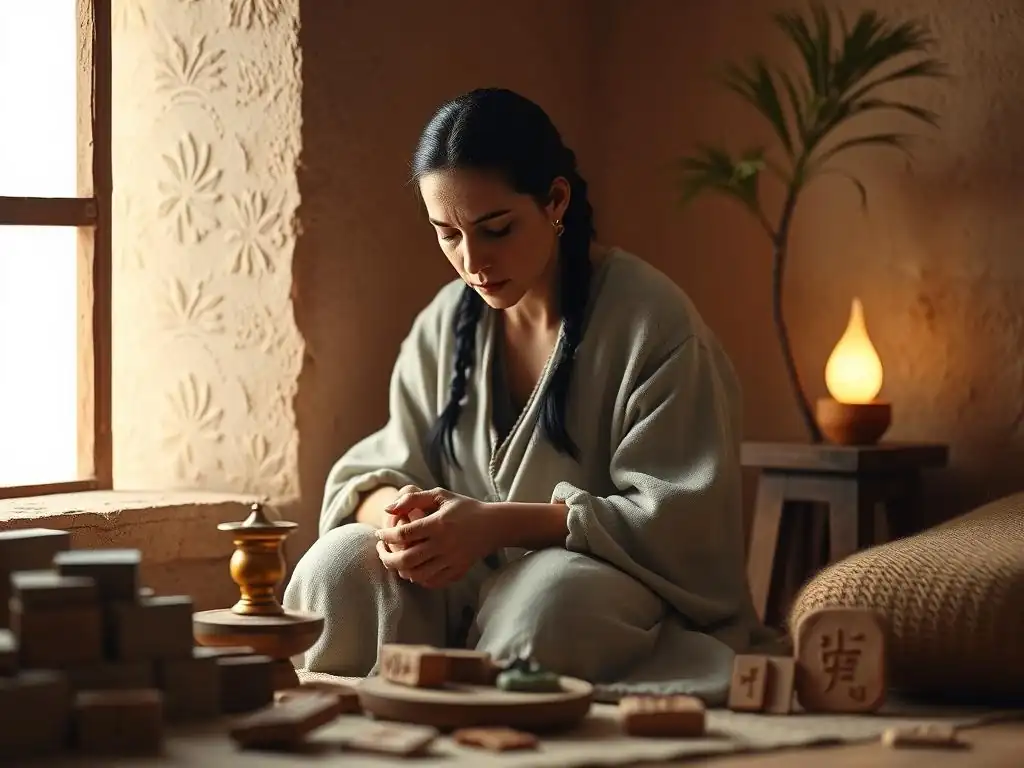
Case Study 2: A Woman Exhibiting Signs of Depression, Believed to Be Punished by Ishtar
Imagine a woman in the city of Ur around 1800 BCE who experiences profound sadness, loss of interest in daily activities, difficulty eating and sleeping, and frequent weeping. She feels a deep sense of despair and isolation. She hasn't committed any obvious sin, but her suffering is immense. Her family seeks help, perhaps initially from a physician who might offer herbal remedies for her physical symptoms, but when her emotional state doesn't improve, they turn to religious explanations.
A baru priest might be consulted to determine if a god has been angered. Divination could reveal that the goddess Ishtar, known for her volatile nature and association with both love and suffering, is displeased, perhaps due to some perceived transgression or neglect of her worship. The woman's deep sadness and despair are interpreted as a burden placed upon her by the goddess. The recommended treatment would then focus on appeasing Ishtar.
This would involve penitential prayers, confession of any potential, even unknown, sins, offering specific sacrifices to Ishtar, and participating in temple rituals dedicated to her. An āšipu might also be involved, using incantations to soothe the woman's spirit and invoke Ishtar's mercy. This case exemplifies how Mesopotamian mental health explanations attributed states akin to depression not just to demons but also to divine punishment, requiring a theological and ritualistic response aimed at restoring divine favor.
Comparing Mesopotamian Mental Health Explanations with Modern Understanding
Similarities and Differences in Conceptualizing Mental Illness
Comparing ancient Mesopotamian mental health explanations with modern understanding reveals both stark differences and subtle resonances. The most significant difference lies in the fundamental causal framework: Mesopotamians primarily attributed mental illness to external, supernatural forces (demons, gods) or internal, but spiritually significant, factors (sin), whereas modern understanding focuses on complex interactions between biological (genetics, brain chemistry), psychological (trauma, cognitive patterns), and social/environmental factors. The concept of a "demon" causing illness is fundamentally alien to contemporary psychiatry.
However, some similarities exist in the recognition of behavioral and emotional deviations from the norm. Both systems observe symptoms like changes in mood, cognition, perception, and behavior. Both recognize that these conditions cause significant suffering and impairment. While the Mesopotamians lacked concepts like neurotransmitters or therapeutic talk, their elaborate rituals and use of healing practitioners can be seen as early attempts at intervention aimed at restoring balance and alleviating distress, albeit through a vastly different explanatory model. The human experience of mental anguish, though interpreted differently, has enduring commonalities across millennia.
The Enduring Relevance of Ancient Perspectives
While we do not adopt Mesopotamian mental health explanations today, studying them holds enduring relevance. They serve as a powerful reminder that our current understanding of mental health is historically contingent and culturally shaped. What is considered "illness," its cause, and its treatment are deeply influenced by the prevailing worldview and knowledge systems of a society. This promotes humility and an appreciation for the evolution of thought.
Furthermore, the Mesopotamian approach highlights the intertwined nature of mind, body, and spirit in many cultural contexts, a holistic view that modern medicine is sometimes accused of neglecting. Their emphasis on community, ritual, and the role of spiritual practitioners in healing resonates with contemporary discussions about the importance of social support, cultural factors, and the role of faith or spirituality in mental well-being.
By understanding how cultures like Mesopotamia grappled with mental suffering, we gain a broader perspective on the human condition and the myriad ways societies have sought to find meaning and healing in the face of psychological distress, enriching our appreciation of the journey towards better mental health understanding.
Conclusion: Reflecting on Mesopotamian Mental Health Beliefs and Their Significance
Summarizing Key Aspects of Mesopotamian Explanations
Mesopotamian mental health explanations were deeply embedded in their religious and cosmological worldview. Illness, including what we would call mental afflictions, was primarily understood as the result of supernatural forces: either the direct attack of malevolent demons and spirits or the punitive action of angered gods and goddesses, often in response to perceived sin or ritual impurity. Specific demons were associated with particular symptoms, providing a framework for diagnosis based on observed behavior interpreted through a demonological lens.
Diagnosis involved divination by baru priests to identify the supernatural cause and symptom analysis by āšipu exorcists to pinpoint the specific demon or divine influence. Treatment was multifaceted, relying heavily on exorcism rituals, protective amulets and incantations to combat demonic forces, and appeasement rituals (prayers, sacrifices) to regain divine favor. Herbal remedies and empirical medical practices were also employed, integrated into the overall supernatural-focused therapeutic approach. These ancient Mesopotamian mental health beliefs represent a complex system for understanding and responding to psychological suffering within their cultural context.
The Importance of Historical Context in Understanding Mental Health
The study of Mesopotamian mental health explanations underscores the critical importance of historical context in understanding mental health. It demonstrates that concepts of illness, health, and healing are not static or universal but are products of specific historical, cultural, and scientific circumstances. What was considered a symptom, its perceived cause, and the appropriate response varied dramatically from ancient Mesopotamia to the present day.
By examining these historical perspectives, we gain a deeper appreciation for the long and complex history of human efforts to understand and alleviate mental suffering. It highlights the significant advancements made in modern scientific understanding while also revealing enduring human needs for meaning, support, and effective intervention in the face of mental health challenges. Engaging with ancient Mesopotamian mental health beliefs enriches our perspective, reminding us that the journey toward comprehensive mental well-being is a long and evolving one, built upon the foundations of countless human attempts to make sense of the intricate workings of the mind.
Frequently Asked Questions
What were the primary causes of mental afflictions according to Mesopotamian beliefs?
Mesopotamians believed that mental illnesses stemmed from various sources, including divine punishment, demonic possession, and the influence of unhappy ghosts. They rarely attributed mental health issues to purely physical or biological causes.
How did Mesopotamian healers diagnose mental health issues?
Diagnosis relied heavily on observation of symptoms and interpretation of omens. Priests and healers would look for patterns of behavior and consult divination practices to identify the root cause, often attributing it to specific deities or demons.
What types of treatments were used in Mesopotamia for mental illnesses?
Treatments were largely spiritual in nature, involving rituals, prayers, and exorcisms. Medicinal herbs and other remedies were also used, but their primary purpose was often to appease the gods or drive away evil spirits.
Did Mesopotamians differentiate between different types of mental illnesses?
While they didn't have the same diagnostic categories as modern psychiatry, Mesopotamians recognized different patterns of behavior and attributed them to different causes. They distinguished between agitation, depression, and loss of reason, associating each with specific deities or demons.
How does the Mesopotamian understanding of mental health compare to modern perspectives?
The Mesopotamian view contrasts sharply with modern scientific understanding. Their explanations centered on supernatural forces rather than biological or psychological factors. However, their concern for alleviating suffering and providing explanations for mental distress is a common thread across time.
Final Reflection: Unraveling the Ancient Roots of Mental Health
The Mesopotamian understanding of mental affliction, far from being a relic of the past, offers a crucial lens through which to examine our own approaches to mental health today. Their sophisticated, albeit vastly different, methods of diagnosis and treatment highlight the enduring human struggle to comprehend and alleviate suffering of the mind, reminding us that the search for effective solutions is a timeless endeavor.
The enduring legacy of Mesopotamian perspectives on mental illness lies not just in their historical significance, but in their implicit challenge to simplistic, modern categorizations. Their intertwining of spiritual and physical explanations forces us to reconsider the rigid boundaries we often impose on the mind-body connection. The gods are not to blame for everything, but neither is everything solely a matter of the body.
This imagined quote encapsulates the nuanced approach of the Mesopotamians, a perspective that encourages a more holistic and empathetic approach to mental health in our own time. Their struggles with understanding and treating mental illness resonate deeply, reminding us of the ongoing need for compassion and continued research.
Consider the implications of this ancient wisdom. How can we, in our modern context, learn from the Mesopotamians' attempts to balance spiritual and physical explanations? You are encouraged to reflect on the limitations of purely biomedical approaches and consider the potential benefits of integrating holistic perspectives into your own understanding of mental well-being. Let the ancient voices of Mesopotamia inspire you to approach mental health with greater empathy, understanding, and a commitment to continuous learning and improvement.
Unveil the Ancient Wisdom: Understanding Mesopotamian Mental Health
Thanks for exploring the fascinating world of Mesopotamian understandings of mental health! You've gained valuable insights into their unique perspectives on mental affliction. Now, let's put that knowledge into action.
- Dive deeper: Research other ancient cultures' approaches to mental illness and compare them to Mesopotamia's methods. This will help broaden your understanding of historical perspectives.
- Share your thoughts: What surprised you most about Mesopotamian views on mental health? Share your reactions and insights in the comments below! Let's start a conversation.
- Consider the parallels: How do these ancient approaches resonate with modern mental health practices? What can we learn from their successes and failures?
What unique perspective from ancient civilizations would you like to explore next?