
From Temples to Treatises: Early Medical Approaches to Mental Illness

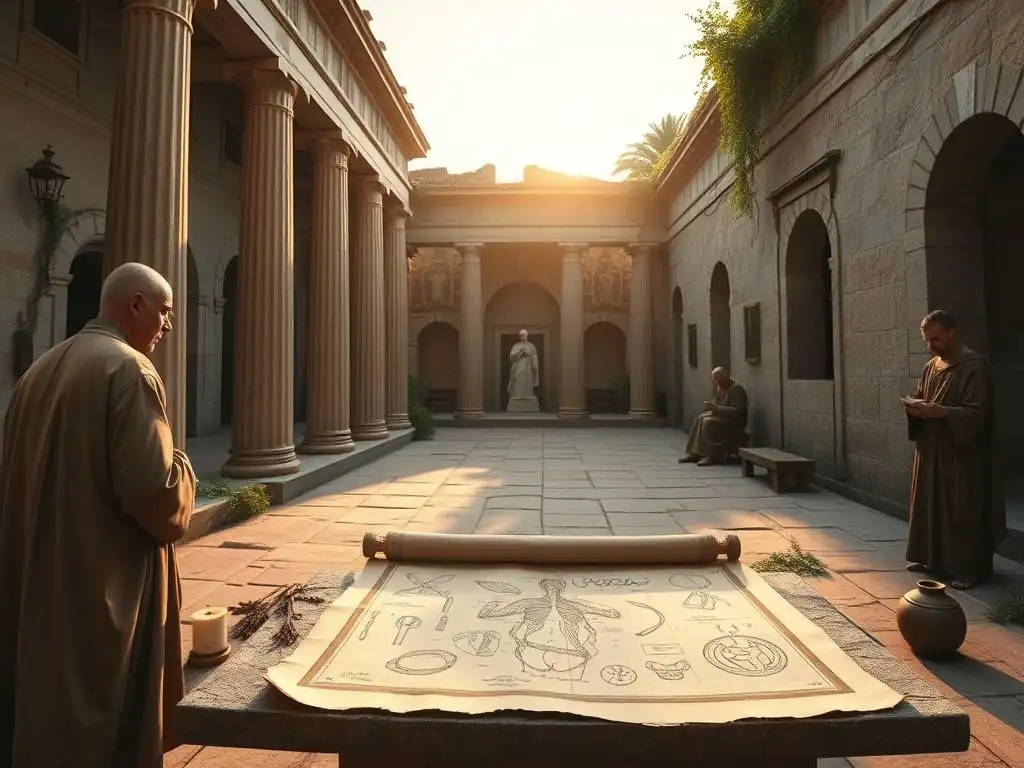
Welcome to Mind Care Guide, your trusted resource for understanding and nurturing mental well-being. Here, we delve into the fascinating journey of mental health care, beginning with our featured article, “From Temples to Treatises: Early Medical Approaches to Mental Illness.” Explore with us as we uncover the historical mental illness treatments that shaped our understanding today. Our aim is to provide you with not only insightful information but also the support you may need on your own path to mental wellness. Are you ready to discover how past practices influence modern approaches? Let's embark on this enlightening journey together!
- Mind Care Guide: From Temples to Treatises: Early Medical Approaches to Mental Illness
- Religious and Spiritual Approaches to Mental Illness in Antiquity
- Early Medical Theories and Treatments for Mental Illness
- Ancient Egypt: Medical Papyri and Mental Health
- Ancient Greece: The Birth of Rational Medicine
- Ancient Rome: Practical Applications and Public Health
- Comparing Ancient Medical Approaches to Mental Illness
- The Legacy of Ancient Wisdom in Modern Mental Healthcare
-
Frequently Asked Questions
- What were some of the earliest approaches to treating mental illness?
- How did ancient civilizations like Egypt and Greece view and treat mental illness?
- What role did asylums play in the history of mental illness treatment?
- How did the Enlightenment period influence perspectives on mental illness?
- When did more scientific and medical approaches to mental illness begin to emerge?
- Final Reflection: Echoes of the Past, Lessons for the Future
- Uncover Ancient Wisdom: Your Journey to Mental Well-being Begins Now
Mind Care Guide: From Temples to Treatises: Early Medical Approaches to Mental Illness
Introduction: Tracing the Roots of Mental Health Care
For millennia, humanity has grappled with the perplexing nature of mental suffering. Long before the advent of modern psychiatry, ancient civilizations sought to understand and alleviate conditions we now recognize as mental illness. These early efforts formed a complex tapestry woven from supernatural beliefs, religious rituals, philosophical contemplation, and nascent medical observation.
Examining this historical mental illness treatments overview reveals a fascinating evolution in thought, from seeing mental distress solely as divine punishment or demonic possession to the first attempts at empirical diagnosis and physical intervention. Across diverse cultures like those of Egypt, Greece, and Rome, varying approaches emerged, reflecting their unique worldviews and levels of scientific development.
The journey from attributing madness to angry gods or evil spirits to linking it to physical imbalances within the body was slow and uneven. Yet, even in antiquity, some practitioners began to record observations, classify symptoms, and experiment with treatments based on natural substances.
This period represents the foundational steps in the long history of mental healthcare, laying groundwork that, while often flawed by modern standards, included elements that resonate even today, such as the importance of environment, diet, and the therapeutic power of human connection, albeit often framed within a spiritual or proto-medical context. Understanding these early approaches provides crucial perspective on the enduring challenges and evolving strategies in addressing mental well-being throughout history.
Ancient Civilizations' Understanding of Mental Disorders
Across various ancient cultures, the understanding of mental disorders was deeply intertwined with cosmology and religion. In many early societies, abnormal behavior, hallucinations, or severe mood disturbances were frequently interpreted as signs of supernatural intervention. This could range from divine punishment for perceived sins to possession by malevolent spirits or demons.
For instance, Babylonian texts from around 2000 BCE describe various ailments, including some that appear to be mental health conditions, often attributing them to demonic influence, requiring exorcism rituals performed by priests or shamans. This perspective meant that treatment often fell under the purview of religious authorities rather than medical practitioners.
However, alongside supernatural explanations, some ancient cultures began to develop more naturalistic views. In ancient Egypt, while magic and religion were vital, medical papyri like the Ebers Papyrus (circa 1550 BCE) describe physical ailments and their remedies, sometimes including conditions that might involve mental symptoms, suggesting an emerging recognition of the body's role.
Similarly, in ancient Greece, figures like Hippocrates would later challenge purely supernatural explanations, proposing that mental illness, like physical disease, had natural causes rooted in the body's physiology. This duality of understanding – supernatural versus natural – persisted for centuries and shaped the diverse historical mental illness treatments overview practiced in the ancient world.
Religious and Spiritual Approaches to Mental Illness in Antiquity
The Role of Temples and Healing Sanctuaries
In many ancient societies, temples and sacred sites served as primary centers for healing, including ailments perceived as mental or spiritual. The Asclepieia, temples dedicated to the Greek god of medicine, Asclepius, were prominent examples. Patients seeking relief from various conditions, including those we might classify as psychological distress, would undergo rituals, purifications, and importantly, "incubation."
This involved sleeping within the sacred precincts in hopes that Asclepius or his divine representatives would appear in a dream to provide a diagnosis or cure. These sanctuaries were not just places of worship; they often incorporated elements of early therapy, offering rest, soothing environments, and sometimes guidance interpreted from dreams by priests, which could be seen as a form of early psychological support or counseling within a religious framework.
Beyond Greece, similar practices existed. In ancient Egypt, temples also played a role in healing, often combining religious rites with herbal remedies. Certain deities were invoked for healing, and priests acted as intermediaries.
The blend of spiritual solace, ritual, and rudimentary physical care provided within these sanctuaries highlights a holistic approach prevalent in ancient healing practices. While the underlying belief system was spiritual, the practical application often involved elements beneficial to mental well-being, such as removing the individual from stressful environments, providing a sense of hope, and offering a structured process for seeking recovery, contributing to the historical mental illness treatments overview of the time.
Exorcism and Ritualistic Practices for Mental Ailments
The belief that mental distress was caused by demonic possession or malevolent spirits led to widespread practices of exorcism and elaborate rituals aimed at expelling these entities. In ancient Mesopotamia, particularly among the Babylonians, complex incantations, prayers, and symbolic acts were performed by 'ashipu' (exorcists) to drive out demons believed to inhabit the afflicted individual.
These rituals could be lengthy and involved various elements like reciting specific texts, using amulets, and employing substances thought to repel evil. The focus was on external forces causing internal turmoil, and the treatment aimed to purify or cleanse the individual from this external influence.
Similarly, in ancient Egypt, while medical papyri listed herbal remedies, magical spells and amulets were also extensively used to ward off evil spirits or appease angry deities thought to be causing illness, including mental disturbances. The line between medicine and magic was often blurred. Rituals involving chanting, fumigation with specific herbs, and wearing protective charms were common.
These practices, while based on supernatural beliefs, provided a structured response to frightening and inexplicable symptoms, offering a framework for intervention and a sense of agency for the community and the afflicted individual in confronting what they perceived as a powerful external threat. Such rituals form a significant part of the historical mental illness treatments overview driven by spiritual interpretations.
Spiritual Interpretations of Mental Distress
Beyond malevolent forces, mental distress was also interpreted through other spiritual lenses. In some ancient cultures, certain forms of altered mental states, such as prophetic visions or ecstatic trances, were not necessarily seen as illness but as signs of divine favor or a special connection to the spiritual realm. Oracles, prophets, and shamans in various societies often exhibited behaviors that might be pathologized today but were revered in their time.
For example, the Pythia at Delphi, the oracle of Apollo, entered a trance state believed to allow the god to speak through her. While the exact nature of her state is debated, it highlights how altered consciousness could be interpreted positively within a spiritual context.
Conversely, severe depression or despair could be seen as a sign of divine displeasure or a punishment for impiety. This interpretation could lead to feelings of guilt and alienation for the afflicted individual. Treatment in such cases might involve confession, atonement, prayer, and seeking purification rituals to regain divine favor.
This spiritual framing of mental states meant that the path to recovery often involved spiritual or moral rectitude, emphasizing the interconnectedness of the individual's inner state, their actions, and their relationship with the divine or cosmic order. This perspective profoundly influenced how individuals experienced and sought help for mental suffering in ancient times.
Early Medical Theories and Treatments for Mental Illness

The Dawn of Medical Observation: Hippocrates of Kos
A pivotal shift in the historical mental illness treatments overview came with the rise of naturalistic medicine in ancient Greece, most notably associated with Hippocrates of Kos (circa 460-370 BCE). The Hippocratic school moved away from attributing all diseases, including mental ones, solely to divine intervention. Instead, they emphasized observation, clinical description, and the belief that illness had natural, explainable causes originating within the body.
While still primitive by modern standards, this empirical approach laid the groundwork for medical science. Hippocrates and his followers meticulously described various conditions, including what they termed 'mania' (states of excitement or agitation), 'melancholia' (states of depression and despair), and 'phrenitis' (fever-induced delirium), noting their symptoms and potential physical correlates.
This focus on the body as the source of illness represented a radical departure. The Hippocratic corpus contains writings that discuss the brain as the seat of consciousness, emotions, and madness – a revolutionary idea at the time. They proposed that mental disorders, like physical ones, were subject to natural laws and could be influenced by lifestyle, environment, and physical constitution. This new perspective, while not entirely abandoning spiritual ideas, significantly elevated the role of the physician in understanding and treating mental suffering, shifting the focus towards physical interventions and natural remedies rather than purely religious ones.
Humoral Theory and Mental Imbalance
The cornerstone of Hippocratic medicine, and a theory that would dominate Western medical thought for over two millennia, was the humoral theory. This theory posited that the body was composed of four basic fluids, or humors: blood, phlegm, yellow bile, and black bile. Health was maintained when these humors were in balance, while illness resulted from an excess or deficiency of one or more.
Mental illnesses were directly linked to imbalances of these humors. For example, melancholia was specifically attributed to an excess of black bile, believed to be a cold and dry humor originating in the spleen or stomach. Mania, on the other hand, was often linked to an excess of yellow bile.
Based on this theory, treatments aimed to restore the humoral balance. For melancholia, this might involve therapies to reduce black bile, such as purgatives (like hellebore), bloodletting (venesection), or dietary changes avoiding foods thought to increase black bile. For mania, treatments might focus on cooling the body or reducing excess yellow bile through similar methods. The humoral theory provided a systematic, albeit incorrect, framework for understanding and treating illness, including mental disorders, offering physicians a rationale for their interventions and becoming a central part of the historical mental illness treatments overview for centuries.
Herbal Remedies and Early Pharmacological Interventions
Ancient medical texts, from Egyptian papyri to Greek and Roman treatises, contain extensive lists of herbal remedies used for a wide range of ailments, including those affecting the mind. Plants were the primary source of therapeutic substances in the ancient world, forming the basis of early pharmacological interventions. For conditions involving agitation or insomnia, sedative herbs were employed.
Opium, derived from the poppy plant, was known and used across multiple ancient cultures for its analgesic and sedative properties, often prescribed to calm disturbed individuals or induce sleep. Mandrake, another potent plant with psychoactive and sedative effects, was also commonly used, sometimes for its perceived magical properties but also for its known physiological impact.
Other herbs like hellebore were used as purgatives, believed to cleanse the body of excess humors, particularly black bile in cases of melancholia. Valerian was used for its calming effects. The Egyptians used ingredients like coriander and fennel for their supposed calming properties.
While the understanding of how these herbs worked was based on humoral theory or empirical observation of effects rather than modern pharmacology, these plant-based remedies represent some of the earliest attempts at using physical substances to influence mental states. The collection and application of these natural remedies are a significant part of the historical mental illness treatments overview, showing a practical side to ancient medicine.
Ancient Egypt: Medical Papyri and Mental Health
The Ebers Papyrus: Insights into Egyptian Mental Healthcare
The Ebers Papyrus, dating to approximately 1550 BCE, is one of the most important ancient Egyptian medical texts, containing over 700 remedies and incantations. While much of it focuses on physical ailments, it offers glimpses into how the Egyptians approached conditions that might involve mental or neurological symptoms.
For instance, it describes headaches, nerve disorders, and conditions affecting the head, some of which could encompass mental distress. The papyrus often lists both herbal remedies and accompanying magical spells, illustrating the integrated nature of Egyptian healing, where physical treatments were often combined with religious or magical interventions to address illness, seen as a disruption of cosmic order or a result of malevolent forces.
One notable aspect is the description of conditions affecting women, sometimes linked to the uterus. While often discussed in the context of physical ailments, the concept of a "wandering womb" could be associated with various symptoms, potentially including psychological distress, reflecting an early attempt to link specific physical organs to broader health issues. The remedies described in the papyrus for these conditions include various plant substances, animal products, and minerals, applied as poultices, ingested, or used in fumigation, providing concrete examples of the physical treatments used alongside spiritual interventions in the historical mental illness treatments overview of ancient Egypt.
Diagnostic and Therapeutic Approaches in Ancient Egypt
Ancient Egyptian diagnostic practices, as revealed in texts like the Ebers Papyrus and the Edwin Smith Papyrus (more focused on surgery), were based on observation of symptoms, though interpreted through a lens that combined natural and supernatural causes. Illness was often seen as an invasion by evil spirits or a consequence of divine wrath, requiring both medical and magical intervention.
Therefore, a healer (often a priest or a lay physician) would assess symptoms but might also consult omens or use divination. Treatment protocols frequently involved a combination of practical remedies, such as herbal concoctions, poultices, and dietary advice, alongside religious rituals, prayers, and the use of amulets to ward off malevolent forces.
For conditions involving agitation or apparent possession, treatments might include administering sedatives derived from plants or performing exorcism-like rituals involving incantations and symbolic acts. The Egyptians also recognized the importance of environmental factors and hygiene, incorporating elements like cleanliness and therapeutic baths into their healing practices. This dual approach, integrating empirical observation with deep-seated religious beliefs, characterized the historical mental illness treatments overview in ancient Egypt, showing a pragmatic yet spiritual system for addressing human suffering.
Ancient Greece: The Birth of Rational Medicine
Hippocrates and the Humoral Theory's Influence on Mental Health
As discussed earlier, Hippocrates fundamentally altered the understanding of illness, including mental health, by proposing natural causes. His humoral theory provided the dominant medical framework. Conditions like melancholia (depression) and mania (agitation/excitement) were specifically linked to imbalances of black bile and yellow bile, respectively. The Hippocratic corpus contains descriptions of these states, noting symptoms like persistent sadness, fear, insomnia, or, conversely, irrational behavior, delusions, and restlessness. Treatments were directly derived from the humoral theory, focusing on restoring balance through diet, exercise, bathing, and the use of emetics, purgatives, and bloodletting to remove excess humors.
For melancholia, treatments often involved measures to reduce black bile, such as administering hellebore (a potent purgative) or recommending activities like exercise and massage. For mania, cooling treatments, sedatives (like opium), and measures to reduce yellow bile were employed.
While the underlying theory was incorrect, the emphasis on lifestyle factors like diet and exercise, and the use of some herbal remedies, represented a move towards physical interventions based on a systematic, albeit flawed, model of the body. This rationalistic approach, distinguishing itself from purely supernatural explanations, is a defining feature of the historical mental illness treatments overview originating from the Hippocratic school.
Asclepius and Dream Interpretation in Mental Health
Despite the rise of Hippocratic medicine, religious healing remained significant in ancient Greece. The cult of Asclepius offered a popular alternative or complement to secular medicine. Patients with various ailments, including psychological distress, would travel to Asclepieia. The core healing ritual was incubation, where the patient slept in a sacred dormitory (the abaton) hoping to receive a healing dream from Asclepius or his divine assistants. Priests associated with the temple would interpret these dreams, offering guidance that could range from prescribing specific medical treatments (herbs, baths, exercise) to recommending lifestyle changes or performing purification rituals.
This practice highlights a fascinating blend of spiritual belief and what might be seen as early psychotherapeutic elements. The journey to the temple, the communal experience with other sufferers, the calming atmosphere, and the focused attention on the individual's inner experience (dreams) provided a powerful therapeutic context.
While divinely mediated, the interpretation of dreams by priests could function as a form of psychological insight or suggestion, addressing the patient's anxieties and hopes within a sacred framework. The Asclepian cult represents a significant aspect of the historical mental illness treatments overview, demonstrating the enduring appeal of spiritual healing alongside emerging medical practices.
Plato and Aristotle: Philosophical Perspectives on the Mind
While not medical practitioners, Greek philosophers like Plato (c. 428-348 BCE) and Aristotle (384-322 BCE) contributed significantly to the understanding of the mind and emotions, influencing later thought on mental states. Plato, in works like the Phaedrus and the Republic, discussed the soul (psyche) as having different parts, including reason, spirit, and appetite.
Imbalance or conflict between these parts could lead to irrational behavior or internal disharmony, which could be interpreted as a form of mental disturbance. He also discussed forms of 'divine madness' (mania) associated with prophecy, poetry, love, and mystic initiation, distinguishing them from ordinary madness caused by disease.
Aristotle, Plato's student, approached the mind from a more biological and psychological perspective. In De Anima (On the Soul) and Parva Naturalia, he explored the nature of the soul's faculties, including perception, memory, and emotion.
He discussed conditions like melancholia, linking it to physical causes (like black bile) but also exploring its psychological manifestations, such as creativity and genius sometimes associated with this temperament. These philosophical discussions, while not offering medical treatments, shaped the conceptual framework for understanding the mind, its potential dysfunctions, and the relationship between the physical body and mental state, influencing subsequent medical and psychological thought within the historical mental illness treatments overview.
Ancient Rome: Practical Applications and Public Health

Mental Health in Roman Law and Society
Roman society, known for its pragmatism and legal system, viewed individuals with severe mental illness largely from a practical and societal perspective. Roman law addressed individuals deemed furiosus (mad or insane) primarily in terms of their legal capacity and potential danger to themselves or others. A furiosus was legally incompetent; their property and affairs would be managed by a guardian (usually a family member).
There was less emphasis on finding a cure and more on managing the individual for the protection of family and society. While not necessarily punitive, this approach often led to confinement or restraint within the family home or, in some cases, public spaces if the individual was indigent and disruptive.
Roman writers like Celsus (1st century CE), in his medical encyclopedia De Medicina, described methods for managing furiosus, including restraint with chains if necessary, and the use of fear or surprise as therapeutic shocks, highlighting a somewhat harsh, control-oriented aspect of historical mental illness treatments overview in Rome. However, Celsus also recommended more humane approaches like distraction, arguing with the patient, and engaging them in activities like reading or games, suggesting a recognition that psychological engagement could be beneficial alongside physical management. This dual approach reflects the Roman blend of practical necessity and emerging medical understanding.
Galen's Contributions to Understanding Mental Disorders
Galen of Pergamon (129-c. 210 CE) was the most influential physician in the Roman Empire, and his work built extensively upon the Hippocratic tradition. He further developed the humoral theory and conducted detailed anatomical studies (primarily on animals, but extrapolated to humans). Galen dedicated significant portions of his vast writings to diseases of the head and nervous system, including mental disorders. He accepted the humoral basis of conditions like melancholia and mania but also explored the role of the brain, suggesting that damage or dysfunction of the brain could directly cause mental illness.
Galen's treatments were largely based on the humoral theory – employing diet, exercise, baths, bloodletting, and purgatives to restore balance. However, he also emphasized the importance of the physician-patient relationship, advocating for empathy and understanding. He described cases of melancholia stemming from psychological causes like grief or worry, suggesting a recognition of the interplay between mind and body. Galen's systematic approach, extensive writings (which were preserved and studied for over a thousand years), and detailed descriptions of symptoms and treatments made his work a cornerstone of the historical mental illness treatments overview in the Western world.
Roman Bathhouses and Therapeutic Environments
Roman bathhouses were central to social life and also served health purposes, often incorporating elements believed to be therapeutic for both body and mind. Beyond hygiene, the process of moving through rooms of varying temperatures, engaging in exercise, massage, and relaxation was considered beneficial for overall well-being. Physicians like Galen recommended specific types of baths (hot, cold, mineral) for various ailments, including those affecting the mood or nerves. The calming atmosphere, opportunities for social interaction, and physical relaxation offered within the baths could have provided symptomatic relief for individuals experiencing stress, anxiety, or mild depression.
Furthermore, wealthy Romans sometimes established therapeutic environments for individuals with mental distress in their villas, providing quiet rooms, pleasant gardens, and engaging activities. Writers like Celsus recommended keeping patients in serene, well-lit places, free from disturbing stimuli. While not dedicated psychiatric institutions in the modern sense, these efforts reflect an early understanding that environment and atmosphere could play a role in influencing mental states, adding another layer to the practical aspects of historical mental illness treatments overview in Roman society.
Comparing Ancient Medical Approaches to Mental Illness
Similarities Across Cultures: Use of Opium and Mandrake
Despite vast geographical distances and differing foundational beliefs, some striking similarities exist in the historical mental illness treatments overview across ancient civilizations. One notable overlap is the use of potent plant-based substances, particularly opium and mandrake, for their psychoactive and sedative effects. The Ebers Papyrus from Egypt mentions poppy (the source of opium) for its calming properties.
In ancient Greece and Rome, physicians like Hippocrates, Dioscorides (a pharmacologist), and Galen documented the use of opium and mandrake root extensively for pain relief, inducing sleep, and calming agitated states associated with mental illness. These substances were valued for their ability to alter consciousness and reduce distressing symptoms, even if their mechanism of action was not understood.
This shared reliance on specific powerful herbs suggests a degree of empirical observation and the transmission of knowledge across cultures, possibly through trade routes or shared texts. While the theoretical frameworks (humoral theory in Greece/Rome vs. integrated magic/medicine in Egypt) differed, the practical application of these natural sedatives and analgesics appears to have been a common strategy in attempting to manage severe symptoms of mental distress, representing a pragmatic thread running through diverse ancient healing traditions.
Differences in Treatment Philosophies: Empiricism vs. Supernaturalism
A fundamental difference in the historical mental illness treatments overview across ancient cultures lies in the underlying philosophical approach: the contrast between emerging empiricism and persistent supernaturalism. While magic and religion played a role in nearly all ancient healing, the Hippocratic school in Greece marked a significant shift towards a more rational, observational, and naturalistic view of illness. Hippocratic physicians sought physical causes and prescribed physical treatments based on a systematic (though flawed) theory, largely sidelining divine intervention as the primary explanation for disease.
In contrast, cultures like ancient Mesopotamia and early Egypt maintained a stronger emphasis on supernatural causes – demonic possession, divine punishment, or magical curses – as the root of illness, including mental disorders. Treatment in these societies therefore heavily involved religious rituals, exorcisms, prayers, and amulets, often integrated with, but sometimes overshadowing, herbal or physical remedies.
Ancient Rome, while inheriting Greek medical theories (especially through Galen), also retained practical, societal approaches focused on management rather than just cure, and elements of superstition persisted. This divergence in philosophical grounding led to vastly different therapeutic strategies and the roles assigned to priests, physicians, and the community in addressing mental suffering.
Evaluating the Effectiveness of Ancient Therapies
Evaluating the true effectiveness of ancient historical mental illness treatments overview is challenging due to the lack of clinical trials, detailed outcome data, and the vastly different understanding of illness. Treatments based purely on incorrect theories like humoral imbalance (e.g., excessive bloodletting or harsh purgatives) were likely ineffective or even harmful in many cases. However, some ancient practices likely offered symptomatic relief or had genuine therapeutic value, albeit often for the wrong reasons according to modern science.
Herbal remedies like opium and mandrake did have sedative and pain-relieving properties that could calm agitated patients or aid sleep, offering temporary respite. The emphasis on rest, specific diets, exercise, and therapeutic environments (like Roman baths or Asclepian temples) could also have had positive effects on overall well-being and potentially alleviate some symptoms related to stress, anxiety, or mild depression.
The psychological impact of rituals, prayer, and the belief in healing powers (divine or medical) should also not be underestimated; the placebo effect is a real phenomenon. While ancient medicine lacked the scientific basis of modern treatments, it laid the foundation for observation and the use of natural substances, and some of its practical recommendations regarding lifestyle and environment resonate even today, offering valuable perspective on the long search for effective mental health interventions.
The Legacy of Ancient Wisdom in Modern Mental Healthcare
Lessons Learned from Early Approaches
Studying the historical mental illness treatments overview offers valuable lessons for modern mental healthcare. One key takeaway is the long-standing recognition of the mind-body connection. Although ancient theories were often incorrect (like the humoral theory), they attempted to link physical states to mental well-being, a principle central to modern psychosomatic medicine and integrated care.
The ancient emphasis on lifestyle factors – diet, exercise, sleep, and environment – also resonates strongly with contemporary recommendations for mental health maintenance and recovery. Furthermore, the persistent challenge of stigma surrounding mental illness, evident in Roman legal treatment of the furiosus or the fear associated with perceived possession, highlights an enduring societal barrier that continues to be addressed today.
The ancient world also showed early attempts at creating therapeutic environments, whether the peaceful precincts of an Asclepieion or the calming spaces in Roman villas. This underscores the importance of setting and atmosphere in healing, a concept applied today in therapeutic communities and patient-centered care facilities. While ancient methods were often crude or based on superstition, the underlying goals – to understand suffering, provide comfort, and restore function – remain the core objectives of modern mental health treatment.
The Evolution of Mental Health Treatment
The historical mental illness treatments overview is a story of continuous evolution, moving from supernatural interpretations to early biological theories, and eventually, through many stages (asylums, psychoanalysis, psychopharmacology), to the diverse approaches of modern mental healthcare. The ancient period laid the groundwork by introducing the possibility of natural causes and physical treatments, however rudimentary. The humoral theory dominated for centuries, influencing medical practice well into the Middle Ages and Renaissance. The Enlightenment brought some focus on moral treatment, emphasizing humane care and structured environments, partly echoing the therapeutic environments of Rome.
The 19th and 20th centuries saw the rise of psychiatry as a distinct medical field, the development of asylum systems (often unfortunately leading to custodial care), the groundbreaking work of Freud and psychoanalysis, and the revolutionary discovery of psychotropic medications in the mid-20th century. More recently, there has been a surge in cognitive-behavioral therapies, neuroscience research, and a move towards de-institutionalization and community-based care. This long trajectory, starting with the ancient world's first attempts to grapple with mental suffering, demonstrates humanity's persistent effort to better understand and treat the complexities of the mind.
Conclusion: A Historical Perspective and Future Directions
The journey through the historical mental illness treatments overview, from the temples of Egypt and Greece to the treatises of Hippocrates and Galen, reveals a rich and complex past. Ancient civilizations approached mental illness through diverse lenses – spiritual, magical, philosophical, and increasingly, medical. While often constrained by limited scientific knowledge and influenced by superstition, these early efforts marked the beginning of a long quest to alleviate mental suffering. They provided the first systematic (though flawed) theories of causation, experimented with physical remedies, and recognized, in nascent forms, the impact of environment and lifestyle on mental states.
Understanding this history is crucial. It reminds us that the challenges of mental health are ancient and enduring. It highlights the progress made in developing more effective, humane, and scientifically grounded treatments.
Yet, it also prompts reflection on persistent issues, such as stigma, the search for holistic approaches, and the ongoing need to integrate biological, psychological, and social understandings of mental well-being. As modern mental healthcare continues to evolve, incorporating new research in neuroscience, genetics, and therapeutic techniques, the lessons from these early historical mental illness treatments overview remain relevant, reminding us of the fundamental human need for understanding, compassion, and effective care in the face of mental distress. The future of mental health treatment will undoubtedly continue to build upon this long and varied historical foundation.
Frequently Asked Questions
What were some of the earliest approaches to treating mental illness?
Early approaches often involved a mix of spiritual interventions, such as exorcism and prayer, alongside rudimentary physical treatments like bloodletting and purging. These were often based on prevailing beliefs about demonic possession or humoral imbalances.
How did ancient civilizations like Egypt and Greece view and treat mental illness?
The Egyptians believed in a connection between the mind and body, using dream interpretation and herbal remedies. The Greeks, particularly Hippocrates, advanced the concept of natural causes for mental illness, moving away from purely supernatural explanations.
What role did asylums play in the history of mental illness treatment?
Asylums initially aimed to provide refuge, but often became overcrowded and unsanitary. Treatment methods were often harsh and inhumane, including restraints, isolation, and even physical abuse, reflecting a lack of understanding.
How did the Enlightenment period influence perspectives on mental illness?
The Enlightenment brought a shift towards more humane treatment and a focus on reason and observation. Figures like Philippe Pinel advocated for removing chains and treating patients with kindness, paving the way for more compassionate care.
When did more scientific and medical approaches to mental illness begin to emerge?
The late 19th and early 20th centuries saw the rise of psychiatry as a distinct medical discipline, with the development of theories like psychoanalysis and the beginnings of pharmacological treatments, laying the foundation for modern mental healthcare.
Final Reflection: Echoes of the Past, Lessons for the Future
The historical approaches to mental illness, detailed in this overview, are not simply relics of a bygone era; they are stark reminders of the evolving understanding of the human mind and its vulnerabilities. The methods, ranging from temple-based rituals to the burgeoning use of early medical treatises, highlight a persistent human desire to alleviate suffering, even when the tools and knowledge were profoundly limited. This journey through history underscores the crucial need for continued research, empathy, and a nuanced approach to mental health challenges.
The enduring impact of these early approaches is evident in the very language we use today. Terms and concepts, though refined and redefined, often trace their roots back to these ancient practices. The history of madness is not simply a history of illness, but a history of how societies have understood and responded to those who deviate from the norm.
This quote encapsulates the profound social and cultural influence of how mental illness has been perceived and treated throughout history. Understanding this history allows us to critically examine our current approaches, ensuring we don't repeat past mistakes while building upon the lessons learned.
Consider the implications of this journey. What does it mean to understand the evolution of mental health treatment? You now possess a deeper appreciation for the complexities of mental illness and the long, often arduous path towards effective care. This knowledge empowers you to approach the subject with greater empathy, to advocate for improved mental health services, and to challenge the stigma that still surrounds mental illness. Let the echoes of the past inspire you to build a more compassionate and informed future for mental health.
Uncover Ancient Wisdom: Your Journey to Mental Well-being Begins Now
Thanks for exploring the fascinating world of early mental health approaches! You've gained valuable insights into historical perspectives that can enrich your understanding of mental well-being today. Ready to take the next step?
- Deepen your understanding: Explore related resources on our site – you might be surprised by what you discover! There's a wealth of information waiting for you.
- Share your thoughts: What resonated most with you from the history of mental health treatment? Share your reflections in the comments below – let's spark a conversation!
- Consider a mindful moment: Take five minutes today to reflect on your own mental well-being and how you can prioritize self-care. This small act can make a big difference.
What ancient wisdom can you apply to your own life to nurture your mental wellness?